Most Overrated Luxury Cars Ever Made
Prestige, performance, and unwavering quality are all promised by luxury vehicles.
The brochures display sleek, well-designed machines with state-of-the-art technology and soft leather wraps.
However, the reality can be a little less glamorous.
Some of the most sought-after luxury cars in the world have gained their stellar reputations more through clever marketing than genuine quality, leaving mechanics with steady business and owners with buyer’s remorse.
The issue with overpriced luxury cars isn’t that they’re bad cars in the conventional sense.
When everything is working, the majority still drive beautifully.
The problem is that, while they drain bank accounts with repair bills that would make a mortgage payment seem reasonable, they fall short of their outrageous promises.
These are high-end vehicles that fall short in terms of dependability and sophistication.
A closer look at the high-end cars that talk a bigger game than they actually play is provided here.
Maserati Quattroporte
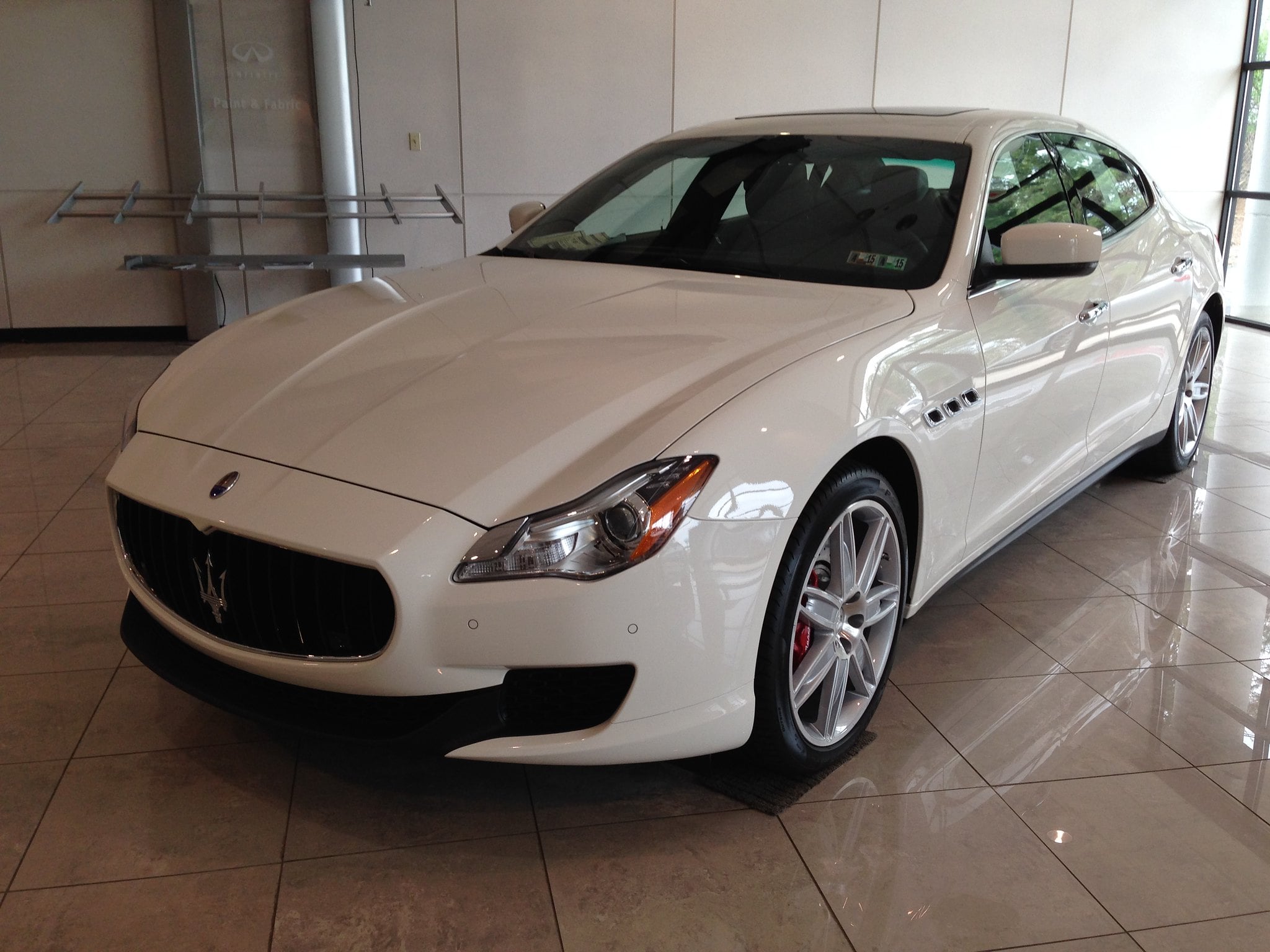
The Maserati Quattroporte looks like it was designed by someone who genuinely understands what a luxury sedan should be.
It sounds even better, with that engine co-developed with Ferrari growling away under the hood.
Unfortunately, the ownership experience tends to sour faster than milk left on a summer dashboard.
The depreciation alone is staggering.
According to recent iSeeCars data, the Quattroporte loses roughly 64 to 66 percent of its value over five years.
That means a car purchased for six figures becomes worth roughly the price of a well-equipped Honda Accord before most loans are paid off.
The reliability issues compound this financial nightmare, with frequent electrical and drivetrain issues commonly reported among owners.
Window regulators fail, cam variators malfunction, and clutch replacements become necessary at surprisingly low mileage.
The worst part is that many of these issues appear just after the warranty expires, leaving owners with repairs that can reach thousands of dollars once out of warranty.
For a car marketed as the Italian answer to German engineering excellence, the Quattroporte delivers more heartbreak than prestige.
Range Rover
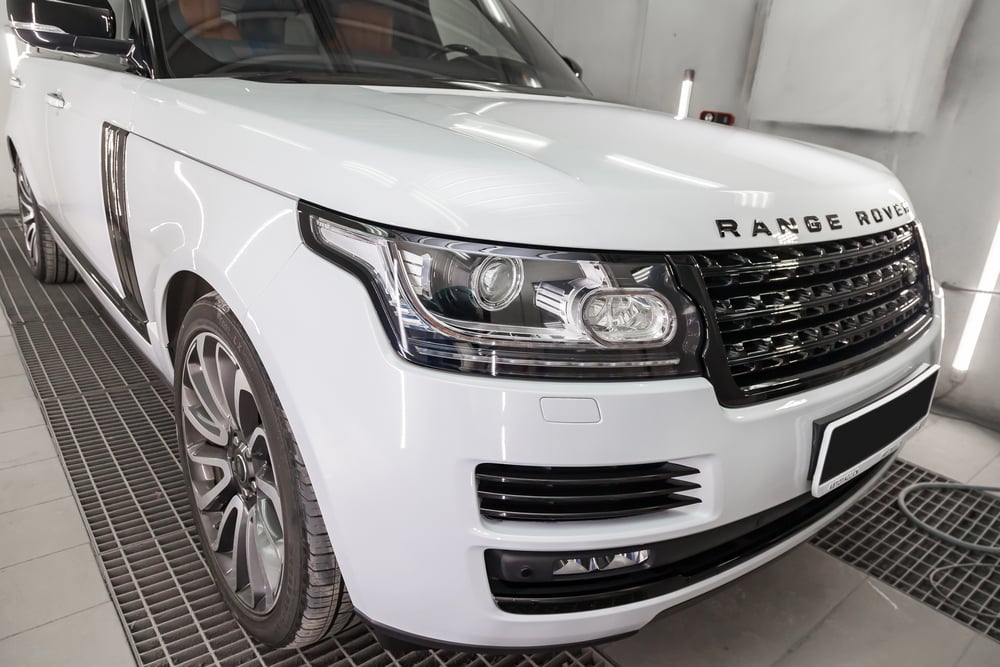
Few vehicles carry the cultural cachet of a Range Rover.
It’s the automotive equivalent of a Rolex, instantly communicating wealth and taste to everyone who sees it.
The problem is that unlike a Rolex, a Range Rover rarely keeps working reliably for decades.
RepairPal gives the Range Rover a dismal 2.0 out of 5.0 reliability rating, placing it near the bottom of its segment.
The annual maintenance cost ranges from $1,200 to $1,400 depending on the trim, nearly double what most vehicles require.
The infamous air suspension system fails so predictably that experienced Range Rover mechanics can quote repair costs from memory.
Oil leaks spring from seemingly every seal and gasket.
The electrical system develops complex faults that are difficult to diagnose.
Even the infotainment system, which should be the easy part, glitches and freezes with maddening regularity.
Then there’s the depreciation, with Range Rovers losing around 60 percent of their value within five years.
That’s more than $50,000 evaporating on a vehicle that started around $150,000.
Owners justify these shortcomings by pointing to the Range Rover’s off-road capability and commanding road presence.
Still, it’s worth noting that most Range Rovers never venture further off-road than a gravel driveway at a country club.
The newer 2023 and later generation has shown improved build quality, though long-term reliability data is still pending.
BMW 7 Series
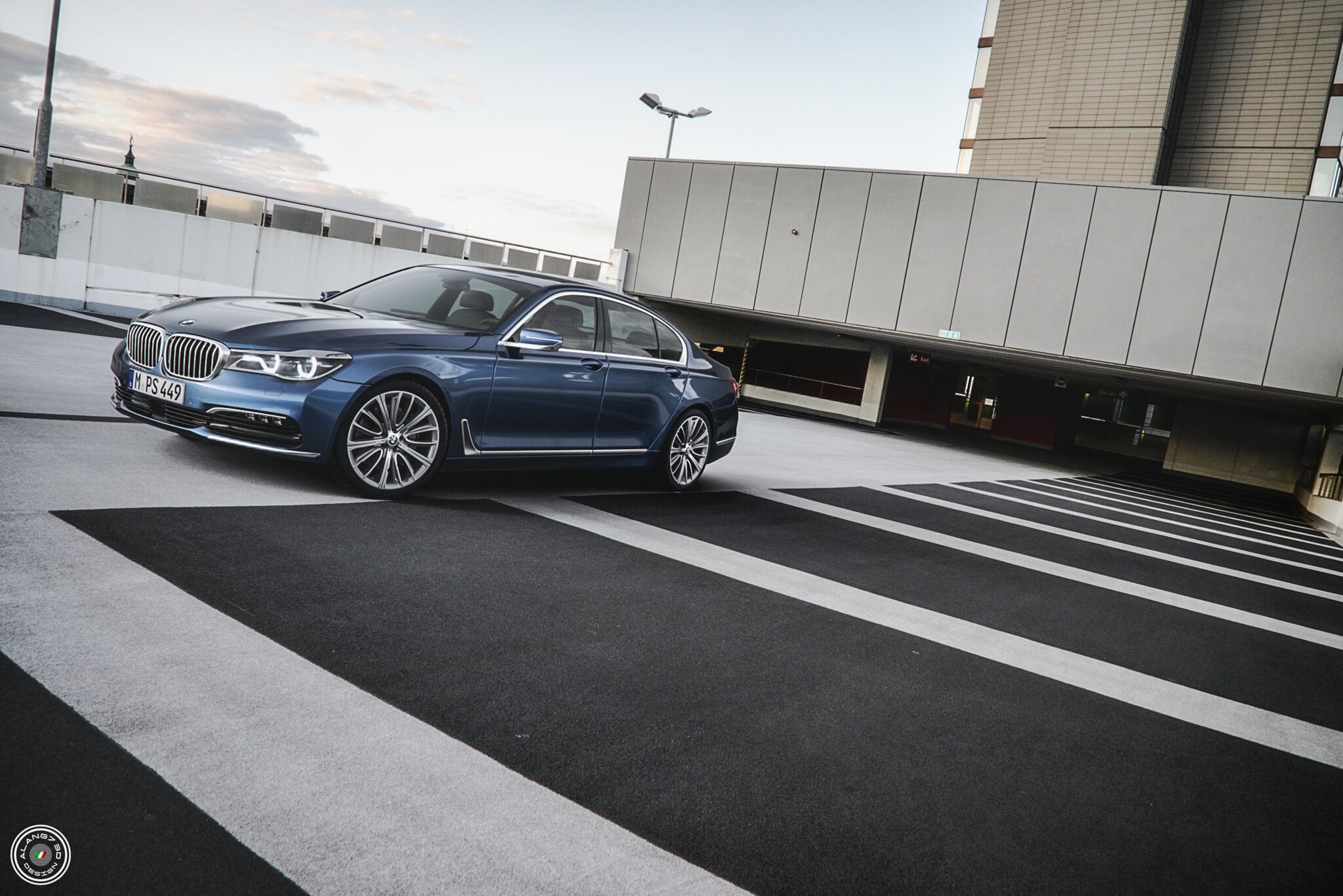
BMW’s flagship sedan represents everything the brand stands for: driving dynamics, technological innovation, and Bavarian engineering excellence.
On paper, the 7 Series checks every box a luxury sedan buyer could want.
In practice, owning one beyond the warranty period requires either deep pockets or a willingness to develop an intimate relationship with your local BMW specialist.
The 7 Series costs an average of $14,400 in maintenance and repairs over its first decade, about $2,700 more than comparable luxury sedans.
The complex electronics that make the car feel so futuristic when new become expensive liabilities as they age.
The iDrive system freezes.
Sensors fail and trigger warning lights like a Christmas tree.
The air suspension, which delivers that magic carpet ride, eventually needs replacement at eye-watering cost.
Turbocharged engines develop oil leaks and component failures.
Even minor repairs carry BMW parts pricing, meaning a job that would cost a few hundred dollars on a Toyota can easily top a thousand on a 7 Series.
The car also depreciates by around 45 percent in just the first year per CarEdge data, making it one of the fastest-depreciating flagships you can buy.
Sure, you get to enjoy that ultimate driving machine experience, but you pay dearly for the privilege.
BMW now includes extended maintenance plans with new purchases to offset early costs, though that does little to help used car buyers.
Tesla Model S
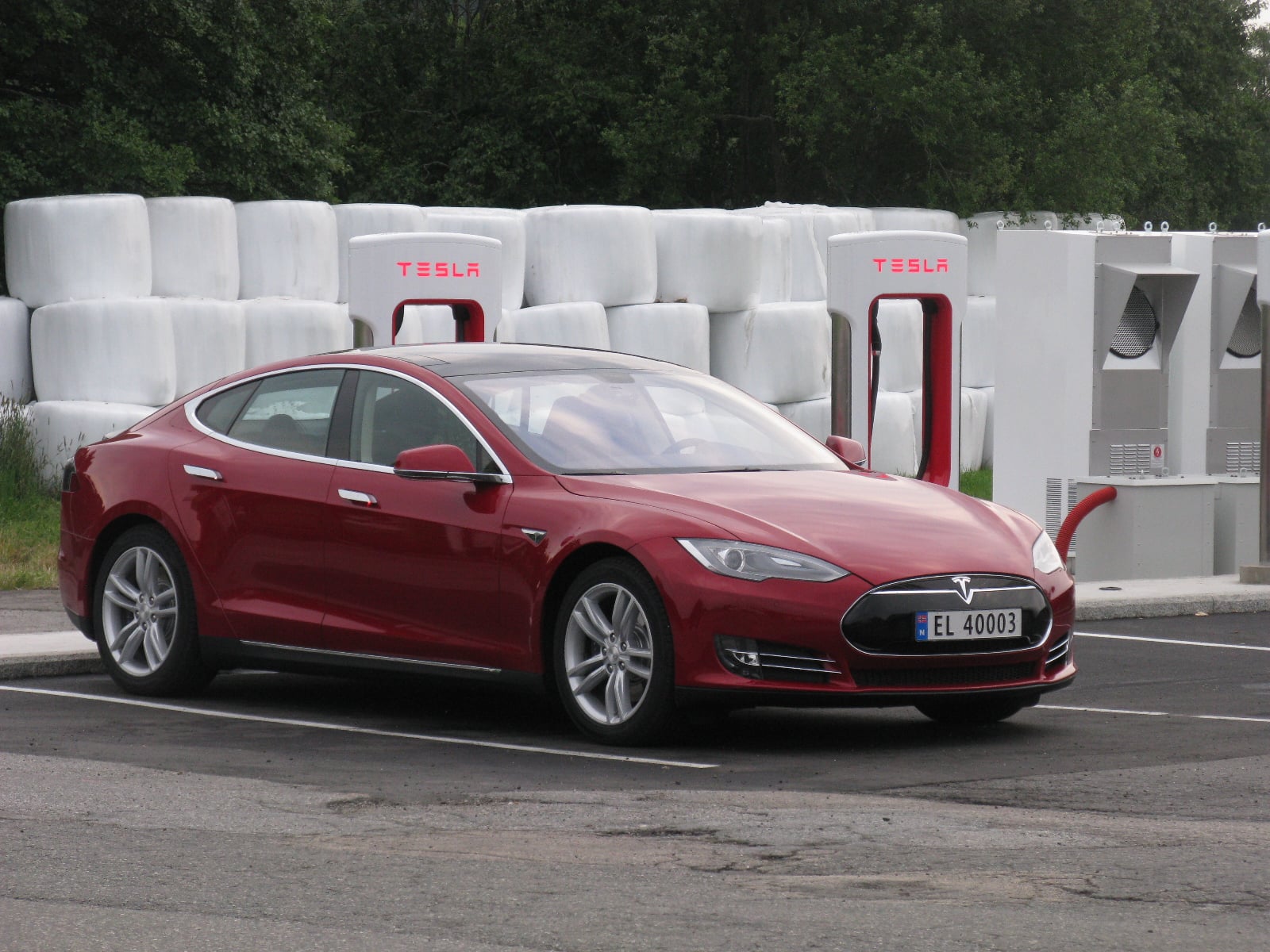
Tesla revolutionized the automotive industry and made electric cars cool.
The Model S, with its ludicrous acceleration and minimalist interior, became the vehicle of choice for tech-forward luxury buyers.
The hype around Tesla, though, has often exceeded what the cars actually deliver in terms of build quality and long-term value.
The Model S depreciates at roughly 65 percent over five years, erasing more than $50,000 in value, though EV resale recovery has been improving for models with newer battery technology.
While electric vehicles have fewer moving parts than traditional cars, that advantage disappears when the battery pack needs replacement.
Battery pack replacement may exceed $15,000 to $20,000 out of warranty.
The interior materials, despite the car’s $90,000 starting price, feel more economy class than luxury class.
Build quality shows inconsistent results between units, with some examples displaying noticeable panel gaps.
The massive touchscreen controls nearly everything, which is innovative until it malfunctions.
Then you’re left unable to adjust basic functions like climate control because a computer decided to take a day off.
The door handles stick.
The suspension components fail prematurely.
The media control units die and take your entertainment system with them.
Tesla’s service network, while improving, still leaves many owners waiting weeks or months for parts and repairs.
Recent Plaid and Highland updates have improved interior quality, but earlier Model S vehicles suffer from these shortcomings.
For a vehicle marketed as the future of luxury transportation, the Model S sure has a lot of present-day problems.
Cadillac Escalade
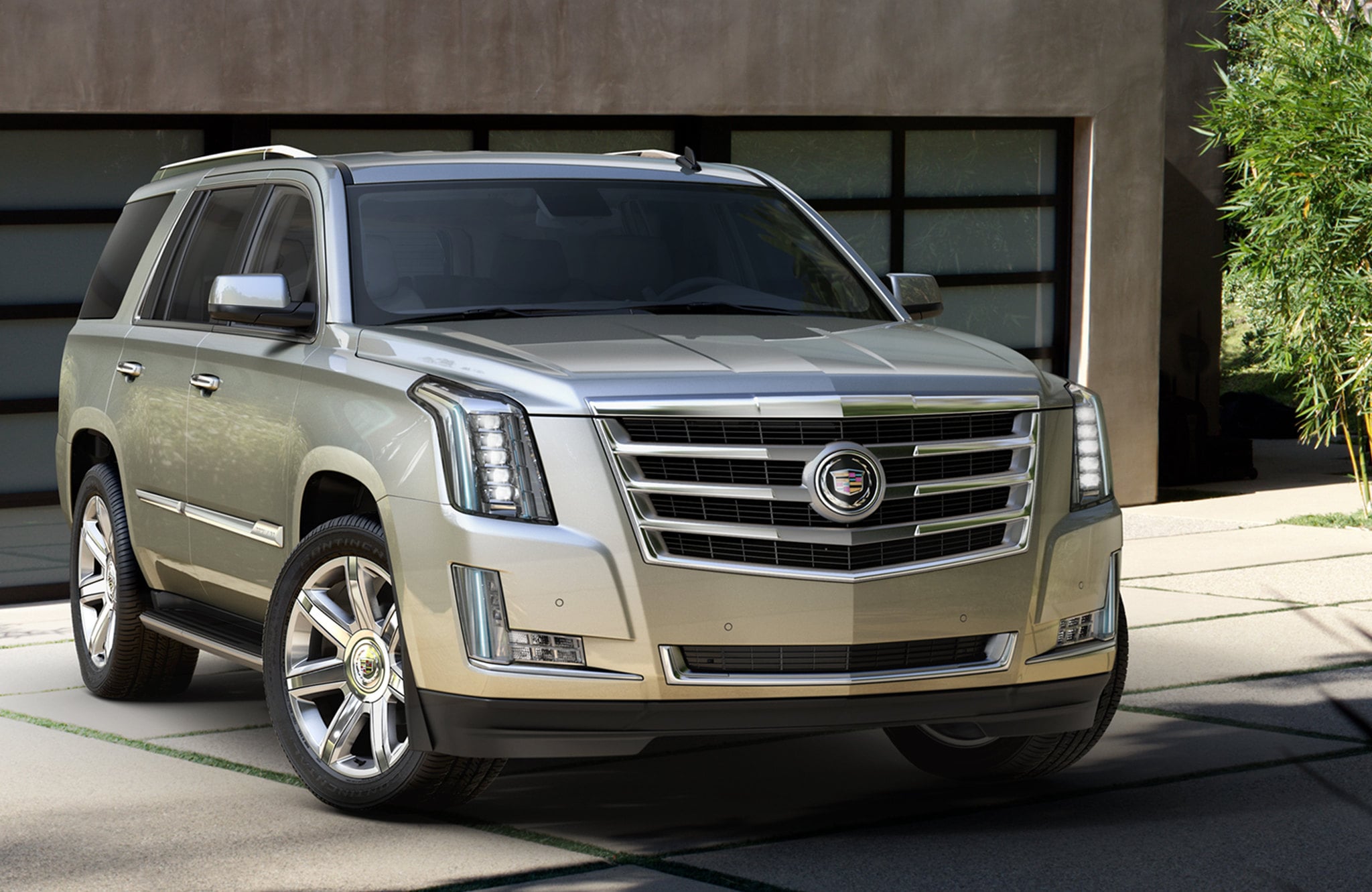
The Escalade is an American icon, the vehicle of choice for everyone from suburban parents to hip-hop moguls.
It’s big, brash, and unapologetically American.
It’s also plagued with quality control issues that seem almost impossible for a vehicle in this price range.
The CUE infotainment system, particularly in 2014 through 2017 models, has been notorious for touchscreen failures.
Screens go dark, refuse to turn on, or operate intermittently in frustrating ways.
Door handles, both interior and exterior, break with shocking regularity on a vehicle that can cost over $100,000 fully equipped.
The 2015 through 2017 models suffered from a documented shake and vibration issue while driving, a problem that shouldn’t exist in a luxury SUV.
Recent model years have seen reports of rear doors that won’t open, creating genuine safety concerns for families with children in car seats.
GM has issued numerous technical service bulletins and recalls for everything from brake system software to suspension bolts that weren’t properly heat-treated, addressing many of these issues.
The Escalade also loses roughly 55 to 60 percent of its value over five years.
The vehicle trades heavily on its brand image and commanding presence, but beneath that imposing exterior lurks engineering that often feels more Chevrolet Tahoe than luxury flagship.
Lincoln Navigator
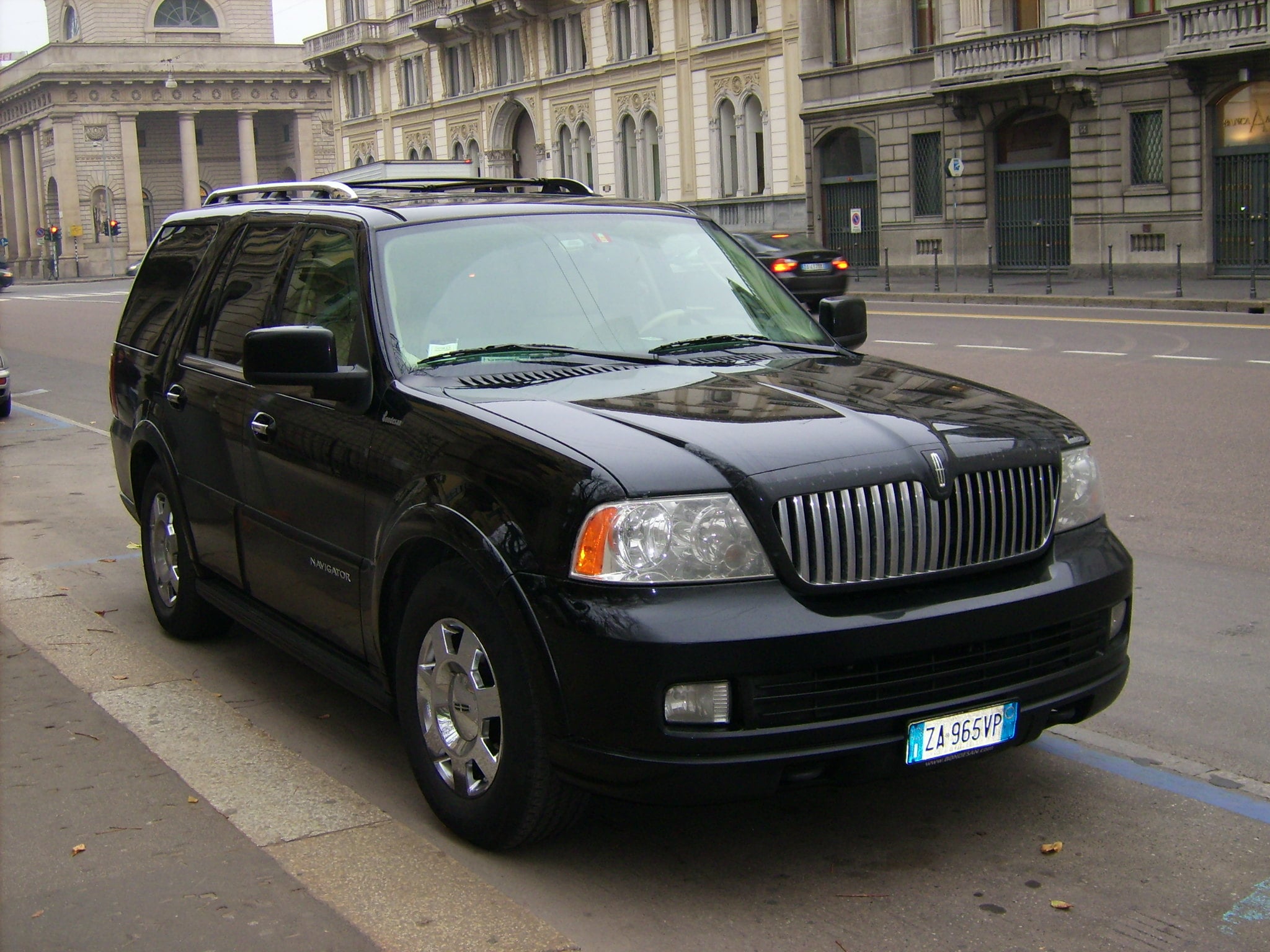
Lincoln’s attempt to compete with the Escalade and other full-size luxury SUVs has produced mixed results.
The Navigator looks the part and offers impressive features, but reliability surveys consistently place it near the bottom of its class.
Consumer Reports ranked the Lincoln brand dead last in their reliability surveys in both 2022 and 2023, revealing deep-seated quality problems across the lineup.
The Navigator shares its platform with the Ford Expedition, offering similar reliability but with costlier repairs due to luxury branding.
Other Lincoln models like the Aviator and Corsair have also scored below average in reliability rankings.
The brand struggles with identity issues, unable to shake its reputation as a dressed-up Ford.
Younger buyers, who might otherwise be drawn to luxury SUVs, see Lincoln as their grandparents’ brand.
The Navigator loses approximately 59 percent of its value over five years.
The combination of reliability concerns, steep depreciation, and brand perception problems makes the Navigator a tough sell despite Lincoln’s efforts to modernize the lineup.
You get the size and presence of a luxury SUV without the prestige or dependability that should come with the price tag.
What This Really Costs

Looking across these overrated luxury vehicles, a clear pattern emerges.
They promise the moon but deliver considerably less while costing considerably more to maintain than their reputations suggest they should.
Total cost-of-ownership studies from sources like CarEdge and iSeeCars consistently show these vehicles at the bottom of their segments.
The common threads include massive depreciation, expensive repairs using proprietary parts, and reliability that falls well short of vehicles costing half as much.
These vehicles work well as moving billboards for individual achievement, but they frequently fall short as means of transportation.
They draw attention at valet stands and look great in driveways.
When owners genuinely attempt to use them as daily vehicles, issues arise.
The cost of maintaining and depreciating the prestige badge is higher than the sticker price.
Astute purchasers of luxury cars examine the total cost of ownership in addition to the promotional materials.
Durability and refinement, not just cost or badge, are what define true luxury.
More from Go2Tutors!

- The Romanov Crown Jewels and Their Tragic Fate
- 13 Historical Mysteries That Science Still Can’t Solve
- Famous Hoaxes That Fooled the World for Years
- 15 Child Stars with Tragic Adult Lives
- 16 Famous Jewelry Pieces in History
Like Go2Tutors’s content? Follow us on MSN.