Record TV Audiences Ever Measured
Television has brought people together for decades, creating shared moments when millions or even billions tune in at the same time. These massive viewing events represent more than just big numbers.
They capture cultural touchstones, historic occasions, and entertainment so compelling that everyone wanted to watch. The biggest audiences ever recorded tell the story of what matters most to people across the world.
Let’s look at the television events that drew the largest crowds in history.
Apollo 11 moon landing
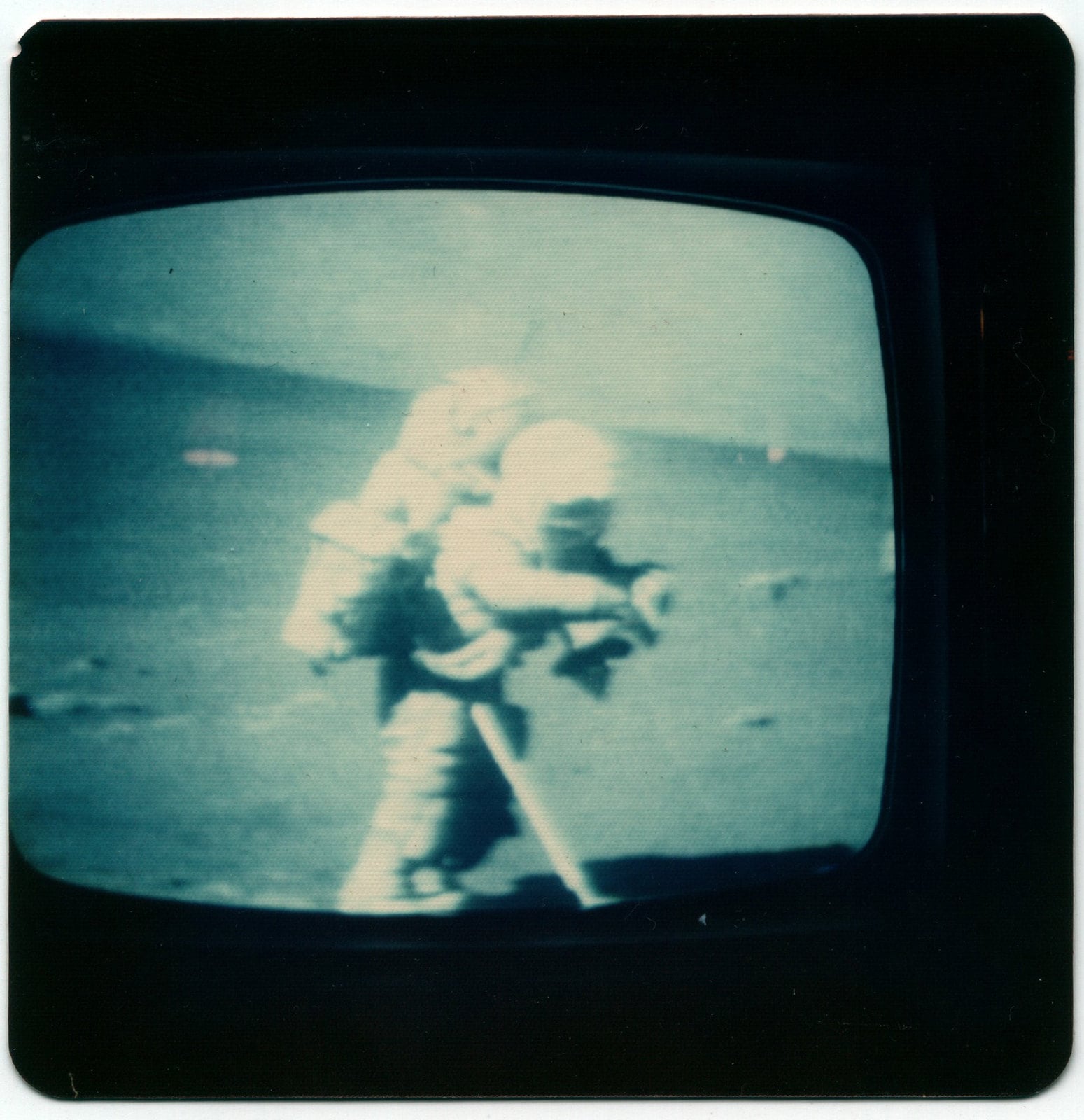
When Neil Armstrong stepped onto the moon’s surface on July 20, 1969, an estimated 650 million people watched it happen live. That number represented about one-fifth of the entire world population at the time.
People gathered around televisions in homes, bars, and public spaces to witness something humanity had never done before. The broadcast united viewers across different countries, languages, and political systems in a single moment of wonder.
Television technology made it possible for regular people to watch history unfold 238,000 miles away in real time.
Muhammad Ali vs. Leon Spinks II
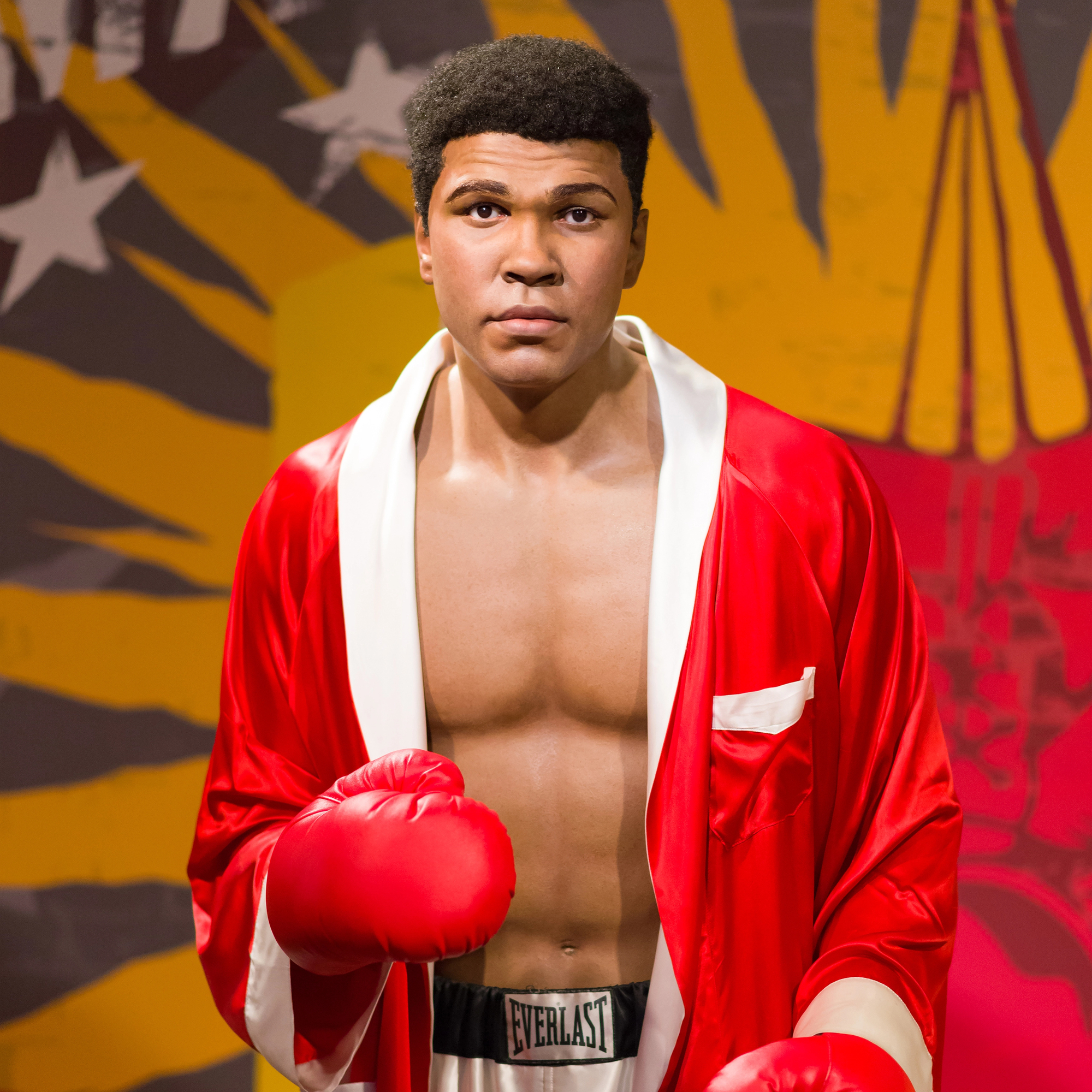
The rematch between Muhammad Ali and Leon Spinks in September 1978 drew roughly 2 billion viewers worldwide. Ali was fighting to reclaim his heavyweight title for an unprecedented third time at age 36.
The fight took place in New Orleans and became one of the most-watched sporting events in television history. Ali won the decision and proved he still had what it took to compete at the highest level.
Boxing commanded massive global audiences in the 1970s in ways that seem hard to imagine today.
Live Aid concerts
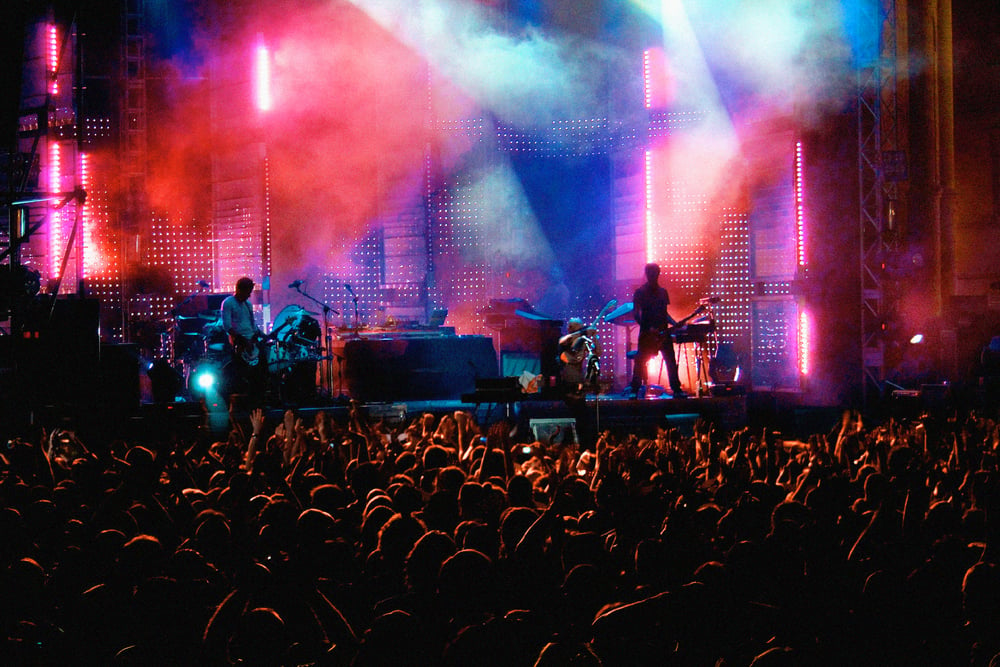
Bob Geldof organized simultaneous concerts in London and Philadelphia on July 13, 1985, to raise money for famine relief in Ethiopia. An estimated 1.9 billion people across 150 countries tuned in to watch performances from Queen, U2, David Bowie, and dozens of other major acts.
The broadcasts ran for 16 hours and raised over $125 million for humanitarian aid. MTV and other music channels made it possible to beam the concerts around the world in real time.
Live Aid showed how television could mobilize people for causes on a truly global scale.
Princess Diana’s funeral
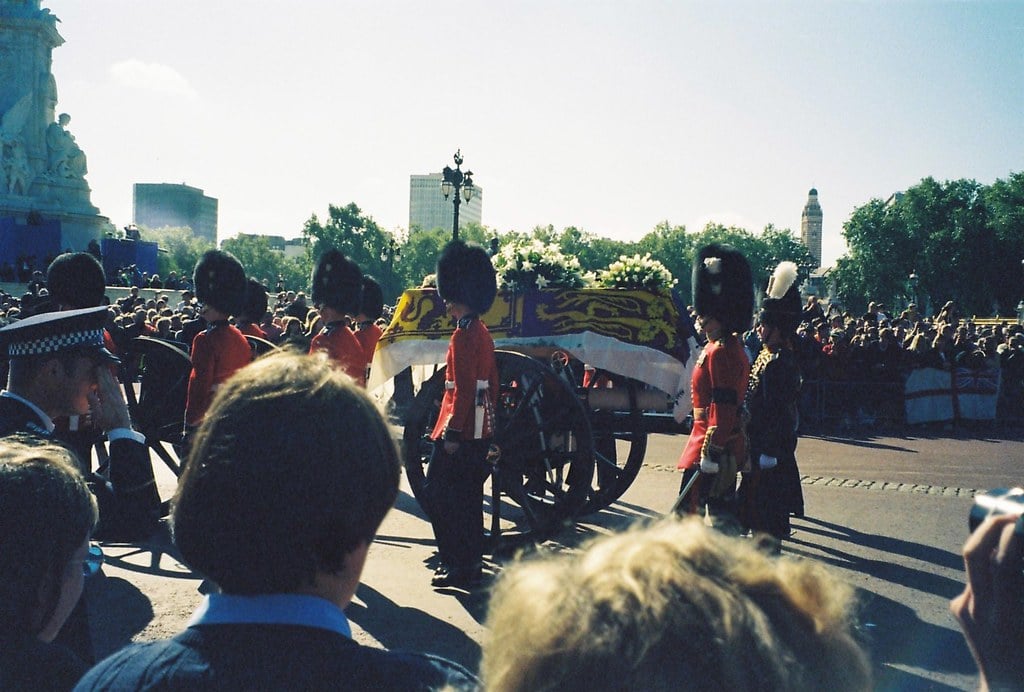
When Princess Diana died in a car crash in Paris, the world went into mourning. Her funeral on September 6, 1997, attracted an estimated 2.5 billion viewers globally.
People felt a personal connection to Diana and wanted to pay their respects by watching the ceremony. The broadcast showed the coffin procession through London streets lined with mourners, followed by the service at Westminster Abbey.
Television allowed people everywhere to participate in a moment of collective grief that transcended national boundaries.
FIFA World Cup 2018 final
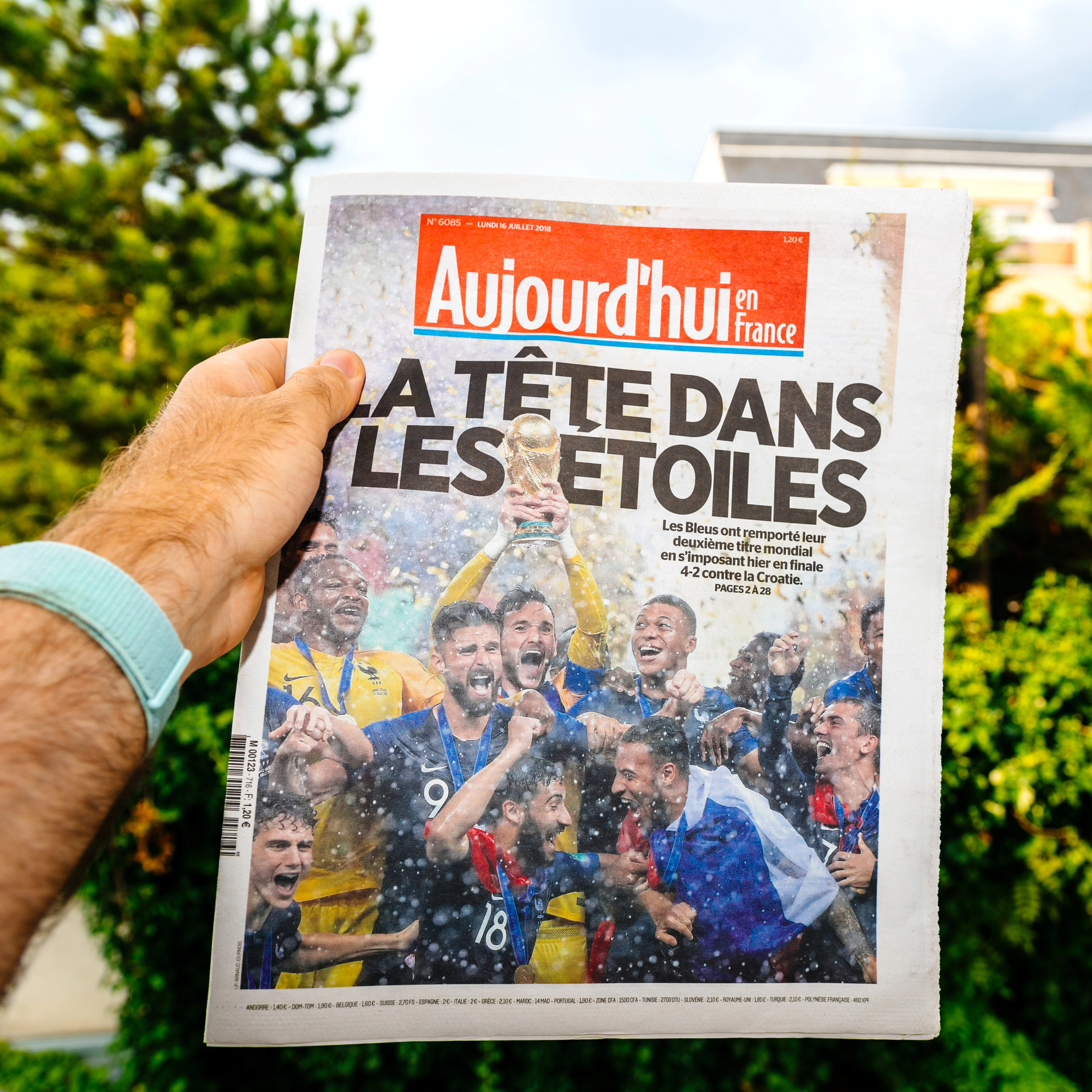
France’s victory over Croatia in the 2018 World Cup final drew an estimated 1.12 billion viewers worldwide. The match took place in Moscow and ended with France winning 4-2.
World Cup finals consistently rank among the most-watched television events because soccer appeals to massive audiences across every continent. The tournament’s global reach means millions tune in from countries that aren’t even competing.
FIFA reported that over half the world’s population watched at least part of the 2018 tournament.
Opening ceremony of the 2008 Beijing Olympics
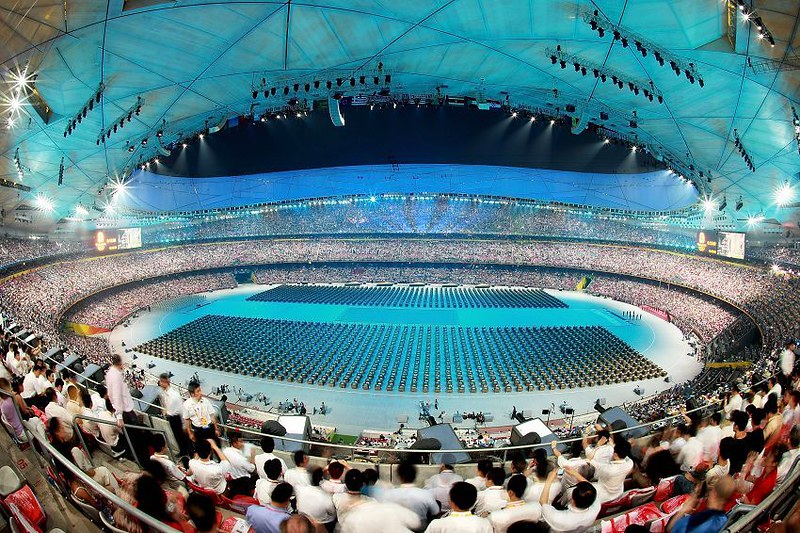
China pulled out all the stops for the Beijing Olympics opening ceremony on August 8, 2008. Director Zhang Yimou created a spectacle featuring 15,000 performers, elaborate costumes, and cutting-edge technology.
An estimated 1 billion people watched the ceremony live, making it one of the most-viewed single events in television history. The broadcast showcased China’s cultural heritage and modern capabilities to a global audience.
The ceremony cost an estimated $100 million to produce, reflecting how much prestige China attached to the moment.
MAS*H series finale
The final episode of MAS*H aired on February 28, 1983, and drew 125 million viewers in the United States alone. That represented 77% of all households watching television that night.
The two-and-a-half-hour special ended an 11-season run that had become part of American culture. People hosted viewing parties and the nation essentially came to a standstill during the broadcast.
No scripted television episode has come close to matching those numbers in the decades since.
Super Bowl XLIX
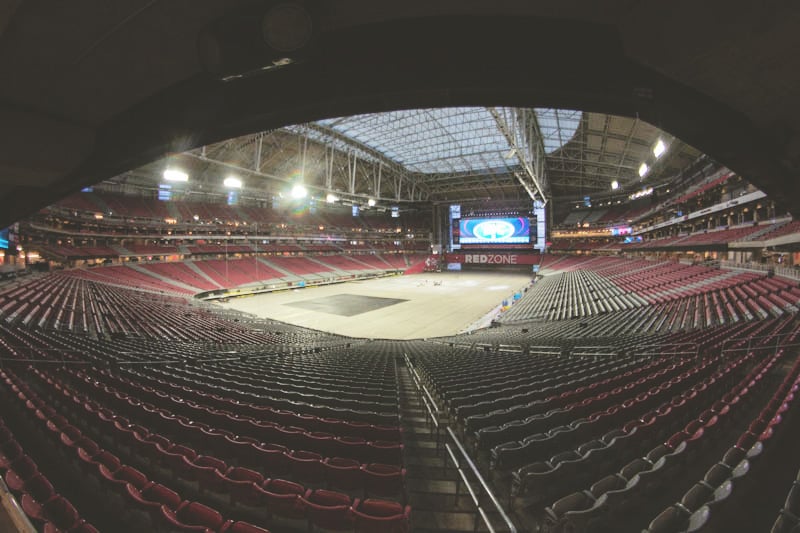
The 2015 Super Bowl between the New England Patriots and Seattle Seahawks averaged 114.4 million viewers in the United States. The game came down to the final seconds, with the Patriots intercepting a pass at the goal line to preserve their victory.
Katy Perry’s halftime show and celebrity-packed commercials added to the appeal. Super Bowls regularly rank as the most-watched television events in America each year.
The game has become as much about the shared cultural experience as about football itself.
Roots miniseries finale
When the final episode of Roots aired on January 30, 1977, it drew 100 million viewers in the United States. The eight-part miniseries about slavery and African American history captivated the nation for a week.
An estimated 85% of all homes with televisions watched at least part of the series. Roots sparked conversations about race and history that extended far beyond the screen.
The finale remains one of the highest-rated programs in American television history.
Concert for Bangladesh
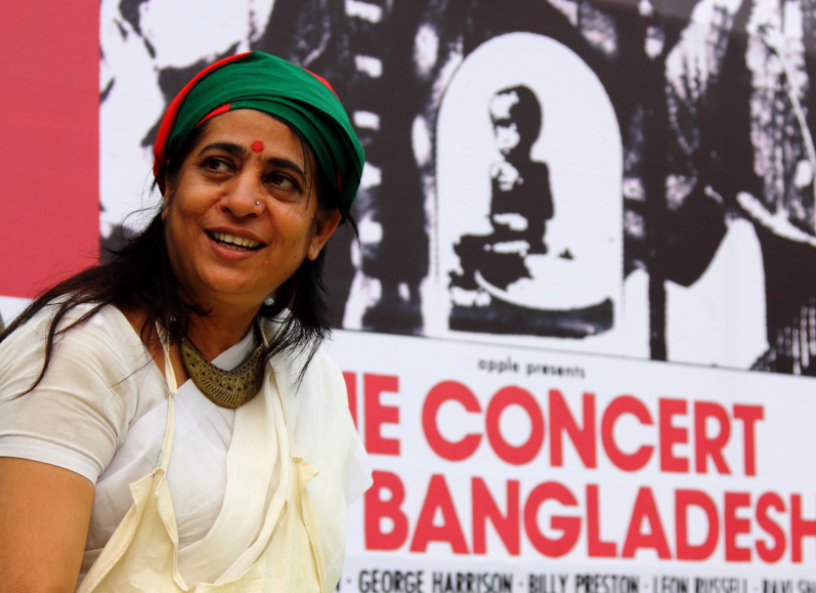
George Harrison organized benefit concerts at Madison Square Garden on August 1, 1971, to raise money for refugees fleeing war and famine in Bangladesh. The concert film premiered on television in 1972 and drew massive audiences around the world.
Bob Dylan, Eric Clapton, and Ravi Shankar performed alongside Harrison. The event pioneered the concept of celebrity charity concerts that later became common.
Television broadcasts helped raise awareness and funds for a humanitarian crisis most people knew little about.
Royal wedding of Prince Charles and Lady Diana
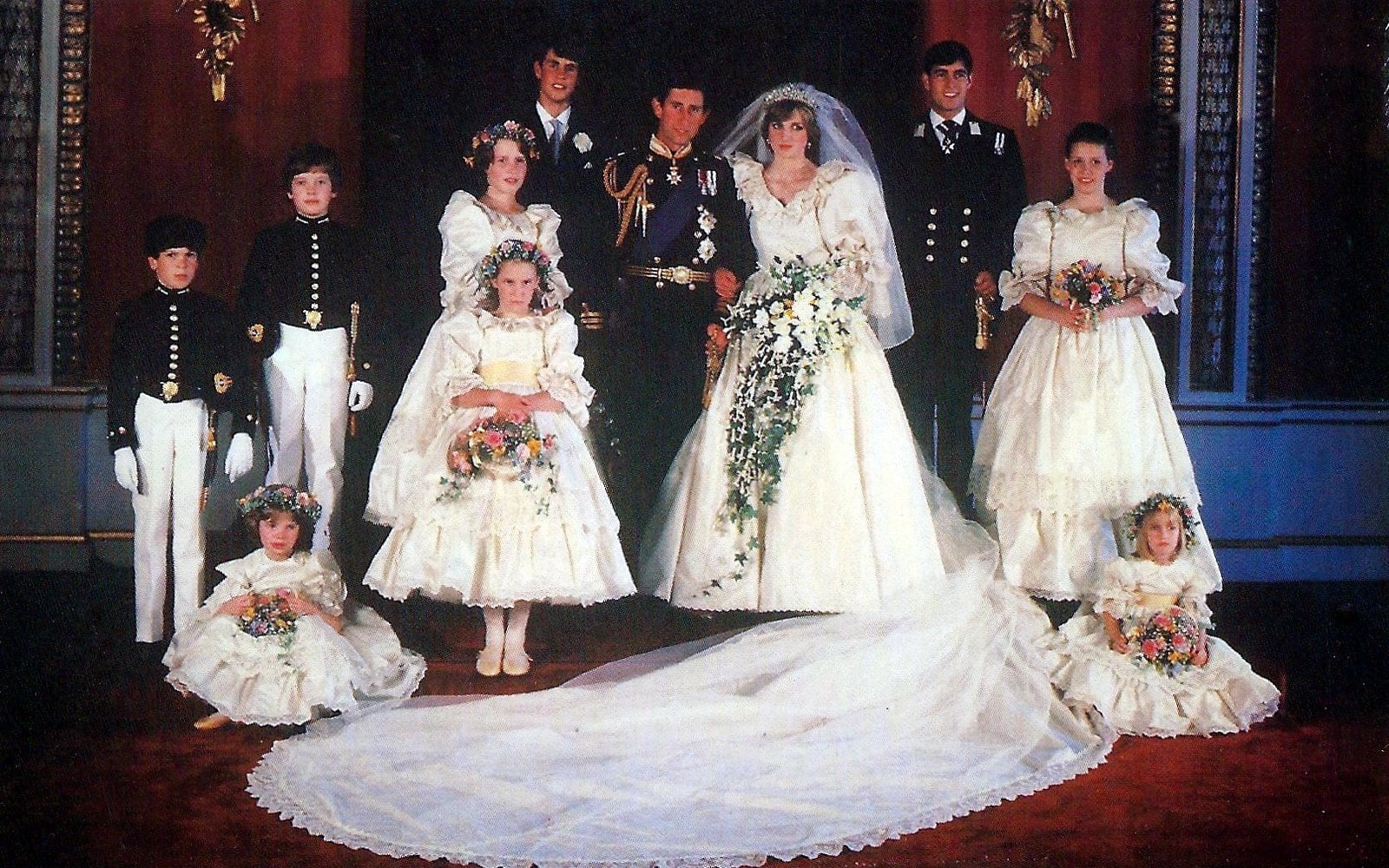
An estimated 750 million people worldwide watched Charles and Diana get married on July 29, 1981. The ceremony at St. Paul’s Cathedral in London featured elaborate pageantry and royal tradition.
Diana’s wedding dress with its 25-foot train became one of the most famous garments in history. The broadcast represented a fairy tale moment that captivated viewers across the globe.
British royalty had never commanded such a massive international television audience before.
Dallas cliffhanger resolution
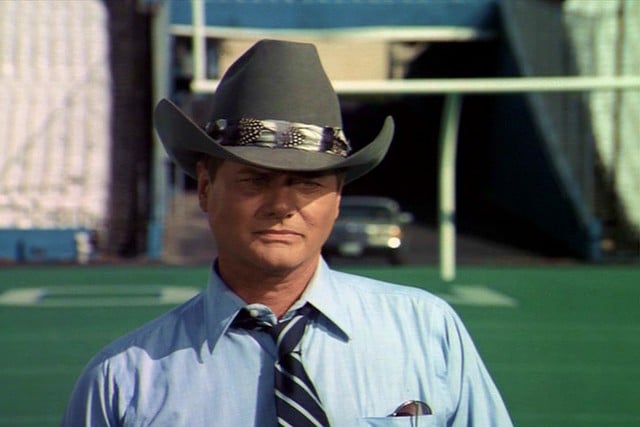
The ‘Who Shot J.R.?’ episode of Dallas aired on November 21, 1980, and drew 83 million American viewers. The show had ended its previous season with oil tycoon J.R. Ewing getting shot, then made everyone wait months to find out who did it.
The mystery became a cultural phenomenon with people placing bets and speculating endlessly. When the answer was finally revealed, it set a record for scripted television that stood for years.
The episode showed how appointment viewing could create massive shared experiences.
Cheers series finale
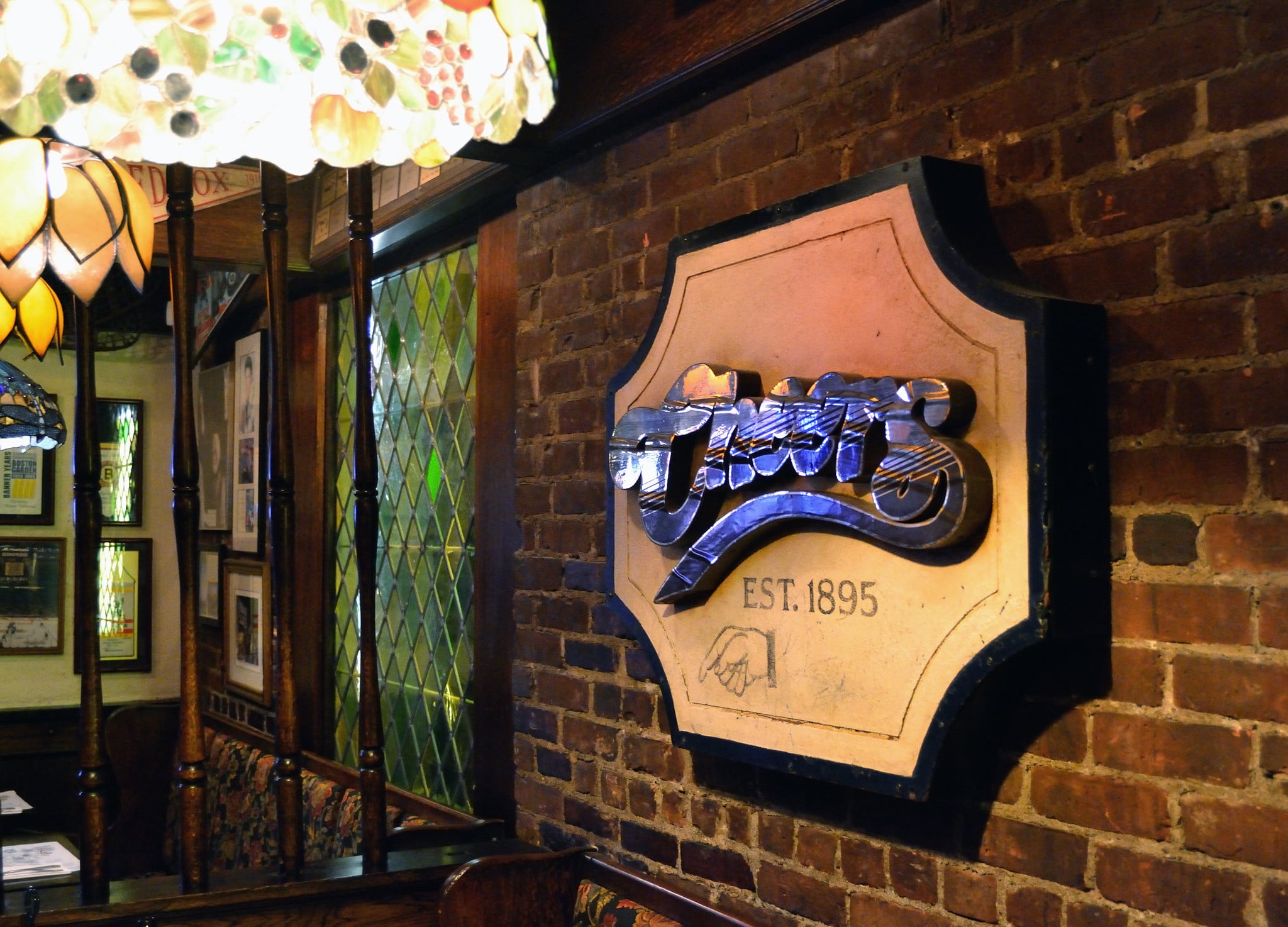
The final episode of Cheers on May 20, 1993, attracted 80.4 million American viewers. The beloved sitcom ended its 11-season run with Sam Malone closing up his Boston bar one last time.
NBC charged $650,000 for 30-second commercials during the finale, a record at the time. People wanted to say goodbye to characters who had become like family over more than a decade.
The finale represented the end of an era for network television dominance.
The Fugitive series finale
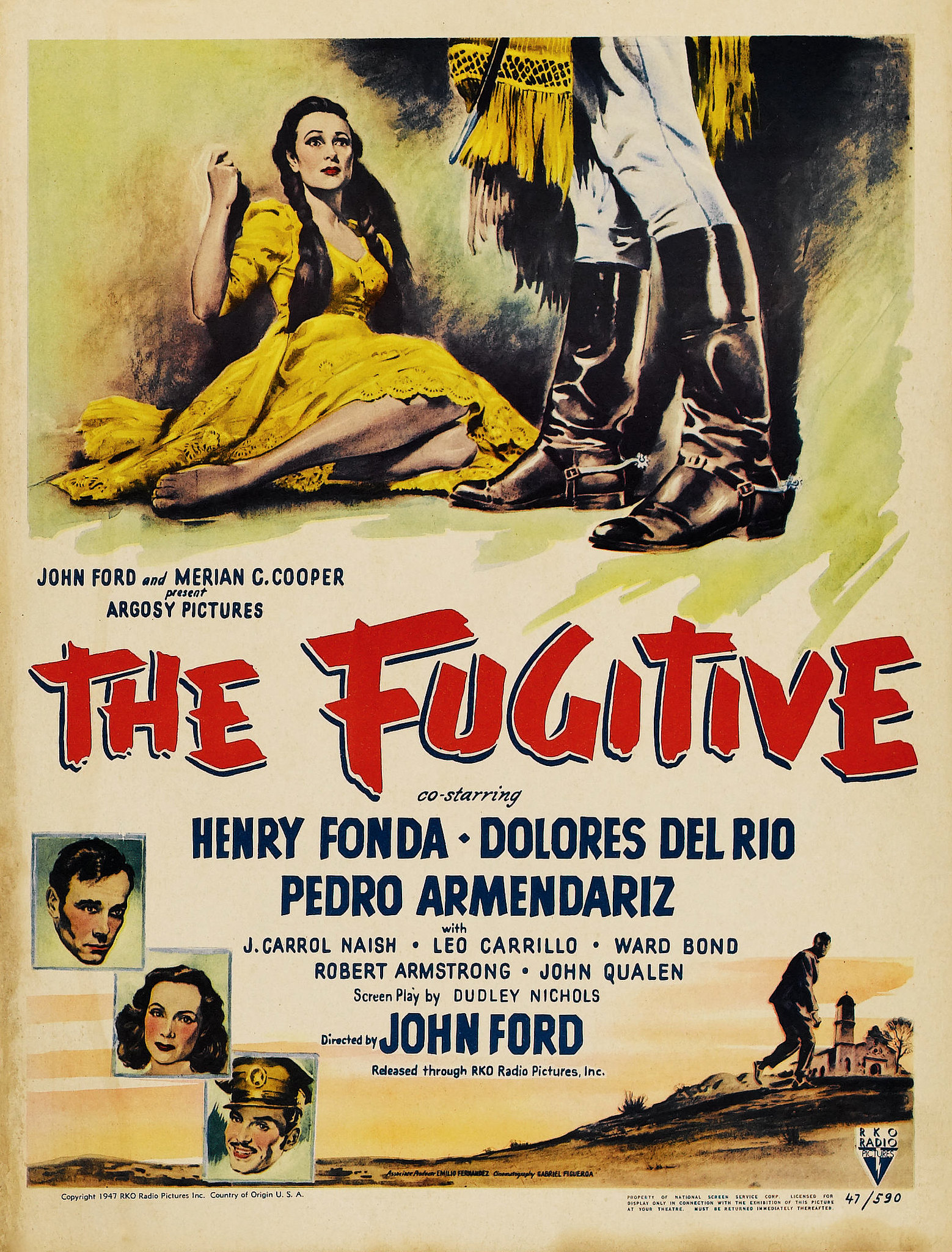
When Dr. Richard Kimble finally caught the one-armed man in The Fugitive’s finale on August 29, 1967, an estimated 78 million Americans tuned in. That represented 72% of all television sets in use that night.
The show had kept viewers hooked for four seasons with its premise of a man wrongly accused of murder. The finale provided resolution to a story that had become a national obsession.
Families gathered around their sets to see how it would all end.
Seinfeld series finale
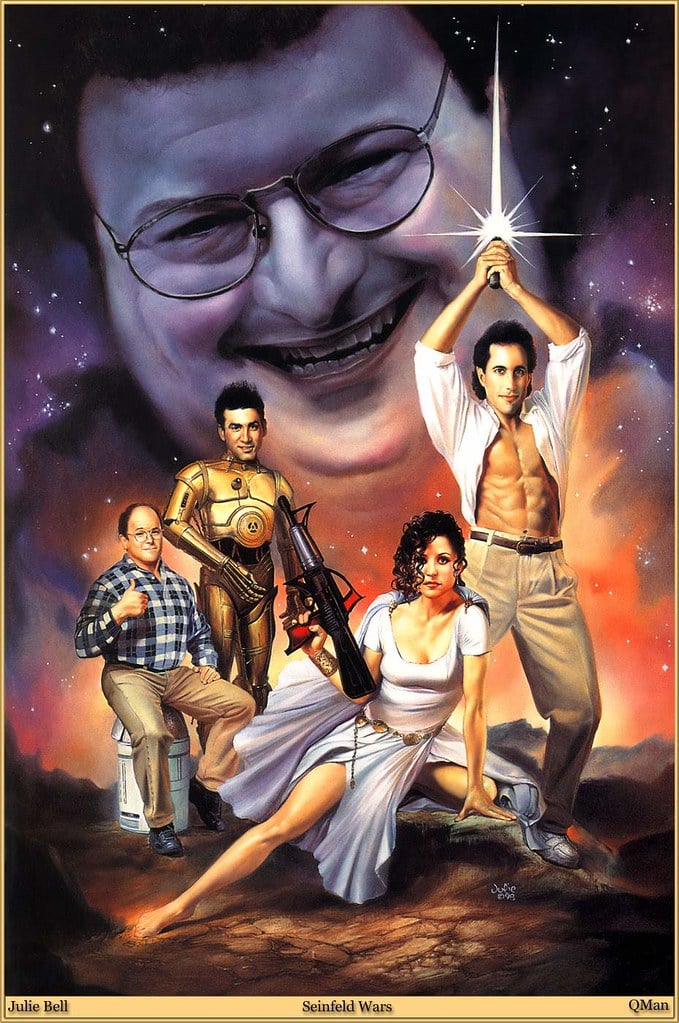
The final episode of Seinfeld on May 14, 1998, drew 76.3 million American viewers. NBC promoted the finale for weeks, building it into a major television event.
The controversial ending put Seinfeld, George, Elaine, and Kramer on trial for their years of selfish behavior. Despite mixed reactions to the plot, the sheer number of viewers showed how important the show had become.
Seinfeld represented a high point for network sitcoms before cable and streaming fragmented audiences.
Friends series finale
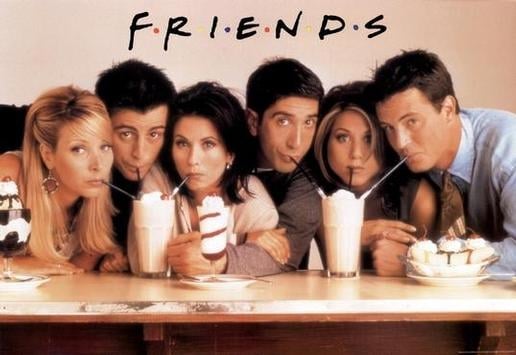
That night in 2004 when Friends finished, more than fifty-two million people across the U.S. watched. Instead of dragging things out, the ending tied up love stories while showing everyone moving out of those familiar apartments.
Advertisers paid NBC two million dollars just to run a half-minute spot, knowing so many would be tuned in. For ten years straight, the series shaped how a whole group of people saw connection and city living.
By closing that chapter, it also closed a rare moment – when one comedy could still gather millions together before TV splintered into countless pieces.
The Beatles appear on Ed Sullivan
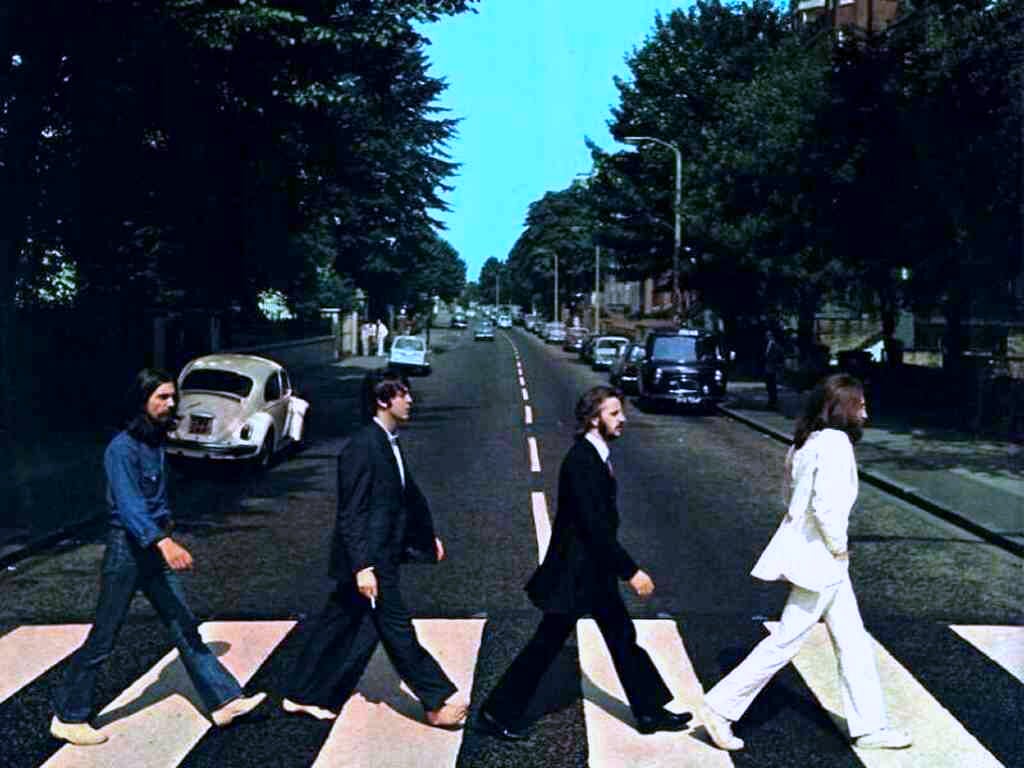
A Tuesday night in early 1964 pulled millions into living rooms across the country. Nearly half the United States tuned in as four young men from Liverpool stepped onto a New York stage.
Their sound burst through screens, loud and fresh, catching everyone by surprise. Instead of just listening, people reacted – kids screamed, parents smiled, history shifted quietly beneath it all.
Five songs played one after another, each making something new feel possible. Moments like this did not come around often; they stayed fixed in memory without trying.
How television brought us together

Moments like these show how TV once brought faraway people together through common stories. Back then, before shows could be watched anytime, everyone tuned in at once – same hour, same program.
That habit built memories whole groups of people carry years later. Huge events on screen pulled in crowds from cities, towns, different beliefs, and walks of life.
Today’s gadgets offer endless options, yes, yet missing is that fixed moment everyone shares. Watching alone now feels normal, though earlier it used to be collective.
For a short while back then, millions of homes became part of something wider, almost like neighbors gathering next door.
More from Go2Tutors!

- The Romanov Crown Jewels and Their Tragic Fate
- 13 Historical Mysteries That Science Still Can’t Solve
- Famous Hoaxes That Fooled the World for Years
- 15 Child Stars with Tragic Adult Lives
- 16 Famous Jewelry Pieces in History
Like Go2Tutors’s content? Follow us on MSN.