15 biggest religious groups worldwide
Religion shapes the lives of billions across the world. It influences culture, traditions, and daily routines in many communities.
Understanding the largest religious groups can help us see how diverse and interconnected the world truly is. Let’s dive right into the 15 biggest religious groups and get a clear picture of who follows what and where.
Christianity

Christianity is the world’s largest religion, with over two billion followers. It is based on the life and teachings of Jesus Christ.
Different branches like Catholicism, Protestantism, and Orthodoxy spread across the Americas, Europe, and parts of Africa and Asia. It shapes many holidays and customs that are widely recognized.
Islam

Islam has around 1.9 billion followers worldwide. Muslims follow the teachings of the Prophet Muhammad recorded in the Quran.
The two main groups, Sunni and Shia, hold slightly different beliefs but share core principles. Islam is most practiced in the Middle East, North Africa, and parts of Asia.
Like Go2Tutors’s content? Follow us on MSN.
Hinduism
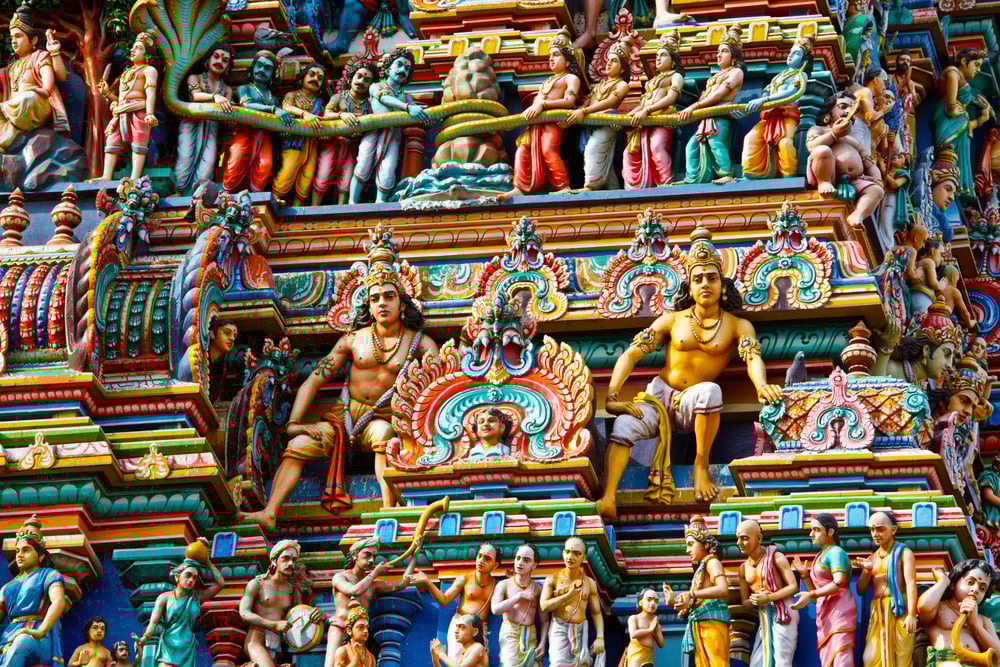
Hinduism is one of the oldest religions and has about 1.2 billion followers. It is mostly practiced in India and Nepal.
Unlike Christianity and Islam, Hinduism includes many gods and spiritual ideas, offering a broad and diverse belief system. Its rituals and festivals are colorful and important in daily life.
Buddhism

Buddhism has around 500 million followers around the world. It began with Siddhartha Gautama, known as the Buddha, who taught ways to end suffering.
Buddhism focuses on mindfulness and meditation, with major branches like Theravada and Mahayana. It is mostly found in East and Southeast Asia.
Sikhism
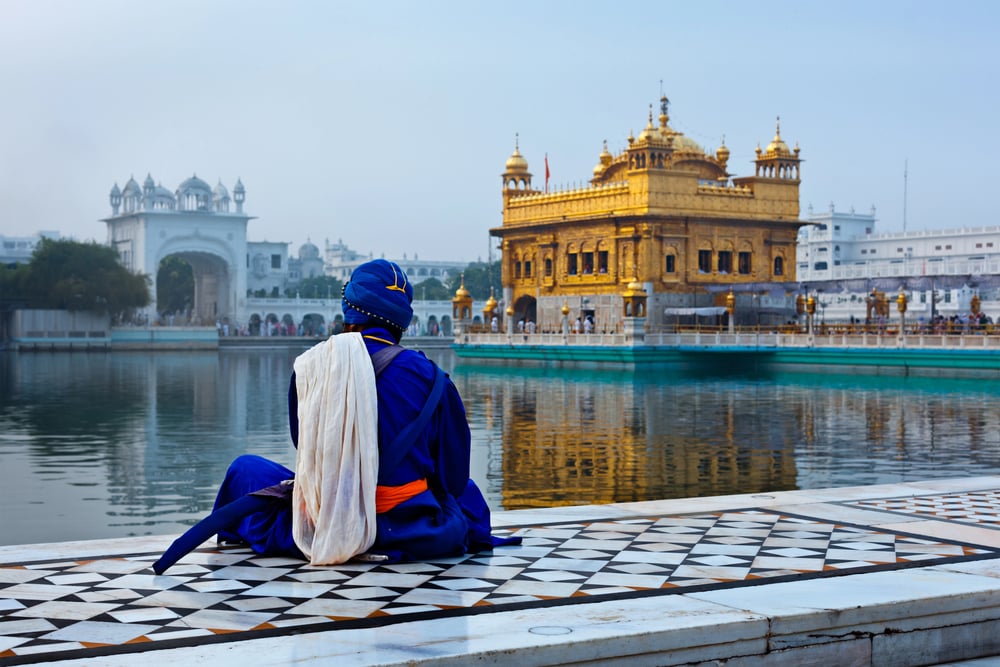
Sikhism has about 30 million followers. It was founded in the 15th century in the Punjab region of India.
Sikhs believe in one God and follow the teachings of Guru Nanak and his successors. The community is known for its strong values of equality and service to others.
Like Go2Tutors’s content? Follow us on MSN.
Judaism

Judaism is one of the oldest monotheistic religions with roughly 15 million followers. It is centered on the Hebrew Bible and Jewish law.
Jewish communities live worldwide but have a strong presence in Israel and the United States. Its traditions are rich with history and cultural meaning.
Bahá’í Faith
The Bahá’í Faith has about 8 million followers globally. It began in the 19th century and teaches the unity of all religions and people.
Bahá’ís emphasize peace, equality, and world harmony. Their communities spread across many countries, promoting universal values.
Jainism

Jainism, with around 4-5 million followers, is an ancient Indian religion. It stresses non-violence and respect for all living beings.
Jains follow strict ethical rules and often practice fasting and meditation. Most followers live in India, where the religion deeply influences local culture.
Like Go2Tutors’s content? Follow us on MSN.
Shinto
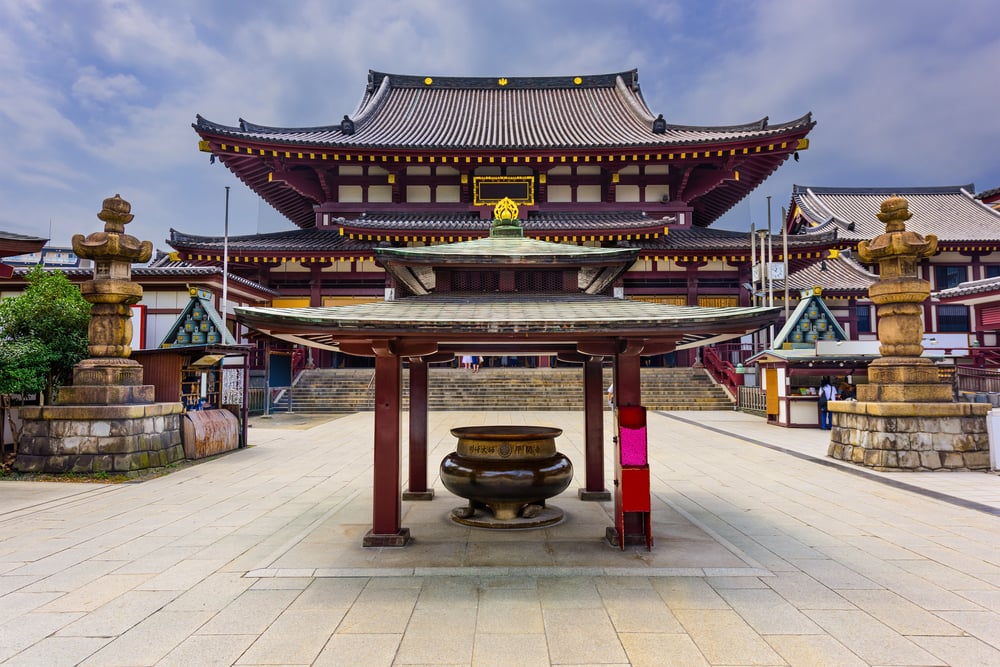
Shinto is the traditional religion of Japan, with about 4 million active followers. It focuses on worshipping spirits known as kami found in nature and ancestors.
Shinto rituals are part of everyday life and important ceremonies. It exists alongside Buddhism in Japan.
Cao Dai
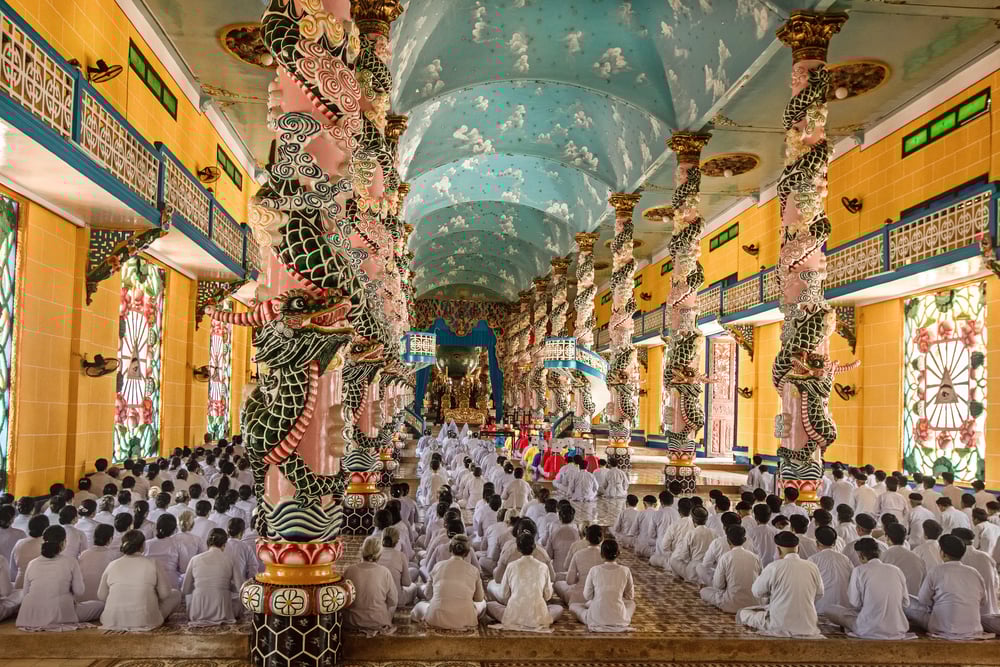
Cao Dai is a newer religion with about 4 million followers, mainly in Vietnam. It combines elements from Buddhism, Christianity, Taoism, and Confucianism.
Its followers believe in unity and peace, and the religion features colorful temples and ceremonies.
Zoroastrianism

Zoroastrianism has about 100,000 to 200,000 followers today. It is one of the world’s oldest monotheistic religions, founded in ancient Persia.
Followers believe in a single god, Ahura Mazda, and value truth and good deeds. Though small in number, it has had a big influence on other religions.
Like Go2Tutors’s content? Follow us on MSN.
Tenrikyo

Tenrikyo is a Japanese religion with around 2 million followers. It teaches joy and gratitude through helping others and living a good life.
Founded in the 19th century, it focuses on healing and positive living. Most adherents are in Japan, where it blends with local culture.
Animism

Animism is practiced by roughly 300 million people, especially in parts of Africa, Asia, and the Americas. It involves belief in spirits in nature, like trees, rivers, and animals.
Animist traditions vary widely but often include rituals to honor and respect the natural world.
Neo-Paganism

Neo-Paganism has grown in recent decades, with around 1 million followers worldwide. It revives old European pagan beliefs with a focus on nature worship, magic, and rituals.
Many people are drawn to its flexible and personal approach to spirituality.
Like Go2Tutors’s content? Follow us on MSN.
Unaffiliated (Atheists, Agnostics, Others)

Around 1.2 billion people worldwide do not identify with any religion. This group includes atheists, agnostics, and those who are spiritual but not religious.
Their numbers have been rising, especially in parts of Europe, North America, and East Asia.
How faith has shaped and moves the world today

Religions have shaped cultures, laws, and values for thousands of years. The biggest groups still influence millions of lives and communities around the globe.
While beliefs vary widely, they often bring people together through shared traditions and moral teachings. In today’s world, understanding these groups helps build respect and connection across different backgrounds.
Faith, in many forms, continues to be a powerful force shaping the present and future.
More from Go2Tutors!

- 16 Historical Figures Who Were Nothing Like You Think
- 12 Things Sold in the 80s That Are Now Illegal
- 15 VHS Tapes That Could Be Worth Thousands
- 17 Historical “What Ifs” That Would Have Changed Everything
- 18 TV Shows That Vanished Without a Finale
Like Go2Tutors’s content? Follow us on MSN.



