Silly Inventions That Made Millions
Sometimes the most ridiculous ideas turn out to be the most profitable. History is full of products that seemed absurd at first glance but ended up making their creators incredibly wealthy.
These inventions didn’t solve major problems or advance technology in meaningful ways. They just caught on, and people couldn’t stop buying them.
The Pet Rock Found a Million Buyers

Gary Dahl spent fifteen minutes in a bar listening to friends complain about their pets. He joked about the perfect pet being a rock—no feeding, no walking, no vet bills.
Then he actually went home and made it happen. Each Pet Rock came in a cardboard carrying case with air pits and a training manual full of puns.
The manual taught owners how to make their rock “sit” and “stay.” Dahl sold over a million rocks in six months during the 1975 holiday season at four dollars each.
He became a millionaire from selling ordinary beach stones with funny packaging.
Crocs Defied Every Fashion Rule

The chunky foam clogs looked like something a gardener would wear while watering plants. Fashion experts predicted they’d disappear within a season.
Instead, they became one of the best-selling shoes in the world. Crocs started as boating shoes because the foam didn’t slip on wet surfaces.
But people started wearing them everywhere—to the grocery store, to work, even to fancy restaurants. The company has sold over 850 million pairs since 2002.
Celebrities started wearing them, which somehow made the ugly shoes cool. Now the brand is worth billions.
The Snuggie Made Blankets Wearable

Someone looked at a bathrobe and decided to put it on backwards. That’s essentially what the Snuggie is—a blanket with sleeves that you wear like a robe.
The infomercials showed people reading books, using laptops, and eating popcorn while wearing these things. Critics mocked the product relentlessly.
Late-night comedians made it a running joke. But 30 million people bought them anyway.
The company made over $500 million in sales. Airports started selling them.
College kids wore them to football games. The joke product became a genuine phenomenon.
Silly Bandz Conquered Every Elementary School

These were just rubber bands shaped like animals, objects, and characters. Kids collected them, traded them, and wore dozens on their wrists until circulation nearly stopped.
Schools started banning them because children paid more attention to their Silly Bandz than their lessons. The inventor spent $20,000 to create the first batch.
Within two years, he’d sold over a billion of them. The company made $200 million in 2010 alone.
Adults couldn’t understand the appeal, but that didn’t matter. Kids wanted them, parents bought them, and the simple rubber bands kept flying off shelves.
The Slinky Walked Down Stairs

A naval engineer knocked a tension spring off a shelf and watched it tumble across the floor. Most people would have picked it up and forgotten about it.
Richard James saw a toy that could walk down stairs by itself. He borrowed $500 to manufacture the first batch.
The early demonstrations didn’t go well—the springs just collapsed in a heap. But once he got the tension right, the Slinky became a sensation.
Over 350 million have sold since 1945. The toy costs almost nothing to make and sells for enough to generate serious profits.
Chia Pets Grew Hair Overnight

The terracotta figurines had grooves that held chia seeds. You watered them, and green sprouts emerged like hair or fur.
The commercials sang “Ch-ch-ch-chia” over and over until the jingle lodged in your brain permanently. Joseph Pedott bought the rights to Chia Pets in 1977 and turned them into a cultural fixture.
The company sells over 500,000 units every year, generating millions in revenue. They’ve made Chia versions of presidents, cartoon characters, and even emojis.
The basic concept hasn’t changed in decades, but people keep buying them.
Beanie Babies Created a Collecting Frenzy

Ty Warner made small stuffed animals filled with plastic pellets instead of traditional stuffing. He gave each one a name, a birthday, and a poem.
Then he made them “retired” certain designs, which created artificial scarcity. The result was mass hysteria.
People bought hundreds of Beanie Babies hoping they’d appreciate in value. Some rare ones sold for thousands of dollars.
Divorcing couples fought over their collections in court. At the peak in the late 1990s, Ty Inc. was making $1.4 billion per year.
Most of those Beanie Babies now sit in storage bins worth almost nothing, but Warner became a billionaire.
The Magic 8-Orb Answered Life’s Questions

Someone put a fortune-telling toy inside a black and white sphere. You asked it a yes-or-no question, flipped it over, and a plastic die floated up with vague answers like “Reply hazy, try again” or “Outlook not so good.”
The toy offered no real value. It couldn’t predict anything. The answers were completely random.
But people loved it anyway. The Magic 8-Orb has sold over one million units per year for decades.
It shows up in movies and TV shows. You can find one in nearly every toy store in America.
The simplicity is exactly what made it work.
Fidget Spinners Took Over the World for Six Months
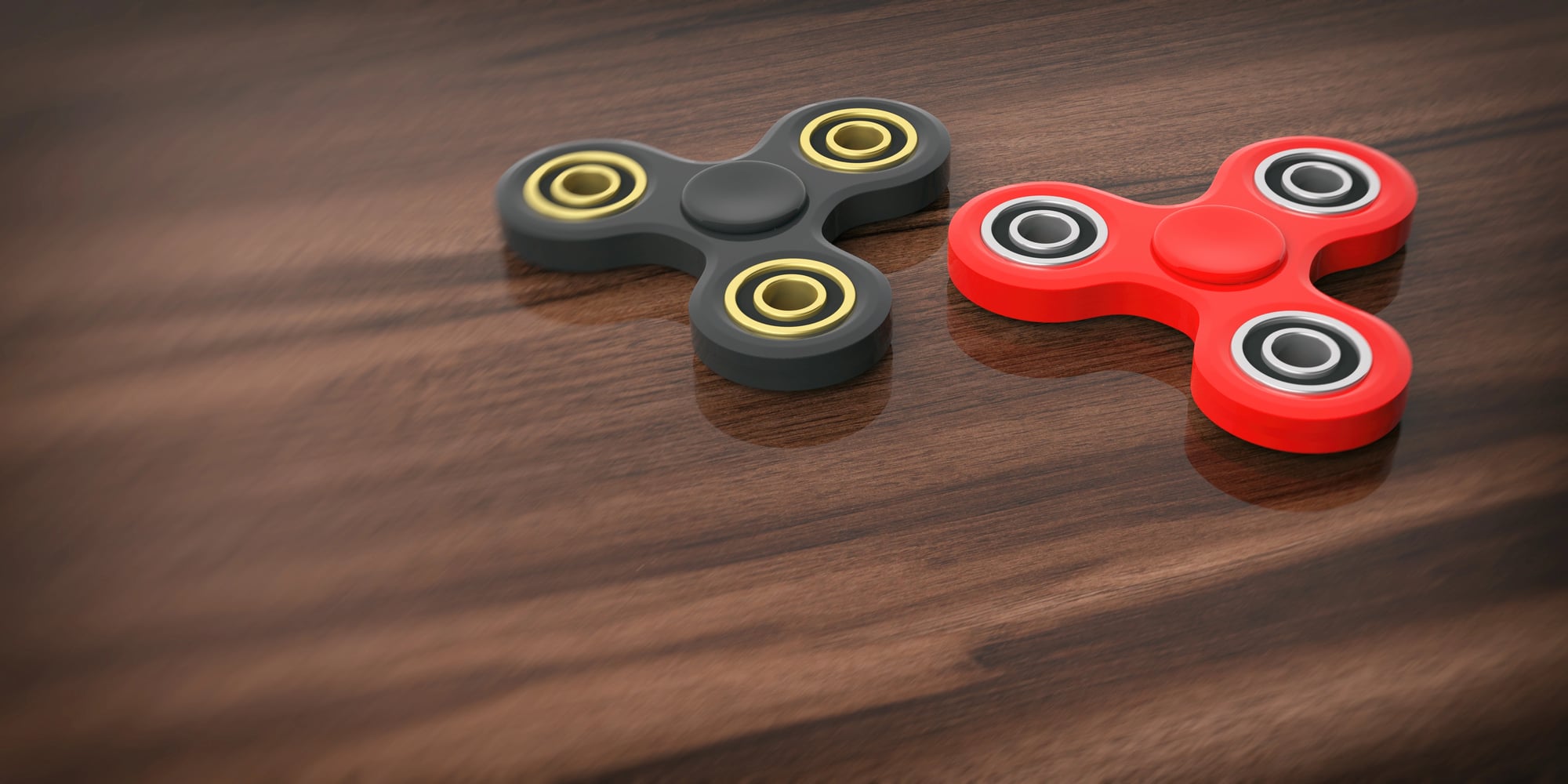
These palm-sized spinning toys were marketed as tools to help people focus and relieve stress. Schools banned them almost immediately because kids played with them during class instead of paying attention to teachers.
The craze lasted barely half a year, but during that time manufacturers couldn’t produce them fast enough. Some sellers made millions importing cheap spinners from China and reselling them.
The market became so saturated that prices collapsed, but not before early movers made fortunes. Target sold 50 million of them in 2017 alone.
Wacky WallWalkers Stuck to Everything

These sticky rubber octopuses tumbled down walls and windows when you threw them. They picked up lint and dirt quickly, which meant you constantly needed to wash them.
The stickiness eventually wore off completely, making them useless. Despite these obvious flaws, over 240 million WackyWallWalkers were sold in the 1980s.
Ken Hakuta, who marketed them in the United States, made $80 million. The toys cost pennies to manufacture in Asia.
The profit margins were enormous. Kids begged their parents for them, and parents gave in because they were cheap.
The Snooze Button Changed Mornings Forever

The inventor of the snooze button on alarm clocks probably didn’t think much about it. But that nine-minute delay became one of the most used features on any device in history.
People build their entire morning routine around hitting snooze multiple times. Clock manufacturers made millions by adding this simple function.
Digital alarm clocks, smartphone alarms, and smartwatches all include it. The feature requires minimal engineering but adds perceived value to every alarm clock sold.
Sometimes the silliest addition becomes the selling point.
Tamagotchis Demanded Constant Attention
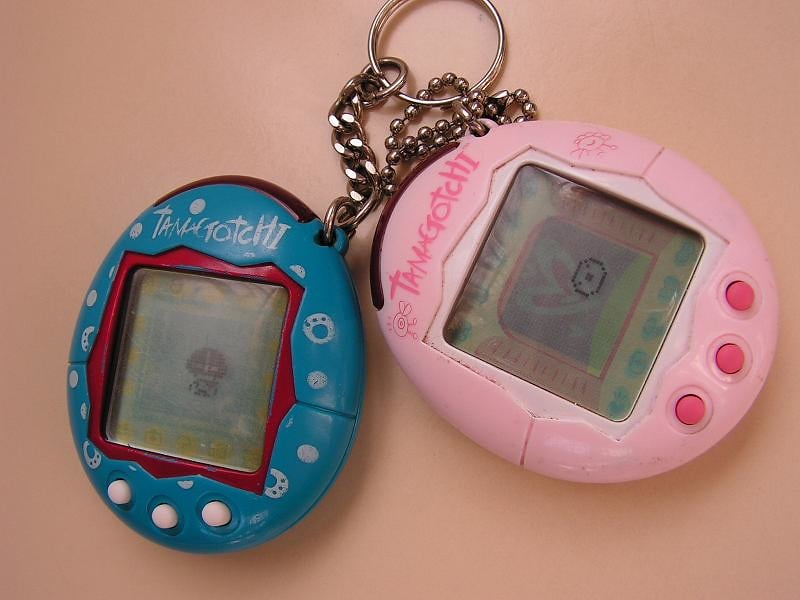
These digital pets lived inside egg-shaped keychains. You had to feed them, clean up after them, and play with them regularly or they’d die.
The device beeped constantly, demanding attention at inconvenient times. Adults found them annoying.
Kids became obsessed. Over 82 million Tamagotchis sold worldwide.
Bandai, the manufacturer, made hundreds of millions in profit. The virtual pets required no physical materials, just a cheap LCD screen and a plastic shell.
People paid $15-20 for something that would die if they forgot to press buttons for a day.
Billy Bob Teeth Made Everyone Look Ridiculous

Jonah White made fake hillbilly teeth as a joke for a family photo. Friends wanted their own sets.
He started selling them at flea markets, then got them into stores. The prosthetic teeth made wearers look like stereotypical rural caricatures.
The product seems offensive and pointless. But it made White and his partner Rich Bailey millions of dollars.
They sold over 20 million sets. Celebrities wore them on talk shows.
The company expanded into other novelty teeth designs. Sometimes people just want to look silly, and they’ll pay for the privilege.
Mood Rings Predicted Nothing
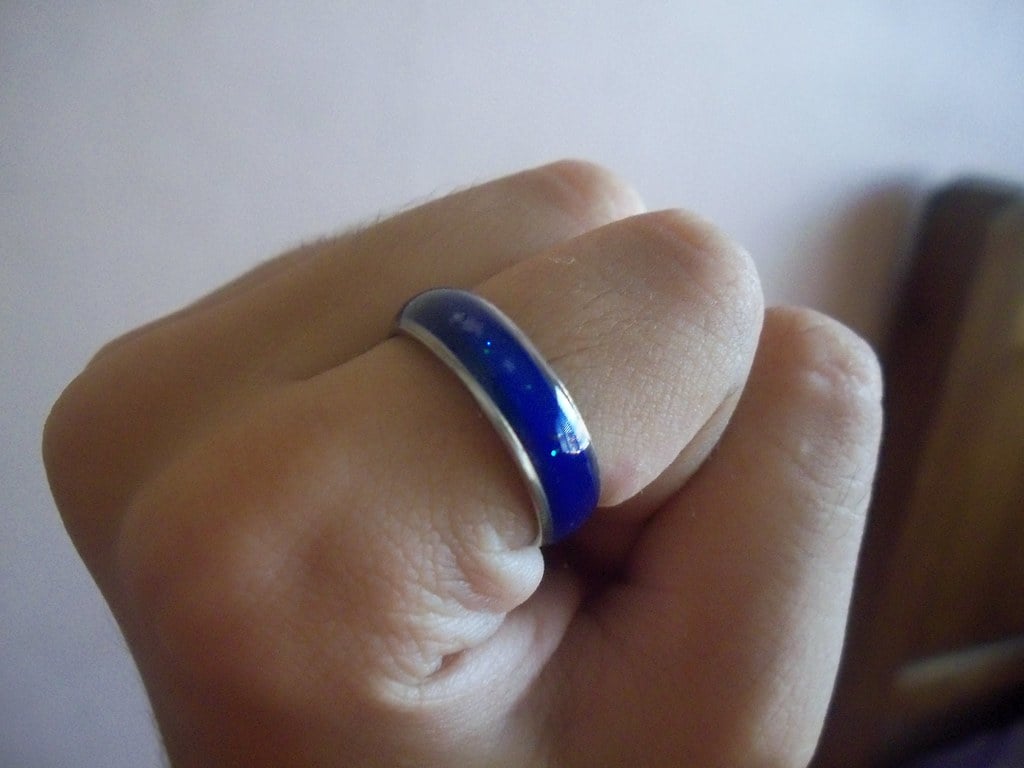
These rings contained thermochromic liquid crystals that changed color based on skin temperature. Marketers claimed the colors reflected your emotional state.
Blue meant calm, black meant stressed, and so on. The science was nonsense—the rings just responded to temperature changes.
People knew the rings didn’t actually work as advertised, but they bought them anyway. Over 20 million sold in the first three months of 1975 alone.
The inventor, Josh Reynolds, made $1 million per month at the peak. The rings cost less than a dollar to produce and sold for anywhere from $2 to $50 depending on the setting.
The profit margins were staggering.
What These Inventions Teach Us

All these products succeeded because they tapped into something fundamental about human behavior. People don’t always buy things because they need them.
Sometimes they buy things because they’re fun, weird, or make them laugh. The inventors didn’t overthink it.
They just made something silly and found out that millions of people wanted to be in on the joke. The next ridiculous product that makes millions is probably being sketched on a napkin somewhere right now.
And when it hits the market, experts will call it stupid right up until it makes someone very, very rich.
More from Go2Tutors!

- The Romanov Crown Jewels and Their Tragic Fate
- 13 Historical Mysteries That Science Still Can’t Solve
- Famous Hoaxes That Fooled the World for Years
- 15 Child Stars with Tragic Adult Lives
- 16 Famous Jewelry Pieces in History
Like Go2Tutors’s content? Follow us on MSN.