Singers With the Widest Vocal Ranges
What makes a voice stand out? Part science, part surprise. Built into the body, yes – but also pushed forward by habit, daring, choice.
Certain performers glide across huge stretches of pitch like it’s nothing, dropping into deep tones then leaping to highs that hang without weight. Not just hitting notes.
They open up new feelings, new sounds, reshape what songs can do. Not every great singer has a wide span of notes.
What sticks in your mind is often how they move through their limits. These performers gain attention not by stretching higher or lower than others, but by making each shift mean something.
Space between pitches becomes part of the story. Expression matters more than showing off.
Drama lives in control. Identity shows up in choices.
Listen closely – some changed everything just by singing differently.
Mariah Carey

— Photo by thenews2.com
Mariah Carey’s vocal range has become the benchmark against which many others are measured. Spanning multiple octaves, her voice includes famously light, flute-like tones at the top end that few singers access with consistency.
What separates Carey from imitators is control. These extreme notes are not isolated tricks but integrated into melodies, often appearing unexpectedly and then vanishing just as smoothly.
Equally important is her lower register, which carries warmth and resonance that grounds her sound. That contrast allows her performances to feel dynamic rather than showy.
Carey’s range works because it enhances emotional storytelling, giving her music both intimacy and scale.
Freddie Mercury
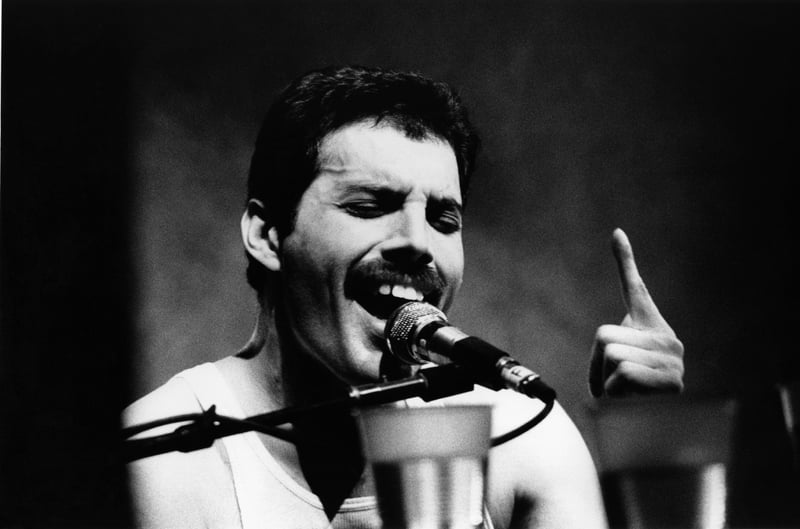
Freddie Mercury’s voice felt limitless not because of technical excess, but because of fearless expression. His range allowed him to move effortlessly between forceful rock delivery and refined, almost operatic phrasing, sometimes within a single line.
That flexibility became central to Queen’s theatrical sound. What made Mercury exceptional was how natural these shifts felt.
There was no sense of calculation. His voice followed emotion rather than structure, expanding and contracting as the moment demanded.
That instinctive use of range made his performances feel alive and unpredictable.
Whitney Houston

Whitney Houston possessed a voice that combined power with remarkable precision. Her range allowed her to transition smoothly from restrained, conversational tones to expansive high notes that filled entire venues without strain.
The clarity of her sound remained intact even at its highest points. Yet Houston never leaned on range alone.
Her phrasing, breath control, and timing carried as much emotional weight as her upper register. This balance gave her performances longevity, ensuring they felt expressive rather than overwhelming.
Axl Rose
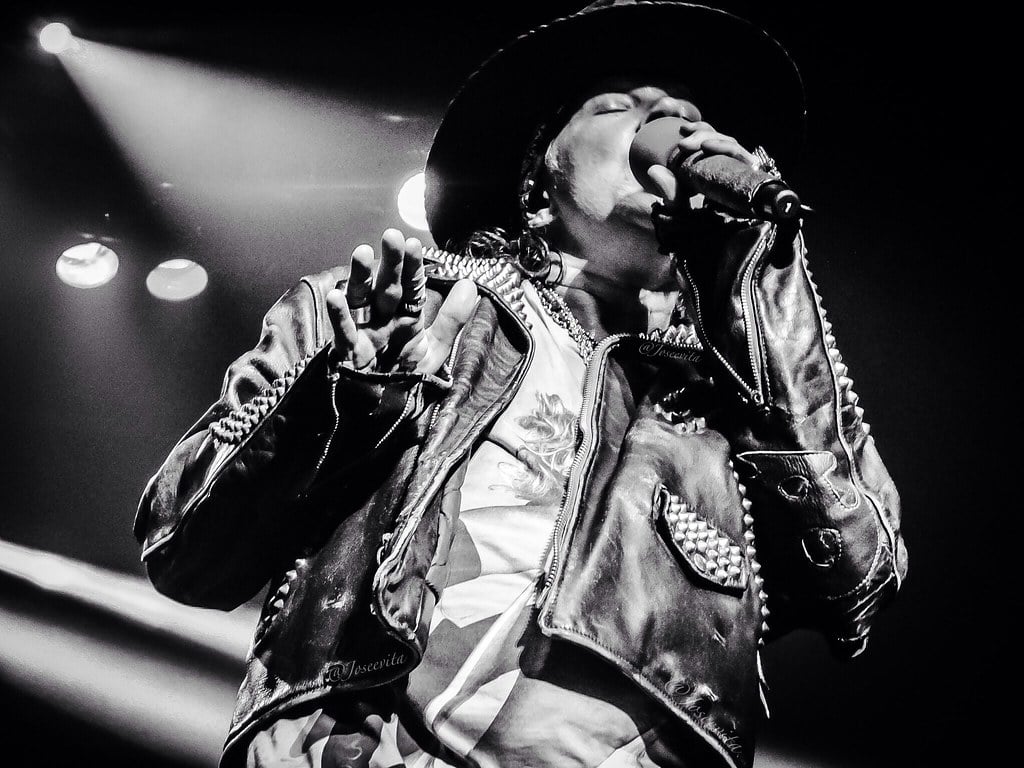
Axl Rose’s vocal range is often described as volatile, and that volatility became part of his appeal. His voice spans deep, gritty tones and piercing highs that cut sharply through dense instrumentation.
Those sudden shifts contributed to the raw energy that defined Guns N’ Roses. Rather than smoothing transitions, Rose leaned into contrast.
His vocal delivery embraced tension, allowing rough textures and abrupt changes to heighten intensity. The result was a voice that felt dangerous, restless, and unmistakably his own.
Celine Dion
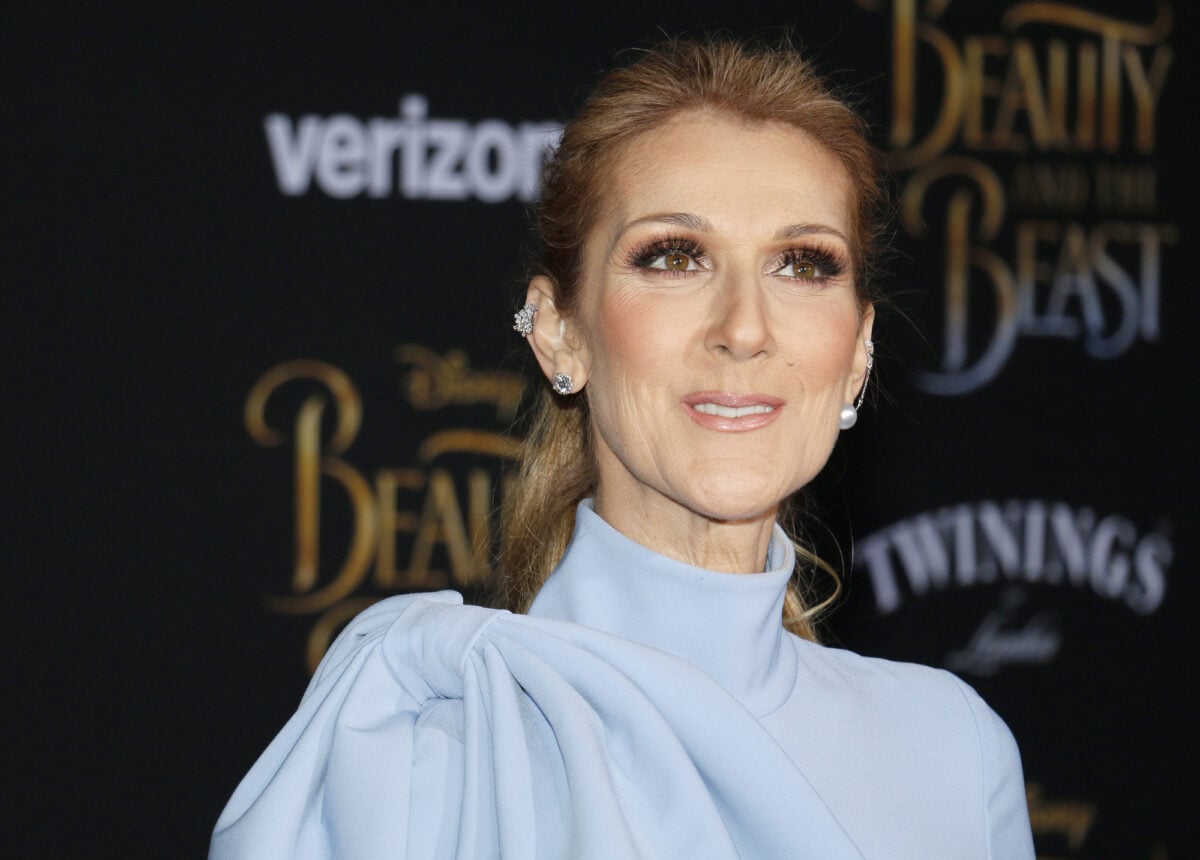
Celine Dion’s range is anchored in discipline. Trained extensively from a young age, she developed the ability to sustain high notes with clarity, strength, and stability.
Even at her upper limits, her voice retains focus and control. That technical foundation allows Dion to deliver emotionally charged material without sacrificing consistency.
Her range amplifies drama rather than overshadowing it, making her voice both commanding and approachable across genres and audiences.
Prince
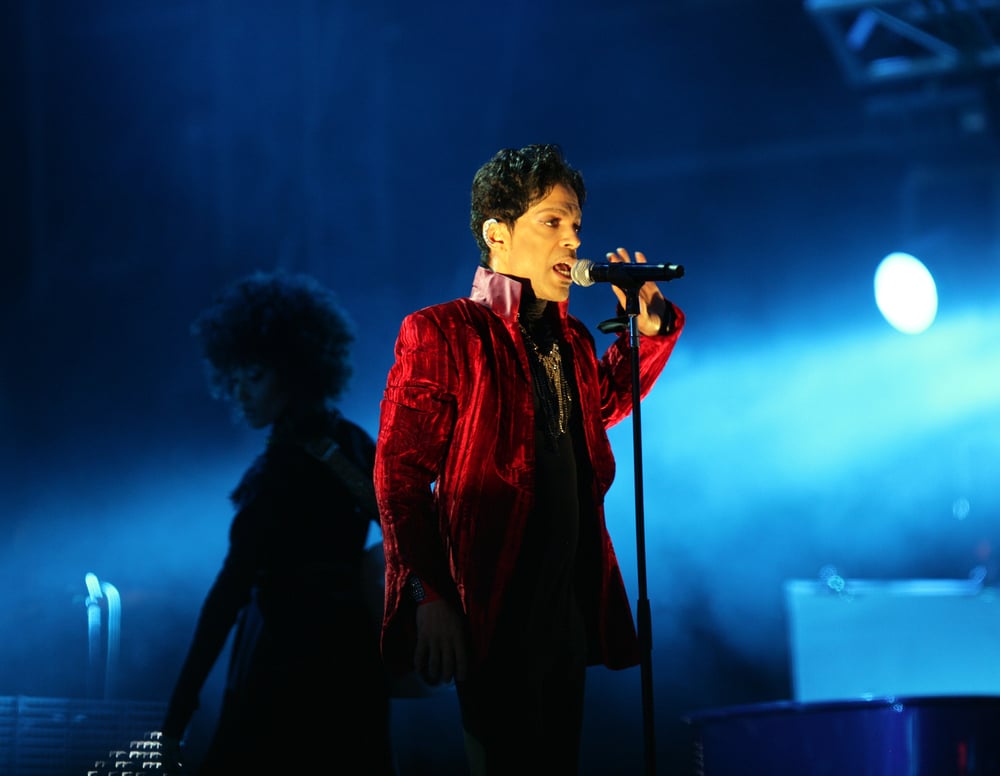
Prince treated his voice as a flexible instrument rather than a fixed identity. His range allowed him to slide between airy falsetto and grounded, textured tones, sometimes within a single phrase.
This versatility gave his music a sense of playfulness and unpredictability. Rather than drawing attention to range itself, Prince used it to shape mood.
His voice could tease, soothe, or challenge, adapting fluidly to rhythm and arrangement. That adaptability became one of his most distinctive traits.
Minnie Riperton
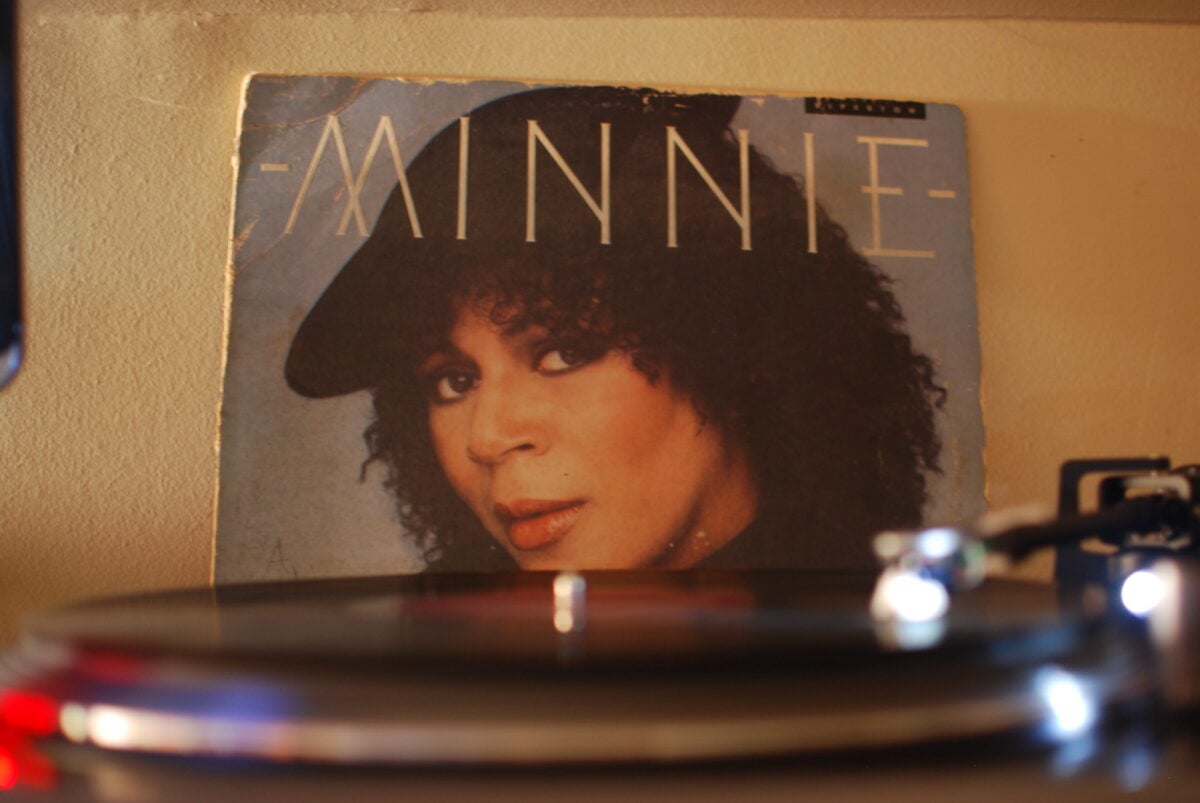
Minnie Riperton is often remembered for the purity of her upper register, particularly her effortless use of whistle-like tones. These moments felt light and almost otherworldly, floating above arrangements with delicate clarity.
Still, her artistry extended far beyond those extremes. Riperton moved gracefully through every register, treating her voice like a palette rather than a ladder.
Each range carried its own color and emotional nuance, giving her performances lasting depth.
Mike Patton

Mike Patton’s vocal range stands out for its sheer breadth and adaptability. Known for navigating melodic singing, abrasive textures, and experimental sounds, he has demonstrated one of the most extensive documented ranges in modern music.
What makes Patton remarkable is not just reach, but intent. He reshapes his voice to fit wildly different styles, using range as a creative resource rather than a defining label.
His voice becomes a tool for exploration rather than recognition.
Aretha Franklin
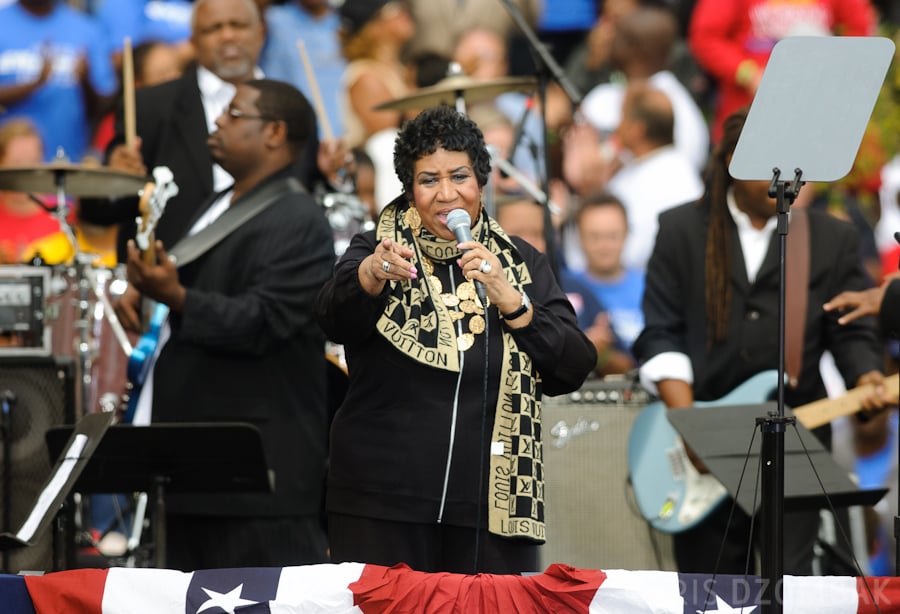
Aretha Franklin’s range was defined by authority rather than spectacle. She moved confidently across registers, delivering resonant lows and soaring highs with equal conviction.
Every note carried purpose and emotional clarity. Her command allowed her to emphasize feeling over flourish.
Even at higher points, her voice remained rich and grounded. That balance gave her performances a timeless quality that continues to resonate across generations.
Dimash Qudaibergen

Dimash Qudaibergen has drawn global attention for a vocal range that bridges classical technique and contemporary performance. Trained in multiple traditions, he navigates extreme highs and resonant lows with remarkable ease.
What sets Dimash apart is integration. His transitions feel seamless, allowing technical feats to serve musical phrasing rather than interrupt it.
The result is a voice that feels expansive yet controlled, impressive without feeling distant.
Christina Aguilera

Christina Aguilera’s voice is defined by intensity and flexibility. Her range allows her to move from intimate, restrained passages to powerful climactic moments with confidence and stamina.
That dynamic contrast has become central to her sound. While her delivery often leans toward emotional force, her technical foundation keeps performances grounded.
Range becomes an expressive amplifier rather than an end in itself, reinforcing emotional impact rather than distracting from it.
Jeff Buckley
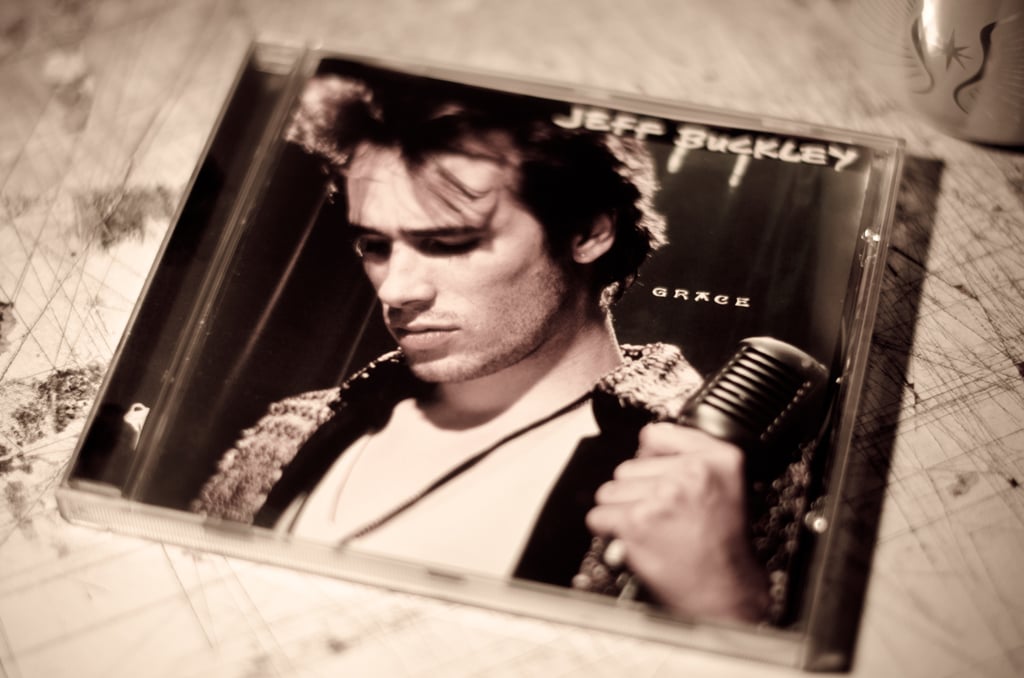
Jeff Buckley’s voice carried an ethereal quality that made his range feel vulnerable rather than dominant. His upper register sounded fragile yet precise, while his lower tones added shadow and depth.
Buckley used range as emotional extension. His singing often felt like a reaching gesture, creating intimacy through openness.
That emotional transparency gave his wide range a haunting resonance that still lingers.
Modern Voices and Expanding Expectations
Contemporary music continues to produce singers who challenge traditional expectations of range. Advances in vocal training and recording technology have made it easier for artists to explore extremes safely and creatively.
Even so, the most compelling voices remain those that prioritize expression over display. Today’s listeners are increasingly attuned to nuance.
Range still impresses, but authenticity carries equal weight. Voices that balance technical ability with emotional honesty tend to endure beyond trends.
Range Versus Musical Impact

Wide range often draws immediate attention, but lasting impact depends on intention. Many technically capable singers fail to leave a lasting impression because their range lacks direction.
The voices that endure understand restraint, choosing when to expand and when to pull back. In that sense, range is less about distance and more about decision-making.
The most powerful moments often come not from the highest note, but from how that note is approached and released.
Why Vocal Range Still Captivates

What keeps vocal range so intriguing is how it sits right where numbers meet feelings. Though we can chart it on a scale, what it stirs inside people defies charts.
Within every span of notes lives who you are, your past, even gut-level reactions. That space between high and low holds more than sound – it holds presence.
Still, that pull hasn’t faded – the voice is simply how we reach each other fastest. Pushing through high notes without losing truth shows people where effort meets grace.
With care, those shifts in pitch do more than impress. They form a quiet connection, steady across time, between one person singing and another listening.
More from Go2Tutors!

- 16 Historical Figures Who Were Nothing Like You Think
- 12 Things Sold in the 80s That Are Now Illegal
- 15 VHS Tapes That Could Be Worth Thousands
- 17 Historical “What Ifs” That Would Have Changed Everything
- 18 TV Shows That Vanished Without a Finale
Like Go2Tutors’s content? Follow us on MSN.



