16 Rare Photos of Life in Early Las Vegas Casinos
Outside the bright lights, Las Vegas began small. It was more a dream than a destination, born of heat and hope.
It had dusty streets with buildings that dared to dazzle despite their age. These first gambling dens were far from sleek.
They went all in on flair with cracked paint and big dreams. Looking at photographs from the 1930s to the 1960s, the city was a time of sparkle and simplicity.
Looking behind the curtains, the first days of the casino were wild.
El Rancho Vegas Opening Night
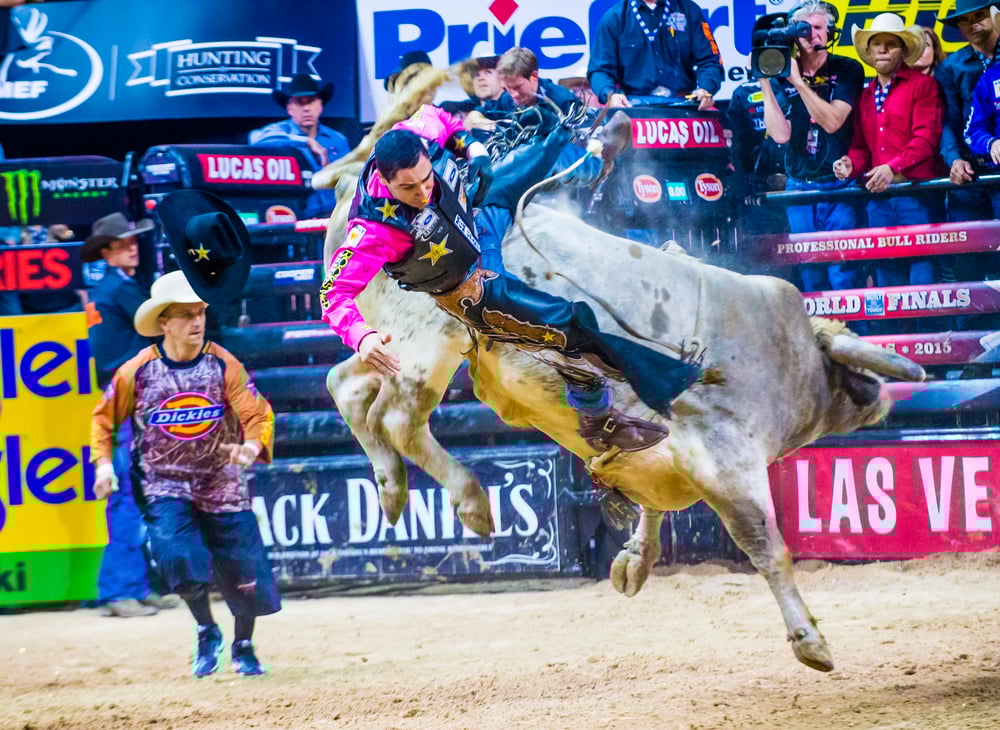
One evening in 1941, bright lights flickered on at El Rancho Vegas – first of its kind along what would become the Strip. That night’s photos capture a room buzzing with energy, though smaller than expected, packed with sharply dressed guests leaning toward green-felt tables now seeming quiet next to modern flash.
Instead of glitz, wood beams and cowboy touches shaped the look, setting a theme others later followed. Though plain by today’s measure, its spirit helped define what came after.
Faint light filled the space, yet everyone felt it. What these photos show is how Las Vegas began turning into a place people traveled to, not just passed through.
Fewer faces were present, shadows longer, still the drive pushed hard. Big dreams had already taken root, even then.
The Flamingo in Its Early Days

The Flamingo Las Vegas opened in 1946 with a splash of Hollywood flair. Early photographs reveal a property that felt glamorous yet slightly unfinished, which reflected its complicated launch.
The casino floor looked elegant but compact, with chandeliers and polished surfaces reflecting warm, low lighting. That said, the Flamingo symbolized a turning point.
It connected Las Vegas to celebrity culture and high-end entertainment. In these rare images, the Strip begins to resemble a serious player in American nightlife rather than a desert gamble.
Downtown Fremont Street at Night

Before the Strip dominated headlines, Fremont Street was the center of activity. Rare nighttime photos show neon signs stacked tightly together, illuminating crowds that spilled from casino entrances onto the sidewalks.
The Golden Nugget and neighboring properties created a dense, electric atmosphere. Even so, the scale feels surprisingly intimate compared to modern Las Vegas.
Cars lined the street just steps from casino doors. The city had energy, but it still felt like a place where regulars recognized one another.
Showgirls Backstage
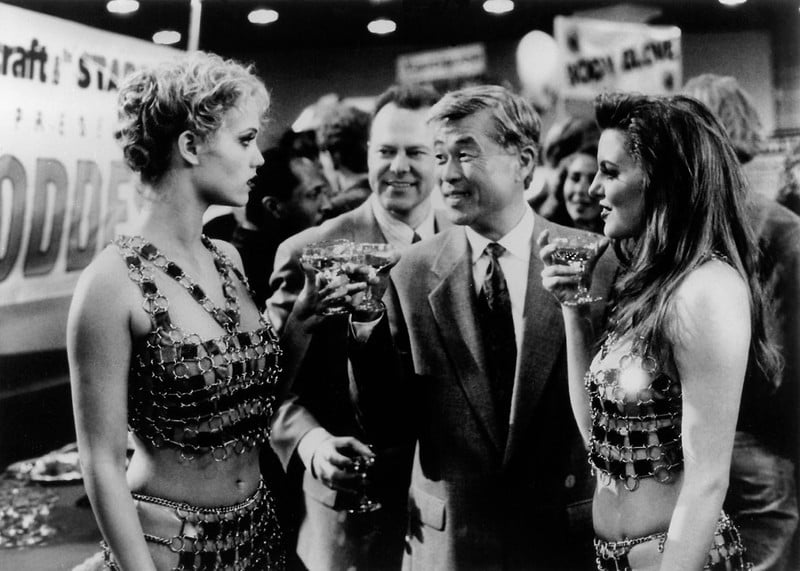
Backstage photographs from the 1950s reveal the preparation behind the spectacle. Showgirls sit at mirrors adjusting elaborate feathered costumes, chatting casually before stepping into bright stage lights.
The glamour seen by audiences required hours of coordination and rehearsal. On the other hand, these images also show the human side of performance culture.
Between acts, the atmosphere feels almost ordinary, like a busy dressing room before a community theater production, just with far more sequins. The contrast between stage fantasy and backstage routine gives these photos their quiet charm.
Dealers at Work in the 1940s
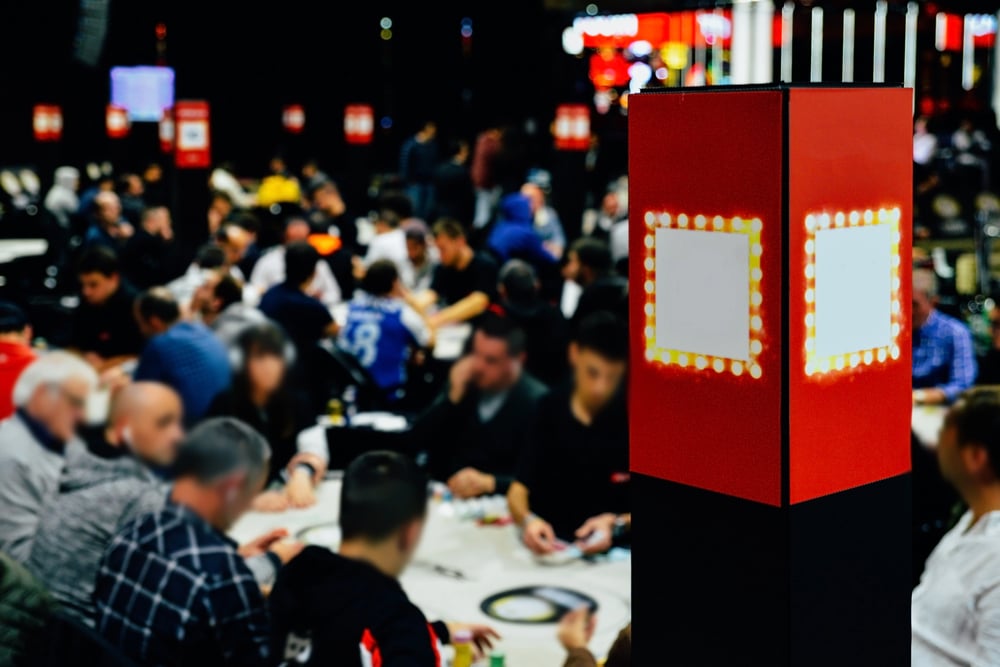
Early casino dealers worked in environments far less flashy than today’s massive gaming floors. Photographs show smaller rooms with low ceilings and closely spaced tables.
Dealers wore crisp uniforms, often with bow ties, projecting professionalism in an industry still shaping its identity. There is a sense of concentration in these images.
Players lean forward, studying cards and dice with intense focus. The atmosphere feels serious and purposeful, less tourist-driven and more centered on the game itself.
The Sands and the Rat Pack Era
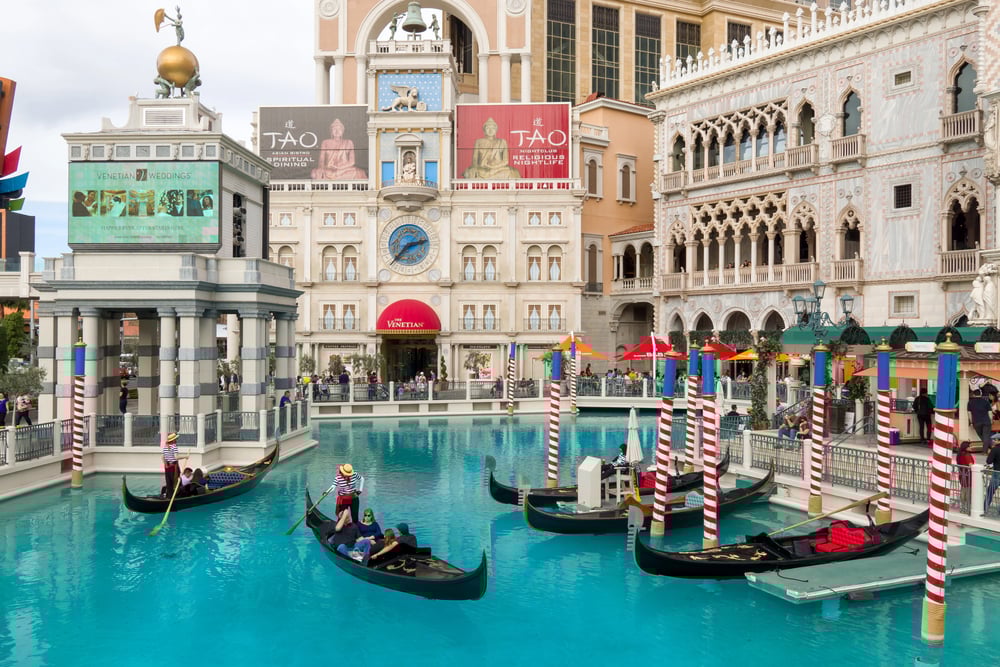
By the late 1950s and early 1960s, the Sands Hotel embodied a new level of cool. Rare photos show packed showrooms and sharply dressed crowds watching performances that would become legendary.
The famed Copa Room looked intimate yet electric, with audiences seated close enough to feel part of the act. These images mark the moment when Las Vegas fully embraced its identity as an entertainment capital.
The casino floor and the stage fed into each other, blending gaming and live performance into one seamless experience.
The Desert Inn Pool Scene
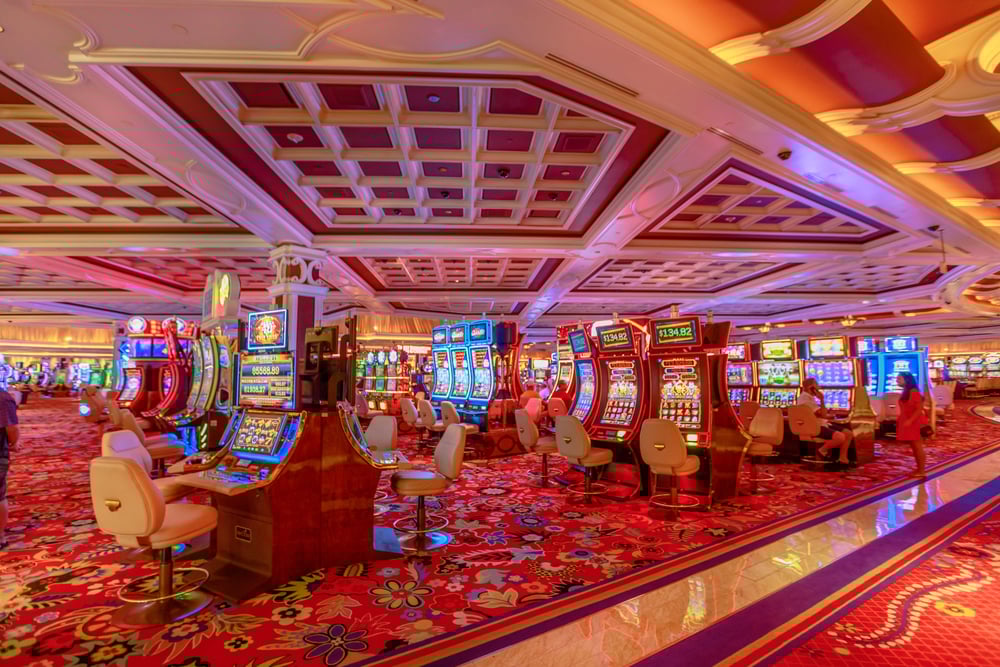
Photographs of the Desert Inn pool capture a different side of casino life. Guests lounge in structured swimwear beneath umbrellas, with the desert stretching beyond the property.
The mood feels relaxed but polished, as if leisure itself required intention. Still, the pool scene reinforced the idea that Las Vegas offered escape.
Visitors were not just gambling; they were stepping into a curated version of glamour, one that felt carefully staged yet effortless.
Early Slot Machine Rows
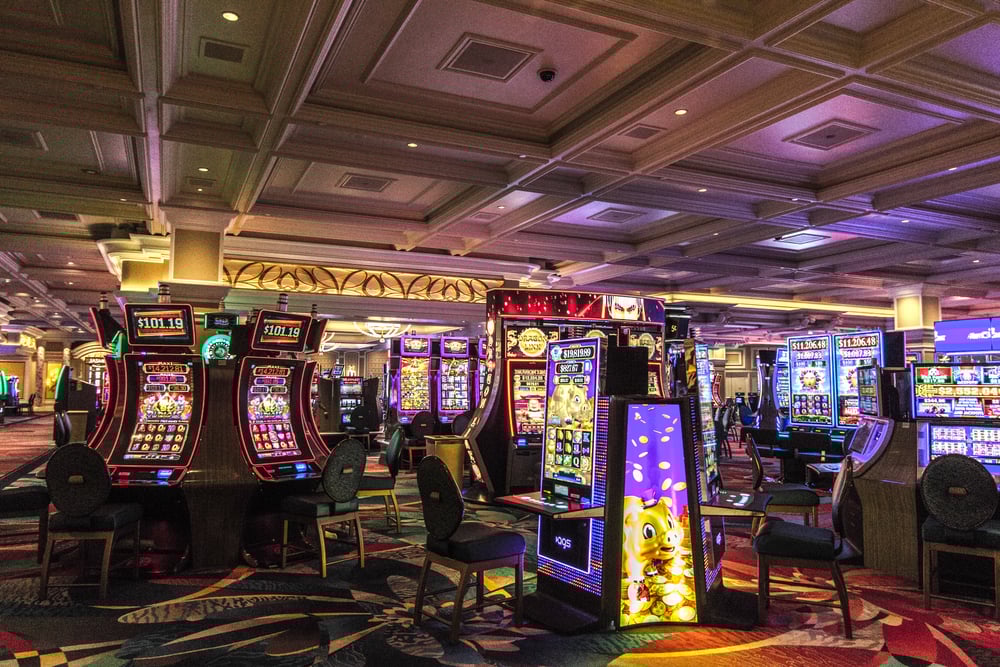
Rows of mechanical slot machines lined early casino floors, each operated by a simple lever and internal gears. Rare photos show guests clustered around these machines, drawn by their rhythmic clinks and flashing lights.
The machines were sturdy and uncomplicated, built for repetition rather than spectacle. Unlike modern digital screens, these devices felt tactile and mechanical.
The appeal was straightforward: pull, pause, listen. That simplicity created a distinct rhythm that shaped the soundscape of early casinos.
Cocktail Servers on the Floor
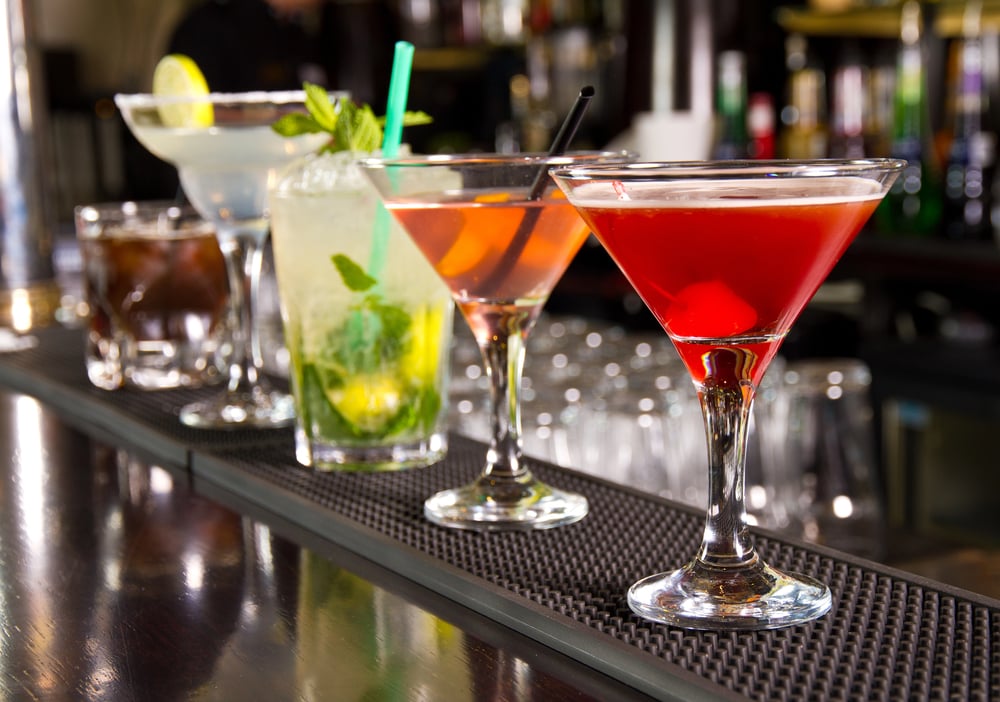
Rare images show cocktail servers weaving through crowded gaming tables with trays balanced carefully in hand. Their uniforms reflected the era’s style and often matched each property’s theme.
Service moved briskly, yet there was a sense of choreography to it all. That said, these photos reveal how hospitality became part of the spectacle.
Offering drinks was not an afterthought; it was woven directly into the casino experience, reinforcing the sense of indulgence that defined the city.
Construction of the Stardust
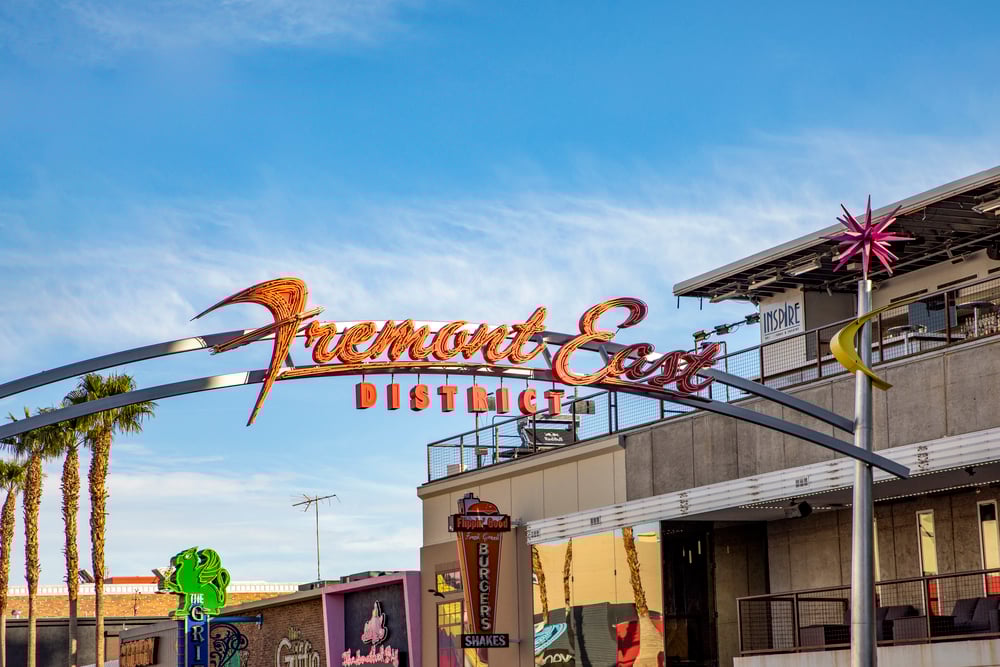
Construction photos of the Stardust Resort and Casino in the late 1950s show cranes towering over open desert. Workers stand beneath skeletal frameworks that would soon house one of the largest casinos of its time.
The scale of ambition was obvious, even before the doors opened. Even so, the surrounding landscape still looks sparse and undeveloped.
These images highlight how quickly Las Vegas transformed from sand and scrub into spectacle, one steel beam at a time.
High-Stakes Gaming Rooms
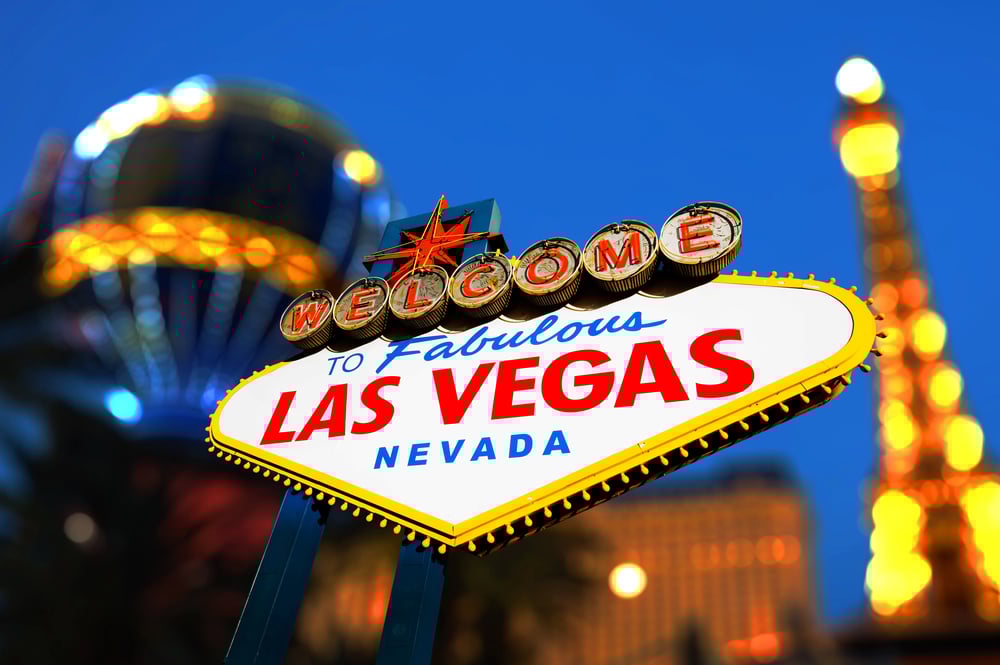
Rare photos of private gaming rooms reveal smaller, quieter spaces reserved for serious players. The décor appears subdued compared to the main floor’s brightness, with heavier furniture and controlled lighting.
Conversations look measured and deliberate. The atmosphere feels focused and discreet.
These rooms remind viewers that beneath the showmanship, early casinos operated as calculated businesses with carefully cultivated clientele.
Neon Sign Installations
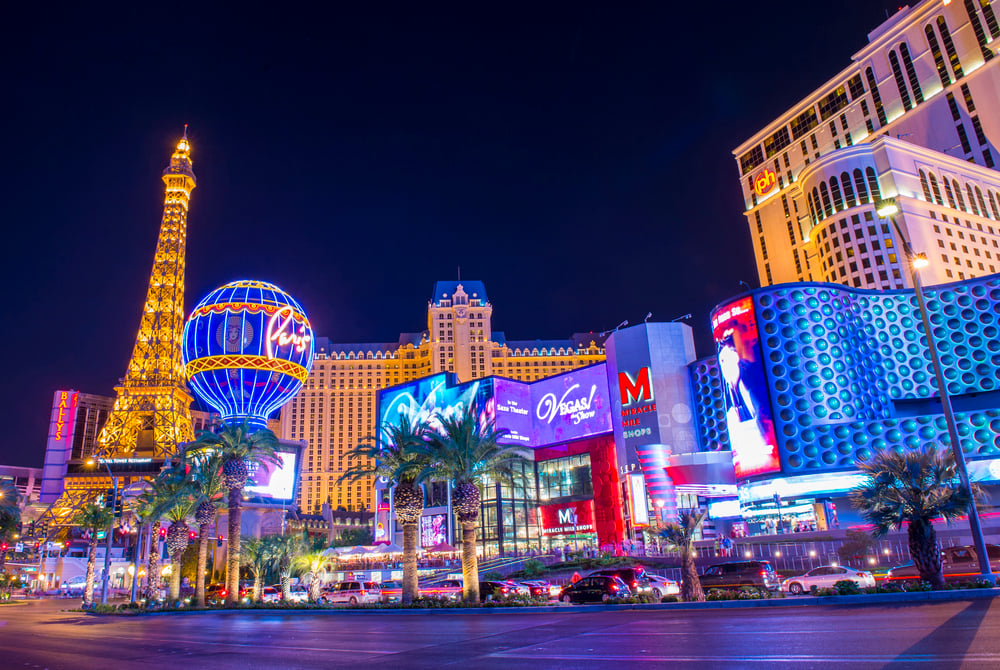
Photographs of workers installing towering neon signs reveal the engineering behind the glow. Men stand on scaffolding, carefully wiring bulbs that would define the Strip’s skyline.
The scale of these signs was bold for the era, designed to be seen from miles away. On the other hand, these images also show craftsmanship and risk.
The lights that symbolized glamour required physical labor and technical precision, grounding the fantasy in hard work.
The Sahara’s Grand Entrance
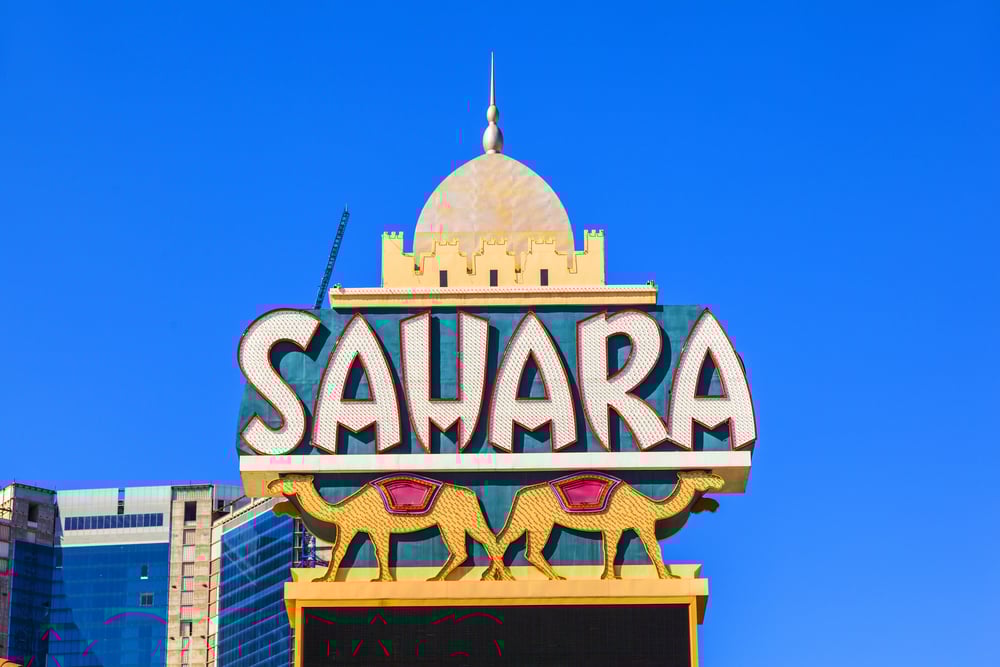
The Sahara Las Vegas opened in 1952 with an exotic theme that felt daring at the time. Rare photographs show ornate signage and crowds gathering beneath glowing marquees.
The design leaned heavily into storytelling, offering guests a sense of travel without leaving Nevada. Still, the property illustrates how early casinos embraced themed environments.
Each building offered a distinct personality, turning the Strip into a collection of immersive experiences long before that term became common.
Musicians in the Lounge
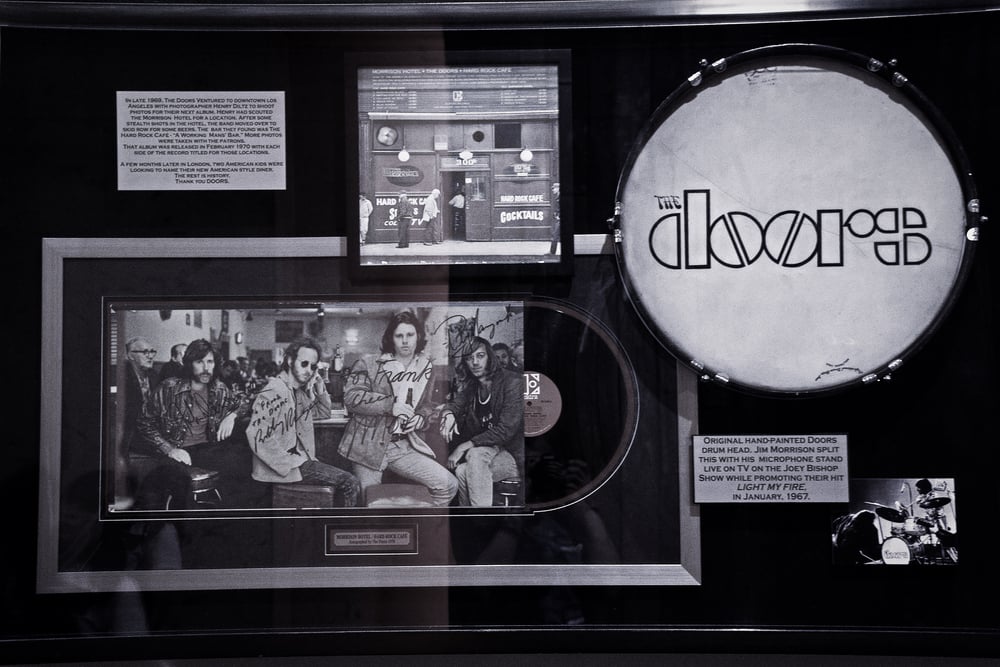
Lounge photos from the 1950s capture musicians mid-performance, surrounded by small tables and attentive audiences. The rooms appear cozy compared to headline showrooms, yet they carry their own energy.
Guests lean in close, drinks in hand, fully absorbed in the sound. That said, these lounges formed the heartbeat of nightly life.
Live music blurred the line between casino and nightclub, giving visitors reasons to linger long after placing their bets.
Tourists Arriving by Car
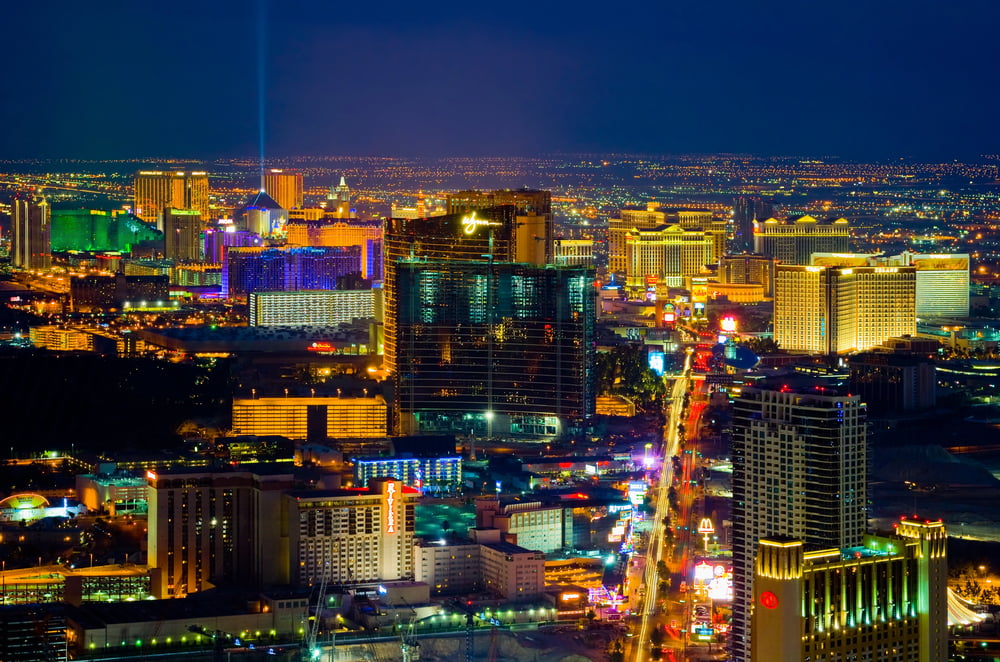
Early photographs show rows of classic cars parked directly outside casino entrances. Families and couples arrived by road, often after long desert drives stretching for miles.
The proximity between parking and casino doors created a seamless transition from highway to high stakes. The immediacy stands out.
There were no sprawling parking structures or elaborate drop-off systems. Guests stepped out of everyday life and into spectacle in a matter of steps.
Casino Staff Group Portraits
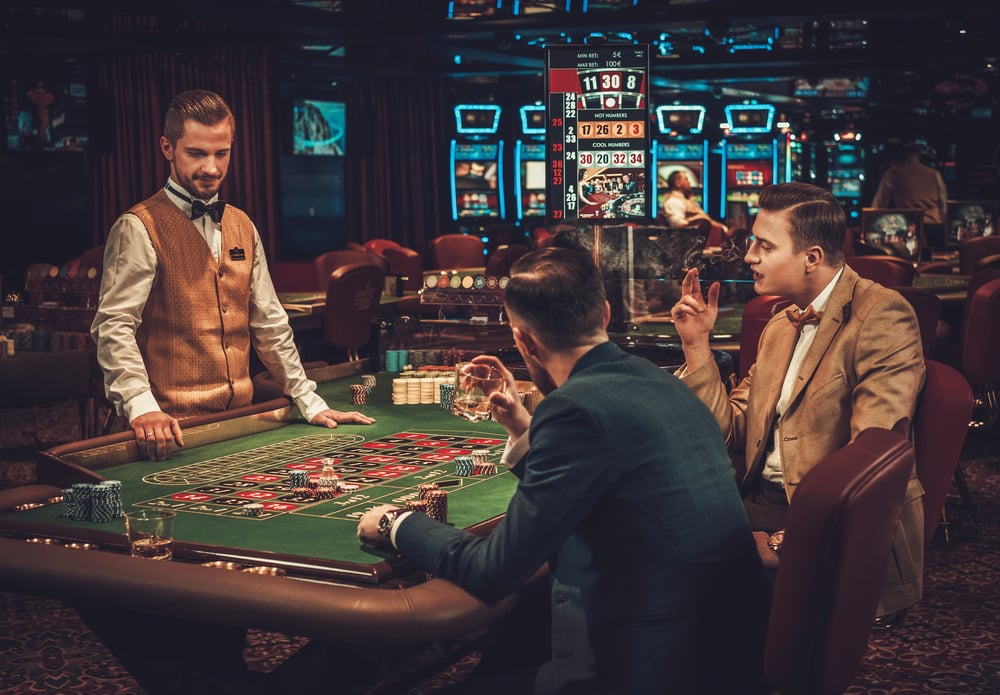
Behind the glitter sit rows of people who keep things running. Standing side by side, dealers alongside waitstaff, supervisors near performers, they face the camera with calm dignity.
Some wear sleek black vests, others sparkle under stage lights, dressed sharp for their venue’s theme. Each photo holds a moment where routine meets recognition.
Still, these photos show how regular folks chasing a better life shaped Las Vegas. Bright signs didn’t build it alone – slow, daily work did just as much.
How the Early Years Still Shape the Strip
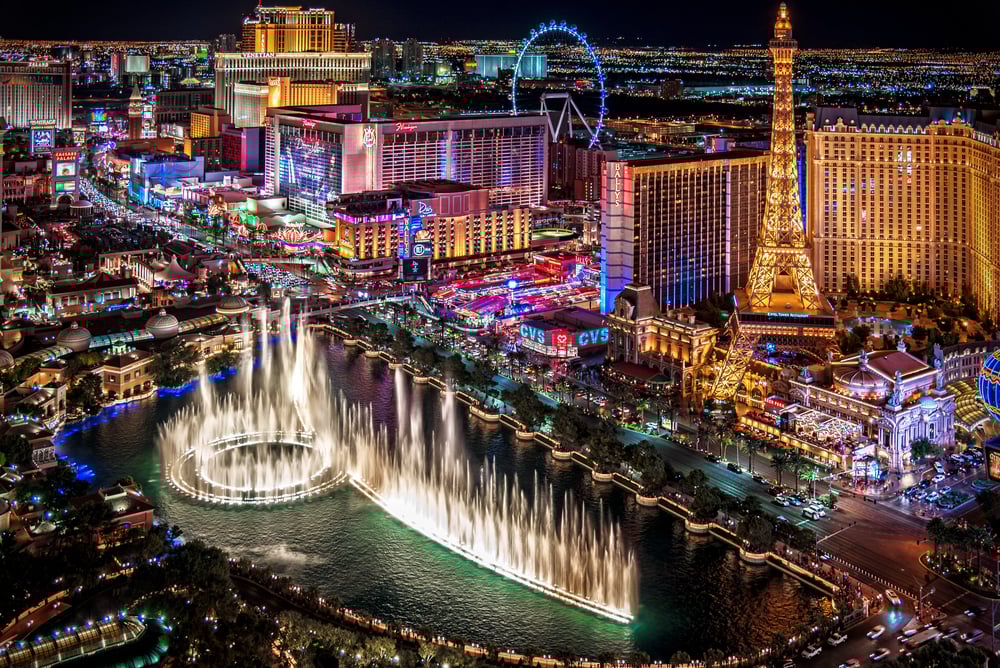
Old photographs of Las Vegas do not just show buildings and clothing. They show a land that, while being illuminated by the neon, was also being formed into a new kind of space.
Each photograph contains moments when dreams were being built upon risks and visions. The large hotels that exist today were, in a sense, built upon risks and dreams that were taken a long time ago by gamblers and dreamers.
Even today, the desert remains visible beyond the large buildings. The space of risk and performance, constantly being changed, remains a factor that shapes the mood.
More noise, more size – the Las Vegas that exists today grew from quiet spaces that were dimly lit, fueled by dreams that refused to die. From the photographs, one thing remains very clear: what people dreamed boldly about in the past remains a part of everything today.
More from Go2Tutors!

- The Romanov Crown Jewels and Their Tragic Fate
- 13 Historical Mysteries That Science Still Can’t Solve
- Famous Hoaxes That Fooled the World for Years
- 15 Child Stars with Tragic Adult Lives
- 16 Famous Jewelry Pieces in History
Like Go2Tutors’s content? Follow us on MSN.