Smallest Mammals Ranked by Body Mass
The tiniest creatures often get overlooked. When you think about mammals, elephants and whales probably come to mind first.
But at the opposite end of the spectrum, some mammals weigh less than a nickel.These microscopic furballs represent nature’s experiment with miniaturization, pushing the limits of what a warm-blooded animal can be.
Etruscan Shrew
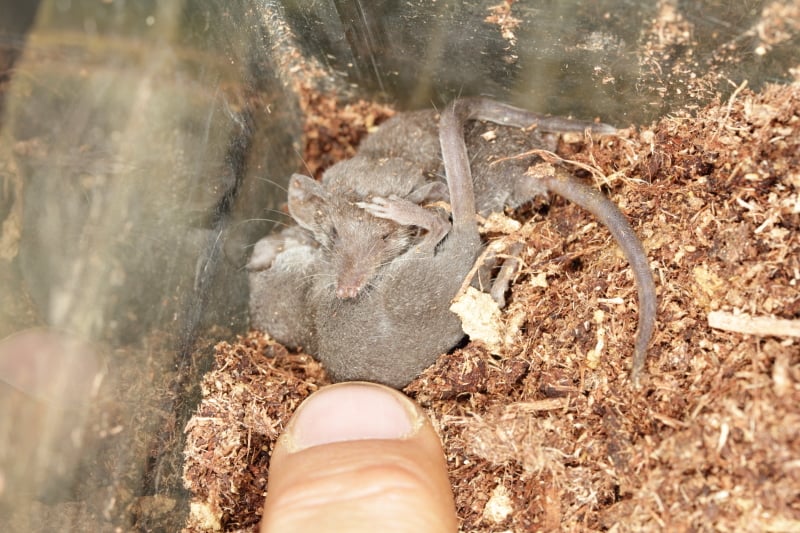
This creature holds the crown as the smallest mammal on Earth by weight. Adult Etruscan shrews typically weigh between 1.2 and 2.7 grams—about the weight of a penny.
They measure just 1.4 to 2 inches long, not counting their tail. Finding one requires patience and luck.
They live in Southern Europe, North Africa, and parts of Asia, hiding under leaf litter and in crevices. Their metabolism runs so hot that they need to eat constantly.
Missing a meal for just a few hours can kill them. The heart of an Etruscan shrew beats up to 1,500 times per minute when active.
That’s more than twenty beats per second. Their nervous system operates at speeds that seem impossible for such a small frame.
They hunt insects with reflexes faster than you can blink.
Kitti’s Hog-Nosed Bat
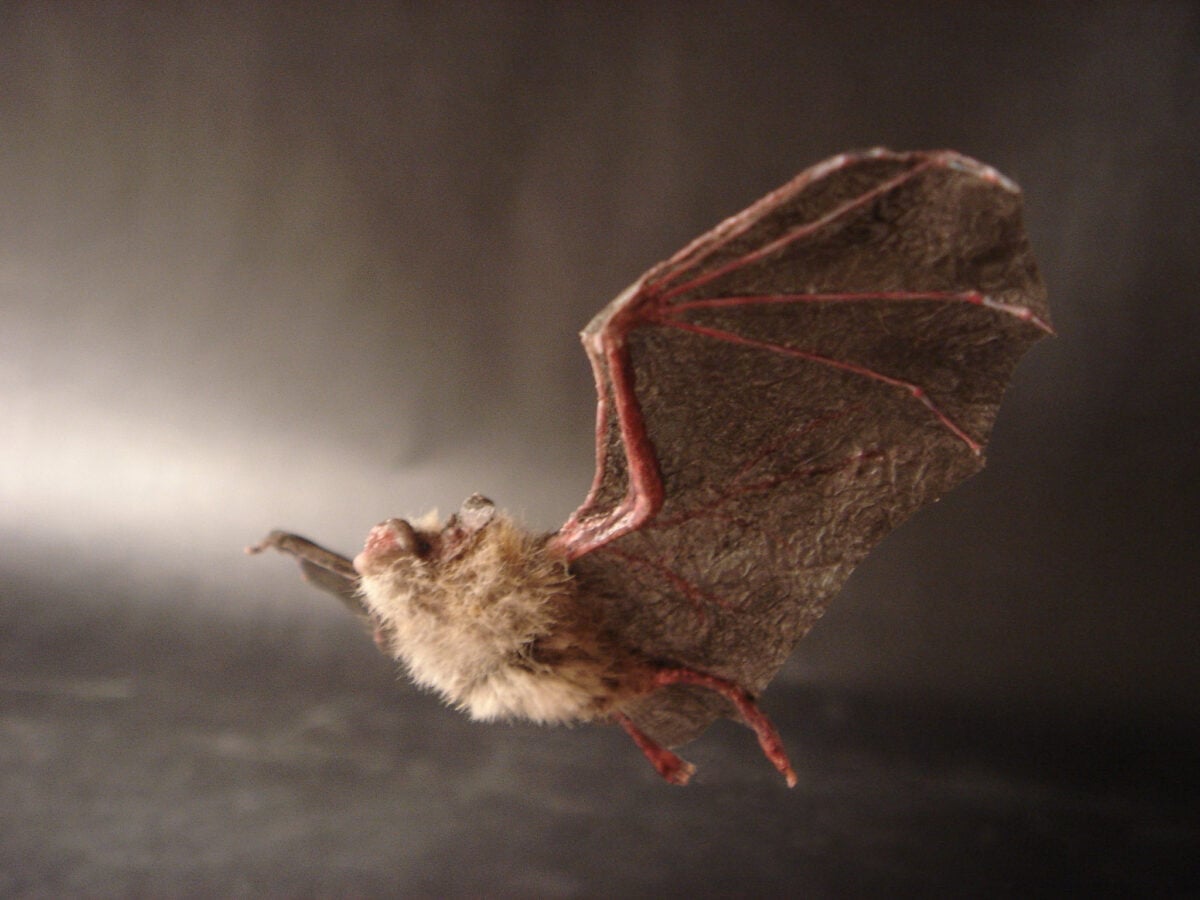
Sometimes called the bumblebee bat, this animal competes with the Etruscan shrew for the title of world’s smallest mammal. It weighs about 2 grams on average, though some individuals tip the scales at less than 1.9 grams.
These bats live in limestone caves in Thailand and Myanmar. Their population remains small and vulnerable.
You could fit one comfortably in a teaspoon. The wingspan reaches about 6 inches, which seems impossibly large compared to the body.
Discovery came late in the scientific world. A Thai researcher named Kitti Thonglongya first described them in 1974.
He died shortly after the discovery, never seeing the international attention his find would receive.
American Pygmy Shrew
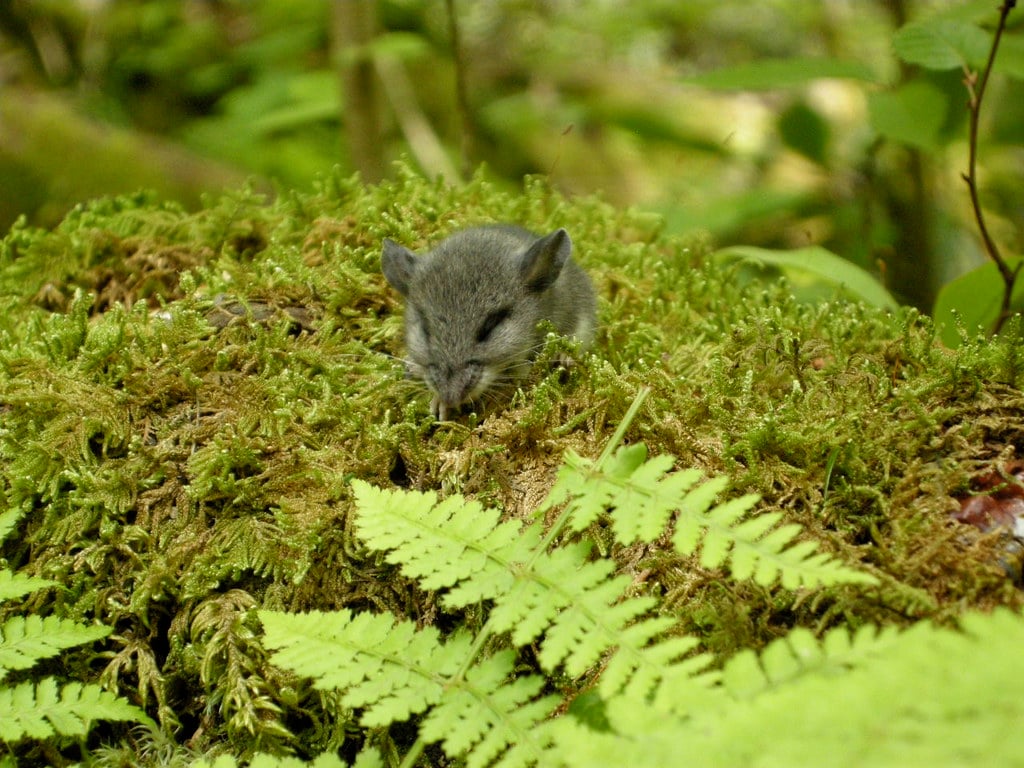
North America’s smallest mammal weighs roughly 2 to 3 grams. The American pygmy shrew lives throughout Canada and the northern United States, surviving winters that would kill larger tropical species.
These shrews don’t hibernate. They stay active all winter, tunneling under snow and hunting for frozen insects.
Their tiny size actually helps them survive cold—they can slip into spaces where heat gets trapped, creating microhabitats that stay above freezing.
Eurasian Pygmy Shrew
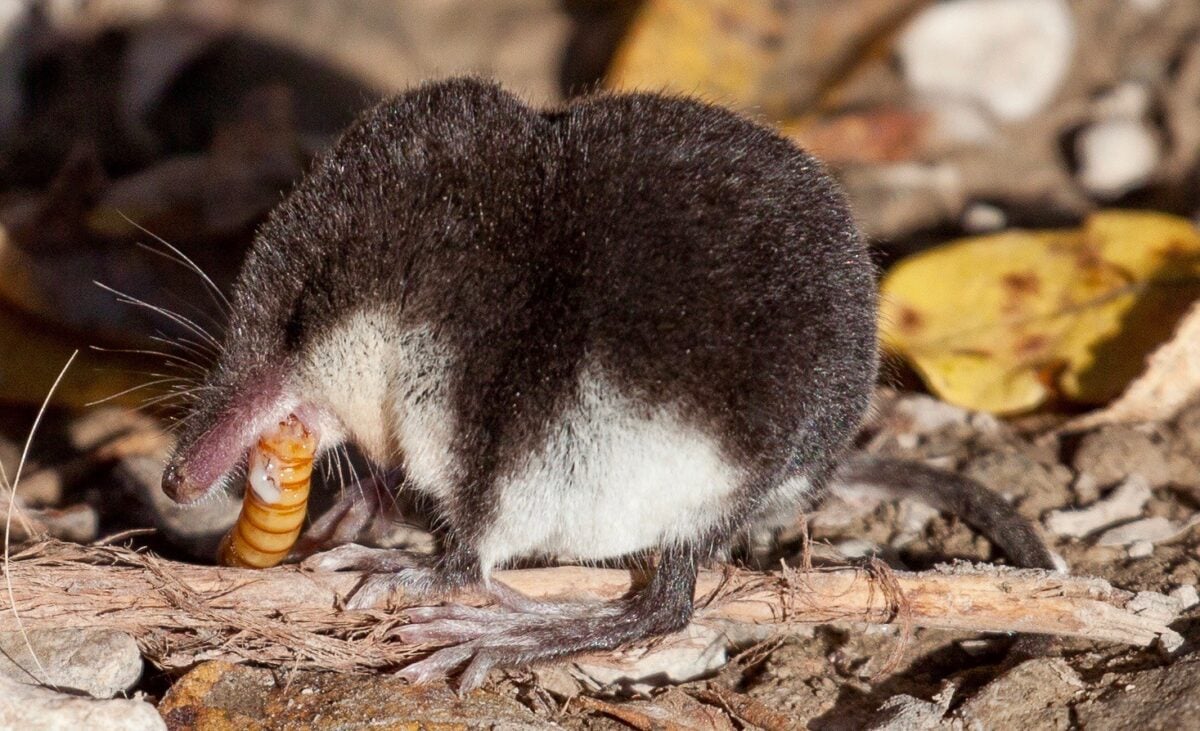
This cousin of the American species weighs about 2.4 to 6 grams, making it slightly heavier on average. It ranges across Europe and northern Asia, adapting to forests, grasslands, and even gardens.
Like all shrews, this one burns energy at a frightening rate. It needs to consume 125 percent of its body weight in food every day just to survive.
That means a 3-gram shrew must find and eat nearly 4 grams of insects, spiders, and other prey daily. The territorial nature of these animals surprises most people.
Despite their size, they defend hunting grounds aggressively. Males and females tolerate each other only during breeding season.
For the rest of the year, they live alone.
Long-Tailed Planigale
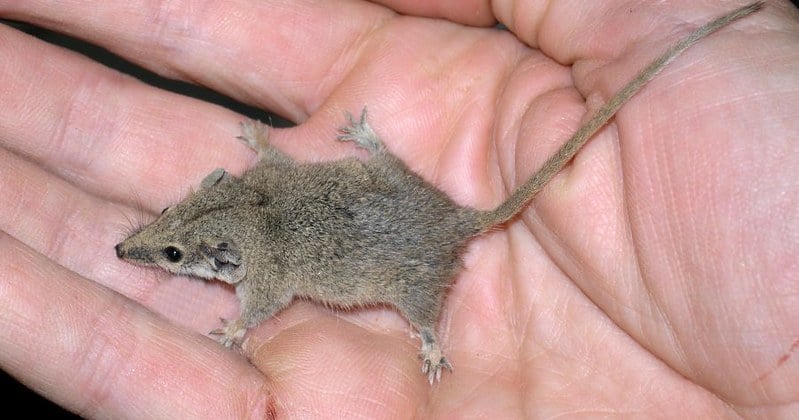
Australia’s contribution to the list of smallest mammals weighs between 3.2 and 6.2 grams. This marsupial looks like a mouse but belongs to the same family as Tasmanian devils and quolls, just scaled down to ridiculous proportions.
The flat skull shape gives this animal its name. “Planigale” comes from Latin words meaning “flat weasel.” That head shape lets it squeeze into cracks in dried mud, where it hunts insects and small vertebrates.
Philippine Pygmy Shrew
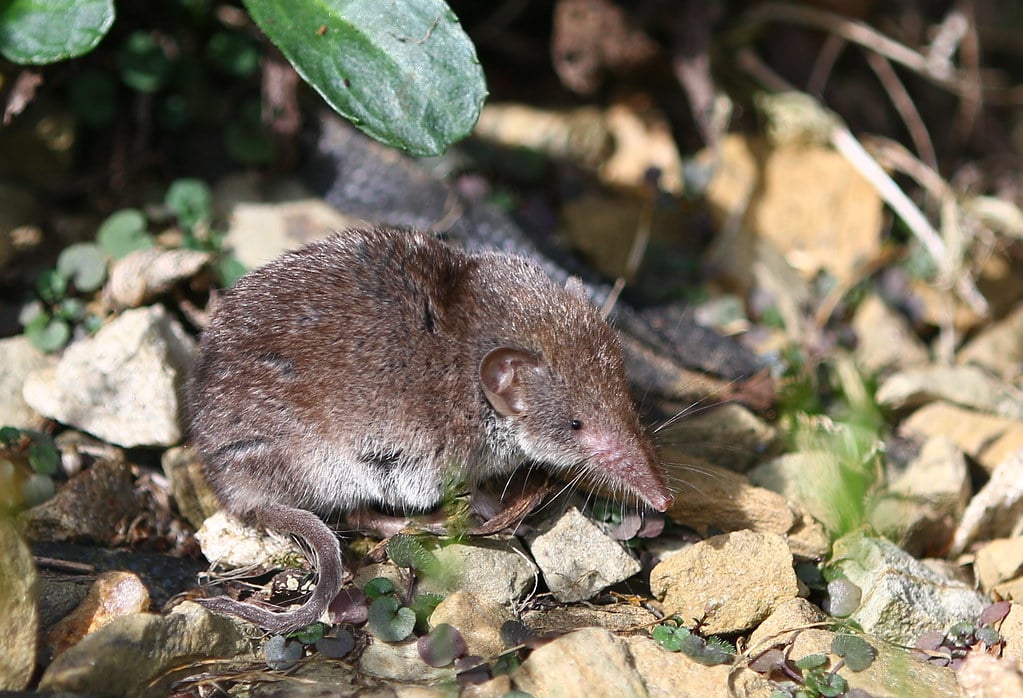
Endemic to the Philippines, this shrew weighs about 2.5 to 4 grams. Scientists didn’t formally describe it until recent decades.
The dense forests of the Philippines hide many small mammals that remain unstudied. The Philippine pygmy shrew demonstrates how islands create miniature versions of mainland species.
Limited food resources and specific evolutionary pressures favor smaller body sizes. You see this pattern across many island ecosystems worldwide.
Mediterranean Water Shrew
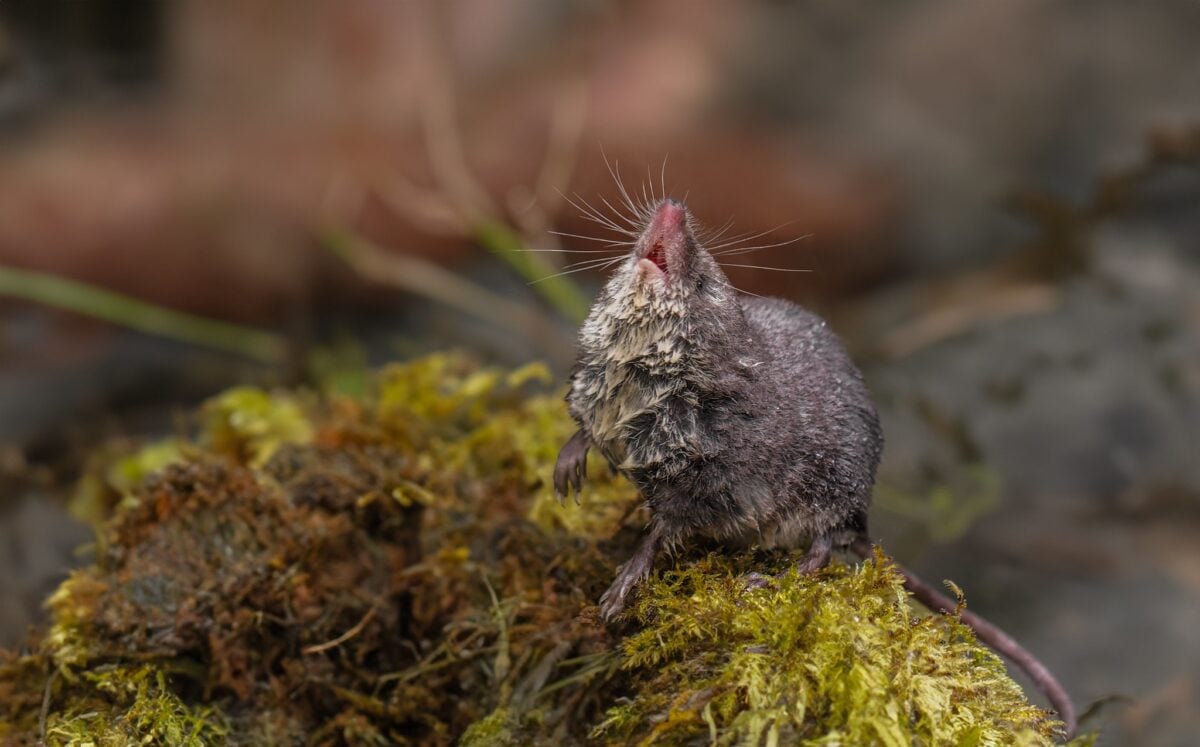
At 5 to 8 grams, this species pushes the definition of “smallest,” but its unique lifestyle earns it a spot here. It hunts underwater, diving into streams and pools to catch aquatic insects and small crustaceans.
The water shrew’s fur traps air bubbles, creating a silvery coating when submerged. This insulation helps maintain body temperature in cold water.
The animal can stay underwater for about twenty seconds before surfacing.
Baluchistan Pygmy Jerboa
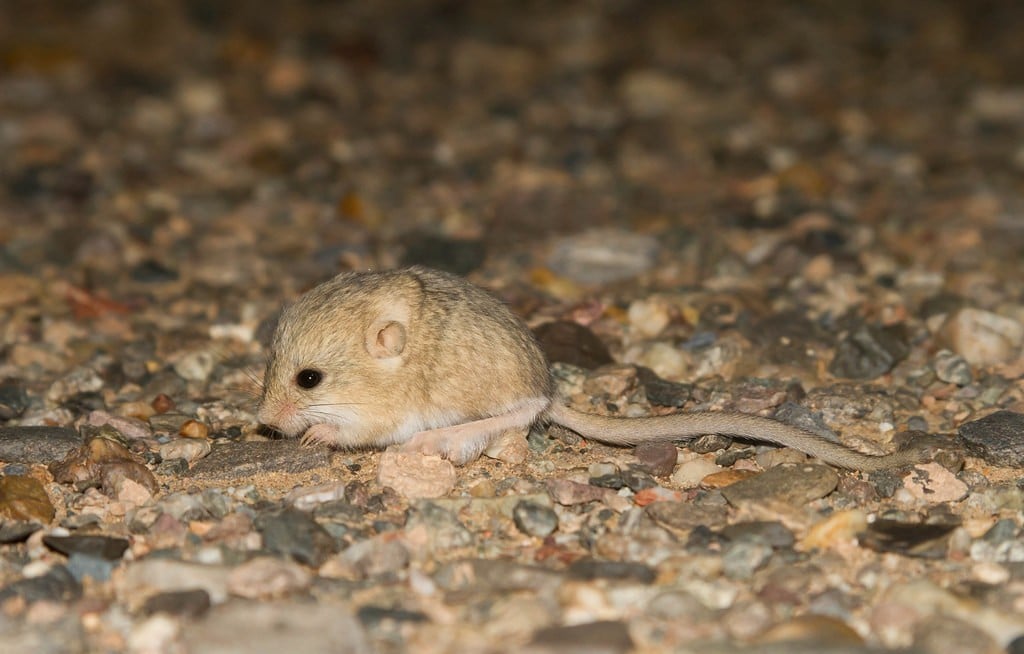
This tiny rodent from Pakistan and Afghanistan weighs roughly 3.75 grams on average. Its back legs stretch disproportionately long compared to its body, giving it the appearance of a miniature kangaroo.
The jerboa doesn’t need to drink water. It extracts all necessary moisture from the seeds and insects it eats.
Desert adaptation at this scale requires extreme efficiency. Every drop of water counts when your entire body weighs less than a sugar cube.
African Pygmy Mouse
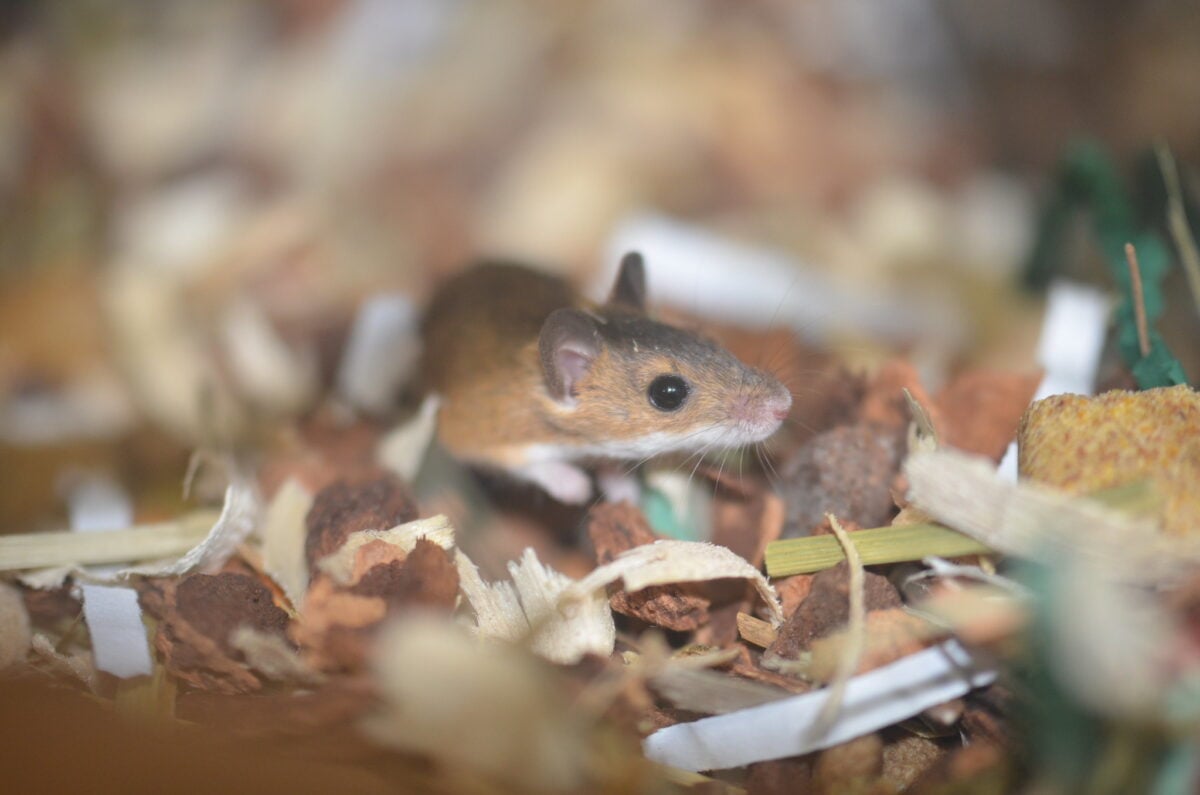
Several species compete for the title of smallest rodent, but the African pygmy mouse weighs about 3 to 12 grams depending on the species and subspecies. These mice live in sub-Saharan Africa, thriving in grasslands and savannas.
The large eyes relative to head size make them look perpetually startled. Those eyes help them navigate at night when they do most of their foraging.
During the day, they hide in grass nests or abandoned termite mounds.
Least Weasel
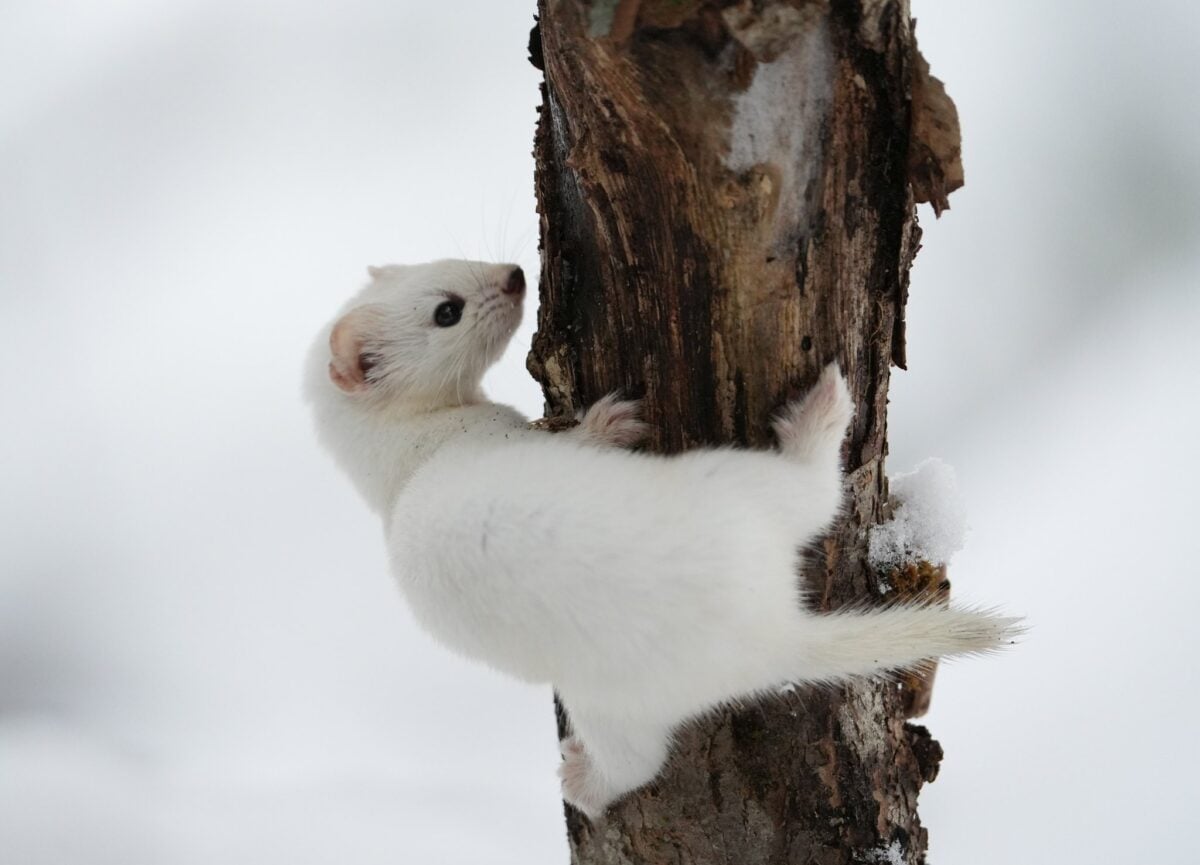
As the smallest carnivore in the world, the least weasel weighs between 25 and 70 grams. That makes it much larger than the shrews and bats on this list, but its status as the tiniest predator of vertebrates earns it recognition.
Males grow larger than females, which is typical for weasels. A small female might weigh just 25 grams—barely heavier than five nickels stacked together.
They hunt rabbits, mice, and voles that can outweigh them several times over. The metabolism of a least weasel requires it to kill and eat prey almost continuously.
They cache food when possible, but they can’t store enough fat to skip meals. The high surface area to volume ratio means heat escapes quickly.
Northern Short-Tailed Shrew
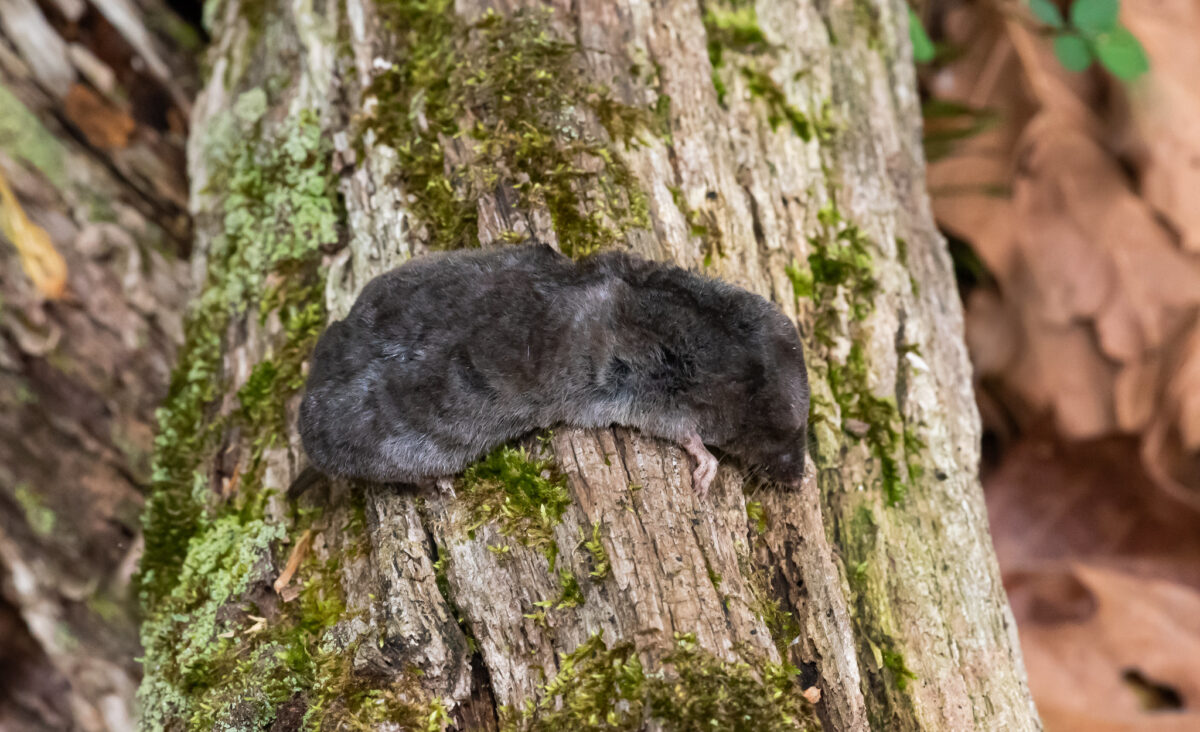
This species weighs about 15 to 30 grams, making it larger than the smallest shrews but notable for different reasons. The northern short-tailed shrew produces venom in its saliva—one of the few venomous mammals on Earth.
The venom doesn’t kill humans, but the bite hurts more than you’d expect from such a small animal. The toxin paralyzes prey, allowing the shrew to store living insects in its burrow for later consumption.
Fresh food stays fresh this way.
House Mouse
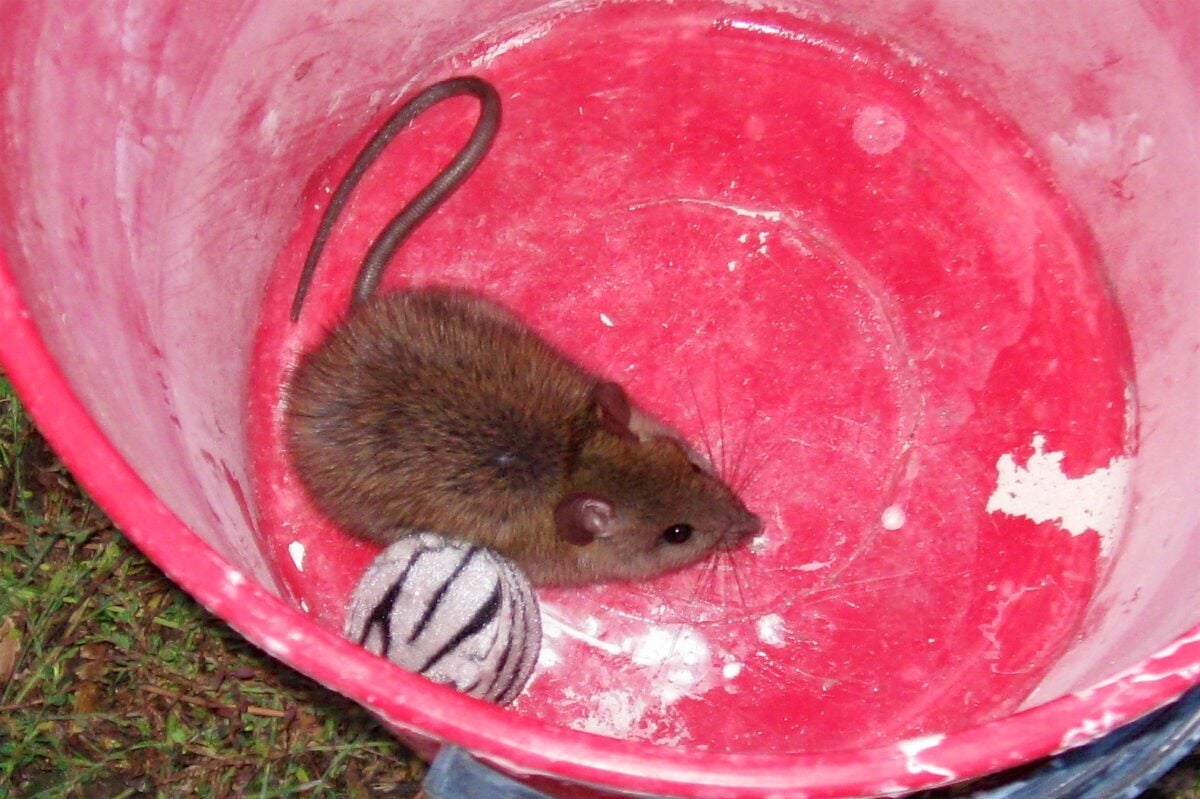
You probably know this animal well. House mice typically weigh 12 to 30 grams, putting them near the upper boundary of “smallest mammals.”
But their global distribution and adaptation to human environments make them worth mentioning. These mice live on every continent except Antarctica.
They’ve followed humans around the world, stowing away on ships and thriving in buildings. Their reproductive rate exceeds almost any other mammal their size.
One pair can produce up to fifty offspring in a year under ideal conditions.
Harvest Mouse
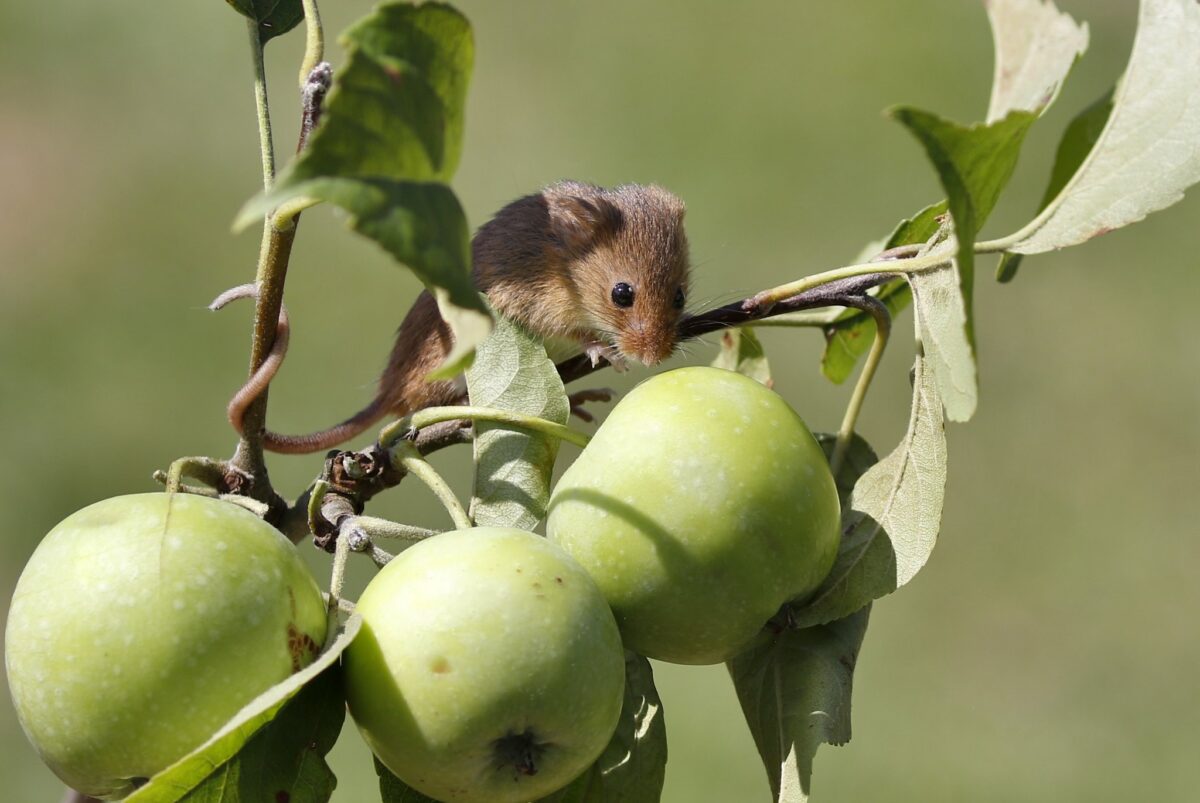
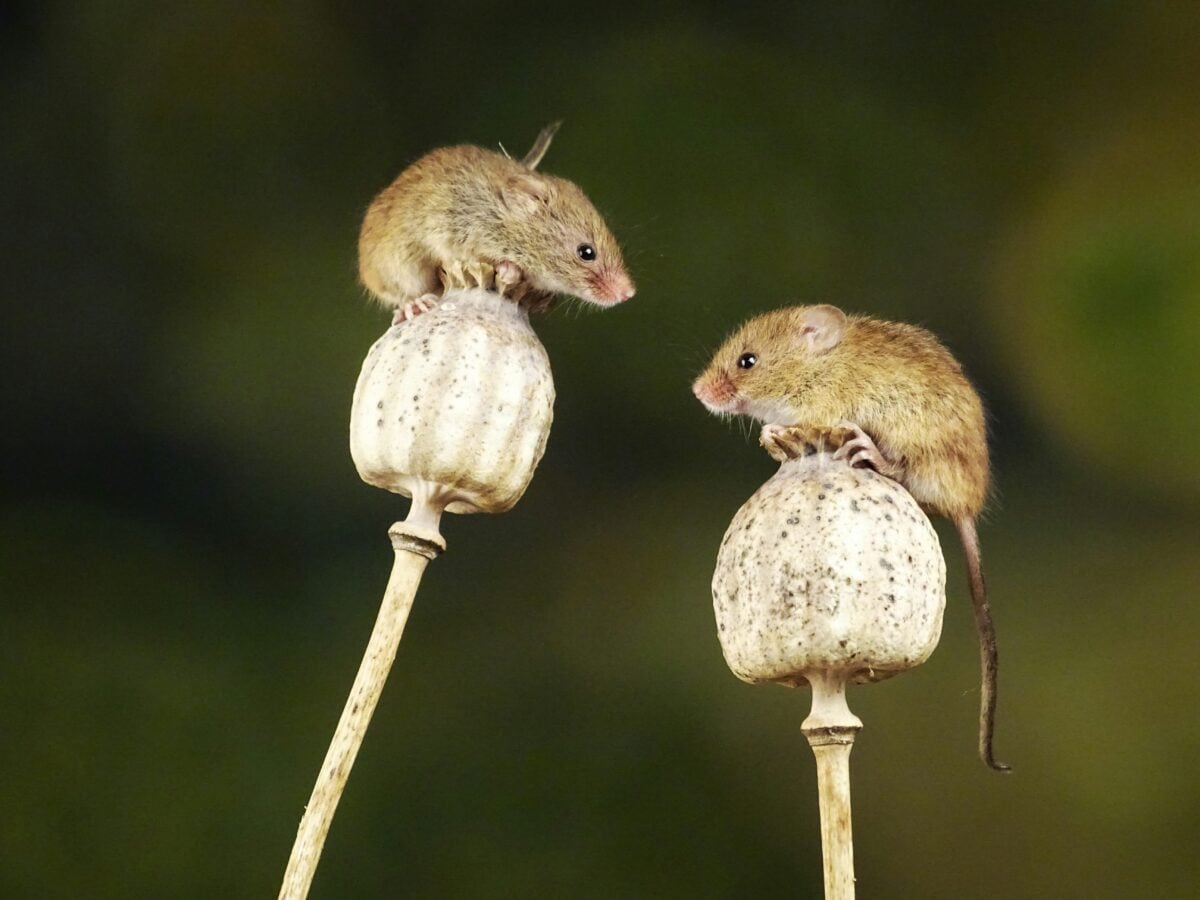
Europe’s smallest rodent weighs 4 to 6 grams. These mice build spherical nests in tall grass, weaving grass blades together with incredible precision.
The nest sits suspended above ground, protected from predators and flooding. The prehensile tail works like a fifth limb, wrapping around grass stems for balance.
You can watch them climb with acrobatic grace, moving through vegetation that barely seems strong enough to support their weight.
When Small Gets Complicated
Miniaturization comes with costs. The smaller a warm-blooded animal gets, the harder basic survival becomes.
Heat escapes faster through skin than organs can generate it. Food requirements increase relative to body size.
The brain shrinks until basic functions become challenging. Yet these animals persist.
They’ve found ecological niches that larger mammals can’t exploit. They hunt prey too small for bigger predators to bother with.
They hide in spaces where danger can’t reach them. Evolution doesn’t care about our sense of scale.
It only cares what works. And somehow, against all physical odds, being impossibly small works just fine for these creatures.
More from Go2Tutors!

- The Romanov Crown Jewels and Their Tragic Fate
- 13 Historical Mysteries That Science Still Can’t Solve
- Famous Hoaxes That Fooled the World for Years
- 15 Child Stars with Tragic Adult Lives
- 16 Famous Jewelry Pieces in History
Like Go2Tutors’s content? Follow us on MSN.