15 Things You’ve Used Your Whole Life But Probably Don’t Know the Name Of
We encounter countless objects every day. Some we know by name—phones, shoes, keys—but others remain nameless despite how often we use them. These everyday items hide in plain sight, performing essential functions while their proper names escape our vocabulary.
Here is a list of 15 common objects you’ve likely used your entire life without knowing what they’re actually called.
Aglet

Those plastic or metal tips at the ends of your shoelaces aren’t just decorative—they’re called aglets. These humble caps prevent your laces from fraying and make threading through eyelets easier.
Shoelace technology hasn’t changed much in centuries, but without these tiny shields, your laces would quickly become unusable stringy messes after just a few weeks of wear.
Philtrum
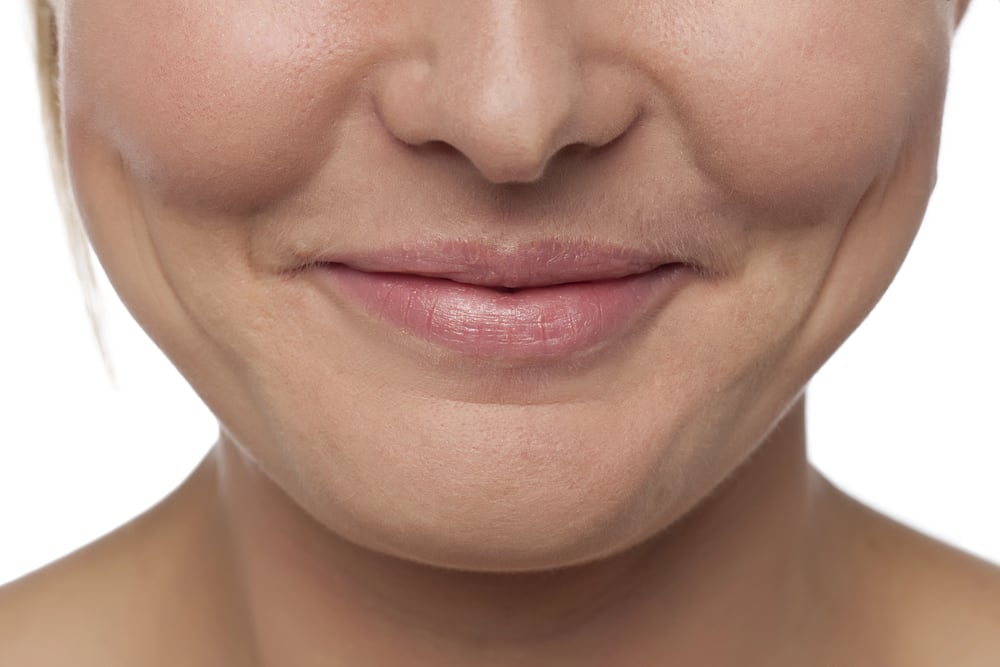
Although it no longer has a clear function, the tiny vertical trough between your nose and top lip has a name: the philtrum. When the left and right sides of the face unite during embryonic development, this facial characteristic is created.
Although it is rarely acknowledged, each person’s philtrum has a somewhat varied appearance and contributes to their distinct facial character.
Ferrule

The metal band that connects your pencil to its eraser is called a ferrule. This simple ring prevents the rubber from breaking off and secures it firmly to the wood.
Ferrules appear on many tools, from paintbrushes to walking sticks, binding different materials together in a secure joint that withstands repeated use and pressure.
Glabella

The smooth area between your eyebrows has its own name—the glabella. This small patch of skin becomes particularly noticeable when people frown or concentrate deeply.
Medical professionals sometimes check this spot for signs of dehydration, as skin elasticity here can indicate your hydration levels better than many other body areas.
Punt

The punt, or indentation at the bottom of wine bottles, is a deliberate design element rather than a production quirk. The bottle’s construction is strengthened by its concave base, which also collects sediment as it is poured.
Its primary role is still structural rather than cosmetic, although some wine connoisseurs say it also assists with thumb placement while serving.
Wamble

That rumbling sensation in your stomach before eating has a specific name—a wamble. While most people call it ‘stomach growling,’ this distinct physical feeling earned its own term centuries ago.
The noise comes from muscles contracting and air moving through your digestive system, signaling it’s time for another meal whether you’re ready or not.
Armscye
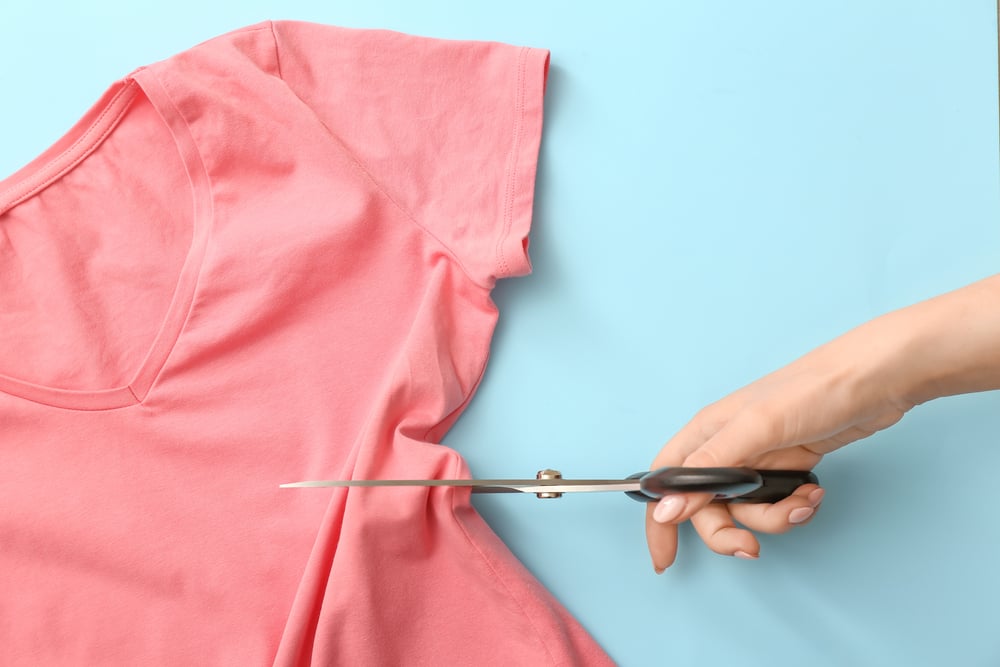
The opening in clothing where the sleeve attaches to the body has a proper tailoring term—the armscye. This curved seam determines how well a shirt or jacket fits across your shoulders and chest.
Tailors spend years perfecting their armscye technique because this seemingly simple curve affects everything from comfort to range of motion in fitted garments.
Grawlix

Those symbolic characters ($#@%!) representing profanity in comic strips and written content are collectively called grawlix. This clever censoring method communicates emotion without explicit language.
Cartoonist Mort Walker coined the term in the s, giving a proper name to the symbols that have saved countless comics from complaints while still conveying a character’s frustration.
Tittle
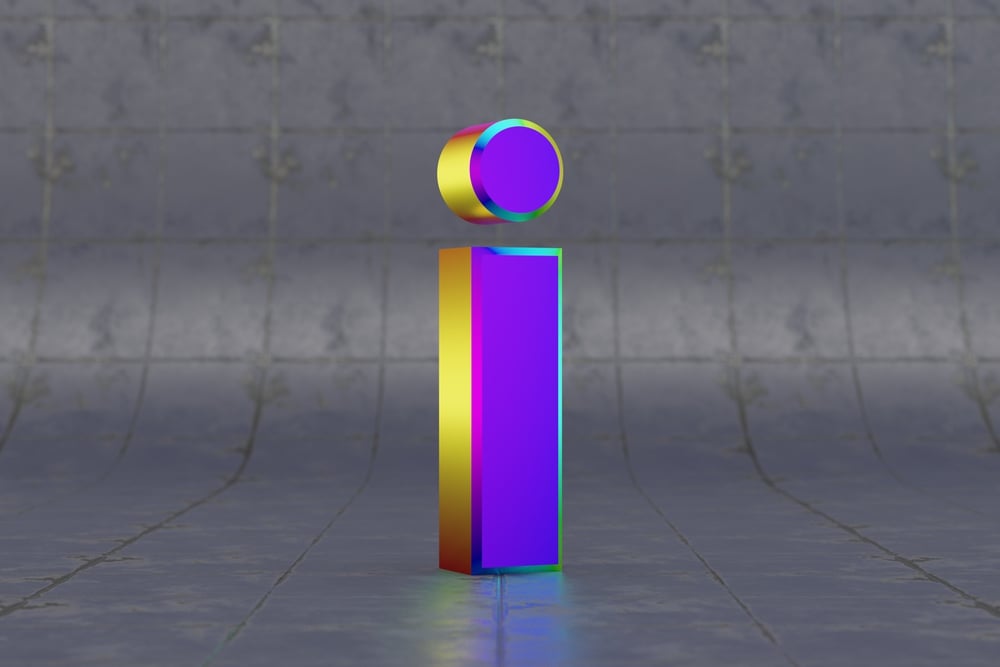
The small dot above lowercase i’s and j’s has its own name—the tittle. This tiny mark evolved from a small line or accent used in medieval manuscript writing.
Without this seemingly insignificant spot of ink, these letters would be nearly impossible to distinguish in many typefaces, proving that even the smallest details in writing systems serve crucial purposes.
Borborygmus

The collective gurgles, rumbles and squeaks your intestines make during digestion have a scientific name—borborygmus. These sounds occur when gas and fluids move through your digestive tract.
Doctors sometimes listen for these noises as they can indicate normal digestion or, when absent, potential digestive issues that need attention.
Griffonage

That barely legible handwriting some people produce, particularly doctors, is called griffonage. This term specifically refers to careless, almost illegible scrawling that somehow still functions as writing.
Before electronic prescriptions, pharmacists developed specialized skills just to decipher the notorious griffonage found on many medical orders.
Paresthesia

The tingling ‘pins and needles’ sensation when your limbs fall asleep isn’t just numbness—it’s paresthesia. This temporary condition happens when sustained pressure cuts off normal blood flow to nerves.
The prickly feeling actually signals your body’s return to normal sensation, though the transition feels anything but comfortable.
Columella Nasi

The strip of tissue separating your nostrils has its own anatomical name—the columella nasi. This small but essential part of your nose helps maintain its structure and airflow.
Plastic surgeons pay particular attention to this feature as its shape and proportion significantly influence overall nasal appearance during cosmetic procedures.
Keeper

That small extra loop of fabric next to a belt loop on pants isn’t a manufacturing error—it’s called a keeper. This tiny textile ring helps secure the end of your belt after you’ve buckled it, preventing it from flapping around.
This practical addition appears on quality pants and skirts, providing a simple solution to an annoying fashion problem.
Overmorrow

The day after tomorrow isn’t just a movie title or awkward phrase—it’s overmorrow. This overlooked word efficiently expresses a specific time concept that otherwise requires multiple words.
Though fallen from common usage, this single term demonstrates how language once handled specific time references more elegantly than our current vocabulary allows.
Hidden in Plain Sight

These named but unrecognized objects remind us how much specialized vocabulary exists beyond our everyday language. While we function perfectly well without knowing these terms, they reveal the attention to detail in design, language, and human observation.
The world contains far more precisely named items than most of us realize, connecting specialists across professions through a shared vocabulary that rarely reaches public awareness.
More from Go2Tutors!

- The Romanov Crown Jewels and Their Tragic Fate
- 13 Historical Mysteries That Science Still Can’t Solve
- Famous Hoaxes That Fooled the World for Years
- 15 Child Stars with Tragic Adult Lives
- 16 Famous Jewelry Pieces in History
Like Go2Tutors’s content? Follow us on MSN.



