Sports Fan Rituals That Spread Organically
Sports lovers come up with their own habits on the fly – no rules needed. One fan acts strange during a match, folks see it, then boom, heaps of people copy it each weekend.
These routines seem real since they grew out of the crowd, not some office plan. Top examples reflect what’s core to the club, the place, or just the game.
The Terrible Towel in Pittsburgh
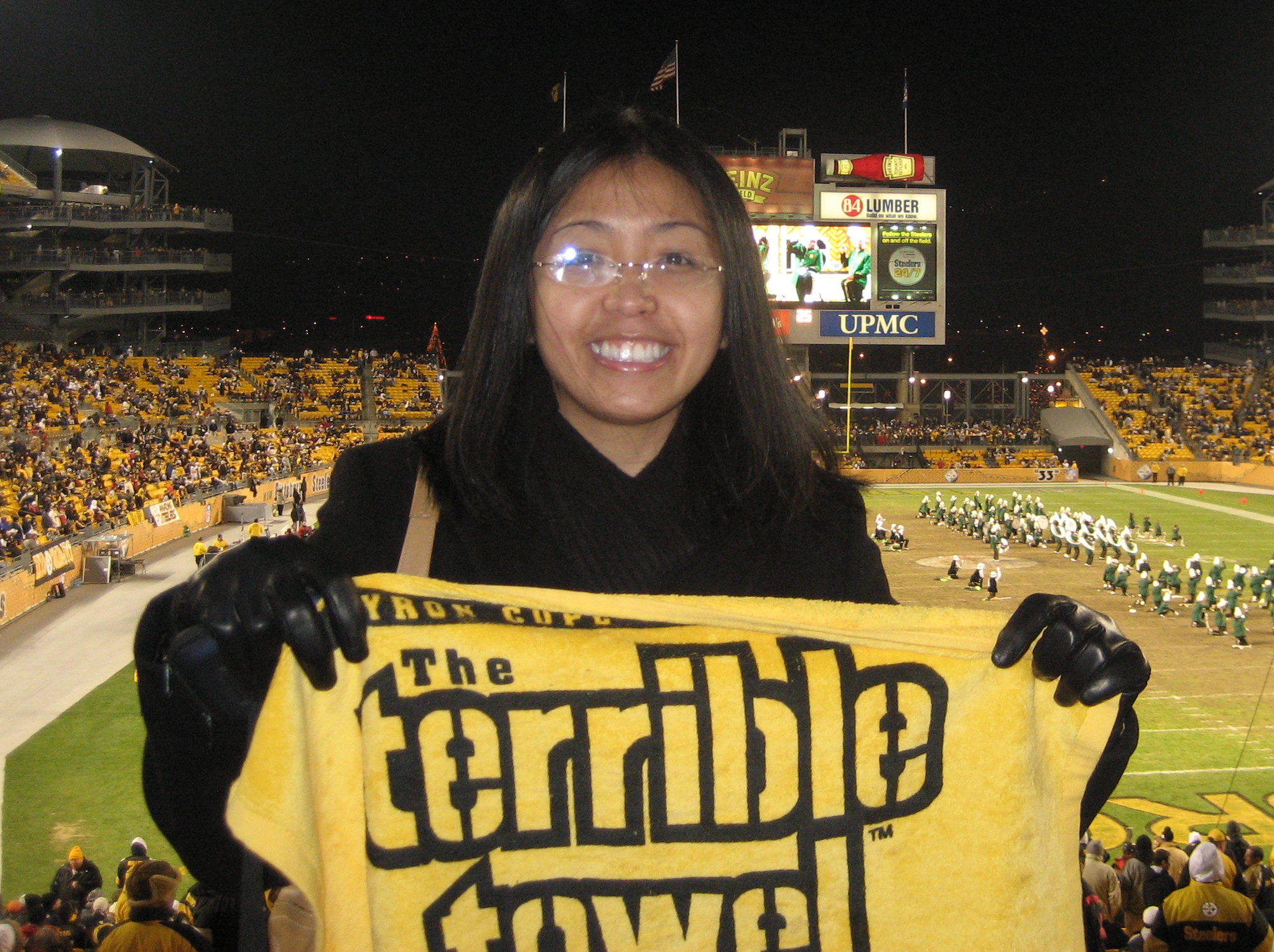
Myron Cope, a radio announcer for the Steelers, suggested in 1975 that fans bring yellow towels to wave during a playoff game. He figured it would make good radio, describing the visual spectacle to listeners at home.
The idea worked better than anyone expected. Fans started bringing terrible towels to every game.
The tradition has stuck for nearly 50 years now. You see them at away games, at weddings, even at funerals in Pittsburgh.
The team never mandated it. Cope just threw out an idea on his radio show, and the city ran with it.
That organic adoption made it feel like it belonged to the fans rather than the franchise.
The Lambeau Leap
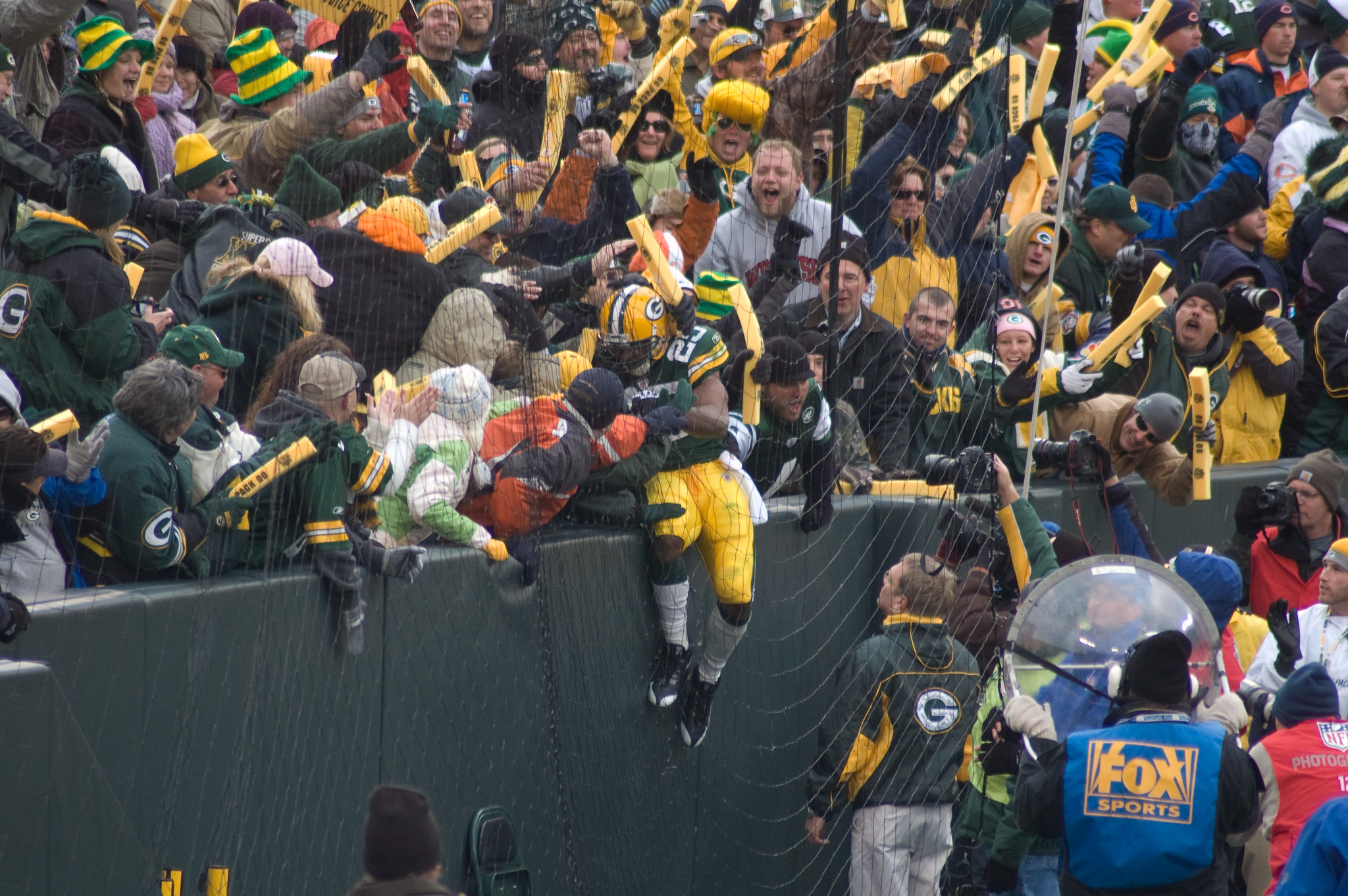
After scoring a touchdown in 1993, Packers safety LeRoy Butler jumped into the stands at Lambeau Field. No grand plan existed.
Butler just wanted to celebrate with fans who had been cheering for him. The moment felt spontaneous and joyful.
Other players started doing it. The leap became part of Green Bay’s identity.
The NFL technically prohibits excessive celebrations, but they gave the Lambeau Leap a pass because fans loved it. Now when you score a touchdown at Lambeau, jumping into the stands feels mandatory.
The ritual emerged from one player’s instinct to share a moment with fans who had supported him through cold Wisconsin winters.
The Skol Chant in Minnesota
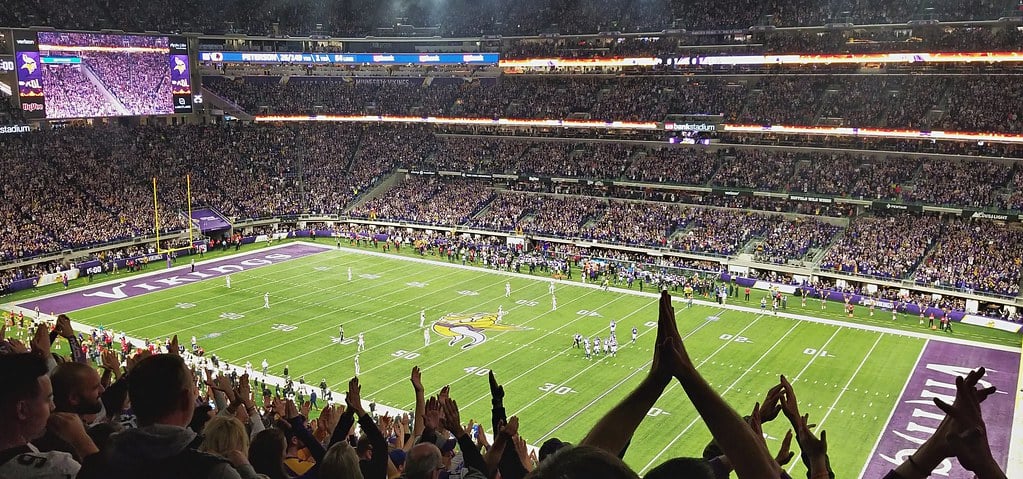
Minnesota Vikings fans borrowed their chant from Iceland’s national team during Euro 2016. Icelandic fans performed a thunderclap chant that went viral online.
Vikings fans saw it, adapted it, and made it their own. The team plays a video of a Viking ship before kickoffs while fans clap in unison and shout “Skol.”
The sound builds until it becomes deafening. Minneapolis imported a tradition from Reykjavik and transformed it into something distinctly Minnesotan.
The franchise embraced what fans were already doing rather than trying to manufacture something from scratch.
Sweet Caroline at Fenway Park

Nobody planned for “Sweet Caroline” to become a Red Sox tradition. In 1997, Amy Tobey, a Fenway Park employee, started playing Neil Diamond’s 1969 hit during the eighth inning because someone she knew had just had a baby named Caroline.
Fans began singing along. The habit grew slowly.
In 2002, team executive Charles Steinberg decided to make it a regular fixture at every home game. He believed the song had “transformative powers” to lift the crowd’s mood.
Now you can’t attend a Red Sox game without hearing 37,000 people belt out “Sweet Caroline” together. The song has nothing to do with baseball.
It doesn’t mention Boston or the Red Sox. But it became part of the Fenway experience purely through repetition and collective participation.
The emotional connection formed organically through years of shared moments rather than calculated brand building.
The Wave
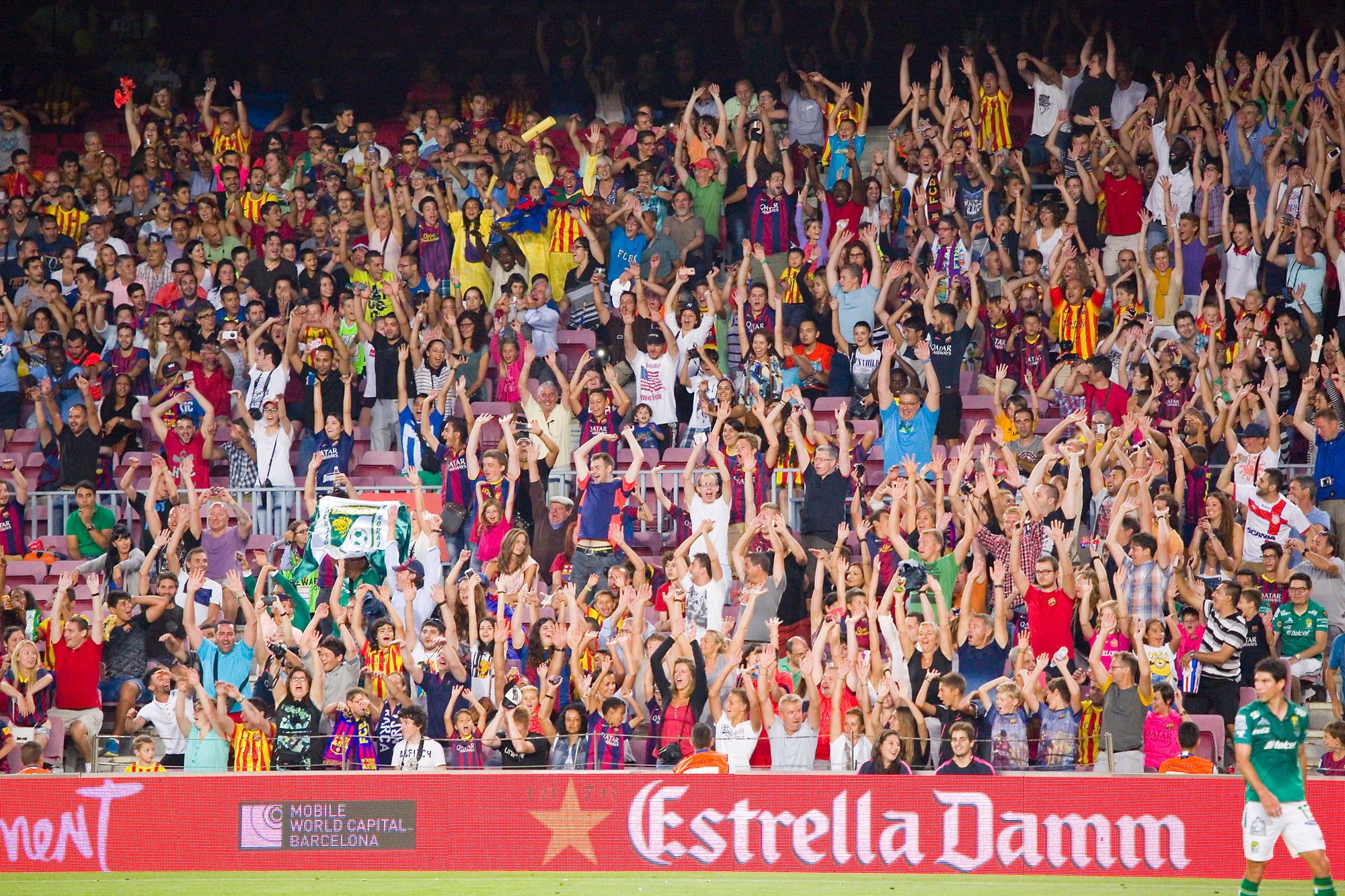
The wave’s origin story remains disputed, with both University of Washington and Oakland Athletics fans claiming credit in the early 1980s. What matters more is how it spreads.
Fans at one stadium saw it, tried it at their home games, and passed it along. No committee designed the wave.
No marketing team promoted it. Fans just started doing it because it looked fun and required coordination.
The wave became global within a few years, appearing at sporting events on every continent. Some fans now hate it, considering it a distraction from the game itself.
But its organic spread demonstrates how quickly a simple idea can replicate when it taps into something fans want—a way to participate collectively in the event.
The Haka Response in New Zealand
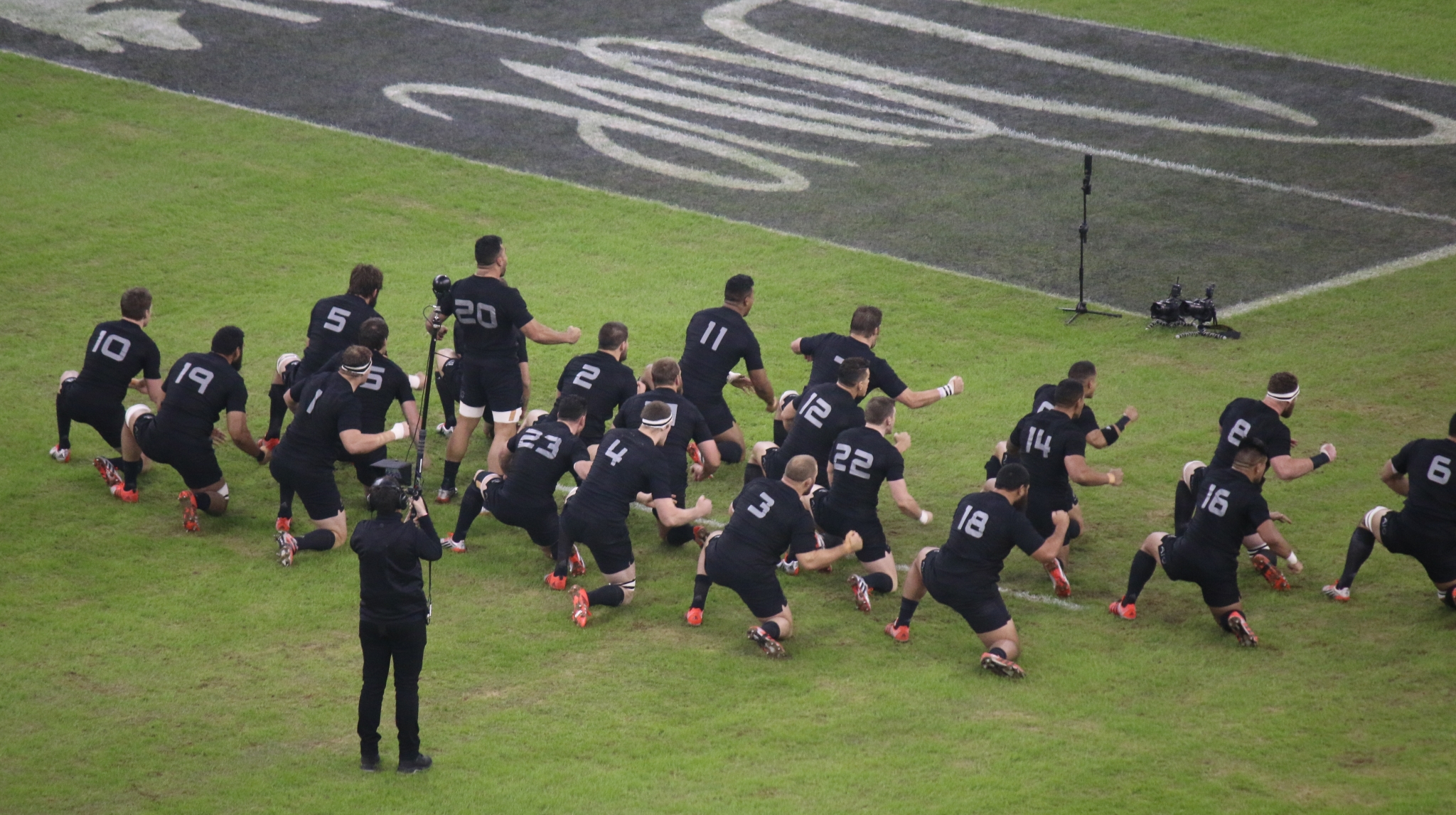
When rugby teams play the All Blacks, they face the haka before kickoff. For decades, opposing teams stood still and watched.
Then in 1989, the Australian team linked arms and advanced toward the All Blacks during their haka. The gesture was confrontational but respectful.
Other teams developed their own responses. Some stood in a V-formation.
Others stayed in their changing rooms until the haka finished. Wales lined up inches from the All Blacks in 2008, refusing to back down.
These responses emerged from players and teams trying to find ways to meet the challenge the haka presents. The traditions formed organically as players searched for meaningful ways to respond to one of sport’s most powerful rituals.
The Seventh Inning Stretch
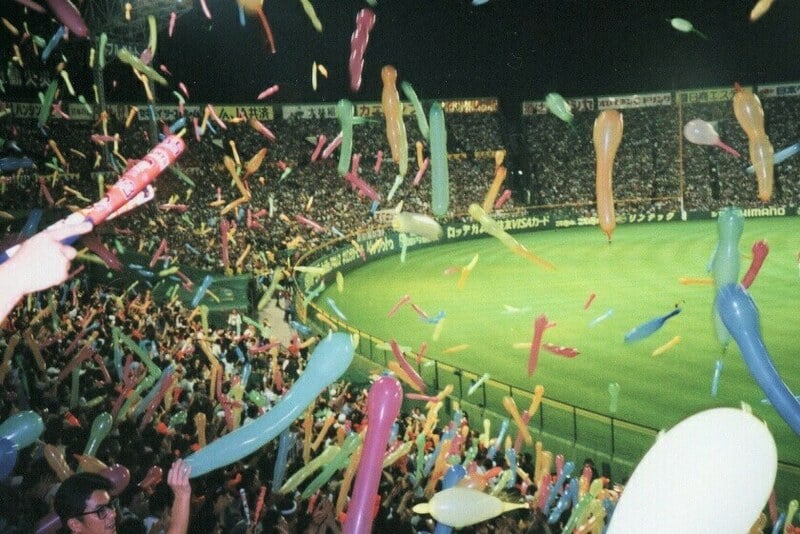
Take Me Out to the Ballgame during the seventh inning stretch became tradition at Wrigley Field thanks to Harry Caray. The broadcaster started singing it over the PA system in the 1970s.
His off-key, enthusiastic delivery became part of the charm. Fans sang along.
Other stadiums adopted the tradition. Now every MLB park does some version of the seventh inning stretch with crowd singing.
Caray didn’t invent the seventh inning stretch itself—that dates back over a century—but he made the sing-along part feel mandatory. His natural enthusiasm turned a simple moment into a communal experience that baseball fans now expect at every game.
Soccer Scarves Above Heads

European football fans hold their scarves above their heads during important matches or while singing team anthems. The visual of thousands of scarves swaying in unison creates powerful imagery.
Television cameras love it. The tradition spread to American soccer fans, who adapted it for MLS games.
No league official told fans to do this. They saw it happening overseas, understood the emotional weight it carried, and imported it.
The gesture connects American fans to the global football community while expressing support for their local clubs. The organic adoption shows how traditions can cross oceans and cultures when they tap into universal feelings about sport and belonging.
The Tomahawk Chop
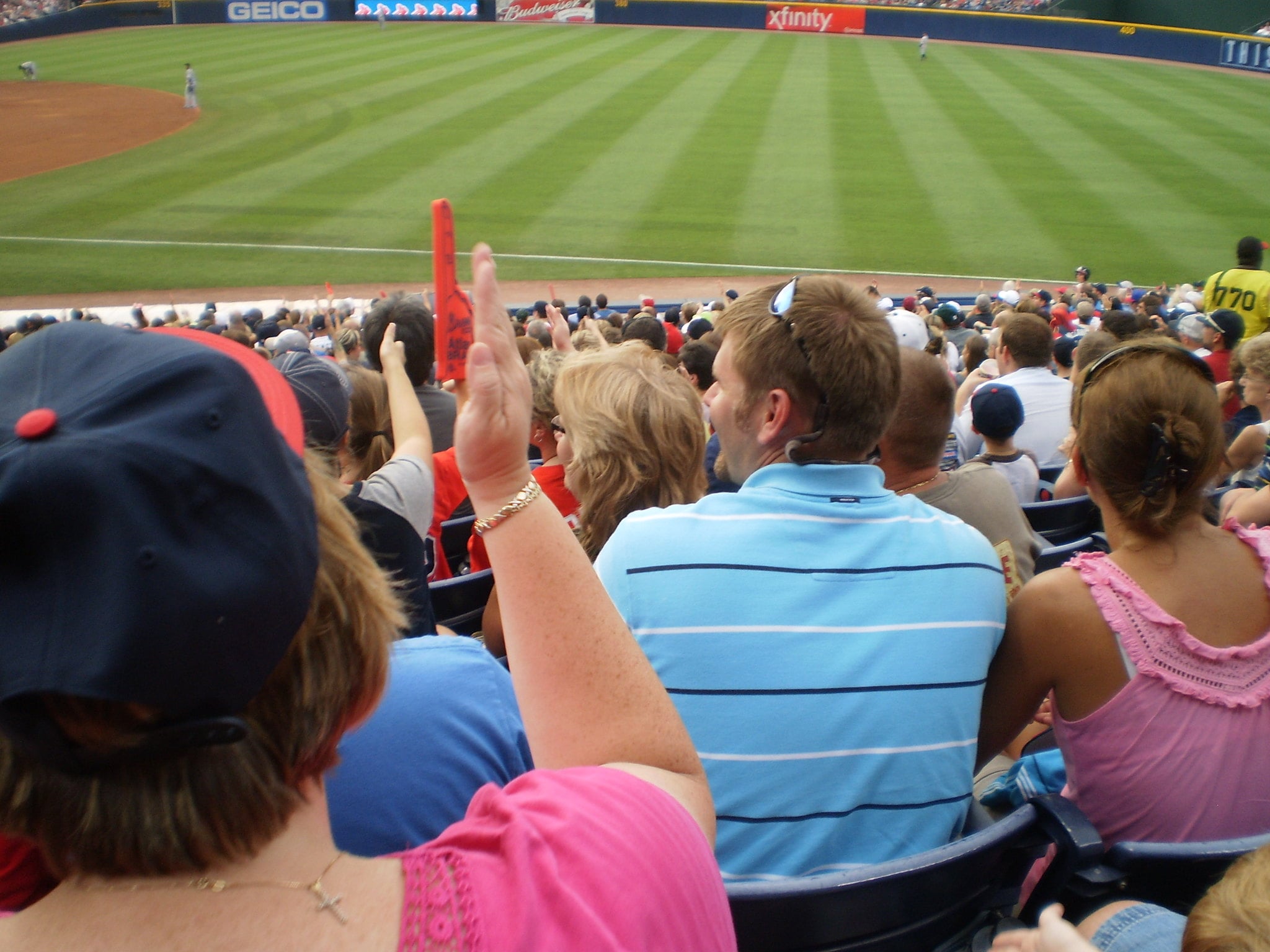
Florida State fans started the tomahawk chop motion in the 1980s. Atlanta Braves fans picked it up when Deion Sanders, who played at FSU, joined the team.
The chant and arm motion spread throughout Braves fandom. The tradition faces increasing criticism for appropriating Native American imagery.
Many find it offensive and call for its retirement. The organic spread that once made it feel authentic now makes it harder to eliminate—no single person can stop a tradition that millions adopted voluntarily.
The tomahawk chop demonstrates how organic rituals can become problematic over time as cultural awareness evolves.
Iceland’s Thunderclap
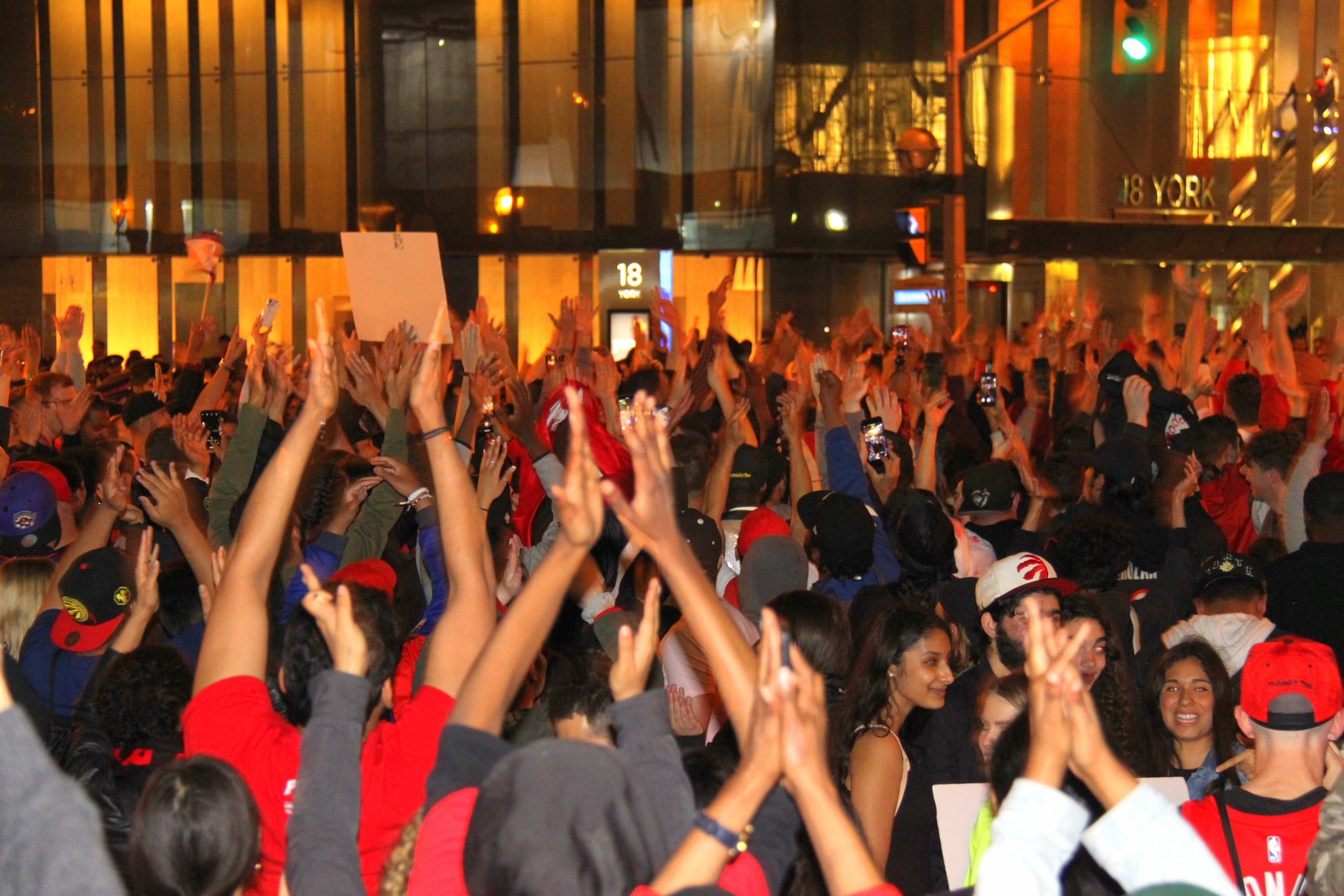
Icelandic fans created their thunderclap chant during Euro 2016. A small nation of 330,000 people made it to the tournament and brought their tradition with them.
The slow clap that builds into a roar became one of the tournament’s defining images. Other fanbases around the world copied it.
The Vikings adapted it. College teams tried it.
The thunderclap spread because it looked and sounded impressive on television, and because it gave fans a simple way to create noise and unity. Iceland’s fans didn’t invent collective clapping, but they packaged it in a way that felt fresh and powerful enough that everyone else wanted to try it.
The Poznan
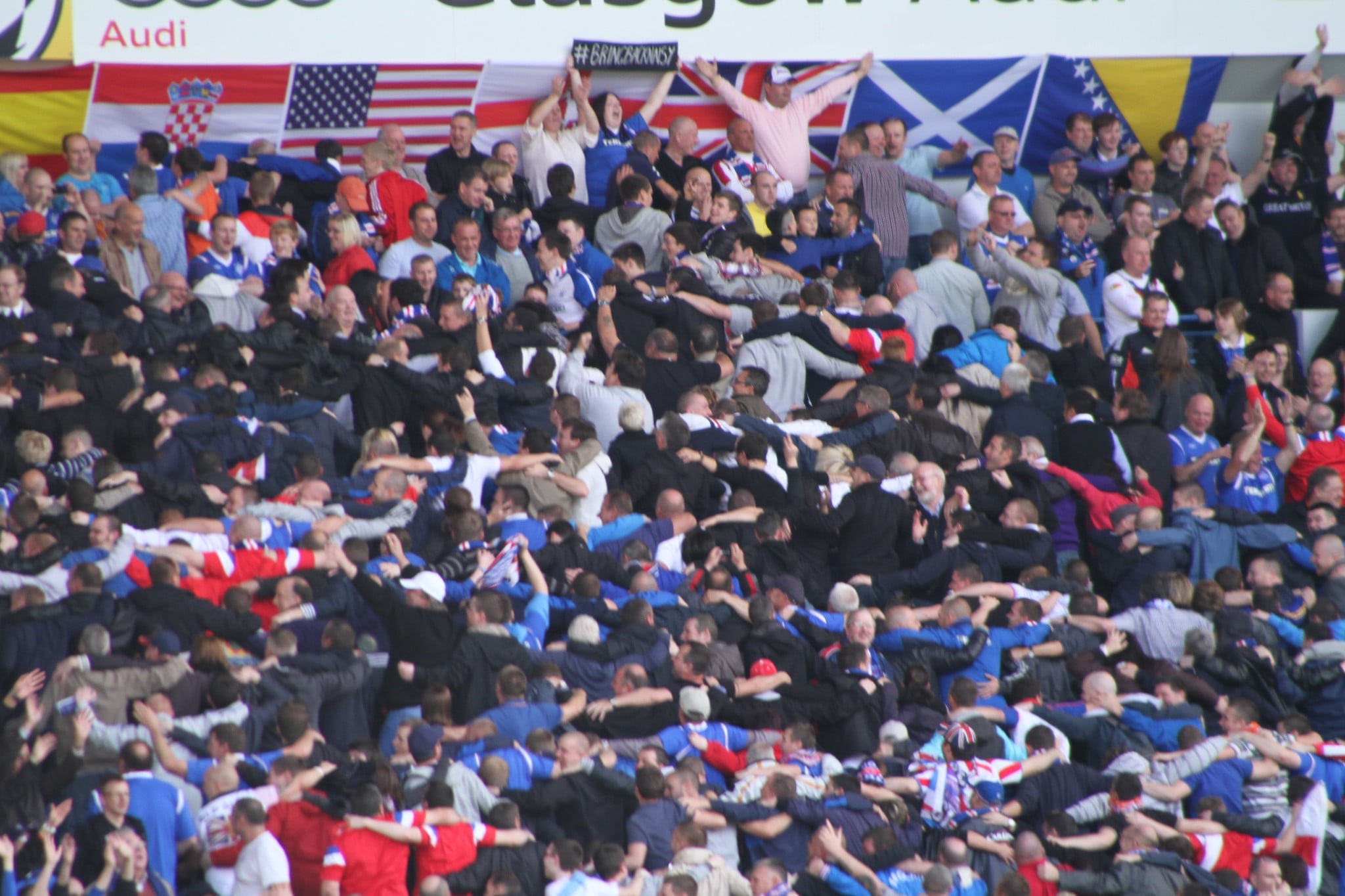
Manchester City fans borrowed this celebration from Lech Poznan supporters in Poland. During a 2010 Europa League match, City fans turned their backs to the field, faced away from the action, and bounced while linking arms.
The moment looked absurd and joyful. City fans kept doing it at home games.
The Poznan became part of the Etihad Stadium experience. Borrowing traditions from other fan cultures shows how modern sport creates a global conversation.
Fans watch matches from around the world and adopt rituals they find meaningful. Poznan’s journey from Poznan to Manchester to other English grounds happened because fans saw something they liked and made it their own.
The Bill Swerski’s Superfans Effect
The “da Bears” sketch on Saturday Night Live in the 1990s exaggerated Chicago sports fan behavior. The characters spoke in thick accents, refused to acknowledge any team’s flaws, and predicted absurd scores like “Bears 82, Packers 3.”
Real Chicago fans embraced the parody. They started acting more like the caricature, leaning into the stereotype.
The sketch reflected reality, and then reality reflected the sketch back. This feedback loop shows how media representations can influence organic fan behavior.
Fans saw themselves in the comedy and decided to perform the role more enthusiastically. The line between authentic fan culture and performed fan culture blurred.
Singing in Unison at Anfield
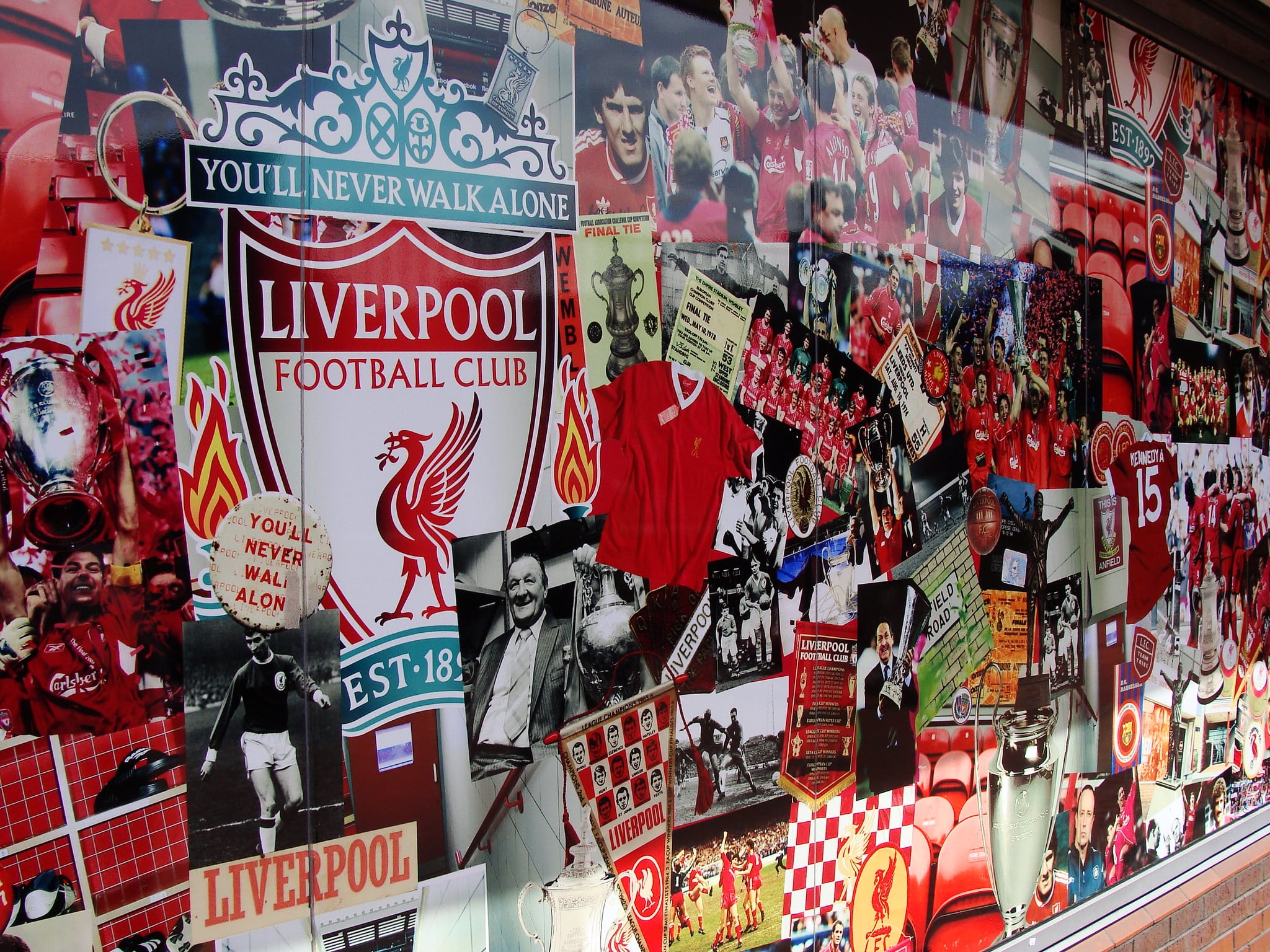
Liverpool fans sing “You’ll Never Walk Alone” before matches at Anfield. Gerry and the Pacemakers, a Liverpool band, released their version of the Rodgers and Hammerstein song in 1963.
It topped the UK charts. Anfield’s DJ started playing it before matches as part of the top 10 countdown.
Fans began singing along. When the song dropped out of the charts and wasn’t played in one match, fans shouted “Where’s our song?”
The club made it permanent. The moment before kickoff when thousands sing together creates one of sport’s most emotional atmospheres.
The tradition spread because it moved people. Fans at other clubs tried to create similar moments with different songs, but few matched the raw emotion of Anfield when the entire stadium sang together.
The organic adoption happened because the song captured something fans felt about their club—resilience, solidarity, and community.
When Rituals Become Identity
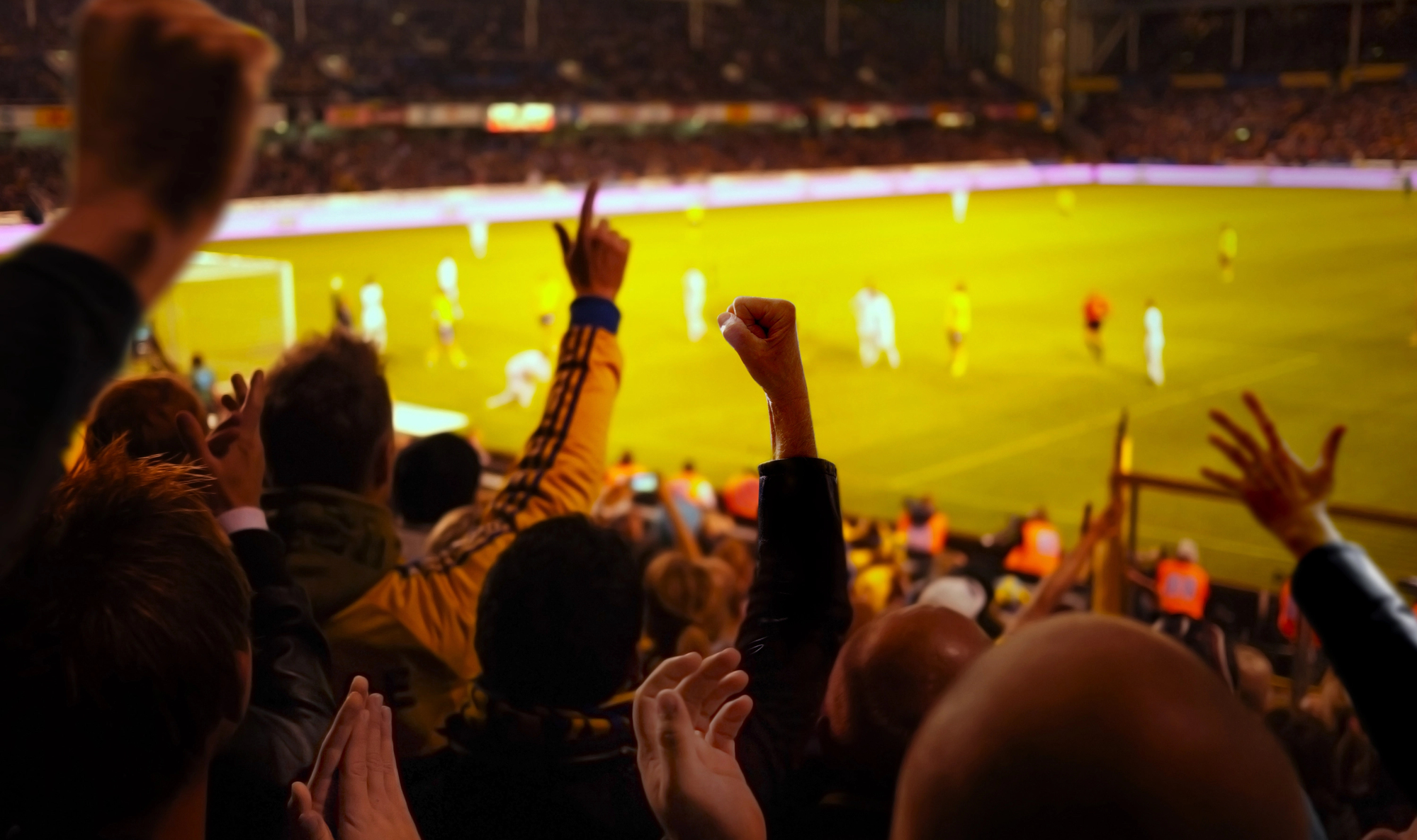
These traditions matter because they began among fans, not in office meetings. Built by followers, adjusted slowly over years, but spread far – authenticity thrives when it starts from the ground.
As a habit forms naturally, it carries deeper meaning than something made by advertisers. These moves come from supporters – genuine actions, not planned noise designed to fire people up.
The strongest customs last because they tap into true emotions: needing to feel part of a group, jump into the moment, or link with strangers all rooting for the same team. This is why they endure.
More from Go2Tutors!

- The Romanov Crown Jewels and Their Tragic Fate
- 13 Historical Mysteries That Science Still Can’t Solve
- Famous Hoaxes That Fooled the World for Years
- 15 Child Stars with Tragic Adult Lives
- 16 Famous Jewelry Pieces in History
Like Go2Tutors’s content? Follow us on MSN.