15 Phone Features Inspired by Sci-Fi Films
Science fiction movies have always been crystal orbs for technology, showing us gadgets that seemed impossible but eventually became part of our daily lives. From the communicators in Star Trek to the futuristic interfaces in Minority Report, filmmakers have dreamed up devices that tech companies later turned into reality. Your smartphone is packed with features that would have looked like pure magic to audiences decades ago, yet these innovations often started as wild ideas in a screenwriter’s imagination.
Here is a list of 15 phone features that sci-fi films predicted long before they appeared in our pockets.
Video Calling
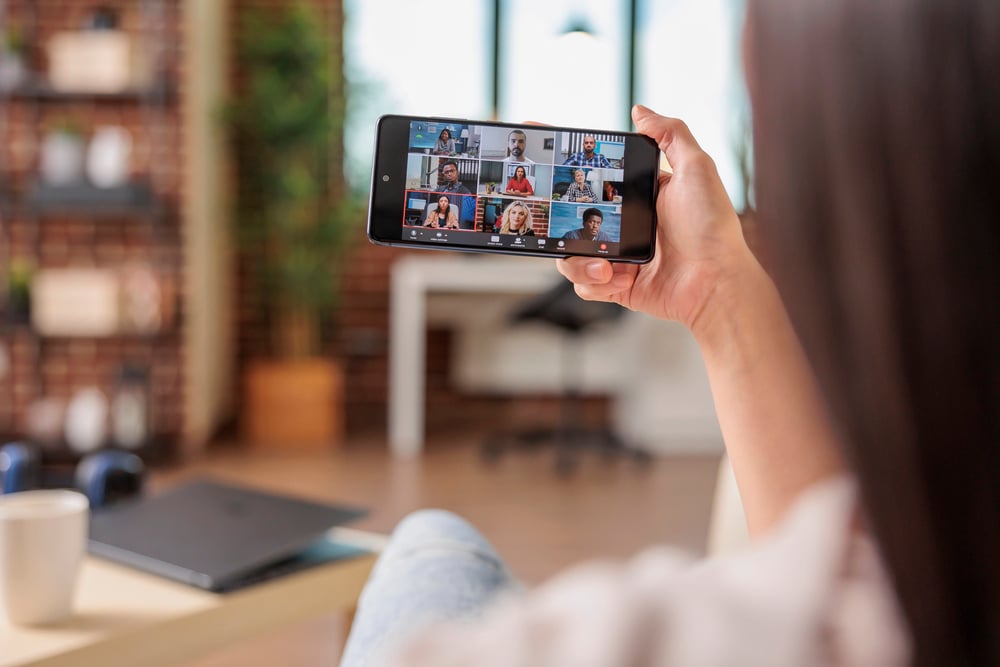
Stanley Kubrick’s 2001: A Space Odyssey featured Dr. Floyd making a video call to his daughter from a space station, showing a technology that seemed decades away in 1968. The scene depicted crystal-clear video communication across vast distances, complete with real-time interaction that felt natural and seamless.
Fast-forward to today, and video calling through FaceTime, Zoom, and WhatsApp has become so routine that we take it for granted, especially after the pandemic made it essential for staying connected.
Voice Commands
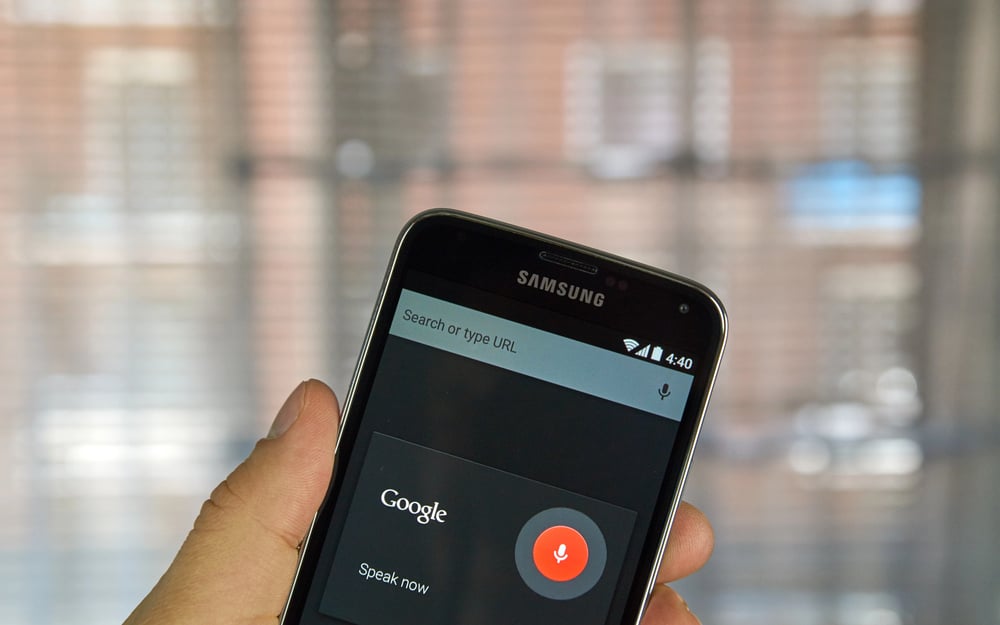
HAL 9000 from 2001: A Space Odyssey also introduced audiences to the concept of controlling technology through voice alone, though admittedly with terrifying results. The idea of speaking to a computer and having it understand complex commands seemed like the stuff of dreams back then.
Now Siri, Google Assistant, and Alexa respond to our every request, from setting reminders to controlling smart home devices, making voice interaction feel as natural as talking to a friend.
Like Go2Tutors’s content? Follow us on MSN.
Touchscreen Interfaces
Minority Report blew minds in 2002 with its gesture-based computer interfaces, where Tom Cruise’s character manipulated data by touching and swiping at transparent screens. The film’s vision of intuitive, finger-based navigation looked impossibly futuristic at the time.
Apple’s iPhone arrived just five years later, bringing touchscreen technology to the masses and proving that sometimes reality catches up to science fiction faster than anyone expects.
Holographic Displays
Star Wars introduced the world to holographic communication in 1977 when Princess Leia’s message appeared as a three-dimensional projection from R2-D2. The technology seemed so advanced that it belonged in a galaxy far, far away, yet it captured imaginations worldwide.
While we’re still working on perfecting holographic displays, companies like Looking Glass Factory and Hologram USA are making impressive strides toward bringing this sci-fi staple into our everyday devices.
Artificial Intelligence Assistants
The 1968 film 2001: A Space Odyssey didn’t just predict video calling—it also showed us what an AI assistant might look like, even if HAL turned out to be a cautionary tale about artificial intelligence. The movie depicted a computer that could understand natural language, make decisions, and even engage in philosophical discussions.
Today’s AI assistants like Siri and Google Assistant might not be plotting against us, but they’re certainly getting smarter at understanding context and providing helpful responses.
Like Go2Tutors’s content? Follow us on MSN.
Biometric Security
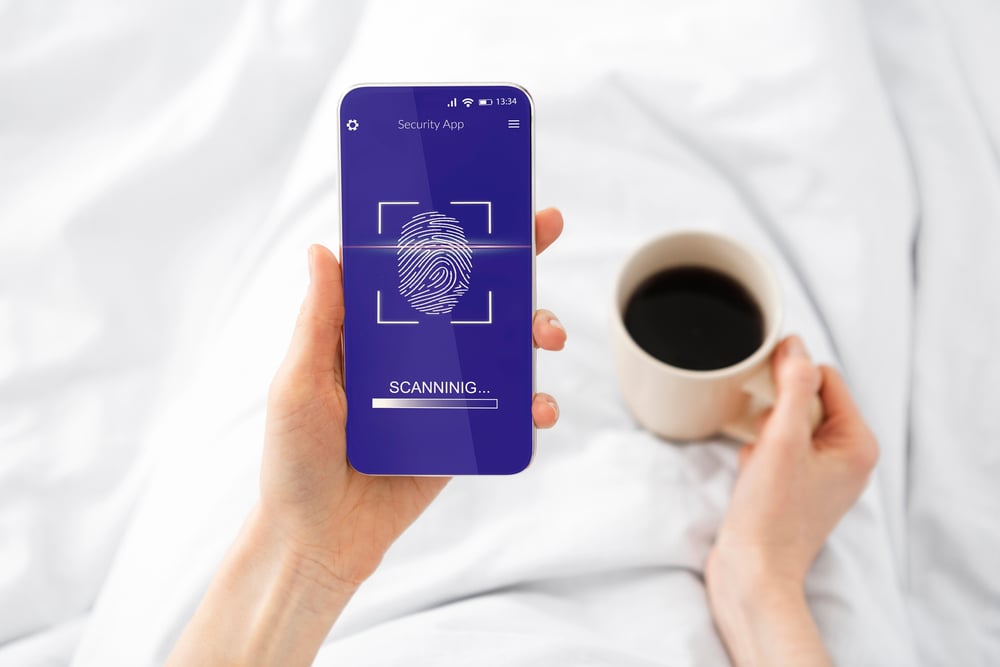
In numerous sci-fi films, characters gained access to secure areas through fingerprint scanners, retinal scans, or facial recognition systems. Movies like Demolition Man and Minority Report showed these technologies as standard security measures in their futuristic worlds.
Modern smartphones now use fingerprint sensors, facial recognition, and even iris scanning to keep our devices secure, making what once seemed like high-tech spy gadgets available to everyone.
Augmented Reality
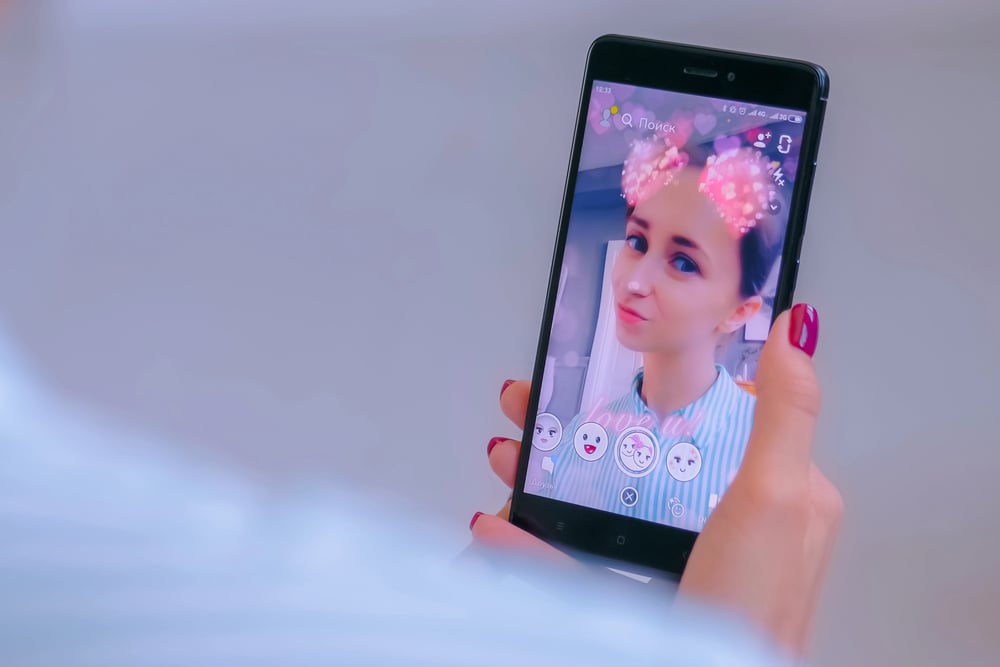
The Terminator films showed us the world through the eyes of a cyborg, with digital information overlaid on real-world environments. This heads-up display concept, where data appears directly in your field of vision, seemed like something only machines could use.
Smartphones now offer AR features that let you point your camera at objects to get information, navigate with directions overlaid on street views, or even catch virtual creatures in Pokémon GO.
Gesture Control
Minority Report’s gesture-based interfaces weren’t just about touching screens—they showed characters controlling technology through hand movements and gestures in the air. The film’s depiction of intuitive, motion-based control systems looked like pure magic in 2002.
While we’re still refining gesture control, phones now recognize various hand movements and gestures, and devices like the Google Pixel can sense when you’re waving at them to skip songs or silence calls.
Like Go2Tutors’s content? Follow us on MSN.
Real-Time Translation
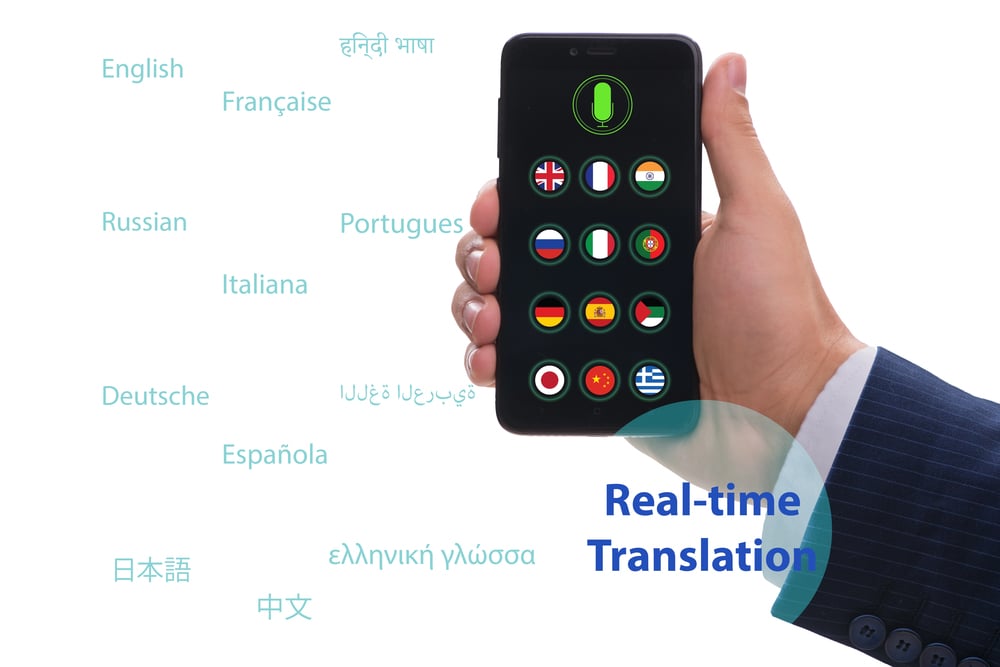
In science fiction, universal translators have been a staple for decades, allowing characters from different planets or cultures to communicate instantly. Star Trek’s universal translator made interspecies communication seem effortless, while films like The Hitchhiker’s Guide to the Galaxy featured similar technology.
Google Translate and other apps now offer real-time translation through your phone’s camera or microphone, breaking down language barriers in ways that would have seemed impossible just a few years ago.
Wireless Charging
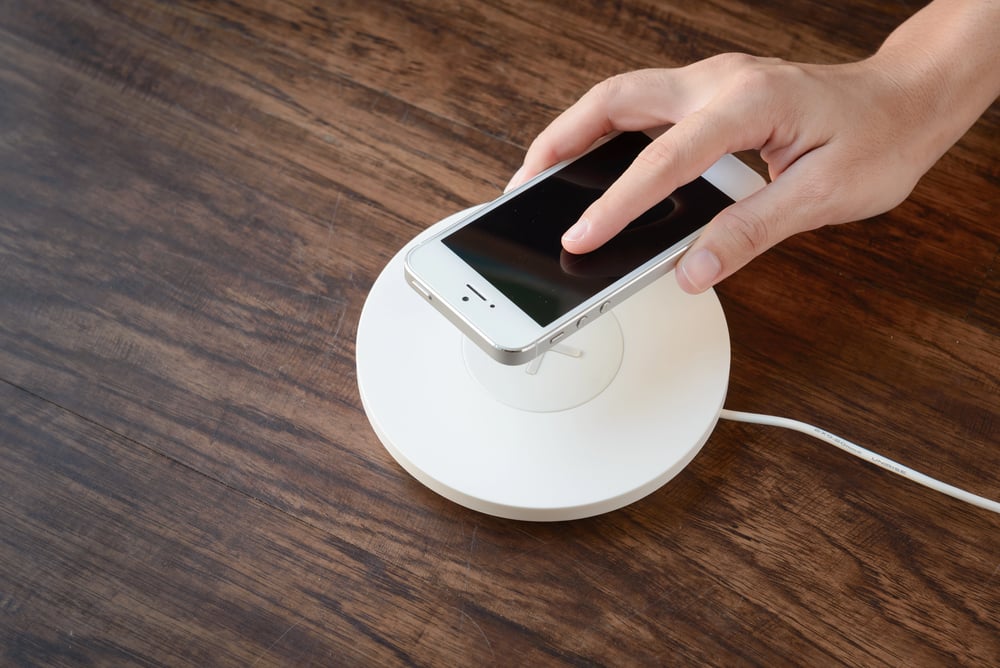
Many sci-fi films showed devices that could charge without plugs or cables, simply by being placed on special surfaces or within certain areas. The technology seemed like a natural evolution of how advanced civilizations would power their gadgets.
Wireless charging pads are now common accessories for smartphones, and some phones can even charge other devices wirelessly, making the cable-free future that science fiction promised a reality.
Satellite Navigation
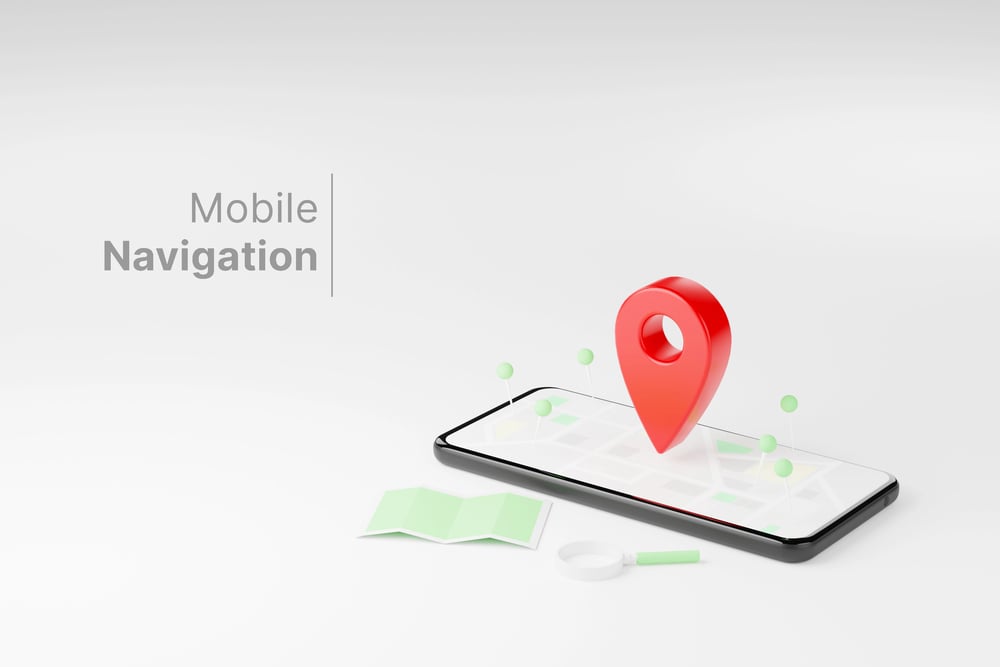
Space-based navigation systems appeared in countless sci-fi films, where characters could pinpoint their exact location anywhere in the universe using satellite technology. These systems seemed incredibly advanced, especially when most people were still using paper maps for navigation.
GPS technology in smartphones has made getting lost almost impossible, providing turn-by-turn directions, traffic updates, and location-based services that have fundamentally changed how we navigate the world.
Like Go2Tutors’s content? Follow us on MSN.
Flexible Displays
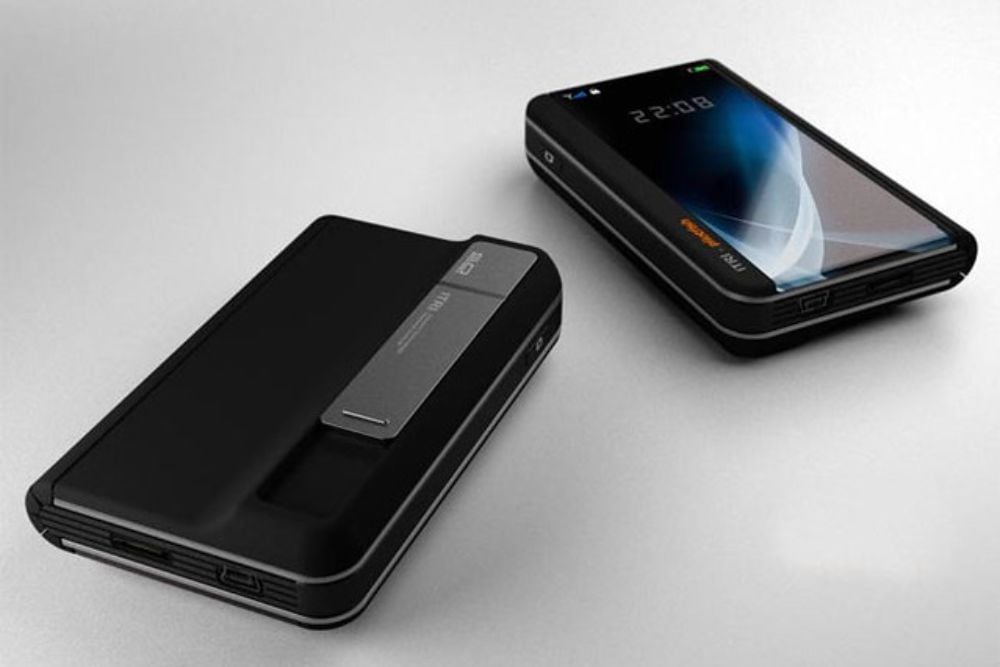
Films like Minority Report and more recent sci-fi movies have shown devices with bendable, foldable screens that could adapt to different shapes and sizes. These flexible displays seemed like they belonged in a world of advanced materials and manufacturing techniques far beyond our current capabilities.
Samsung, Huawei, and other manufacturers have now released foldable phones with flexible OLED screens, though the technology is still evolving and becoming more affordable.
Instant Photography
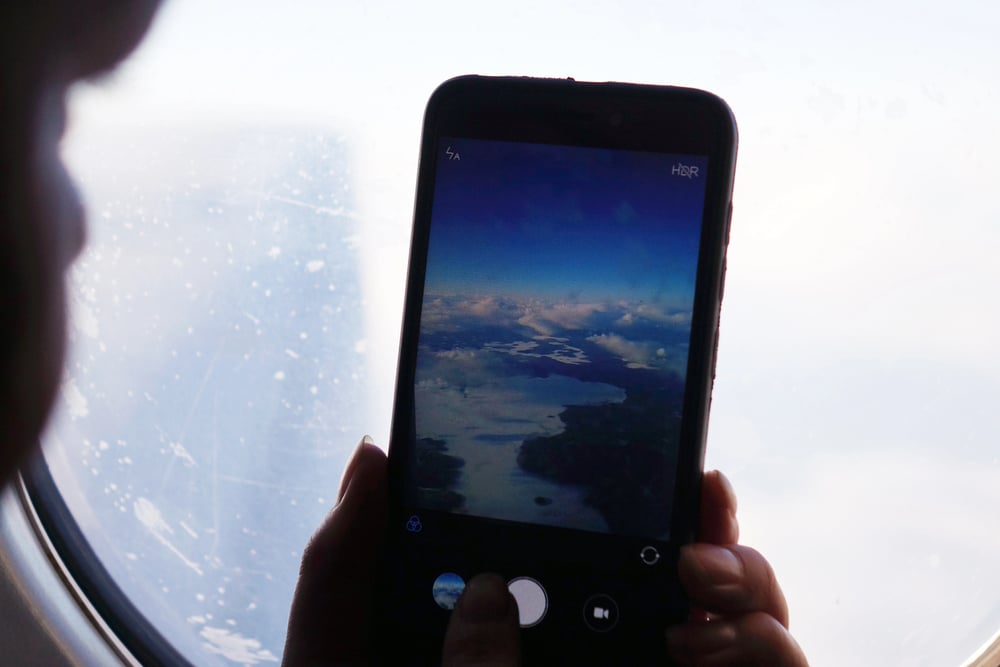
While not exactly smartphones, many sci-fi films featured devices that could capture and instantly produce physical photographs, something that seemed magical before instant cameras became popular. The concept evolved in films to show devices that could not only capture images instantly but also manipulate and enhance them in real-time.
Modern smartphones with advanced cameras and instant editing capabilities have made everyone a photographer, with filters and effects that can transform images in ways that would have amazed early sci-fi audiences.
Motion Sensors
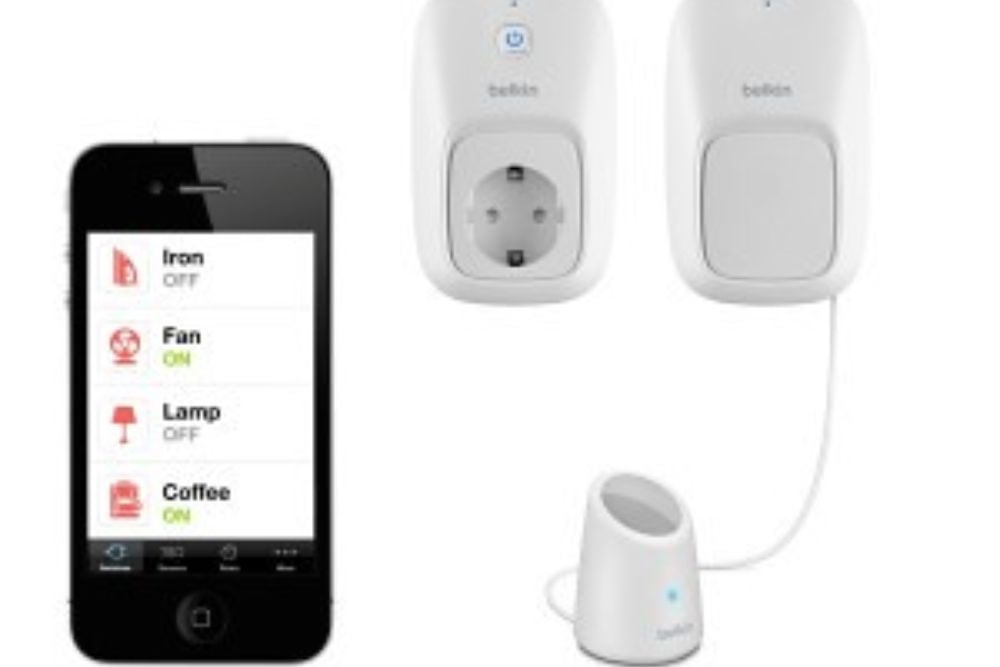
Science fiction films often featured security systems and devices that could detect the slightest movement, responding to human presence without any physical interaction. These motion-sensing technologies seemed like they required sophisticated sensors and processing power beyond what was available to consumers.
Smartphones now include accelerometers, gyroscopes, and other sensors that can detect orientation, movement, and even your activity levels, enabling features like automatic screen rotation and fitness tracking.
Like Go2Tutors’s content? Follow us on MSN.
Voice Synthesis

Movies like Blade Runner and various robot-themed films showed machines that could speak with human-like voices, generating speech that sounded natural and emotional. This technology seemed to require advanced understanding of human speech patterns and emotional expression.
Text-to-speech technology in smartphones has become remarkably sophisticated, with voices that sound increasingly natural and can even convey different emotions or speaking styles.
From Screen to Reality
The journey from science fiction fantasy to everyday technology shows how creative vision often precedes technical capability by decades. These features didn’t just appear randomly in our phones—they were inspired by storytellers who imagined what the future might hold.
The filmmakers who dreamed up these technologies planted seeds in the minds of inventors and engineers who later made them real. Today’s smartphones are essentially the communicators, tricorders, and handheld computers that science fiction promised us, proving that sometimes the best way to predict the future is to imagine it first.
More from Go2Tutors!

- 16 Historical Figures Who Were Nothing Like You Think
- 12 Things Sold in the 80s That Are Now Illegal
- 15 VHS Tapes That Could Be Worth Thousands
- 17 Historical “What Ifs” That Would Have Changed Everything
- 18 TV Shows That Vanished Without a Finale
Like Go2Tutors’s content? Follow us on MSN.