Strange Travel Souvenirs People Collect
Most tourists keep a postcard or fridge magnet as a memento of their journeys. These timeless mementos, which are pleasant but unimpressive reminders of places visited, are left on shelves to collect dust.
Some daring individuals adopt a completely different strategy, searching for mementos so unique that they become the subject of years’ worth of discussions. The world of odd travel collectibles, which range from taxidermied animals to bottled air, shows how inventive people can be when it comes to keeping their vacation memories alive.
Bringing something home that no one else has is what makes collecting strange mementos so appealing; it goes beyond simple nostalgia. These are 15 odd travel mementos that people tend to collect.
Canned Air
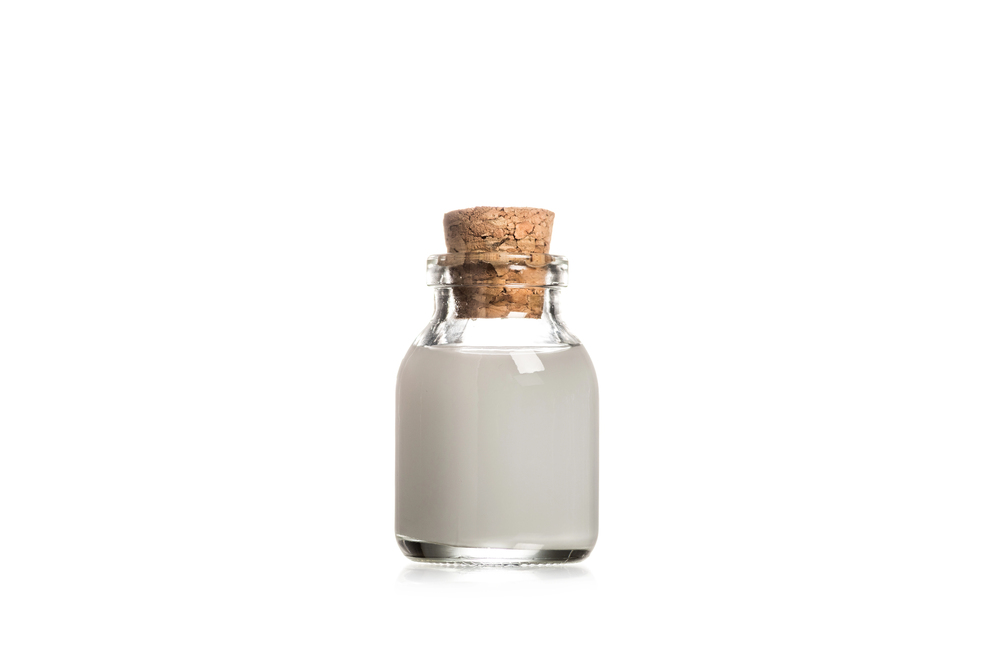
Paying money for something you breathe every day sounds ridiculous until you consider the location. Companies bottle air from places like Mount Fuji in Japan, the Swiss Alps, and even New York City, then sell it to tourists who want a literal piece of these destinations.
The cans typically cost around ten dollars and come with labels marking exactly where the air was captured. People display these novelty cans on shelves, and while the concept seems absurd, collectors appreciate the humor and the unusual conversation starter.
Air Sickness Bags
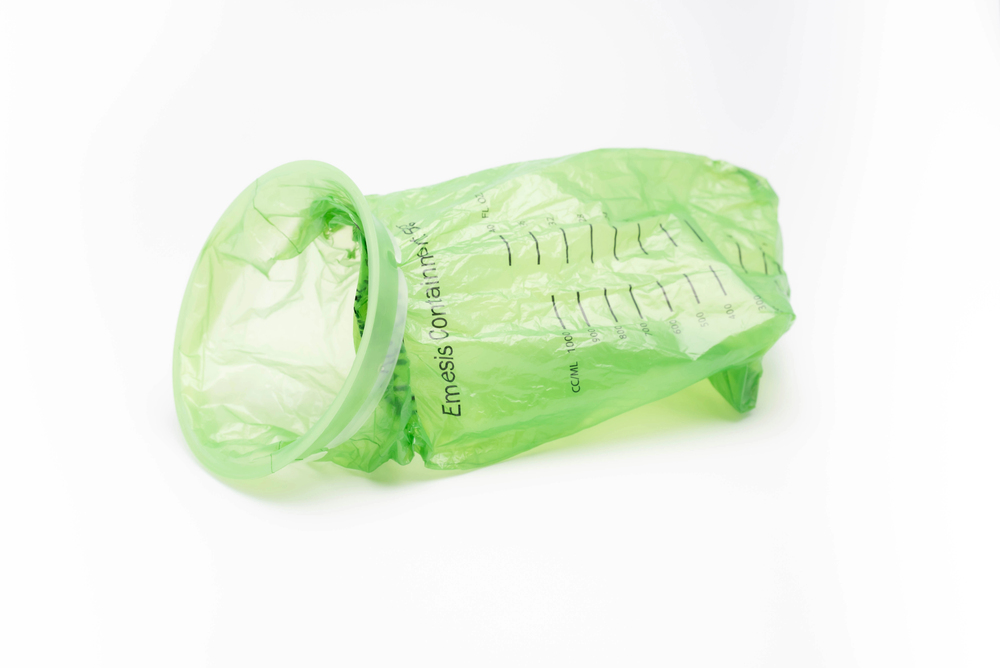
Niek Vermeulen from the Netherlands holds a Guinness World Record for collecting 6,290 air sickness bags from 1,191 airlines across 200 countries. He started this collection in 1986 as part of a bet with a friend and never stopped.
His most prized possession is a bag that traveled to outer space on a NASA shuttle. Other collectors like Steve Silberburg told reporters he collects them specifically because nobody else does, making each bag a unique travel memento rather than something you’d find in typical souvenir shops.
Do Not Disturb Signs
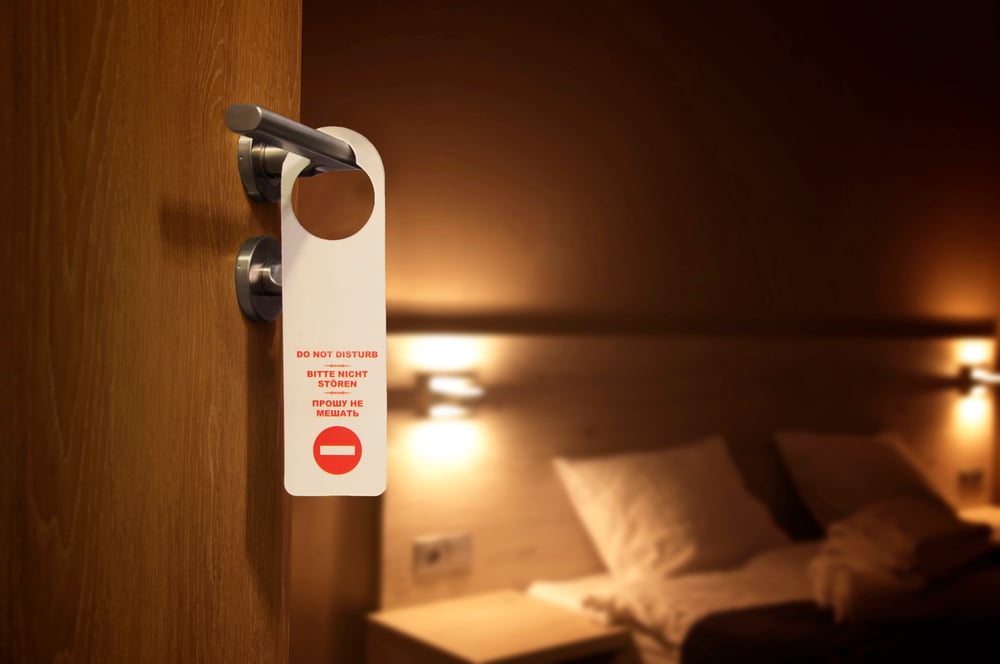
Hotel room signs have become surprisingly popular collectibles among frequent travelers. Jean-François Vernetti from Switzerland owns more than 11,000 do-not-disturb signs from hotels in 189 countries, earning him recognition for having the largest collection of its kind.
He started after noticing a spelling error on one sign and became hooked. Another collector, Edoardo Flores, has amassed 15,000 signs with his oldest dating back to the 1940s, turning what most people leave behind into historical artifacts.
Pressed Pennies
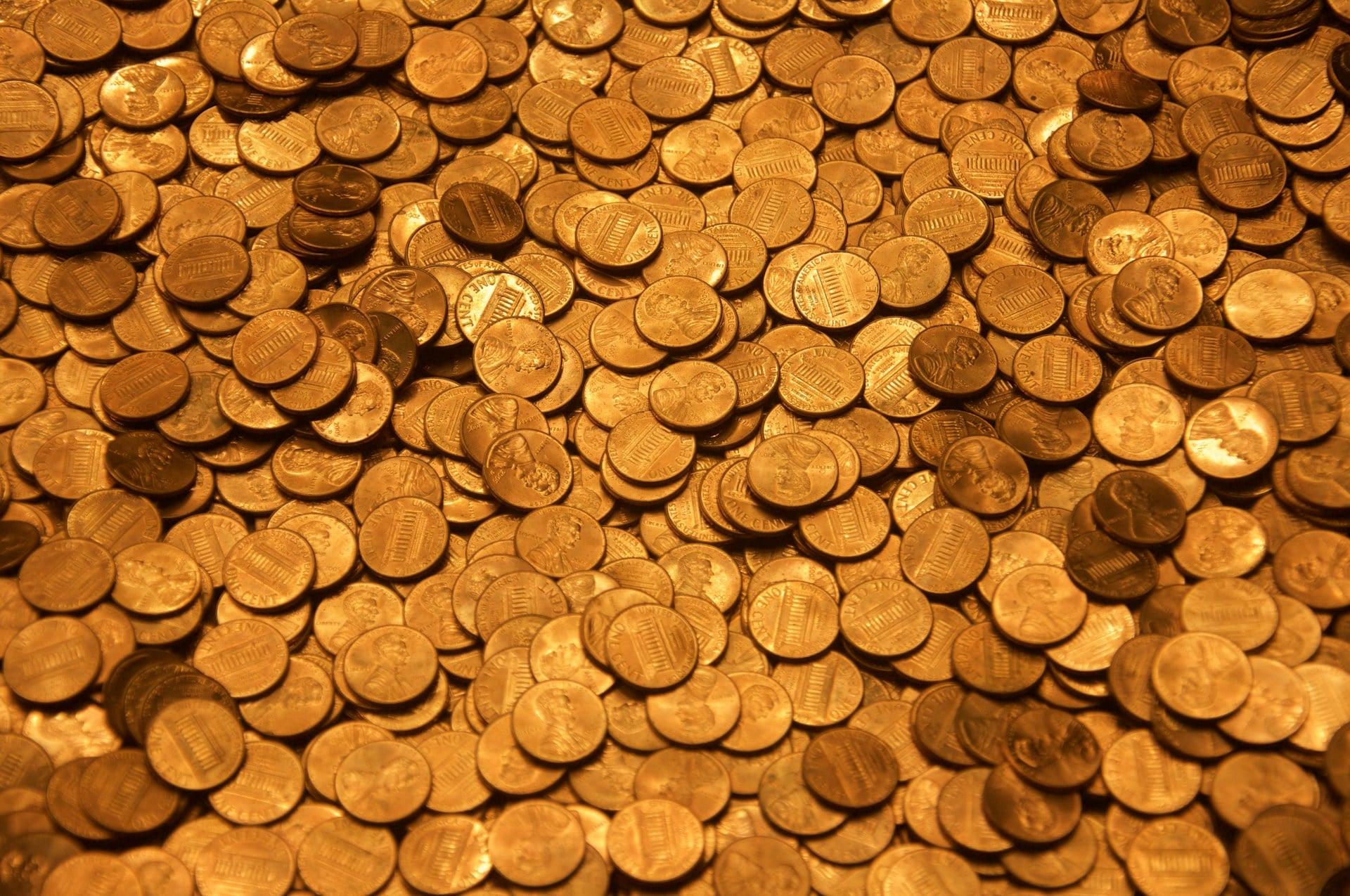
These flattened coins bearing imprinted designs cost less than a dollar to make at machines found near tourist attractions worldwide. Collectors feed a penny and some change into the machine, which squashes the coin and stamps it with an image specific to that location.
The hobby started decades ago and continues because the souvenirs are cheap, easy to transport, and each design is unique to its location. Some collectors have hundreds of these elongated pennies displayed in special books or frames.
Cane Toad Taxidermy
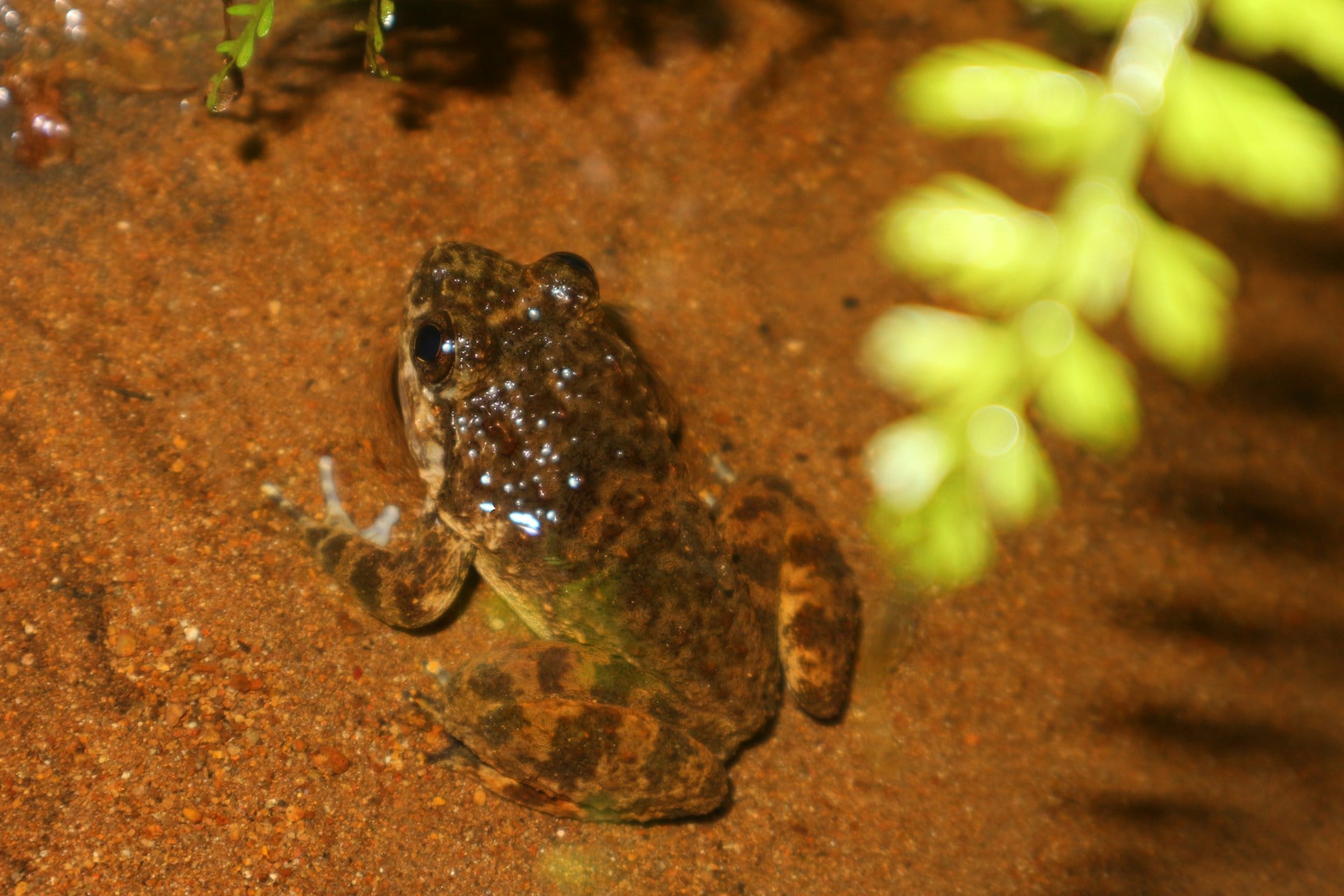
Australia’s cane toad problem has created an unexpected souvenir industry. These invasive amphibians, originally imported in 1935 to control sugar-cane pests, multiplied rapidly and became an ecological nightmare.
Enterprising taxidermists now stuff and pose the toads in humorous positions—holding cricket bats, beer bottles, or travel bags—and sell them for around 25 dollars each. The souvenirs are popular because they’re genuinely Australian, conversation-worthy, and purchasing them theoretically helps with the toad problem.
Three-Dollar Bills
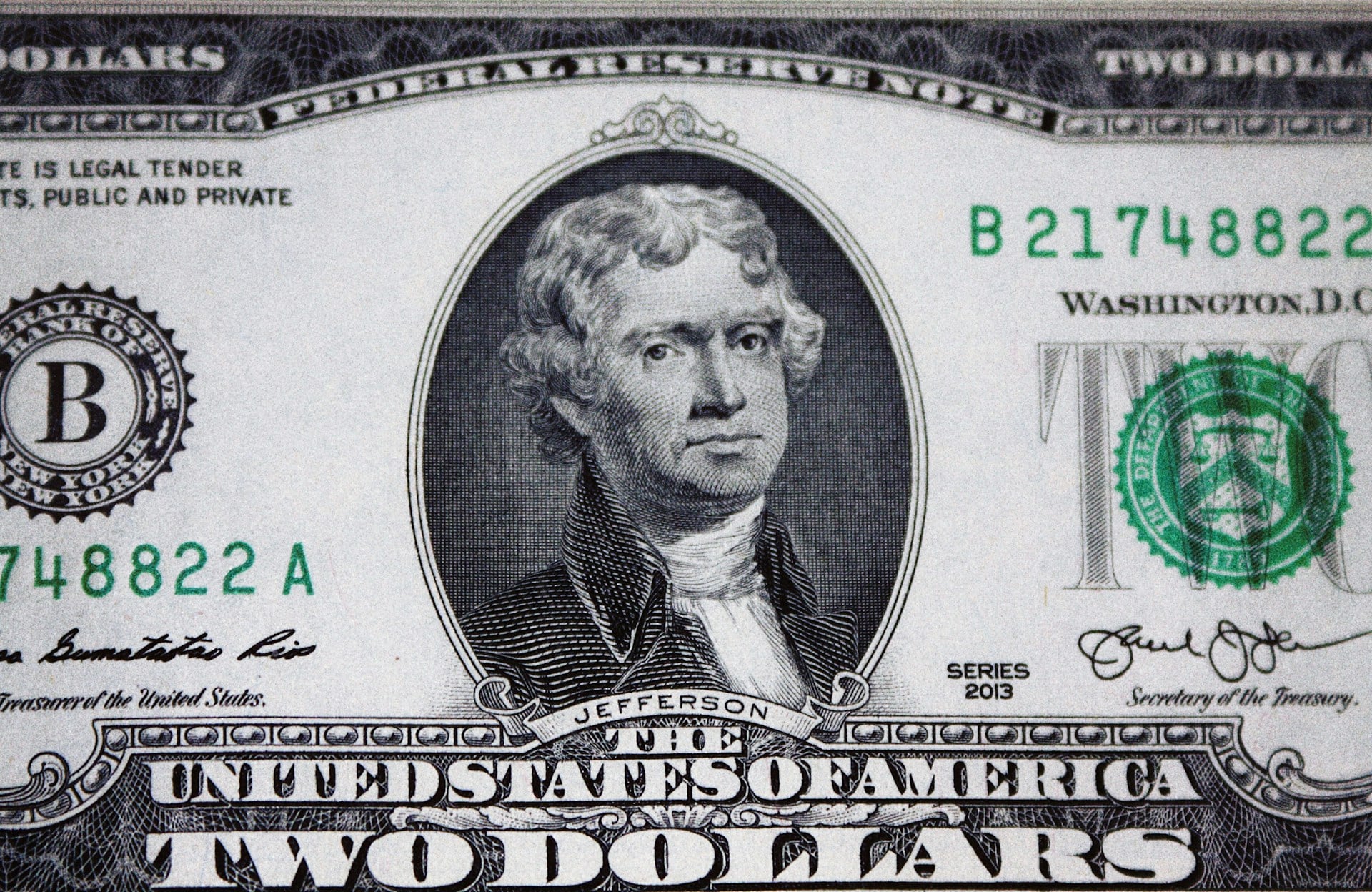
The Cook Islands issue actual three-dollar bills as part of their official currency, making them one of the few places on Earth where this denomination exists. The bills come in pink and blue, featuring an image from local legend showing a woman riding a shark.
More of these bills exist outside the Cook Islands than inside because tourists snatch them up immediately. At only three dollars, they’re affordable, colorful, and genuinely unusual compared to standard currency.
Sand Collections
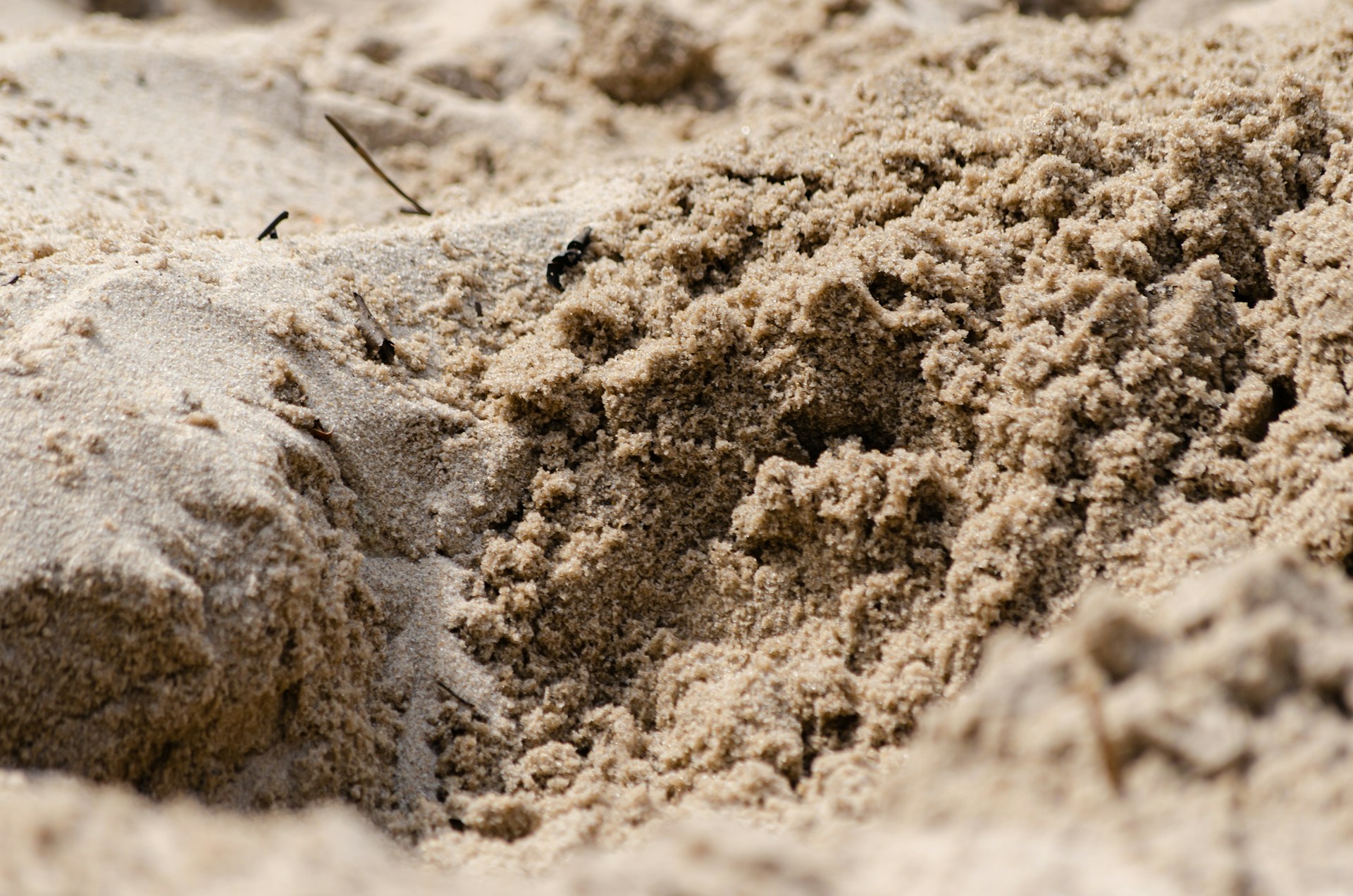
Collecting sand from different beaches around the world might seem simple, but dedicated collectors treat it seriously. Some travelers gather small amounts from every shoreline they visit, storing them in labeled test tubes or jars that create a rainbow of colors representing different locations.
One collector documented gathering sand from beaches across North and South America, Europe, and the Atlantic, Indian, and Pacific Oceans over 40 years of travel. Each sample captures the unique geology of its location.
Starbucks Mugs

These location-specific mugs can only be purchased in their respective countries, making them genuine travel collectibles rather than items you can order online later. Some travelers make it their mission to hunt down these mugs in every city they visit, creating strict personal rules like never accepting one from someone else’s trip or avoiding duplicate cities.
The mugs aren’t cheap, and certain discontinued designs become expensive collector’s items on resale sites.
Vintage Maps
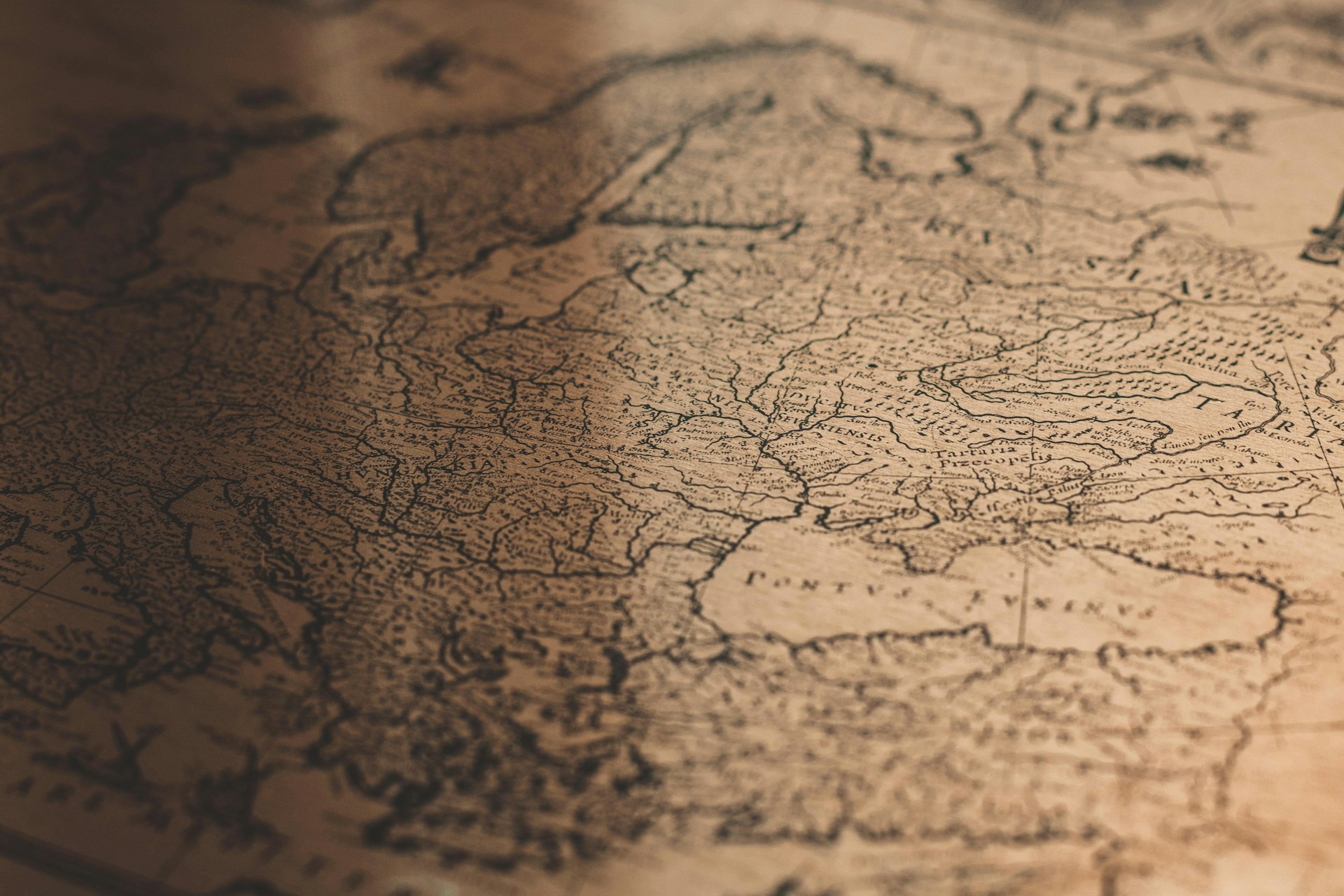
Old maps from local markets offer affordable ways to own pieces of history. Travelers find fascinating cartography at flea markets and antique shops—maps showing pre-WWI boundaries, hand-drawn city layouts, or vintage travel advertisements.
These paper souvenirs often cost just a few dollars but become striking wall art when framed. Unlike mass-produced tourist items, each vintage map is genuinely unique and reflects the geographical understanding of its era.
Christmas Ornaments

Some families exclusively collect ornaments from every place they visit, creating Christmas trees that double as travel memory displays. The ornaments need to be kitschy and representative—a shell-shaped Santa from the Caribbean, a hand-stitched Nordic symbol from Scandinavia, or a miniature Eiffel Tower.
Unpacking these ornaments each year becomes a ritual of remembering trips, and unlike many souvenirs that sit unused, these actually get displayed annually.
Passport Stamps
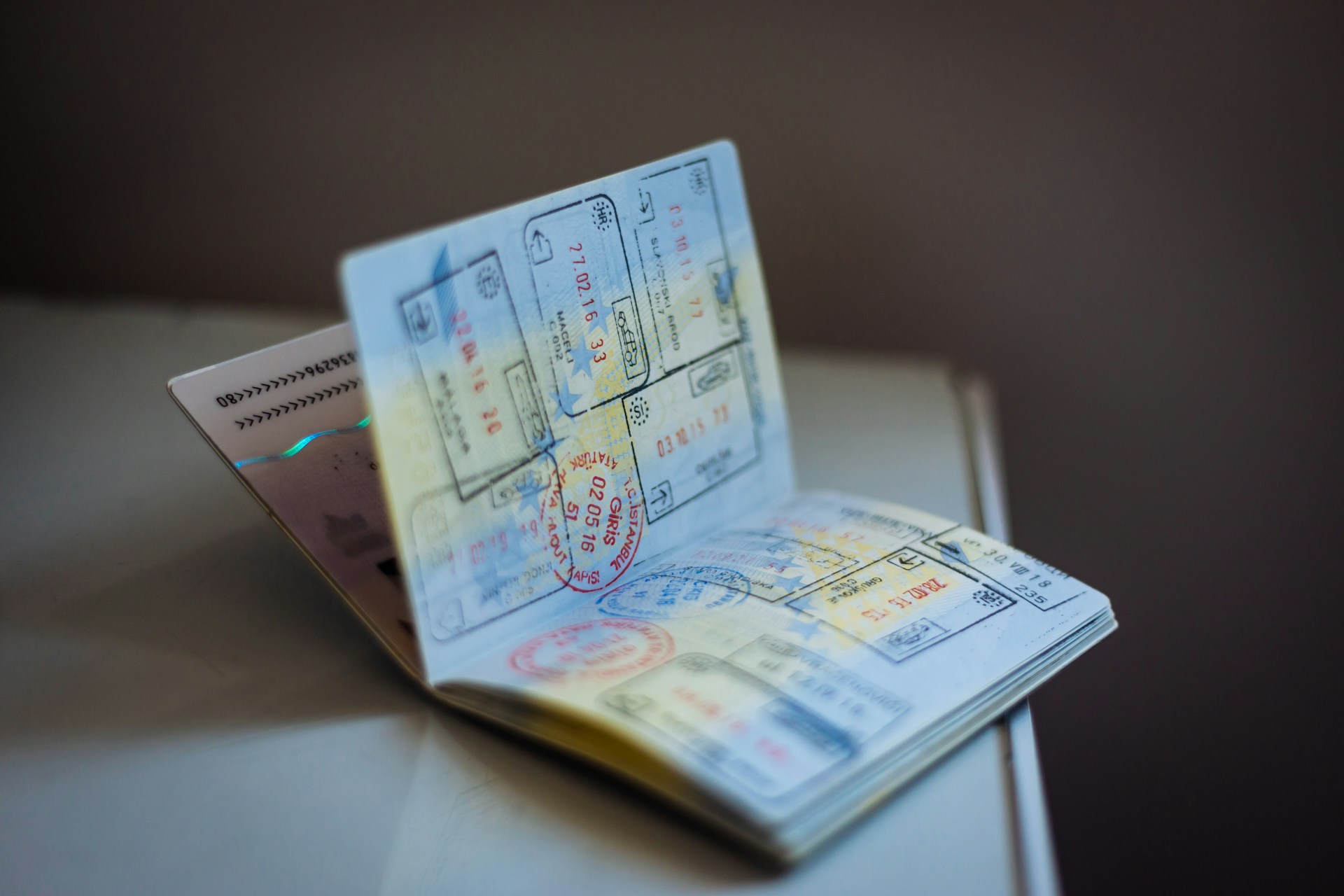
While not physical objects you purchase, passport stamps have become collectibles in their own right. Travelers seek out unusual border crossings or visit countries specifically to add rare stamps to their collections.
Some countries offer special commemorative stamps at tourist sites, and collectors compare their passport pages like trading cards. The stamps serve as visual proof of adventures and create a personal map of everywhere you’ve been.
Patches
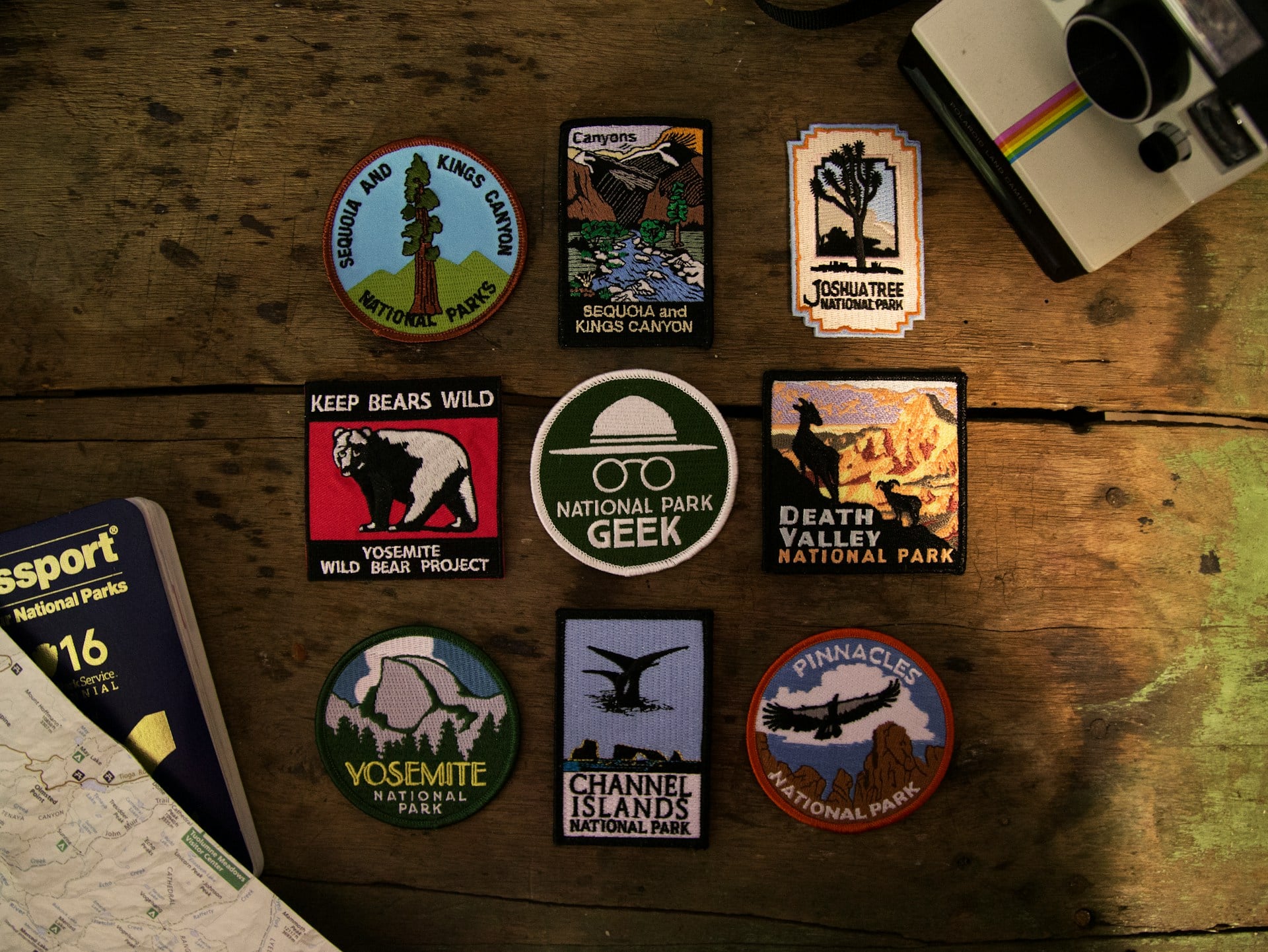
Fabric patches from different countries and cities work perfectly for travelers who want functional collectibles. People sew them onto jackets, backpacks, or blankets, creating wearable or usable displays of their travels.
Some collectors have made entire quilts from travel patches, stitching together memories into something they can actually use. The patches are lightweight, affordable, and easy to pack, making them practical choices for frequent travelers.
Rocks and Stones
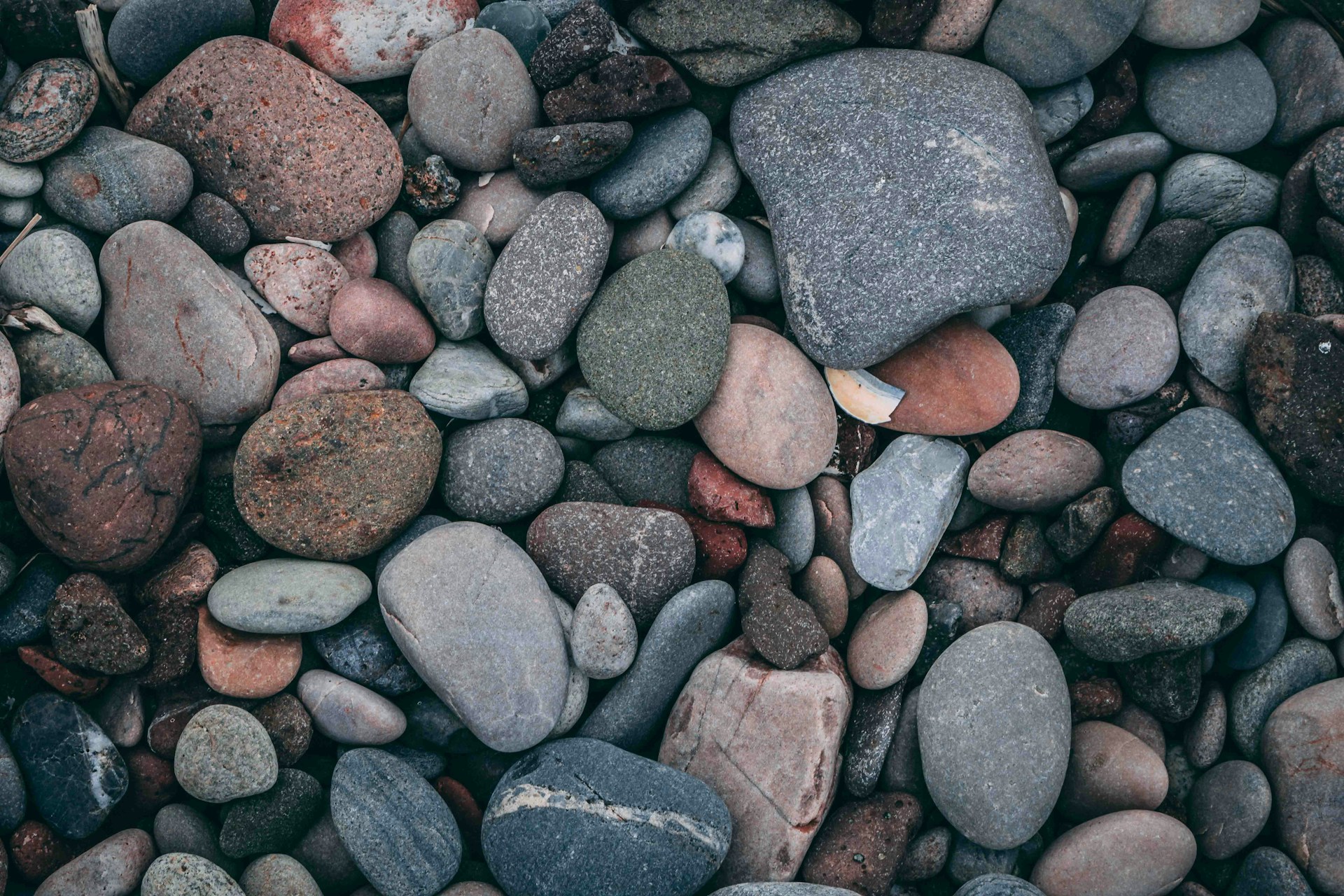
Free souvenirs from nature appeal to budget-conscious travelers, though local laws sometimes prohibit removing natural items from certain areas. People collect one rock from every destination, arranging them in jars or using them to create garden mosaics at home.
Some write the location and date directly on the stones. The practice taps into our ancient instinct to gather treasures, and each rock genuinely comes from the place it represents.
Local Figurines
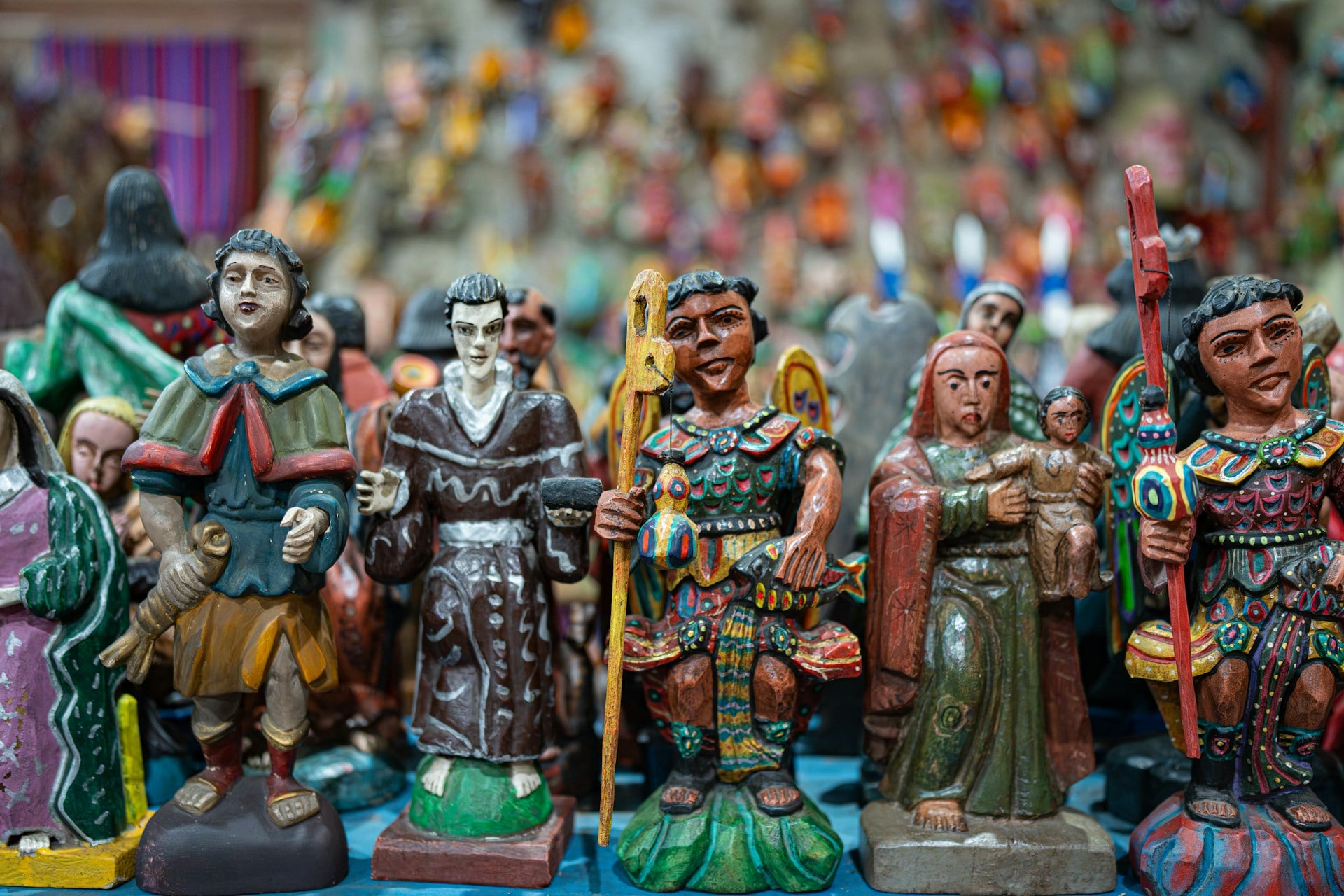
Small statues and dolls representing local culture or animals create collections that showcase the heart of different regions. Japanese Kokeshi dolls, African animal carvings, and European folk figures become cultural artifacts when gathered from around the world.
These figurines are usually handmade by local artisans, so purchasing them supports communities while bringing home something with genuine cultural significance rather than factory-made trinkets.
Voodoo Dolls
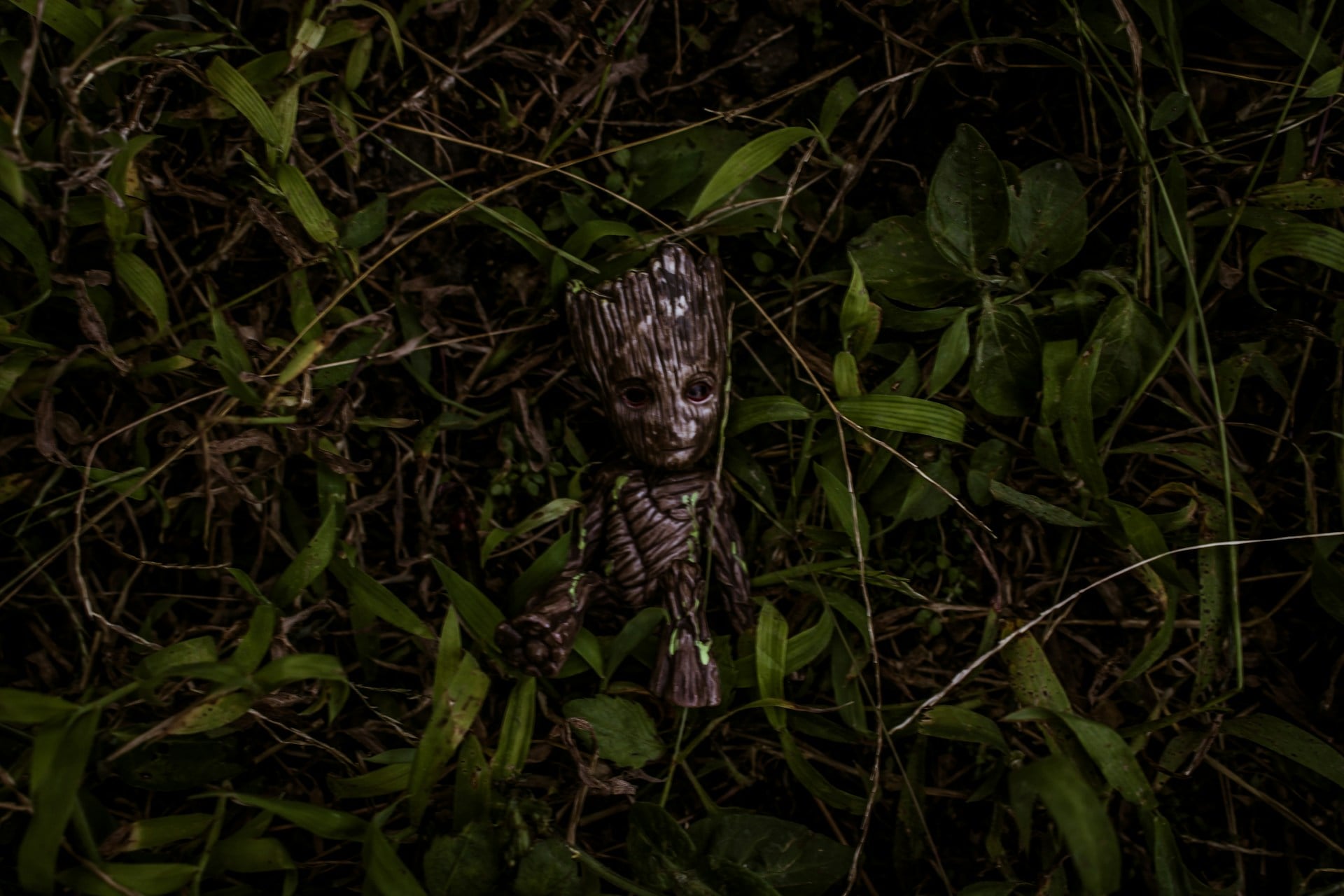
New Orleans voodoo dolls represent one of the more unusual regional souvenirs available. These handmade dolls sometimes come with tiny ‘spells’ or instructions, blending tourism with the city’s mystical reputation.
While many tourists buy them as kitschy novelties, collectors appreciate them as authentic pieces of New Orleans culture and folk tradition. The dolls range from simple cloth figures to elaborate handcrafted pieces, and they certainly guarantee questions from anyone who sees them.
Memories Worth the Luggage Space

Instead of filling your home with generic souvenirs, travel souvenirs are most effective when they truly bring you back to your experiences. Because they create stories worth telling and reflect unique personalities, the strangest collections frequently bring the most joy.
These unique mementos demonstrate that the greatest souvenirs are those that bring back happy memories, whether you’re preserving old maps from abandoned market stalls or bottling air from mountain summits. Expect even more inventive collectibles to come from places all over the world as the travel industry continues to change and more people choose real experiences over
More from Go2Tutors!

- The Romanov Crown Jewels and Their Tragic Fate
- 13 Historical Mysteries That Science Still Can’t Solve
- Famous Hoaxes That Fooled the World for Years
- 15 Child Stars with Tragic Adult Lives
- 16 Famous Jewelry Pieces in History
Like Go2Tutors’s content? Follow us on MSN.



