17 Roads That Defy Engineering Logic
Ever wondered what happens when civil engineers face impossible terrain or when nature decides to challenge human innovation? Around the world, certain roadways stand as testimony to human determination and sometimes questionable judgment.
These aren’t your everyday commuter routes—they push the boundaries of what seems possible or reasonable in road construction. Here is a list of 17 astonishing roads that somehow got built despite seemingly breaking all the rules of engineering logic.
Tianmen Mountain Road

This Chinese marvel features 99 hairpin turns while climbing 3,600 feet in just 7 miles. The road twists and turns so frequently that from a distance it resembles a dragon’s tail wrapped around the mountain.
Drivers experience dramatic elevation changes with every turn, making this one of the most challenging yet visually stunning drives anywhere.
Atlantic Ocean Road
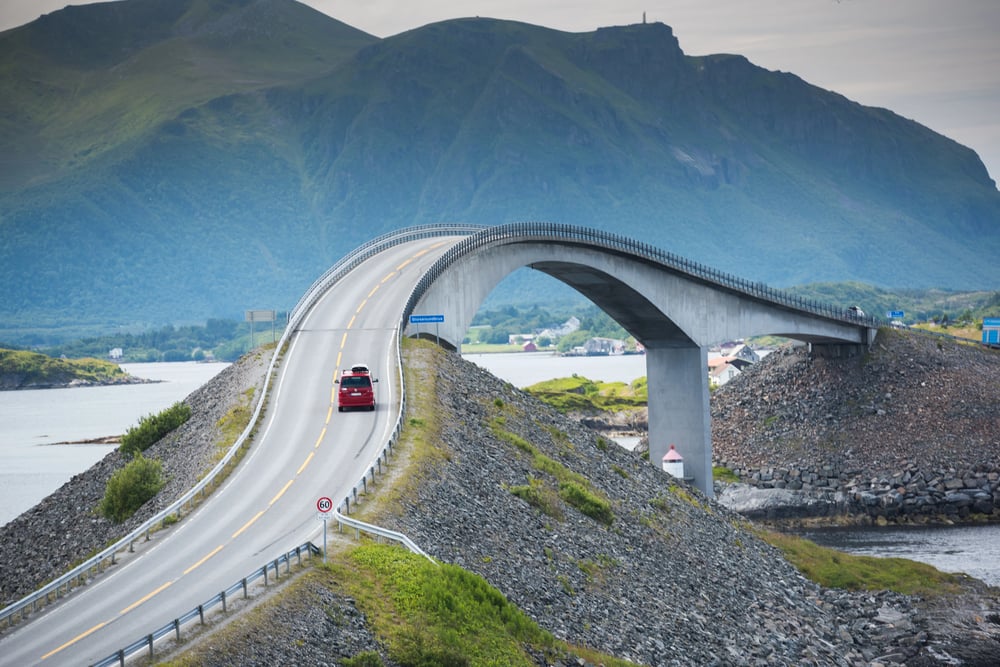
Norway’s Atlantic Ocean Road hops between islands with bridges that seem to disappear into the horizon. During construction, workers endured 12 hurricanes, yet somehow completed this 5-mile stretch that rises and falls like a roller coaster.
The most famous section, Storseisundet Bridge, creates an optical illusion making it appear the road simply ends mid-air until you’re actually on it.
Guoliang Tunnel Road
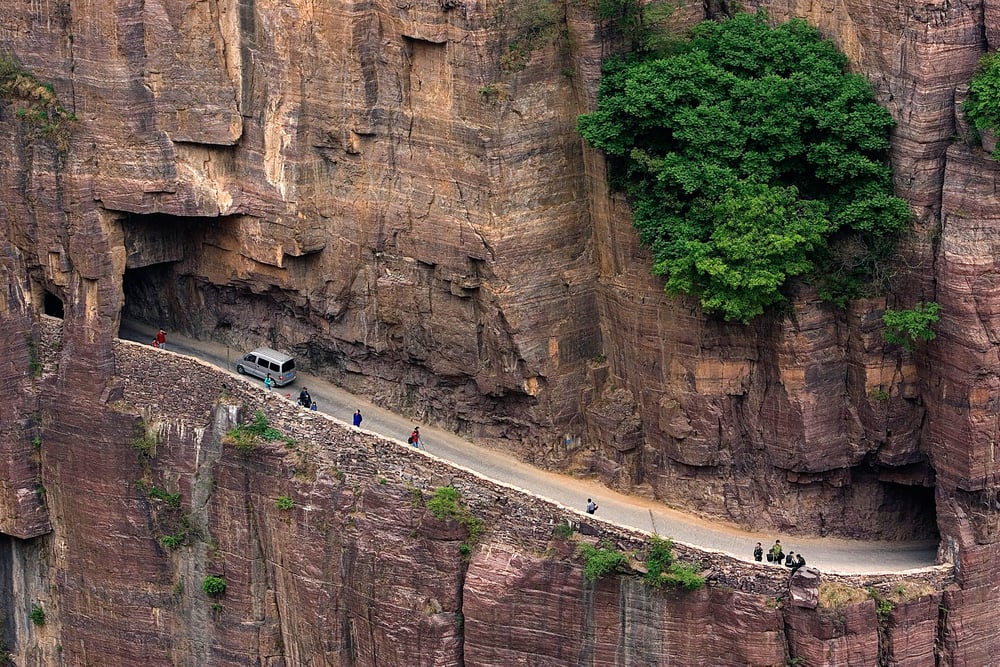
Carved through a mountain by 13 villagers using hammers and chisels, this Chinese road took five years to complete. The tunnel measures just 15 feet high and 12 feet wide with rough-hewn ‘windows’ offering terrifying glimpses of the valley below.
What makes this road truly mind-boggling is that none of the builders had engineering experience—they simply needed access to the outside world.
Dalton Highway
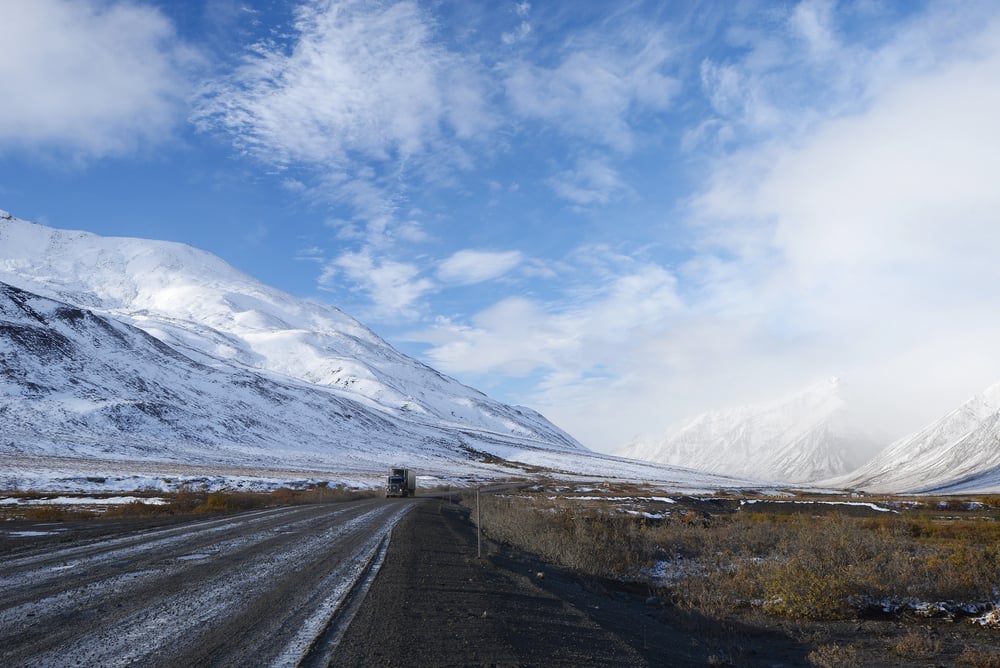
Stretching 414 miles through Alaskan wilderness, this gravel road has services spaced up to 240 miles apart. Truck drivers navigate extreme isolation, temperatures dropping to -80°F, and potential whiteout conditions with no cell service for hundreds of miles.
The road’s surface constantly shifts with the freezing and thawing of the permafrost beneath, creating a perpetually changing driving challenge.
Baldwin Street
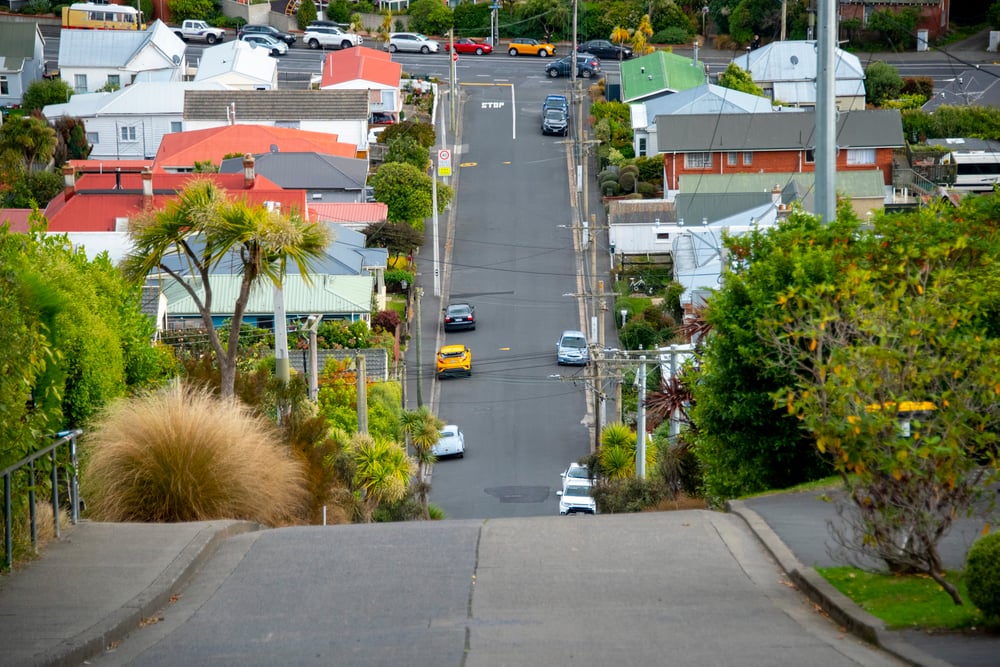
New Zealand’s infamous Baldwin Street rises at a 35% gradient, making it one of the steepest residential streets on earth. Houses along this road were accidentally built perpendicular to the slope rather than following the terrain.
Concrete was used instead of asphalt because asphalt would simply melt and run downhill on hot summer days.
Sani Pass
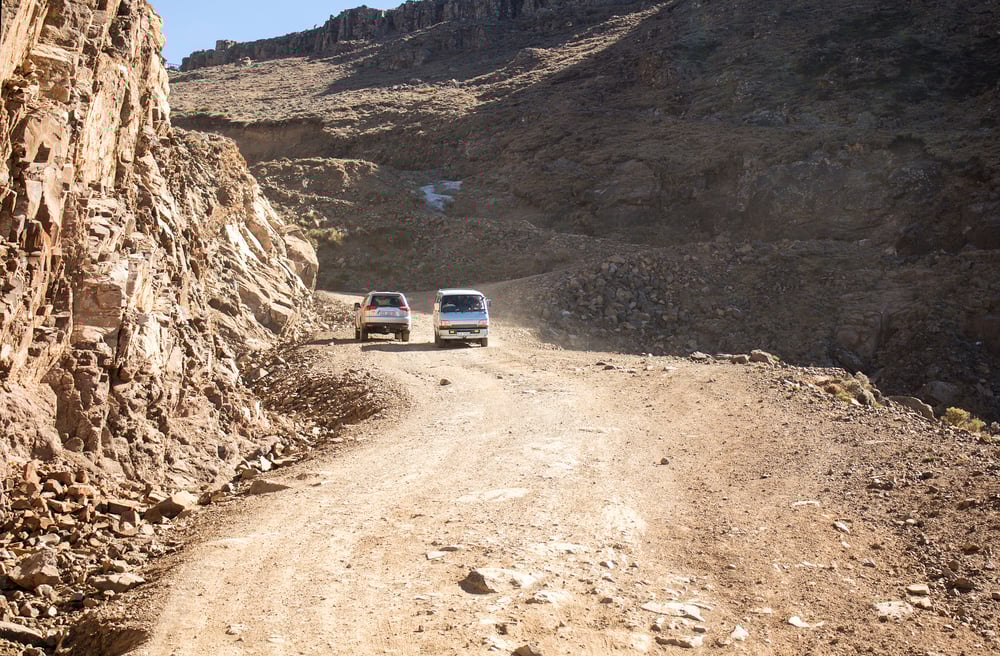
Connecting South Africa and Lesotho, this unpaved mountain pass climbs nearly 3,000 feet with gradients approaching 33%. The road consists entirely of loose gravel switchbacks with absolutely no guardrails despite sheer drops of several hundred feet.
Weather conditions can change so rapidly that vehicles sometimes start the climb in clear conditions only to face snow at the summit.
Kolyma Highway
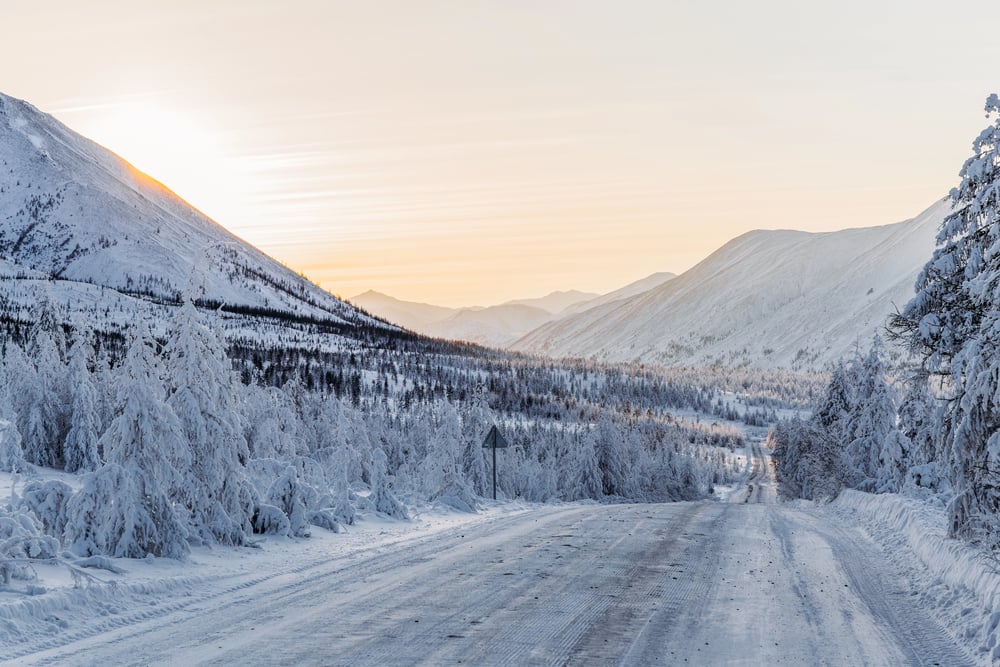
Known as the ‘Road of Bones,’ this Russian highway was built by gulag prisoners during Stalin’s rule, with thousands of workers dying and their remains incorporated into the roadbed. The 1,200-mile route traverses permafrost that creates giant sinkholes and crosses rivers that regularly flood, making entire sections impassable.
Despite these challenges, it remains the only land route to some of Russia’s most remote northeastern regions.
Fairy Meadows Road
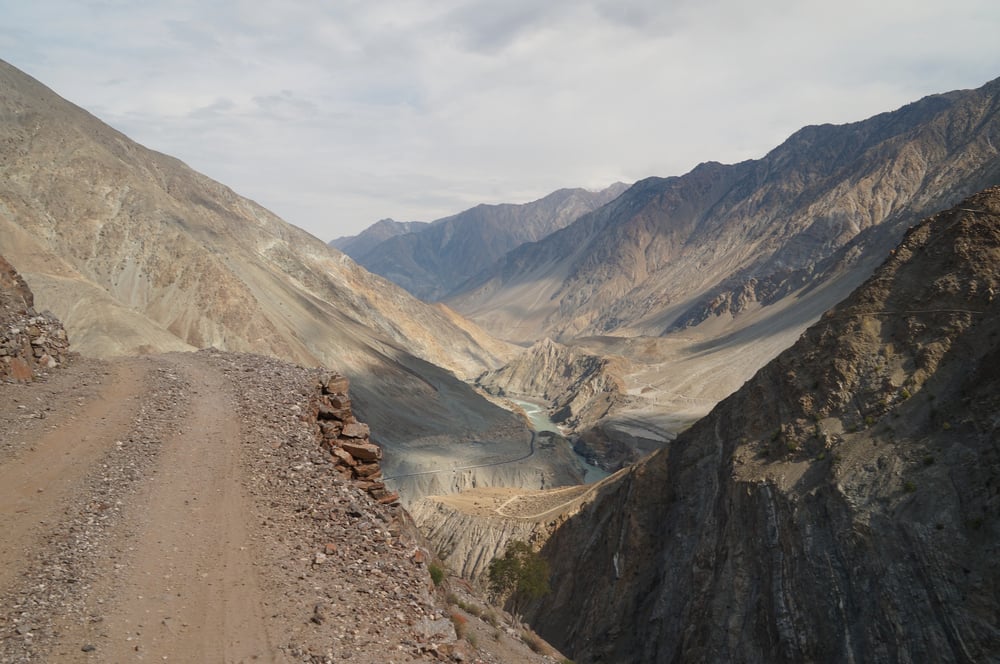
This unpaved track in Pakistan is essentially a 6-mile ledge carved into the side of a cliff face. With no guardrails and barely wide enough for a single jeep, the road features blind corners with thousand-foot drops.
The final portion is so precarious that vehicles aren’t permitted—travelers must complete the journey on foot or by donkey.
Yungas Road
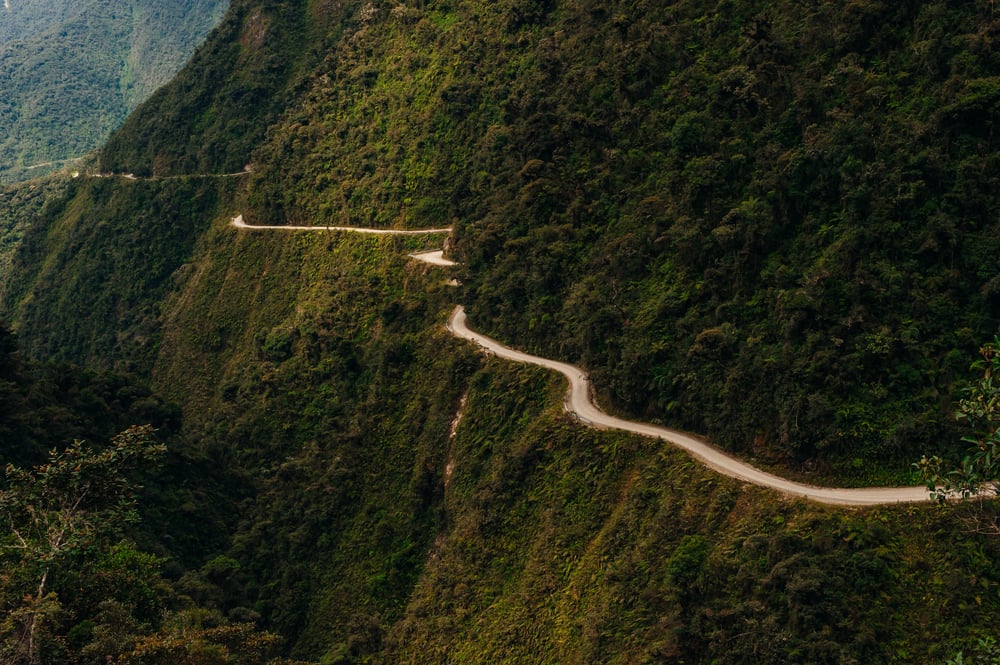
Bolivia’s infamous ‘Death Road’ earned its nickname by claiming 200-300 lives annually before a safer alternative was built. The single-lane dirt track clings to cliffs with 2,000-foot drops while frequently disappearing under waterfalls and fog.
Most terrifying is the local custom where downhill drivers take the outer lane—precisely where the drop-offs are most severe.
Stelvio Pass
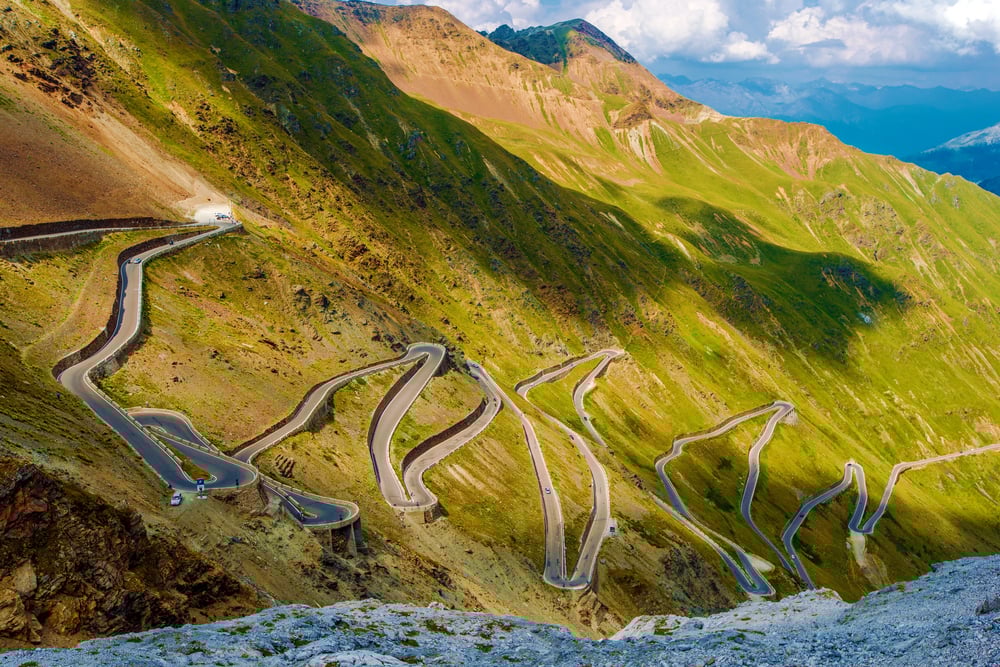
This Italian Alpine pass packs 48 hairpin turns into a dizzying climb to 9,045 feet. Engineers designed each turn identically, creating a hypnotic visual pattern that can disorient drivers.
The road is so narrow that longer vehicles often need to make three-point turns to navigate the hairpins, with oncoming traffic having nowhere to go during these maneuvers.
Karakoram Highway
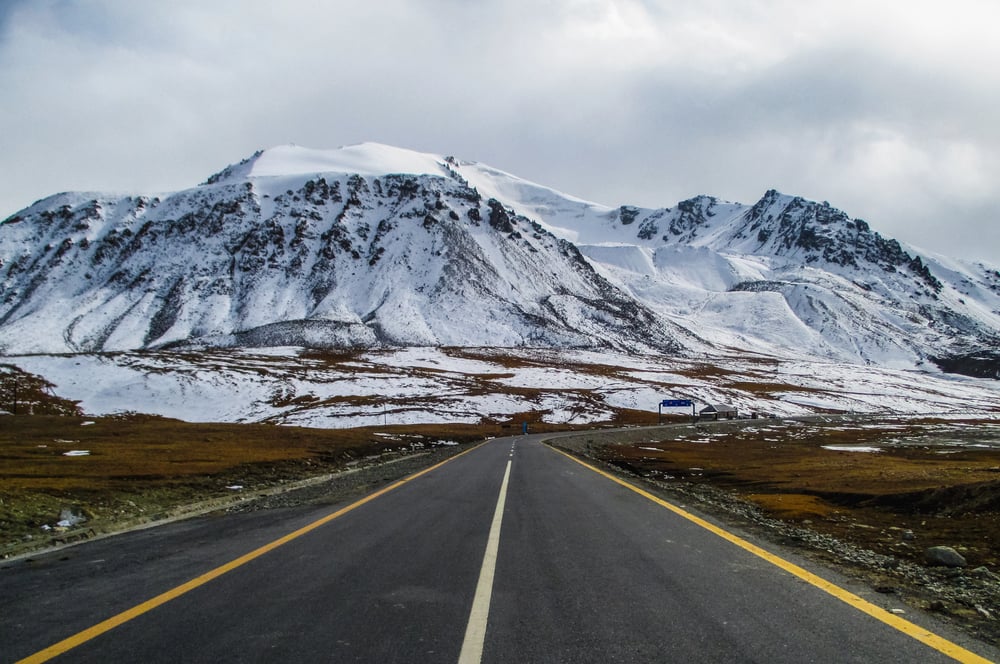
The highest paved international road connects Pakistan and China at elevations exceeding 15,000 feet. Workers blasted through some of the world’s most unstable mountain terrain, facing earthquakes, landslides, and oxygen-deprived conditions.
The highway regularly disappears under landslides, sometimes creating temporary lakes that submerge entire sections for months or years.
Passage du Gois

This French road disappears completely under the Atlantic Ocean twice daily during high tide. Drivers have a brief window to cross the 2.7-mile causeway before it vanishes under several feet of seawater.
Rescue towers stand along the route for stranded motorists who misjudge the tides, offering literal lifelines for those caught by rapidly rising waters.
Eshima Ohashi Bridge

Japan’s ‘Roller Coaster Bridge’ appears to rise at an impossible angle, with a gradient approaching 6.1% on one side. The bridge was designed with this steep slope to allow ships to pass underneath while keeping the span relatively short.
Driving up the incline creates the stomach-dropping sensation of climbing a roller coaster with no certainty of what lies beyond the crest.
Transfăgărășan Highway
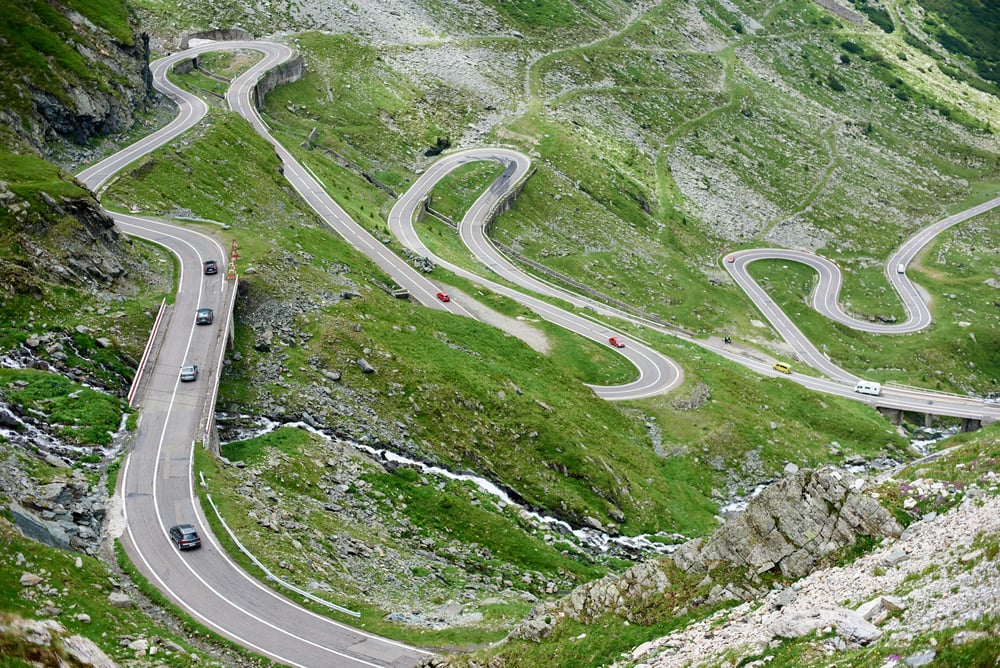
Romania’s highest paved road was built primarily as a military strategic route, not for transportation efficiency. The road makes nonsensical turns and elevation changes that would be completely unnecessary if moving traffic were the goal.
Built by military forces in just four years, it cost the lives of dozens of soldiers and used more dynamite than any other Romanian road project.
Like Go2Tutors’s content? Follow us on MSN.
Millau Viaduct

While technically a bridge, this French marvel carries a major highway higher than the Eiffel Tower above the valley floor. Engineers had to account for the curvature of the Earth when designing the supports, which disappear into fog on many mornings.
The structure is so tall that different weather systems can exist simultaneously at the top and bottom of its towers.
Troll’s Path
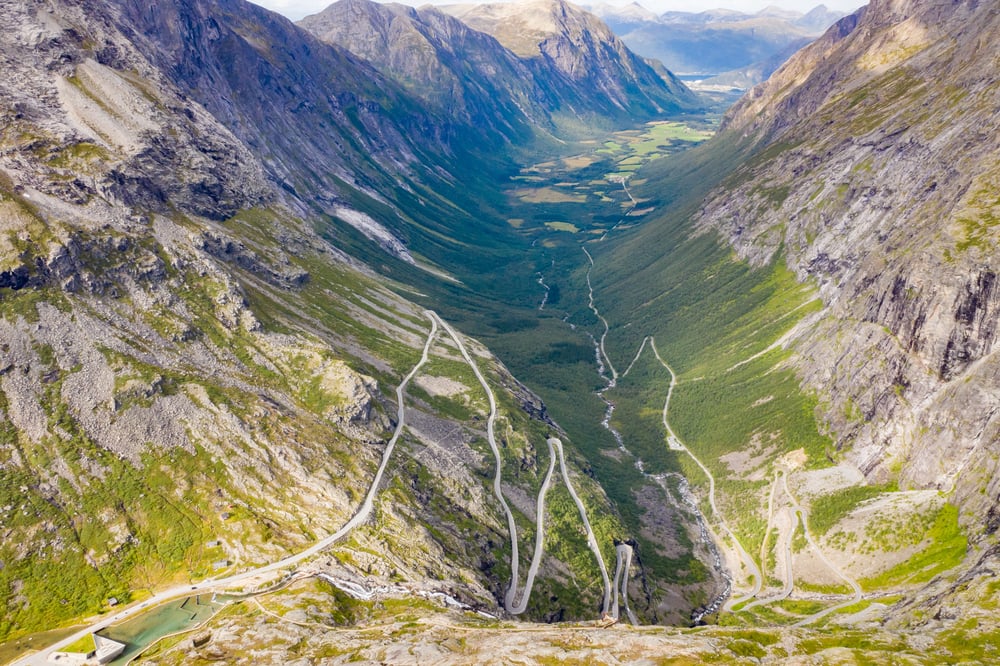
Norway’s Trollstigen road climbs a 9% grade while making 11 hairpin turns, each with names honoring the construction workers. The road deliberately follows the most difficult possible route up the mountainside rather than seeking an easier path.
During winter, avalanches regularly reclaim entire sections, requiring complete rebuilding each spring.
Magic Roundabout
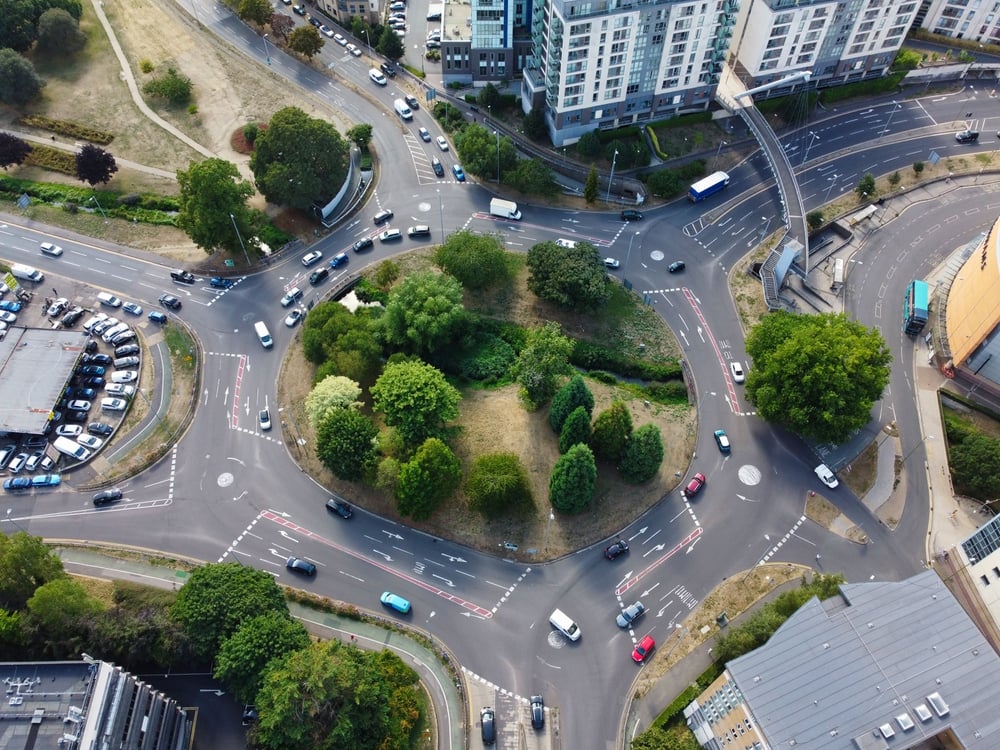
Located in Swindon, England, this junction consists of five mini-roundabouts arranged around a sixth central roundabout. Traffic can flow both clockwise and counterclockwise simultaneously depending on which part of the system vehicles are navigating.
Despite appearing chaotic, this counterintuitive design actually improves traffic flow and reduces accidents compared to traditional intersections.
Beyond Conventional Thinking
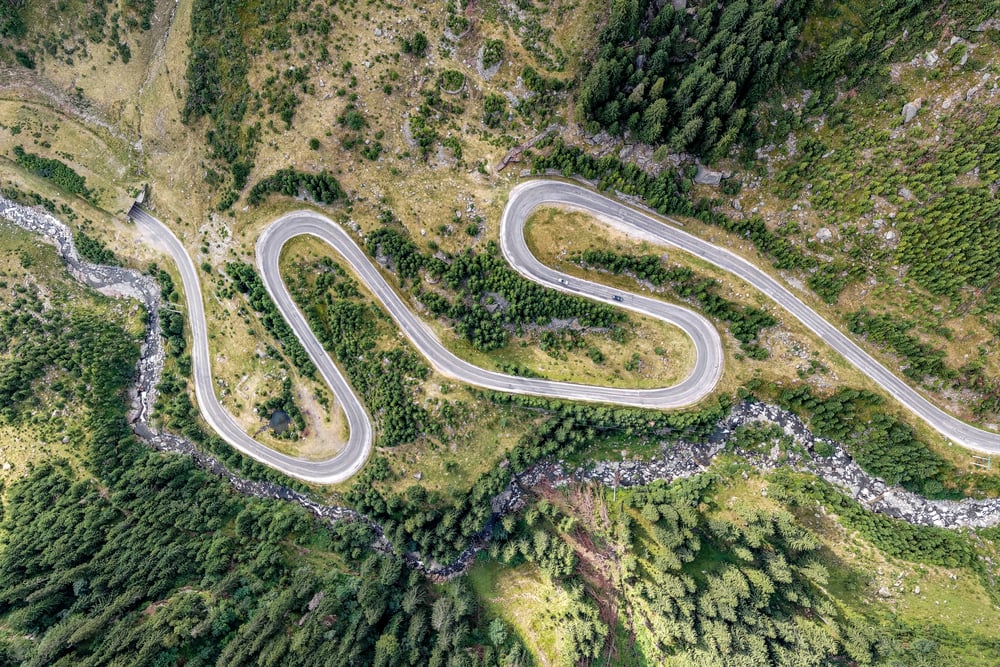
These extraordinary roads remind us that sometimes the most illogical approach—at least on paper—proves exactly what’s needed to overcome seemingly impossible challenges. Each represents a unique solution to specific geographic, political, or cultural requirements that conventional engineering wisdom couldn’t address.
Whether marveling at their audacity or questioning their safety, these roadways undeniably push the boundaries of what we thought possible in transportation infrastructure.
More from Go2Tutors!

- The Romanov Crown Jewels and Their Tragic Fate
- 13 Historical Mysteries That Science Still Can’t Solve
- Famous Hoaxes That Fooled the World for Years
- 15 Child Stars with Tragic Adult Lives
- 16 Famous Jewelry Pieces in History
Like Go2Tutors’s content? Follow us on MSN.