Streaming Shows That Reshaped Entertainment
One moment, TV followed strict timetables. Then everything shifted – suddenly shows found life beyond broadcast grids.
Funding changed, release patterns broke old models, conversations spread fast online. Stories now move through culture differently.
Audiences shape what rises, what fades. Distance matters less than it used to.
Memory of a show grows not from reruns but from shares, tags, comments. The system itself transformed – not just delivery, but influence.
Something else drove the change beyond gadgets and wires. What made it real was when a few key shows demonstrated how streaming might shape culture, fuel bold storytelling, and still make money – all together.
Those programs reset what both audiences and artists thought possible, altering TV’s path in ways that stuck around. A fresh peek at TV series that changed entertainment – on purpose, by shifting how the game works behind the scenes.
House Of Cards
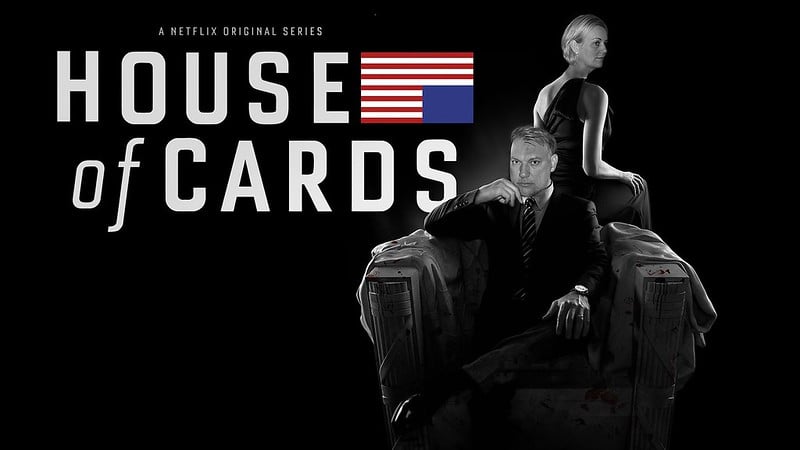
House of Cards burst onto screens, shaking up how TV shows were made. Instead of testing the waters with a trial episode, Netflix went all in – ordering a complete run guided by what viewers actually watched.
Data stepped into the room where gut feelings once ruled alone. Numbers now sat at the table, shoulder to shoulder with storytelling hunches.
Binge-watching became normal because every episode dropped at once, something old TV formats never tried. Stories didn’t need weekly pauses anymore, so plots evolved differently – told in longer arcs, absorbed without breaks.
Still, its real mark wasn’t just viewing habits. What mattered most? A signal: streamers could match cable’s depth, boldness, impact.
Orange Is The New Black
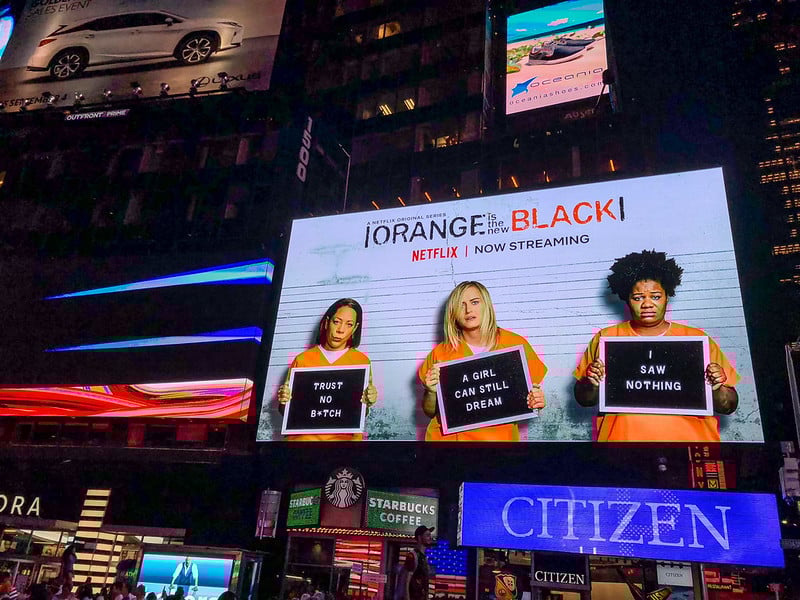
Orange Is the New Black expanded what mainstream television looked like and who it centered. Its ensemble cast allowed for a rotating spotlight, giving depth to characters who would traditionally remain in the background.
This structure felt more novel than formulaic, reflecting the creative freedom streaming allowed. The series also blurred genre lines, shifting between humor and heavy subject matter without tonal whiplash.
Still, its impact extended beyond storytelling. Awards recognition for the show helped legitimise streaming platforms within traditional industry circles, forcing award bodies and critics to reconsider long-held definitions of prestige television.
Stranger Things
Stranger Things demonstrated how streaming could generate cultural moments without relying on weekly broadcasts. Its immediate availability encouraged rapid word-of-mouth, turning casual viewers into enthusiastic advocates within days of release.
The result was a shared experience unfolding at internet speed. Beyond viewership, the show reshaped how nostalgia was used in modern storytelling.
Instead of referencing the past subtly, it embraced it wholeheartedly, influencing music trends, fashion, and visual aesthetics. On the other hand, its success also highlighted how streaming could turn a single series into a global brand almost instantly.
The Crown
With The Crown, streaming television entered a new production tier. Its reported budget rivaled that of major film projects, challenging the assumption that television required visual compromise.
Every frame reinforced the idea that long-form storytelling could be cinematic without theatrical release. The show also benefited from streaming’s patience.
Rather than chasing immediate engagement spikes, it relied on sustained viewer investment across seasons. That approach rewarded careful writing and performance over spectacle.
In doing so, it reshaped expectations around pacing and quality in the streaming era.
The Handmaid’s Tale
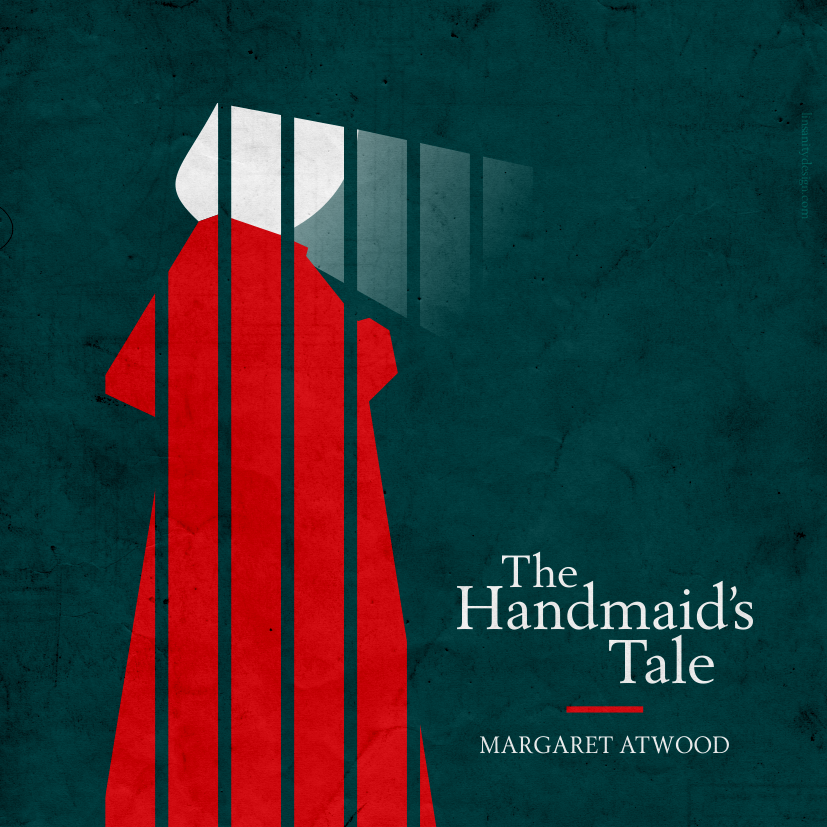
The Handmaid’s Tale marked a turning point for Hulu and proved that streaming platforms beyond Netflix could deliver defining originals. Its stark visual language and uncompromising tone set it apart from much of the television landscape at the time.
The series also demonstrated how streaming could respond quickly to contemporary anxieties without feeling opportunistic. Its themes sparked conversation across media outlets and social platforms, reinforcing television’s role as cultural commentary.
Even so, its success underscored that streaming audiences were willing to engage with challenging material when treated with seriousness and care.
The Mandalorian

When The Mandalorian launched, it reshaped assumptions about franchise storytelling on streaming platforms. Rather than leaning heavily on nostalgia, it introduced new characters and narratives within a familiar universe.
This balance allowed longtime fans and newcomers to engage equally. Its weekly release schedule revived anticipation between episodes, proving that streaming did not need to abandon traditional pacing entirely.
That said, its broader influence lay in strategy. The show anchored Disney+ as a platform worth subscribing to, illustrating how a single flagship series could drive long-term loyalty.
Squid Game
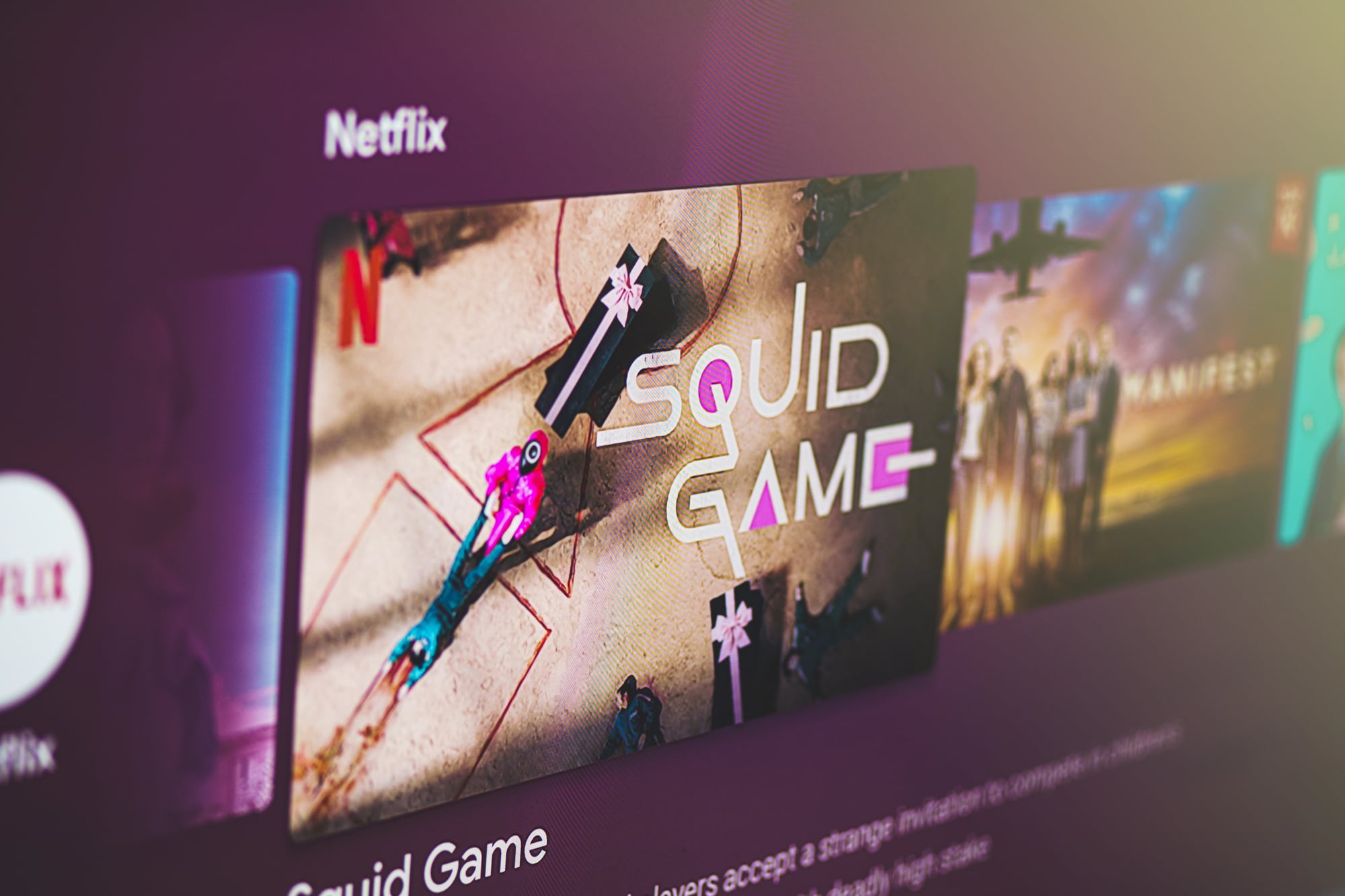
Squid Game redefined the global reach of streaming television. A non-English-language series becoming a worldwide phenomenon would have been unlikely under traditional distribution models.
Streaming removed those barriers, allowing stories to travel without translation-driven hesitation. The show’s success reshaped investment priorities across the industry.
Platforms increased funding for international productions, recognising that compelling storytelling transcends borders. Still, its legacy goes beyond numbers.
It normalised subtitles for mainstream audiences and expanded what global entertainment could look like at scale.
Ted Lasso
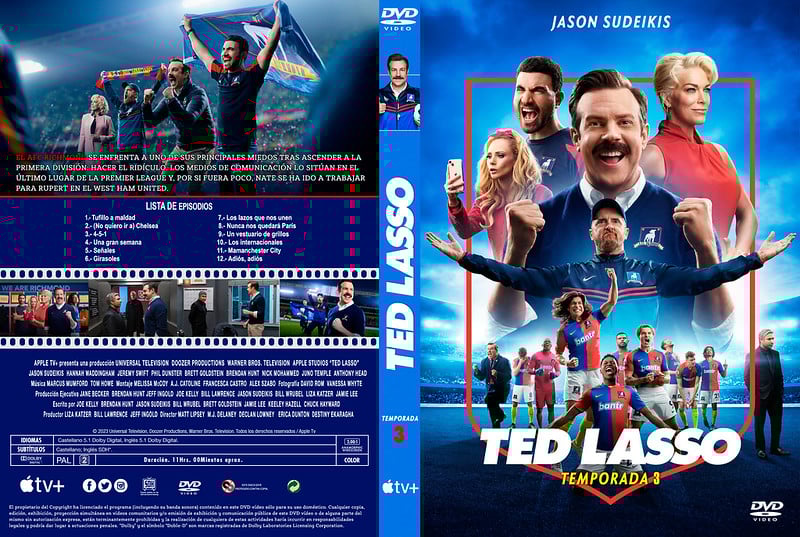
A smile can linger longer than a scowl, especially on screen. When stories leaned into gloom, one chose warmth – not because it ignored pain, but because it trusted hope could hold weight too.
People noticed, even if they didn’t expect to. Apple TV+ stepped into the spotlight because of this show, even though it offers fewer titles than others.
Not quantity but impact became its calling card here. A single well-made series turned out to be enough to shape how people see the platform.
Praise from critics followed, not by accident but through deliberate storytelling. Fans stuck around, drawn in slowly rather than all at once.
The brand found its footing without needing to flood the market.
Euphoria
Euphoria reshaped visual storytelling in streaming television. Its stylised cinematography and unconventional structure prioritised mood and perspective over traditional narrative clarity.
This approach influenced a wave of visually driven series that followed. The show also highlighted how streaming platforms could support creative risks that traditional networks might avoid.
While polarising, it sparked widespread discussion and pushed boundaries around form and presentation. That willingness to experiment reinforced streaming’s role as a space for bold artistic expression.
Why It Still Matters
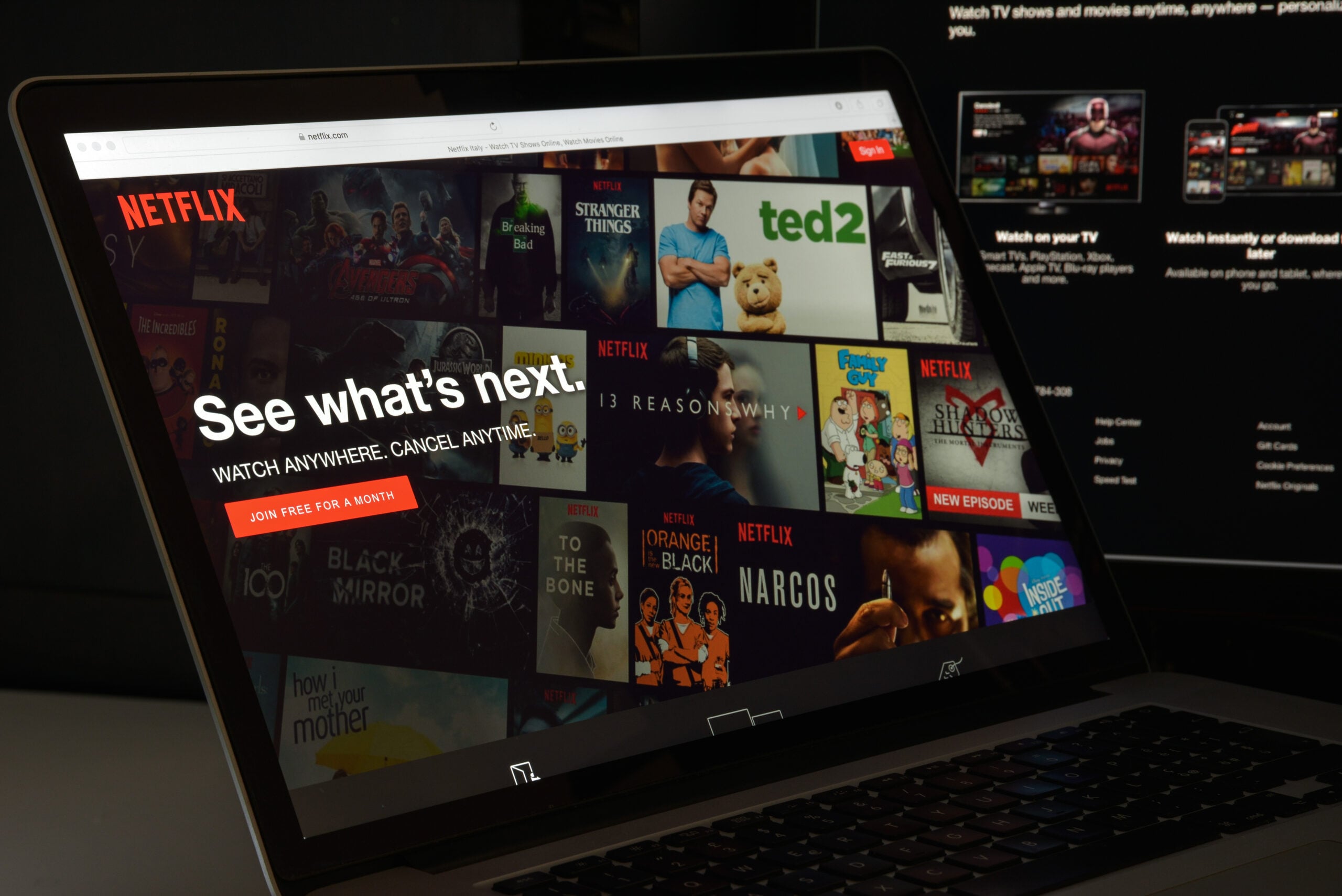
Success wasn’t just about fitting into a fresh way of delivering content. Shaping the entire rhythm of production, these series redefined what counts as progress behind the scenes.
Binge drops changed viewer habits; worldwide launch nights became cultural moments. Big screen money poured into scripts once deemed too bold.
Risky ideas found space because of them. The mark they left sticks deep inside today’s storytelling machines.
Right now, how we watch shows carries traces of what they built. Even as new platforms shift and stretch, those old series still mark the edges of what can happen when stories grow alongside tools.
You see it each time a show dares something odd, each time someone hits play just because they want to. What stuck around isn’t noise – it’s choices, moments, control.
More from Go2Tutors!

- The Romanov Crown Jewels and Their Tragic Fate
- 13 Historical Mysteries That Science Still Can’t Solve
- Famous Hoaxes That Fooled the World for Years
- 15 Child Stars with Tragic Adult Lives
- 16 Famous Jewelry Pieces in History
Like Go2Tutors’s content? Follow us on MSN.



