15 Weirdest Jobs People Actually Had
Now picture this – humans once earned money doing things you’d swear were made up. Jobs like smelling underarms weren’t jokes; they had actual purpose.
Imagine getting paid just to test stinky pits. Other folks grabbed rodents barehanded, one by one.
Demand shaped odd careers no one saw coming. Necessity didn’t care how weird it looked.
Each bizarre role filled a gap nobody else wanted. Truth is stranger than comfort.
Surprises never left the workplace. Odd jobs once kept people fed, these made it real.
Knocker-Upper
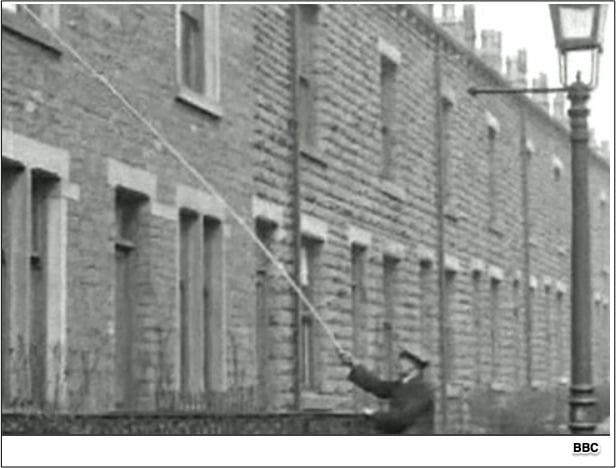
Folks in England and Ireland once paid others to wake them when alarms weren’t around. Instead of buzzing devices, these helpers roamed the streets before sunrise.
With poles in hand, they’d prod windowpanes till movement stirred inside. Waking early came easy to some – that sort stayed on the move through blackened lanes.
Pea-shooters flew soft taps at high rooms, quiet enough not to spread ripples across walls.
Groom Of The Stool

Life at the royal court during the Tudor era had strange roles, yet none quite so unusual as this. Helping the king use the toilet was part of the daily routine for the Groom of the Stool, who also wiped him clean when finished.
Unpleasant though it seems, the role opened doors – proximity to the ruler meant real power behind closed doors. Among those serving Henry VIII, few enjoyed more trust than the man handling such intimate duties each day.
Rat Catcher
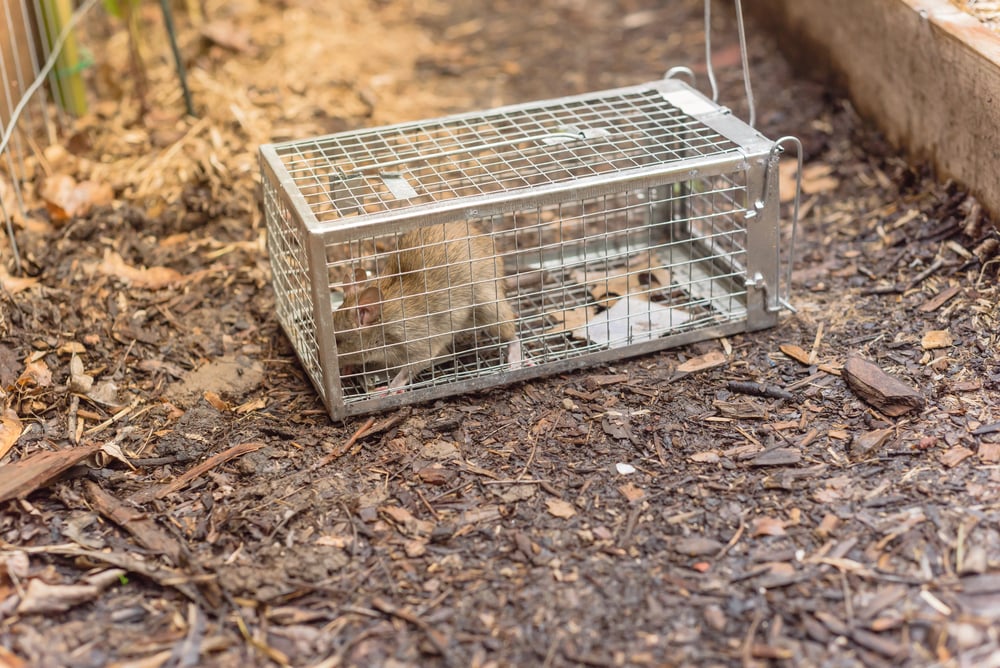
Rats swarmed through Victorian cities, which meant rat catchers quickly turned into key figures around town. Brave souls would head underground – into slimy sewers or dark cellars – with traps or sharp-eyed terriers at their side.
Danger waited in every corner since a single bite might bring sickness, yet experienced hunters earned steady pay. Curiously enough, some of those captured rodents ended up sold, winding their way to blood sports or lab benches.
Leech Collector

Back then, medicine often meant draining blood with leeches – so someone had to get them. Ponds and wetlands became hunting grounds where workers stood still, letting the animals latch onto bare skin.
When clusters clung tight, hands would pluck each one free for sale to clinics or apothecaries. Skin stayed marked afterward, dotted with slow-healing bites from hours spent ankle-deep in muck.
Food Taster

Betrayal lurked in banquets, so suspicious leaders hired others to try their meals first. Before a single plate arrived at court, someone else had already swallowed its contents.
Each mouthful carried weight, because illness might follow fast – or not at all. High wages came with danger, since surviving year after year was never promised.
Comfortable rooms waited nearby, though they served little if breath left early.
Resurrectionist

Back then, medical students had to study human bones and organs. Because only a few dead people could be used legally, teachers looked elsewhere.
Grave robbers – known as resurrection men – slipped into cemeteries after dark. Their job was quick: dig fast, grab the corpse, vanish before dawn.
Rotting flesh made their work useless, so they aimed for recent burials. Schools paid well, which kept the trade alive.
To fight back, loved ones piled slabs of stone across coffins. Some even built iron frames above the soil.
These barriers slowed down the thieves just enough.
Pure Finder

Tanners needed dog waste to process leather, creating a market for people willing to collect it from streets. Pure finders, as they were called, walked through Victorian London gathering the stuff in buckets.
The work required no special skills but plenty of tolerance for unpleasant smells. Children often took this job because they could move quickly through crowds and tight spaces.
Powder Monkey
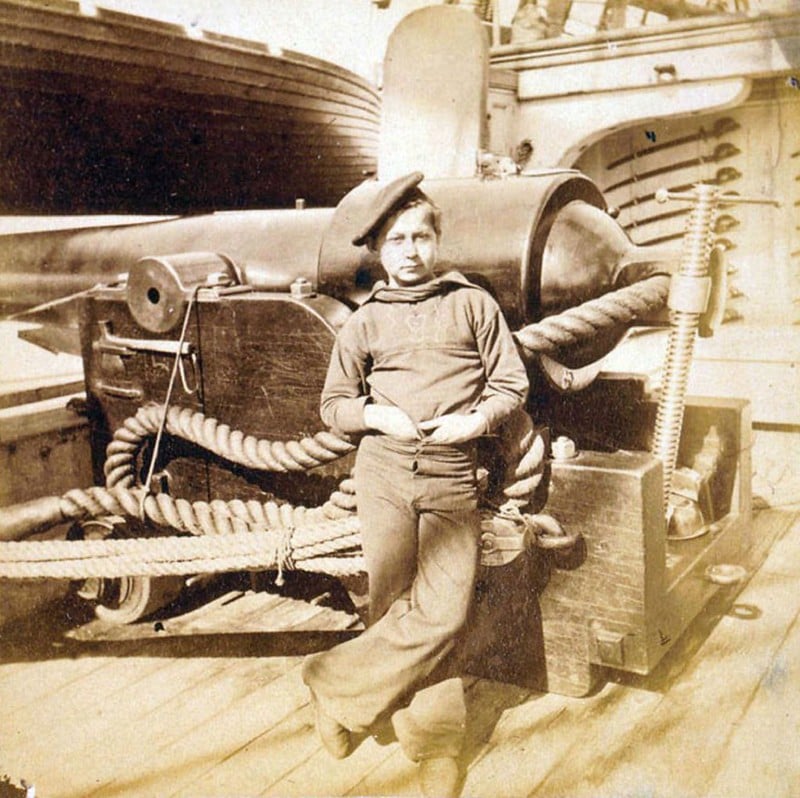
Naval ships during the age of sail employed young boys to run gunpowder from storage areas to the gun crews during battles. These powder monkeys darted through smoke-filled decks carrying explosive charges, facing constant danger from enemy fire.
Their small size let them move through cramped spaces quickly, making them vital to keeping guns firing. The position paid poorly but offered adventure and a chance to see the world.
Tosher

London’s sewer system held valuable items that people dropped or flushed, and toshers made their living finding them. These underground scavengers waded through waste water hunting for coins, jewelry, and metal scraps they could sell.
The work meant dealing with toxic fumes, rats, and the constant risk of drowning in sudden floods. Successful toshers knew the sewer layout by heart and could spot valuable items in near darkness.
Ice Cutter

Before refrigeration, people harvested ice from frozen lakes and rivers during winter months. Ice cutters sawed huge blocks from thick ice sheets, working in freezing temperatures that could cause frostbite in minutes.
Teams used horses and specialized tools to move the heavy blocks into storage houses packed with sawdust for insulation. The ice stayed frozen through summer, providing the only way to keep food and drinks cold.
Whipping Boy

Royal princes couldn’t be punished for misbehavior due to their divine status, so they had whipping boys who took beatings in their place. These unfortunate companions grew up alongside princes and received corporal punishment whenever the prince did something wrong.
The theory suggested that princes would behave better to spare their friends from pain. Despite the harsh treatment, whipping boys often became lifelong friends and advisors to the princes they served.
Pin Setter
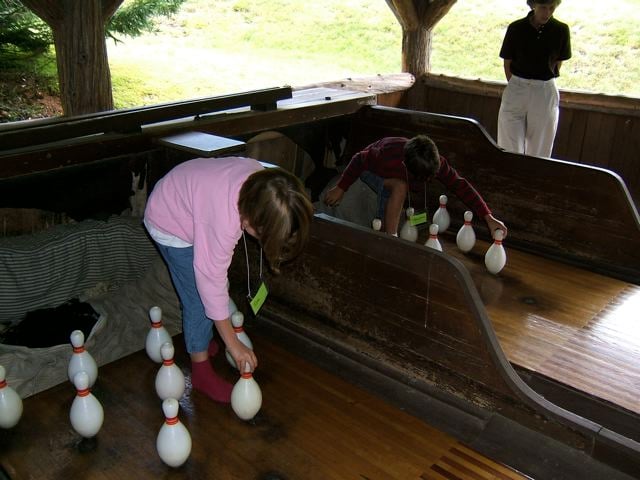
Bowling alleys hired people to manually reset pins after each throw before automatic machines took over in the 1950s. Pin setters sat at the end of lanes, dodging flying pins and returning them to position between frames.
The job required quick reflexes and good timing to avoid getting hit by pins or bowling equipment. Young people often worked as pin setters to earn extra money on weekends.
Match Girl

Factories employed women and girls to hand-dip wooden sticks into toxic phosphorus to make matches. The work caused ‘phossy jaw,’ a horrific condition where the jawbone literally rotted away from chemical exposure.
Match girls worked long hours in dangerous conditions for very little pay. Public outcry about their suffering eventually led to improved safety regulations and better working conditions.
Log Driver

Lumber companies hired log drivers to guide floating timber down rivers from forests to sawmills. These workers rode on logs, using long poles to keep them moving and prevent jams that could back up for miles.
The job demanded perfect balance and fearlessness, as falling between logs often meant getting crushed. Log drivers worked in freezing water and risked drowning every single day.
Gandy Dancer
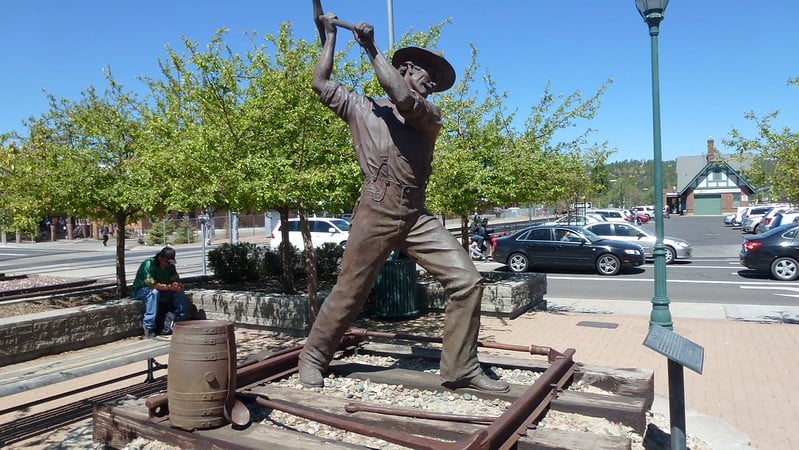
Railroad companies employed teams of workers who manually maintained and laid tracks before machines automated the process. These gandy dancers coordinated their movements with work songs and chants, swinging heavy tools in perfect rhythm to drive spikes and align rails.
The name possibly came from the Gandy Manufacturing Company that made their tools, though nobody knows for certain. Their synchronized movements looked almost like dancing, which made backbreaking labor slightly more bearable.
When Strange Work Made Perfect Sense
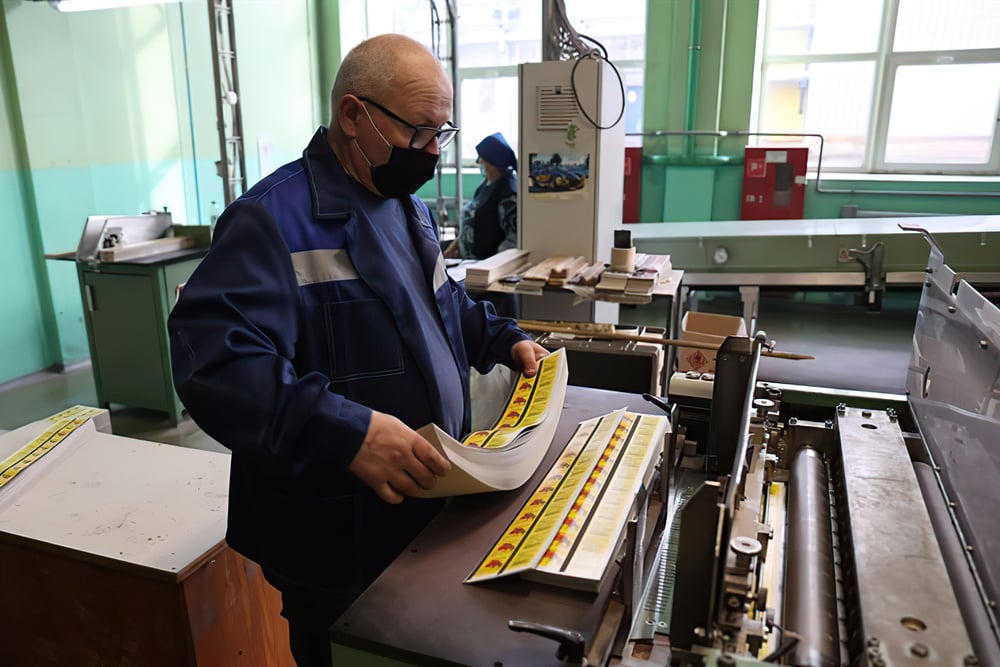
These unusual jobs existed because society needed them at specific points in history. Technology and changing times made most of them unnecessary, replacing human workers with machines or eliminating the need entirely.
The people who held these positions adapted to whatever their era demanded, no matter how odd the work seemed. Their willingness to take on strange tasks helped build the modern world everyone enjoys today.
More from Go2Tutors!

- The Romanov Crown Jewels and Their Tragic Fate
- 13 Historical Mysteries That Science Still Can’t Solve
- Famous Hoaxes That Fooled the World for Years
- 15 Child Stars with Tragic Adult Lives
- 16 Famous Jewelry Pieces in History
Like Go2Tutors’s content? Follow us on MSN.