Street Foods With Centuries-Old History
Street food isn’t just a modern trend or a quick way to grab lunch between errands. These dishes have been feeding people on busy corners, market squares, and roadside stalls for hundreds, sometimes thousands, of years.
From ancient Rome to medieval China, vendors have been serving up affordable, delicious meals to workers, travelers, and anyone too busy to cook at home.
Let’s take a look at some of the most enduring street foods that have survived the test of time.
Falafel
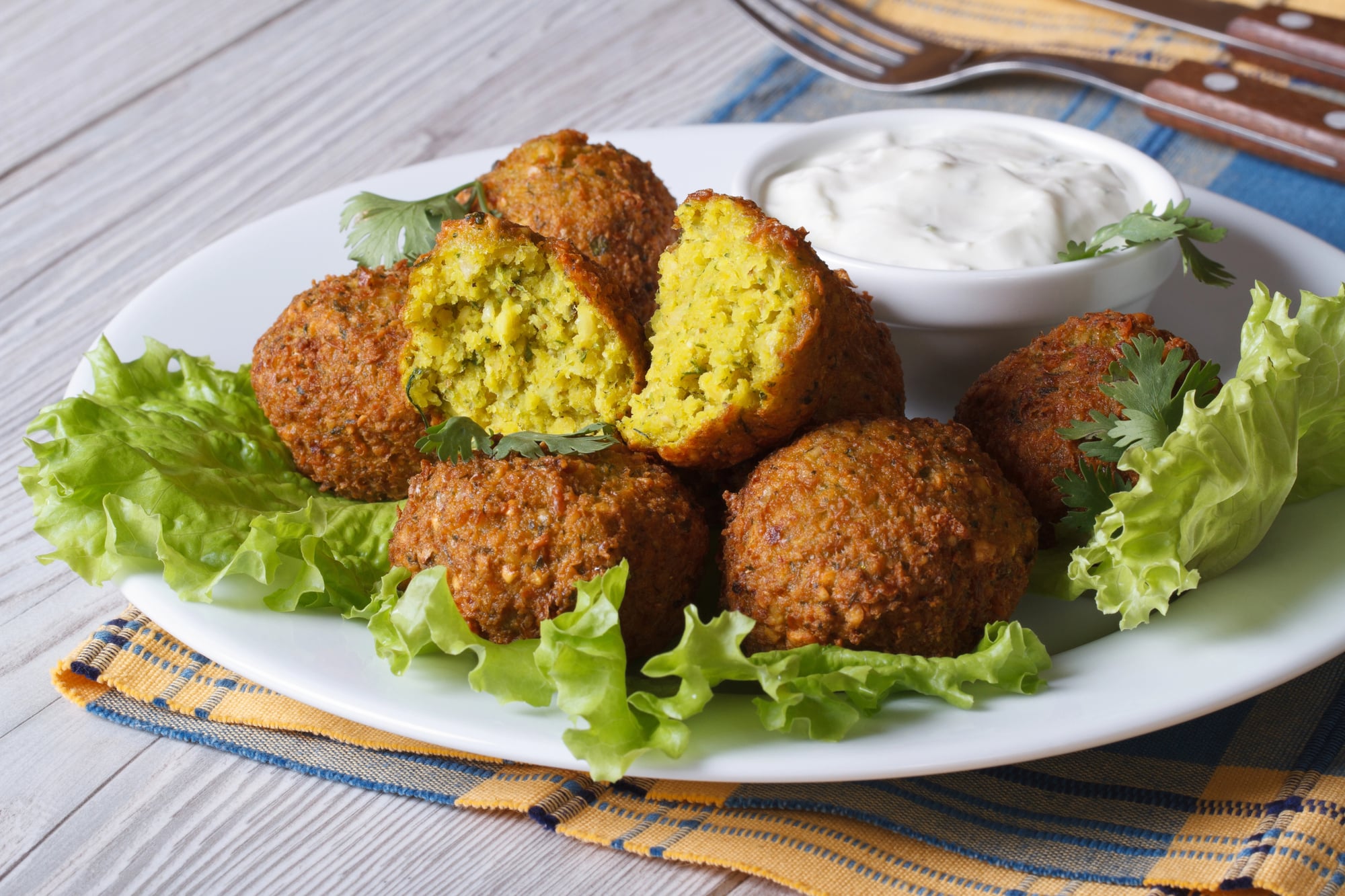
These crispy, golden-brown orbs of ground chickpeas or fava beans have been a Middle Eastern staple for at least a thousand years. Some food historians trace falafel back to Egypt, where Coptic Christians may have created them as a protein-rich alternative during Lent.
Others argue the dish originated elsewhere in the region, but everyone agrees it’s been around long enough to become a cornerstone of street food culture across multiple countries. Today, vendors still fry them fresh and stuff them into pita bread with tahini sauce, just as they’ve done for centuries.
Tacos
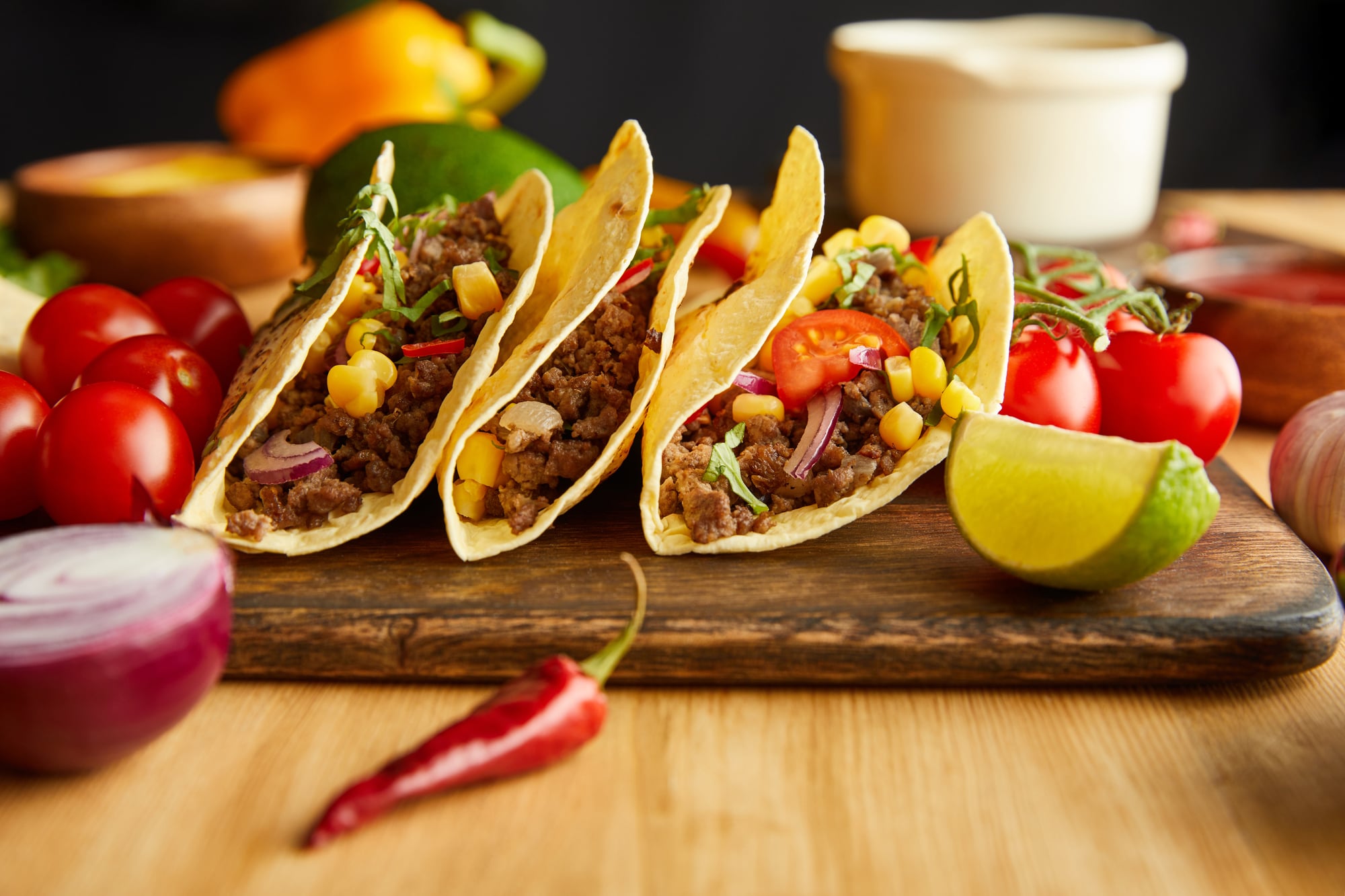
The taco predates the arrival of Europeans to the Americas by a significant margin. Indigenous people in the Valley of Mexico were eating small fish wrapped in corn tortillas long before the Spanish conquest in the 1500s.
Silver miners in the 18th century popularized the term ‘taco’ itself, though the concept was already ancient by then. The portability and simplicity of a tortilla filled with whatever ingredients were available made it perfect for workers and travelers who needed to eat on the go.
Oysters
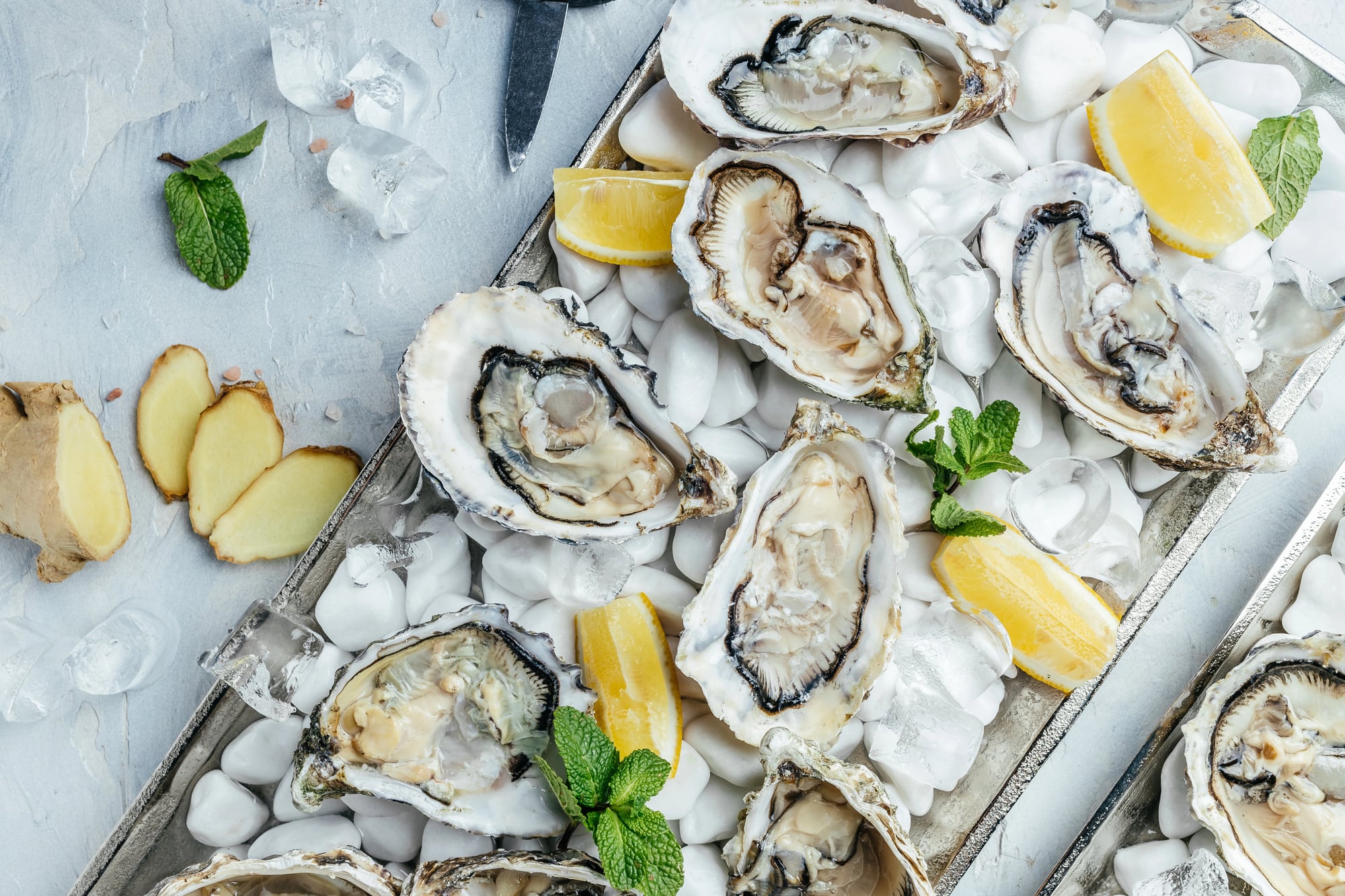
New York City ran on oysters in the 1800s, with street vendors selling them from carts on nearly every corner. But the tradition goes back much further than that.
Ancient Romans consumed oysters in massive quantities, and archaeological evidence shows people have been eating them for thousands of years. They were cheap, plentiful, and required minimal preparation, making them ideal for street vendors who needed to serve customers quickly.
The oyster bars of 19th-century America were just continuing a tradition that started in ancient coastal cities.
Pretzels

German bakers were twisting dough into that distinctive knot shape as early as the 7th century. Monks created pretzels as rewards for children who learned their prayers, with the crossed arms of the dough representing hands folded in prayer.
By the Middle Ages, pretzel vendors were common throughout Europe, selling them as a street snack that was easy to carry and eat. German immigrants brought the tradition to America in the 1700s, where pretzel carts became a familiar sight in cities like Philadelphia and New York.
Satay
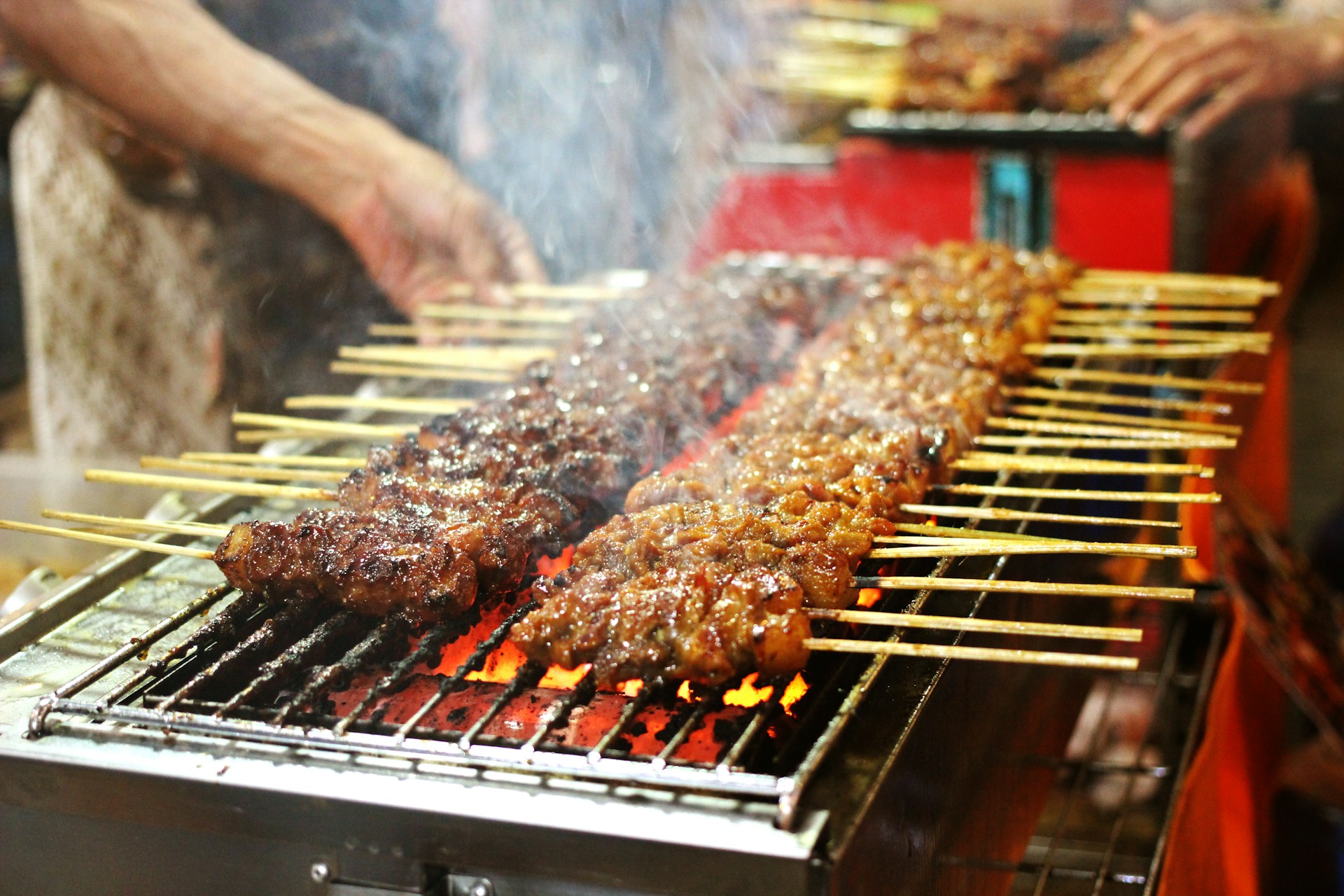
Indonesian and Malaysian street vendors have been grilling skewered meat over charcoal for at least 200 years, though some historians suggest the tradition is much older. The dish likely evolved from Indian kebabs, adapted to local tastes and ingredients when Arab traders brought their cooking methods to Southeast Asia.
Street hawkers would carry portable grills through neighborhoods, announcing their presence with distinctive calls. The peanut sauce that accompanies satay became standardized over time, creating the version people recognize today.
Churros
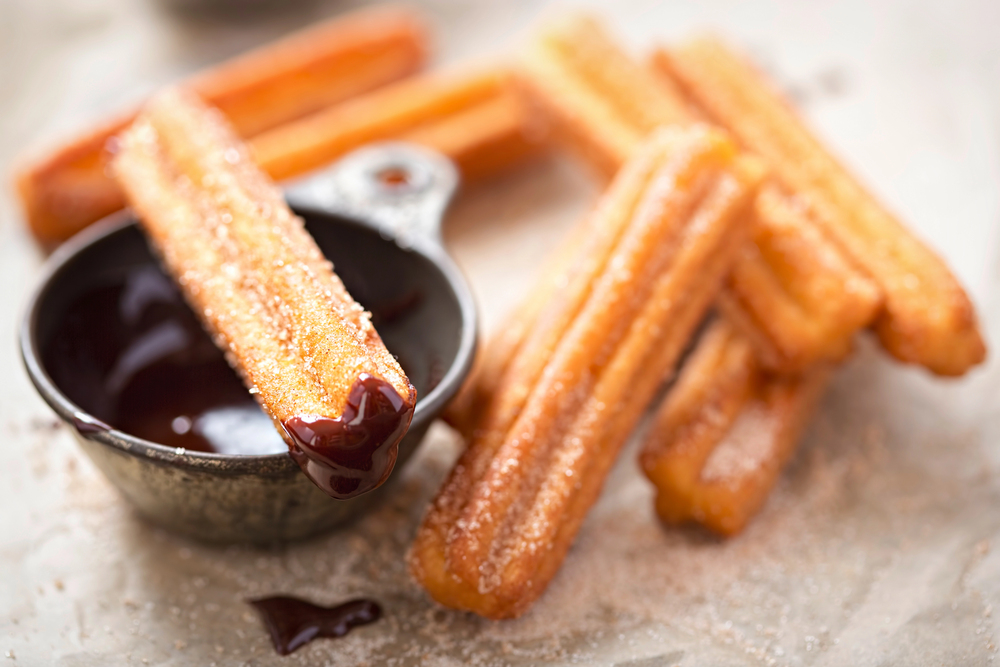
Spanish shepherds living in the mountains needed food that was easy to make and didn’t require an oven. They created churros by frying strips of dough in oil, producing a portable breakfast that could be prepared over an open fire.
The treat made its way from rural areas into cities, where street vendors began selling them in the mornings. Spanish colonizers introduced churros to Latin America and the Philippines, where they became just as popular as they were back home.
Empanadas
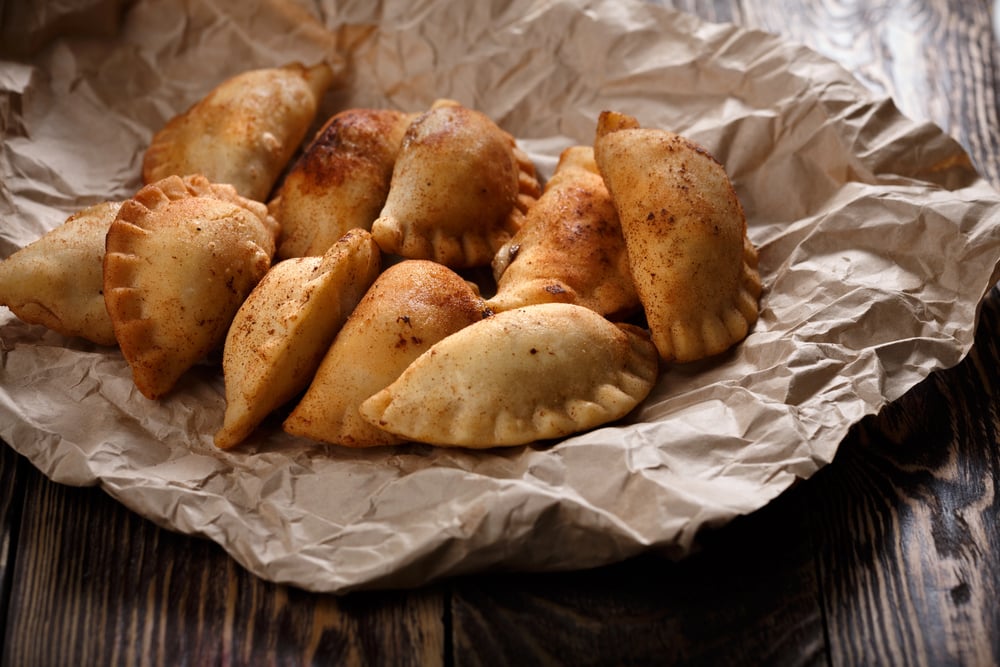
These stuffed pastries have been feeding hungry people since medieval times, with roots in Galicia and Portugal. The name comes from the Spanish verb ’empanar,’ meaning to wrap in bread.
Workers and travelers loved empanadas because they could hold a complete meal in their hands without needing utensils or a plate. Spanish and Portuguese colonizers spread the concept across Latin America, where each region developed its own fillings and cooking methods, but the basic idea remained unchanged.
Hot dogs
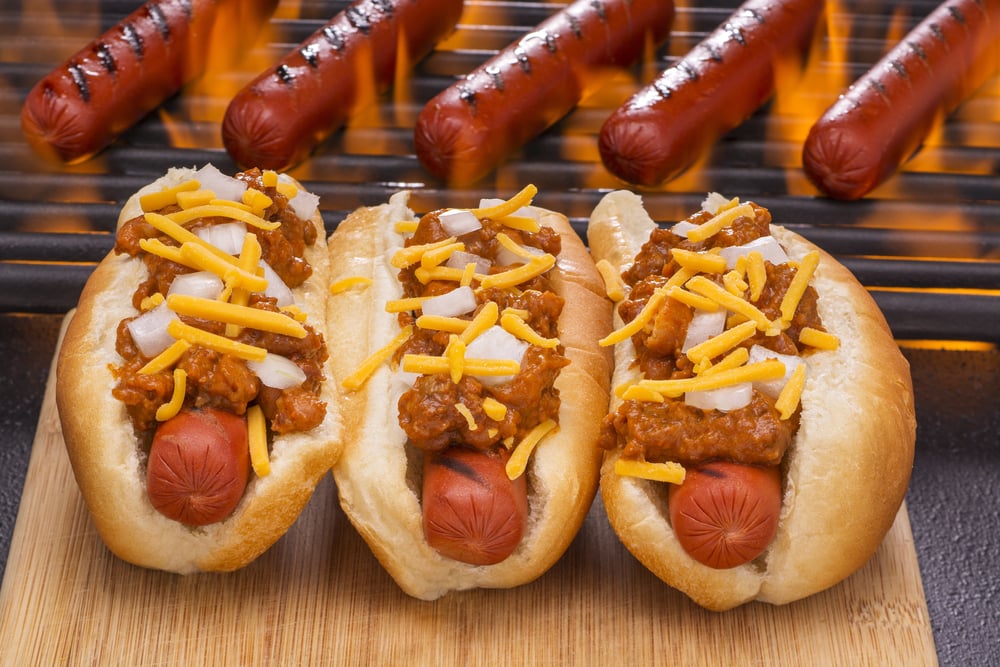
The sausage itself dates back to ancient times, but the modern hot dog emerged in Germany during the Middle Ages. Frankfurt and Vienna both claim to be its birthplace, with the frankfurter and wiener named after these cities.
German immigrants brought their sausage-making traditions to America in the 1800s, where vendors began selling them from pushcarts. The addition of a bun came later, making them even easier to eat while walking, and cemented their status as the quintessential American street food.
Samosas
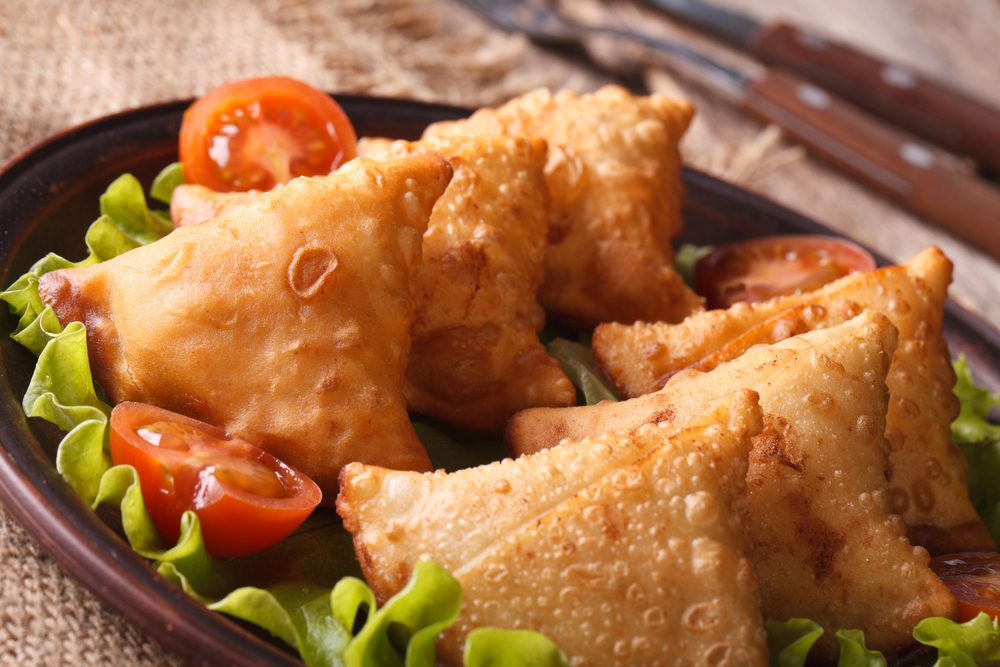
Indian street vendors have been frying these triangular pastries for over 700 years. Middle Eastern traders likely introduced an early version to the Indian subcontinent, where cooks adapted it with local spices and fillings.
Historical records from the Delhi Sultanate in the 13th and 14th centuries mention samosas being served at royal courts, but they were already common street food by then. The portability and satisfying combination of crispy exterior and spiced filling made them perfect for laborers and merchants who needed quick energy during long workdays.
Waffle
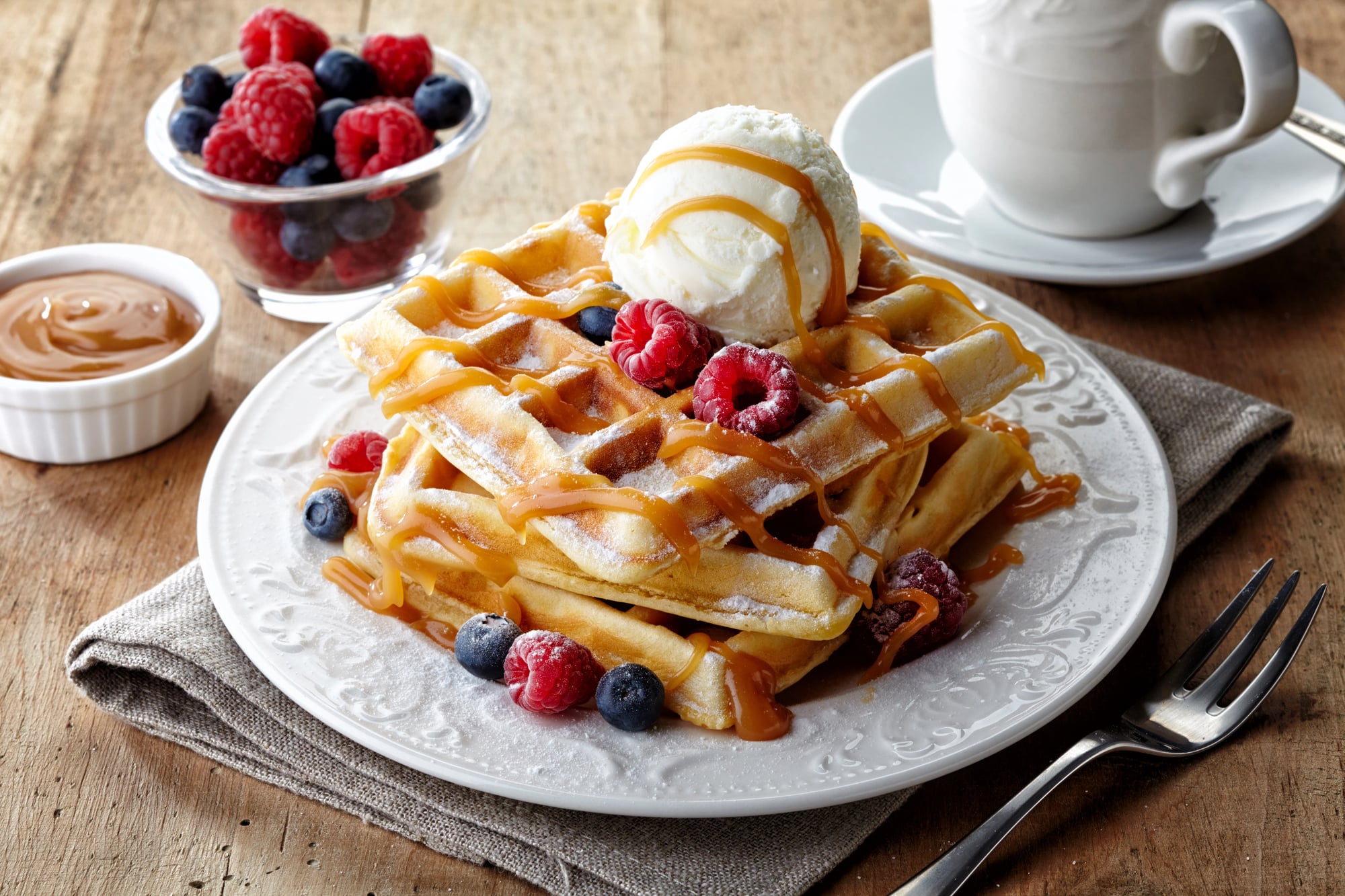
Belgian waffles might seem like a modern invention, but people were cooking batter between two metal plates as far back as ancient Greece. The modern waffle as we know it emerged in medieval Europe, where vendors sold them outside churches after services.
Street hawkers would carry their waffle irons and set up shop at fairs, markets, and festivals. The grid pattern made them easy to eat by hand, and vendors could add toppings like honey or fruit to create variety.
Kebabs
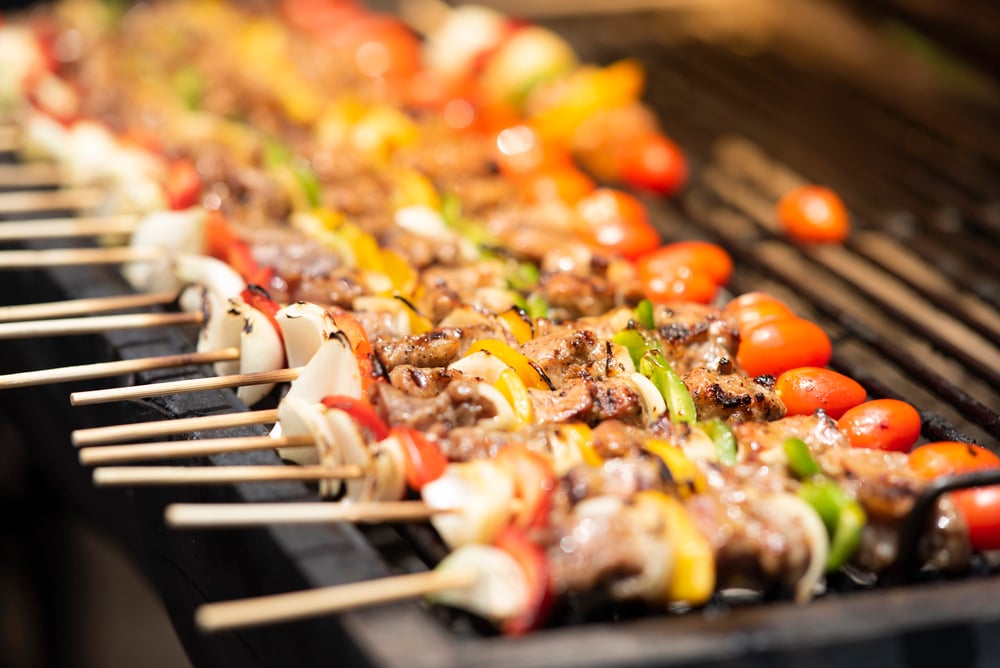
Turkish street vendors were grilling meat on skewers long before döner kebab became a global phenomenon. The tradition of cooking meat over open flames goes back thousands of years in the Middle East and Central Asia, with soldiers and nomadic peoples using their swords as makeshift skewers.
Urban vendors refined the technique, creating specialized grills and developing regional variations. The döner kebab, where meat roasts on a vertical spit, appeared in the 19th century and revolutionized street food by allowing vendors to serve customers even faster.
Jianbing
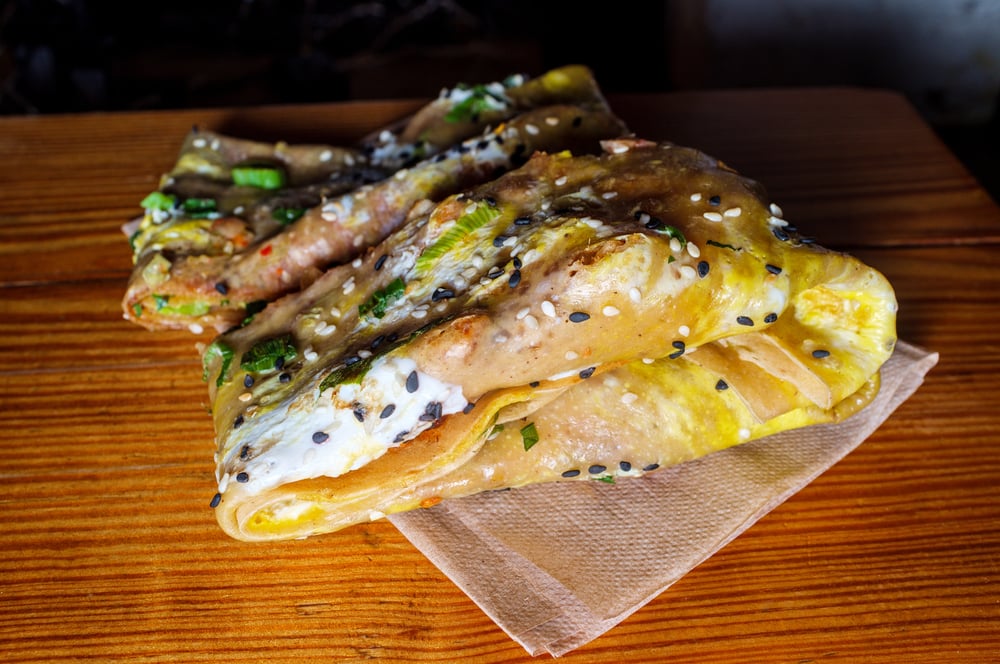
This savory Chinese crepe has been a breakfast staple for over 2,000 years. Soldiers during the Three Kingdoms period allegedly invented jianbing when they couldn’t cook rice and needed something quick to prepare on their shields over a fire.
Street vendors began selling them in cities, spreading batter on large griddles and adding eggs, scallions, and crispy crackers. The process became so standardized that watching a vendor make jianbing is almost like seeing a carefully choreographed performance, with each movement practiced over countless repetitions.
Arancini
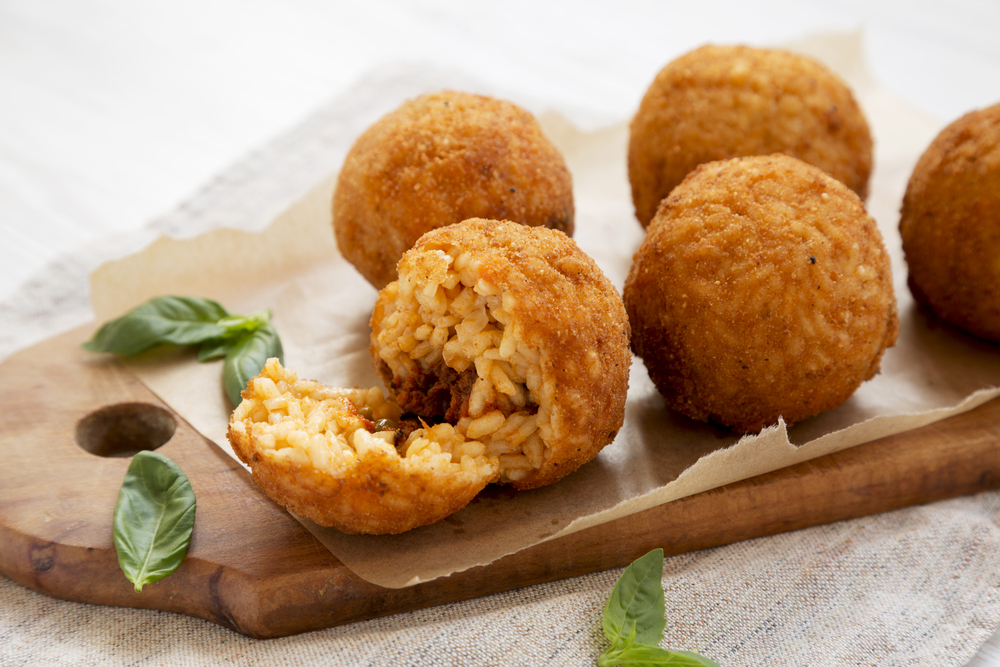
Sicilian cooks started making these fried rice rounds during the 10th century, when the island was under Arab rule. The name means ‘little oranges’ in Italian, referring to their round shape and golden color.
Street vendors found them ideal because they could be prepared in large batches and stayed good for hours, eliminating the need for constant cooking. The rice held its shape well, and the crispy coating protected the filling, making arancini perfect for people who needed to eat while working in the markets and harbors.
Fish and chips
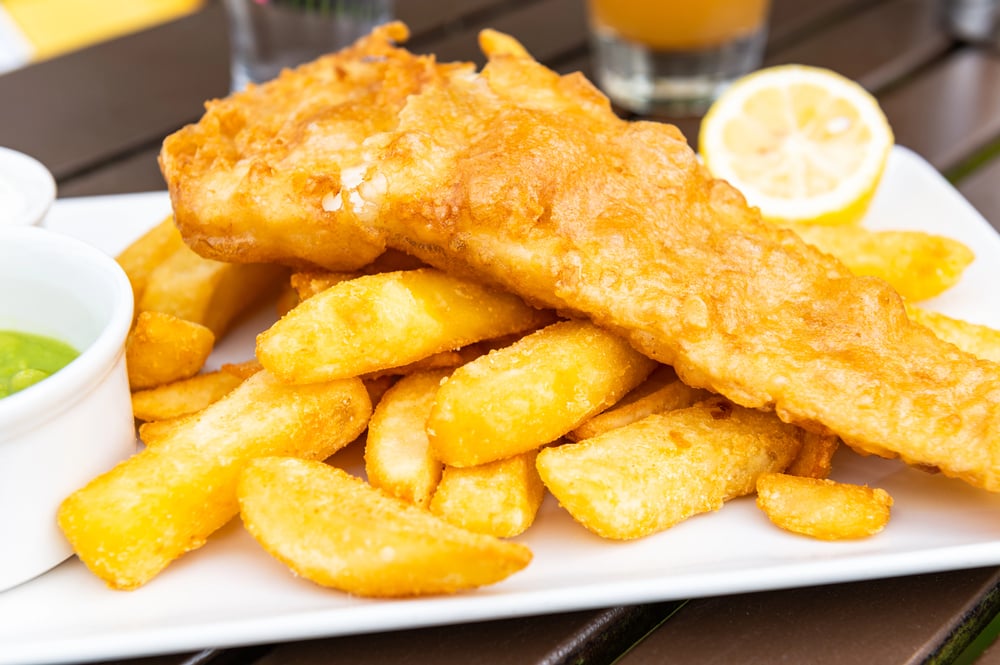
Folks in English coastal towns were cooking up fish way back in the 1500s, but chips weren’t part of it just yet. A method for dipping fish into gooey mix before frying was brought over by Jewish newcomers; meanwhile, sizzling potato slices had their own story going on.
By the 1860s, one quick-thinking seller tossed both together – turning it into a hit lunch staple for ages to come. Wrapping meals in old newsprint turned into a classic move, and chippies popped up everywhere – even running past bedtime for night-shift laborers or folks headed from shows.
Pani puri
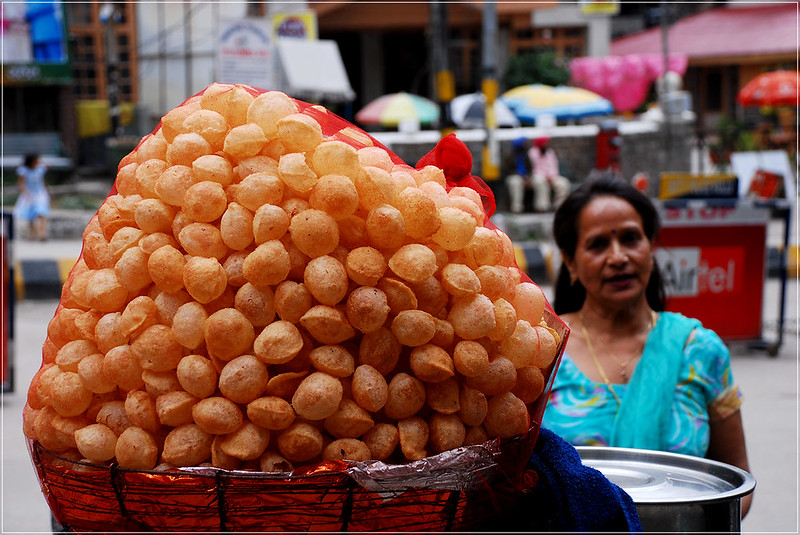
This Indian street bite’s been winning hearts forever – crunchy outsides, zesty stuffing, spiced liquid inside. Though nobody agrees on where it truly started, old Sanskrit texts mention things like it.
Vendors turned the serving ritual into something flashy, popping open each shell fast, loading fillings with flair. It’s gotta be made right before eating, so you’ll find it on sidewalks – not fancy tables.
Bao
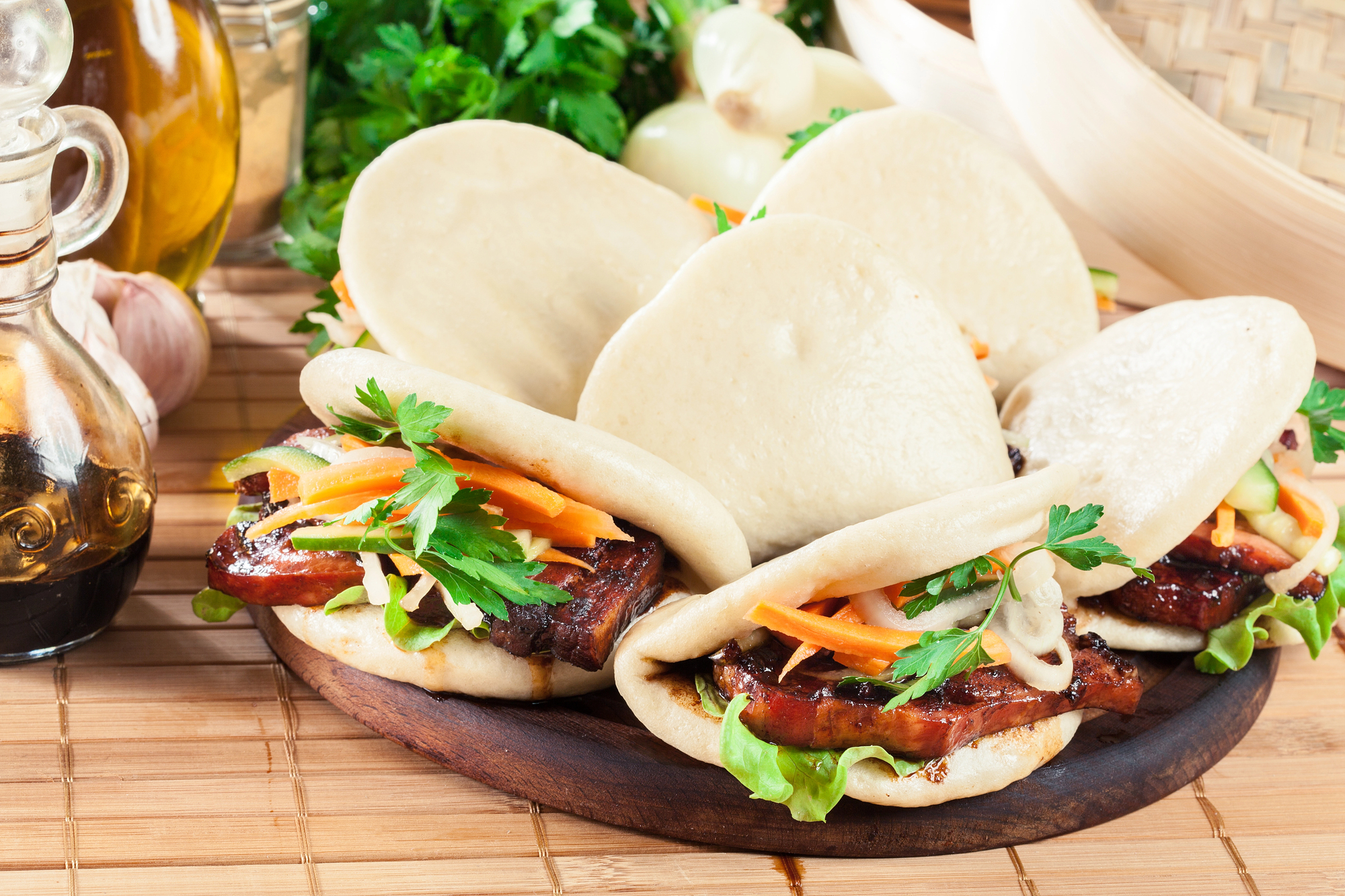
Chinese sellers on streets cooked stuffed buns more than 1,700 years back, around the Three Kingdoms era. Some say general Zhuge Liang created baozi to honor river spirits – yet experts think they came from older ways of making flatbreads.
These soft parcels caught on fast since they kept heat well while being easy to eat by hand. Without needing plates or forks, folks grabbed them quickly; busy laborers or people passing through often bought them.
Sellers packed the hot bundles in cloth-lined containers, calling out loud so customers could grab a quick bite without wasting time.
Tamales
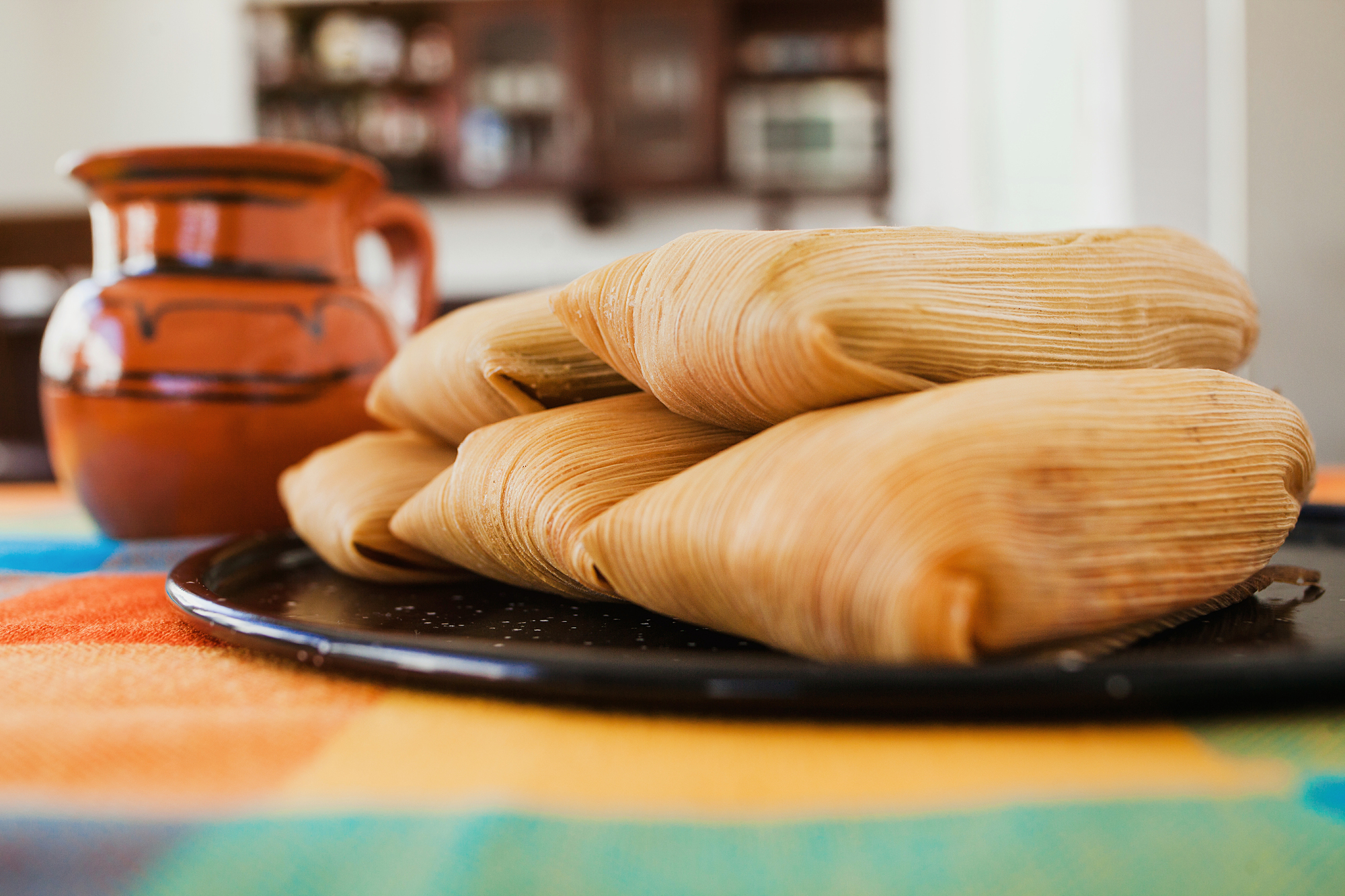
Mesoamerican folks stuffed corn paste with goodies, then cooked it in leaf wraps – way back to 8000 BCE. Instead of bread, warriors got these handheld meals from Maya and Aztec cooks since they lasted long, packed energy, and moved easily.
Back then, market stalls sold them hot, so scribes under Spain noted down how many flavors existed plus how each region made their own version. Even after conquests shook daily life, the method stuck around – today’s sellers still use tricks that once fueled soldiers or laborers hauling stone for temples.
Souvlaki
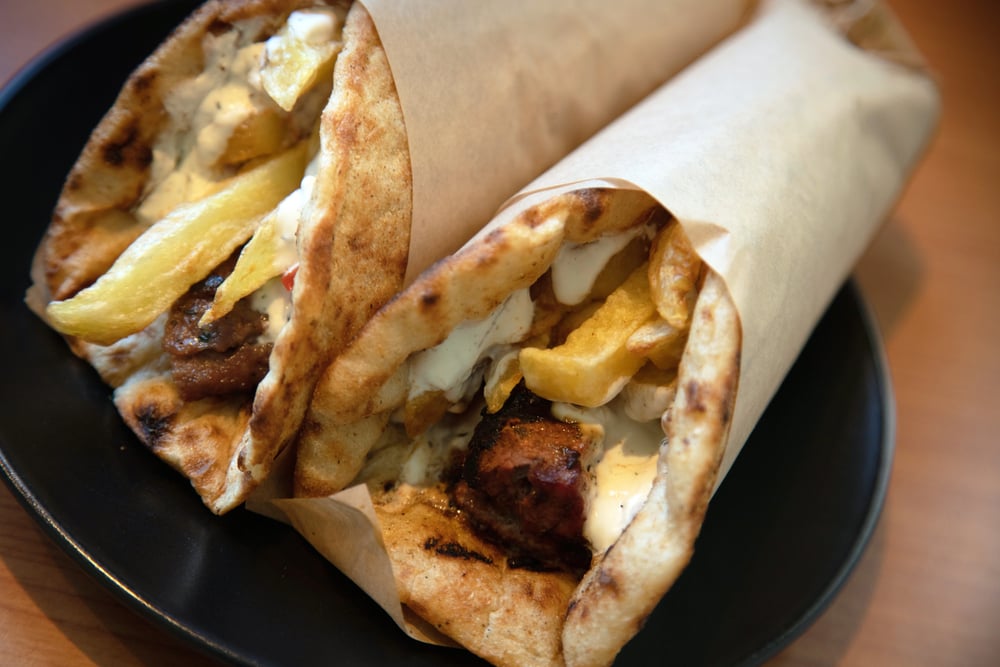
Greek sellers cooked marinated meat on sticks long ago – Homer even mentioned it. On Santorini, old stone racks for those sticks came from Minoan ruins.
“Souvlaki” isn’t an old term, yet the way they cook stays centuries deep. In Athens and towns across Greece, roadside cooks turned it into quick eats for laborers, pairing it with flatbread and basic sides unchanged through ages.
Yet still handing out food on corners
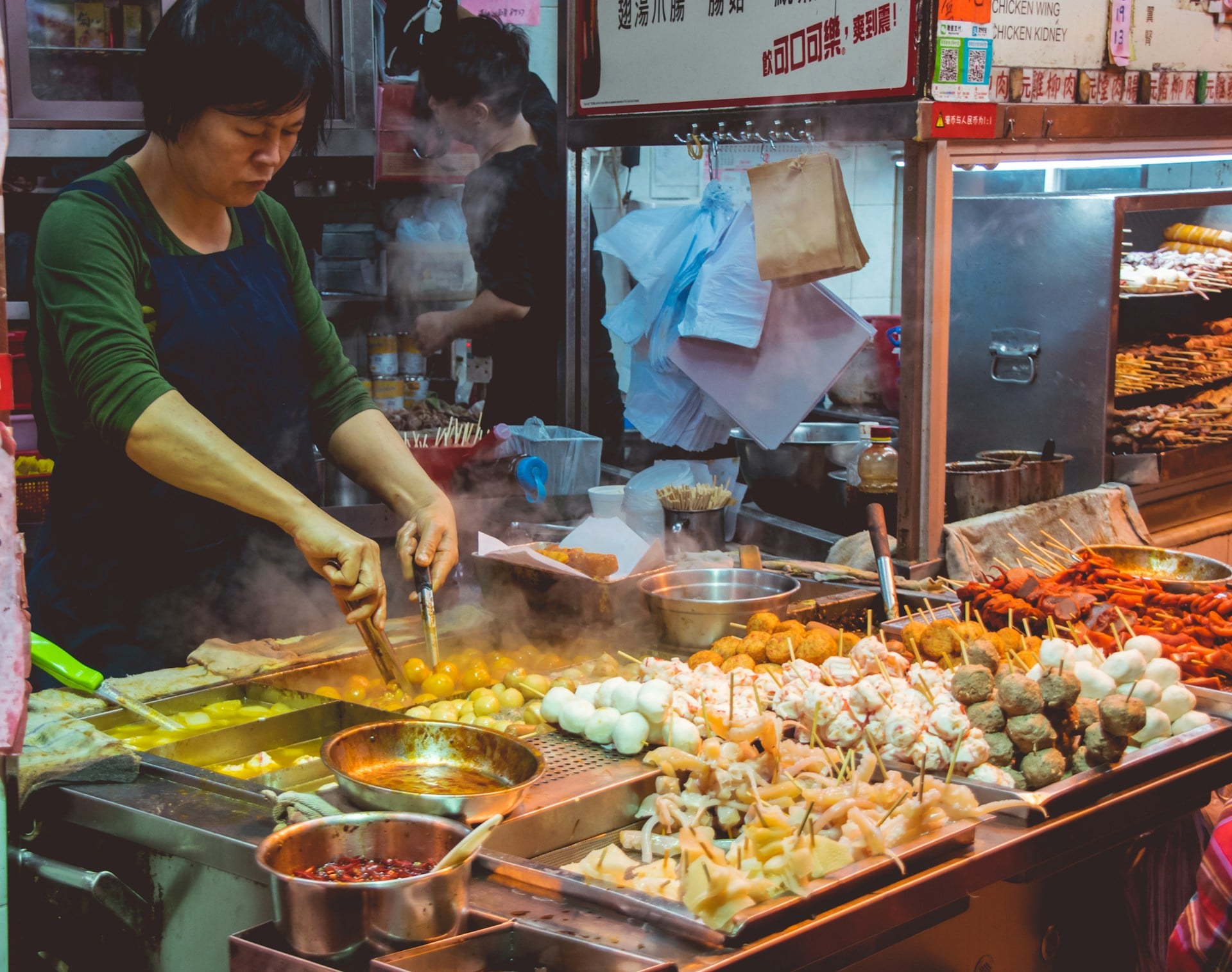
These meals made it through wars, hunger, tech shifts, one change after another in daily life. They stuck around by tackling a basic need – feeding folks fast, cheap, tasty while out and about.
You can grab falafel, tacos, or kebabs from a stall now just like before, cooked almost identical to old times, proving certain fixes don’t need fixing.
More from Go2Tutors!

- The Romanov Crown Jewels and Their Tragic Fate
- 13 Historical Mysteries That Science Still Can’t Solve
- Famous Hoaxes That Fooled the World for Years
- 15 Child Stars with Tragic Adult Lives
- 16 Famous Jewelry Pieces in History
Like Go2Tutors’s content? Follow us on MSN.