Photos of 15 Fictional Destinations Fans Wish Were Real
Every great story needs a place to unfold. The most memorable fictional worlds don’t just serve as backdrops — they become characters themselves, places that feel so vivid and detailed that readers and viewers find themselves planning impossible vacations.
These destinations stay with us long after the final page or closing credits, sparking daydreams about what it would feel like to walk those streets, breathe that air, and experience the magic firsthand.
Hobbiton
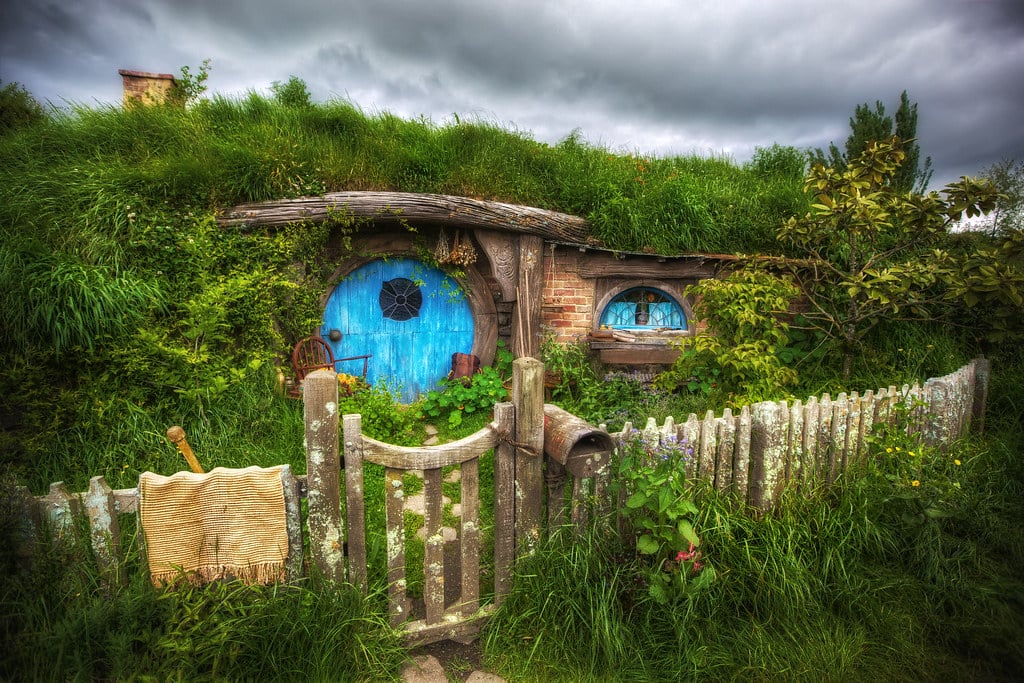
Green hills roll like sleeping giants. Perfectly round doors painted in bright colors mark hobbit pits carved into the hillsides.
No traffic, no deadlines, no stress — just second breakfast and afternoon tea.
Wakanda
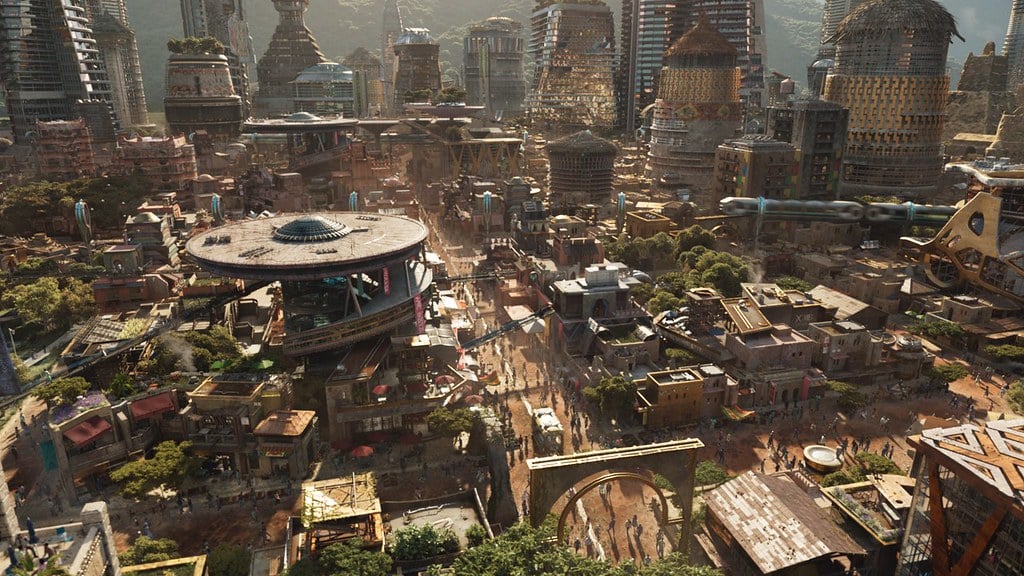
Marvel’s technological utopia gets everything right. Advanced beyond imagination but deeply rooted in tradition and culture.
The blend of cutting-edge innovation and natural beauty makes every other fictional kingdom look quaint by comparison.
Rivendcell
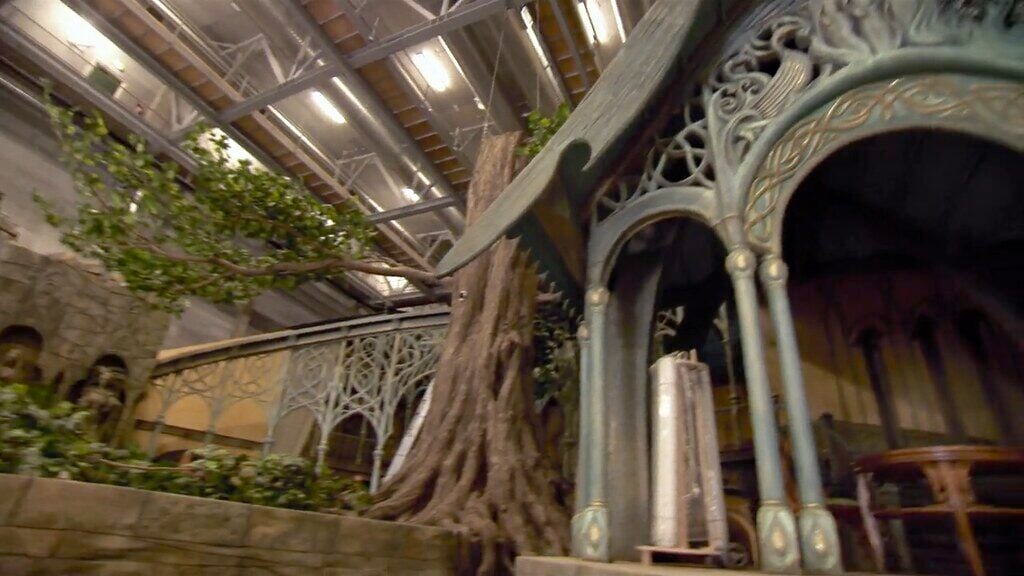
Tolkien understood something essential about peace: it requires both beauty and wisdom, and Rivendell delivers both in abundance (along with elves who somehow manage to be both ancient and eternally youthful, which doesn’t hurt the tourism prospects). The architecture flows like water over stone, every building seeming to grow naturally from the landscape rather than being imposed upon it.
And there’s something about the way light behaves in Middle-earth — softer, more forgiving — that makes even the most skeptical reader believe that such a place could exist just beyond the next mountain range.
So when people daydream about escaping modern life, Rivendell offers the perfect fantasy: a place where time moves differently, where wisdom is valued over wealth, and where the biggest decision of the day might be which garden path to take for an evening stroll.
Diagon Alleyn
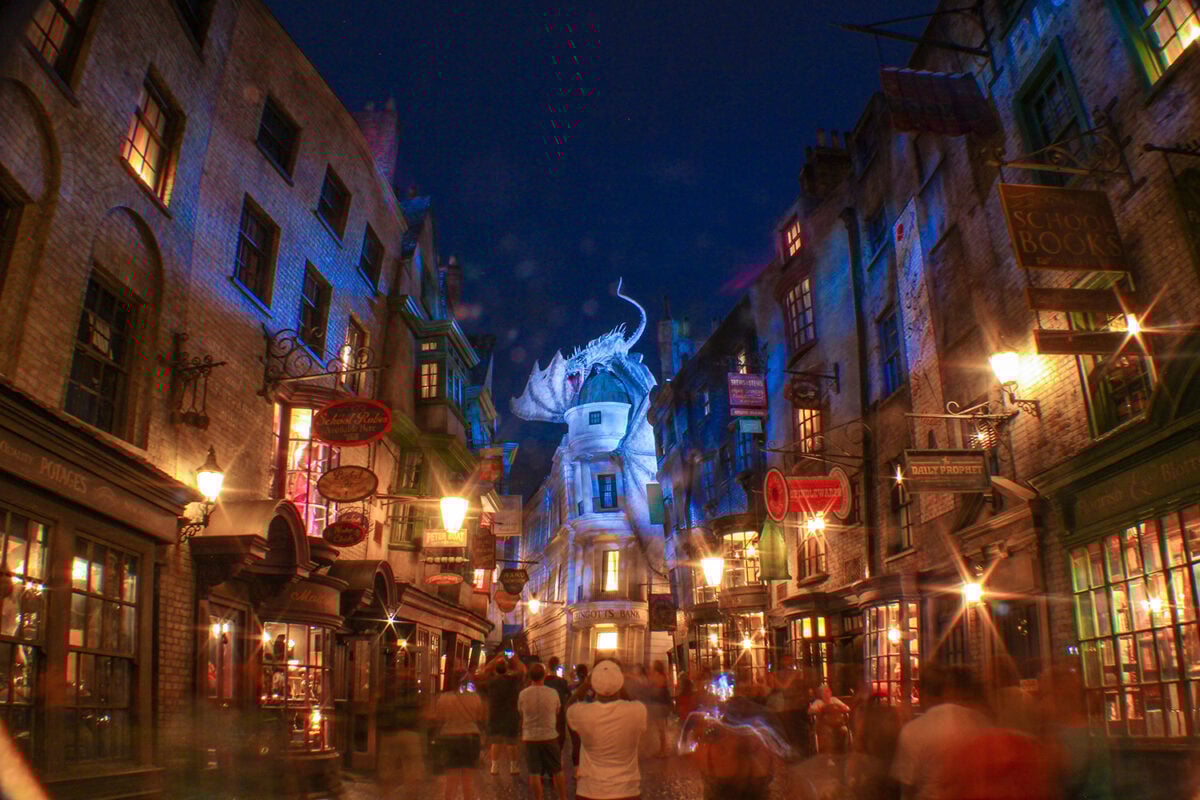
Rowling created the perfect hidden shopping district. Cobblestones worn smooth by centuries of foot traffic.
Shops stacked impossibly high, selling everything from wands to wizarding candy that actually makes you roar like a lion.
The magic isn’t just in the products — it’s in the discovery. Every storefront promises something unexpected.
Atlantis
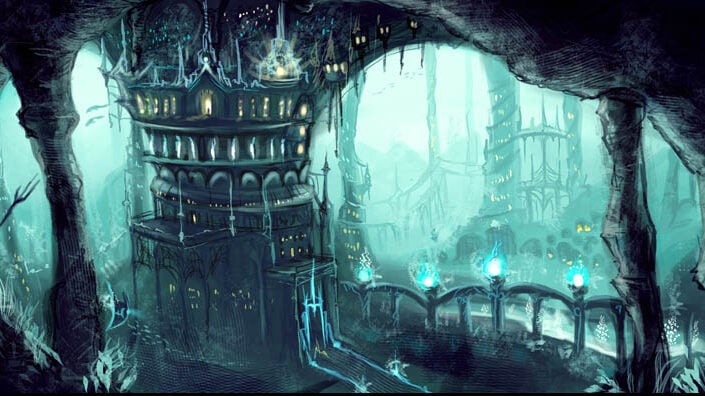
There’s something irresistible about a civilization that figured out how to live underwater while the rest of humanity was still discovering fire. Disney’s version gave us crystal spires and bioluminescent gardens, while other interpretations lean into the mystery of advanced technology powered by forces we can’t comprehend.
Either way works — the appeal remains constant.
The city represents the ultimate “what if” scenario: what if we had taken a completely different path as a species, one that led to harmony with the ocean rather than conquest of the land.
Pandora
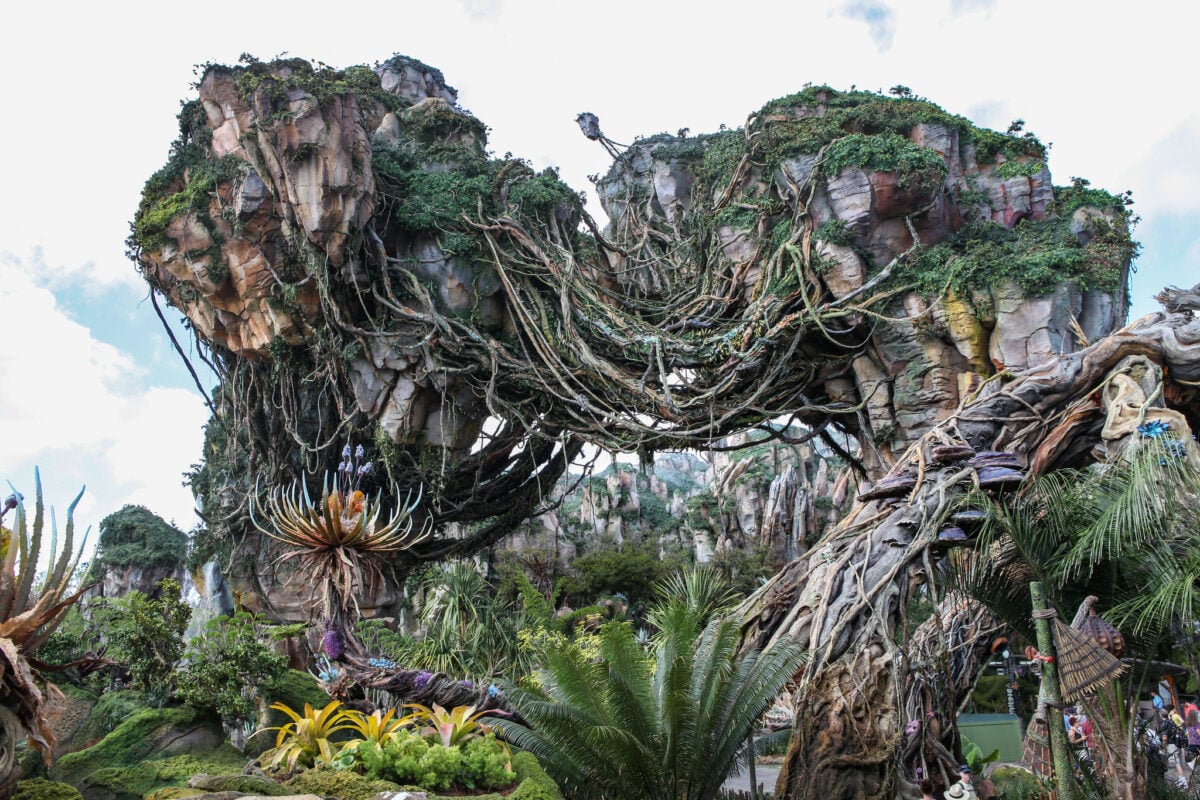
James Cameron built a world that makes Earth look boring. Floating mountains held aloft by magnetic fields.
Trees that glow at night and form neural networks spanning continents. Wildlife that ranges from beautiful to terrifying, often simultaneously.
Every square inch of Pandora pulses with life in ways that feel both alien and familiar. The bioluminescence alone would make it worth the trip — assuming humans could survive the atmosphere without masks, which somewhat dampens the vacation appeal.
The Shire
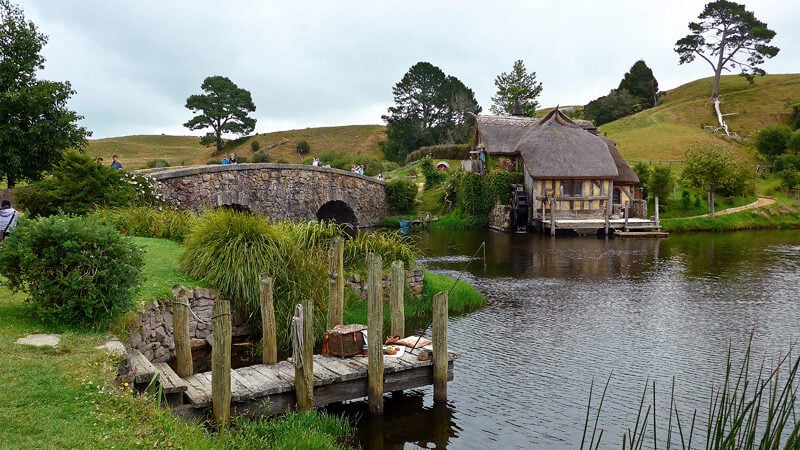
It’s not just the rolling green hills or the cozy hobbit pits (though those certainly help) — it’s the complete absence of anything resembling modern anxiety, the way problems get solved with common sense and a good meal, the understanding that the best adventures are the ones that eventually lead you home. The Shire represents a kind of rural paradise that probably never existed even in our own world, but that doesn’t make the longing for it any less real.
And the food culture there puts every farm-to-table restaurant to shame: gardens that actually feed families, kitchens that smell like fresh bread and herb gardens, and a social structure built around sharing meals rather than rushing through them.
Neverland
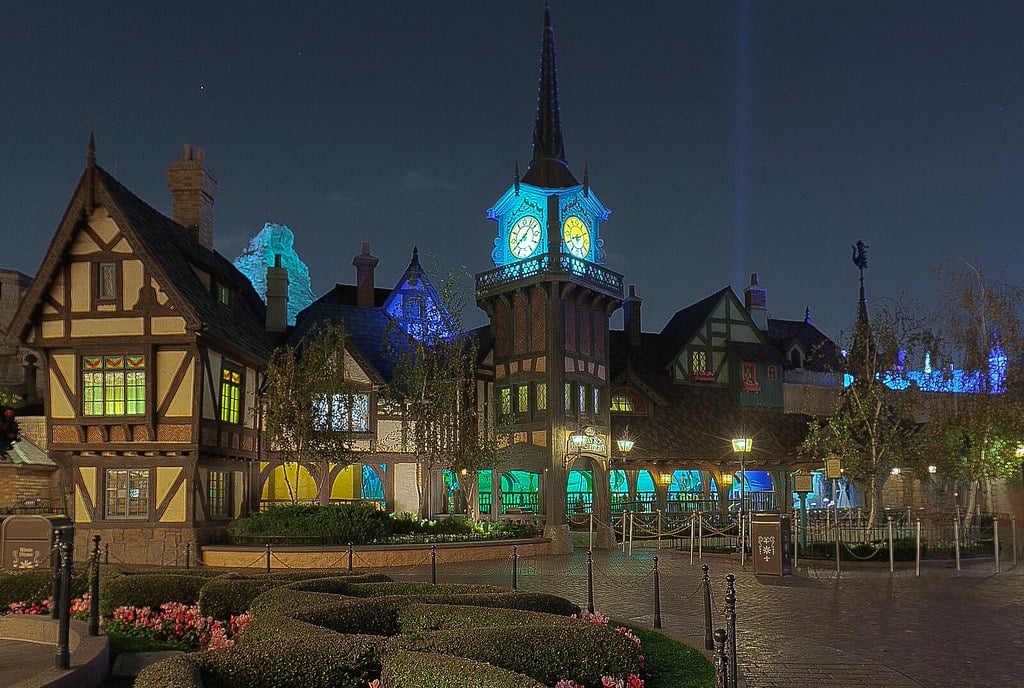
Peter Pan’s island offers the ultimate escape from growing up. Pirates and mermaids coexist with fairy dust and flying lessons.
Time works differently there — not because of magic, necessarily, but because play takes priority over productivity.
The appeal goes beyond nostalgia. Neverland represents freedom from the weight of adult responsibilities, a place where imagination shapes reality instead of the other way around.
Gotham City
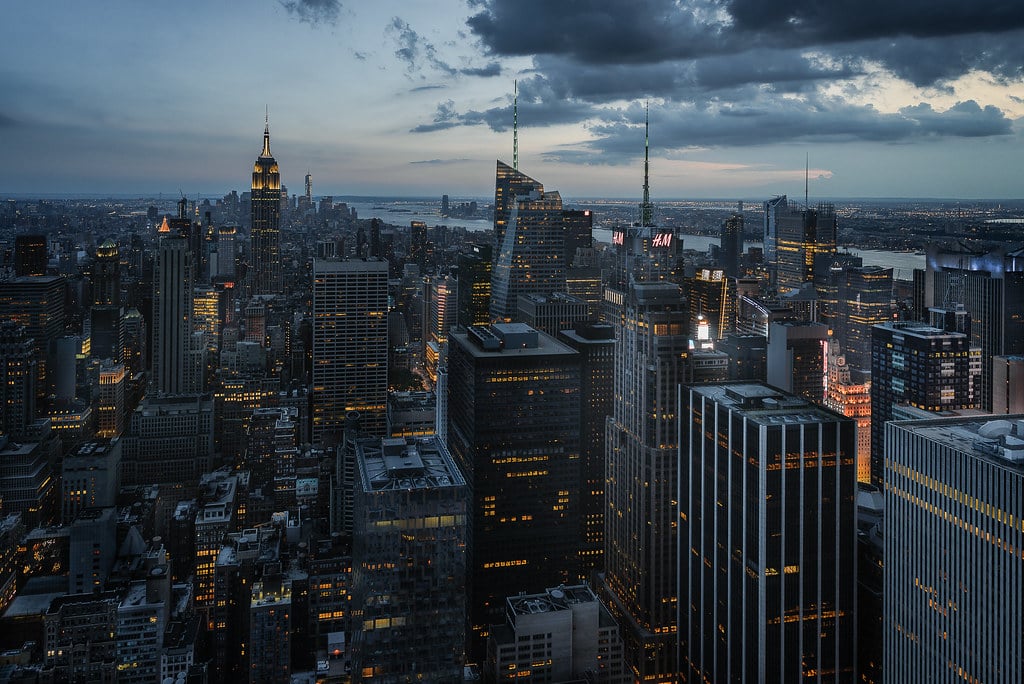
This one requires some explanation, because most people wouldn’t choose to live in a crime-riddled metropolis where masked vigilantes patrol the rooftops and supervillains regularly threaten mass destruction. But Gotham has something most fictional cities lack: genuine character that runs deeper than its problems.
The architecture tells stories — Art Deco towers reaching toward storm clouds, Gothic cathedrals casting long shadows, industrial districts that speak to the city’s working-class roots. And there’s an undeniable romance to a place where ordinary people can become extraordinary, where the night holds both danger and possibility.
Narnia

Lewis created a world that changes with the seasons but never loses its sense of wonder. Talking animals offer wisdom alongside companionship.
The landscape shifts from snowy forests to golden meadows depending on who rules and how well they rule.
The real appeal lies in the accessibility — Narnia doesn’t require special powers or bloodlines to enter, just the right kind of curiosity and a willingness to believe in doors that lead somewhere impossible.
Asgard
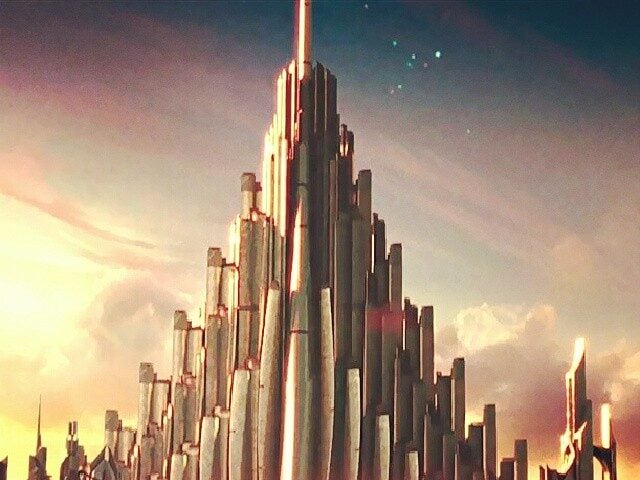
Marvel’s interpretation of the Norse realm gets the scale exactly right. Golden spires stretch toward infinity, rainbow bridges span impossible distances, and the architecture suggests a civilization that has had millennia to perfect both beauty and function (though their track record on family dynamics could use some work, admittedly).
The palace library alone would justify the journey — imagine having access to the collected knowledge of nine realms, stories and sciences that earthbound scholars can only dream about.
But it’s the way magic and technology blend seamlessly that makes Asgard truly compelling: a place where advanced science looks like sorcery and sorcery operates with the precision of advanced science, where the distinction between the two becomes meaningless.
The Emerald City
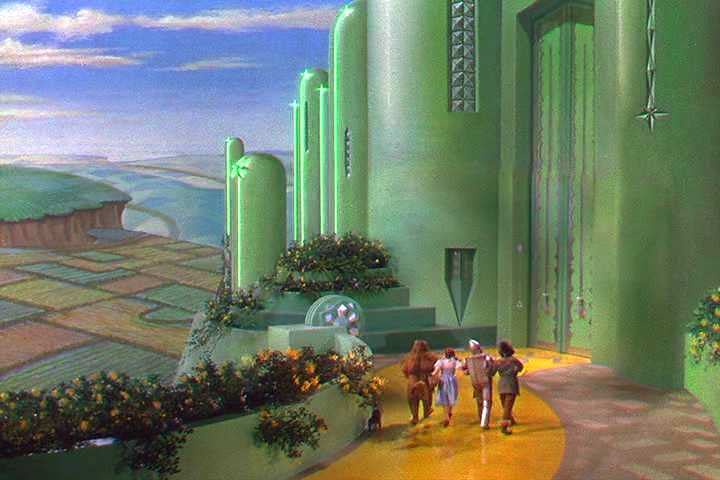
Baum’s Oz offers something most fictional destinations lack: a place where arriving is just the beginning of the adventure. The Emerald City sparkles with genuine magic rather than smoke and mirrors, a capital where the ruler actually cares about the citizens’ wellbeing.
The green-tinted architecture creates a dreamlike atmosphere that manages to feel both fantastical and oddly comforting. Everything gleams without being sterile, grand without being intimidating.
Stars Hollow
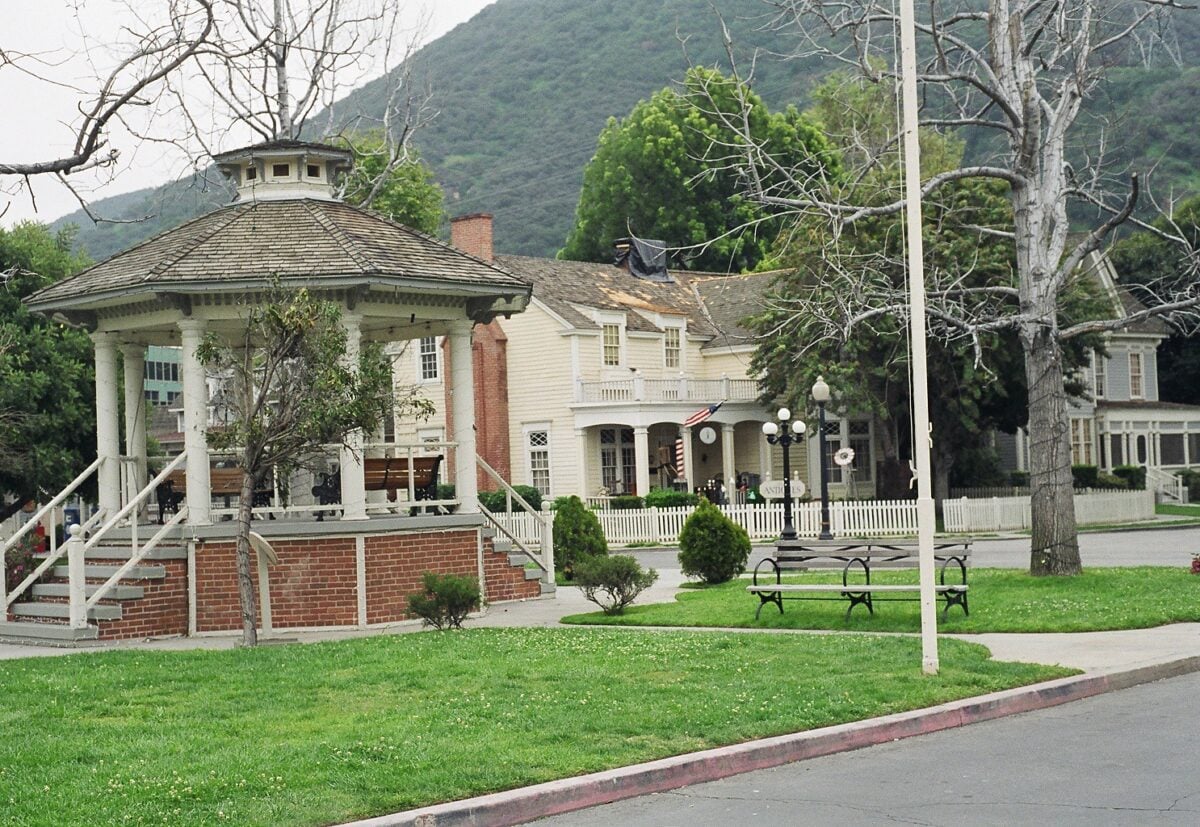
Gilmore Girls created the perfect small town. Everyone knows everyone, but the gossip comes with genuine affection rather than malice.
The town meetings spiral into delightful chaos over issues like whether the crosswalk should be moved three feet to the left.
Local businesses thrive because residents actually support them. The diner serves real coffee to customers who have become friends over years of daily visits.
Seasonal festivals happen because people want to celebrate together, not because tourism boards mandate them.
Bag End
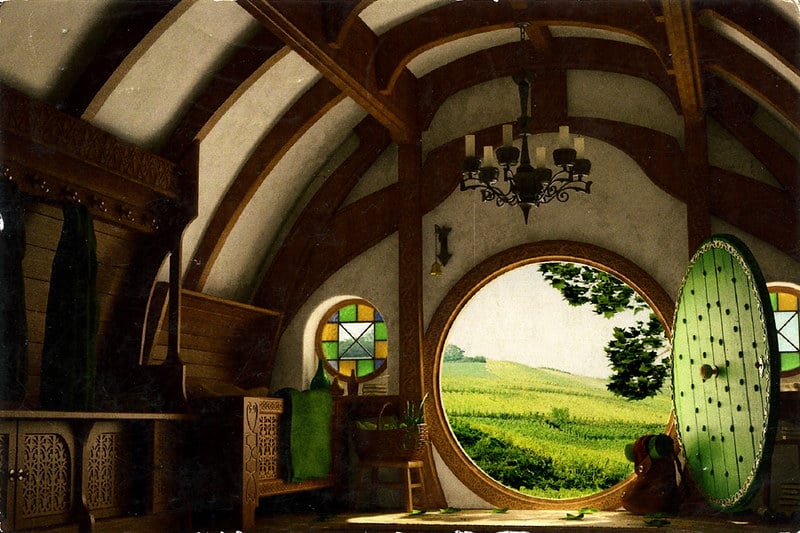
Bilbo’s hobbit pit represents the ideal home. Built into a hillside with perfectly round windows and doors.
Pantries stocked with good food, libraries filled with comfortable chairs, and gardens that produce both vegetables and peace of mind.
The circular architecture feels both cozy and spacious, proving that luxury isn’t about size but about thoughtful design and genuine comfort.
Twin Peaks
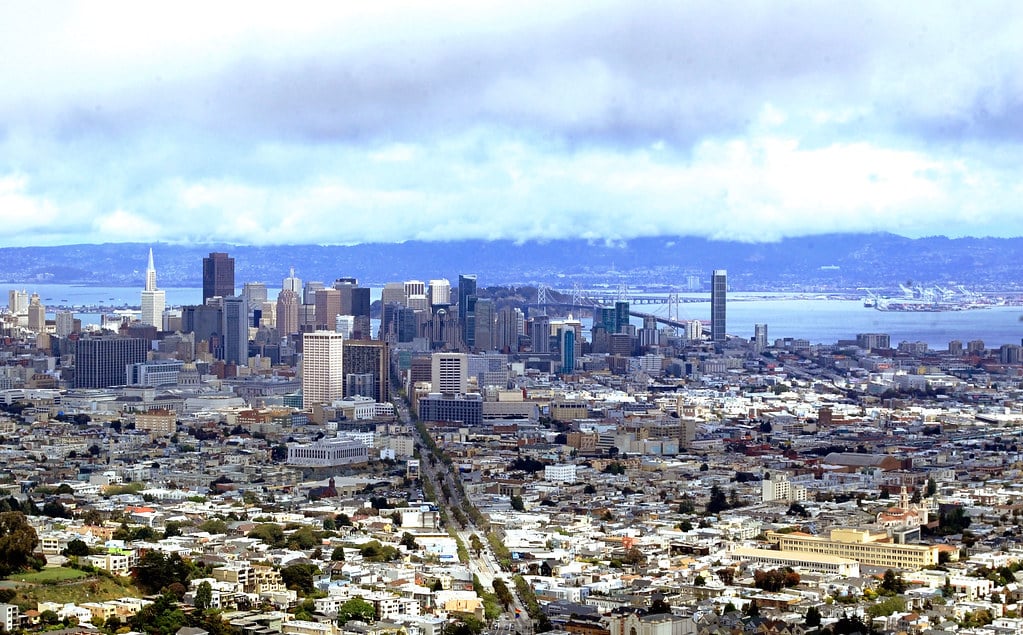
Lynch’s mysterious town shouldn’t appeal to anyone seeking a relaxing getaway, given the supernatural dangers and underlying darkness that permeates every coffee shop conversation and town council meeting. But there’s something undeniably compelling about a place where the ordinary and extraordinary exist side by side, where a simple diner serves the best coffee and cherry pie while harboring secrets that stretch back generations.
The Pacific Northwest setting provides the perfect backdrop — dense forests that hide both natural beauty and unnatural mysteries, mountains that look protective during the day and ominous after sunset.
When fantasy feels more real than reality

The enduring appeal of these fictional destinations says something important about what we’re missing in our actual world. They offer what real places often can’t: perfect weather when we need it, communities that actually function, and landscapes unmarked by strip malls and billboards.
They represent not just escape, but hope — proof that someone, somewhere, has imagined better ways to live and build and dream together.
More from Go2Tutors!

- The Romanov Crown Jewels and Their Tragic Fate
- 13 Historical Mysteries That Science Still Can’t Solve
- Famous Hoaxes That Fooled the World for Years
- 15 Child Stars with Tragic Adult Lives
- 16 Famous Jewelry Pieces in History
Like Go2Tutors’s content? Follow us on MSN.