Surprising Animal Population Counts from Around the World
Most people have a rough sense of how many humans are on the planet — about eight billion. It’s a number that gets thrown around enough that it starts to feel concrete. But step outside that frame and the animal world becomes almost incomprehensible in scale.
Some species exist in numbers that make eight billion look like a rounding error. Others are clinging on with populations so small that a single bad year could wipe them out entirely.
Here is a look at some of the animal population figures that genuinely stop you in your tracks.
Ants: 20 Quadrillion

The number that keeps appearing in population studies, and still manages to feel impossible, is this one: there are an estimated 20 quadrillion ants on Earth. That is a 20 followed by 15 zeros.
If you tried to count them at one per second, you would need more time than the universe has existed, many times over. What makes this figure even more striking is the biomass comparison.
The combined weight of all the world’s ants is greater than the combined weight of all wild birds and all non-human mammals put together. Four out of every five animals on land might be an ant or a nematode, depending on how you run the numbers.
They live on every continent except Antarctica. They farm fungi, wage wars, coordinate enormous colonies, and have been doing so since the age of the dinosaurs.
Domestic Chickens: Over 33 Billion
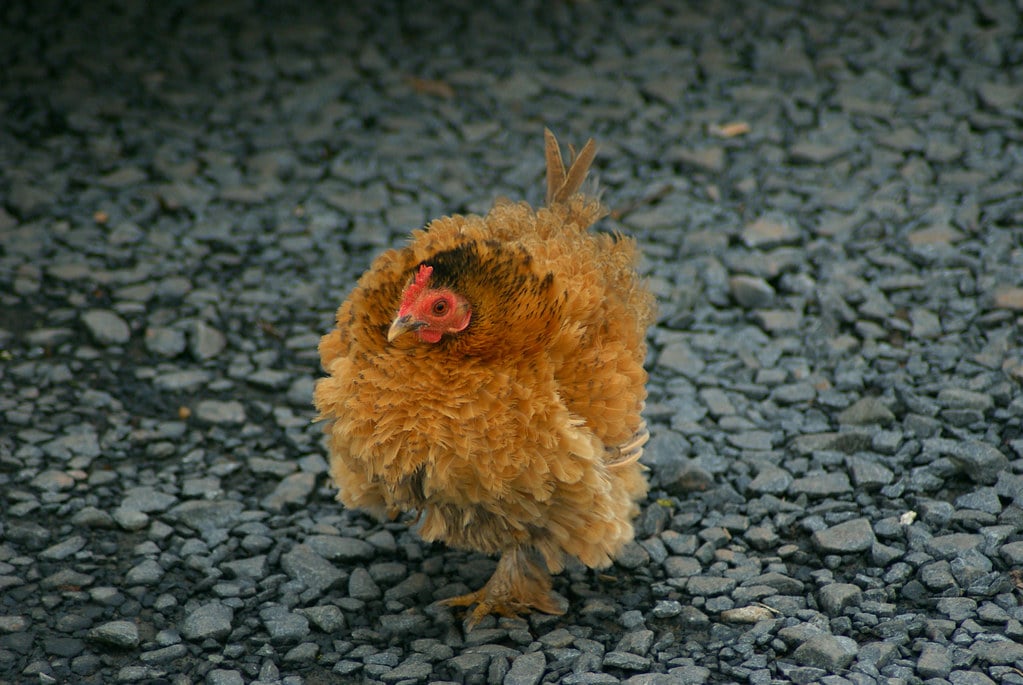
There are roughly four times as many chickens on Earth as there are people. Estimates put the global domestic chicken population at somewhere between 23 billion and 33 billion, making them the most numerous bird on the planet by a massive margin.
This is, of course, driven almost entirely by industrial farming — the number represents how many chickens are alive at any given moment, cycling through production at staggering speed. The wild counterpart to the domestic chicken, the red junglefowl, numbers only in the hundreds of thousands.
The domesticated version has become one of the most abundant vertebrates in the history of the planet.
Antarctic Krill: 500 Trillion
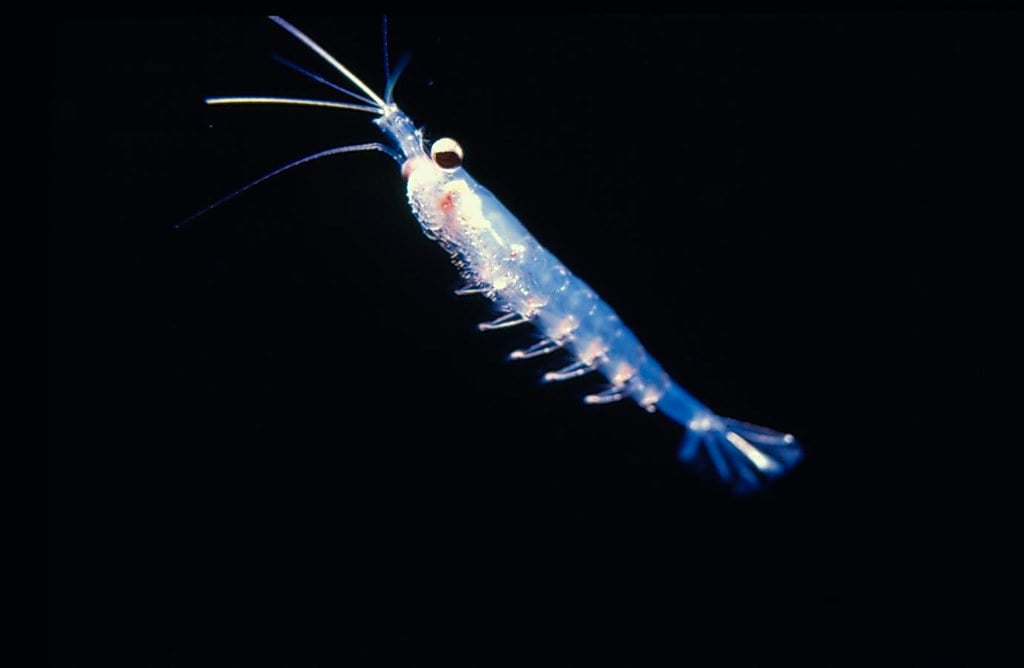
Somewhere beneath the surface of the Southern Ocean, Antarctic krill exist in numbers estimated at over 500 trillion individuals. That is the bedrock of an entire food system.
Whales, seals, penguins, fish, and squid all depend on them. A single blue whale can consume around four million krill in a single day.
Krill are also among the most important animals on Earth from a carbon-cycling perspective. They feed on phytoplankton at the surface and excrete carbon-rich waste into the deep ocean, helping lock carbon away where it cannot contribute to warming.
Their numbers, however, are under pressure from rising ocean temperatures and shrinking sea ice.
Nematodes: Uncountable Quadrillions
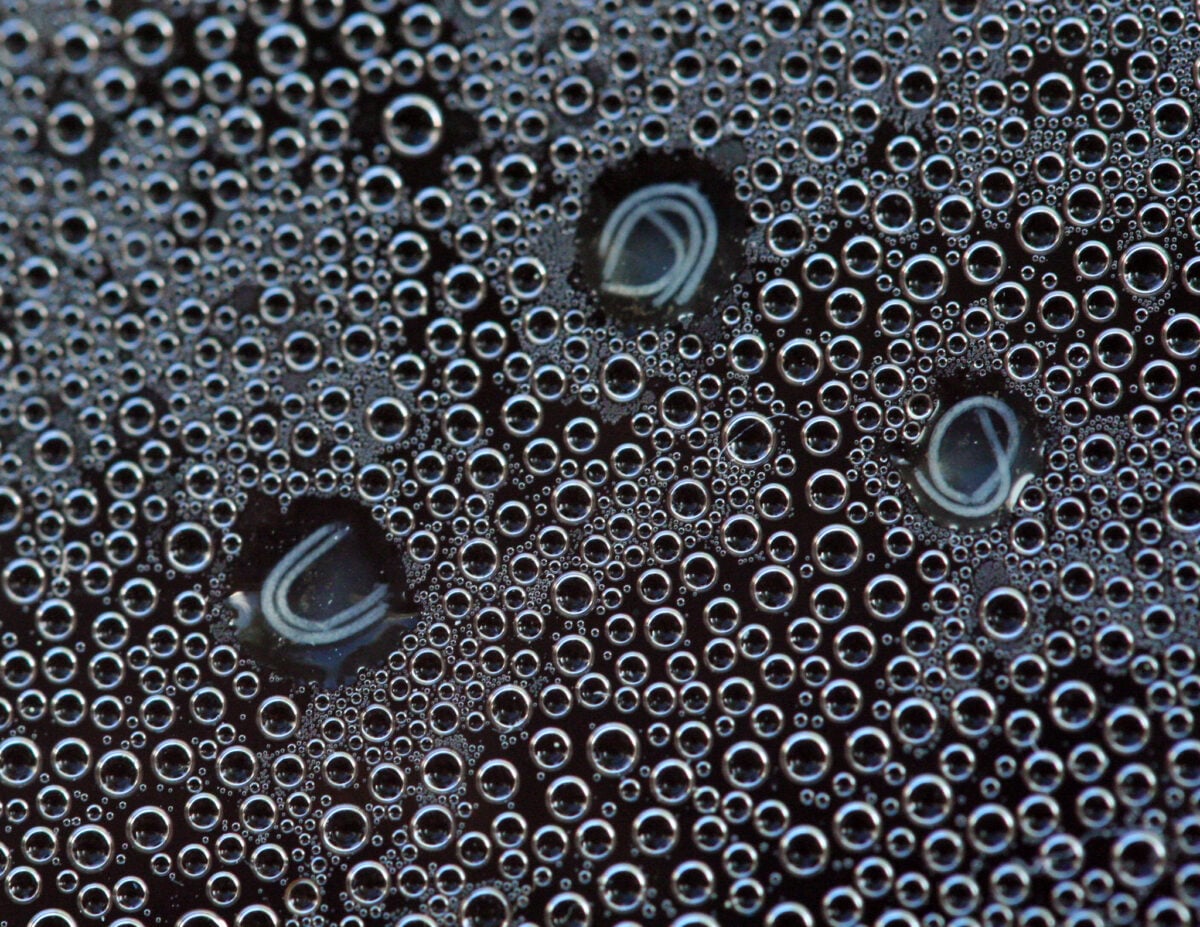
Nematodes — microscopic roundworms — may be the most numerous animals on Earth by individual count, though the scale is so vast that scientists can only estimate. A single square meter of productive topsoil can contain millions of them.
Researchers have described one image of Earth stripped of everything except nematodes: the outline of mountains, rivers, and coastlines would still be faintly visible, drawn in their tiny bodies. Most nematodes are harmless decomposers, essential for soil health.
A smaller portion is parasitic. Their population runs into figures that make the word “quadrillions” feel inadequate.
The Vaquita Porpoise: Fewer Than 10
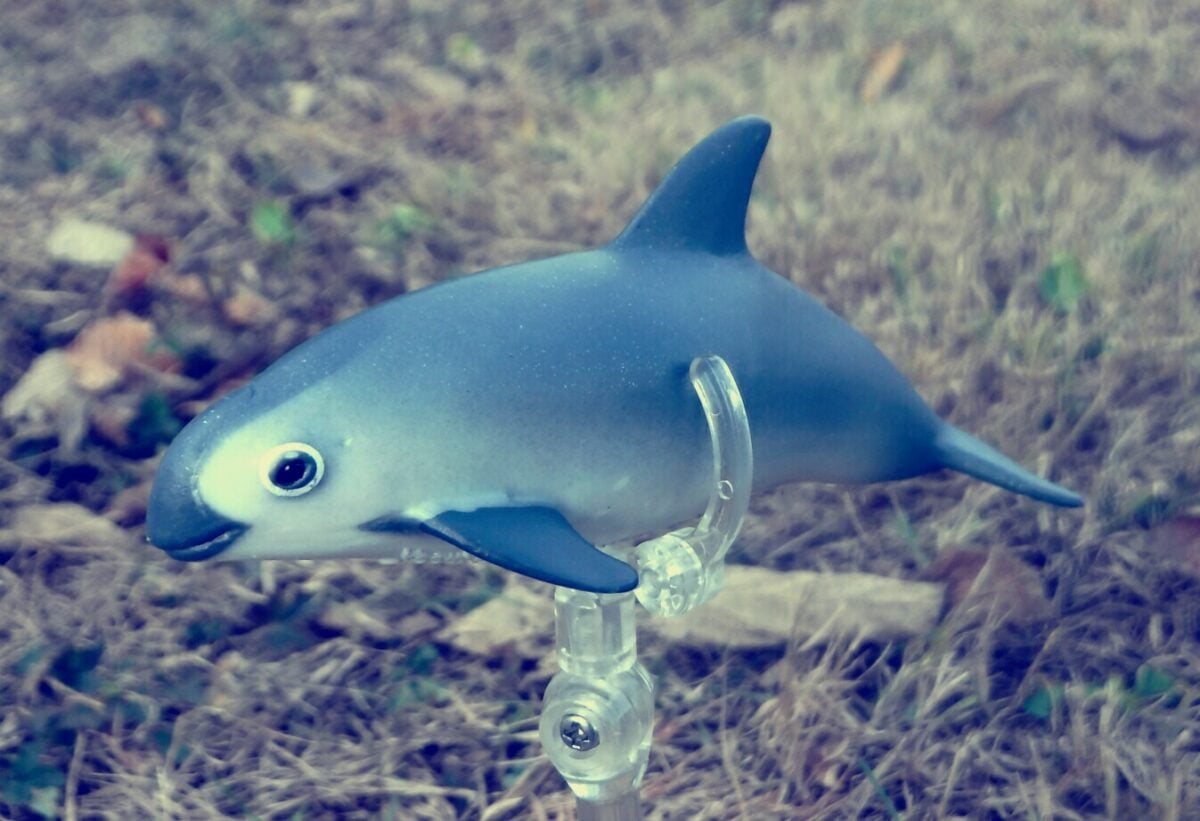
At the other end of the scale sits the vaquita, a small porpoise native to the northern Gulf of California. As of recent surveys, there are believed to be fewer than 10 individuals left.
Some estimates say the number is closer to six. The species is on the edge of extinction, driven there almost entirely by illegal fishing operations targeting a fish called the totoaba, whose swim bladder is trafficked to buyers in China.
Conservation efforts have continued, and the species has not technically been declared extinct. But the window is extremely narrow.
The Red-Billed Quelea: Up to 10 Billion
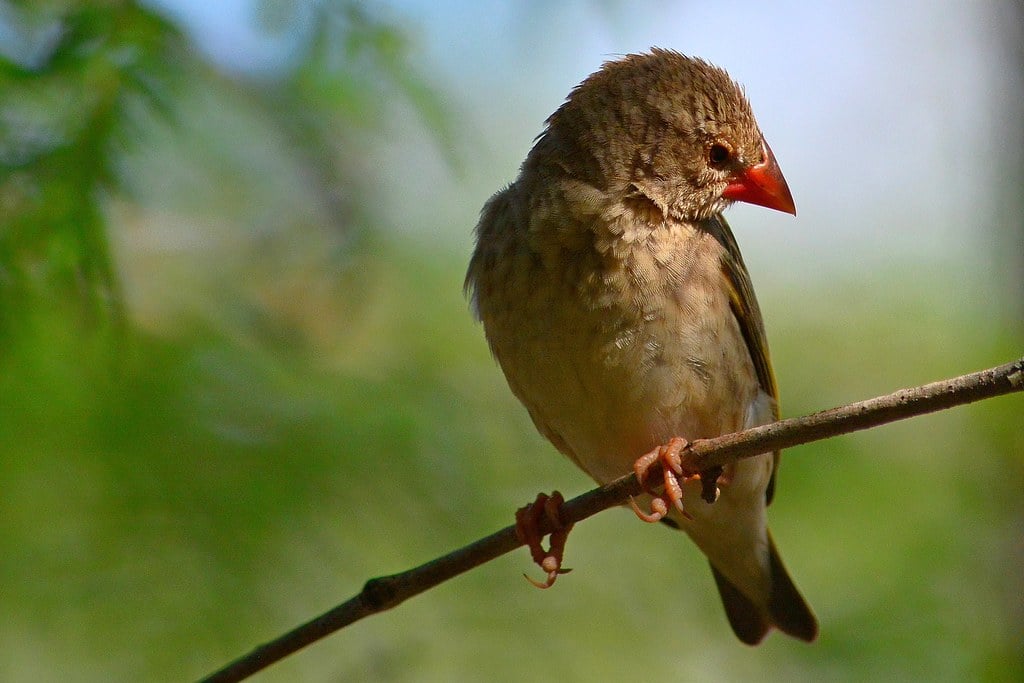
Most people have never heard of the red-billed quelea, but it is likely the most numerous wild bird on the planet. Native to roughly two-thirds of Africa, its population fluctuates seasonally but is estimated to be somewhere between 1.5 billion and 10 billion individuals.
They form flocks so massive they resemble storm clouds, sometimes containing millions of birds moving as a single mass. For African farmers, they are a serious agricultural pest.
A flock can strip a grain field bare in hours. Authorities have at times resorted to aerial poison-spraying to control populations, a measure with its own knock-on consequences for scavengers and predators that eat the dead birds.
Wild Horses: 58 Million
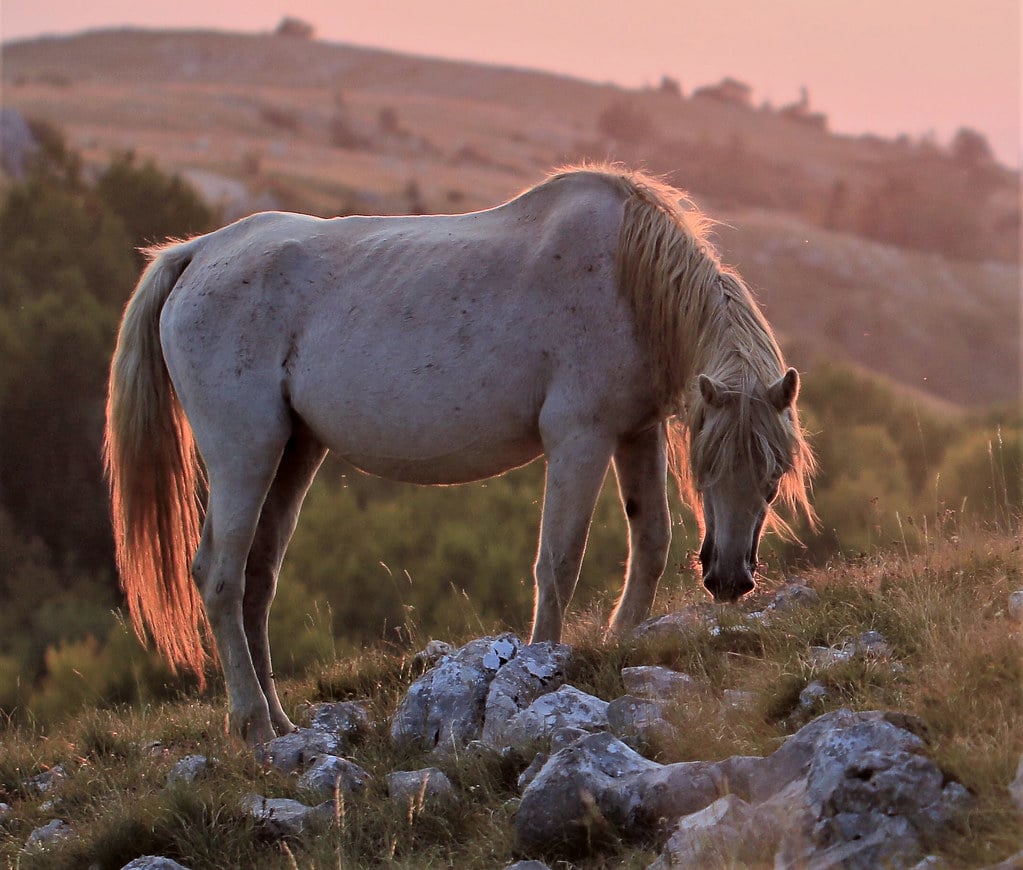
The global horse population sits at around 58 million, which sounds large until you consider that the overwhelming majority are domesticated — used for work, sport, transport, and recreation. The number of truly wild horses left in the world is a fraction of that total.
In North America, the Bureau of Land Management actively manages mustang herds because their populations grow faster than their desert habitats can support. In Mongolia, the Przewalski’s horse — considered the last truly wild horse species — was declared extinct in the wild in 1960, then slowly reintroduced through captive breeding programs.
There are now around 2,000 living in the wild again.
Springtails: 100,000 Per Square Metre

Springtails are tiny, soil-dwelling creatures, often mistaken for insects, found in leaf litter, decaying wood, and the top layers of soil. Estimates suggest there are around 100,000 springtails per square metre of land, globally.
Multiply that across all the land on Earth and the figure reaches quintillions. They are among the most ecologically important animals most people have never considered.
The African Elephant: Around 415,000
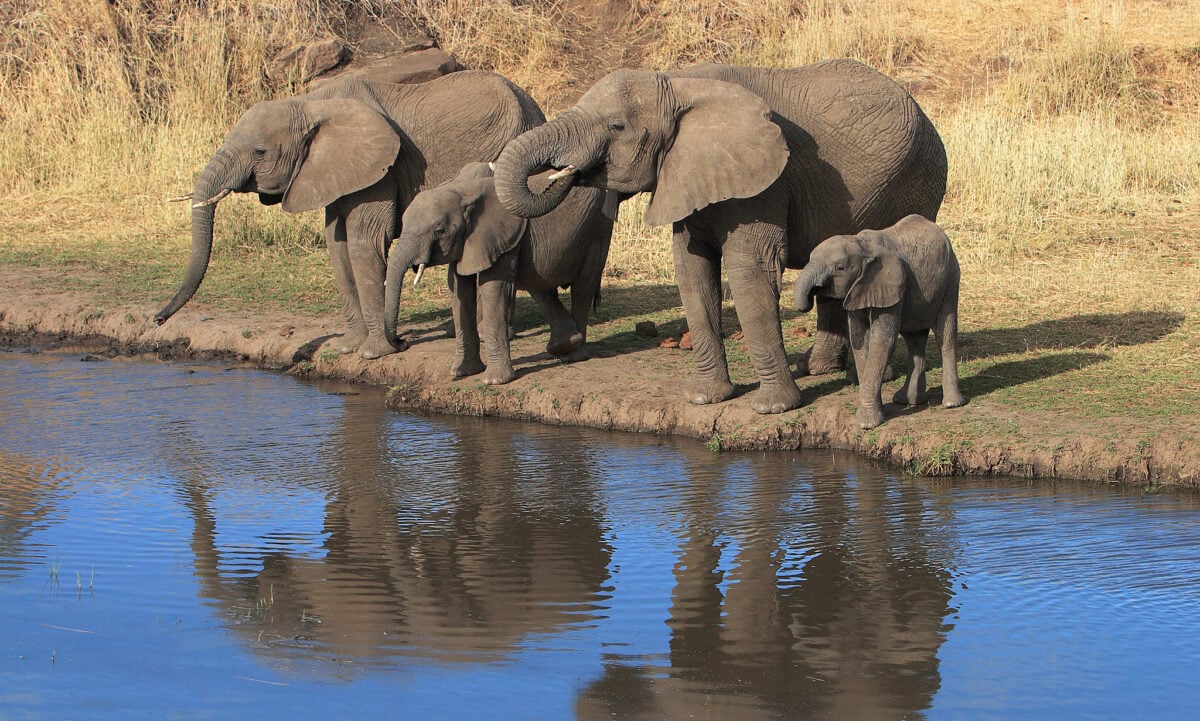
There are roughly 415,000 African elephants left across the continent, according to the most recent range-wide survey. That number sounds relatively stable until you consider the historical baseline.
Before the ivory trade began in earnest, elephant populations were likely in the millions. The number also masks enormous regional variation.
Some populations in southern Africa, particularly in Botswana, are thriving and have actually created land-use conflicts with local communities. In west and central Africa, populations are critically low and still declining due to poaching and habitat loss.
Deep-Sea Bristlemouths: Quadrillions

The bristlemouth — a tiny, bioluminescent deep-sea fish — is thought to be the most numerous vertebrate on the planet. Estimates put the population in the quadrillions, possibly even higher.
They are found throughout the world’s oceans at depths that make studying them extremely difficult. Most are smaller than a finger. They spend their days in deep, dark water and migrate toward the surface at night to feed.
Despite being the most numerous fish in the ocean by count, most people will never see one.
The Mountain Gorilla: Around 1,000
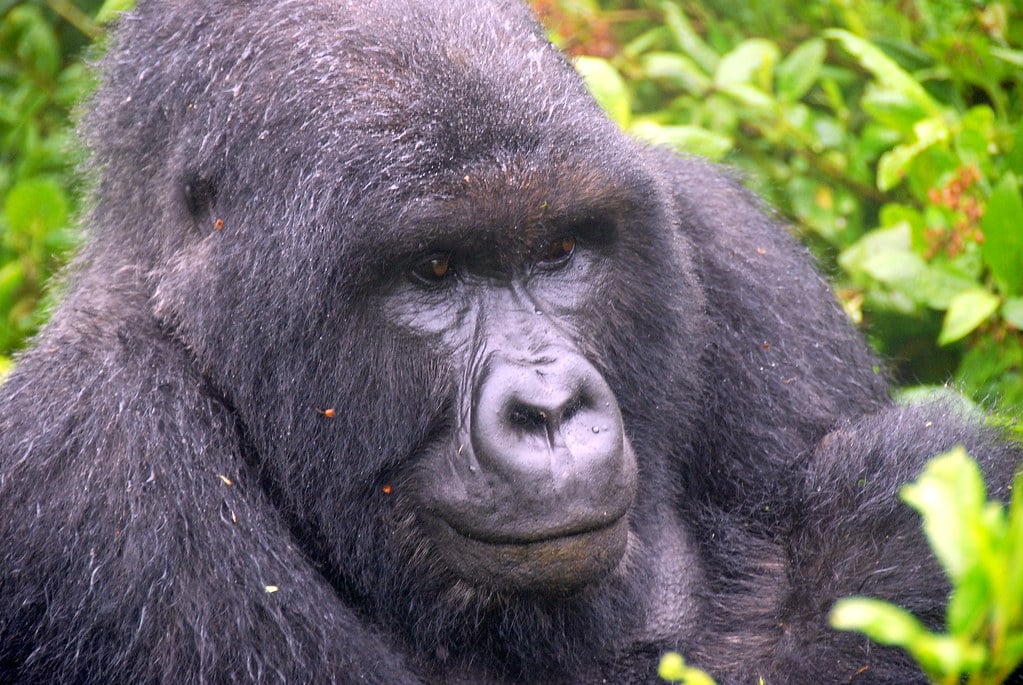
The mountain gorilla is one of conservation’s genuine success stories, which means the numbers remain precarious. There are approximately 1,000 mountain gorillas left in the wild, all of them in two small, isolated populations straddling the borders of Uganda, Rwanda, and the Democratic Republic of Congo.
That number has grown over the past two decades — up from as few as 620 in the 1980s — largely thanks to sustained anti-poaching efforts and eco-tourism programs that gave local communities a financial stake in keeping the gorillas alive.
The Monarch Butterfly: A Fraction of Historical Levels
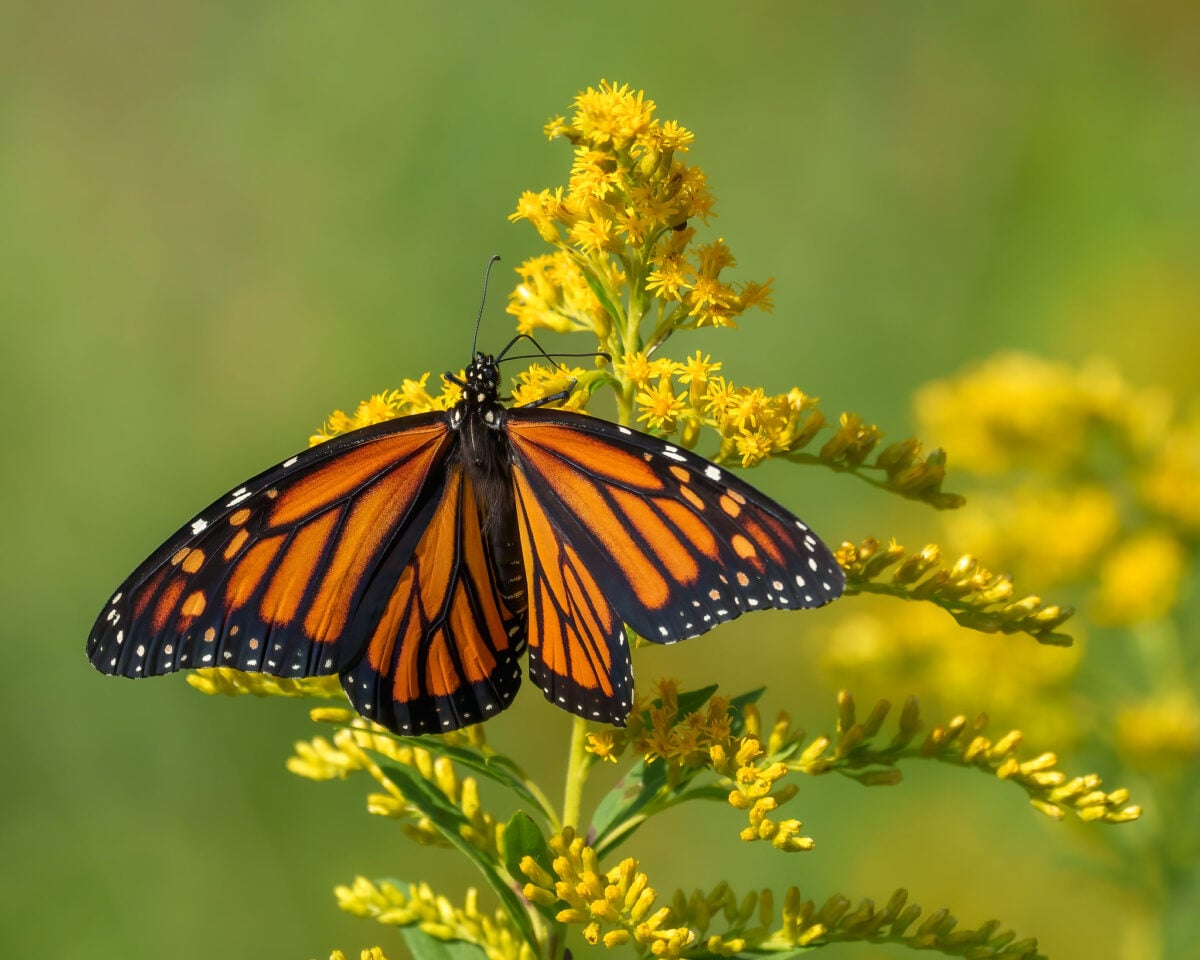
In the 1990s, researchers estimated that over a billion monarch butterflies made the annual migration from North America to the pine forests of central Mexico. The most recent counts have put that number at under 200 million — still a remarkable natural spectacle, but a fraction of what it once was.
In some years, the count has dropped far lower. The causes are familiar: habitat loss along their migration routes, the decline of milkweed (the only plant their caterpillars eat), pesticide use, and climate change disrupting the timing of their migration.
Monarch populations fluctuate significantly from year to year, which makes it hard to draw straight conclusions, but the long-term trend is clearly downward.
The Domestic Pig: Around 1 Billion
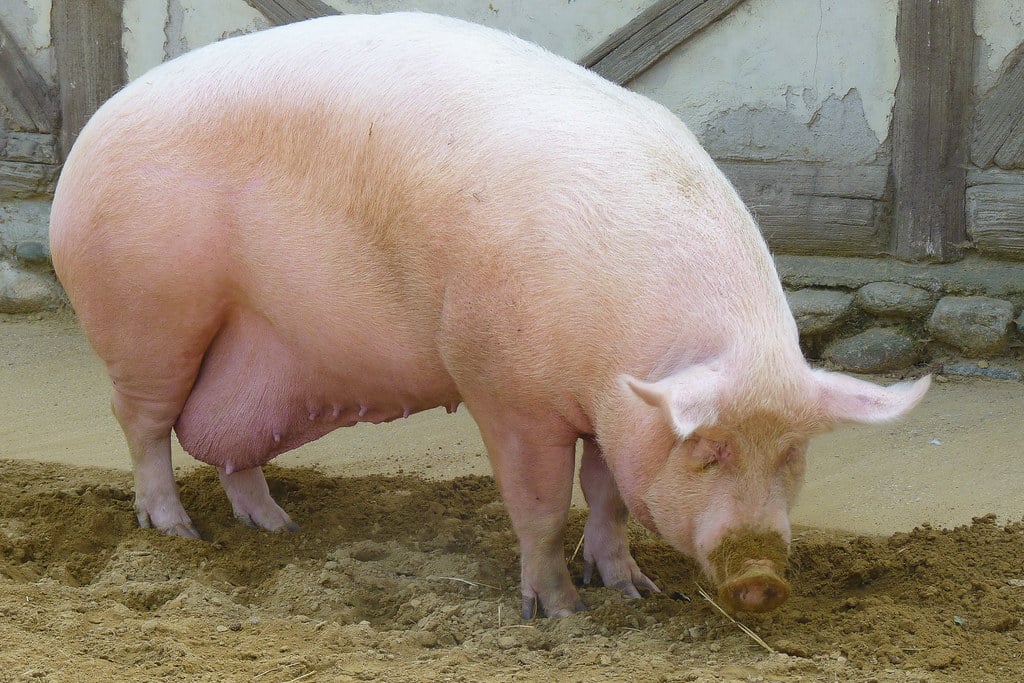
There are approximately one billion pigs on Earth at any given time. To put that another way, farmed pigs collectively weigh roughly as much as all the world’s whales, dolphins, orcas, and sea otters combined.
It is a comparison that tends to land heavily when people first encounter it. Pigs are also, biologically speaking, remarkably close to humans — enough so that pig heart valves have been used in human transplant surgeries for decades, and more recently, pig organs have been transplanted directly into human patients in experimental procedures.
Numbers That Tell a Bigger Story

What if numbers whispered secrets? These digits sketch how people shaped life on Earth. The biggest creatures around aren’t born free – they’re raised by us, tamed, or fattened on scraps we leave behind through farming.
Once, vast crowds roamed – herds thundering across plains, flocks darkening skies – but now those kinds barely hang on, saved only by human effort. Billions once filled the air; take the passenger pigeon, up to five billion strong at its peak.
A single year marked the end – 1914 – the moment they said the bird existed no more. Not just bigger, not just smaller, twenty quadrillion compared to ten reshapes everything, telling how life either bends to share our world or snaps under pressure.
More from Go2Tutors!

- The Romanov Crown Jewels and Their Tragic Fate
- 13 Historical Mysteries That Science Still Can’t Solve
- Famous Hoaxes That Fooled the World for Years
- 15 Child Stars with Tragic Adult Lives
- 16 Famous Jewelry Pieces in History
Like Go2Tutors’s content? Follow us on MSN.



