School Lunches We All Traded Away
The cafeteria lunch table was never just about eating. It was a marketplace, a social experiment, and sometimes a battlefield where kids learned early lessons about negotiation and value.
Opening a lunchbox felt like revealing your hand in a high-stakes game of poker. Did you have Dunkaroos? You held power.
A homemade sandwich with crusts cut off? You were probably going home hungry. Every kid knew which foods were worth keeping and which ones became immediate trade bait.
These weren’t just snacks. They were currency, status symbols, and the stuff of playground legends.
Let’s revisit the foods that made lunchtime an adventure. Some we kept close, others we couldn’t trade away fast enough.
Dunkaroos
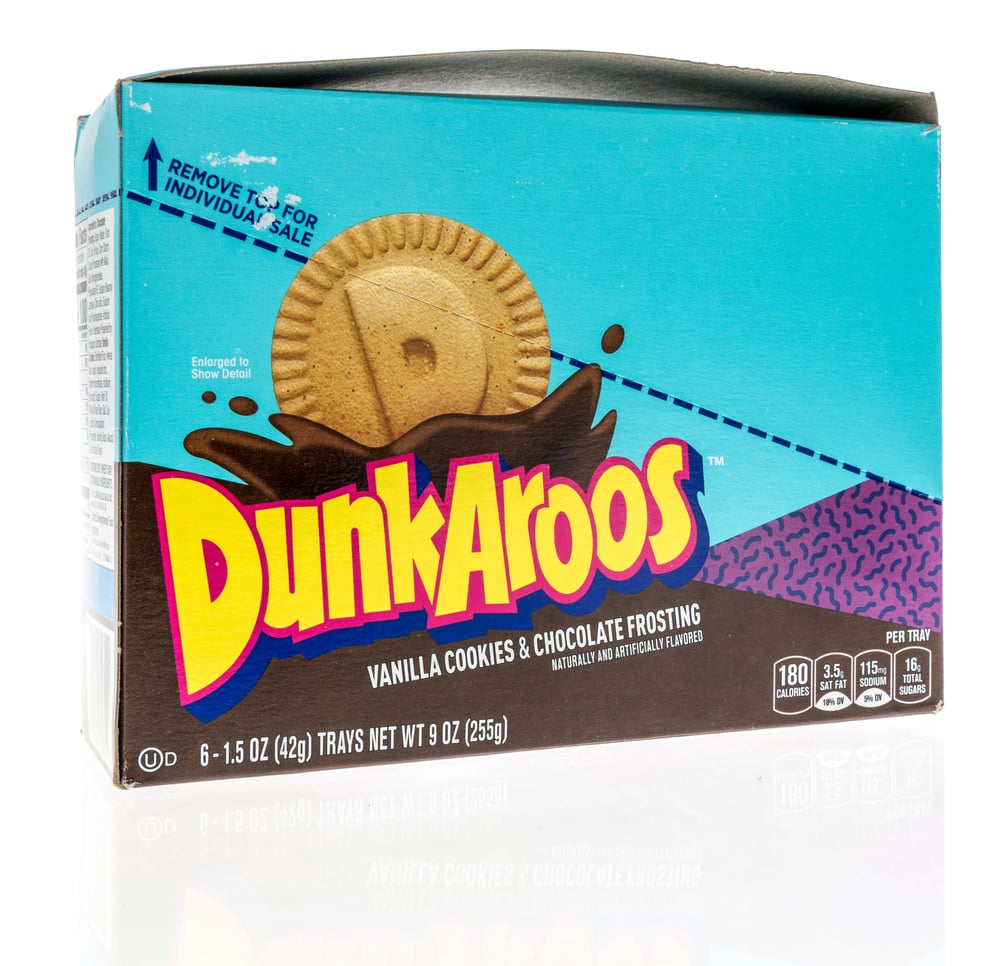
These tiny kangaroo-shaped cookies came with a tub of frosting that looked radioactive. The whole point was dunking, which somehow made eating cookies feel like an activity instead of just a snack.
Kids who brought Dunkaroos to school became instant celebrities at the lunch table. Other students would circle like sharks, offering anything and everything for a chance to dip those cookies into that impossibly sweet frosting.
The commercial featured a radical animated kangaroo that basically dared you not to want them, and it worked.
Lunchables

Oscar Mayer created the gold standard of cafeteria clout with these yellow trays. The pizza version let kids build tiny pizzas with cold sauce, waxy cheese, and never-enough pepperoni.
Sure, they tasted like cardboard topped with plastic, but that didn’t matter. Lunchables were about control and customization in a world where adults decided everything else.
The kid with Lunchables didn’t trade much because they didn’t need to. They were the economy. Everyone else was just trying to get a seat at their table.
Gushers
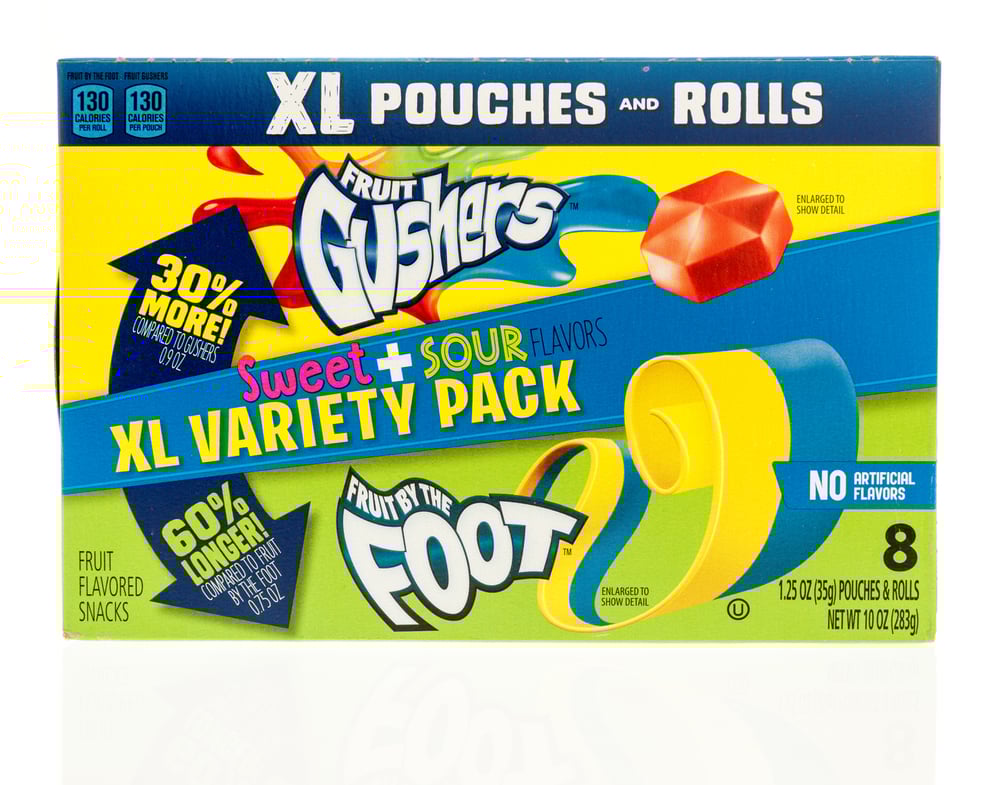
Biting into a Gusher meant experiencing a burst of liquid sugar that would gush into your mouth. The commercials showed kids turning into giant fruit heads, which was both weird and amazing.
Parents thought they were healthier because the box said fruit snacks, but everyone knew these were basically candy disguised as something nutritious. Gushers debuted in 1991, and within a few years they became one of the most sought-after items in any lunchbox.
Trading for Gushers meant you understood value.
Capri Sun

That silver pouch felt futuristic, almost like something astronauts would drink. The packaging featured surfers, snowboarders, and neon sunsets, making every drink feel like an adventure.
The real challenge was stabbing the straw through that little orange dot without squirting juice everywhere. Success meant you were coordinated. Failure meant wearing tropical punch on your shirt for the rest of the day.
Either way, Capri Sun added value to any lunch trade because everyone wanted one.
Fruit Roll-Ups

These sheets of mystery fruit material came in tie-dye patterns and flavors that had nothing to do with actual fruit. Kids would peel them slowly, stretching them as far as possible before the inevitable snap.
The sound alone could make a dozen heads turn at the lunch table. Some kids wore them on their tongues like temporary tattoos, showing off the red or blue stain as proof they had the good stuff.
If you brought Fruit Roll-Ups, other kids would immediately descend, asking to trade for their less exciting fruit options.
Homemade peanut butter and jelly

The most common sandwich in America was also the most tradable. Not because it was special, but because it was a reliable currency.
You could trade half a PB and J for a bag of chips or the whole thing for dessert, depending on market conditions that day. Grape jelly was classic. Strawberry meant you cared about flavor.
Anything else puts you in experimental territory. The sandwich worked because it was simple, portable, and didn’t require refrigeration.
It was the quarters and dimes of the cafeteria economy.
Rectangle pizza
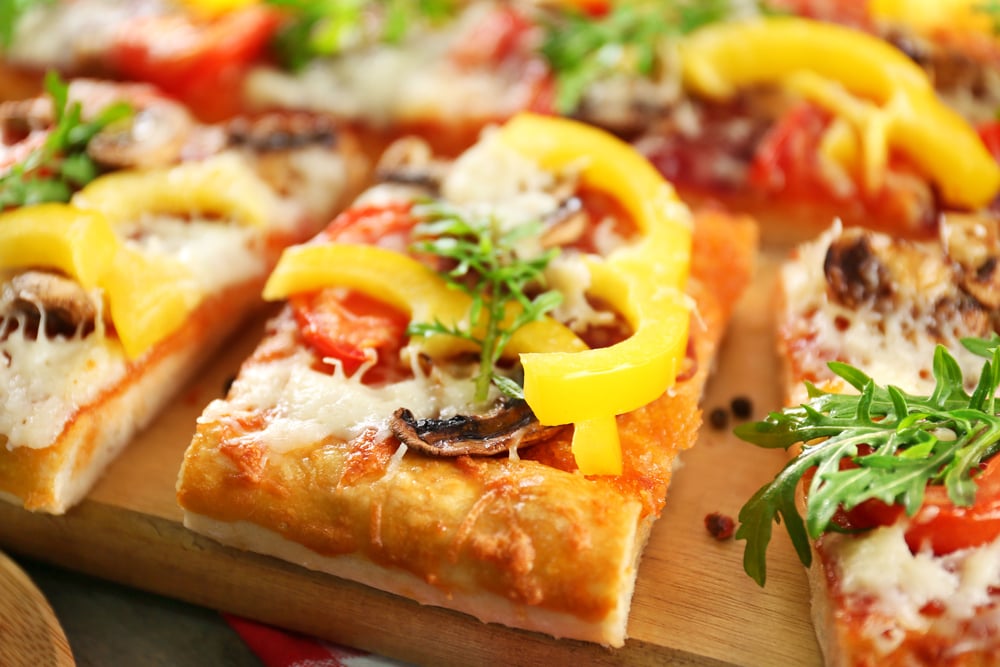
Pizza was added to school lunch menus in the 1960s, but by the ’90s it had reached legendary status. Every Friday became Pizza Friday, and kids counted down the days.
The rectangle shape, slightly rubbery texture, and grease that pooled on top should have been warning signs, but none of that mattered. School pizza tasted different from any other pizza on Earth, in a way that somehow made it better.
Kids who bought lunch on Fridays felt like winners, and the cafeteria smelled like victory and processed cheese.
Squeeze-It drinks
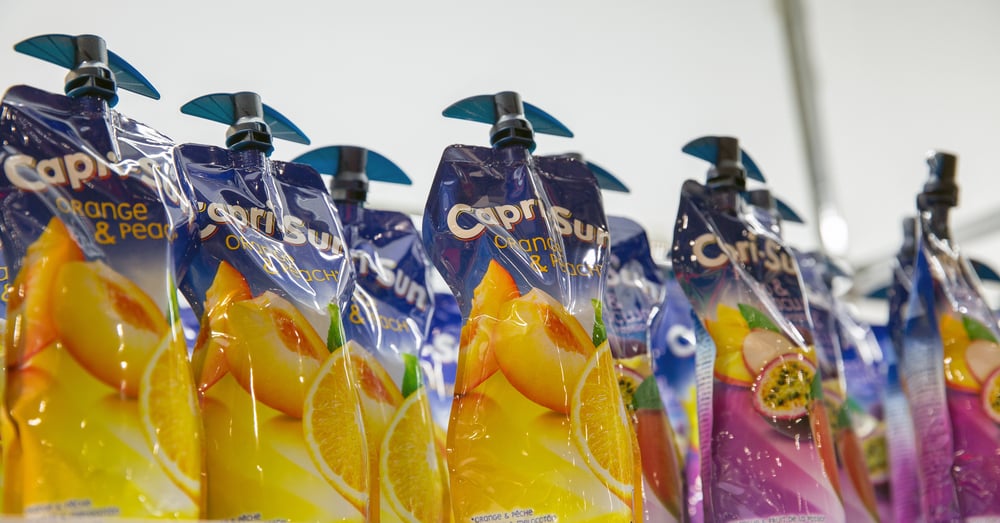
These colorful plastic bottles required squeezing to get the liquid out, which made drinking feel like an athletic event. The drinks came in colors that didn’t exist in nature, neon shades of green, blue, and red that looked like they belonged in a science lab.
Capri Sun’s commercials showed kids surfing on waves of juice, but Squeeze-Its went even further with their aggressive marketing. The bottles themselves became collectibles, and trading for a specific color meant you understood playground economics.
String cheese
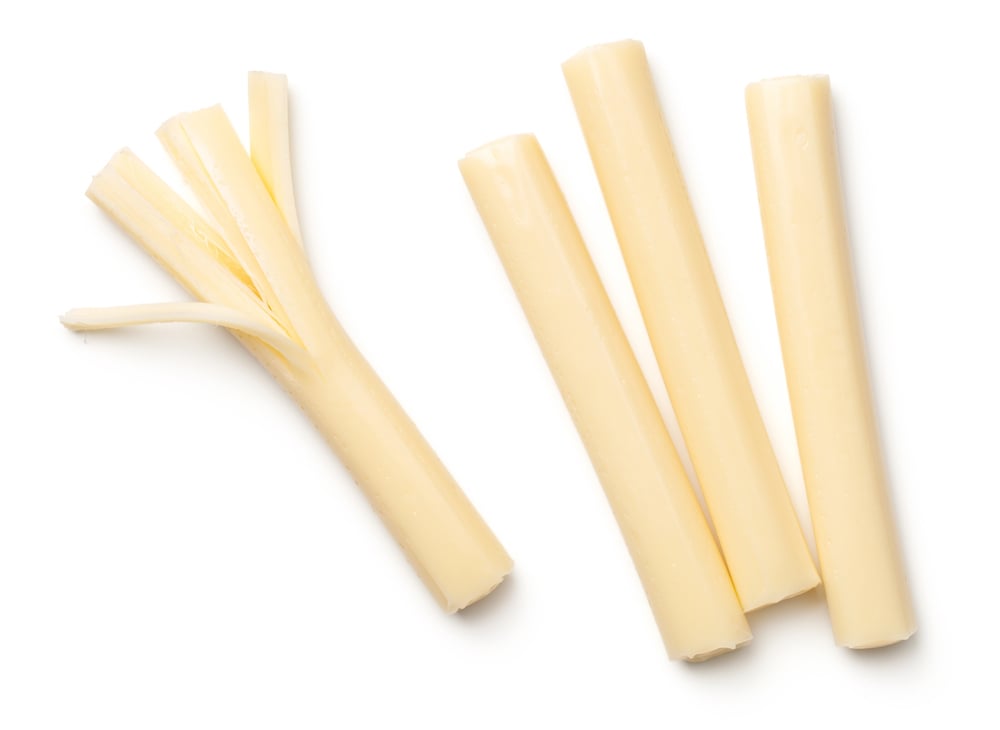
Peeling string cheese into thin strands was half the fun of eating it. Some kids would separate every single strand before taking a bite.
Others just bit into it like a normal person, which was considered acceptable but boring. The individually wrapped sticks fit perfectly in lunchboxes and didn’t require refrigeration for the few hours between home and lunch period.
String cheese was dependable trade material, not flashy but always useful when negotiating for something better.
Kudos bars
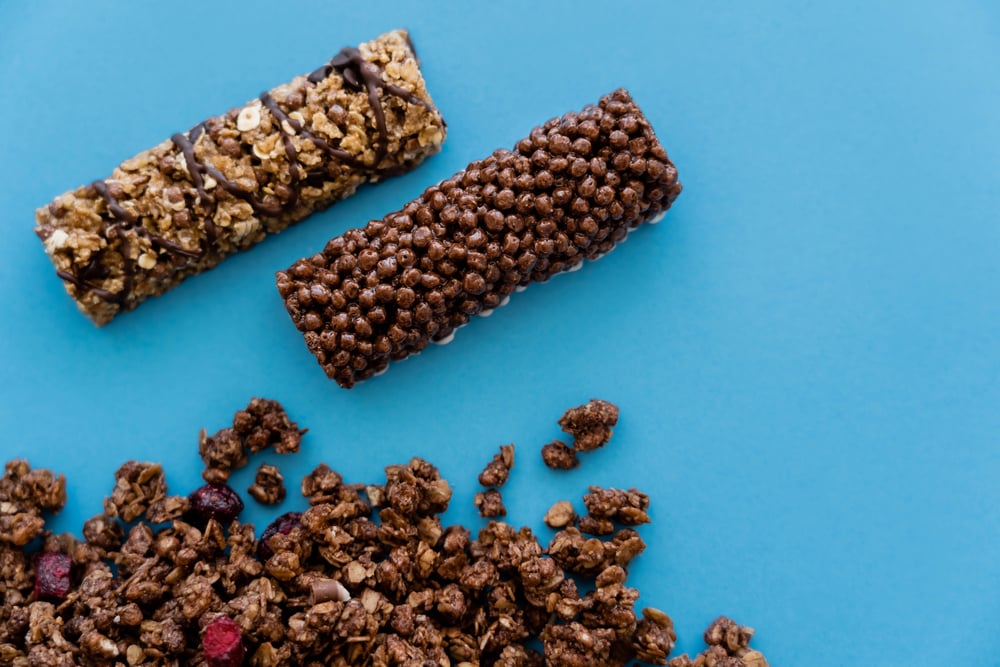
Kudos bars launched in 1986 and reached peak popularity in the 1990s. These chocolate-covered granola bars were marketed as healthier alternatives to candy, which was technically true but also completely missing the point.
Kids didn’t care about the granola. They cared about the thick coating of chocolate that covered it. The bars came in three flavors, Nutty Fudge, Chocolate Chip, and Peanut Butter, and all of them disappeared within seconds of being unwrapped at the lunch table.
Bugles

These cone-shaped corn snacks served two purposes. First, they were crunchy and salty and delicious.
Second, and more importantly, you could stick them on your fingertips and pretend you had witch fingers or fancy long nails. Even kids who didn’t actually like Bugles wanted them for the entertainment value alone.
The combination of food and toy in one package made them perfect for trading. Someone always wanted Bugles, even if just to chase their friends around making claw hands.
Hi-C juice boxes
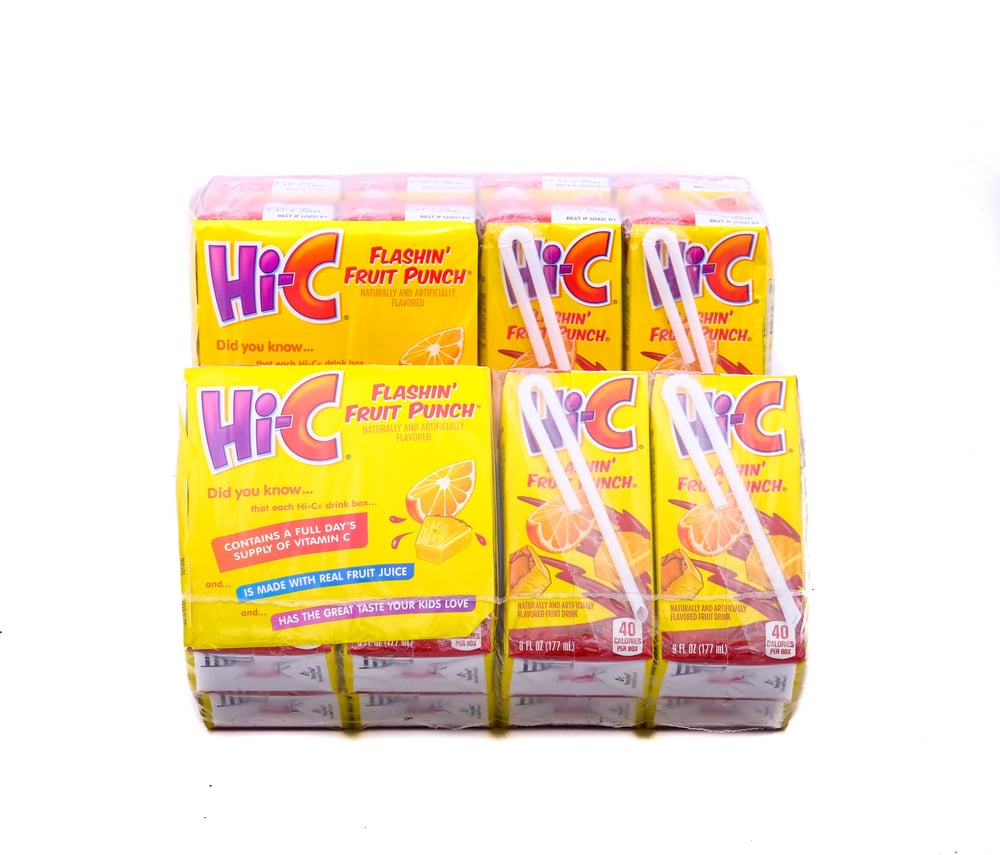
Hi-C was manufactured by Coca-Cola and Minute Maid in tiny juice boxes that became cafeteria staples throughout the ’90s. The Ecto Cooler flavor, bright neon green and tied to Ghostbusters marketing, became so popular it outlasted the movies by decades.
These juice boxes were simple, reliable, and universally accepted as good trade material. They weren’t as flashy as Capri Sun, but they got the job done and added value to any lunch trade negotiation.
Oreos

Bringing a bag of Oreos to school was playing it safe, but safe didn’t mean boring. These were still Oreos, after all.
Everyone had a preferred eating method: twist and lick, dunk in milk if you were lucky enough to have milk, or just bite straight through like an animal. Giant Oreos were around for only the first couple years of the ’90s, but regular-sized ones remained cafeteria currency throughout the decade.
A bag of Oreos could be traded in pieces, making them flexible for multiple deals.
Chocolate pudding cups

School cafeterias served these in little plastic cups with peel-off lids, and they became one of the few universally loved cafeteria desserts. The pudding was cold, smooth, and chocolatey in that artificial way that somehow tasted better than homemade.
Chocolate pudding was consistently on cafeteria menus during the ’90s. Kids who packed lunch sometimes brought pudding cups from home, but cafeteria pudding hit different.
Trading away your main course to get someone else’s pudding was considered a fair deal by cafeteria standards.
Airheads

Funny how some sour pieces wore labels such as Mystery or White Mystery – flavors kept secret on purpose. Chewy texture, sharp taste, stayed strong long after you started munching, just enough to risk eating one while the teacher wasn’t looking.
Nothing fancy about Airheads – they didn’t pretend to be healthy, unlike those gummy fruit things trying too hard. Kids brought them in brown bags back in the nineties, more often than not.
Wanting an Airhead at trade time? That showed fun mattered more than vitamins. The whole school lunch scene ran on that same idea.
Warheads

Starting with a burst sharp enough to sting, these candies hit harder than expected. Not quite treats, more like tests some children gave themselves during lunch breaks.
A contest always formed around who could stay stone-faced after biting down. Losing meant jokes from others until the next bell rang.
Flavors varied, though every one twisted cheeks into knots right away. Certain kids chased that burn on purpose. Plenty disliked it yet kept chewing just to avoid saying stop.
Swapping snacks for these often called courage into question – or maybe stupidity – and now and then both looked identical.
When trading taught us everything

Down at the school lunch table, deals went down quiet and quick. One kid gave up a sandwich made at home for something shiny from a box.
Not because it tasted better, but because everyone wanted what few had. Timing mattered more than hunger. A juice pouch could buy loyalty by Thursday.
Little trades added up – lessons hiding under crumpled wrappers. What got swapped wasn’t food so much as power, trust, attention.
Years later, those choices still make sense somehow. Now lunch comes in neat containers, full of good things parents packed.
Cleaner maybe. Quieter. Missing the chaos that taught real math. Now that lunch trades have faded, what sticks is what they taught us.
For anyone who was there, the high of landing a good swap hasn’t been forgotten – even less so the letdown when lifting the lid revealed something useless inside.
More from Go2Tutors!

- The Romanov Crown Jewels and Their Tragic Fate
- 13 Historical Mysteries That Science Still Can’t Solve
- Famous Hoaxes That Fooled the World for Years
- 15 Child Stars with Tragic Adult Lives
- 16 Famous Jewelry Pieces in History
Like Go2Tutors’s content? Follow us on MSN.



