Surprising Origins of the World’s Most Common Phrases
Every day, you speak in code without realizing it. The phrases that roll off your tongue carry stories from medieval battlefields, ancient kitchens, and forgotten trades.
These everyday expressions hide centuries of human drama, and their real origins might surprise you more than you’d expect.
Break a leg
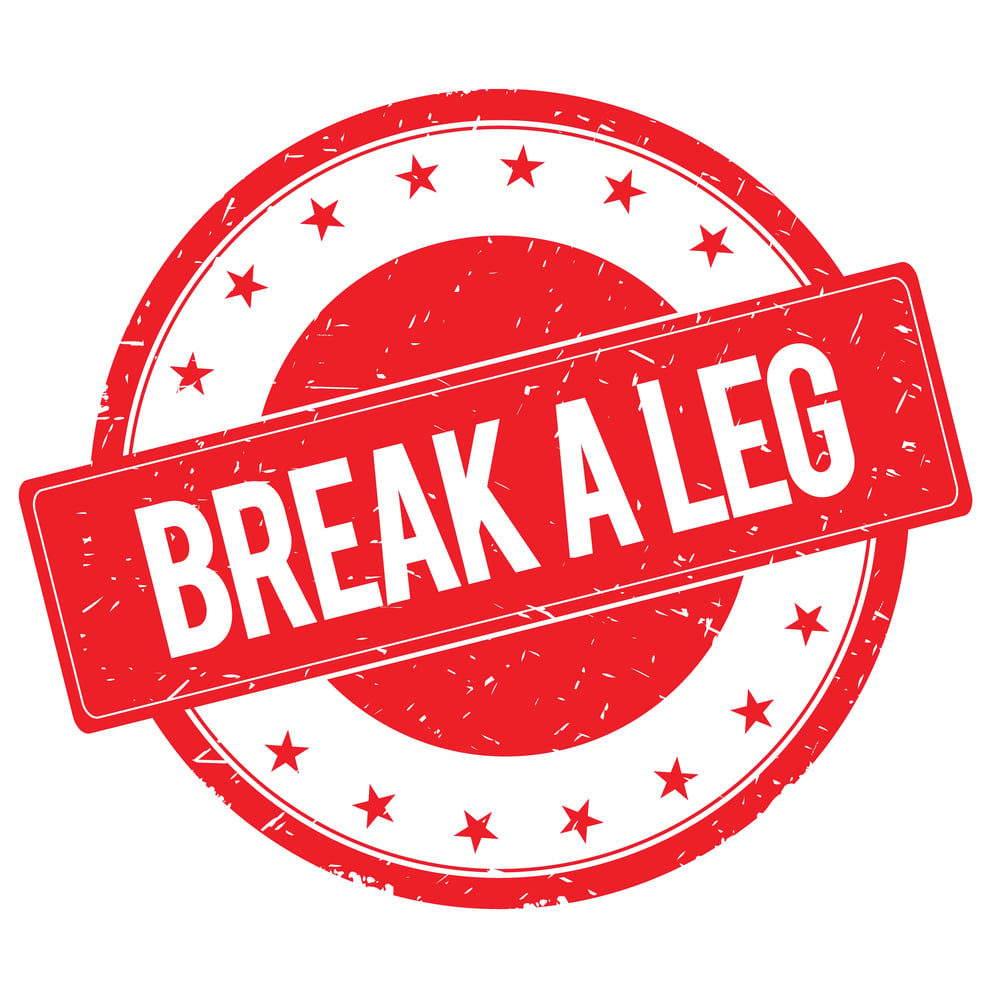
Theater people refuse to say “good luck” before a performance. Instead, they wish each other broken bones.
The superstition runs deep — so deep that actors genuinely believe saying the obvious thing will curse the show.
But the phrase comes from something far more practical than theatrical paranoia. In Elizabethan times, audiences showed approval by bending their knees and bowing.
No polite clapping. Just enthusiastic leg-bending.
“Break a leg” meant the audience would bend so many legs in appreciation that bones might snap from the effort.
Bite the bullet

This one sounds like modern advice about endurance, but it carries the metallic taste of actual warfare (and the desperation that came with it, since battlefield surgery in the 1800s meant choosing between agony and death, with agony usually being the more appealing option). Soldiers facing surgery without anesthesia would literally bite down on a lead bullet to manage the pain — not because it helped medically, but because it gave their jaw something to do besides scream.
The lead left a distinct taste that veterans remembered long after their wounds healed. And yet the phrase stuck around even after proper pain medicine arrived, probably because biting something still feels like the most honest response to difficulty.
So when someone tells you to bite the bullet today, they’re asking you to do what those soldiers did: find something solid to clench between your teeth and endure what cannot be avoided. Which makes the phrase more literal than most people realize.
Spill the beans
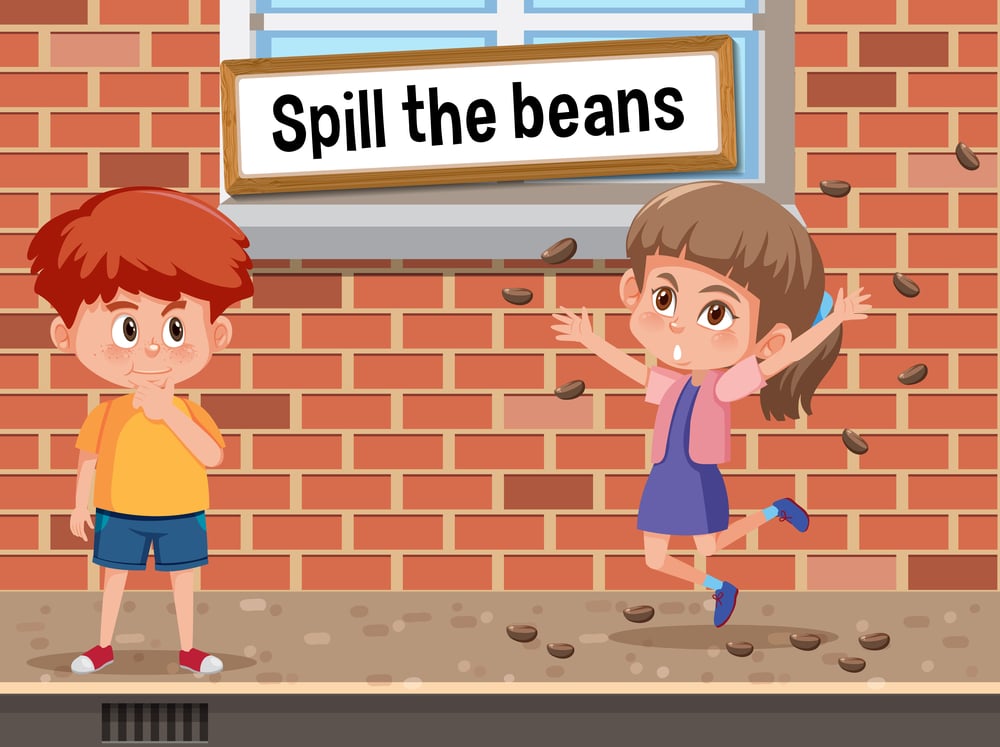
Ancient voting systems used various methods across different cultures. The ancient Greeks, specifically, employed pottery shards called ostraka in their system of ostracism — voters would scratch the name of someone they wanted exiled onto the pottery and place it in urns.
While bean-based voting systems existed in some ancient societies, credible historical sources do not support the claim that ancient Greece used beans for voting. The true origin of “spill the beans” remains debated among etymologists, though the phrase’s connection to accidentally revealing secrets likely predates any single voting system.
Don’t throw the baby out with the bathwater

Medieval families bathed in a specific order. The man of the house went first, then the other adults, then children, and finally babies.
By the time the baby’s turn came around, the water was murky enough to hide small objects.
Including small humans.
The warning was practical: when you dump the dirty bathwater, check for babies first. Seems obvious now, but in dim candlelight with water dark enough to lose things in, the reminder had genuine value.
The phrase survived because the logic applies beyond bathing — don’t discard something valuable while getting rid of what you don’t want.
Let the cat out of the bag

Medieval markets had a problem with dishonest pig sellers, and the solution involved cats in ways that modern animal welfare laws would never permit (which tells you something about both medieval ingenuity and medieval ethics, since people back then approached deception with the same creativity they brought to everything else).
A pig was expensive. A cat was not.
Unscrupulous merchants would put a cat in a cloth bag and sell it as a piglet to unsuspecting buyers who didn’t check the contents first. But cats don’t stay quiet in bags for long — eventually the animal would escape, revealing the fraud for everyone to see.
Once the cat was out, the secret was exposed and could never be hidden again.
The phrase caught on because it captured something true about secrets: they have a way of escaping when you least want them to. And once they’re loose, there’s no stuffing them back where they came from.
Break the ice

Ships in northern waters faced a predictable problem every winter. Ice formed thick barriers that blocked trade routes and trapped vessels for months.
Commerce stopped. People waited.
The solution required special ships with reinforced hulls designed specifically for ice-breaking. These ships would arrive first each spring, smashing through the frozen barriers to create paths for regular merchant vessels.
Breaking the ice wasn’t just helpful — it was essential for getting business moving again.
The social version works the same way. Someone has to go first, take the awkward first step, and create a path for normal conversation to follow.
Mad as a hatter

Hat-making in the 18th and 19th centuries required mercury to treat felt, and mercury poisoning affects the brain in ways that medieval medicine couldn’t understand (though they noticed the symptoms clearly enough, since hatters developed a reputation for erratic behavior that everyone recognized but nobody could explain scientifically). Hatters worked with mercury compounds daily, inhaling fumes and absorbing the metal through their skin.
Over time, they developed tremors, mood swings, and irrational behavior — symptoms that looked like madness to people who didn’t understand chemical poisoning. And the condition was common enough among hatters that it became a cultural reference point, the way certain professions today are associated with specific health risks that everyone just accepts as part of the job.
So “mad as a hatter” wasn’t an insult or a random comparison — it was an occupational hazard that people observed but couldn’t prevent. Lewis Carroll’s Mad Hatter just borrowed from something everyone already knew about hat-makers.
Raining cats and dogs
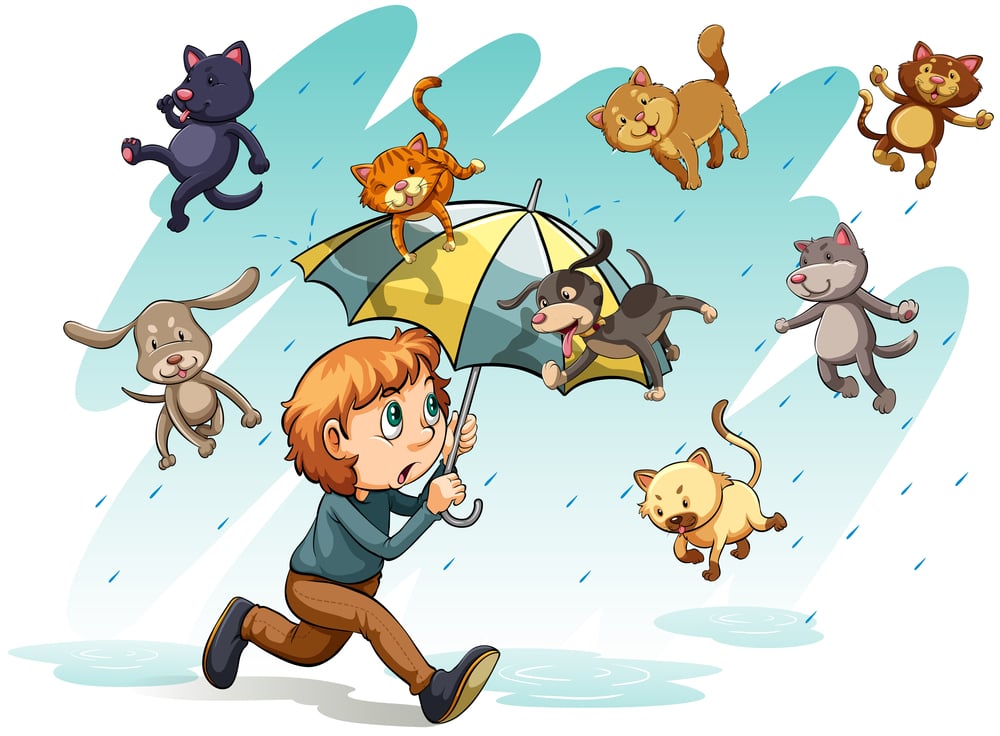
Heavy rain in medieval cities created genuine chaos, but not the kind you might expect. Streets had no proper drainage systems, and during violent storms, the rushing water would carry debris — including dead animals — through the streets like a grotesque parade.
Cats and dogs that had died from disease or accidents would wash down from higher ground, creating the illusion that they had fallen from the sky. People would venture out after storms to find animal carcasses scattered everywhere, as if the rain had delivered them directly from above.
The phrase stuck because it captured both the intensity of the downpour and the bizarre aftermath that medieval city-dwellers witnessed regularly.
Saved by the bell
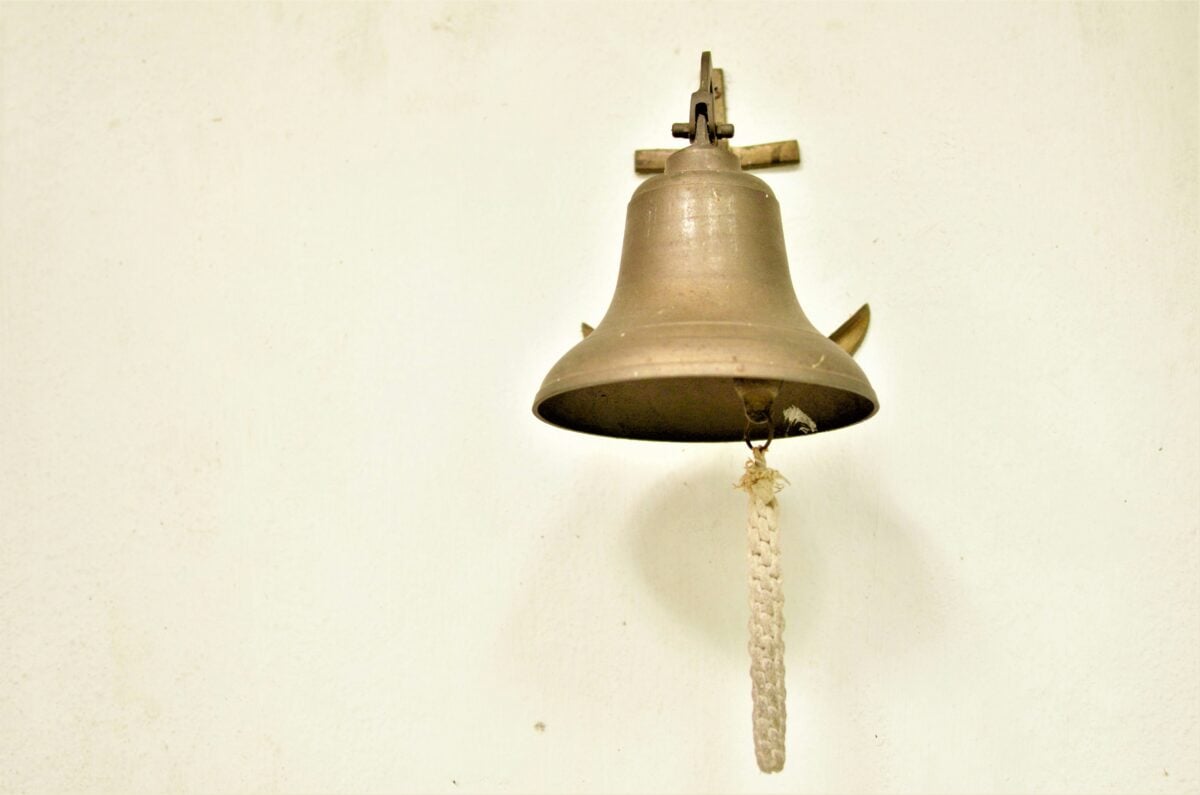
Boxing matches in the 1800s operated under different rules than modern fights, and one of those differences involved timing that could literally determine whether a fighter lived or died (which sounds dramatic, but bare-knuckle boxing was exactly as brutal as it sounds, and medical intervention meant someone might pour water on your face if you were lucky).
When a boxer was knocked down, he had to stand and walk to a designated spot within 30 seconds to continue fighting. If he couldn’t manage it, he lost the match.
But if the bell rang to end the round while he was still down, he got a full minute to recover between rounds instead of just 30 seconds to get up. That extra time often meant the difference between continuing the fight and losing consciousness permanently.
The bell quite literally saved fighters who were seconds away from defeat or serious injury. And since boxing was popular entertainment, the phrase spread beyond the ring to describe any last-minute rescue from disaster.
The whole nine yards
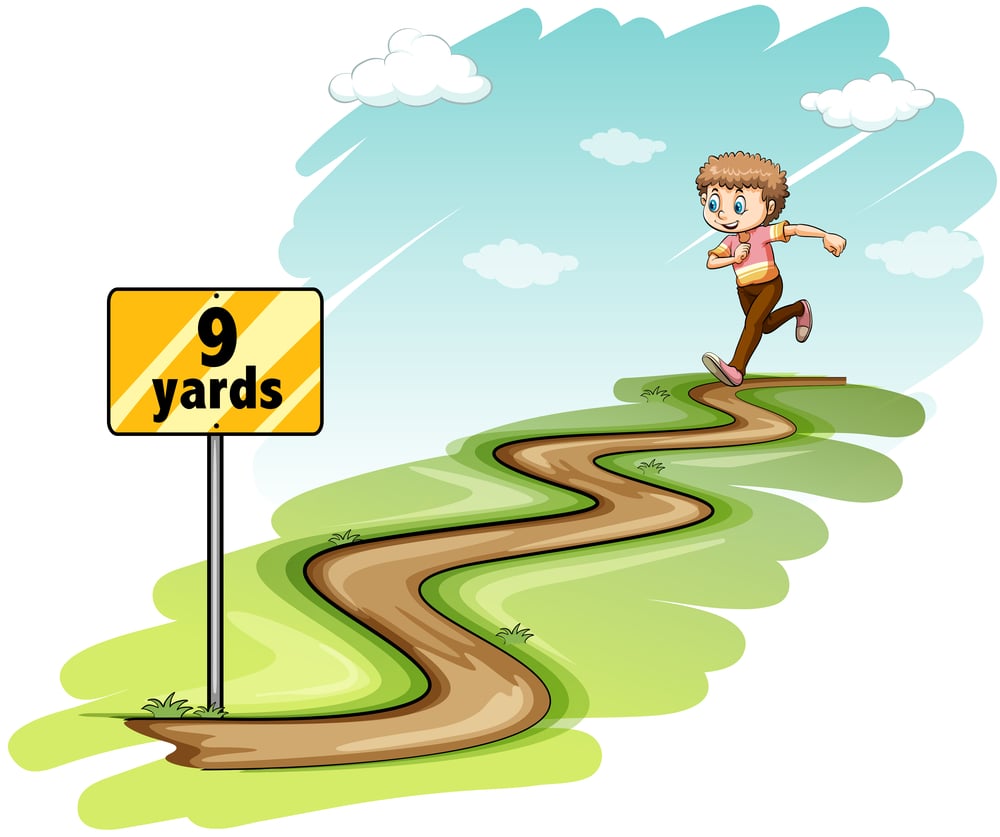
World War II fighter planes carried ammunition belts that measured exactly 27 feet — nine yards — when fully loaded. Pilots who used all their ammunition in a single battle had given “the whole nine yards” to the fight.
The phrase meant complete commitment, total effort, everything you had available. When a pilot came back having fired every round, ground crews knew that pilot had held nothing in reserve.
Using the whole nine yards wasn’t necessarily good news — it meant the battle was serious enough to require everything the plane could deliver.
Turn a blind eye

Admiral Horatio Nelson had lost sight in one eye during battle, and he used this disability strategically during the Battle of Copenhagen in 1801. When his superior signaled for retreat, Nelson deliberately raised his telescope to his blind eye, claimed he couldn’t see the signal, and continued fighting.
His calculated blindness worked. The British won the battle, and Nelson’s reputation for aggressive tactics grew even stronger.
The phrase captured his specific act of strategic ignorance — choosing not to see something inconvenient so you can continue doing what you believe is right.
Nelson turned his physical limitation into a tactical advantage, and the English language inherited a phrase about willful ignorance from his clever insubordination.
Beat around the bush
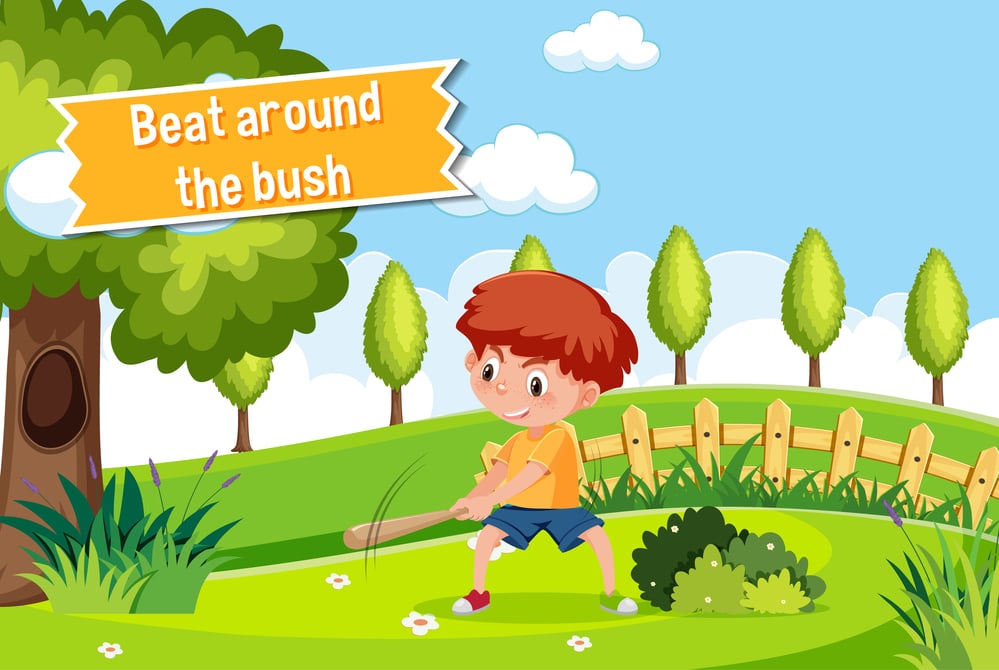
Medieval bird hunting involved nets and beaters, but the strategy required patience that most hunters didn’t naturally possess. The hunters would set up nets around bushes where small birds roosted, then hire beaters to walk around the perimeter making noise.
The sound would eventually drive the birds toward the nets — but only if the beaters moved carefully and didn’t rush directly toward their target.
Impatient beaters who went straight for the bush would scare the birds away entirely. Successful hunting meant circling, making gradual progress, approaching the goal indirectly.
The birds had to be coaxed, not startled.
The phrase survived because the same logic applies to difficult conversations: sometimes direct approach fails, and you have to circle around the subject until the right moment presents itself.
Mind your own beeswax

Colonial Americans made candles from beeswax, and the process required attention to detail that couldn’t be rushed or shared. Each person’s beeswax had different properties depending on what flowers their bees had visited, how the wax was processed, and how long it had been stored.
The true origin of this phrase is disputed among etymologists. The most credible explanation traces it to nursery rhyme and children’s language play, where “mind your own business” was playfully modified and rhymed with “beeswax” — a linguistic modification that caught on in casual speech.
While colonial Americans did produce beeswax candles and the material had real value, the direct connection between candle-making interference and the phrase’s origin lacks solid historical evidence. Like many idioms, “mind your own beeswax” likely persisted because it was catchy and memorable, even if its true etymological roots were forgotten.
Words echo louder than we remember

These phrases survived because they solved a problem that dictionaries couldn’t: how to carry specific human experiences across centuries. Each expression holds a moment when someone found the exact words for a feeling or situation that everyone recognized but nobody had named properly.
The medieval pig buyer checking his bag, the hatter developing tremors, the soldier biting down on lead — they’re all still with us, embedded in conversations happening right now. Their experiences became our vocabulary, and every time you use their phrases, you’re speaking their language without realizing it.
More from Go2Tutors!

- The Romanov Crown Jewels and Their Tragic Fate
- 13 Historical Mysteries That Science Still Can’t Solve
- Famous Hoaxes That Fooled the World for Years
- 15 Child Stars with Tragic Adult Lives
- 16 Famous Jewelry Pieces in History
Like Go2Tutors’s content? Follow us on MSN.