17 Global Region-exclusive Foods You Should Try
Food lovers know that some of the most incredible flavors in the world remain hidden in specific corners of the globe. While globalization has spread many dishes far and wide, certain culinary treasures have stayed put, deeply rooted in their home regions. These foods tell stories of local ingredients, ancient traditions, and cultural identity that can’t be replicated elsewhere.
Ready to expand your culinary horizons beyond the usual suspects? Here is a list of 17 region-exclusive foods that showcase the incredible diversity of global cuisine and deserve a spot on every food enthusiast’s bucket list.
Ashlan-fu
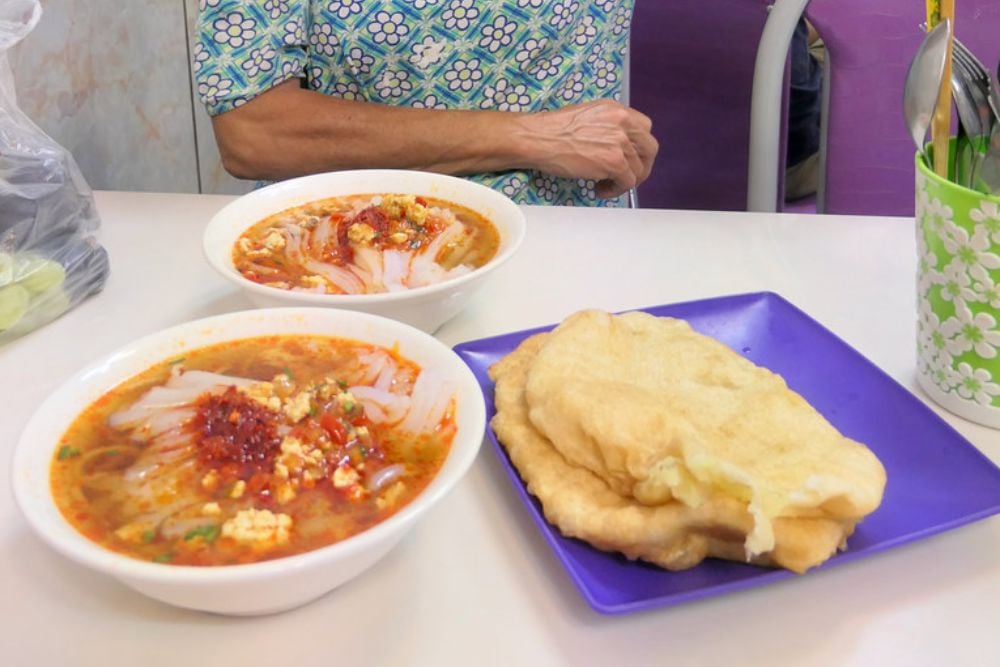
This cold noodle soup is a signature dish of Kyrgyzstan’s Dungan community, particularly popular in the city of Karakol. The dish combines two types of noodles – clear starch-based ones and regular wheat noodles – served in a chilled, tangy broth made from vinegar and garlic.
Vendors often keep large bowls of the chilled broth ready at bazaars and roadside cafes, making it the perfect refreshing meal during warm weather.
Pannukakku
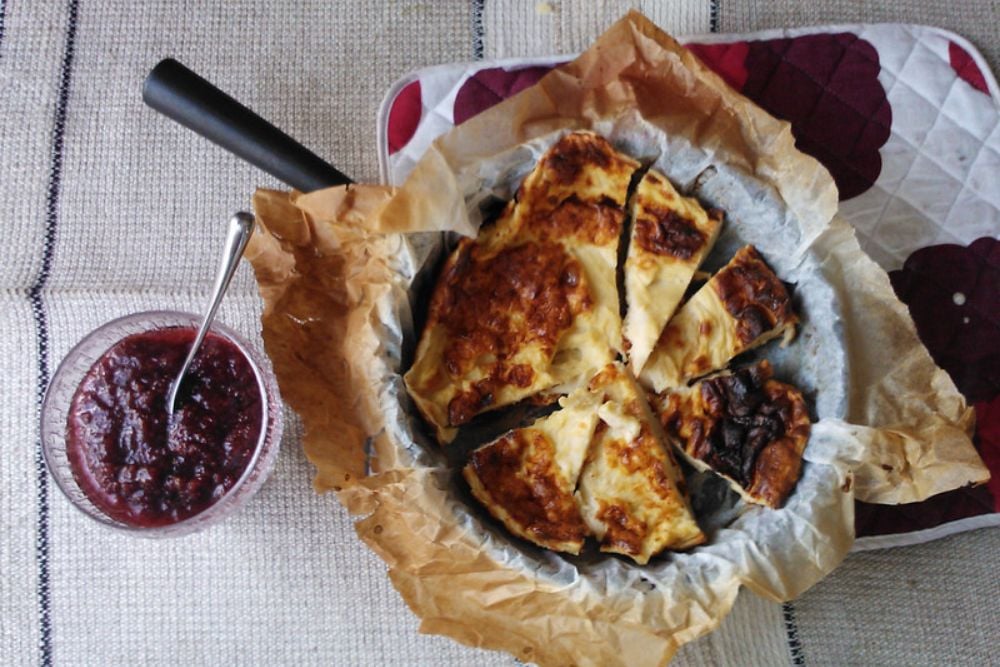
Finland’s answer to the pancake, pannukakku is baked in the oven rather than cooked on a stovetop, creating a unique texture that’s both fluffy and custard-like. This beloved breakfast dish is made in a single large pan, making it perfect for feeding families during weekend gatherings.
The mild, slightly sweet flavor pairs beautifully with berry pastries and syrup, and some regions add cardamom or vanilla sugar for extra aroma.
Like Go2Tutors’s content? Follow us on MSN.
Espetada

Madeira’s most popular party dish features chunks of beef skewered on a laurel wood stick and grilled over hot coals. What makes this dish special is how it’s served – the skewer is hung vertically from a hook so the flavorful juices drip down onto thick slices of crusty bread below.
The combination of the smoky meat and the juice-soaked bread creates a meal that’s become synonymous with Madeiran celebrations and picnics.
Sai Krok Isan

Thailand’s Isan region produces this fermented sausage that’s unlike anything you’ll find elsewhere in the country. Made with ground pork, garlic, sticky rice, and spices stuffed into natural casings, the sausage is then left to ferment in blazing hot sun for up to three days.
This unique process gives the sausage its distinctive sour flavor that’s become a hallmark of northeastern Thai cuisine.
Adjarian Khachapuri

Georgia’s Adjaria region has given the world this boat-shaped cheese bread that’s both a meal and an interactive dining experience. The yeasted dough is shaped into an oval and filled with local Sulguni or Imeretian cheese, then topped with a raw egg and baked until the egg is partially set.
Diners traditionally mix the runny egg with the molten cheese using pieces of the bread crust.
Like Go2Tutors’s content? Follow us on MSN.
Pom

Suriname’s national dish tells the story of cultural adaptation through food. Originally inspired by Dutch oven dishes, pom was adapted to use local pomtajer root (from the Arrowleaf elephant ear plant) instead of potatoes that don’t grow locally.
The dish layers seasoned chicken filling between raw grated pomtajer mixed with citrus juice, then bakes until golden brown. It’s become so popular that Dutch restaurants now serve ‘broodje pom’ – pom on a bread roll.
Masgouf

Iraq’s national fish dish dates back to the 10th century and remains virtually unchanged from its ancient origins. Fresh carp is butterflied, seasoned with turmeric and spices, then grilled on stakes over an open fire along the Tigris River.
The dish was described in the earliest known Arabic cookbook as looking ‘like the sun, a radiant delight,’ and it continues to be prepared using traditional methods passed down through generations.
Bun Cha
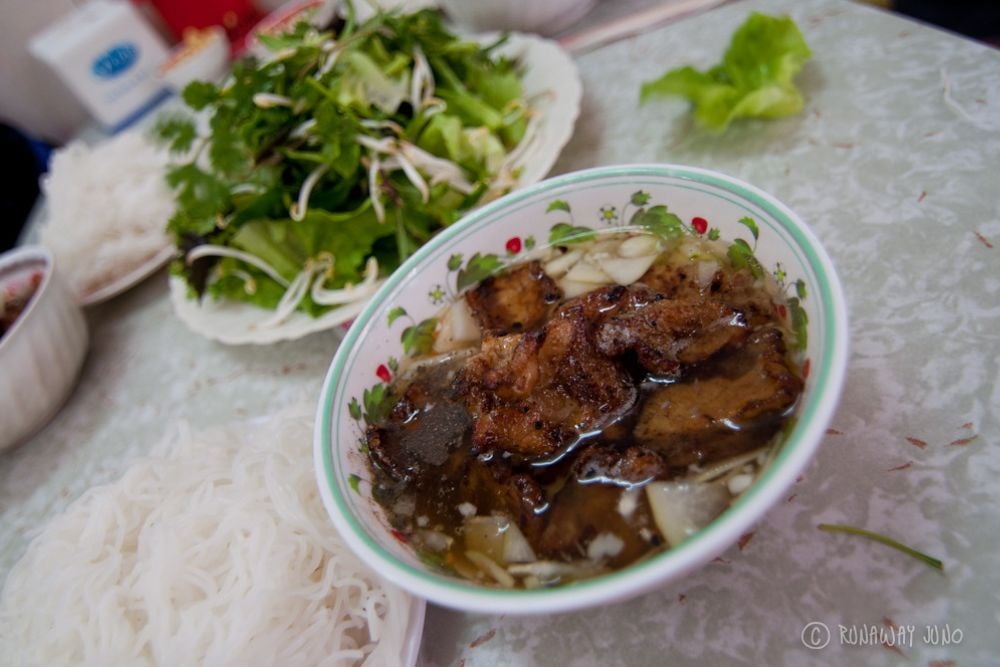
While tourists flock to Vietnam for pho and banh mi, locals in Hanoi know that bun cha is the real star. This dish features caramelized pork meatballs and grilled pork belly served with rice noodles, fresh herbs, and a tangy dipping sauce.
The pork is grilled right at the table over small charcoal braziers, filling the air with smoky aromas that draw people to tiny street-side restaurants throughout the capital.
Like Go2Tutors’s content? Follow us on MSN.
Stroopwafel

The Netherlands’ most beloved sweet treat consists of two thin waffle layers sandwiching a layer of caramel syrup. Fresh stroopwafels are served warm, often placed on top of a hot coffee cup to soften the caramel center.
While you can find versions elsewhere, authentic stroopwafels from Dutch bakeries have a perfect balance of crispy exterior and gooey interior that’s hard to replicate.
Pastel de Choclo

Chile’s comfort food par excellence combines indigenous and Spanish influences in a single casserole dish. Sweet corn is ground into a creamy mixture that tops a filling of seasoned ground meat, chicken, raisins, black olives, and hard-boiled eggs.
The contrast between the sweet corn topping and savory filling creates a uniquely Chilean flavor profile that reflects the country’s diverse culinary heritage.
Koshari

Egypt’s national dish brings together rice, lentils, pasta, and chickpeas in one hearty bowl, topped with spicy tomato sauce and crispy fried onions. This vegetarian street food staple represents the ingenuity of Egyptian cooks who created a satisfying meal from simple, affordable ingredients.
Each vendor has their own secret blend of spices for the tomato sauce, making every bowl slightly different.
Like Go2Tutors’s content? Follow us on MSN.
Mole Poblano

Mexico’s Puebla region claims ownership of this complex sauce that combines over 20 ingredients, including various chiles, chocolate, nuts, and spices. The preparation process can take days, with each ingredient carefully toasted and ground to create layers of flavor that range from sweet to spicy to earthy.
True mole poblano represents the pinnacle of Mexican culinary technique and is traditionally served during special celebrations.
Ful Medames
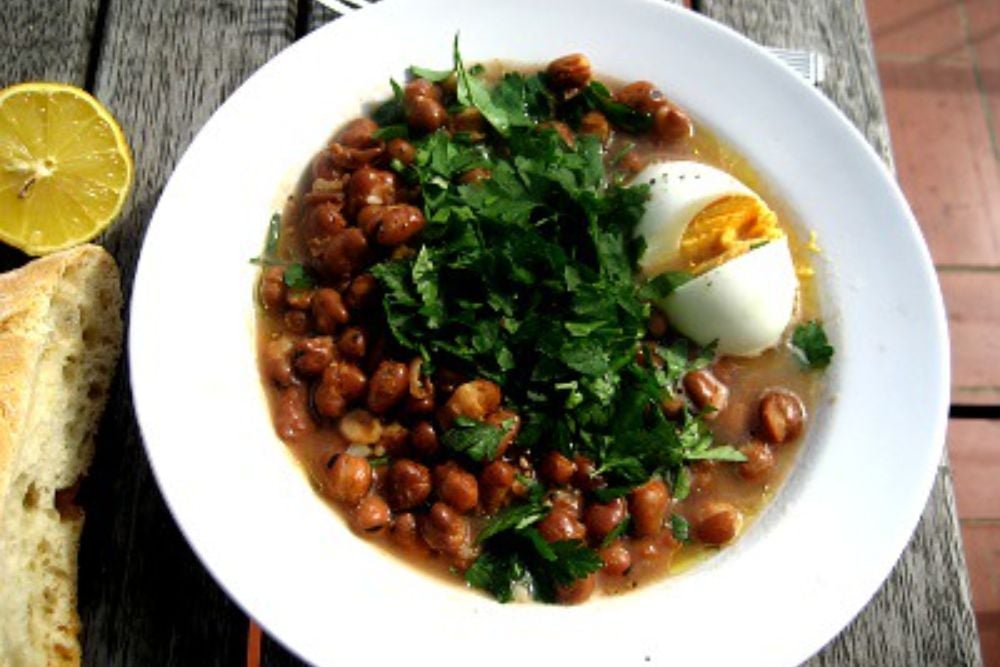
Egypt’s ancient breakfast dish consists of slow-cooked fava beans seasoned with garlic, lemon juice, and olive oil. Archaeological evidence suggests this dish has been eaten for over 5,000 years, making it one of the world’s oldest continuously consumed foods.
Street vendors serve it from large copper pots, often garnishing it with chopped tomatoes, onions, and hard-boiled eggs.
Rendang

Indonesia’s West Sumatra region created this dry curry that’s been called one of the world’s most delicious foods. Beef is slowly simmered in coconut milk and a paste of chiles, galangal, turmeric, and other spices until the liquid evaporates and the meat becomes tender and deeply flavored.
The cooking process can take several hours, resulting in meat so tender it falls apart at the touch of a fork.
Like Go2Tutors’s content? Follow us on MSN.
Pierogi
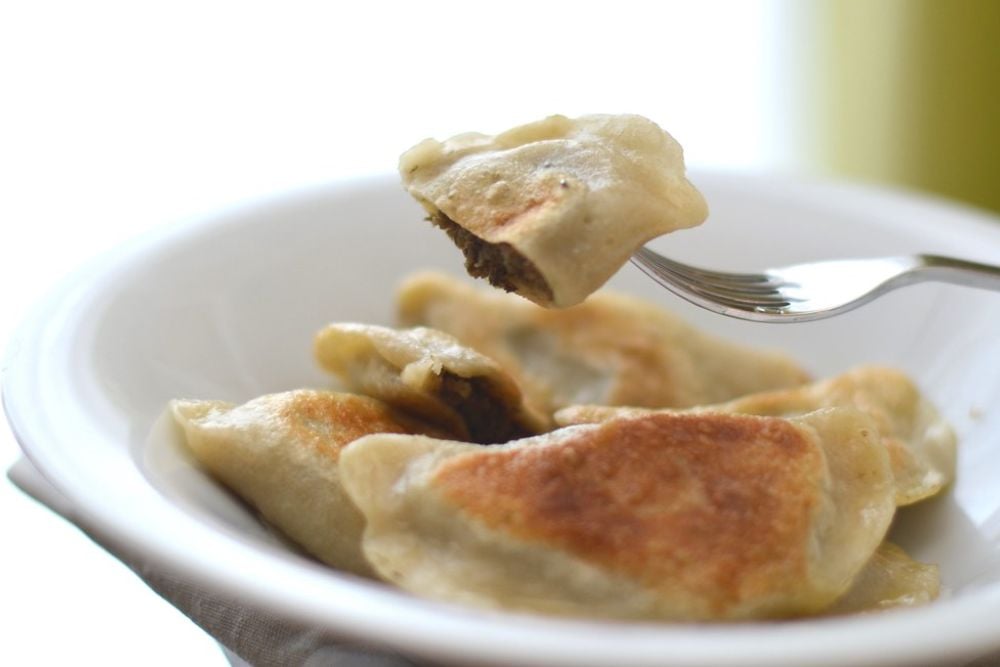
Poland’s beloved dumplings are filled with everything from potatoes and cheese to sauerkraut and meat, then boiled and often pan-fried for a crispy exterior. Each region of Poland has its own traditional fillings and preparation methods, with some versions served sweet with fruit fillings for dessert.
The dough is rolled thin and carefully sealed around the filling, creating little pockets of comfort food.
Bunny Chow

South Africa’s Durban region invented this unique street food that serves curry in a hollowed-out loaf of bread. Created by the Indian community during apartheid when they weren’t allowed to eat in certain restaurants, bunny chow became a portable meal that could be eaten by hand.
The bread soaks up the curry sauce while the ‘virgin’ (the scooped-out bread) is used for dipping.
Solyanka

Russia’s hearty soup combines the best of Russian pantry staples into one warming bowl. The soup typically includes pickled vegetables, various meats, and a distinctive sour-salty flavor from ingredients like capers and olives.
Each region of Russia has its own version, but the Moscow-style solyanka remains the most famous, often served with a dollop of sour cream and fresh dill.
Like Go2Tutors’s content? Follow us on MSN.
The Flavors That Connect Us All

These regional specialties remind us that food is far more than sustenance – it’s a living expression of culture, history, and place. While globalization continues to spread popular dishes around the world, these hidden gems remain anchored to their home regions, preserving unique flavors and techniques that have been perfected over generations.
Each dish represents not just a recipe, but a story of adaptation, tradition, and the endless human creativity that transforms simple ingredients into something extraordinary. Next time you travel, skip the familiar chains and seek out these local treasures – they offer the most authentic taste of a place you’ll ever find.
More from Go2Tutors!

- 16 Historical Figures Who Were Nothing Like You Think
- 12 Things Sold in the 80s That Are Now Illegal
- 15 VHS Tapes That Could Be Worth Thousands
- 17 Historical “What Ifs” That Would Have Changed Everything
- 18 TV Shows That Vanished Without a Finale
Like Go2Tutors’s content? Follow us on MSN.