Surprisingly Modern Technology from the Ancient World
Back then, without any digital gadgets or modern tech, early humans cracked tough challenges using clever thinking. Their inventions?
So sharp, even now, experts pause to admire how smart those old solutions really were. Truth is, a few of these creations seemed so advanced they might’ve slipped through from tomorrow.
The Antikythera Mechanism
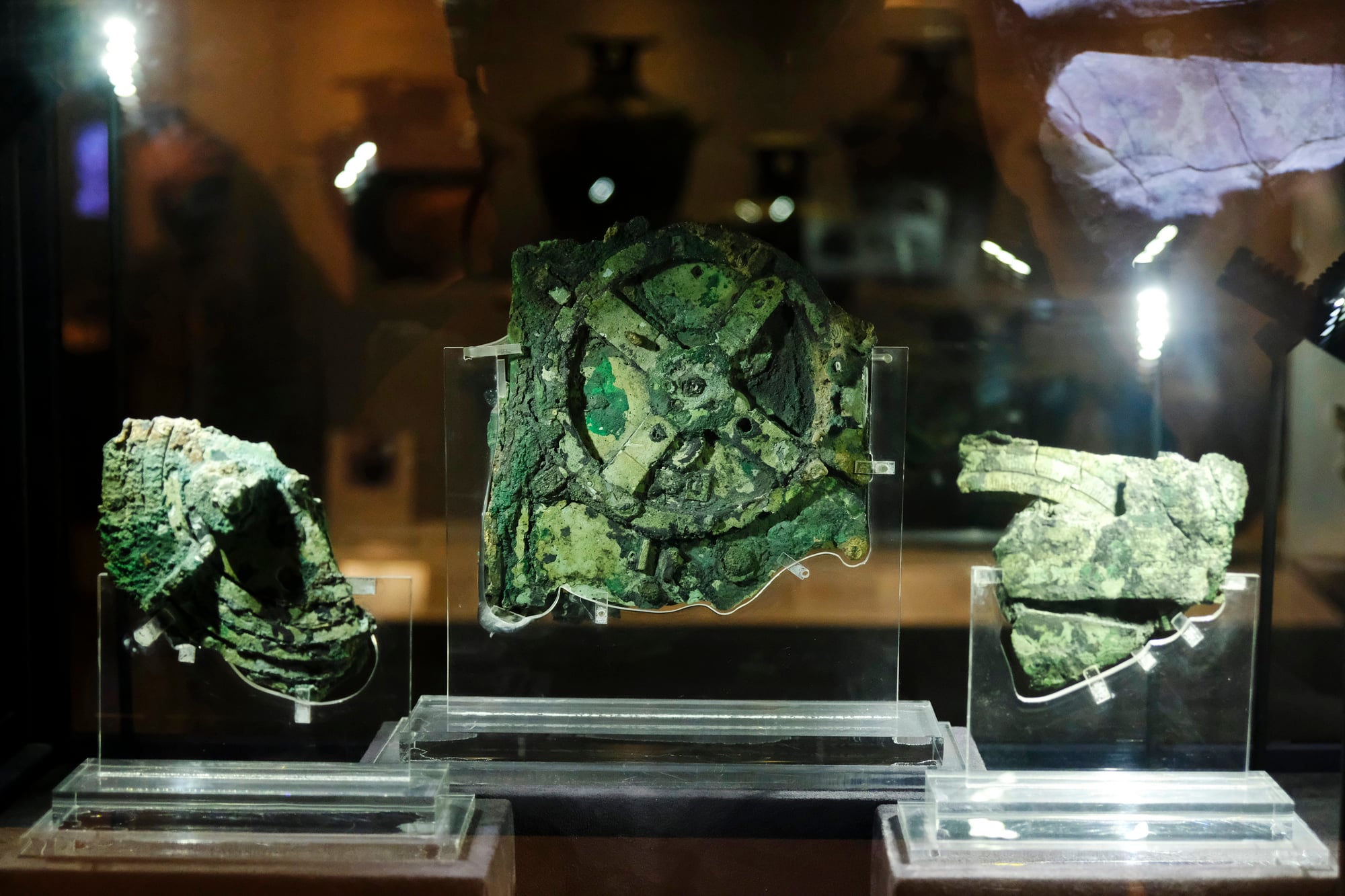
Sitting at the bottom of the sea near Greece, a two-thousand-year-old object once tracked planetary paths and marked when the sun would vanish. Inside a frame about as big as a shoebox, crafted from wood, were over thirty bronze gears locked together.
Experts doubted people back then could make anything so exact. Long before computers entered human thought, it operated much like one – mechanical, steady, silent.
That kind of precision came as a surprise.
Roman Concrete

Cracks begin to show in today’s concrete around the 50-year mark. Yet Roman structures beneath the sea have stood firm for two millennia, gaining strength as centuries pass.
Volcanic ash stirred into seawater and lime formed a blend that changed deep within over long stretches of time. Only lately did researchers uncover the reason behind its lasting power.
Now, builders look closely at ancient methods, hoping to mimic what once held cities together. Not only did Rome stretch across lands, its foundations were shaped to endure far beyond memory.
Egyptian Water Clocks
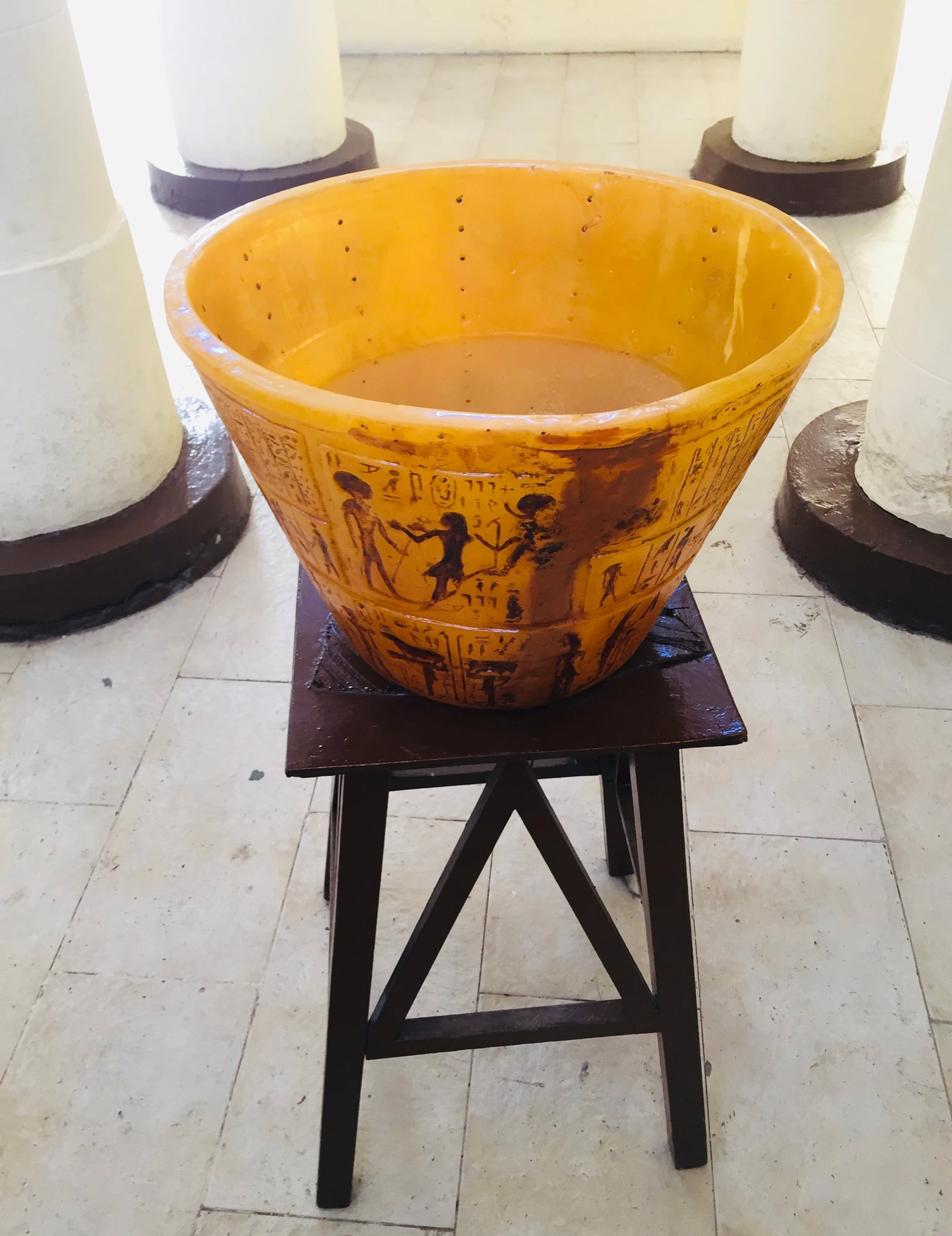
Figuring out the hour when there’s no sunlight turns out to be tougher than most imagine. Around 1400 BCE, people in Egypt found a way using just a chunk of rock shaped to hold water.
Slow drips escaped through a tiny opening, each drop marking progress. As the liquid sank lower, so did the available moments.
Known as clepsydrae, these devices kept pace well enough to time speeches in legal settings. Even back then, someone was keeping score on empty talk.
Archimedes’ Screw Pump
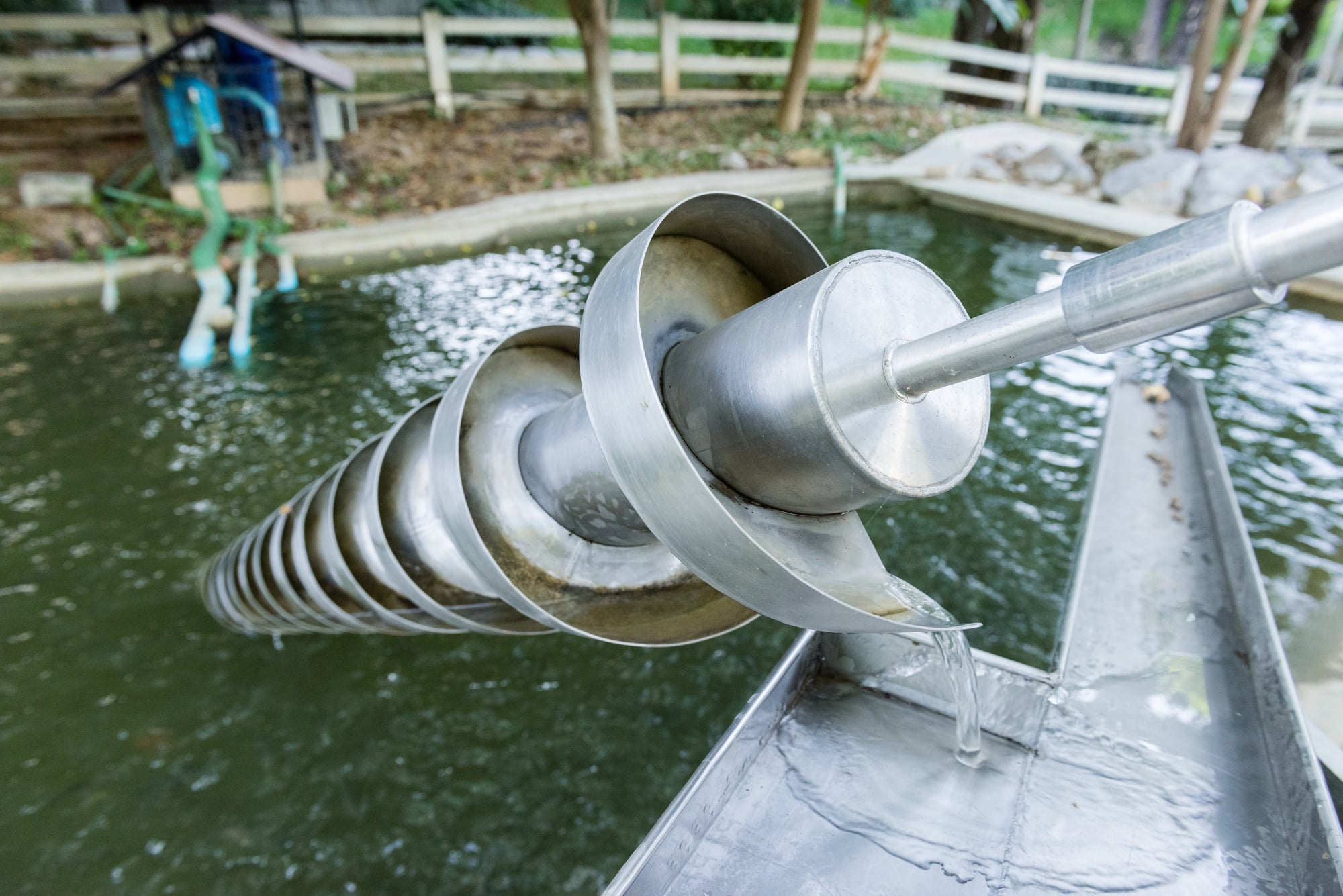
A twisty screw spins within a pipe, raising water up when it rotates. Long before now, around two thousand years back, Archimedes made this to drain boats and feed farm fields with flow.
Even at present, you’ll find its form moving liquids in purification sites, lifting corn in storage towers, sometimes catching breeze energy through turbine uses. It still looks much like the first version – not due to habit, just because it does the job.
Greek Fire

Water made the flame burn instead of stopping it – soldiers in old Byzantium knew this well. From tubes fixed onto ships, they shot out a burning liquid much like an early kind of torch spray.
That mix, called Greek fire, shifted how sea battles were fought. Its true formula vanished long ago, so nobody today can copy it exactly.
A few think it worked using quicklime, naphtha, along with elements that explode into reaction once joined.
Damascus Steel
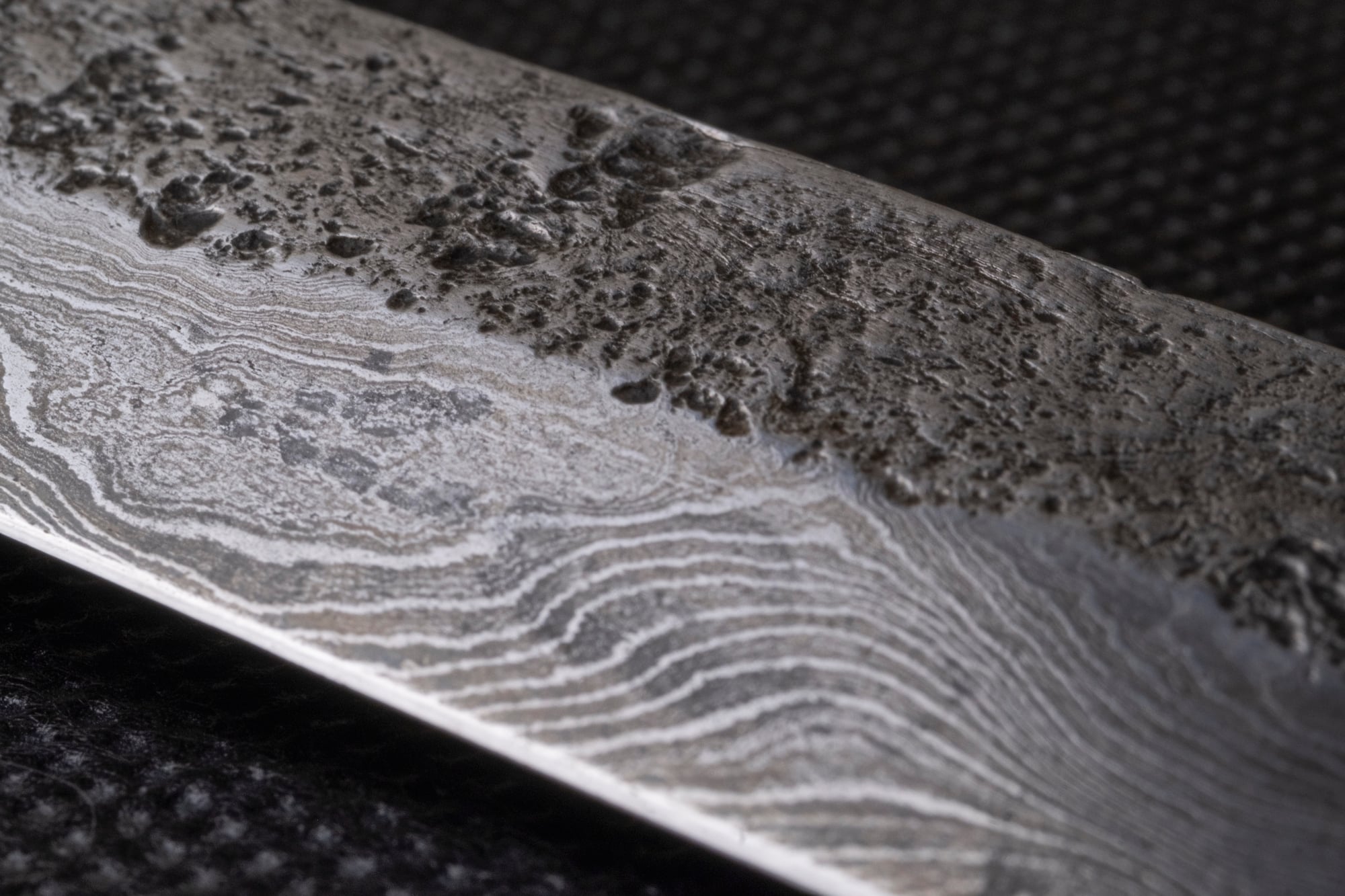
Waves of metal flowed across swords shaped by old-world makers in the Near East, edges honed beyond most others back then. So fine was this Damascus blade stuff, experts centuries later struggled to copy its secret.
Closer looks recently showed tiny carbon tubes woven within – structures unknown to science until the late nineteen hundreds. Those forming the steel long ago understood none of nano-sized engineering; they followed steps proven by fire and hand.
The Baghdad Battery
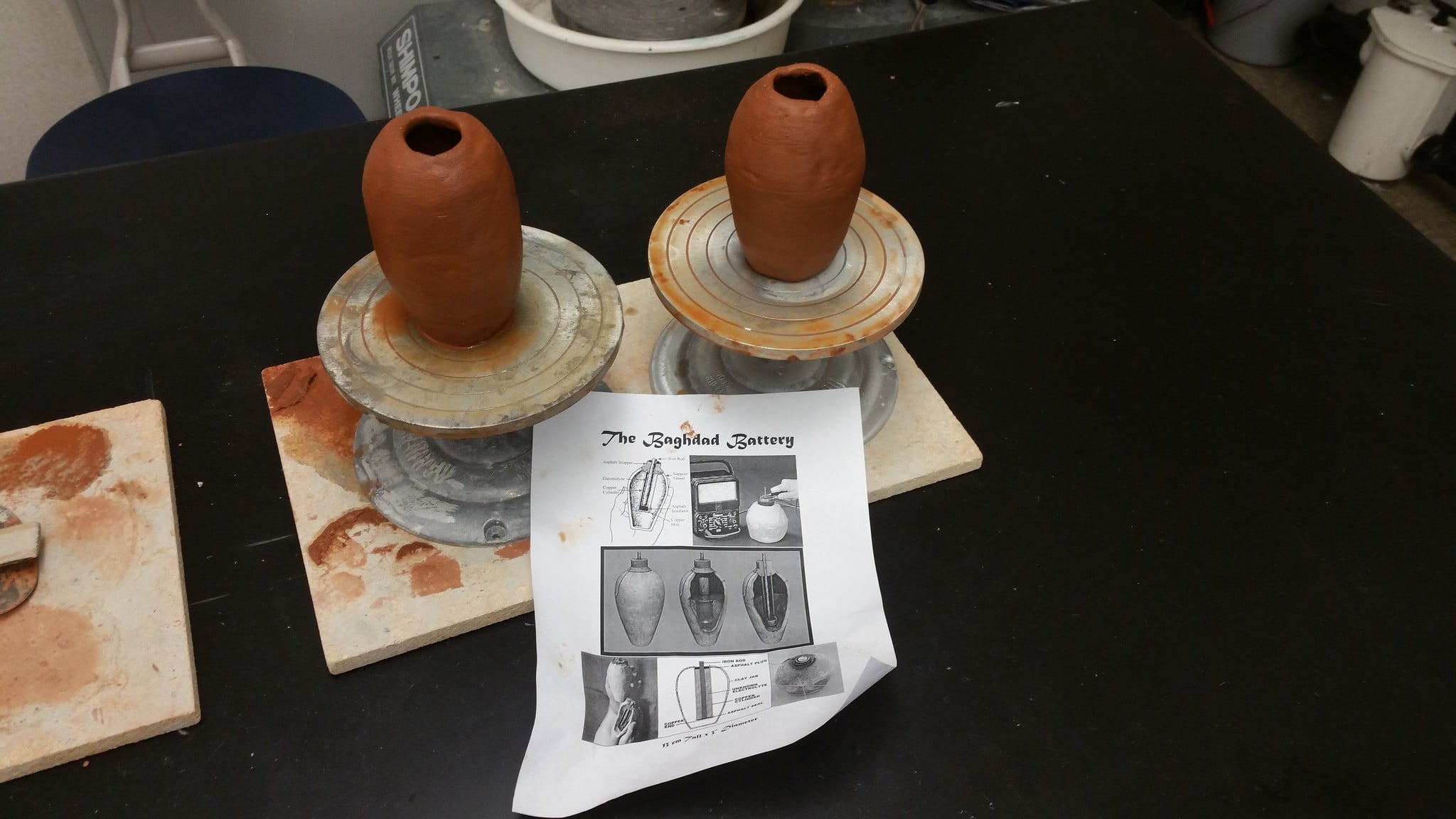
Found in what we now know as Iraq and made about 250 BCE, this pot held a copper tube alongside an iron stick; if you added something sour like vinegar, it might produce a tiny spark of power. People often name it the Baghdad battery.
Experts argue – was it for coating objects with metal, or did it serve another role? Even so, imagining someone making electric flow long before Volta arrives makes silence difficult.
Roman Hypocaust Heating
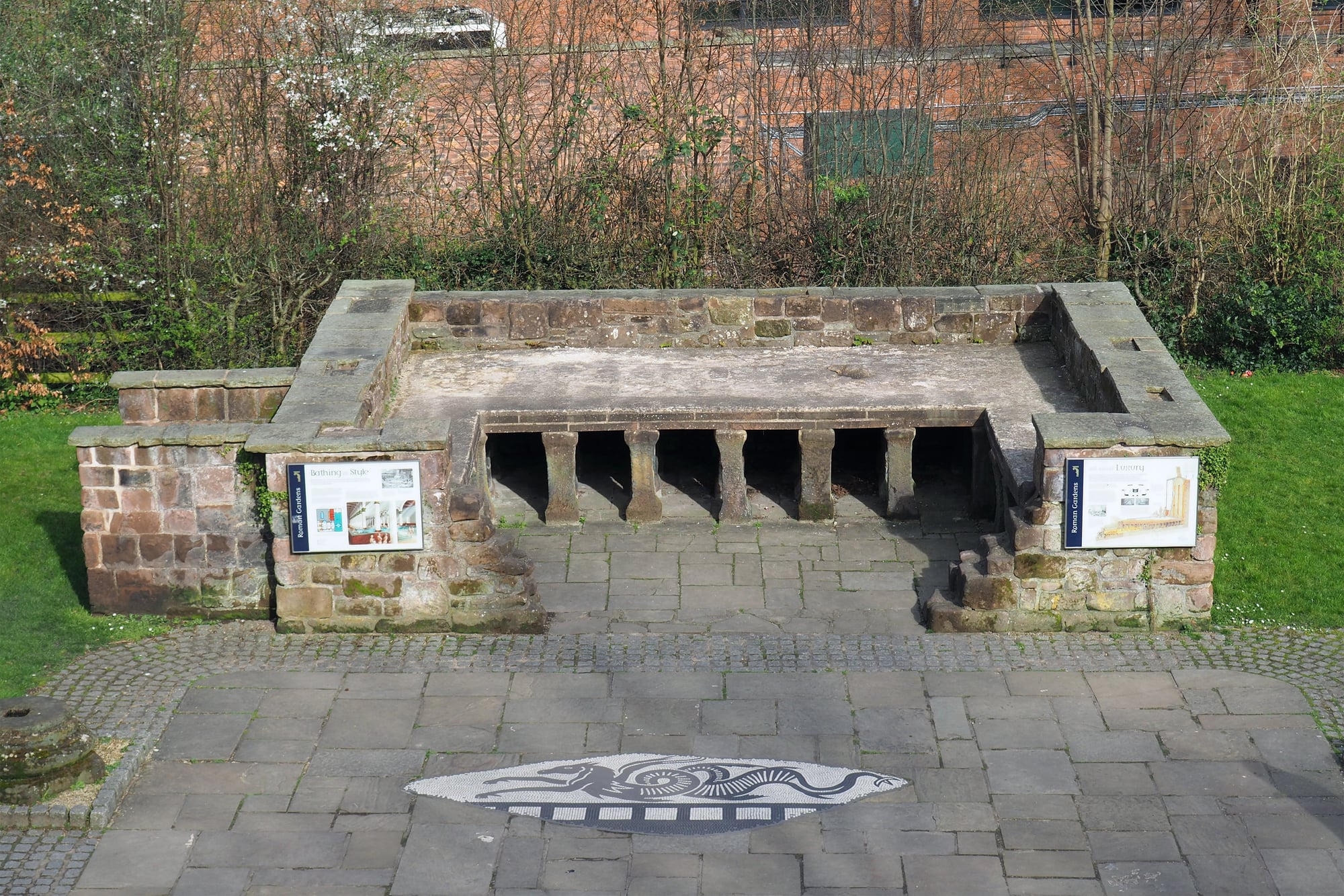
Rich Romans had warm floors way before today’s heaters came along. Starting fires below buildings sent heat rising through empty zones underfoot and within wall cavities.
Tiles rested on tiny columns just above the fire chamber, making spaces cozy during winter stretches. Bath complexes applied this method over vast areas, keeping things humming without much upkeep after setup.
Greek Seismoscope
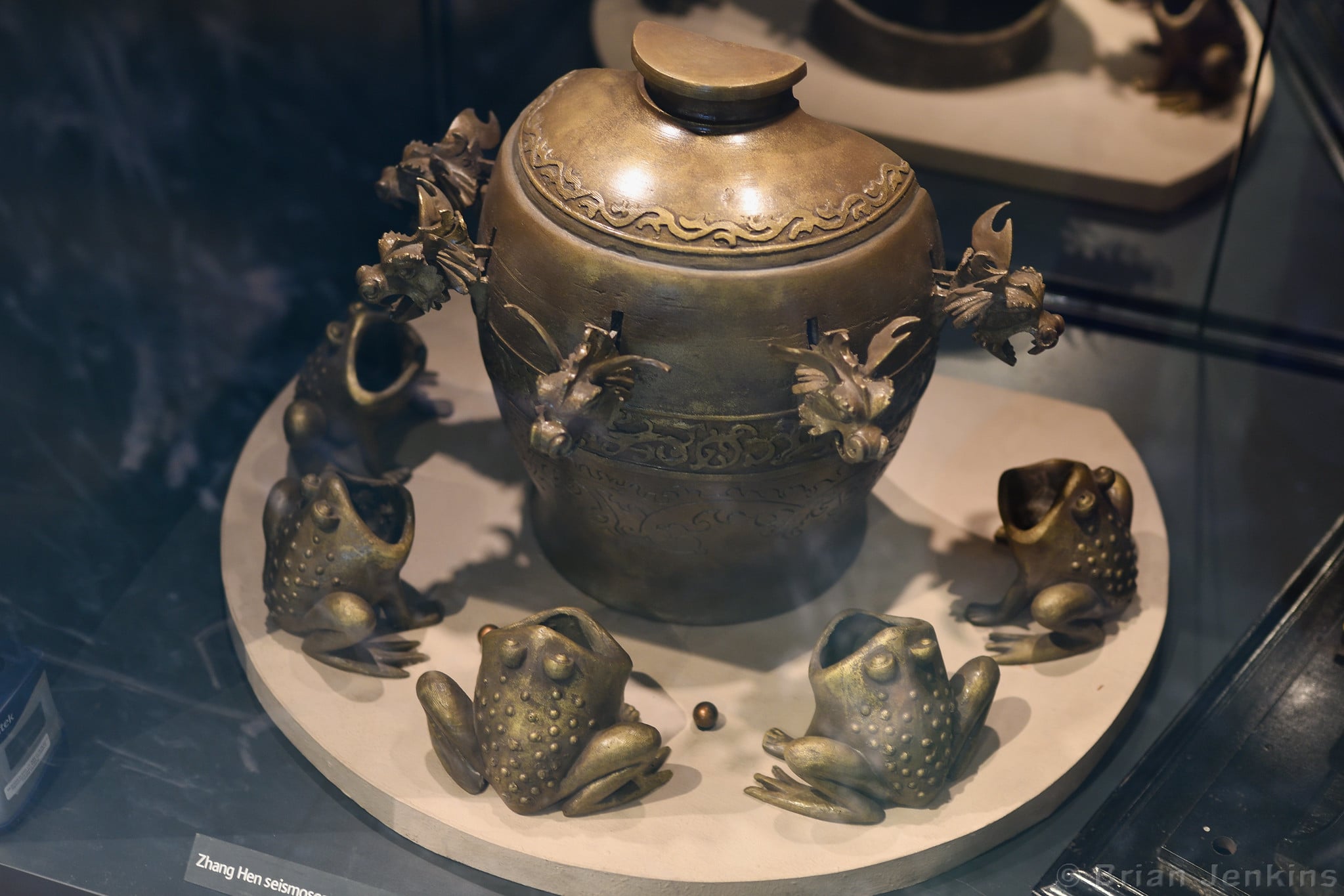
Around 132 CE, a Chinese inventor named Zhang Heng built a device that could detect earthquakes happening hundreds of miles away. A pendulum inside a bronze urn would swing when tremors hit, and it would trigger a mechanism that dropped a small orb into a frog’s mouth pointing in the direction of the quake.
Officials in the capital used it to send aid before messengers even arrived with the news. Modern seismographs operate on a similar principle of detecting motion and translating it into a readable signal.
Nabataean Water Harvesting
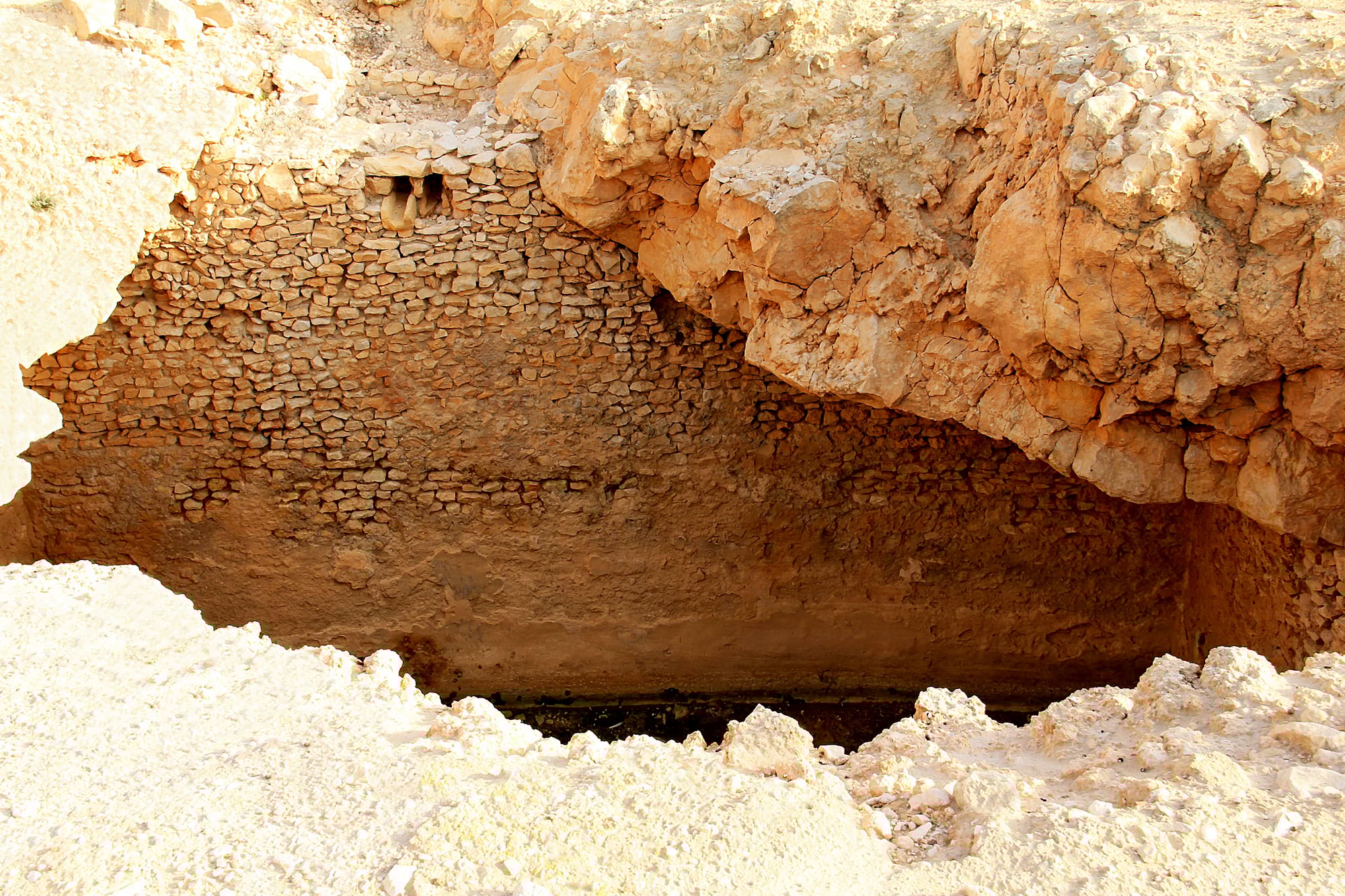
The Nabataeans built their city of Petra in one of the driest parts of the Middle East, yet they had more water than they needed. They designed an entire network of pipes, dams, cisterns, and channels that collected rainwater and directed it into storage before a single drop could evaporate.
The city could support tens of thousands of people in the middle of a desert using rainwater alone. Engineers studying drought solutions today look at this system as a model for sustainable water management.
Inca Suspension Bridges
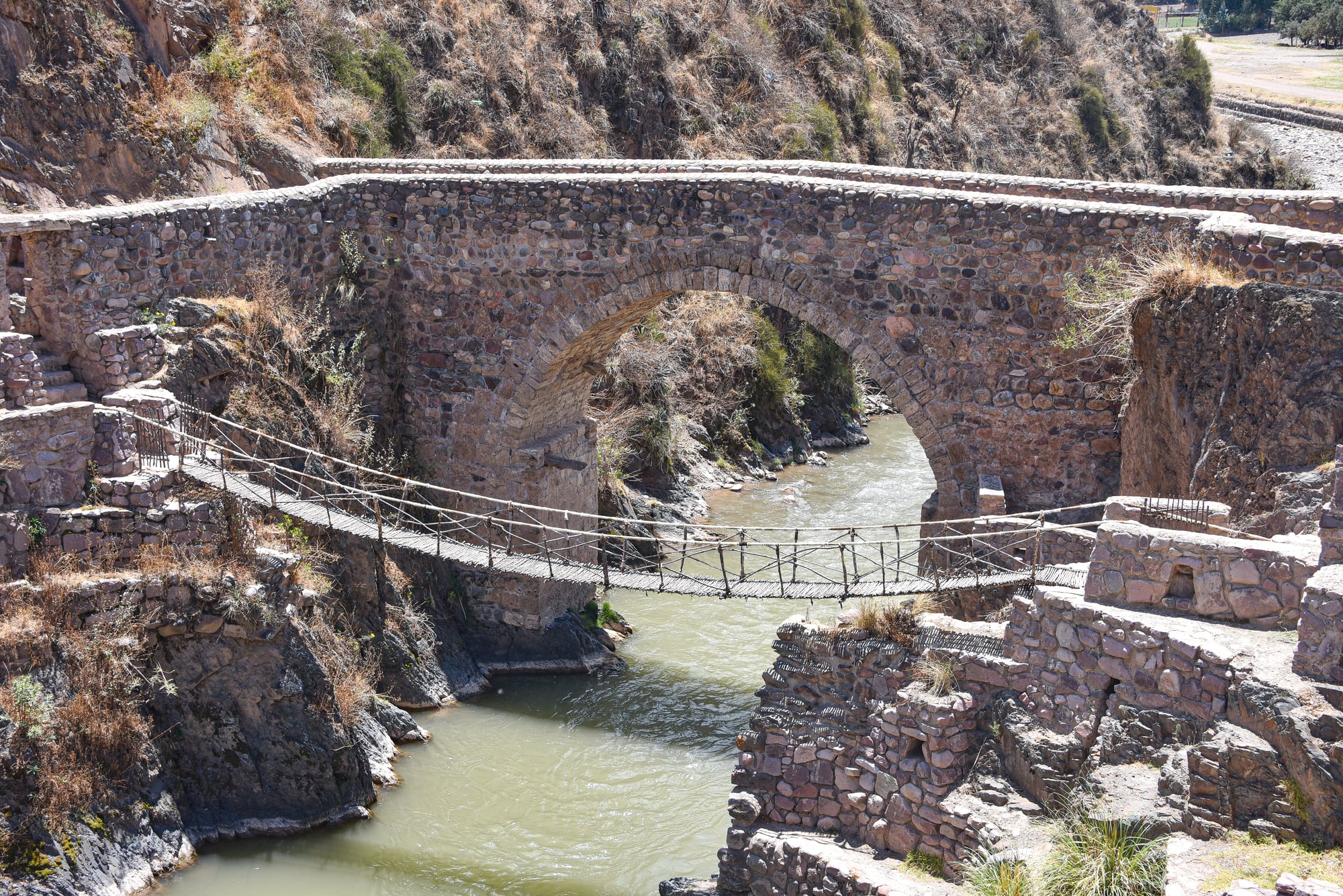
The Inca Empire built suspension bridges across deep mountain gorges long before European engineers had worked out the math behind the design. They twisted grass and plant fibers into thick cables, anchored them to stone towers, and laid a walkway across the span.
Some of these bridges stretched over 150 feet and held the weight of people and livestock with ease. The cable-stayed concept is the same principle used in modern bridges like the Golden Gate.
Ancient Sri Lankan Wind-Powered Furnaces
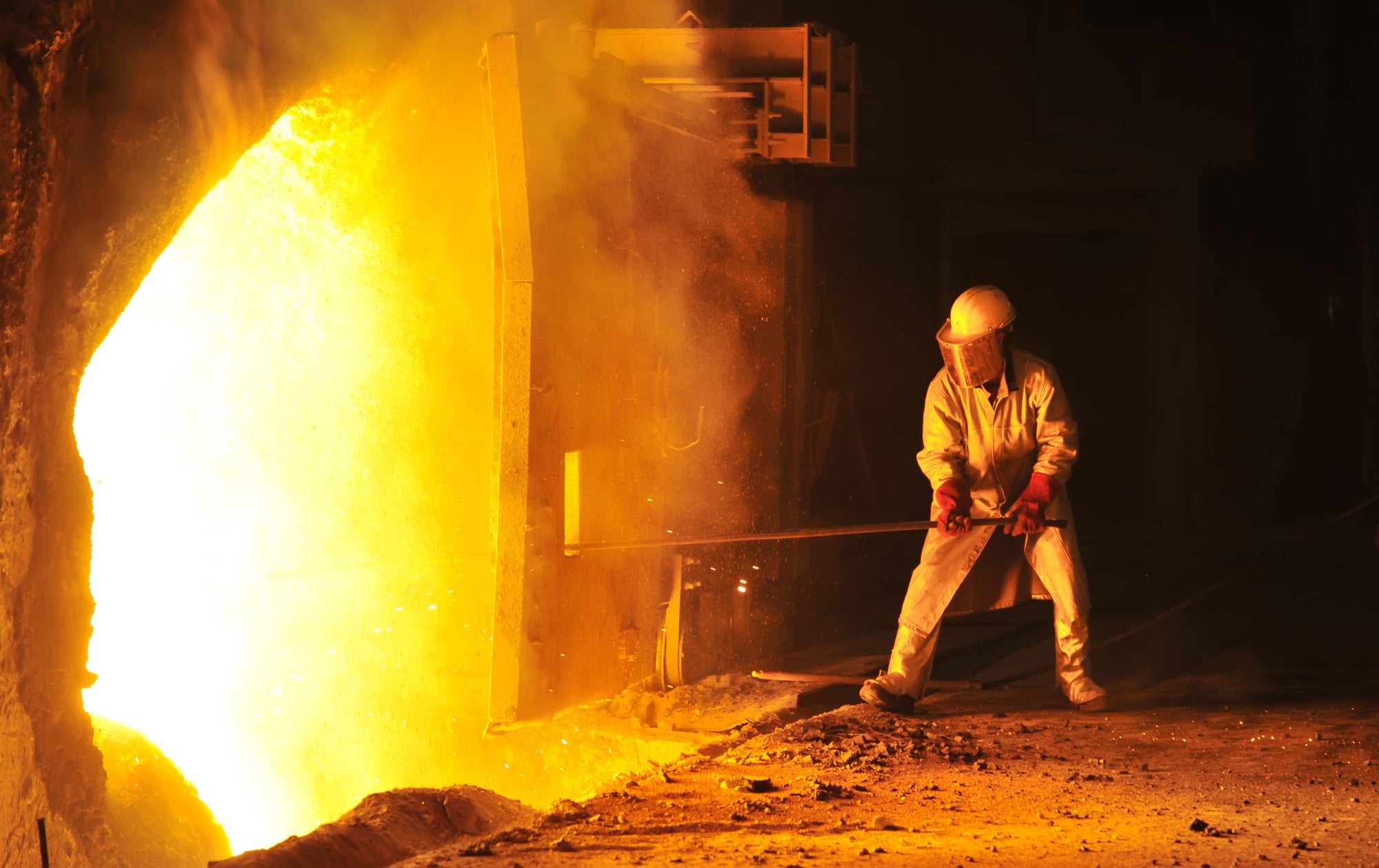
Around 300 BCE, metalworkers in Sri Lanka built high-carbon steel furnaces that used the natural wind patterns of monsoon seasons to reach temperatures of up to 1,400 degrees Celsius. The furnaces had openings that faced the prevailing winds directly, turning the weather into a power source.
This produced a type of steel called Wootz, which was traded as far as Rome and was famous for holding a sharp edge. The design required no bellows or manual effort to keep the heat going.
Mayan Rubber Technology
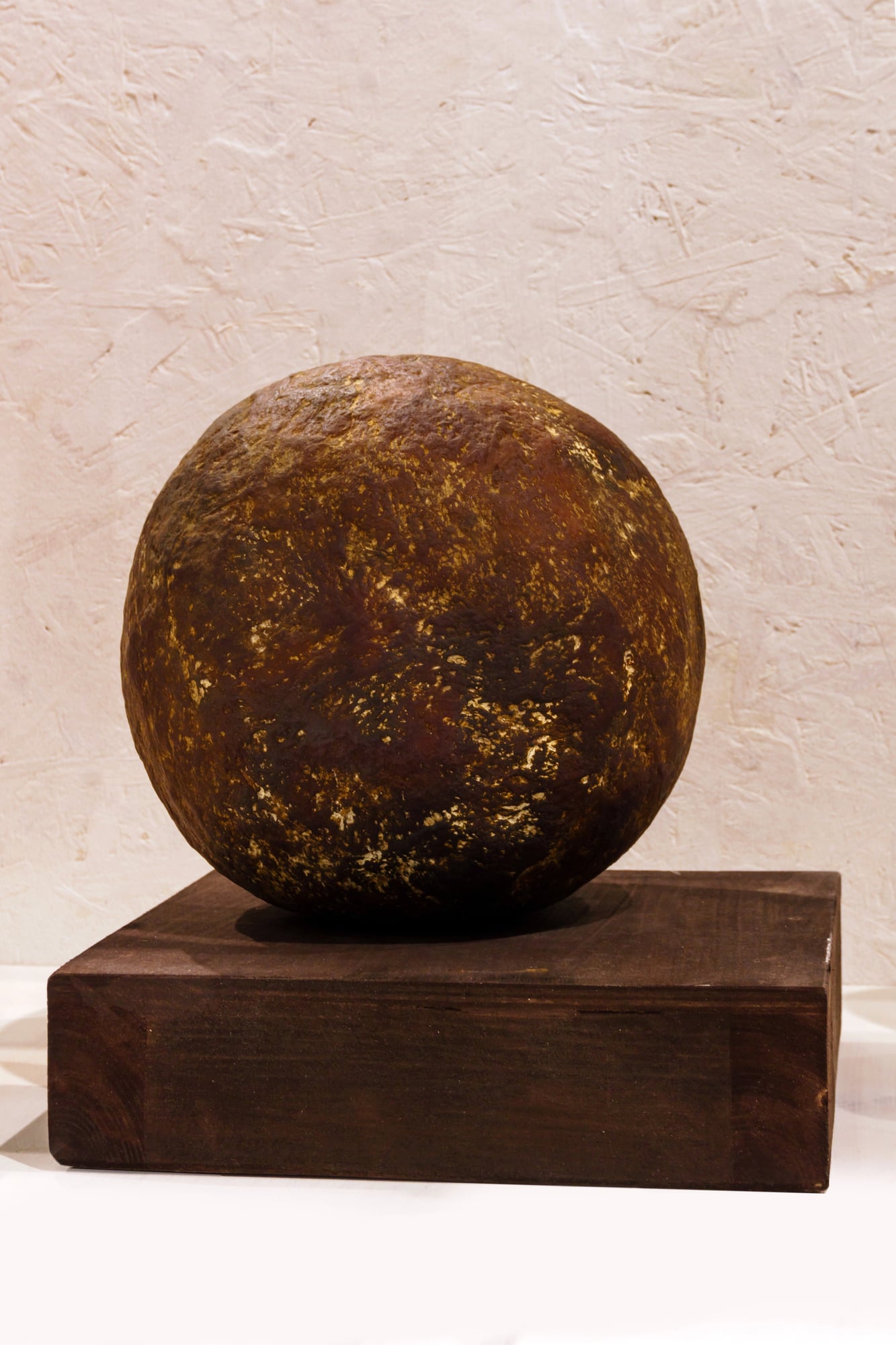
Long before Charles Goodyear invented vulcanized rubber in the 1800s, the Maya and other Mesoamerican civilizations had already figured out how to process rubber from tree sap. They mixed the raw latex with juice from a local vine, which caused a chemical reaction similar to vulcanization and made the rubber durable and elastic.
They used this processed rubber to make orbs, figurines, and waterproof materials. Modern chemists who analyzed the process confirmed it was a genuinely sophisticated technique, not just a lucky accident.
Greek Odometer

Measuring road distances in the ancient world required more than guesswork. The Greeks built a device, described in detail by Vitruvius, that used a series of gears attached to a cart wheel.
Every time the wheel completed a certain number of rotations, a small stone dropped into a container, and counting the stones gave the total distance traveled. It worked on the same counting principle as the odometer sitting in every car dashboard today.
Roman Surgical Tools
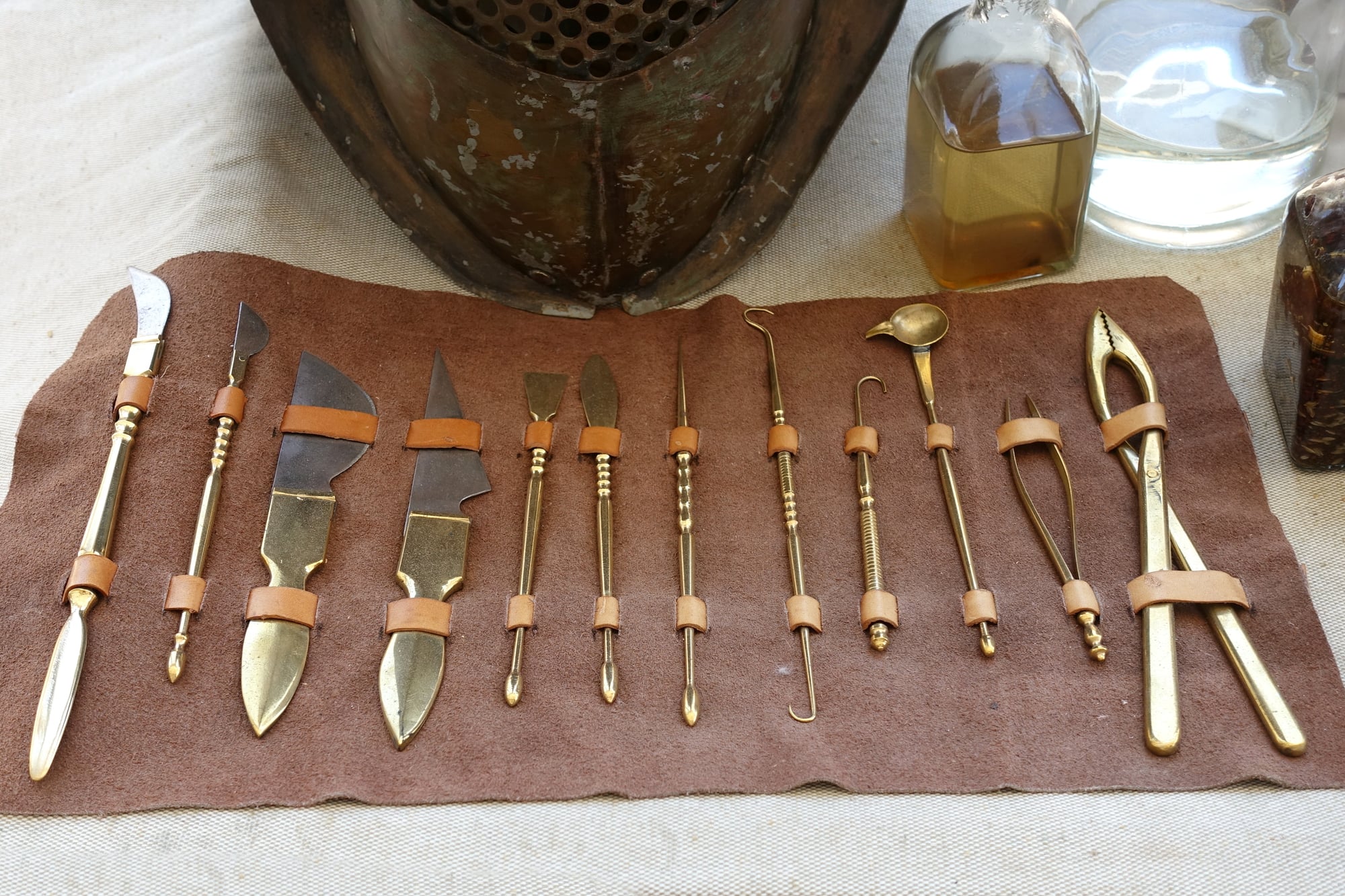
Surgeons working in the Roman Empire used tools that look almost identical to instruments in modern operating rooms. Archaeologists have found scalpels, forceps, bone drills, catheters, and even early versions of the speculum at Roman medical sites.
These tools were made from bronze and iron with a level of precision that required skilled manufacturing. The fact that medicine advanced so little for centuries after Rome’s fall says more about the Dark Ages than it does about what the Romans had already figured out.
Time To Give Credit Where It’s Due

The ancient world was not a place of guesswork and luck. These civilizations observed, tested, and built solutions that solved real problems with real accuracy.
Many of today’s ‘modern’ breakthroughs are really just better versions of ideas that people worked out thousands of years ago. The next time someone calls ancient history irrelevant, point them to a Roman floor heating system or a 2,000-year-old analog computer and let the evidence speak for itself.
More from Go2Tutors!

- The Romanov Crown Jewels and Their Tragic Fate
- 13 Historical Mysteries That Science Still Can’t Solve
- Famous Hoaxes That Fooled the World for Years
- 15 Child Stars with Tragic Adult Lives
- 16 Famous Jewelry Pieces in History
Like Go2Tutors’s content? Follow us on MSN.