Islands With Unusual Characteristics Or Origins
Islands capture human imagination like few other places on Earth. Some formed through volcanic eruptions, others through shifting tides and deposited sand, and a few through completely bizarre circumstances.
But scattered across the world’s oceans and waterways exist islands so strange that their very existence seems impossible until you learn their stories. Let’s explore some of the most unusual islands that actually exist on our planet right now.
Surtsey appeared from underwater volcano

This island literally didn’t exist until November 1963 when an underwater volcano off Iceland’s coast erupted and broke the ocean’s surface. Fishermen watched in amazement as explosions created new land right before their eyes.
The eruption continued for nearly four years, eventually creating an island covering about one square mile. Scientists immediately declared it off-limits to preserve it as a natural laboratory for studying how life colonizes new land.
Only a handful of researchers have ever set foot on Surtsey, making it one of the most restricted places on Earth.
Hashima looks like a battleship from the water

Japan’s Hashima Island earned the nickname Battleship Island because its silhouette resembles a warship floating on the horizon. Mitsubishi built this island larger by constructing concrete seawalls and filling in the shallow areas around a natural reef.
At its peak in 1959, over 5,000 people lived crammed into high-rise apartments on this tiny piece of land, making it the most densely populated place on Earth. Coal mining operations shut down in 1974, and every single resident left within months.
Today the abandoned concrete structures slowly crumble into the sea, creating one of the world’s most haunting ghost towns.
Spiral Jetty creates an artificial island formation

Artist Robert Smithson constructed a 1,500-foot spiral of rocks and earth extending into Utah’s Great Salt Lake in 1970. The artwork sometimes appears as an island when water levels drop and sometimes disappears entirely when levels rise.
Unlike natural islands, this one exists purely because an artist wanted to create something beautiful and thought-provoking. The spiral has become encrusted with white salt crystals over the decades, transforming its appearance.
Smithson died in a plane crash just three years after completing his most famous work, but the spiral continues drawing visitors to this remote location.
Poveglia served as a plague quarantine station
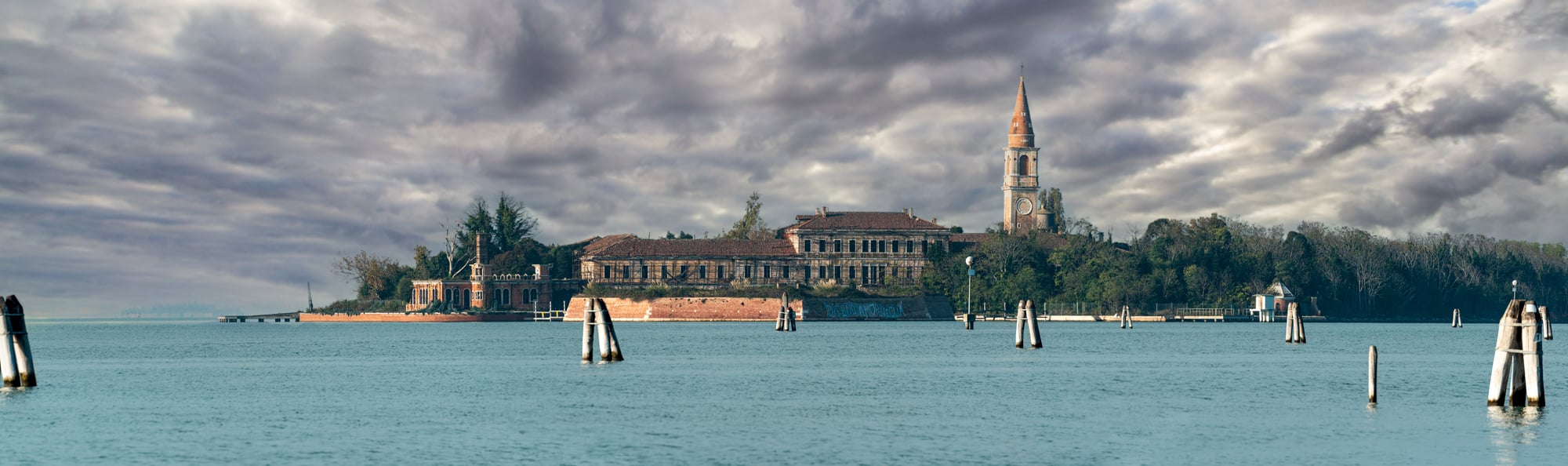
This small Italian island near Venice became a dumping ground for plague victims during multiple outbreaks between the 14th and 18th centuries. Authorities forced sick people onto boats and abandoned them on Poveglia to die away from the healthy population.
Estimates suggest over 160,000 people died on this tiny island over several centuries. In the 1920s, a mental hospital opened there and reportedly conducted cruel experiments on patients.
The Italian government forbids visits to Poveglia, though ghost hunters regularly sneak onto what many consider the most haunted island in the world.
The World consists of artificial islands shaped like continents
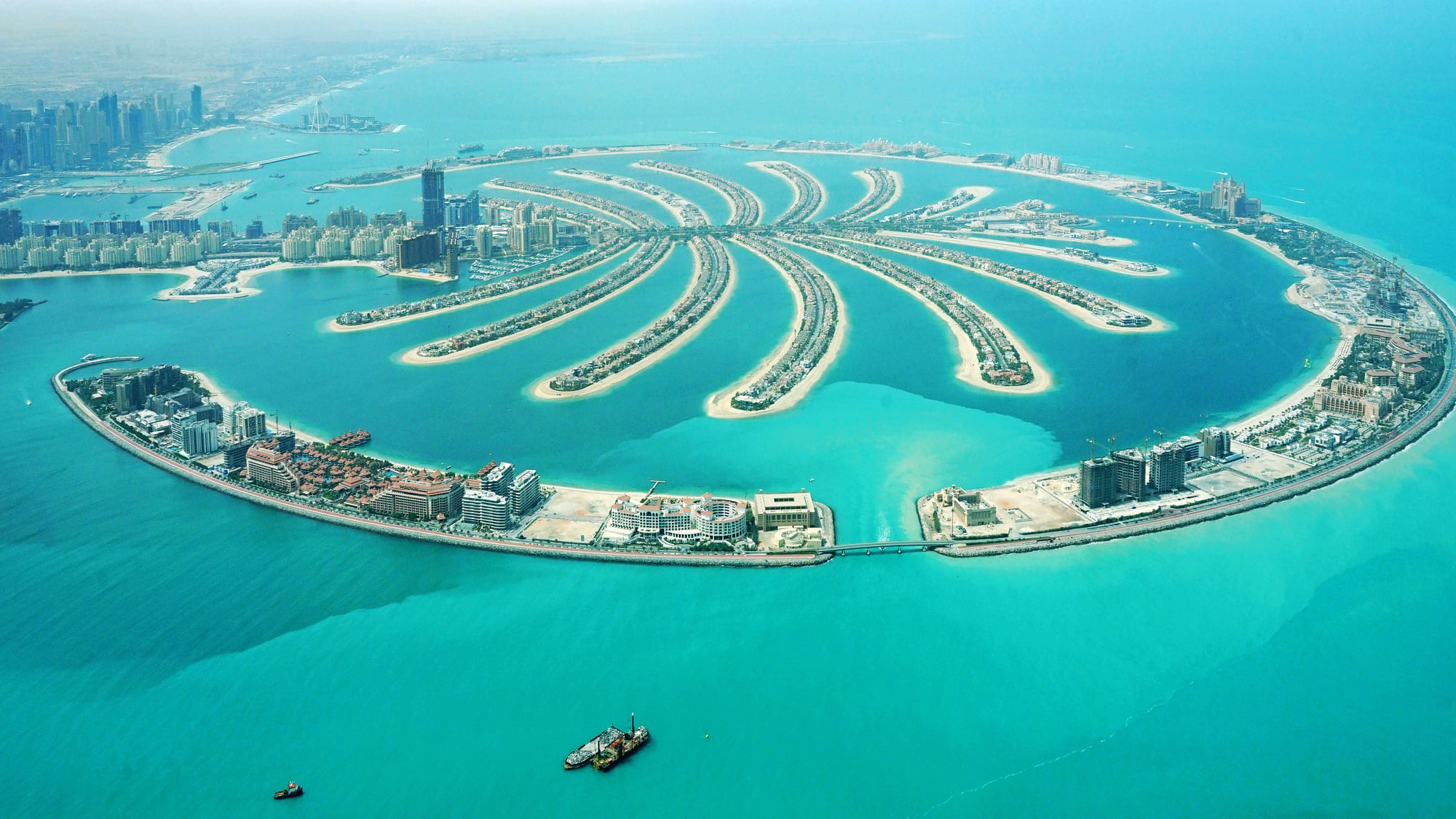
Dubai constructed 300 artificial islands arranged to look like a world map when viewed from above. Developers dredged millions of tons of sand from the Persian Gulf’s bottom and shaped it into recognizable continental forms.
The project aimed to create ultra-luxury private island homes for the extremely wealthy. Construction stopped during the 2008 financial crisis, and many islands have partially eroded back into the sea.
Some purchased islands sit empty while others host elaborate mansions, creating a bizarre mix of inhabited and abandoned land masses.
Ilha da Queimada Grande swarms with deadly snakes

Brazil’s Snake Island earned its terrifying nickname honestly. This island hosts between 2,000 and 4,000 golden lancehead vipers, one of the deadliest snake species on Earth.
Scientists believe the snakes became trapped on the island when rising sea levels separated it from the mainland thousands of years ago. Without ground prey, the snakes evolved to hunt birds, developing even more potent venom than their mainland relatives.
The Brazilian government bans all visits except for approved scientific research teams who must bring antivenom and emergency medical equipment.
North Sentinel remains completely isolated by choice
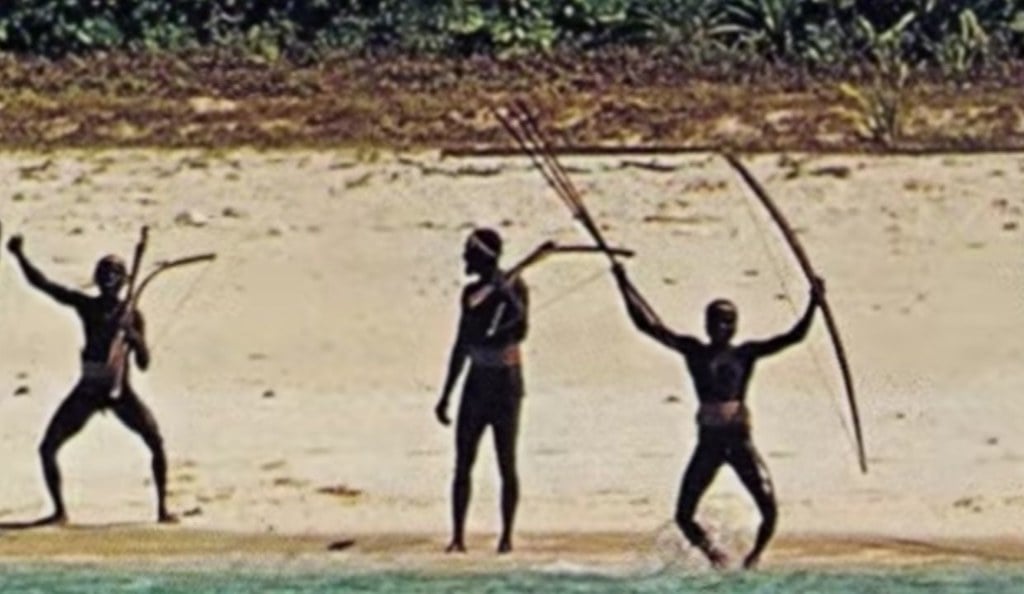
The Sentinelese people who live on this Andaman Islands territory have rejected all outside contact for thousands of years. They attack anyone who attempts to land on their island with bows and arrows.
Indian authorities now enforce a three-mile exclusion zone around North Sentinel after multiple deaths from contact attempts. Nobody knows how many people live there or what their language sounds like.
The island represents one of the last places on Earth completely untouched by modern civilization, and the residents clearly want to keep it that way.
Floating islands of Lake Titicaca are made from reeds

The Uros people of Peru built over 40 artificial floating islands entirely from totora reeds that grow in Lake Titicaca. These islands actually float and can be moved by releasing anchors and paddling to new locations.
Residents constantly add fresh reed layers on top as the bottom layers rot away in the water. Families have lived on these floating homes for centuries, originally building them to escape aggressive mainland tribes.
Tourism now provides income for many Uros families who demonstrate their traditional lifestyle while living in one of the world’s strangest communities.
Migingo measures smaller than a football field
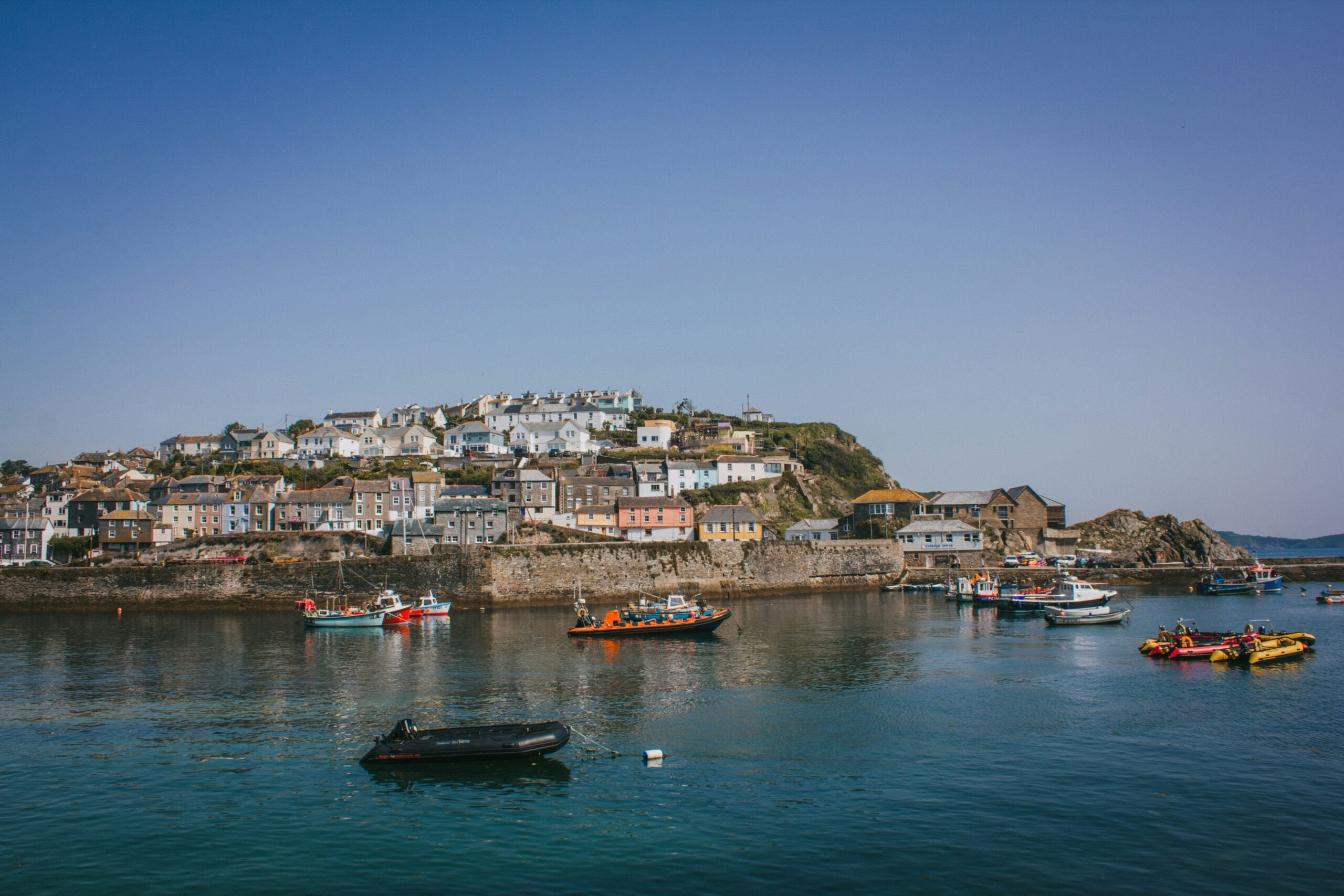
This tiny rock in Lake Victoria has caused serious diplomatic disputes between Kenya and Uganda despite being only 2,000 square meters in size. Over 130 people live crammed onto Migingo in rusty metal shacks built right on top of each other.
The island sits near excellent fishing grounds, making its ownership valuable to both countries. Residents live in conditions that seem impossible, with virtually no space between structures.
Both nations have deployed police to the island at various times, creating absurd standoffs over this overcrowded speck of rock.
Garbage Patch accidentally created artificial reef

The Great Pacific Garbage Patch, while not technically a solid island, has created floating ecosystems where marine life now lives on plastic debris. Scientists discovered coastal species living hundreds of miles from any natural coastline by adapting to floating garbage.
This accidental artificial island spans an area larger than Texas. The plastic concentration varies, with some areas containing visible debris while others have tiny particles suspended in the water.
While fascinating from a biological perspective, this garbage island represents a tragic environmental disaster.
Dejima was Japan’s only Western trade connection
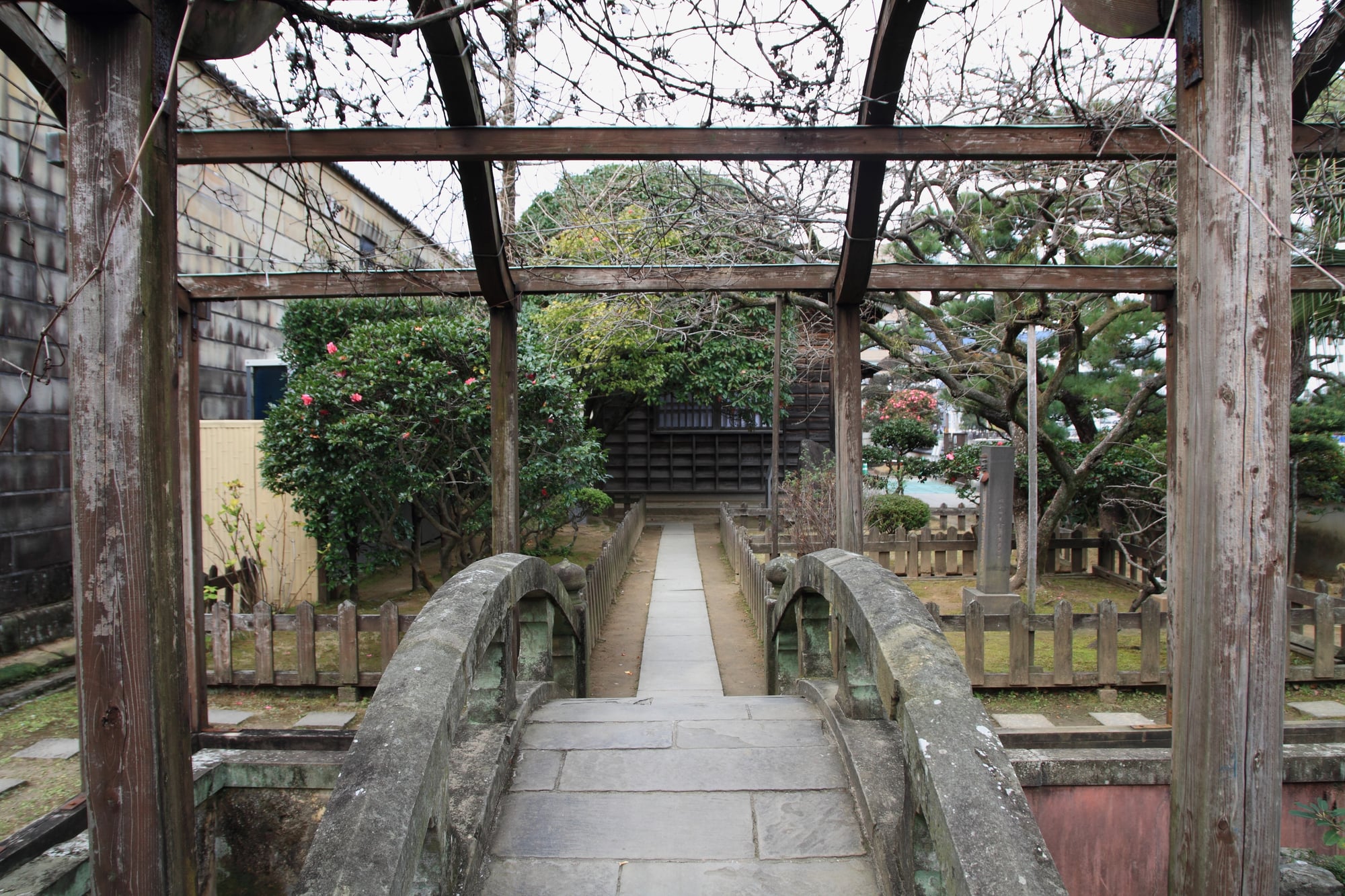
The Japanese government built this artificial island in Nagasaki harbor in 1636 specifically to isolate Dutch traders from the rest of Japan. The fan-shaped island measured only about 400 feet long and 250 feet wide.
For over 200 years during Japan’s isolation period, Dejima served as the only place where Western trade occurred in the entire country. Japanese merchants could visit during business hours but had to leave by evening.
The island later connected to the mainland as the harbor expanded, but restored buildings now show what this unique cultural bridge once looked like.
Hans Island sparked whisky wars between nations
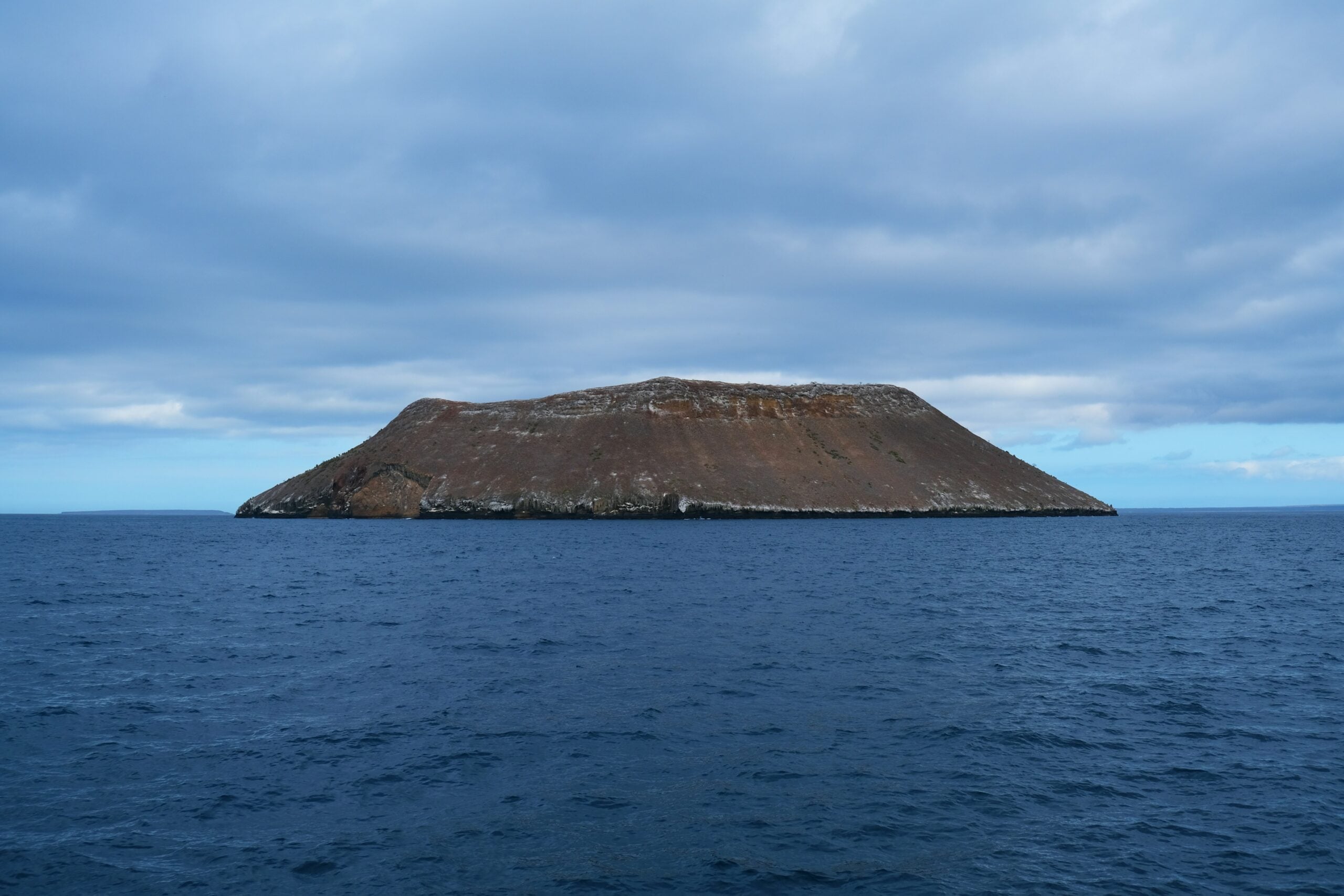
This tiny uninhabited rock between Greenland and Canada became the center of the most polite territorial dispute in history. Canadian and Danish military forces would periodically visit the island, remove the other country’s flag, plant their own, and leave a bottle of alcohol with a note.
Canadians left whisky while Danes left schnapps, creating what people called the ‘whisky wars.’ The two nations finally agreed in 2022 to split the island down the middle, creating the world’s smallest land border between two countries.
The friendly nature of this decades-long dispute made international headlines.
Niihau operates as a privately owned time capsule

This Hawaiian island has been privately owned by the Robinson family since 1864 and remains largely isolated from modern society. The roughly 170 residents mostly speak Hawaiian as their primary language and live without running water or paved roads.
No visitors can come to Niihau except through expensive helicopter tours that don’t land or by personal invitation from a resident. The island has no stores, restaurants, or internet access.
Many residents have never left Niihau and choose to maintain their traditional lifestyle deliberately separated from contemporary Hawaii.
Socotra evolved alien-looking plant species
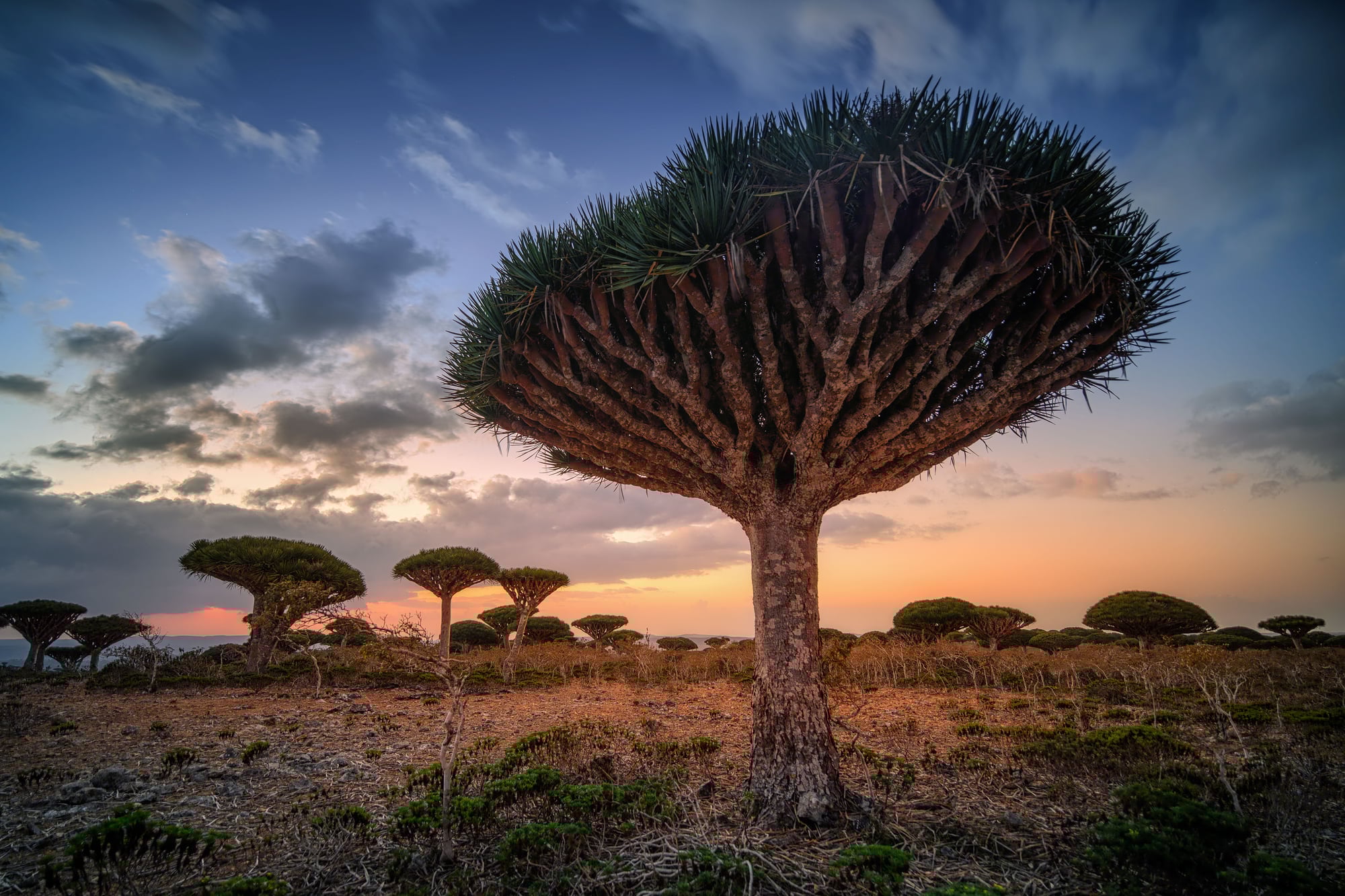
Yemen’s Socotra Island separated from mainland Africa so long ago that one-third of its plant species exist nowhere else on Earth. The dragon’s blood tree with its umbrella shape looks like something from science fiction rather than a real place.
Bizarre cucumber trees, giant succulent plants, and other strange species cover the landscape. The island’s extreme isolation allowed evolution to take completely different paths than on continents.
UNESCO designated Socotra a World Heritage Site to protect what scientists call one of the most alien-looking places on the planet.
Palmyra Atoll remains uninhabited but privately owned

This Pacific island belongs to The Nature Conservancy and serves as a research station despite technically being privately owned conservation land. The atoll includes over 50 small islands formed by coral reefs surrounding a lagoon.
No permanent residents live there, only rotating teams of scientists studying the pristine ecosystem. During World War II, the U.S. military built an airstrip and facilities that have mostly been reclaimed by nature.
The combination of scientific research, conservation status, and private ownership creates a unique situation for an entire island group.
Easter Island’s heads actually have bodies

Rapa Nui, commonly called Easter Island, features those famous stone heads that actually extend deep underground with full bodies attached. Excavations revealed that the statues people thought were just heads actually include torsos buried by centuries of erosion and soil accumulation.
The Rapa Nui people carved nearly 900 of these massive statues, some weighing over 80 tons. How they moved these enormous stones across the island without wheels or large trees remains debated.
The island sits over 2,000 miles from the nearest continent, making the accomplishments of its ancient inhabitants even more impressive.
Null Island exists only on digital maps
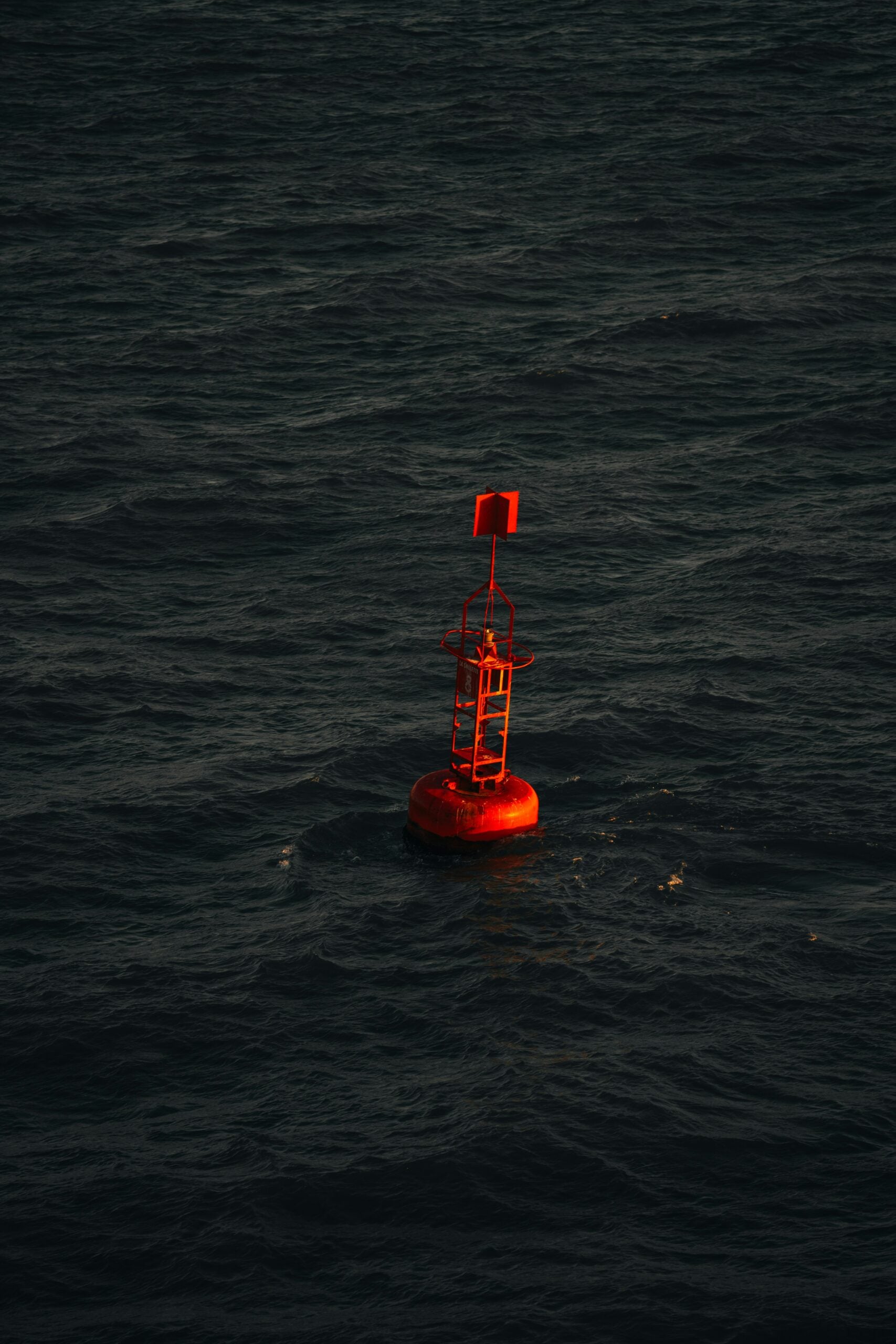
This completely fictional island appears at coordinates 0°N, 0°E where the equator meets the prime meridian in the Atlantic Ocean. Programmers created Null Island as an error-checking location for mapping software.
When geographic data gets corrupted or location coordinates fail, many systems default to 0,0, which would place things at Null Island. A weather buoy actually floats at this location, but no land exists there.
Despite being imaginary, Null Island has become surprisingly important in the digital mapping world as a placeholder for missing or incorrect location data.
Vulcan Point forms islands inside other islands

A speck of land called Vulcan Point pokes through water inside another body of water, both trapped within islands stacked like bowls. Crater Lake holds that tiny patch, born when fire shaped the hollow top of Taal Volcano long ago.
That volcano itself forms an island floating in the wider waters of Lake Taal. Wrap your mind around this: the whole scene rests on Luzon, a much larger chunk of earth surrounded by sea.
Layers built up slow – lava cooled, lakes formed, new eruptions pushed rock skyward again. Visitors find themselves standing at a spot few places on Earth match – a dot encircled by water and land repeating into distance.
Farthest out there, Tristan da Cunha holds the title of most isolated community on Earth
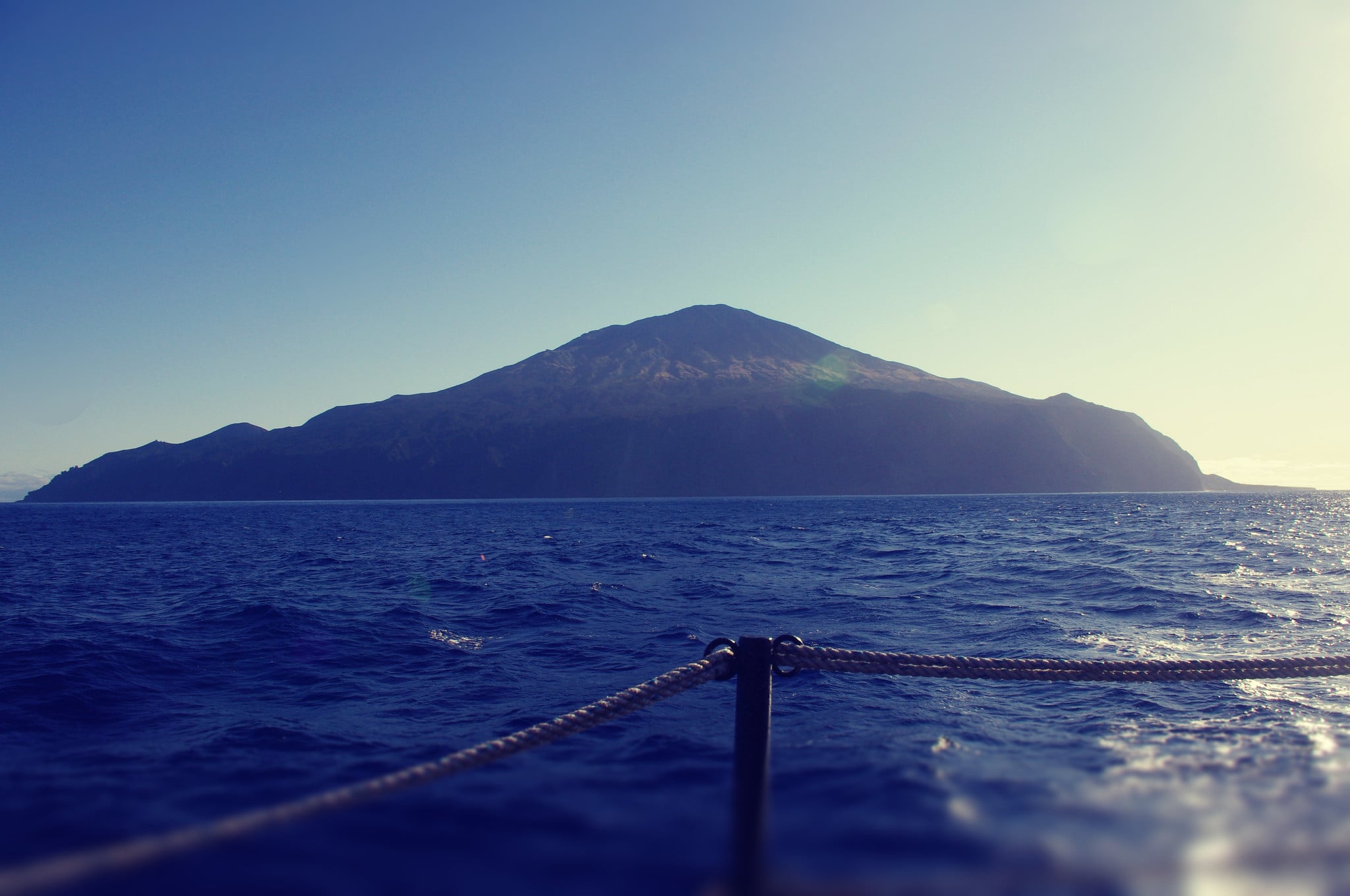
A chunk of rock rises from the South Atlantic, cut off by 1,750 miles of ocean from any other people. Around two hundred fifty souls call it home.
All of them live in one cluster of buildings named Edinburgh of the Seven Seas. Ships carrying supplies show up roughly every four weeks – if storms stay away.
There is a classroom for children, a shop for groceries, a place to get hot drinks, plus someone who keeps order on the streets. Farming their own meals comes naturally when options are nonexistent.
The islanders stick tight, simply because staying connected keeps things running. A trip to reach them? Six slow days by sea from South Africa.
This speck in the ocean holds the title – most remote inhabited place on the planet.
Strange islands reveal Earth’s diversity

Out here, odd patches of land show how wildly different Earth can get. Not one of these peculiar spots came about the usual way – some twisted together nature and people meddling until something totally new popped up.
Even now, with eyes in space watching everything, the planet keeps secrets tucked away on remote shores. A few support daily life with towns and routines; others vanish when you blink or live only inside data centers.
What hides beneath their histories tells a bigger truth: terrain is never just dirt and rock – it morphs under silence, distance, time. Born from eruptions, woven like baskets, or forced into being by stubborn dreams, each odd stretch of ground writes its own line in the tale of where we stand.
More from Go2Tutors!

- The Romanov Crown Jewels and Their Tragic Fate
- 13 Historical Mysteries That Science Still Can’t Solve
- Famous Hoaxes That Fooled the World for Years
- 15 Child Stars with Tragic Adult Lives
- 16 Famous Jewelry Pieces in History
Like Go2Tutors’s content? Follow us on MSN.