The 15 Most Mountainous Regions In The World
There’s something about mountains that makes you feel small and enormous at the same time. Perhaps it’s the way they rise from flat earth like ancient monuments, or how they force clouds to stop and pay attention.
Whatever it is, some places on Earth seem to collect these giants, creating landscapes so dramatically vertical they barely seem real. These regions don’t just have mountains — they’re made of them, shaped by them, defined by the endless rhythm of peak and valley that stretches beyond what your eyes can take in.
The Himalayas
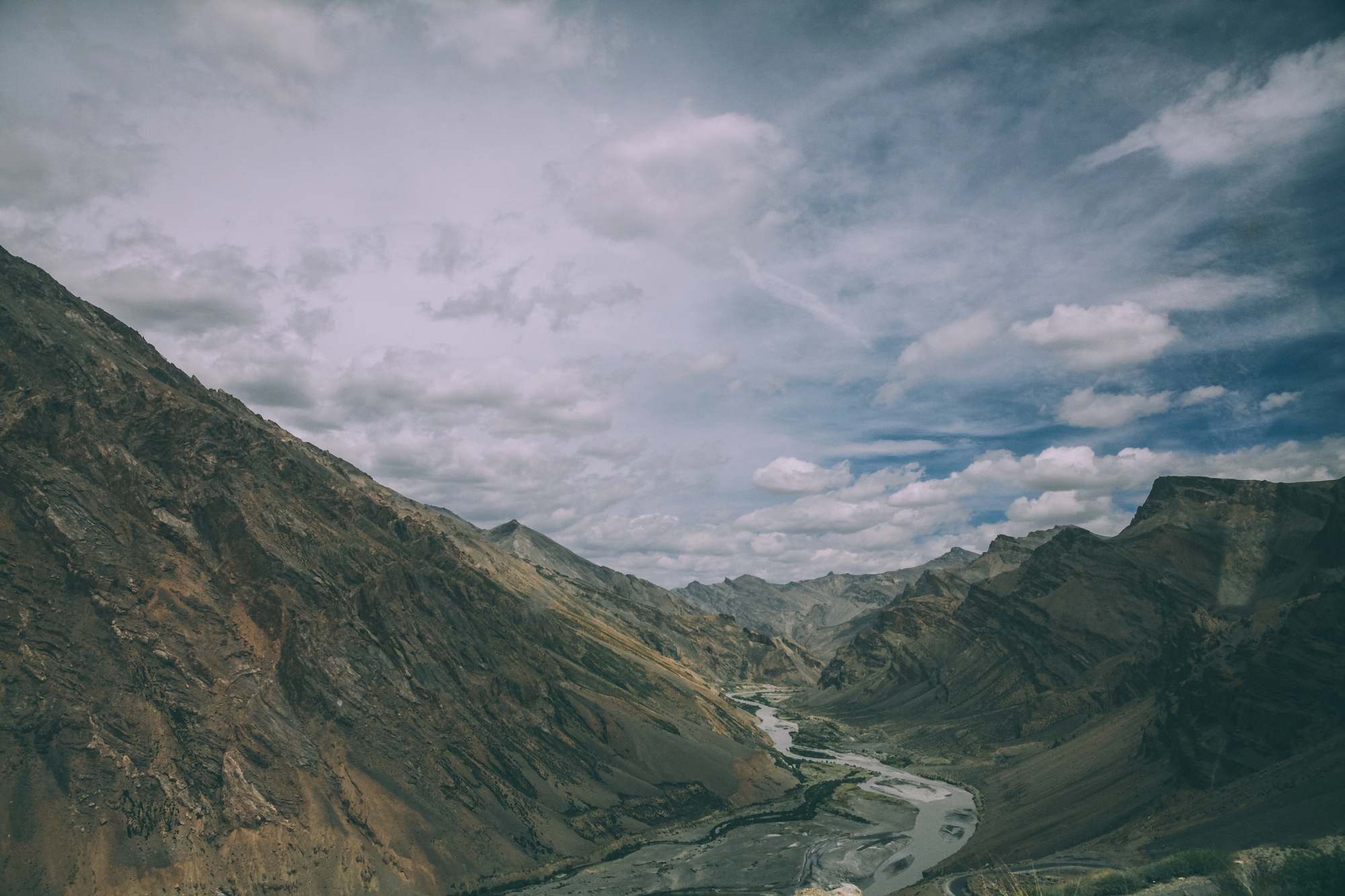
The Himalayas don’t mess around. Eight of the world’s fourteen peaks over 8,000 meters live here.
Everest sits at the top like an indifferent king. This isn’t just one mountain range — it’s a 1,500-mile chain that decided to own most of Asia.
Nepal, India, Bhutan, Pakistan, and Tibet all get a piece. The geology is simple enough: India crashed into Asia 50 million years ago and both continents are still dealing with the aftermath.
The Andes
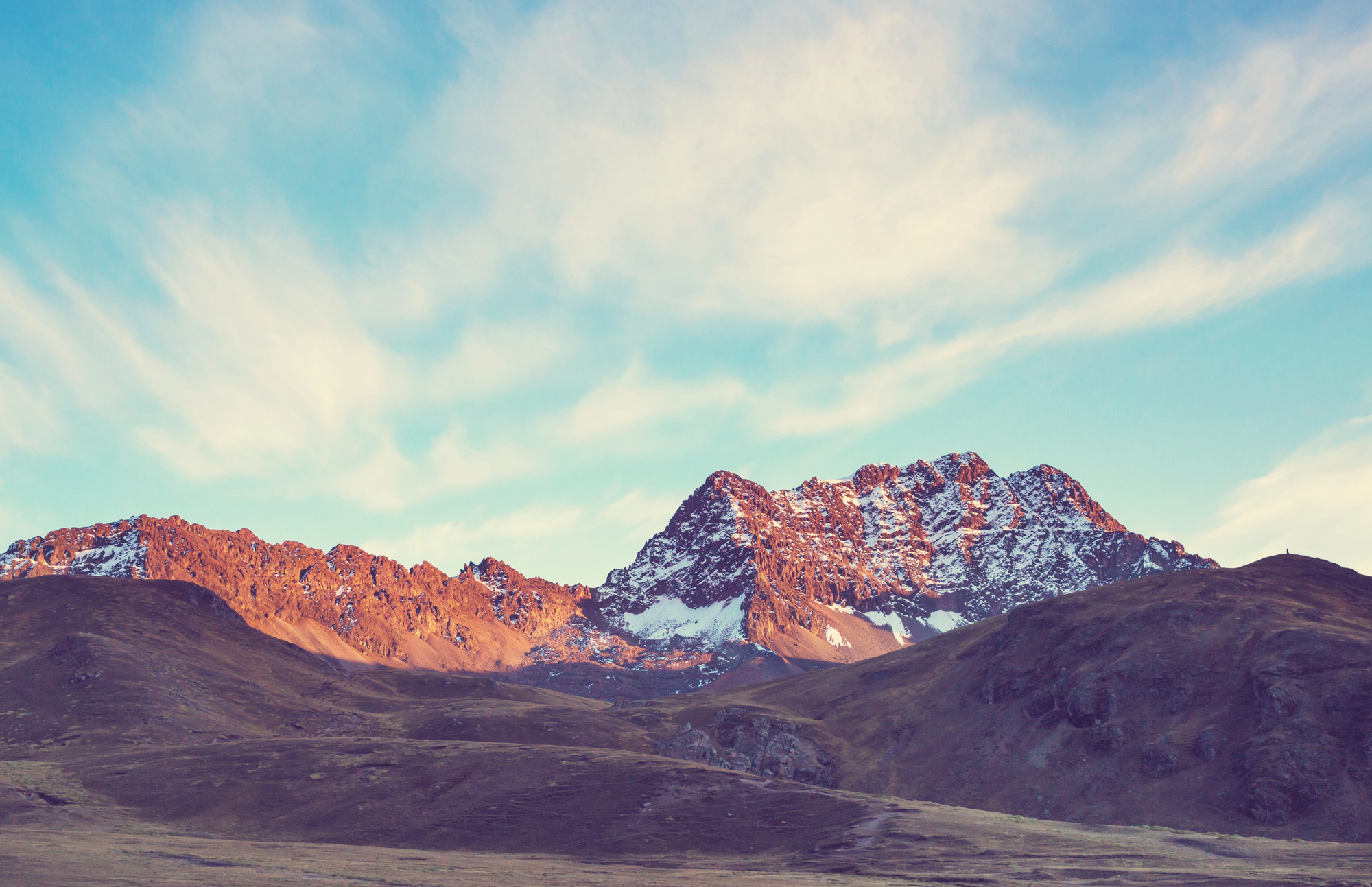
The Andes stretch along South America’s western edge like a spine that refused to quit, running (and this is the part that makes you stop and re-read the number) over 4,300 miles from Venezuela down to the bottom of Chile — which means that if you wanted to drive the length of them, you’d need to cross through seven different countries, navigate climates that swing from tropical to sub-Antarctic, and probably question several life choices along the way. But here’s the thing about the Andes that most people don’t quite grasp until they see them in person: they’re not just tall (though Aconcagua, at 22,837 feet, certainly has something to say about that), they’re relentlessly, almost absurdly consistent in their refusal to flatten out.
So you get this continental wall effect. And yet the cultures that developed here — Inca, Quechua, dozens of others — didn’t see the mountains as barriers but as home.
The range contains more active volcanoes than anywhere else on the planet. Over 180 of them, in case you were counting.
The Alps
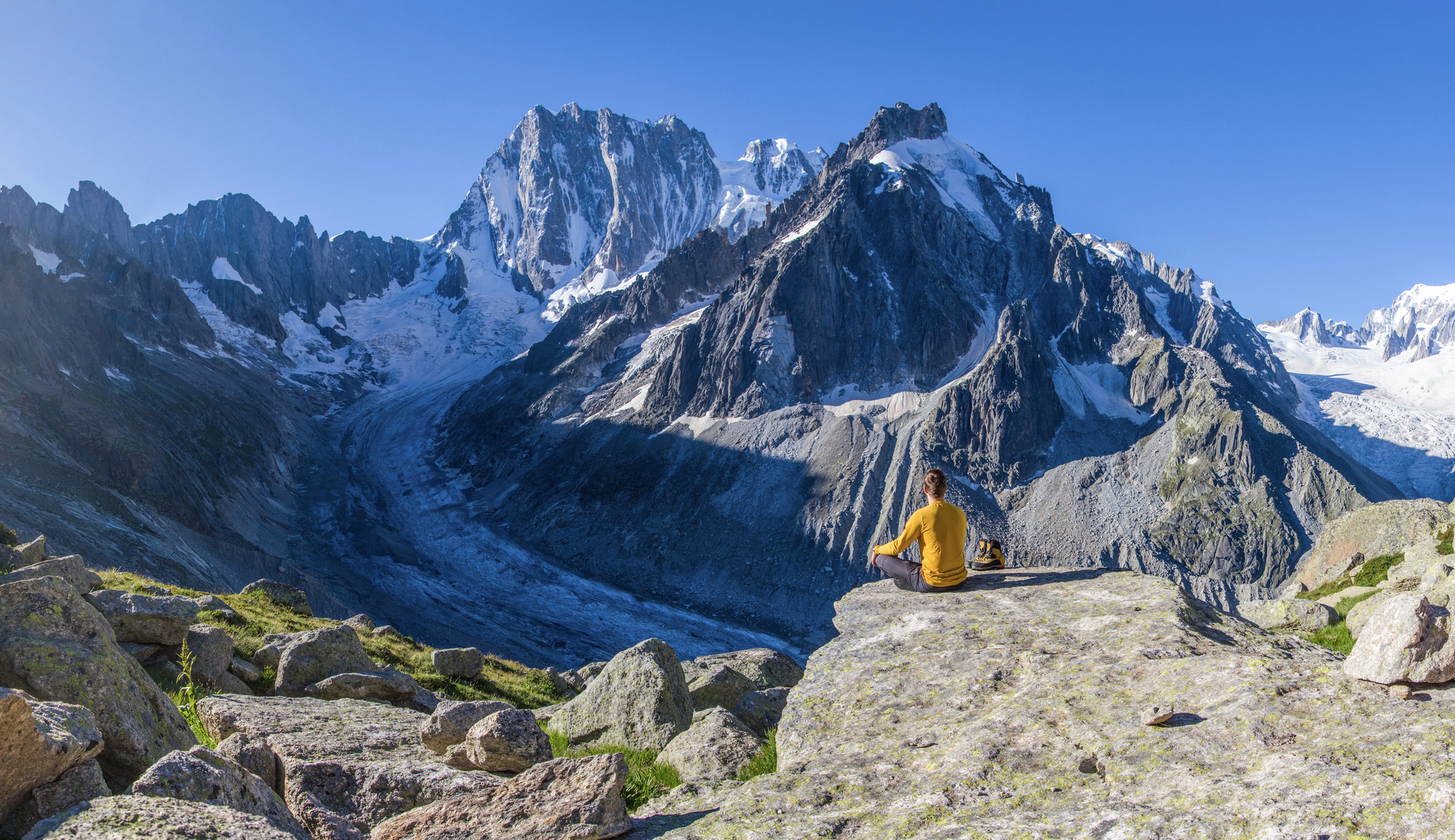
The Alps are Europe’s crown jewel, and they know it. Mont Blanc, the Matterhorn, the Eiger — these aren’t just mountains, they’re personalities with their own fan clubs.
Spanning eight countries, the Alps manage to be both accessible and intimidating. You can take a train to places that would require serious mountaineering gear elsewhere.
The peaks average around 8,000 feet, which sounds modest until you realize they rise directly from valleys that sit barely above sea level. The vertical relief hits you like a geography lesson you weren’t prepared for.
The Rocky Mountains
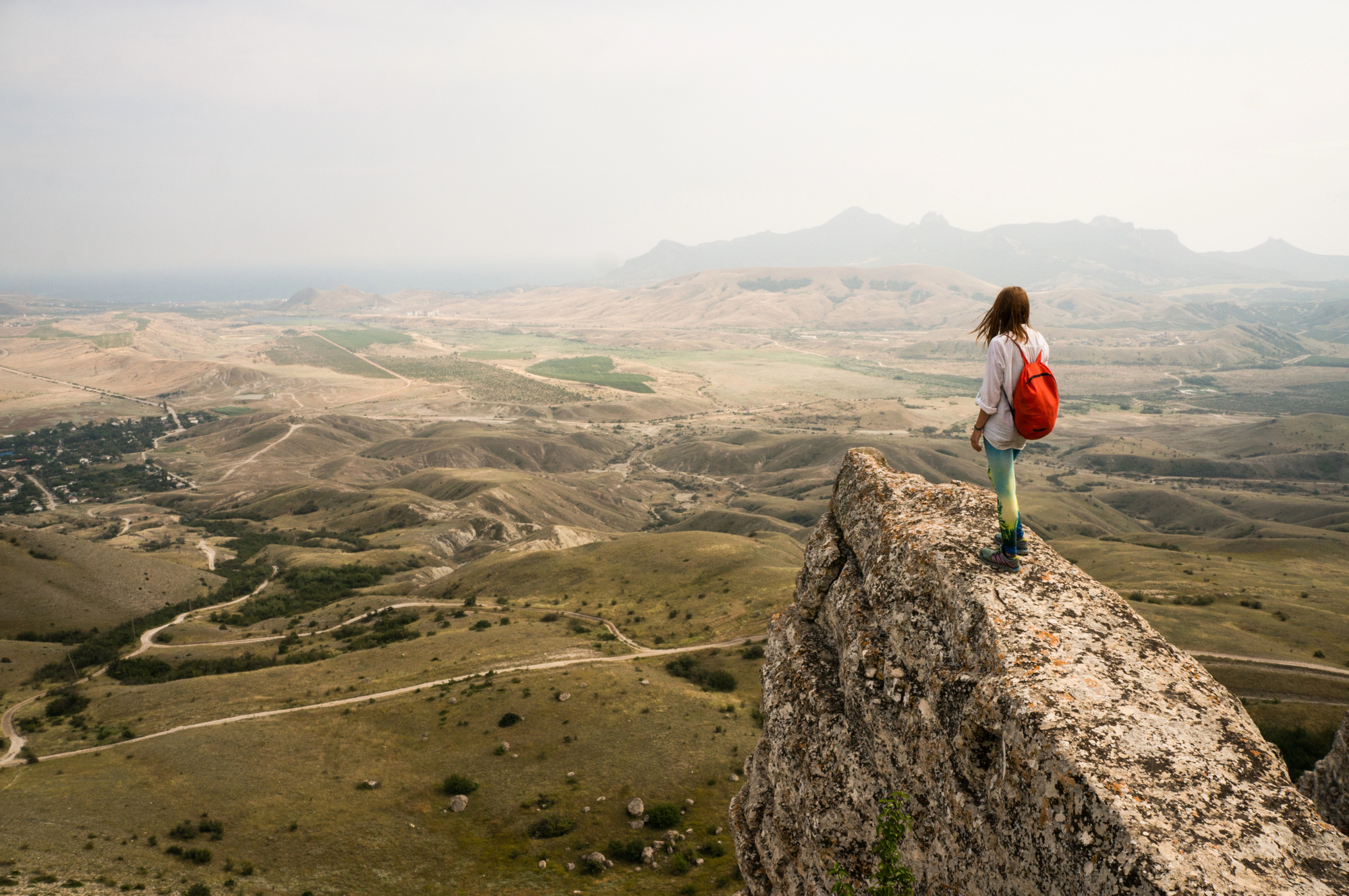
Think of the Rockies as North America’s backbone that developed opinions about symmetry and decided against it. They run roughly 3,000 miles from northern British Columbia down to New Mexico, but calling them a single mountain range is like calling a symphony a single note — technically true but missing the complexity entirely.
The Canadian Rockies look nothing like the Colorado Rockies, which share almost no characteristics with the ranges in Montana or Wyoming, and yet somehow the whole thing holds together as a recognizable system that divides the continent into before and after. What you get is this massive collection of peaks, some glaciated and sharp-edged, others worn smooth by time, creating landscapes that shift personality every few hundred miles.
The geology reads like a textbook on how to build mountains: you’ve got volcanic activity, tectonic uplift, glacial carving, and millions of years of weather doing what weather does best. But here’s what the textbooks don’t capture: the way these mountains seem to generate their own weather, pulling storms out of clear skies and dropping snow in July just because they can.
Fourteen peaks in Colorado alone rise above 14,000 feet. Locals call them fourteeners, and some people make it their mission to climb all of them.
The Karakoram
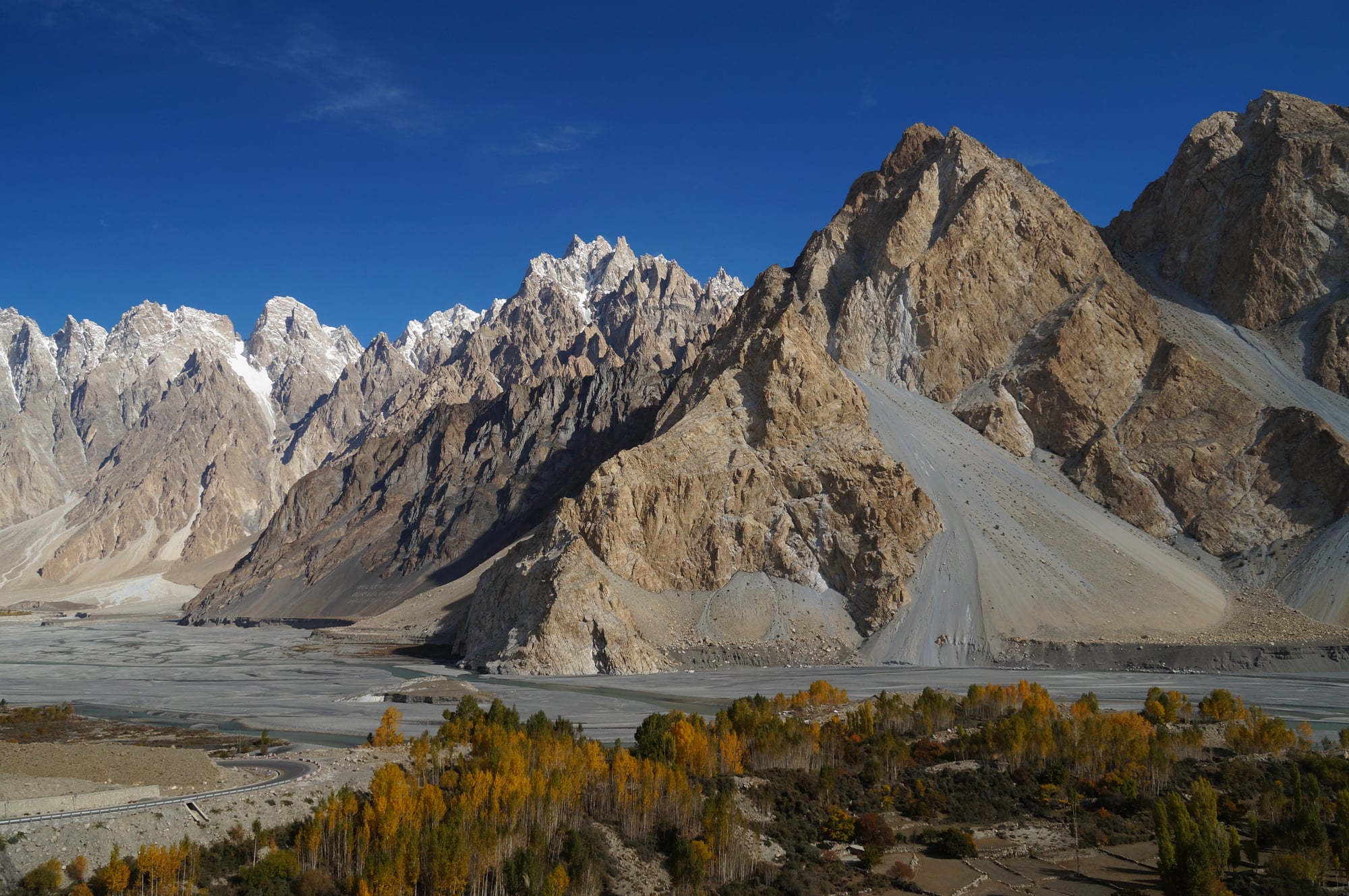
The Karakoram sits where Pakistan, India, and China meet, and it doesn’t care about borders. K2 lives here — the mountain that makes Everest look friendly.
This range packs more glacial ice outside the polar regions than anywhere else on Earth. The Baltoro Glacier stretches for 39 miles and serves as base camp highway for some of the world’s most dangerous peaks.
Four of the world’s fourteen 8,000-meter peaks call the Karakoram home. The weather here changes faster than you can check a forecast.
The Caucasus Mountains
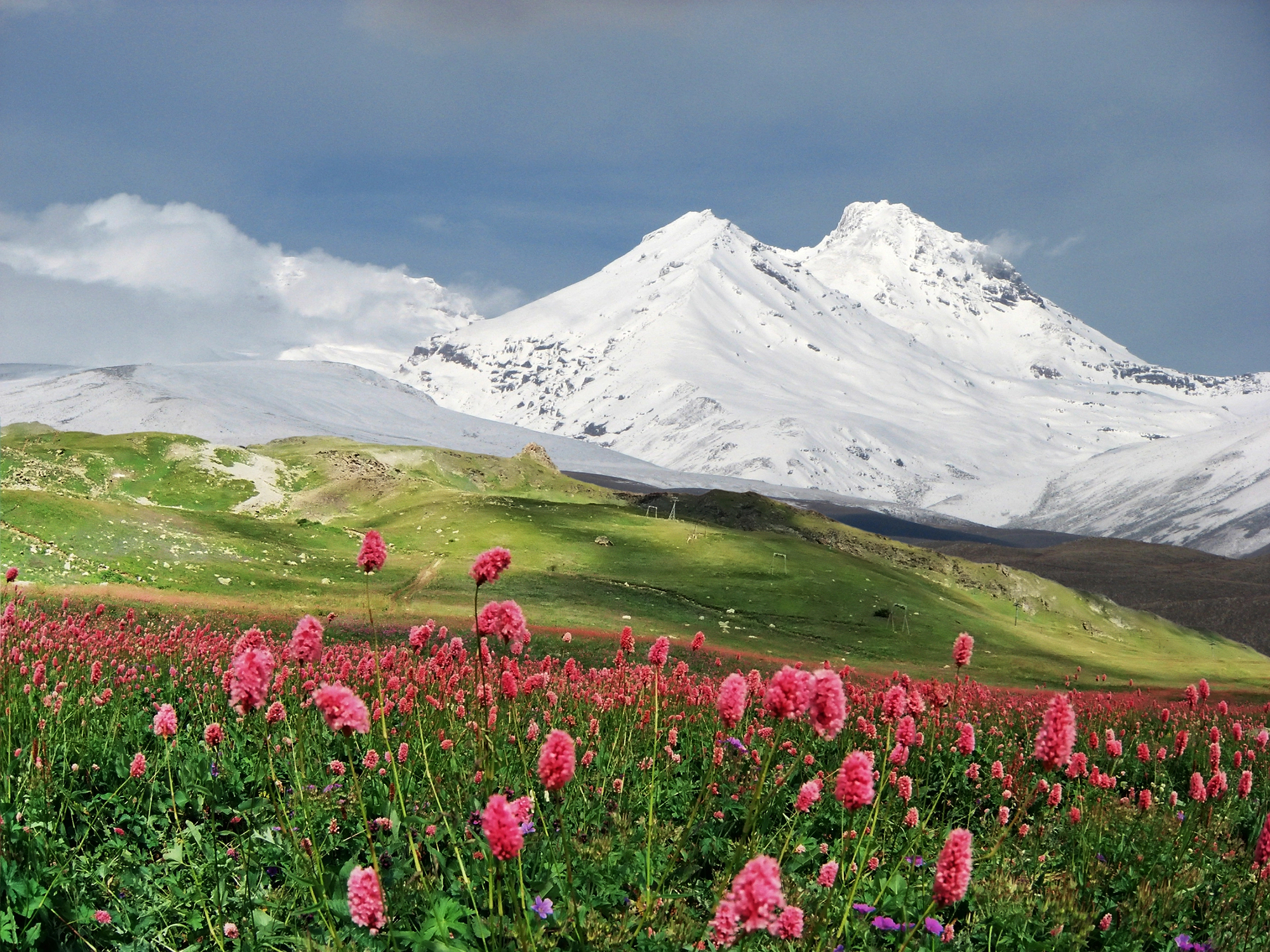
The Caucasus Mountains stretch between the Black and Caspian Seas like a bridge that forgot it was supposed to be flat. Mount Elbrus, the highest peak in Europe, rises 18,510 feet into air so thin it makes sea-level breathing feel luxurious, but what makes this range interesting isn’t just the altitude — it’s the way the mountains seem to hold entire cultures in their valleys, languages that exist nowhere else, traditions that developed in isolation simply because the peaks made elsewhere feel impossibly far away.
These mountains have watched empires rise and fall from their stone perches, serving as both fortress and prison for the people who call them home. The range runs roughly 750 miles, dividing Europe from Asia in the most dramatic way possible.
And yet for all their geographical significance, the Caucasus remain somewhat overlooked, perhaps because they’re surrounded by regions that grab more headlines. The range contains Europe’s highest peak and some of its most linguistically diverse valleys.
Over 50 languages are spoken in the region.
The Atlas Mountains
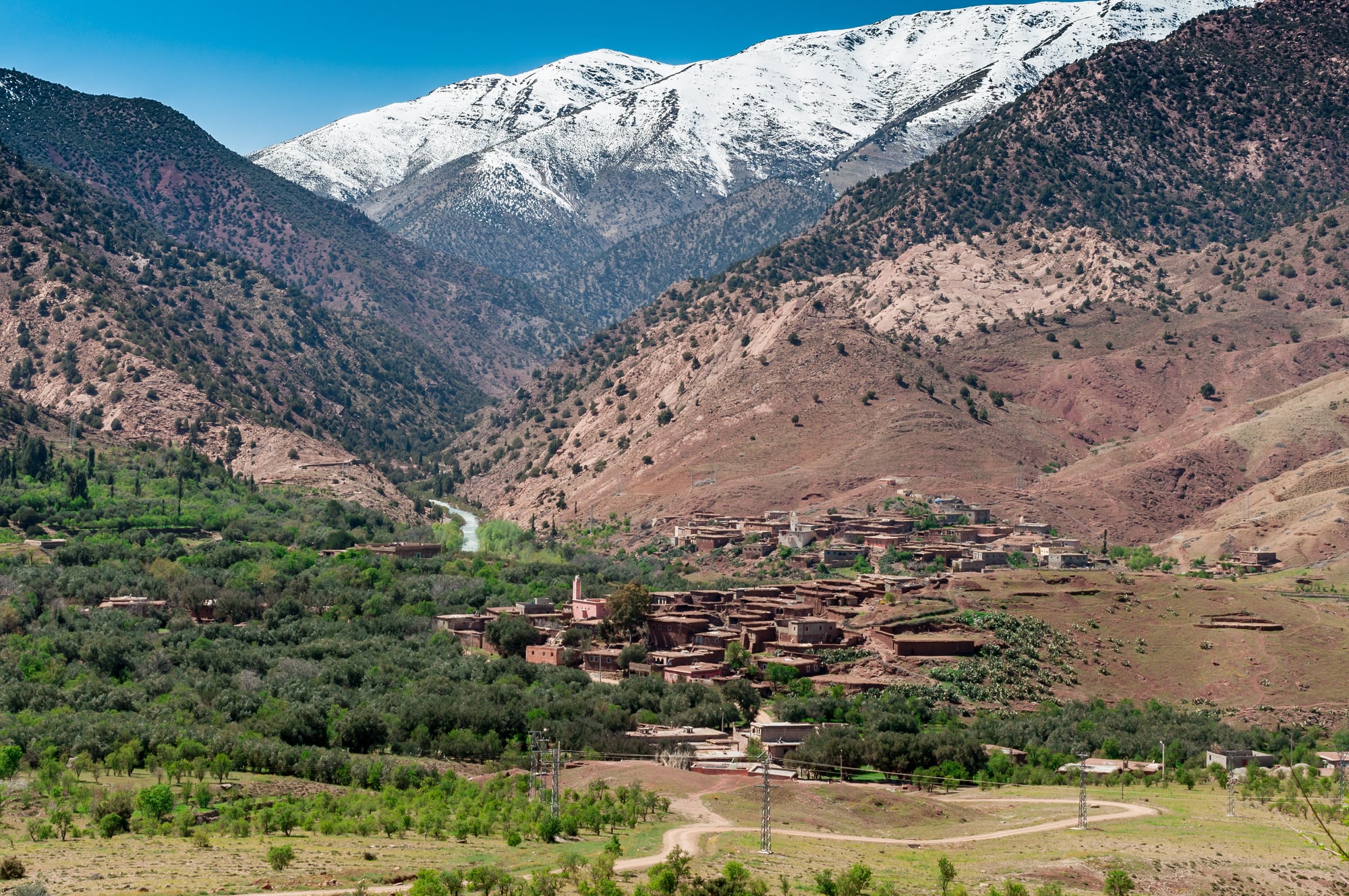
The Atlas Mountains don’t just cross Morocco — they define it. Three parallel ranges that decided North Africa needed more vertical drama than the Sahara was providing.
The High Atlas contains North Africa’s tallest peaks, including Mount Toubkal at 13,671 feet. Berber villages cling to slopes that seem to defy both gravity and common sense.
The mountains catch snow while the desert bakes just miles away. Morocco’s geography makes perfect sense once you see it from above: mountains, then valleys, then sand, like layers in some enormous geological cake.
The Sierra Nevada
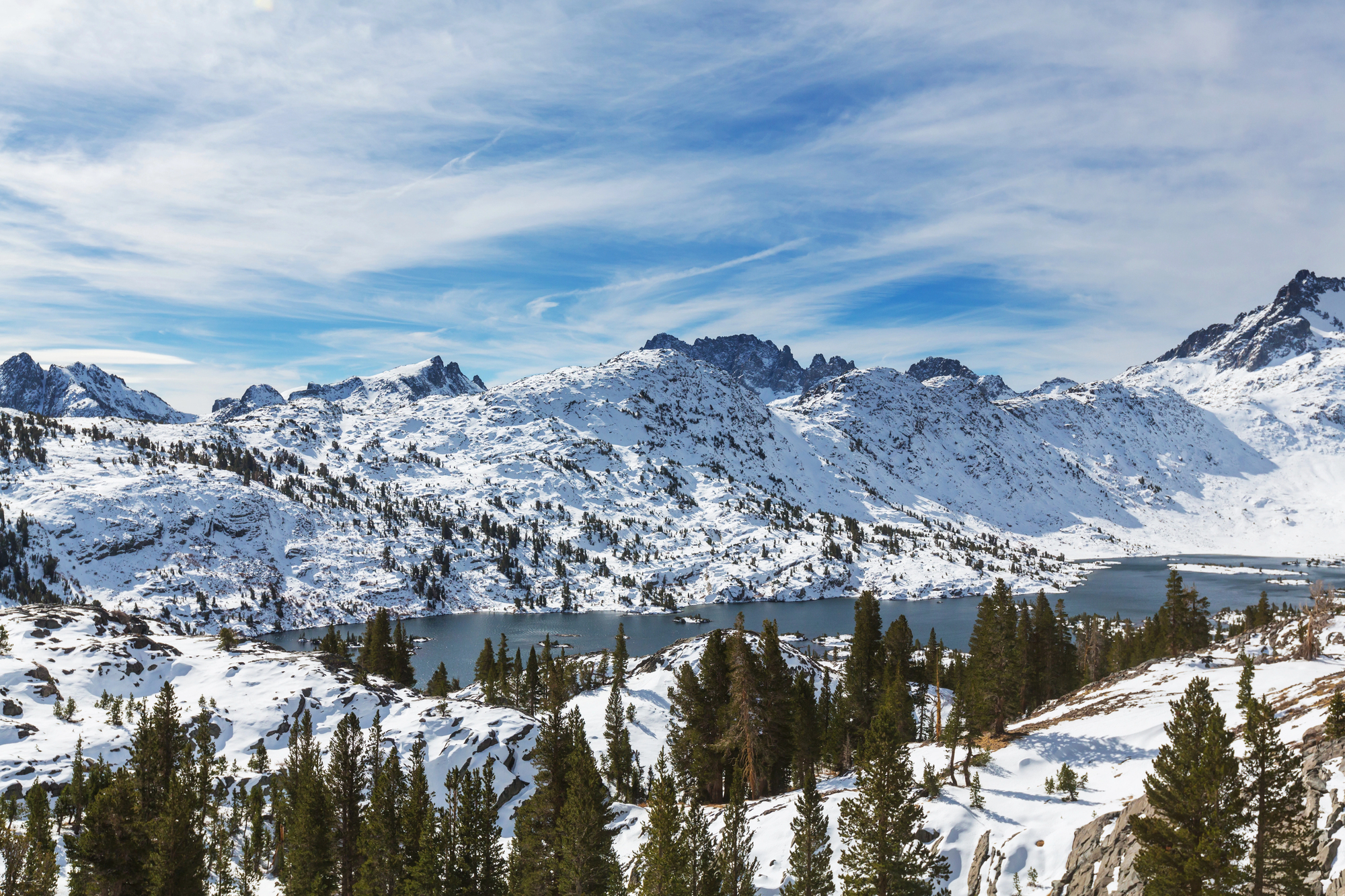
The Sierra Nevada runs down California’s eastern edge like a granite wall that decided subtlety was overrated. This range doesn’t gradually rise — it erupts from the Central Valley in a series of peaks that top out over 14,000 feet.
Mount Whitney, at 14,505 feet, holds the title of tallest peak in the contiguous United States. But the real show here is Yosemite, where granite domes and waterfalls create scenery so dramatic it almost seems engineered for postcards.
The range stretches 400 miles and contains some of the oldest rocks in North America. John Muir spent his life trying to convince people these mountains mattered, which seems unnecessary once you see them.
The Pyrenees
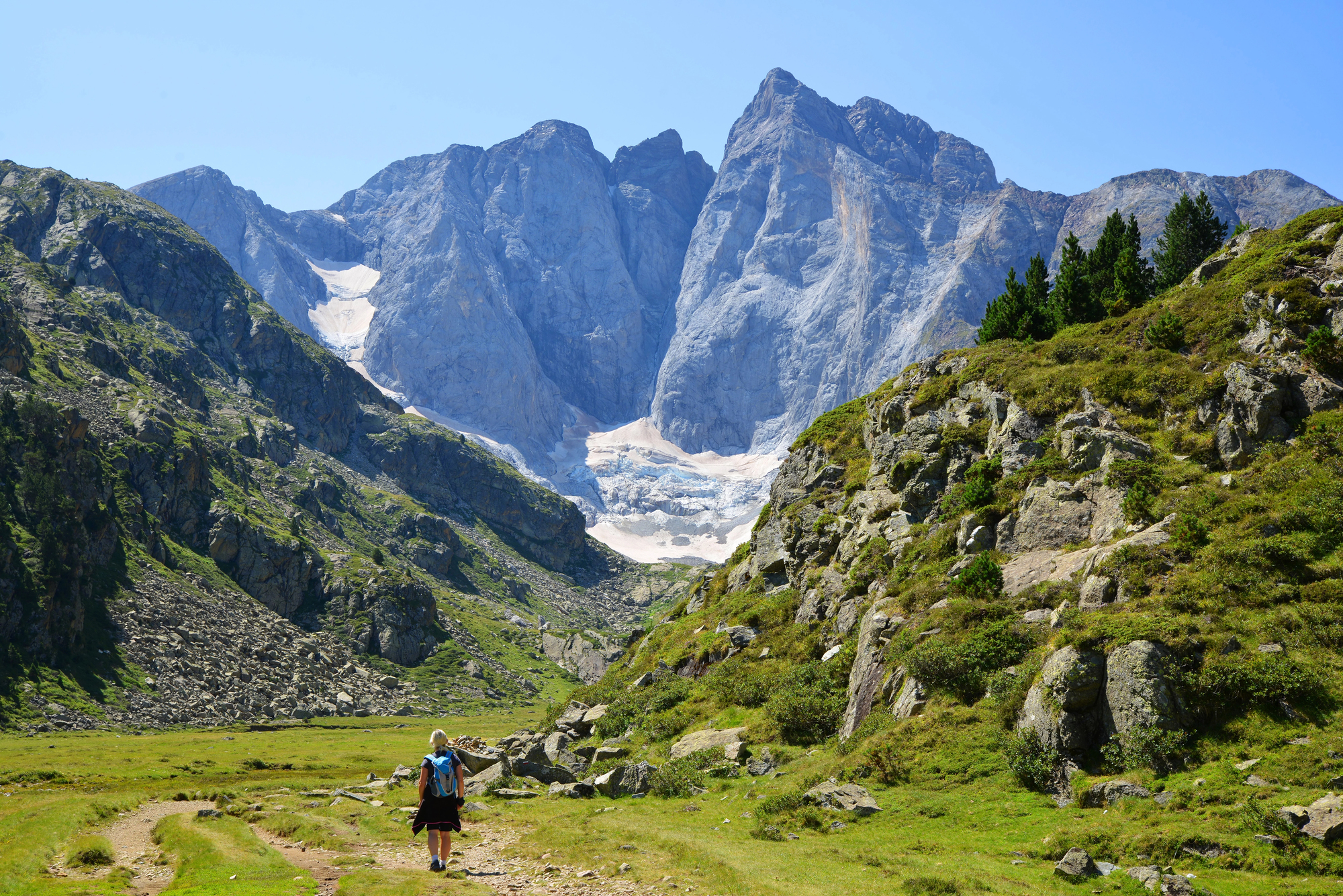
The Pyrenees form a natural wall between France and Spain, running roughly 270 miles from the Atlantic to the Mediterranean like a stone fence built by giants who took their property lines seriously. What’s remarkable about this range isn’t just that it effectively isolated the Iberian Peninsula for much of human history (though it certainly did that), but how it managed to create microclimates and cultures that feel distinctly separate from either France or Spain — Andorra sits tucked between peaks like a secret that both countries agreed to keep, the Basque people developed a language unrelated to anything else in Europe, and valleys on opposite sides of the same mountain developed traditions that might as well belong to different centuries.
The highest peak, Aneto, reaches 11,168 feet, which sounds modest compared to the Alps until you’re standing in front of it. These mountains don’t announce themselves from hundreds of miles away.
Instead, they wait until you’re close enough to feel their weight. The range contains over 200 peaks above 3,000 meters and forms one of Europe’s most distinct natural borders.
The Hindu Kush
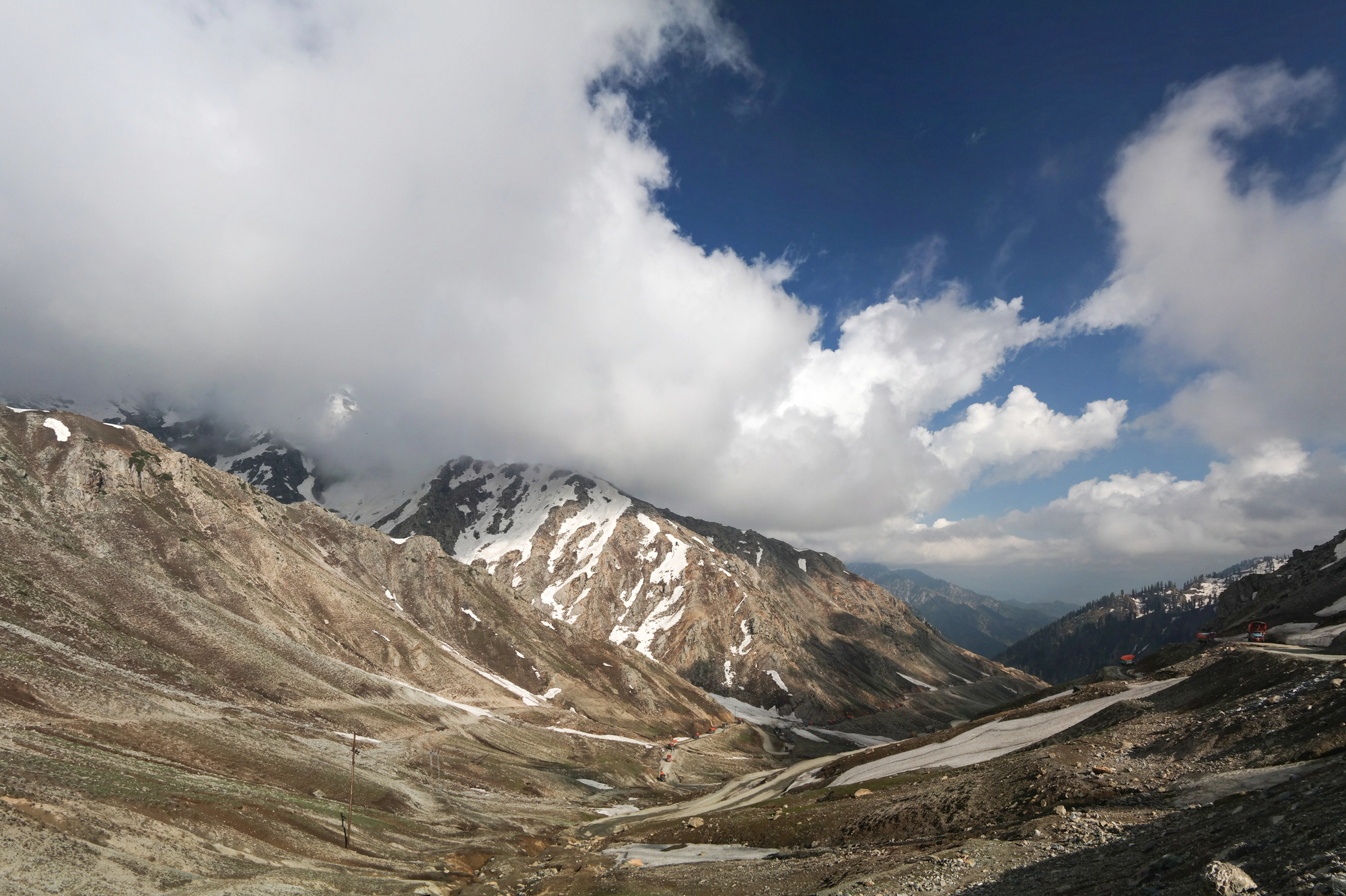
The Hindu Kush extends west from the Karakoram like an afterthought that turned into a masterpiece. Afghanistan, Pakistan, and Tajikistan all claim pieces of this range, though ownership feels like a meaningless concept when you’re looking at peaks that dwarf human concerns.
Tirich Mir, the highest peak at 25,230 feet, anchors a range that contains over 20 peaks above 7,000 meters. The Hindu Kush has served as a crossroads and barrier for millennia — the Silk Road wound through its passes while armies learned to respect its winters.
These mountains have seen more history than most civilizations, and they’ve outlasted all of it.
The Carpathians
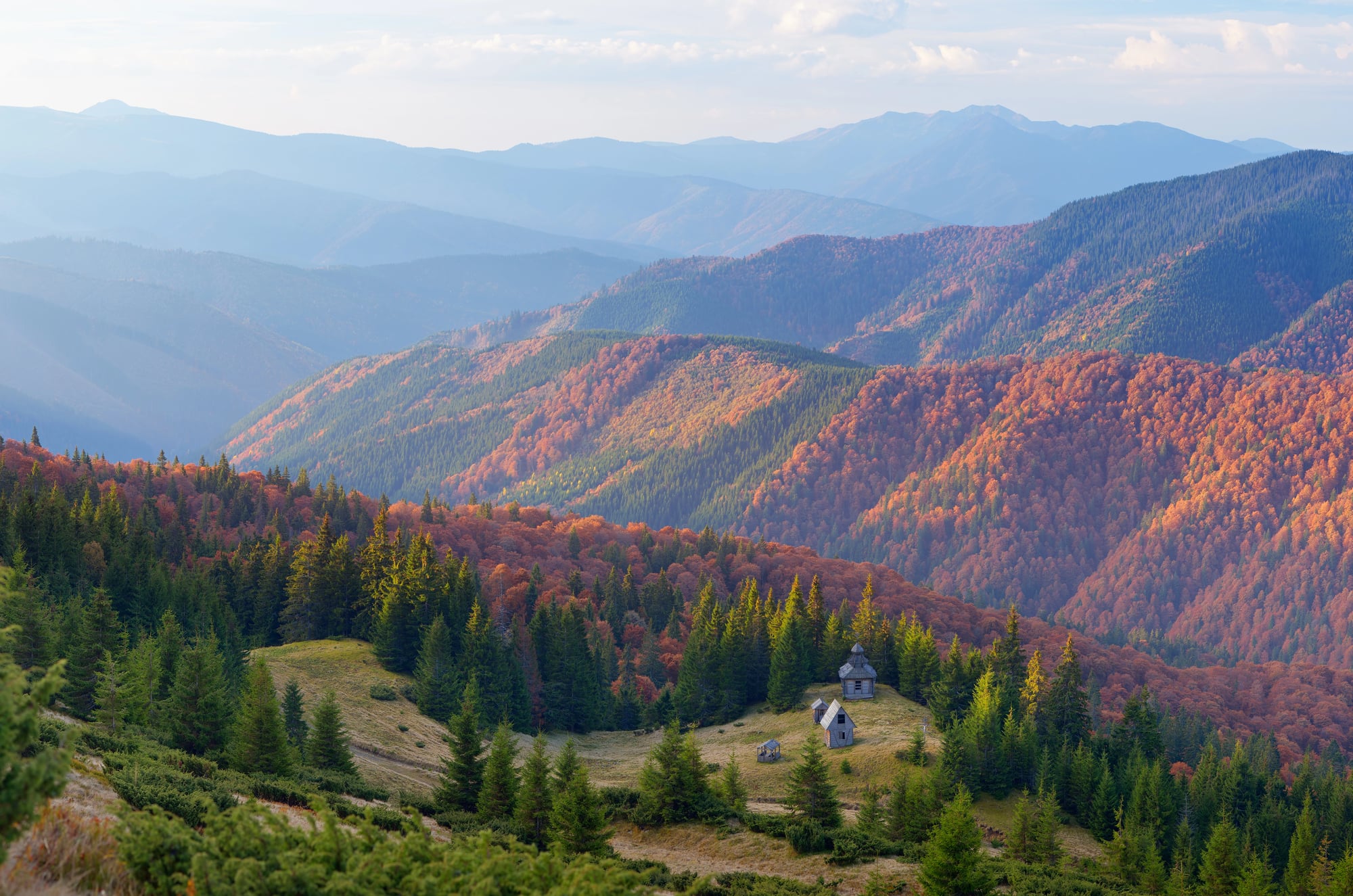
The Carpathians sweep across Central and Eastern Europe in an arc that touches ten countries, which makes them either remarkably inclusive or geographically indecisive — probably both, given how mountain ranges tend to ignore human attempts at organization. Romania claims the highest peaks in the Southern Carpathians (the Transylvanian Alps, because apparently Dracula needed a proper mountain backdrop), but the range extends through Slovakia, Poland, Ukraine, and several other countries that have spent centuries figuring out where exactly their borders run through peaks that couldn’t care less about nationality.
What’s interesting about the Carpathians isn’t their height — most peaks stay well under 8,000 feet — but their persistence. And yet this range has managed to preserve brown bear populations, old-growth forests, and rural ways of life that disappeared from most of Europe decades ago.
The range forms the largest mountain system in Europe by area, covering roughly 200,000 square kilometers.
The Pamir Mountains
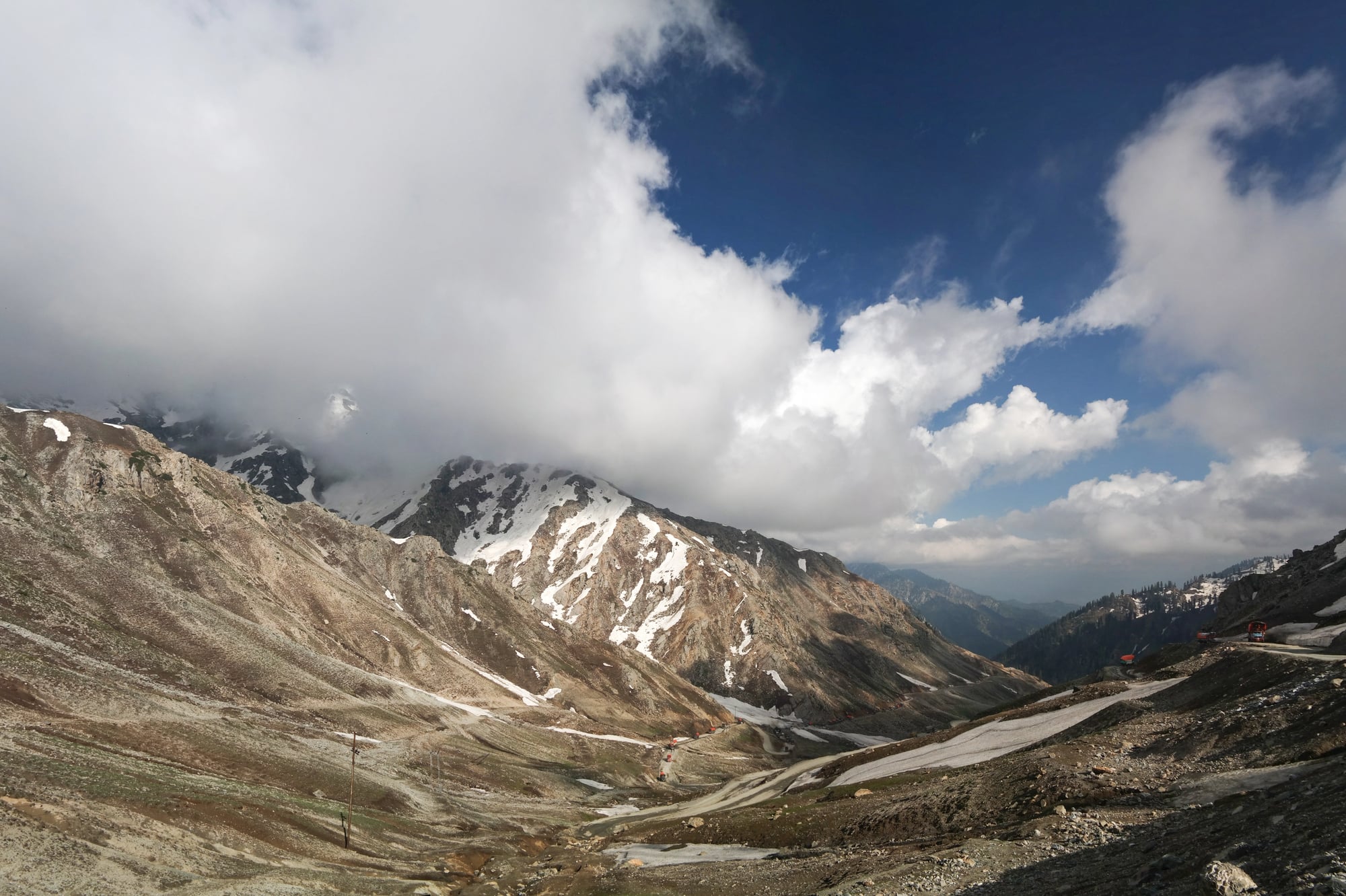
The Pamir Mountains sit at the center of Asia like a knot where four major mountain ranges decided to meet for coffee and never left. The Himalayas, Karakoram, Hindu Kush, and Tian Shan all converge here, creating what geographers call the “Roof of the World.”
Most of the range sits in Tajikistan, though China, Afghanistan, and Kyrgyzstan all get pieces. Ismoil Somoni Peak reaches 24,590 feet, making it the highest point in the former Soviet Union.
The Pamir Highway crosses this landscape at altitudes that leave most visitors gasping for breath and questioning their travel choices. This is remote country — the kind of place where yaks outnumber people and weather happens suddenly.
The Alaska Range
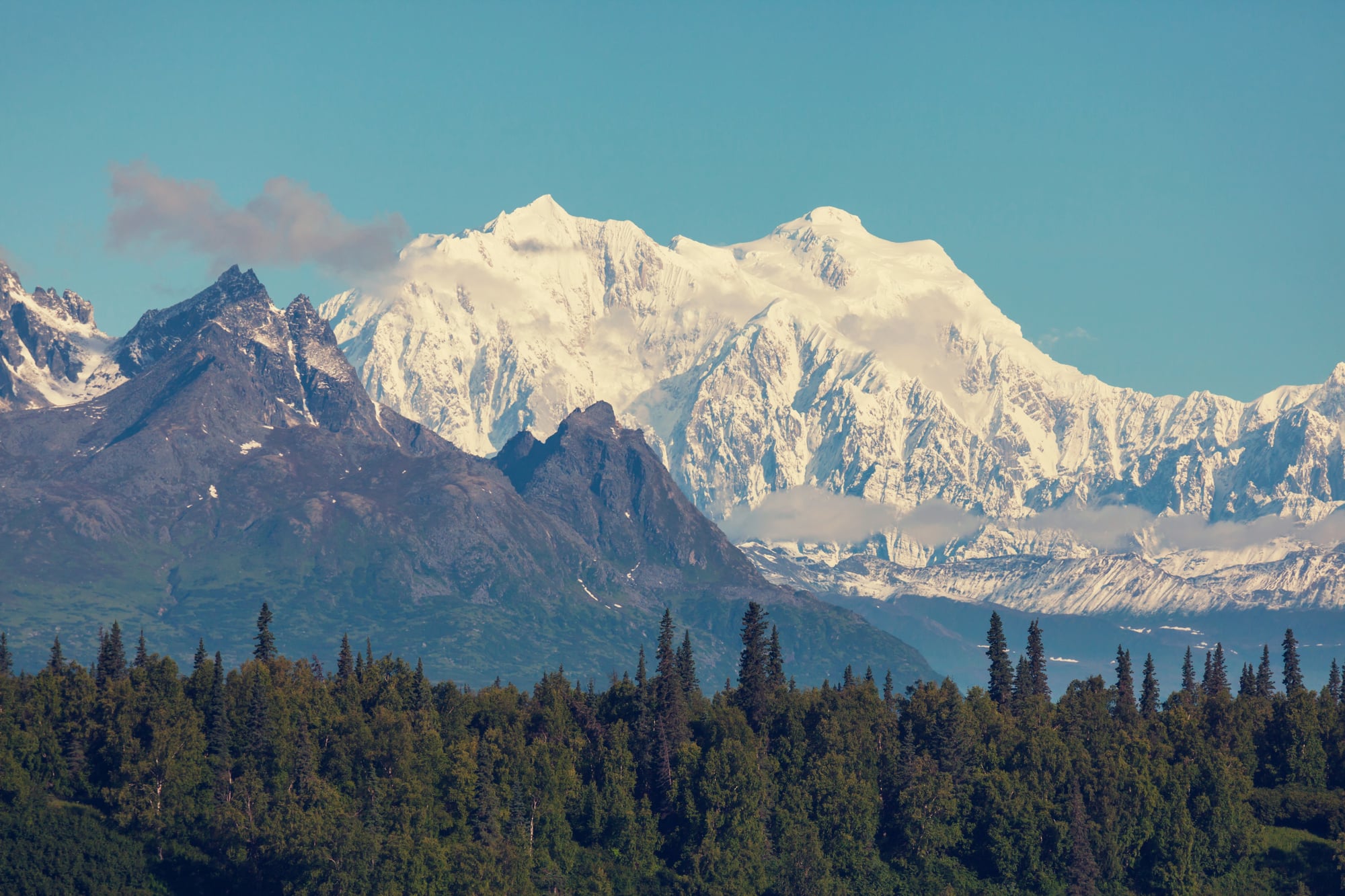
The Alaska Range cuts across south-central Alaska like a 400-mile barrier between the coast and the interior, anchored by Denali (formerly Mount McKinley), which at 20,310 feet stands as North America’s tallest peak and refuses to apologize for the weather it generates. What makes this range particularly impressive isn’t just the altitude — though Denali certainly commands attention — but the sheer verticality of the rise: these mountains shoot up from relatively low tundra and river valleys, creating relief that can exceed 18,000 feet in just a few miles, which is the kind of dramatic elevation change that makes airplane passengers press their faces to windows and wonder if they’re still on the same planet.
The range contains some of the most heavily glaciated peaks outside of polar regions, and the weather here operates on its own schedule: storms can materialize in minutes, temperatures can drop 50 degrees overnight, and summer can feel like winter if the mountains decide they’re not in the mood for warmth.
But here’s what the statistics don’t capture about the Alaska Range: the way it makes everything else feel temporary. The range contains North America’s highest peak and some of its most unpredictable weather patterns.
The Southern Alps
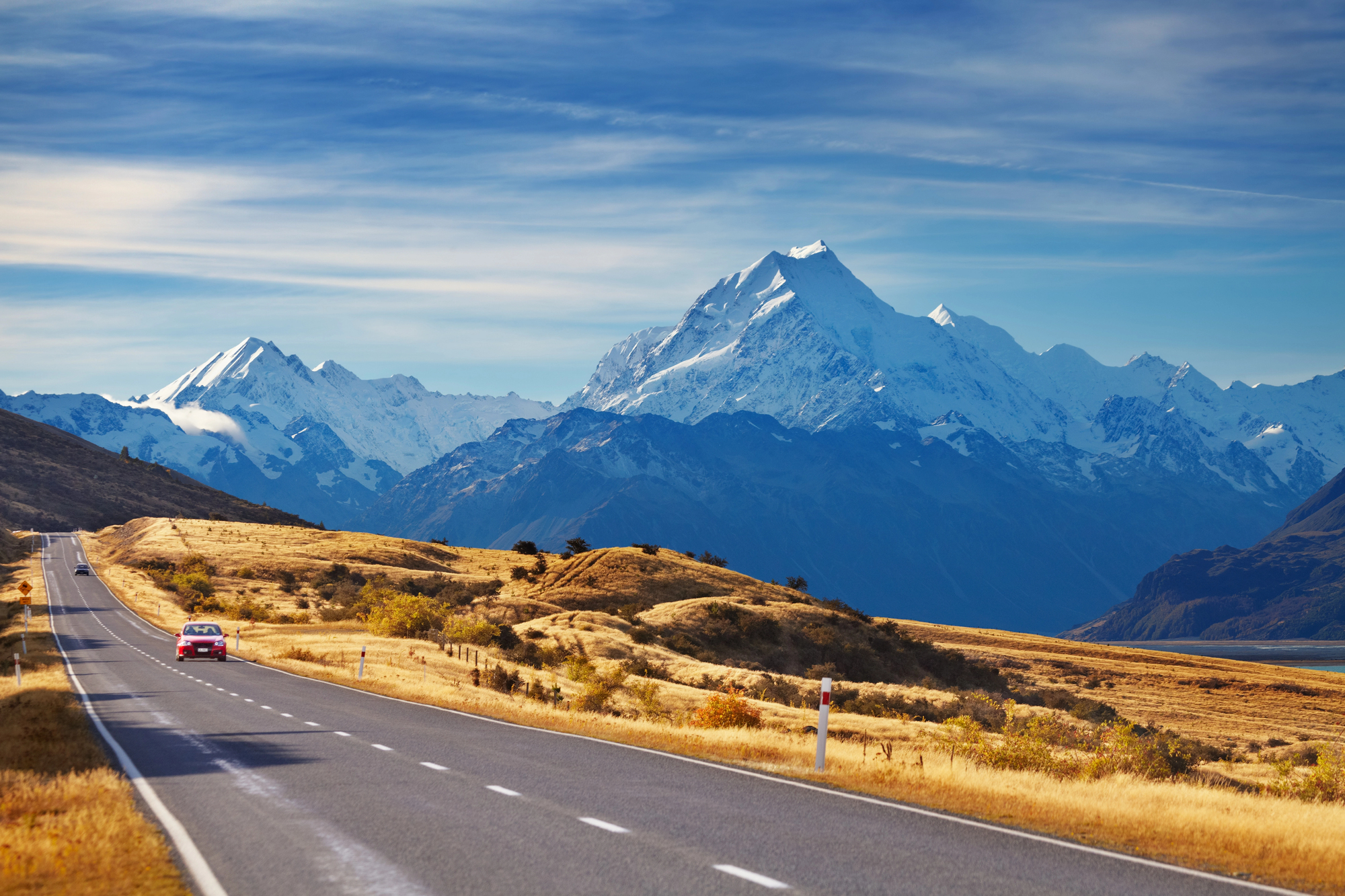
The Southern Alps run down New Zealand’s South Island like a spine that refused to follow the coastline, creating a 310-mile chain of peaks that rise directly from sea level to heights that demand respect — Mount Cook (Aoraki in Maori) tops out at 12,218 feet, which sounds modest until you realize it gains nearly all of that elevation in roughly 20 miles from the coast. These mountains are young in geological terms, still sharp-edged and aggressive, carved by glaciers that continue their work today and shaped by tectonic forces that occasionally remind everyone they’re still active through earthquakes that rearrange valleys overnight.
The weather here changes personality faster than you can check a forecast, pulling storms directly off the Tasman Sea and dumping snow on peaks while beaches bask in sunshine just miles away. What’s remarkable about the Southern Alps isn’t just their dramatic rise from the sea, but how they manage to pack alpine lakes, glacial valleys, temperate rainforests, and tundra-like terrain into a relatively small area.
And yet for all their geological youth and dramatic scenery, these mountains feel ancient in a way that’s hard to explain.
The Ethiopian Highlands
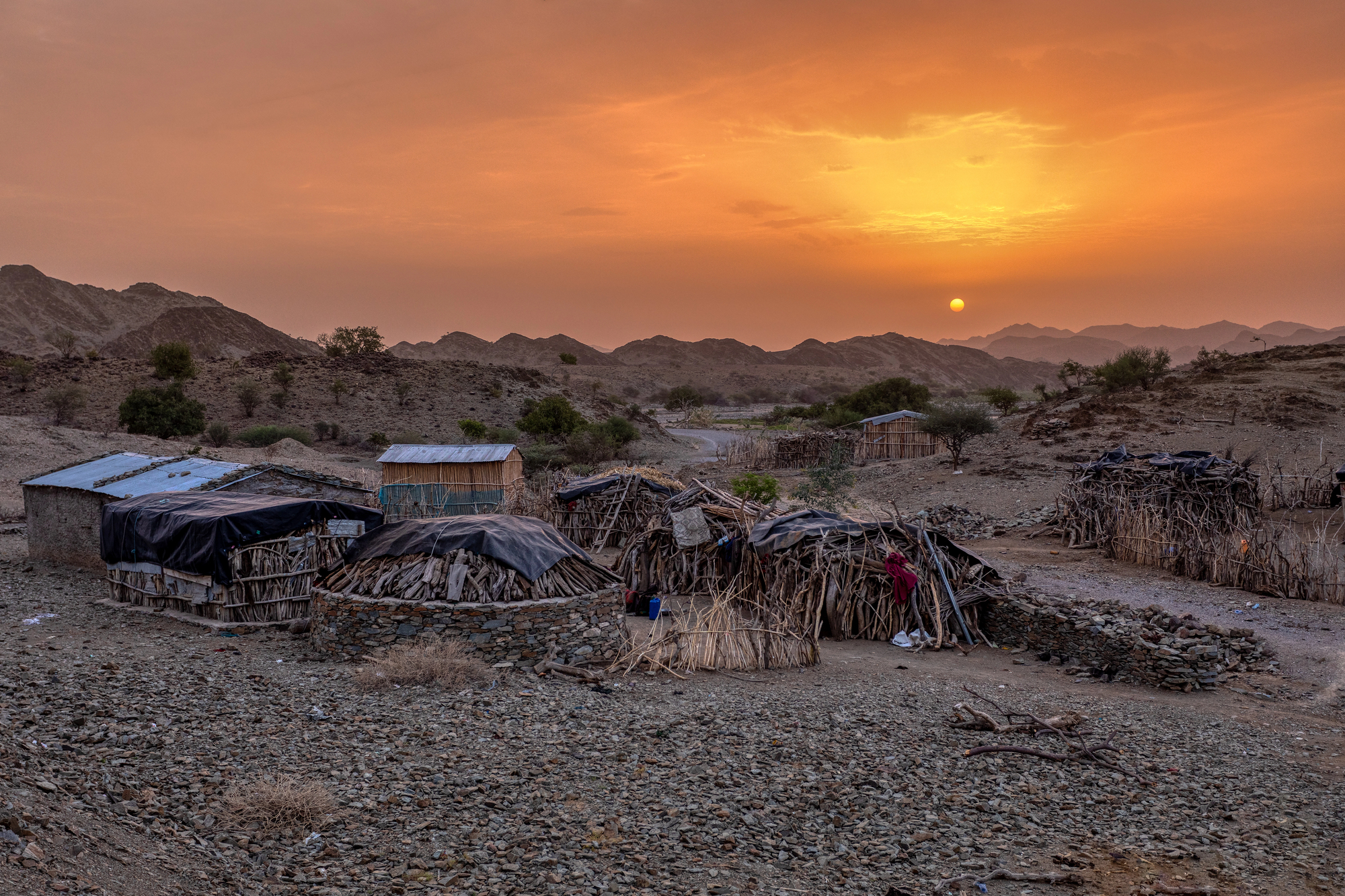
The Ethiopian Highlands rise from East Africa’s lowlands like a lost piece of alpine Europe that wandered south and decided to stay. Most of the plateau sits above 8,000 feet, with peaks pushing well over 14,000.
Ras Dashan, the highest point at 14,928 feet, anchors a landscape that shouldn’t exist this close to the equator. The highlands catch enough rainfall to support agriculture that feeds much of the region.
Coffee originated in these mountains, which seems appropriate for a crop that needs altitude and attitude in equal measure. The escarpments that define the plateau’s edges drop thousands of feet in just a few miles, creating some of Africa’s most dramatic scenery.
Where Mountains Shape Everything
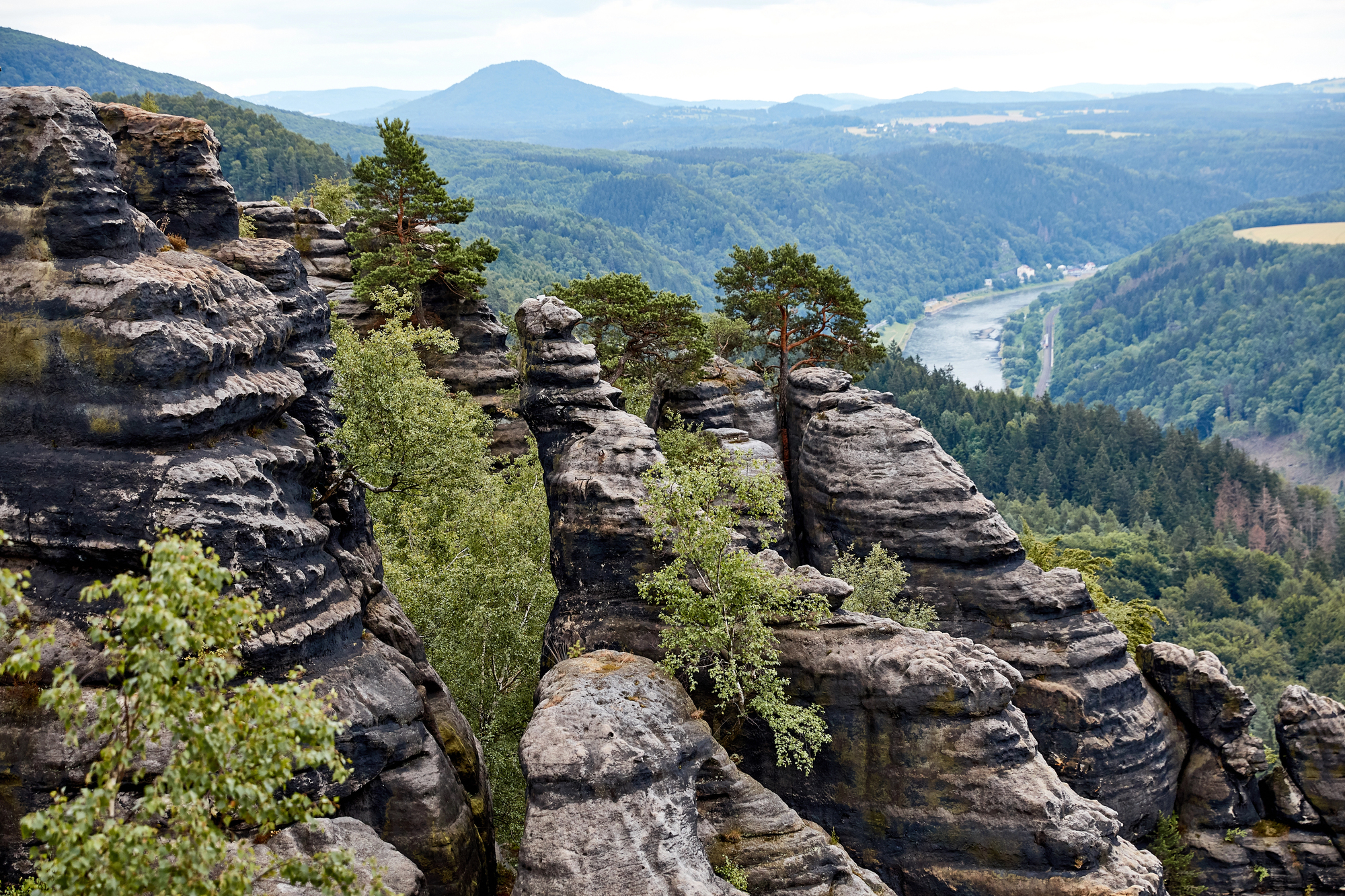
Mountains don’t just sit on the landscape — they create it, control it, and define what’s possible for everything else. These fifteen regions represent the planet’s most concentrated attempts at reaching toward the sky, each one a masterpiece of geology that took millions of years to perfect and continues evolving today.
They generate weather, divide continents, preserve cultures, and remind us that some things refuse to be tamed. The peaks will outlast whatever names we give them, whatever borders we draw around them, and whatever plans we make for conquering them.
They simply endure, indifferent and magnificent, doing what mountains do best: being exactly what they are, exactly where they are, for as long as stone can hold its shape against sky.
More from Go2Tutors!

- The Romanov Crown Jewels and Their Tragic Fate
- 13 Historical Mysteries That Science Still Can’t Solve
- Famous Hoaxes That Fooled the World for Years
- 15 Child Stars with Tragic Adult Lives
- 16 Famous Jewelry Pieces in History
Like Go2Tutors’s content? Follow us on MSN.