12 Weather Phenomena That Happen Only Occasionally
Weather surprises us in countless ways, from the predictable daily sunshine to the occasional thunderstorm that rolls through on a summer afternoon. Most of us are familiar with rain, snow, and wind, but our atmosphere has some truly spectacular tricks up its sleeve that only appear under very specific conditions.
Here’s a list of 12 rare weather phenomena that might happen just once in a lifetime—if you’re lucky enough to witness them.
Morning Glory Clouds
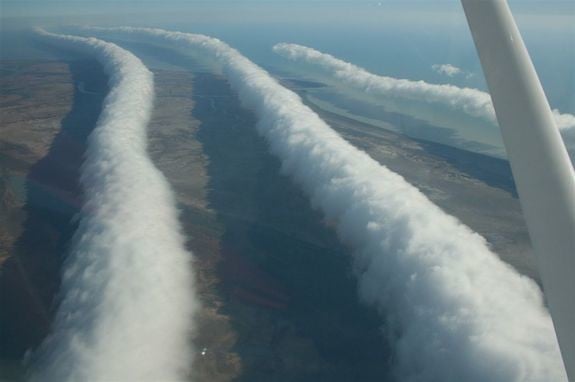
These spectacular roll clouds stretch for hundreds of miles across northern Australia, looking like massive tubes rolling through the sky. Morning Glory clouds form when specific atmospheric conditions create a wave-like disturbance in the air, similar to how water creates waves. Glider pilots actually travel from around the world to ride these natural roller coasters, which can move at speeds up to 35 miles per hour.
Fire Tornadoes
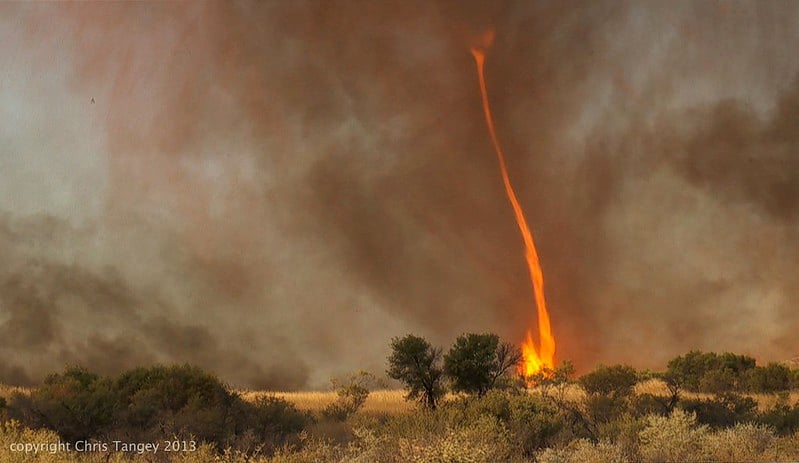
When wildfires meet just the right wind conditions, they can spawn spinning columns of flame that tower hundreds of feet into the air. These fire whirls work like regular tornadoes but feed on heat and combustible material instead of moisture. They’re incredibly dangerous and unpredictable, capable of spreading fires far beyond their original boundaries and creating their own weather patterns.
Sprites

These brief, red flashes occur high above thunderstorms, stretching from about 50 to 90 miles above Earth’s surface. Sprites last only a few milliseconds and weren’t even scientifically documented until 1989 because they’re nearly impossible to see from ground level. They’re essentially the upper atmosphere’s version of lightning, triggered by powerful positive lightning strikes below.
St. Elmo’s Fire
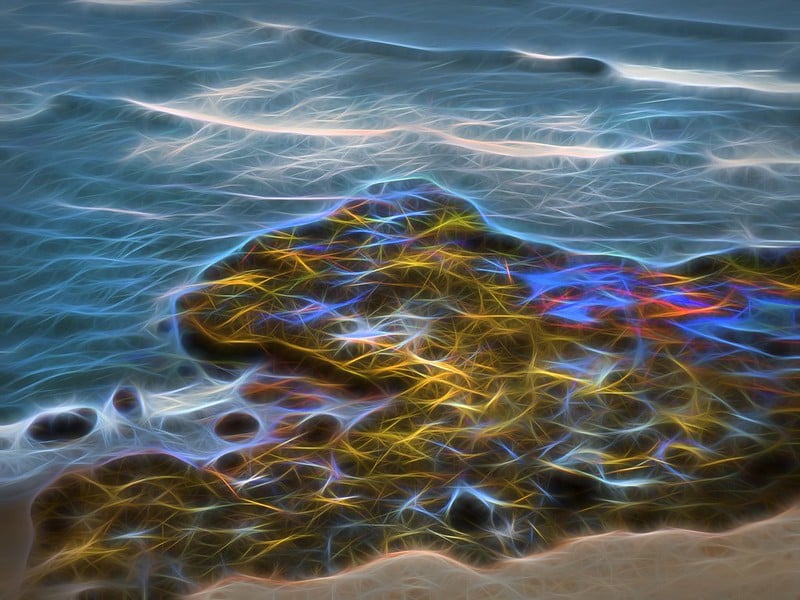
This eerie blue or violet glow appears on pointed objects during thunderstorms, creating an otherworldly light show on ship masts, airplane wings, and church spires. St. Elmo’s Fire happens when the electrical field in the air becomes so strong that it causes gases to glow, similar to how a neon sign works. Sailors have reported this phenomenon for centuries, often considering it either a good omen or a warning of dangerous weather ahead.
Mammatus Clouds
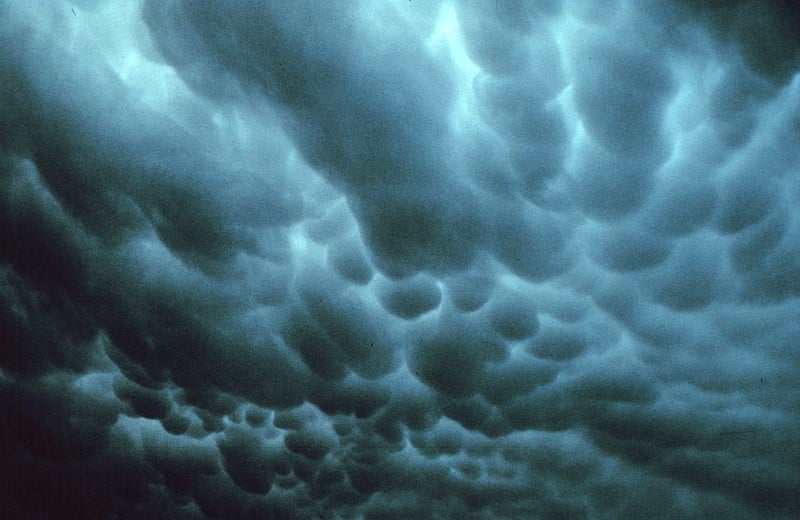
These unusual formations look like giant pouches hanging from the sky, as if someone stuffed pillows into the cloud base. Mammatus clouds form when dense, cold air sinks through warmer air below, creating these distinctive bulging shapes. While they often appear after severe thunderstorms, these clouds themselves aren’t dangerous—they’re just nature’s way of showing off some unusual atmospheric architecture.
Ice Volcanoes

When waves crash against ice-covered shorelines in just the right conditions, they can create cone-shaped ice formations that periodically ‘erupt’ with water and slush. These natural sculptures form gradually as spray freezes layer by layer, building hollow cones that channel subsequent waves upward. They’re most common along the Great Lakes during particularly harsh winters when sustained freezing temperatures meet active wave action.
Asperitas Clouds

These dramatic clouds look like ocean waves viewed from underwater, with dark, undulating patterns that seem to flow across the sky. Asperitas was only officially recognized as a cloud type in 2017, making it the first new cloud classification in over 60 years. They typically form when different air masses with varying temperatures and humidity levels create turbulent mixing in the atmosphere.
Snow Rollers

These natural snowballs form when wind picks up loose snow and rolls it across the ground, creating hollow cylinders that can grow several feet wide. Snow rollers need very specific conditions: the right snow consistency, steady winds between 25-30 miles per hour, and terrain that’s neither too steep nor too flat. The finished products look like abandoned snowmen heads scattered across the landscape.
Kelvin-Helmholtz Clouds

These clouds form perfect wave patterns that look like ocean breakers frozen in mid-crash, creating some of the most photogenic formations in the sky. They develop when two air masses move at different speeds, with the faster layer creating wave-like instabilities along the boundary. The phenomenon is named after the scientists who first explained the fluid dynamics behind these atmospheric waves.
Volcanic Lightning
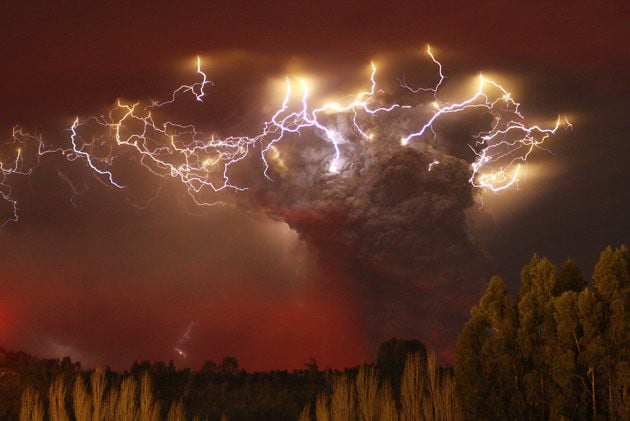
When volcanoes erupt, they sometimes generate their own lightning storms within the ash plumes, creating spectacular displays of fire and electricity. This happens because volcanic ash particles collide and create electrical charges, similar to how ice particles in regular thunderstorms generate lightning. The result is an otherworldly light show that combines two of nature’s most powerful forces.
Rogue Waves

These massive walls of water appear seemingly out of nowhere in the middle of otherwise normal ocean conditions, towering twice as high as surrounding waves. For decades, sailors’ reports of these monster waves were dismissed as exaggeration, but satellite data has confirmed they’re real and more common than previously thought. They form when multiple smaller waves synchronize and combine their energy, creating temporary giants that can reach heights of 100 feet or more.
Noctilucent Clouds

These silvery-blue clouds shine in the night sky during summer months, visible only in the hour or two around midnight when the sun is far below the horizon. Noctilucent clouds form about 50 miles above Earth’s surface—much higher than regular clouds—where temperatures drop to around -200°F. They’re made of ice crystals that form around tiny particles, possibly including meteoric dust from space.
When Rarity Meets Reality

These extraordinary weather events remind us that our atmosphere is far more dynamic and creative than daily forecasts might suggest. While most of us will only see a few of these phenomena in our lifetimes, they’re happening somewhere on Earth right now, quietly demonstrating the incredible complexity of the systems that surround our planet. The next time you look up at an ordinary-seeming sky, remember that it’s capable of producing some truly extraordinary shows—you just need to be in the right place at the right time. Understanding these rare events also helps scientists better predict and prepare for the more common weather patterns that affect our daily lives.
More from Go2Tutors!

- The Romanov Crown Jewels and Their Tragic Fate
- 13 Historical Mysteries That Science Still Can’t Solve
- Famous Hoaxes That Fooled the World for Years
- 15 Child Stars with Tragic Adult Lives
- 16 Famous Jewelry Pieces in History
Like Go2Tutors’s content? Follow us on MSN.



