The Most Prestigious Schools in the World
Walking past certain campuses, you can feel the weight of history in the air. These institutions have shaped world leaders, Nobel laureates, and thinkers who changed how we understand everything from physics to philosophy.
Their names carry recognition that opens doors across continents. But prestige means different things to different people—sometimes it’s about academic rigor, other times it’s the network you build, and sometimes it’s just the centuries of reputation behind a name.
Harvard University
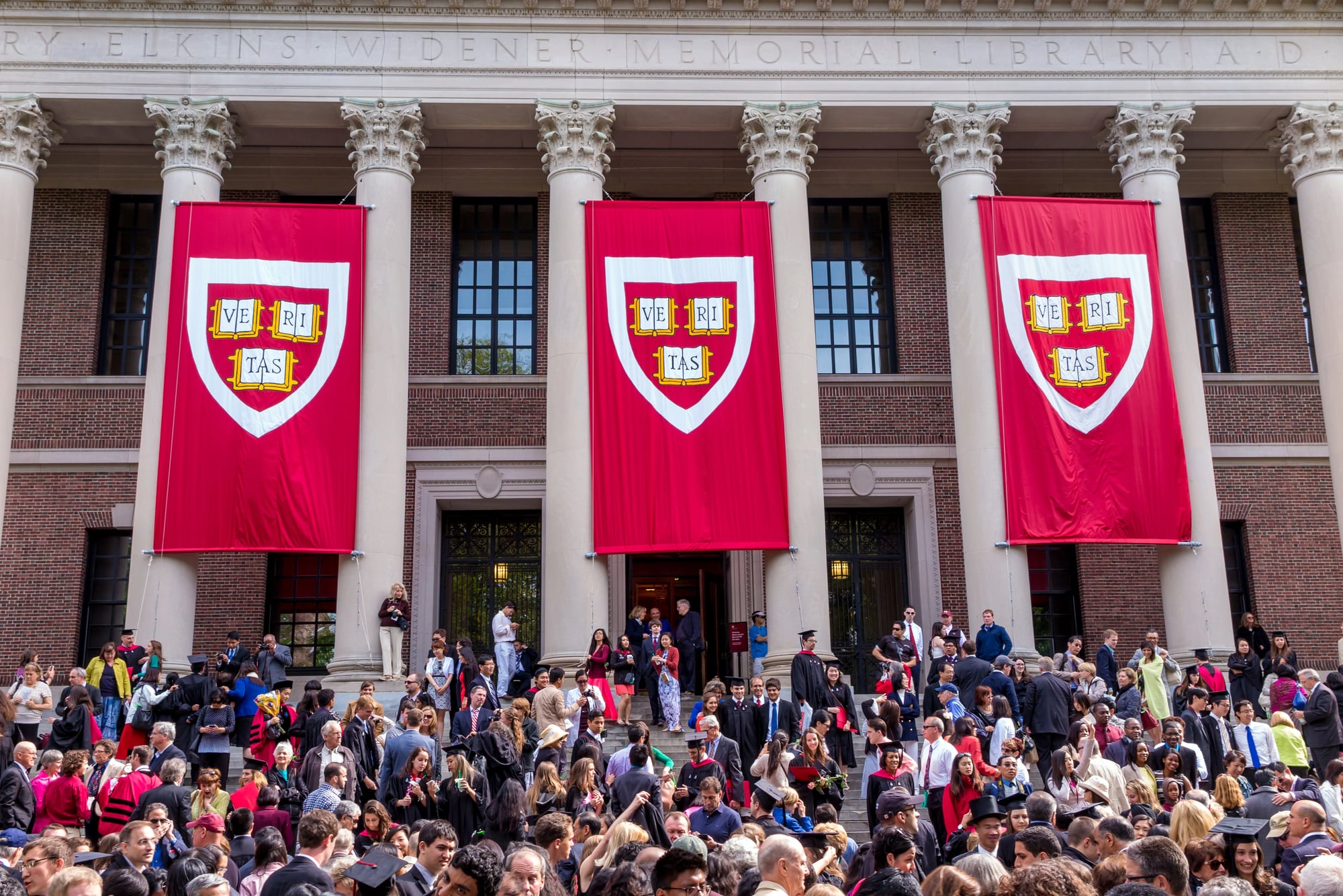
The red brick buildings in Cambridge, Massachusetts have hosted students since 1636. Harvard’s endowment runs into the tens of billions, funding research that pushes boundaries in medicine, law, and technology.
The acceptance rate hovers around 3%, making admission one of the most competitive academic pursuits anywhere. Alumni include eight U.S. presidents and over 160 Nobel Prize winners.
The campus buzzes with students who went through rigorous selection processes, but once you’re in, the resources available feel almost unlimited.
University of Oxford
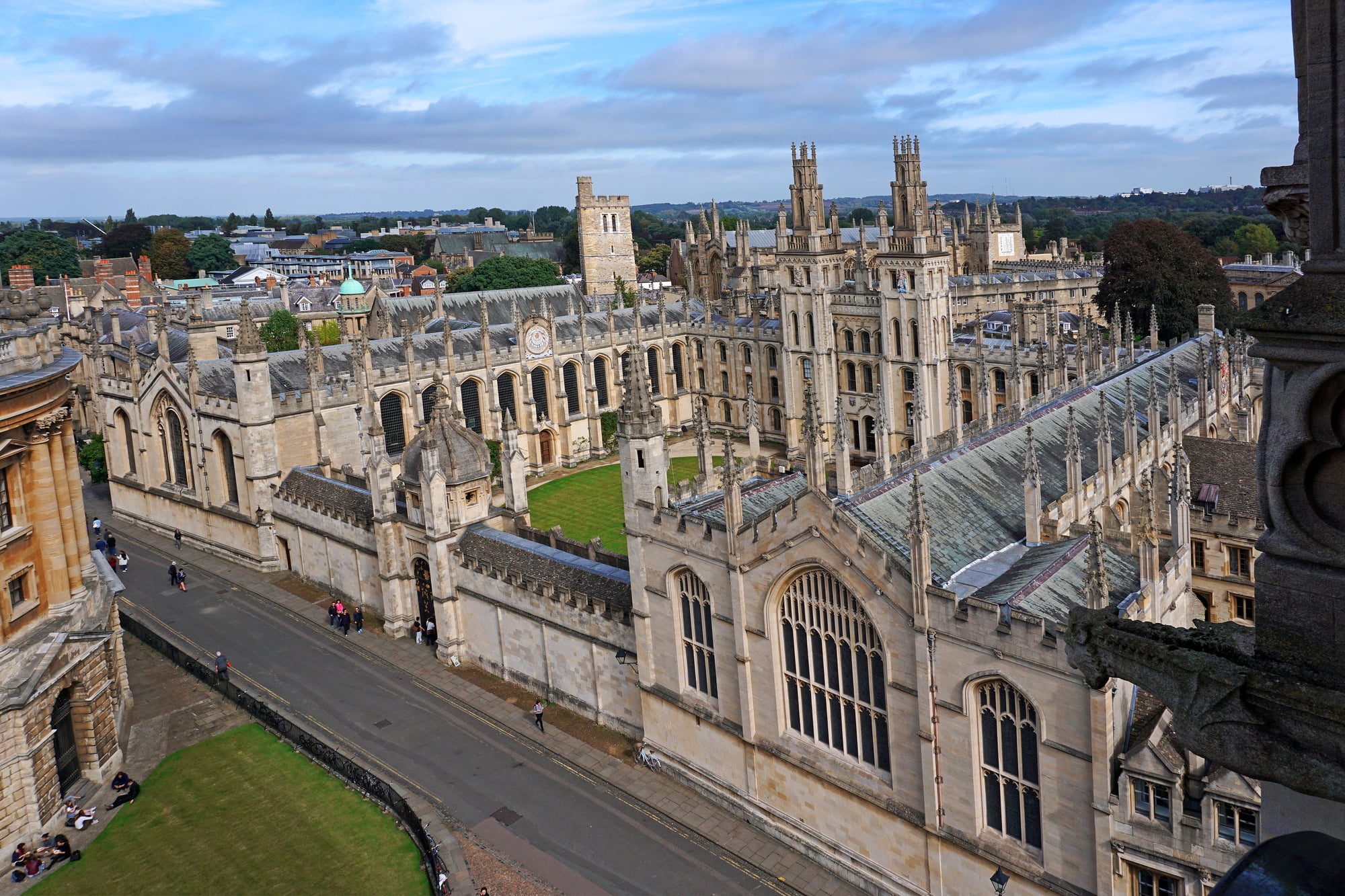
Oxford predates most modern nations. Nobody knows exactly when it started, but teaching happened there as early as 1096.
The tutorial system sets it apart—small group sessions where professors challenge your thinking directly. You defend your ideas in rooms that witnessed similar debates centuries ago.
The college system divides students into smaller communities, each with its own dining halls, libraries, and traditions. Rhodes Scholars from around the world compete to study here, and the degree carries weight in virtually every field.
Stanford University
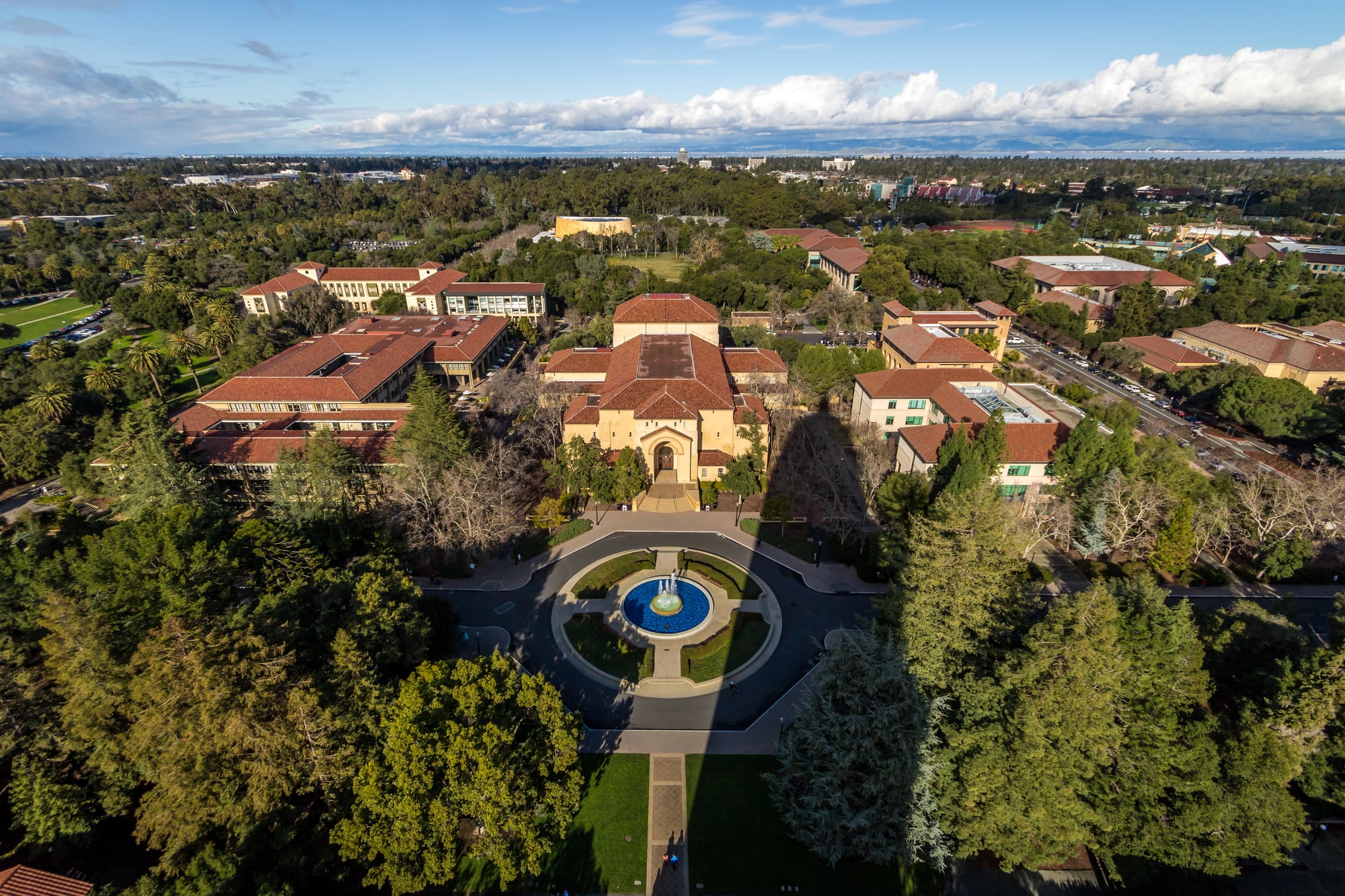
Silicon Valley grew up around Stanford. The palm trees and Spanish architecture create a California vibe that contrasts sharply with the intensity inside lecture halls.
Tech giants recruited heavily here for decades, and many founders walked these paths before launching companies that changed daily life globally. The engineering and computer science programs attract students who want to build things, not just study them.
The weather stays pleasant year-round, which sounds trivial until you compare it to freezing New England winters.
University of Cambridge
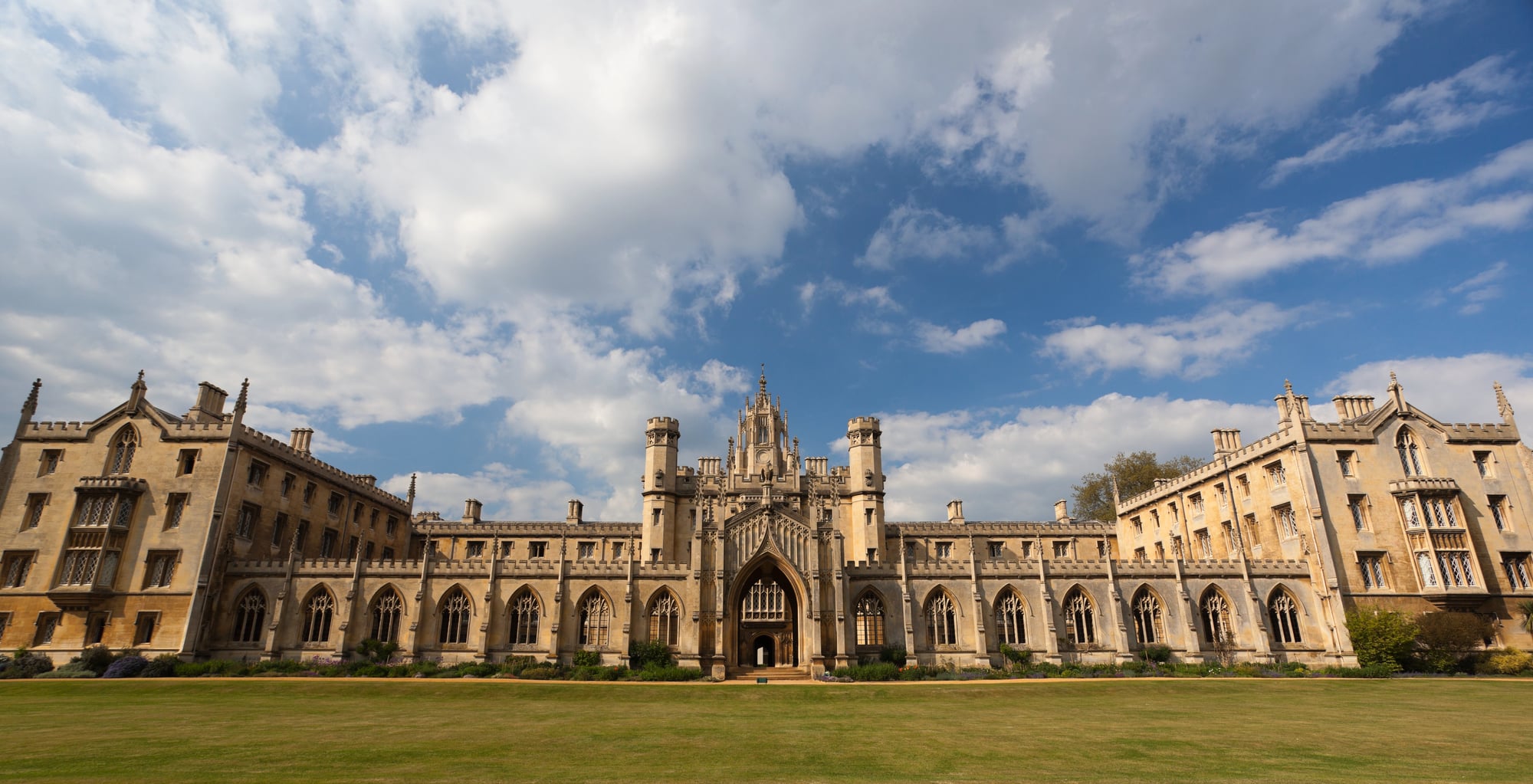
Cambridge sits just north of London, and its rivalry with Oxford goes back centuries. The university produced more Nobel Prize winners than any other institution—over 120 at last count.
Students punt along the River Cam between study sessions, and the architecture ranges from medieval chapels to modern research facilities. The mathematical tripos exam built a reputation for being brutally difficult, pushing students to their limits.
Like Oxford, the college system creates tight-knit communities within the larger university.
Massachusetts Institute of Technology
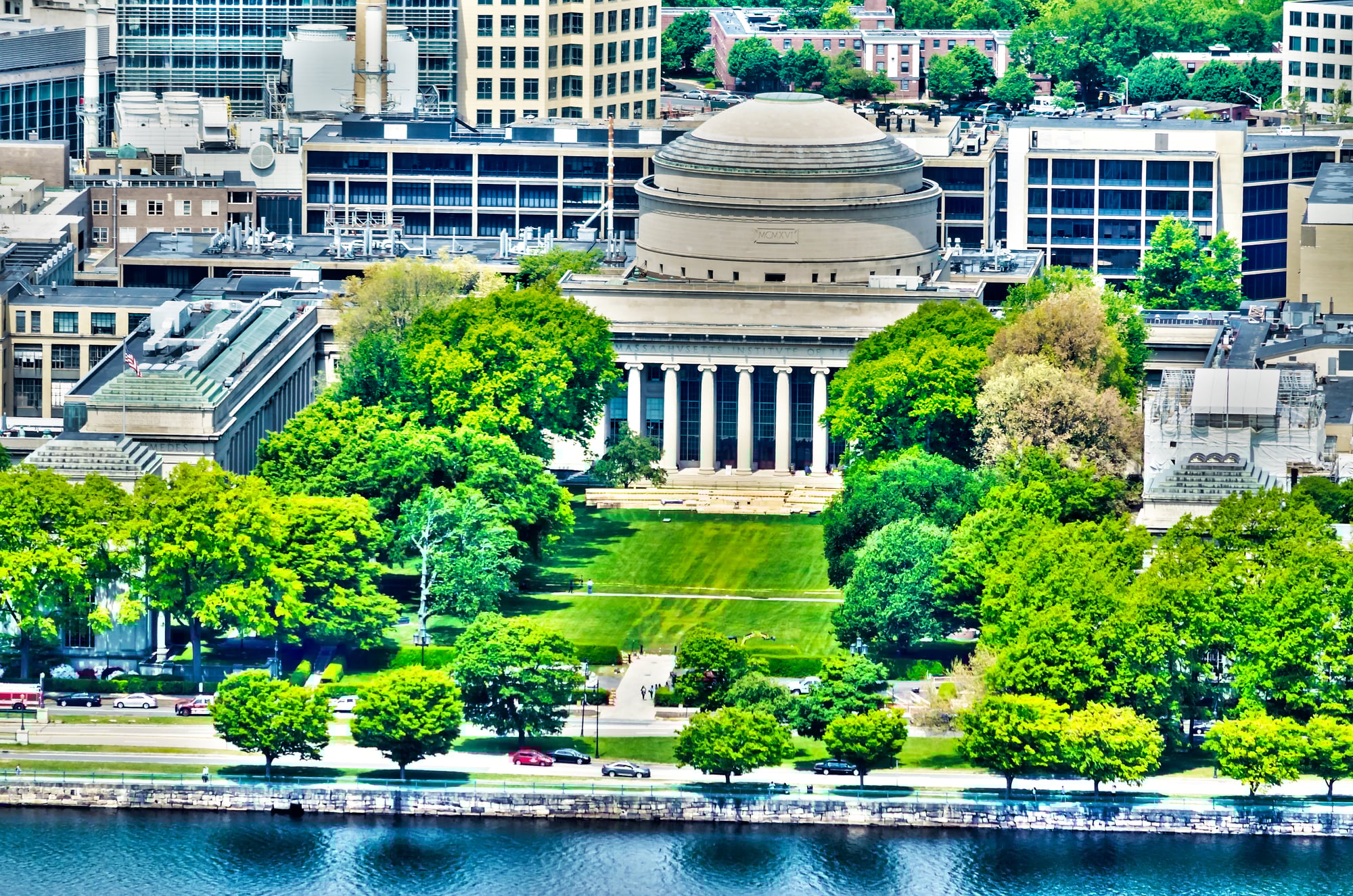
MIT focuses on science and engineering with an intensity that can feel overwhelming. The campus along the Charles River houses labs working on everything from artificial intelligence to fusion energy.
Students here embrace being called nerds—they wear it as a badge of honor. The acceptance rate sits below 4%, and admitted students often have impressive accomplishments before they even arrive.
The culture values problem-solving and hands-on work over theoretical discussion alone.
Eton College
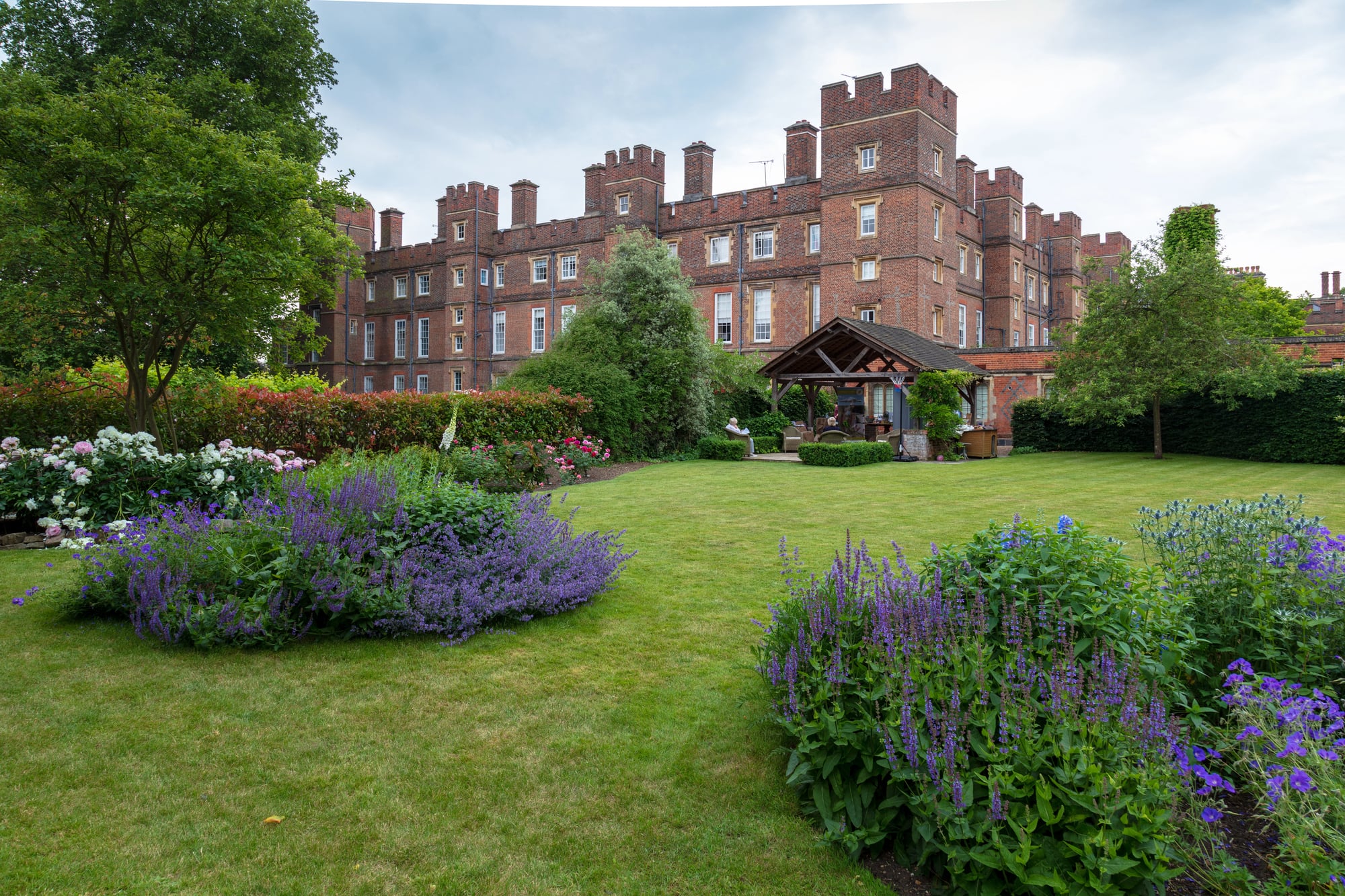
This boarding school near Windsor Castle educated nineteen British prime ministers. Boys wear tailcoats to class, maintaining traditions that go back to 1440.
Tuition runs tens of thousands of pounds per year, making it accessible mainly to wealthy families. The connections formed here last lifetimes, creating networks that extend into government, business, and law.
Critics point to its role in perpetuating class divisions, while defenders highlight the quality of education and opportunities it provides.
École Normale Supérieure
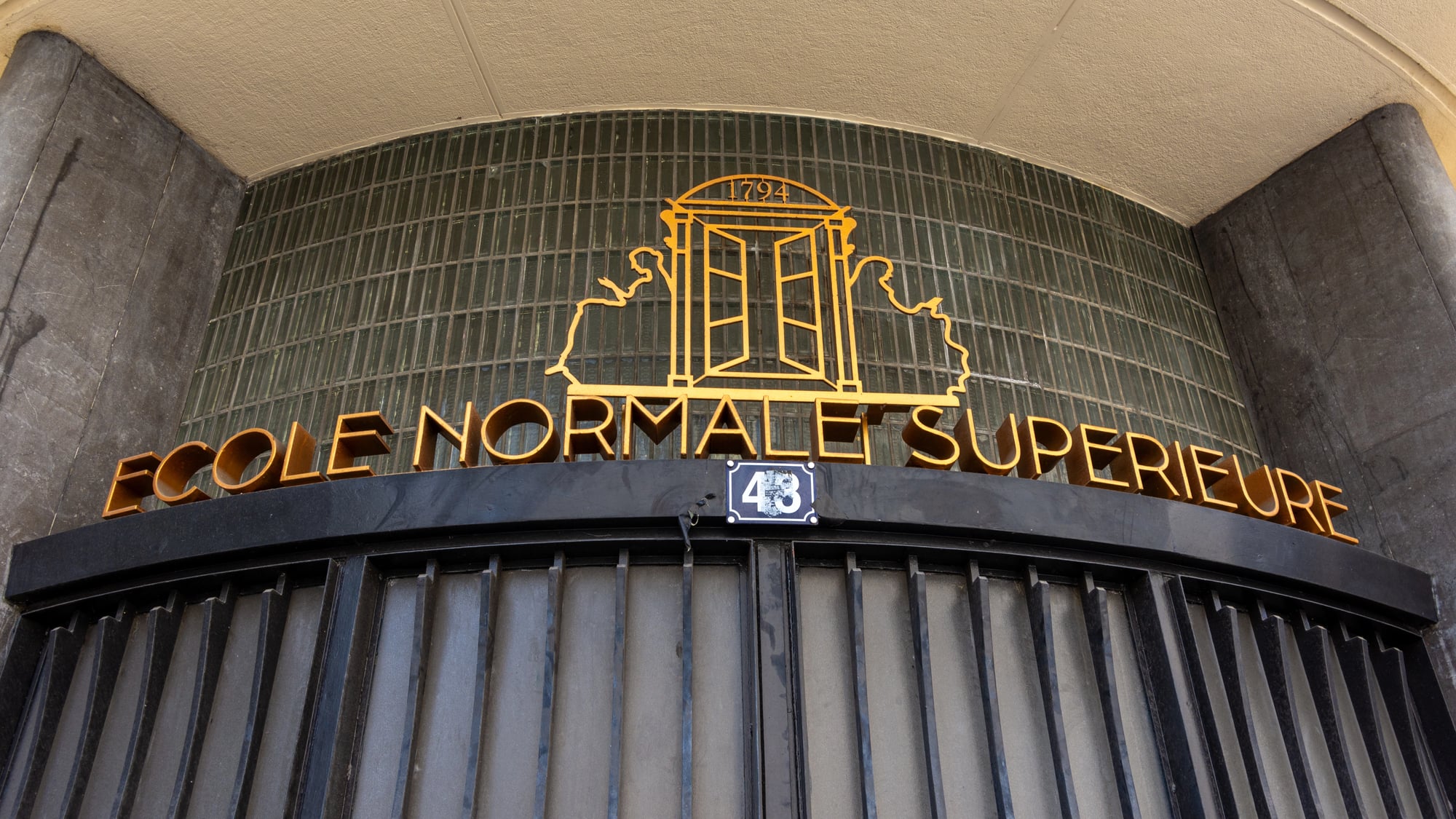
The French system works differently than Anglo-American universities. ENS in Paris accepts only a few hundred students each year through competitive exams that French students prepare for intensively.
The school focuses on training researchers and professors, not business leaders. Past students include philosophers like Sartre and scientists like Pierre and Marie Curie.
The education comes free, but students commit to working in public service for ten years after graduation.
Tokyo University
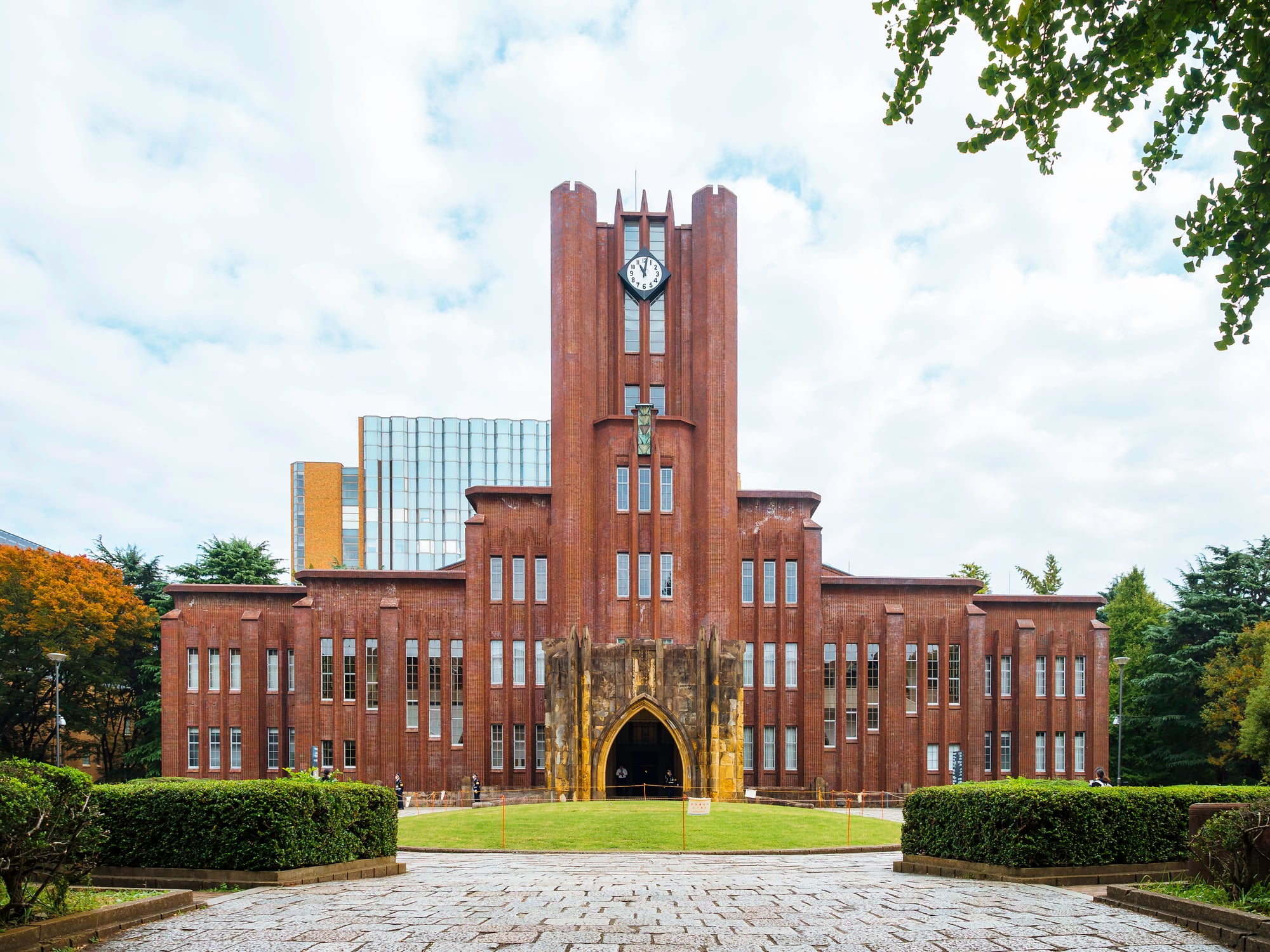
Todai, as locals call it, dominates Japanese higher education. Entrance exams determine who gets in, and students spend years preparing for these tests.
The university supplies a large portion of Japan’s political leaders, top executives, and academics. The campus in central Tokyo contains libraries with millions of volumes and research centers that partner with industry.
The pressure to succeed starts long before students arrive and continues throughout their time there.
Yale University
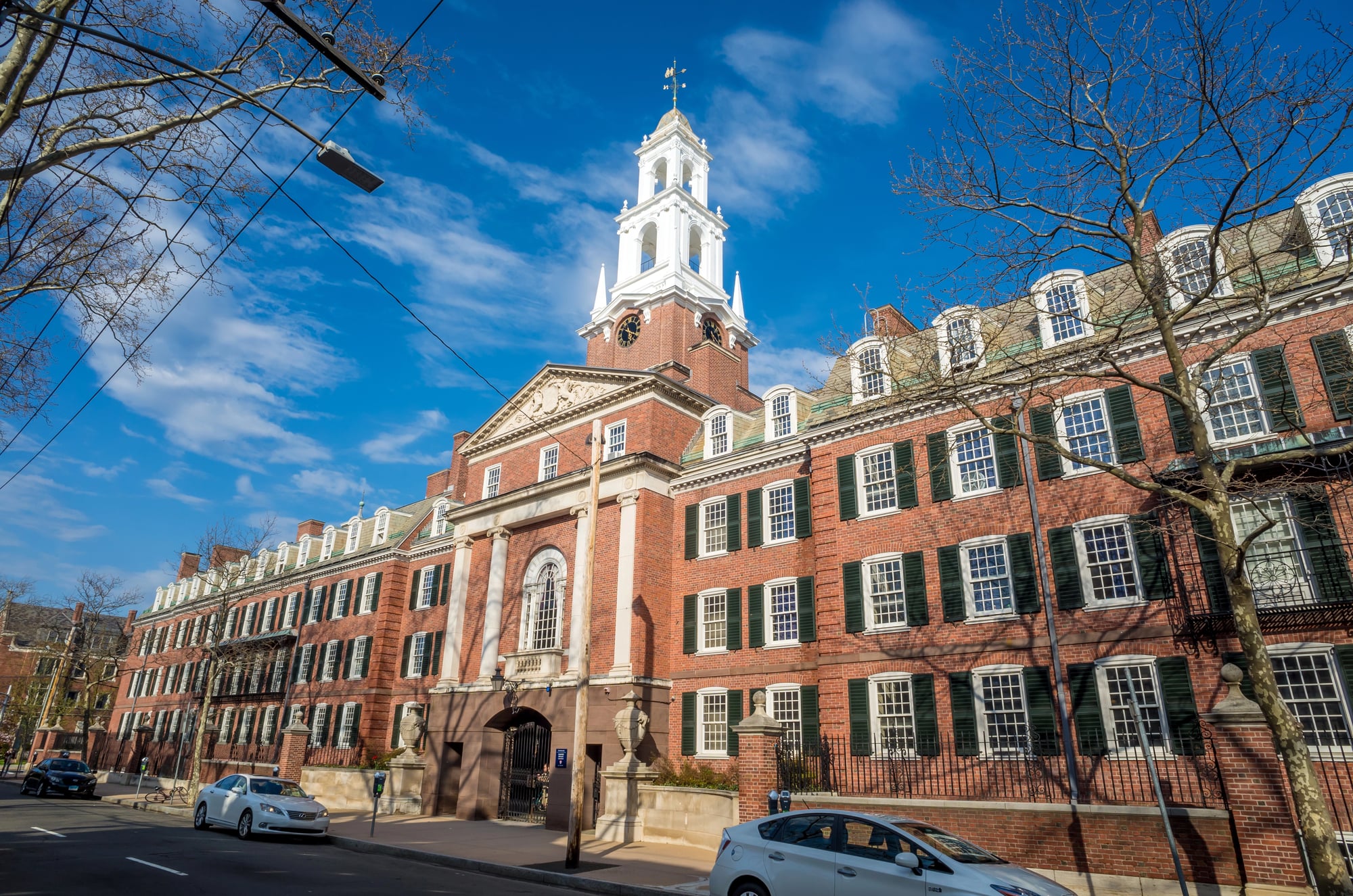
New Haven hosts one of America’s oldest universities, founded in 1701. The residential college system creates community within the larger institution.
Yale Law School produces Supreme Court justices, politicians, and legal scholars at rates that rival any institution. The secret societies, particularly Skull and Bones, add an air of mystery and elite networking.
The Gothic architecture and massive library collections make the campus feel like learning matters here more than anywhere else.
ETH Zurich
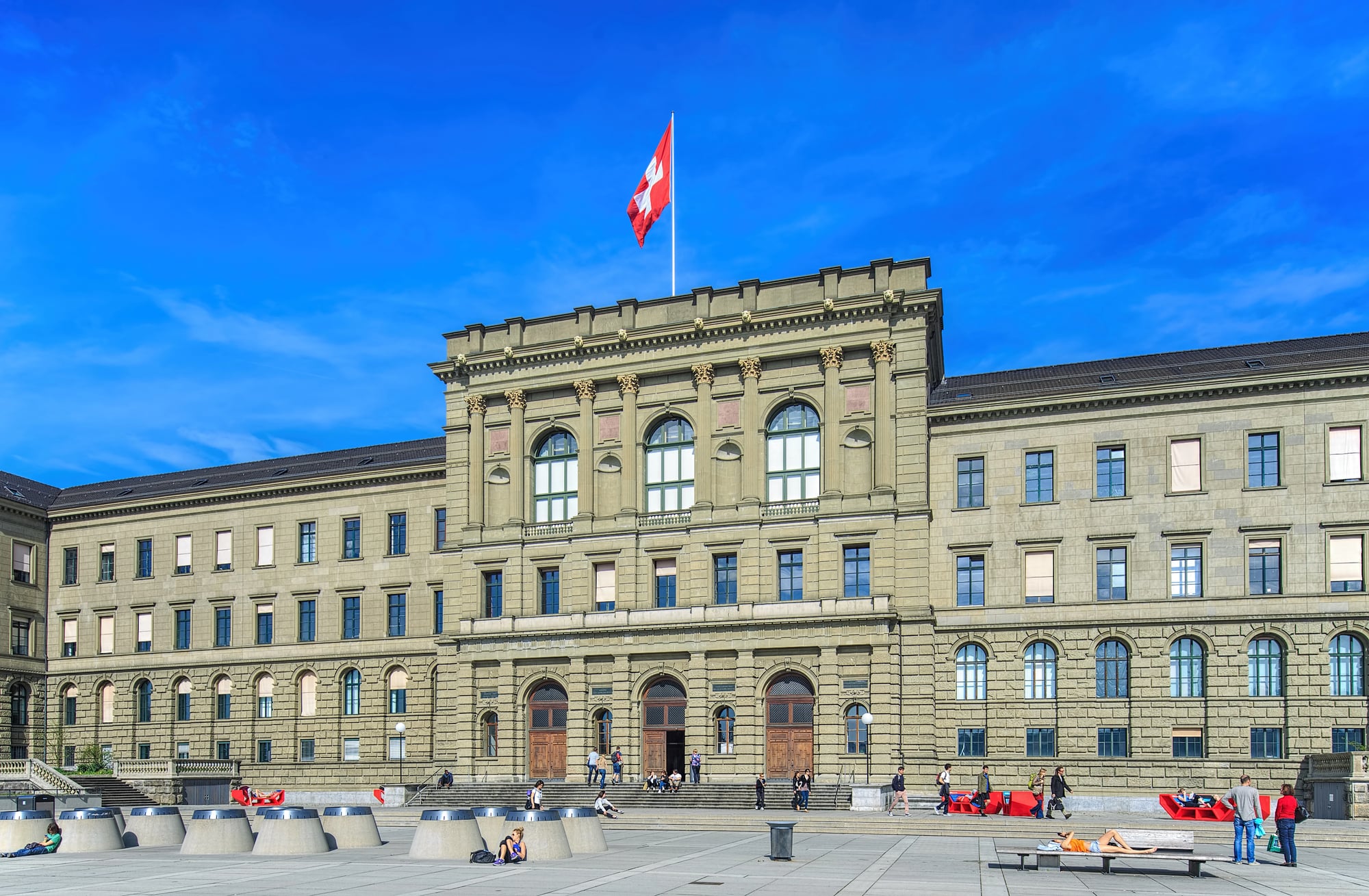
Switzerland’s technical university taught Albert Einstein. The engineering and science programs compete with any institution globally.
Students come from around the world to study in Zurich, though the instruction happens partly in German. The practical focus means graduates often move directly into research positions or technical roles at major companies.
The campus overlooks the city and Lake Zurich, providing views that can distract from problem sets.
Peking University
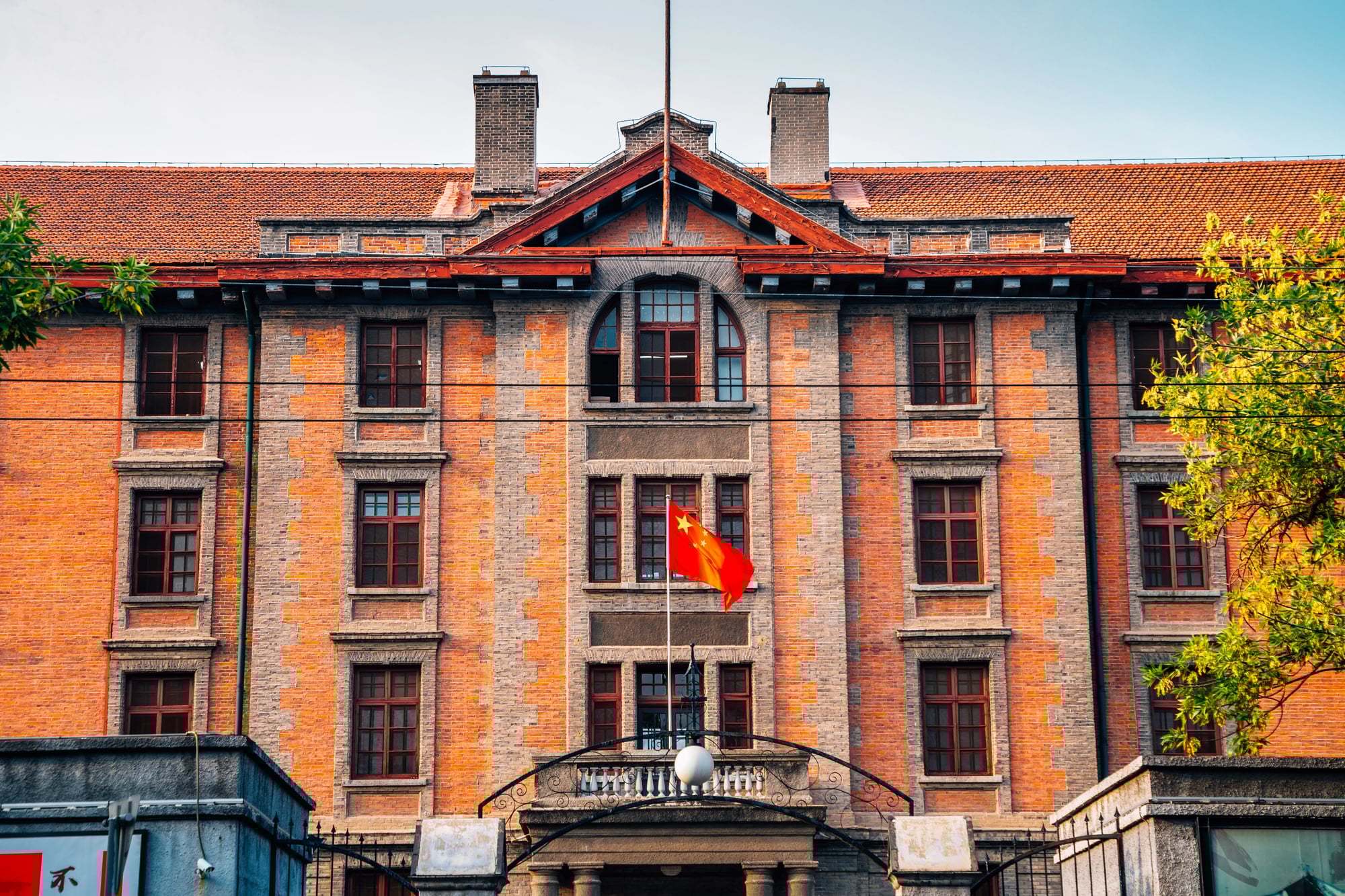
PKU sits in northwest Beijing, on grounds that once housed imperial gardens. The university leads Chinese higher education and competes internationally in rankings.
Students who gain admission often scored perfectly on gaokao, the national college entrance exam. The campus combines traditional Chinese architecture with modern facilities, and political discussions happen here despite restrictions elsewhere in China.
Alumni networks extend throughout government and business sectors.
Sorbonne University
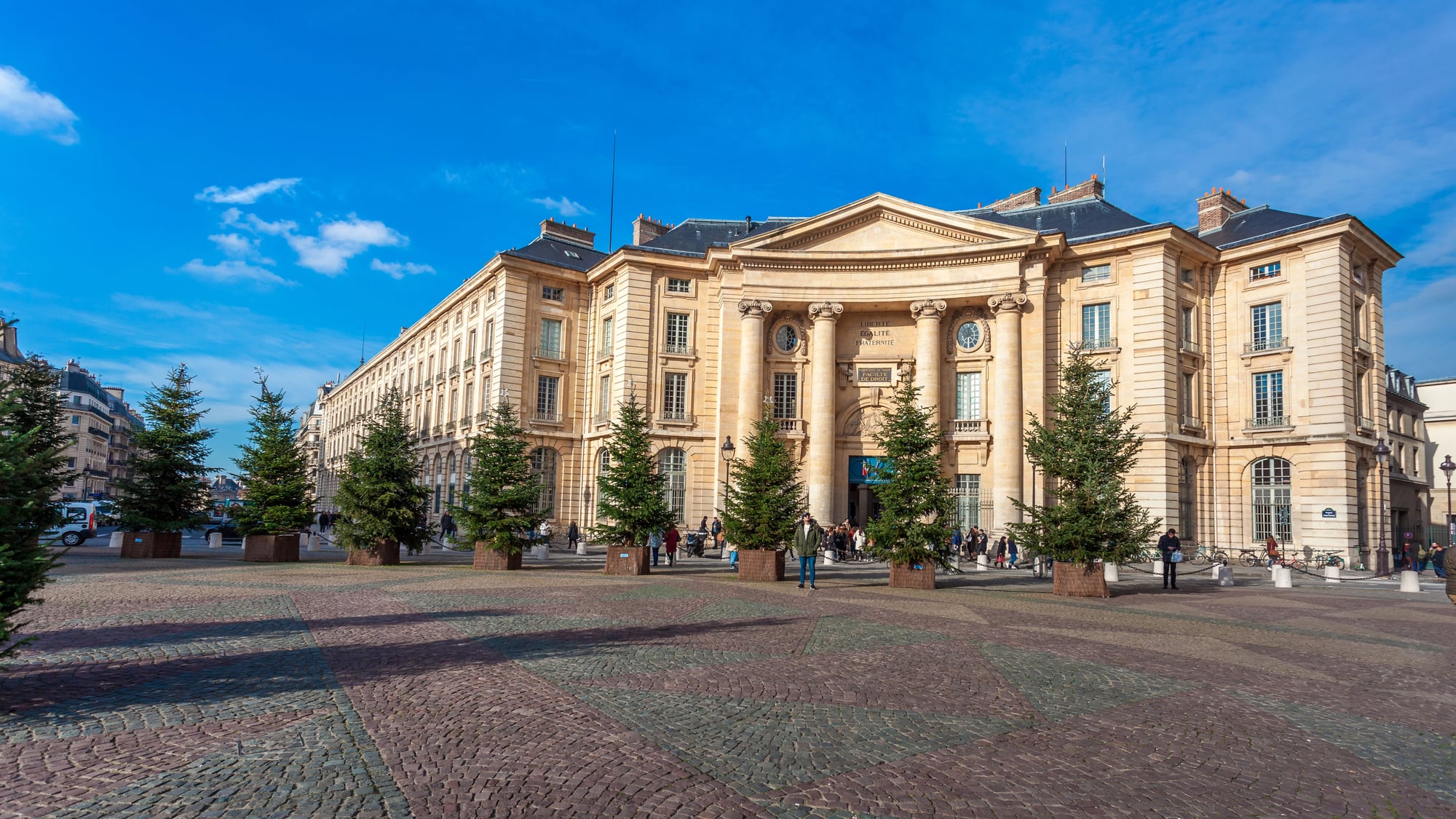
The Latin Quarter in Paris housed the Sorbonne since medieval times. The name conjures images of philosophers debating in cafes and students studying literature in historic libraries.
The French university system underwent reforms, but the Sorbonne maintains its place as a symbol of academic excellence. Humanities and social sciences remain strengths, attracting students interested in theory and critical thinking over vocational training.
Princeton University

This New Jersey campus feels removed from urban pressures despite sitting between New York and Philadelphia. The undergraduate focus sets Princeton apart from research-heavy peers—professors teach students directly rather than delegating to graduate assistants.
The eating clubs create social structures that some find charming and others find exclusionary. Nobel Prize winners teach here, and the endowment funds resources that let students pursue unusual research interests.
Imperial College London
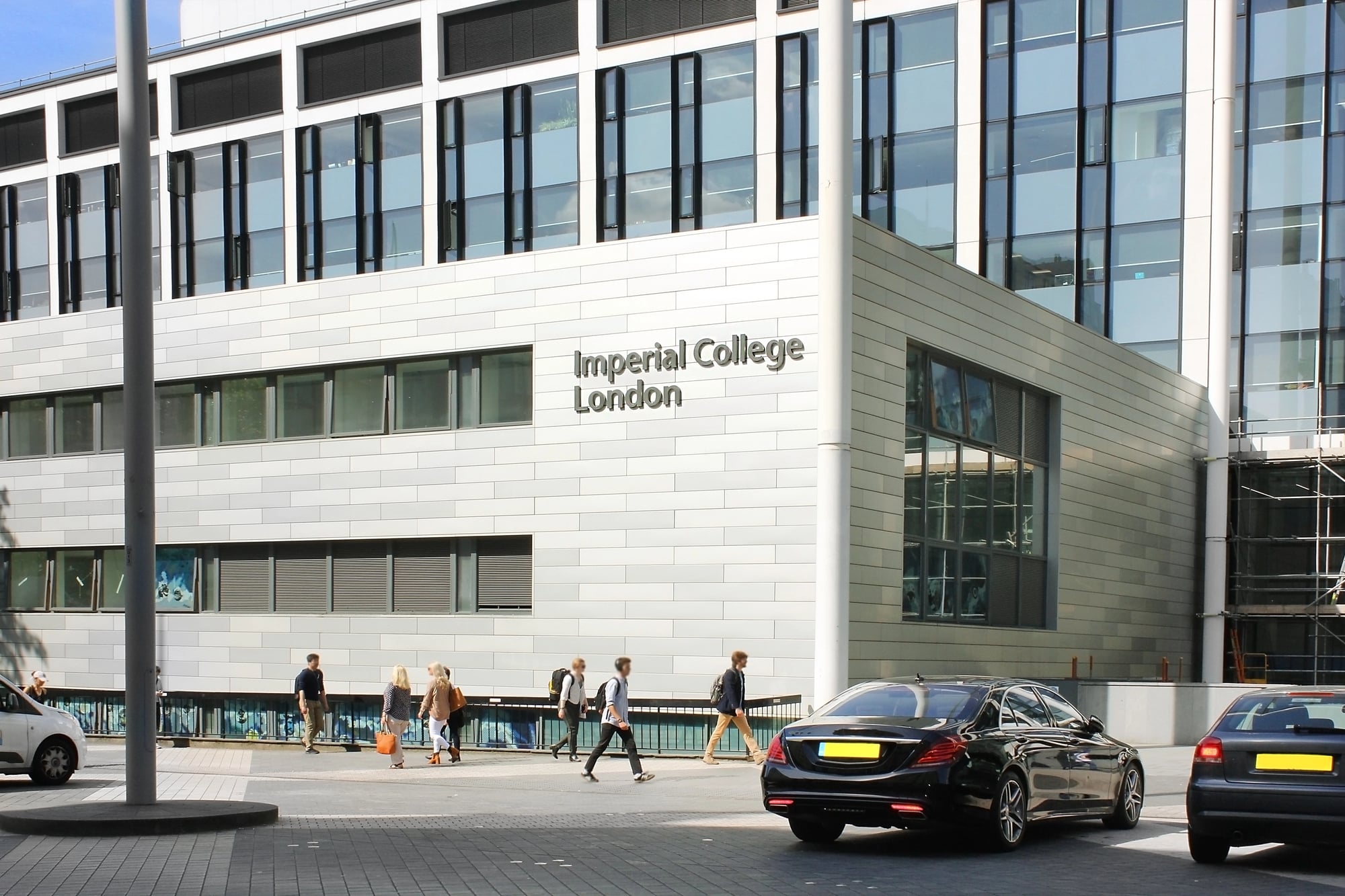
What you find at Imperial isn’t ivy-covered walls, but labs humming with activity. Located in London, the college slips students into a fast-moving world of galleries, startups, and ideas.
Its strengths? Science, engineering, medicine, business – not balanced on tradition, instead built around solving things that matter now. Global rankings show its research hits hard, reaching far beyond campus borders.
Industry ties are strong, so class projects sometimes feel more like actual jobs. Old stone courtyards aren’t here; what stands instead is modern design meant for doing, testing, building.
Where Names Lead
Just showing up at certain schools gets you noticed. What counts later comes down to where you aim.
In some jobs, who trained you weighs heavily. Elsewhere, results drown out names.
Differences in teaching aren’t nearly as wide as the rankings claim. Few lessons stick just inside four walls.
Most come from faces across a table, questions without answers. A diploma carries weight, yet many who’ve made their mark skipped the ceremony altogether.
More from Go2Tutors!

- The Romanov Crown Jewels and Their Tragic Fate
- 13 Historical Mysteries That Science Still Can’t Solve
- Famous Hoaxes That Fooled the World for Years
- 15 Child Stars with Tragic Adult Lives
- 16 Famous Jewelry Pieces in History
Like Go2Tutors’s content? Follow us on MSN.



