16 Adaptive Robots Powered by AI

Robots aren’t what they used to be. A few years back, you programmed them to do one thing and that was it. Now? They’re learning, adapting, and making decisions. It’s honestly kind of wild when you think about it.
The change happened fast too. Companies started throwing AI into everything, and robots suddenly got smart. Really smart. They watch what’s happening around them and figure out how to respond. Sometimes they mess up, learn from it, then do better next time.
Here is a list of 16 adaptive robots powered by AI that are making waves across industries worldwide.
Atlas by Boston Dynamics

Boston Dynamics created something special with Atlas. This robot moves in ways that shouldn’t be possible – jumping, running, doing backflips.
But the real magic happens in factories where it handles engine parts without supervision. The thing just figures out what needs doing and does it.
Engineers watch these demos and shake their heads because Atlas makes decisions they didn’t program.
Tesla Optimus Gen 2
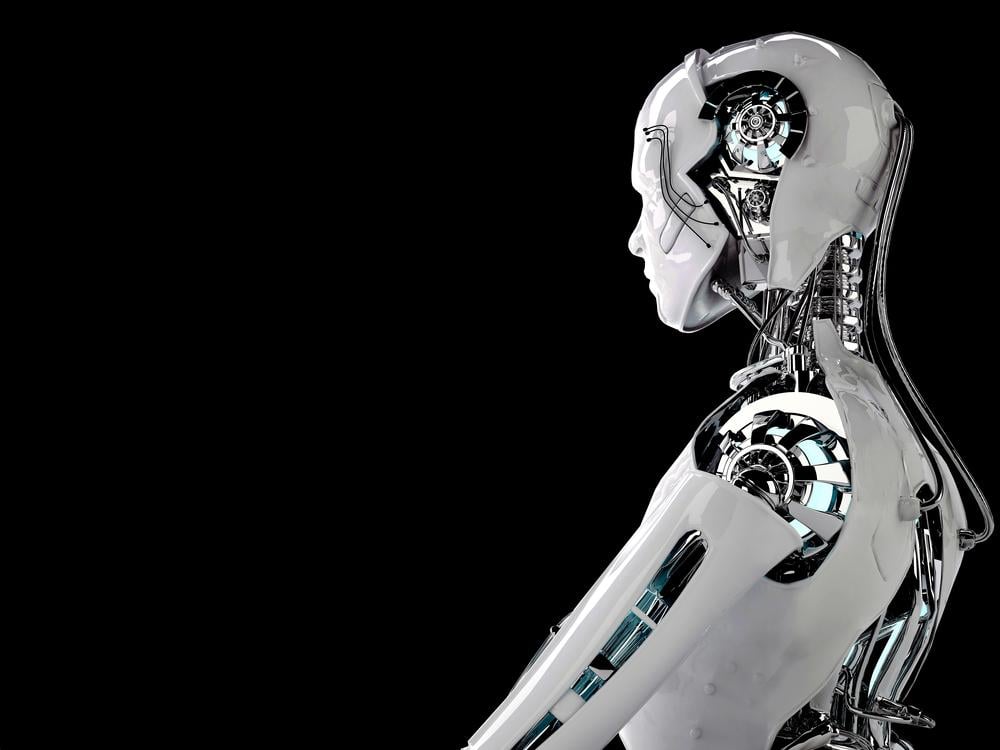
Tesla built Optimus the same way they approach cars – practical, efficient, scalable. The robot learns by watching people work, then tries to copy what it saw.
Sometimes it gets things wrong at first, but it keeps trying different approaches until something clicks. Elon Musk talks about having one in every home eventually, which sounds crazy until you see how quickly it picks up new tasks.
Figure 02
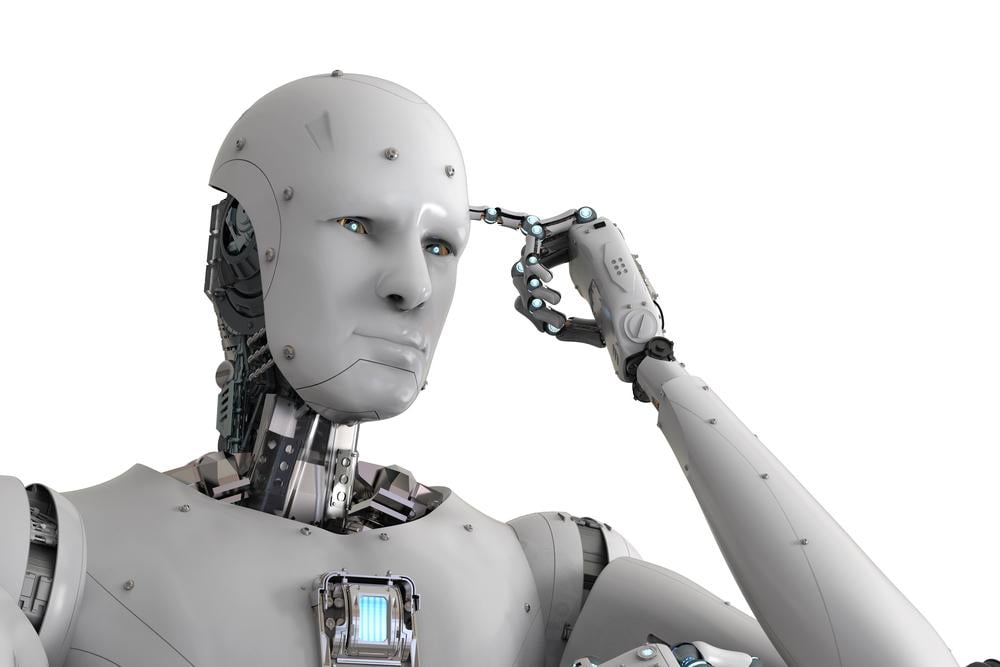
Figure 02 spent an hour organizing packages without anyone helping. That doesn’t sound impressive until you realize most robots can barely work for five minutes independently.
The robot looks human-ish but moves with this deliberate precision that’s distinctly mechanical. Still, watching it work for that long without intervention felt like a breakthrough moment.
Standard Bots RO1
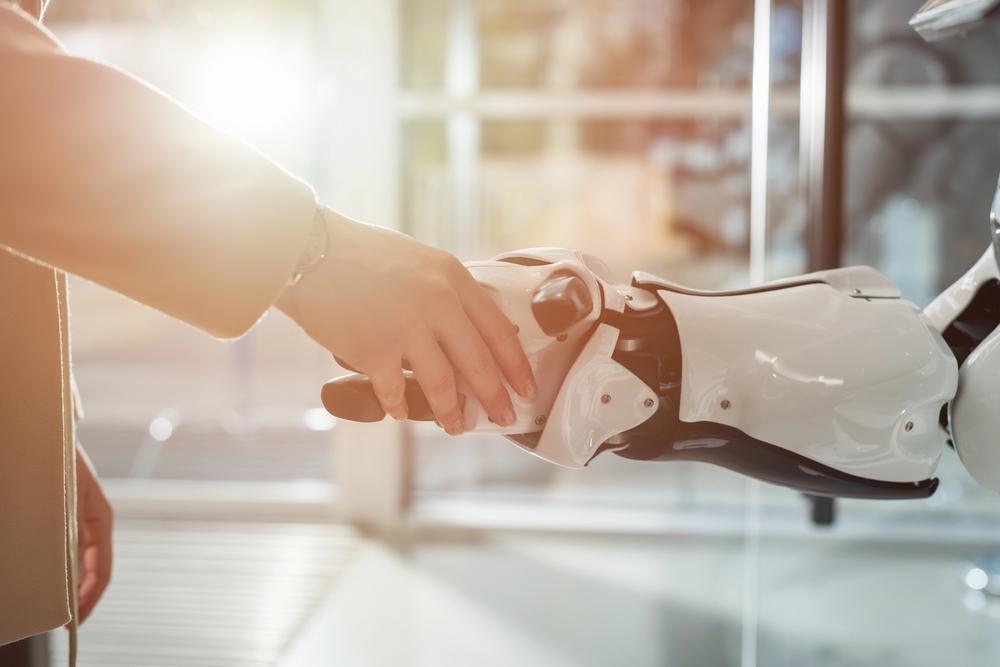
Thirty-seven thousand dollars gets you a robot arm that’s accurate to 0.025 millimeters. That’s insane precision for the price.
Most industrial robots cost way more and need weeks of installation. RO1 arrives, you plug it in, and it starts working the same day.
The company built everything in New York, which is refreshing when so much manufacturing happens overseas.
ABB YuMi
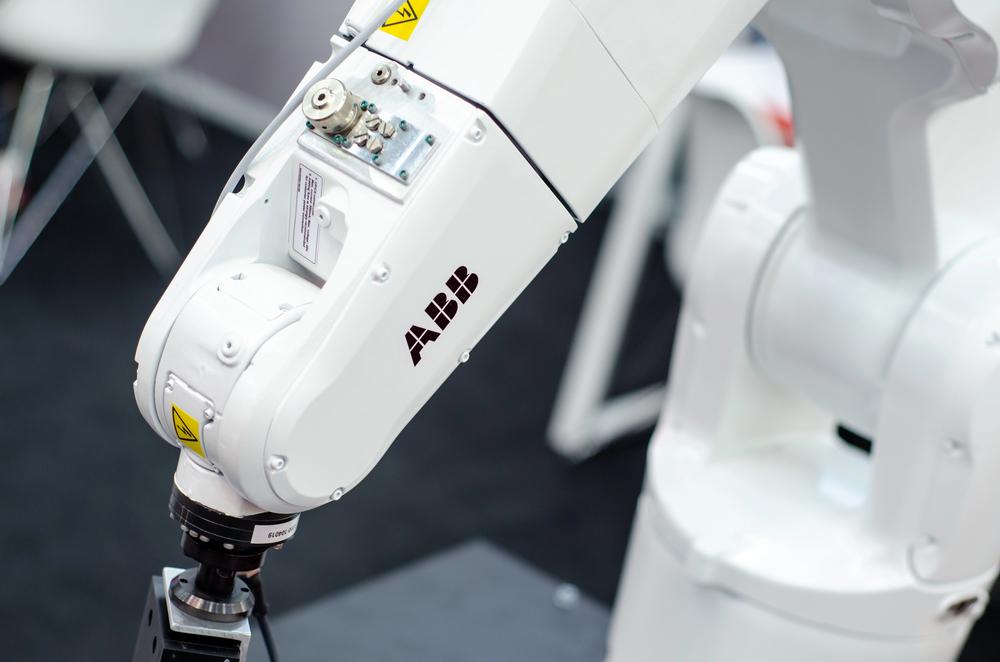
YuMi works right next to people without safety barriers. That was unthinkable in traditional manufacturing because robots were too dangerous.
This one’s different – it stops if it bumps into anything, learns from mistakes, gets better over time. Assembly line workers actually like having YuMi around because it handles the tedious stuff while they focus on more interesting work.
Universal Robots UR15

UR15 runs on NVIDIA’s AI platform, which basically turns it into a computer with arms. The robot doesn’t just move parts around – it thinks about what it’s doing and why.
Manufacturers can write custom AI programs for specific tasks, though most people just use the built-in capabilities. The robot adjusts its behavior based on what’s happening in real-time.
Unitree G1

For sixteen grand, you get a humanoid robot that learns by watching. The G1 observes someone flip pancakes, then practices until it gets the motion right.
The learning process is fascinating to watch – lots of failed attempts followed by gradual improvement. That price point puts humanoid robots within reach of small businesses for the first time.
FANUC CRX Series
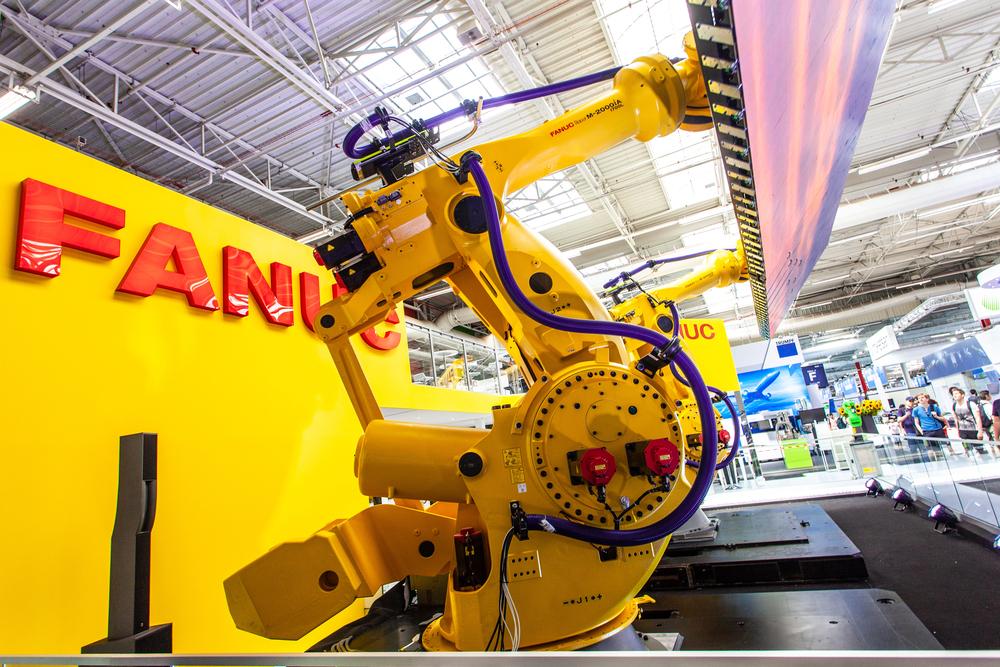
FANUC solved a problem that bugged manufacturers for decades – working with moving assembly lines. Their robots use AI vision to track parts in motion and grab them precisely.
General Motors tested this at several plants and the results were impressive enough that they’re rolling it out everywhere. The technology eliminates most production line stoppages.
Agility Robotics Digit

Digit walks like a person, which turns out to be incredibly useful. Most robots can’t handle stairs, uneven surfaces, or tight spaces.
This one navigates warehouses designed for humans without any modifications to the building. Amazon’s been testing Digit for package delivery because it can walk up to front doors and place packages precisely where customers want them.
KUKA iiQKA

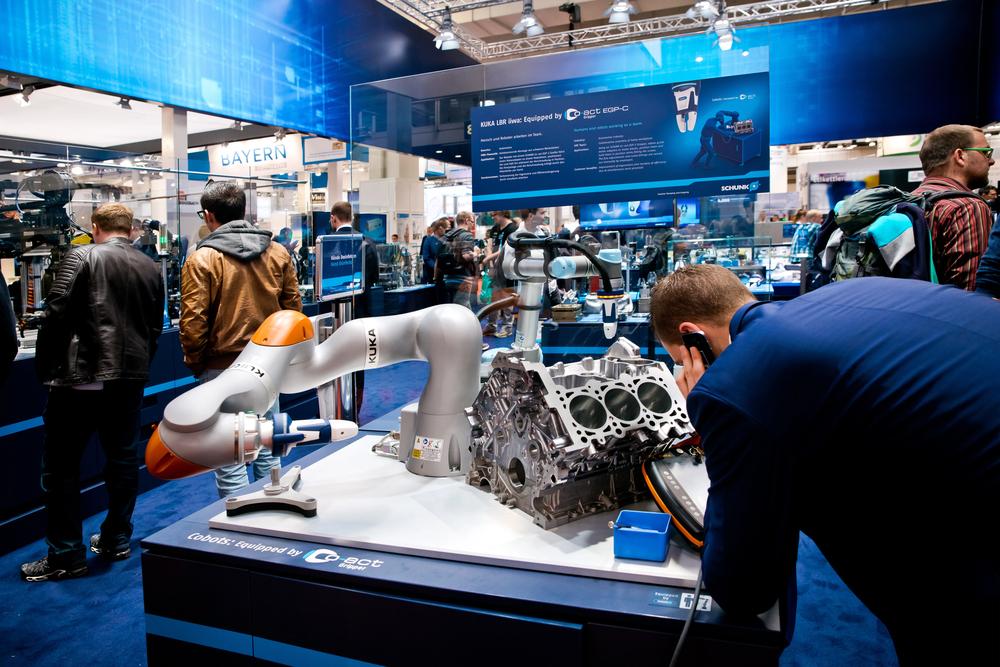
KUKA’s new operating system lets robots practice in virtual environments before trying tasks in real life. Think of it like a flight simulator for robots.
They run thousands of practice scenarios, learn from mistakes, then apply that knowledge to actual factory work. The virtual training cuts learning time from weeks down to hours.
Sanctuary AI Phoenix

Phoenix does two things most robots struggle with – delicate assembly work and customer interaction. The AI helps it understand context, so it knows when to be gentle with electronics and how to communicate with people appropriately.
Watching Phoenix work feels different because it seems to understand what it’s doing rather than just following instructions.
NEURA Robotics 4NE-1
German robotics company NEURA built the 4NE-1 to read social cues and respond accordingly. The robot adjusts its behavior based on who it’s interacting with and what the situation requires.
It’s particularly good at working in offices where it needs to understand human social dynamics. The learning happens gradually as it observes different interactions.
Doosan Robotics Collaborative Arms

Doosan figured out how to train robots in simulation, then transfer that knowledge to physical machines seamlessly. Their collaborative arms master complex assembly tasks virtually before attempting them in real manufacturing environments.
The approach dramatically reduces the time and cost of teaching robots new skills while minimizing expensive mistakes.
Hexagon AEON

Advanced walking capabilities and industrial-grade sensors driven by NVIDIA’s computing platform are combined in AEON. This robot, which was designed for maintenance and inspection tasks, adjusts its strategy according to the demands of each task.
The sensor array enables real-time technique modification based on safety regulations and environmental conditions.
Stretch by Boston Dynamics
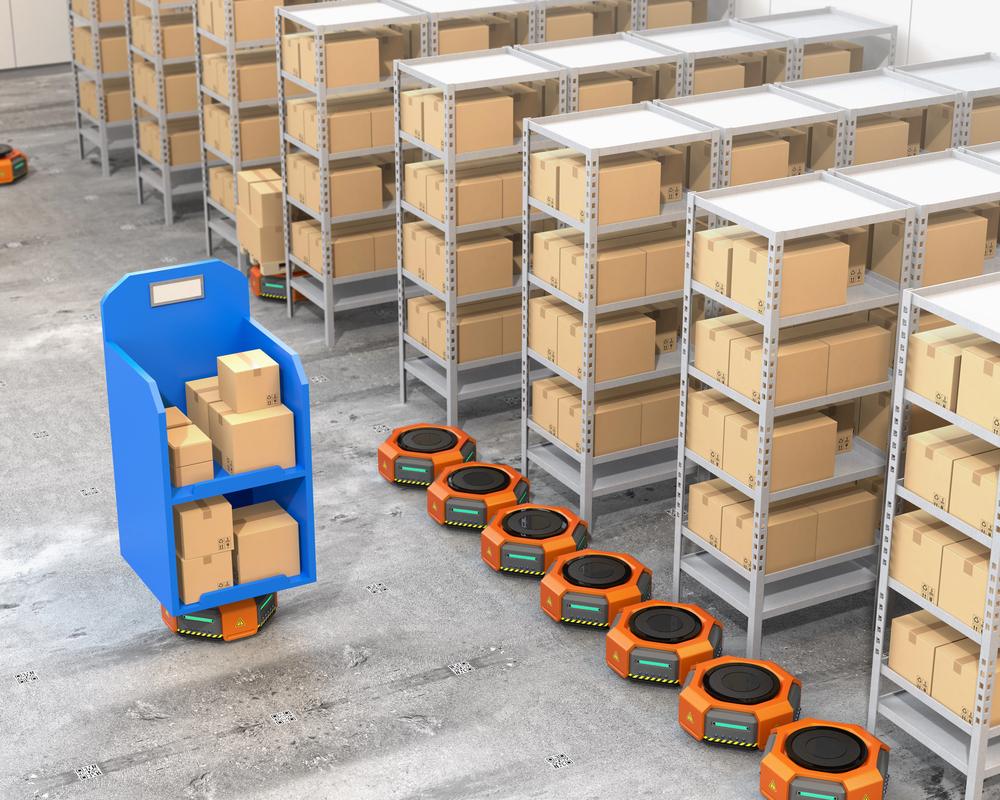
Each Stretch robot imparts its knowledge to the others. When someone discovers a better way to stack boxes, the entire fleet immediately learns about it.
When new robots are deployed, they don’t start from scratch thanks to this collective learning. The future of robotics is most likely the shared intelligence approach.
Franka Research 3 with Isaac GR00T
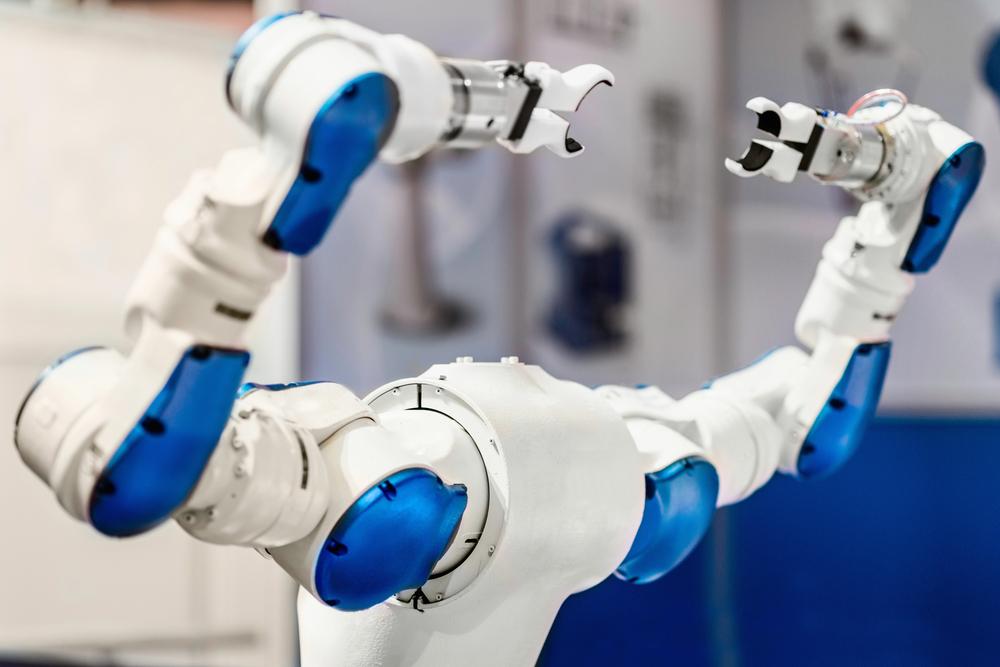
Without specialized programming, the Franka Research 3 can perform intricate manipulation tasks with two arms. It observes what is taking place, comprehends the situation, and then uses historical data to determine the best course of action.
In essence, the robot combines learned information with visual observation to teach itself new tasks.
The Shift Nobody Saw Coming

These robots represent something bigger than just better technology. They’re the beginning of genuine collaboration between humans and intelligent machines.
The old model of rigid automation is giving way to flexible AI that adapts to our needs rather than forcing us to adapt to theirs. Five years ago, most of these capabilities existed only in research labs.
Now they’re working in real environments, learning from real experience, and getting better every day. The transformation happened faster than anyone predicted, and it’s just getting started.
More from Go2Tutors!

- 16 Historical Figures Who Were Nothing Like You Think
- 12 Things Sold in the 80s That Are Now Illegal
- 15 VHS Tapes That Could Be Worth Thousands
Like Go2Tutors’ content? Follow us on MSN.



