The Queen Who Led an Army Against Britain
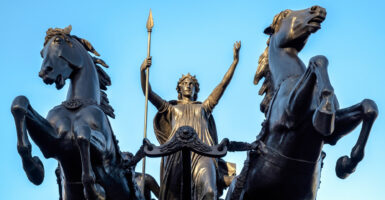
Picture this: a fierce red-haired queen with fire in her eyes, standing tall before thousands of warriors ready to fight the world’s most powerful empire. This isn’t a story from a movie or a fantasy book.When her husband Prasutagus died with no male heir, the Romans decided they could take whatever they wanted from his kingdom.
What they didn’t count on was his widow’s fury and her ability to unite entire tribes against them.
The queen who married into power

Boudica became queen through marriage to Prasutagus, king of the Iceni tribe in what we now call Norfolk. The Iceni weren’t just any ordinary tribe.
They were wealthy, proud people who had struck a deal with Rome to keep some independence while the empire expanded across Britain. Prasutagus thought he was being clever by working with the Romans instead of against them.
Life before the storm
Before everything went wrong, Boudica lived a comfortable life in Iron Age Britain. She had two daughters with Prasutagus and helped rule over a prosperous kingdom.
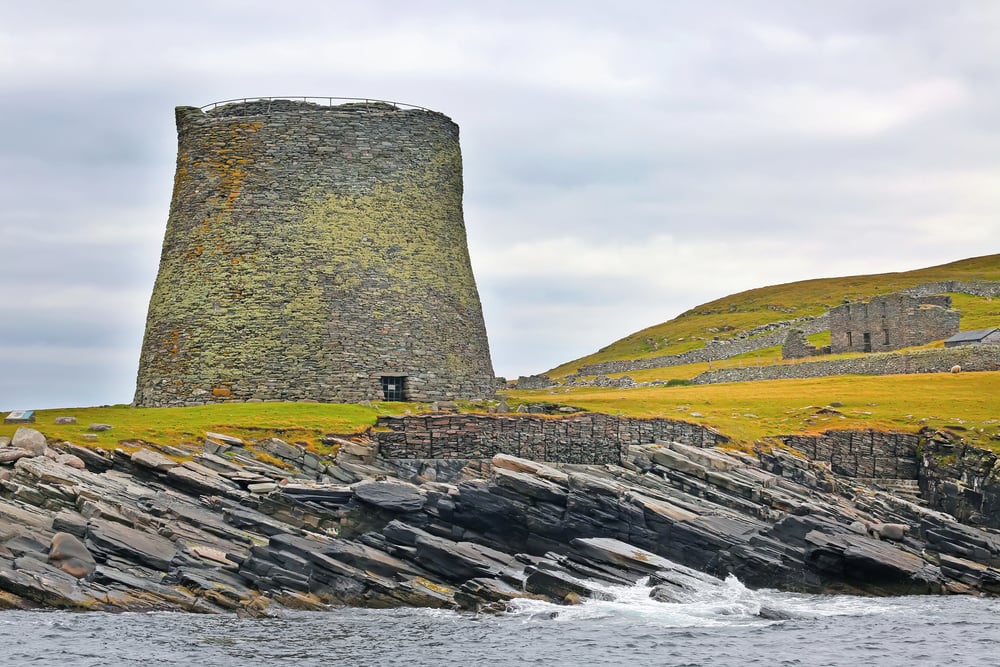
The Iceni had their own coins, traded with other tribes, and maintained their own customs even under Roman influence. Boudica would have worn fine jewelry, lived in a well-appointed roundhouse, and participated in the complex politics of tribal Britain.
A queen’s rage ignites rebellion
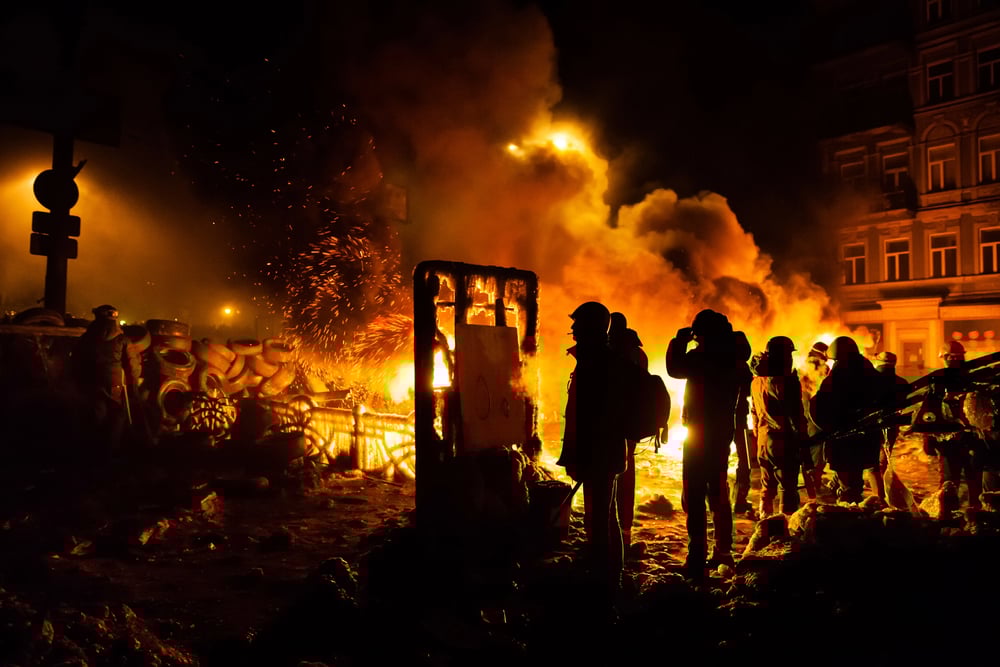
The brutality against her family lit a fire in Boudica that would burn across Britain. She didn’t just want revenge for her personal suffering.
She understood that what happened to her family showed Rome’s real intentions for all British tribes. Freedom was an illusion, and their children would grow up as Roman subjects rather than proud Britons.
The perfect moment to strike
When Boudica decided to rebel, the Roman governor Suetonius Paulinus was 250 miles away on the island of Anglesey, attacking the Druids. This gave her rebellion the perfect opportunity to begin.
The main Roman forces were busy fighting the Druids, leaving the rest of Britain relatively undefended. Boudica knew she had to act fast before Suetonius could return with his legions.
Building an unstoppable alliance

Boudica’s greatest achievement wasn’t just raising an army. She managed to unite tribes that had been enemies for generations.
The Trinovantes, who had their own grievances against Rome, joined her cause immediately. Other tribes followed, drawn by her powerful speeches and the promise of driving out the Roman invaders.
The first taste of victory
The uprising began around 60-61 AD in the Roman province of Britain, with Boudica leading the charge. Her first target was Camulodunum (modern Colchester), the Roman capital of Britain.
The town was filled with Roman veterans who had been given land taken from British tribes. Boudica’s forces surrounded the settlement and overwhelmed its defenders.
Spreading terror through Roman Britain
After destroying Camulodunum, Boudica’s army moved toward Londinium (London), which was growing into an important trading center. The Romans tried to defend the city but quickly realized they were outnumbered.
Most of the Roman civilians fled, but those who stayed faced the full fury of the British forces. According to Roman historian Tacitus, Boudica’s rebels massacred 70,000 Romans and pro-Roman Britons during their campaign.
The professional soldiers strike back

The Roman 9th Legion was cut to pieces trying to stop Boudica’s advance. But Governor Suetonius Paulinus rushed back from Wales with the battle-hardened 14th Legion.
He chose his battleground carefully, finding a narrow valley where Boudica’s superior numbers would work against her. The location forced the British forces to attack uphill through a bottleneck, neutralizing their advantage.
The final battle that changed everything

Paulinus met the Britons at a point thought to be near present-day Fenny Stratford on Watling Street and regained the province in a desperate battle. Boudica loaded her army with their families, expecting to celebrate victory together.
Instead, the wagon train carrying women and children became a trap when the battle turned against them. The disciplined Roman legions held their formation and pushed forward methodically, while the British forces became disorganized in the narrow space.
A queen’s final choice
When defeat became certain, Boudica faced capture by the Romans who would have paraded her through Rome in chains before executing her. Ancient sources suggest she chose to end her own life rather than face this humiliation.
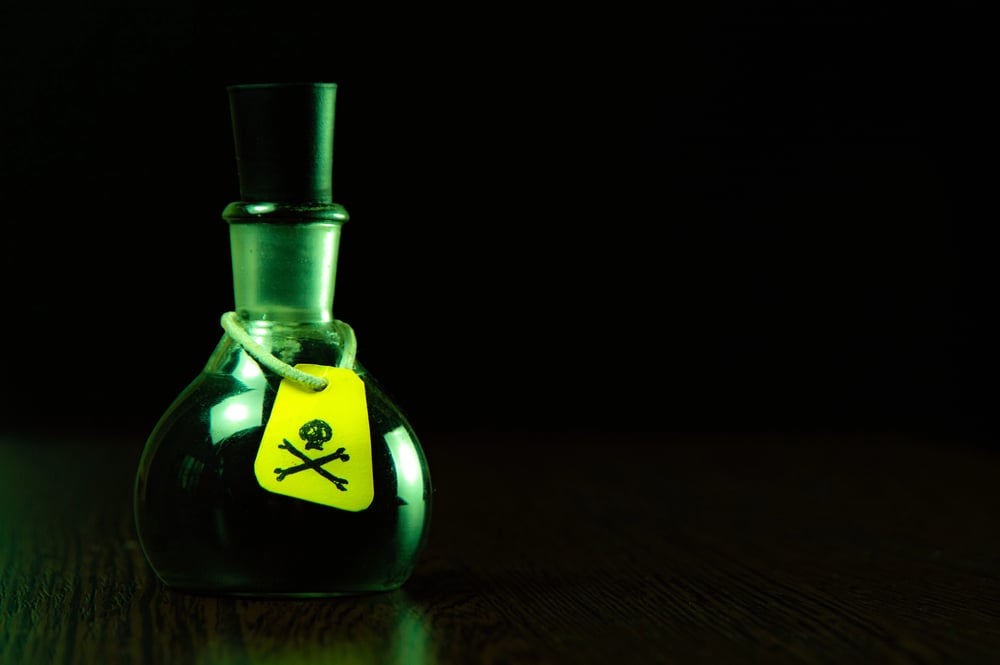
Some accounts say she took poison, while others are less specific about her final moments. What’s certain is that she never surrendered and never begged for mercy from the empire that had destroyed her family.
The aftermath of rebellion
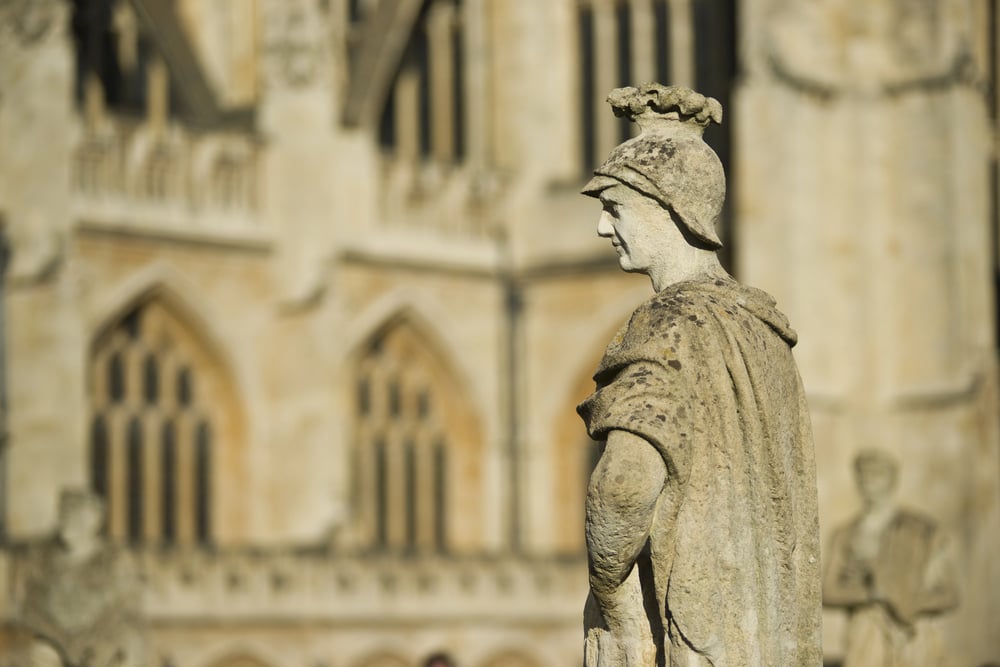
The crisis of 60/61 caused Emperor Nero to consider withdrawing all his imperial forces from Britain, but Suetonius’s victory over Boudica confirmed Roman control of the province. The rebellion had come closer to success than most people realize.
If Boudica had won that final battle, the entire course of British history might have changed. Rome might have abandoned Britain for decades, allowing the native tribes to develop differently.
How Romans remembered their enemy

Roman historians wrote about Boudica with a mixture of respect and horror. They admired her courage and leadership while condemning what they saw as British brutality during the rebellion.
Tacitus, our main source for her story, portrayed her as a noble savage who represented both the fierce independence of barbarian peoples and their ultimate inability to match Roman civilization. These Roman accounts are biased, but they’re also the reason we know Boudica’s story at all.
The price of resistance

After crushing the rebellion, Rome made sure nothing like it could happen again. They stationed more troops permanently in Britain and kept closer watch on tribal leaders.
The Iceni and other rebel tribes faced harsh punishment, with many survivors sold into captivity. The Romans rebuilt the destroyed cities bigger and stronger than before, making them symbols of imperial power rather than just trading centers.
Archaeological evidence speaks
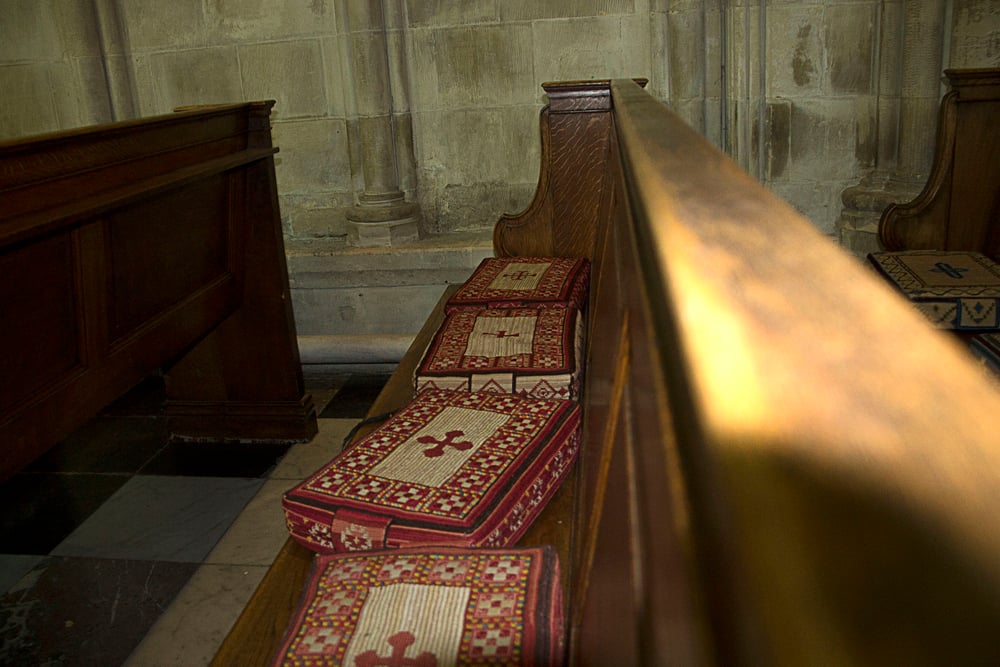
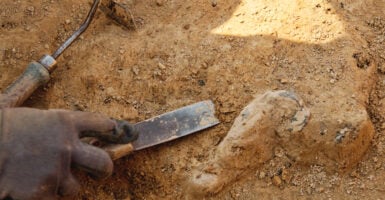
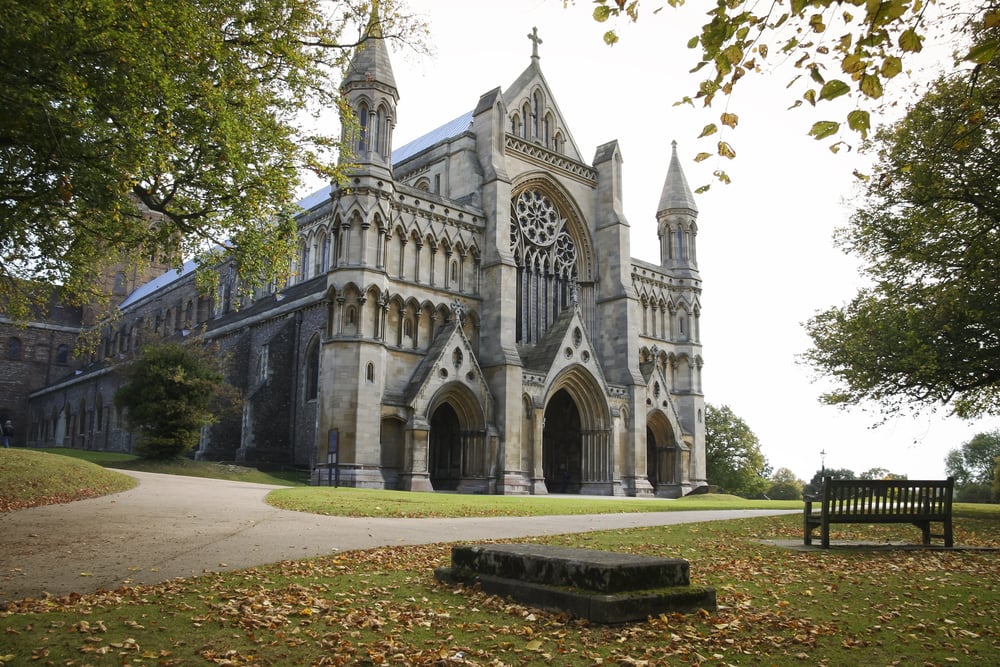
Modern archaeology has confirmed many details of Boudica’s rebellion that historians once doubted. In places like St. Albans, archaeologists have uncovered thick layers of burning dating to A.D. 60, testament to the fury of the British reaction to Roman domination.
These burned layers contain Roman coins, pottery, and other artifacts that help us understand what life was like in these settlements before Boudica’s forces destroyed them. The evidence shows that her rebellion was far more destructive and widespread than some scholars had believed.
When ancient fury meets modern memory
Boudica’s story connects us to our ancestors in ways that few historical figures can. Nearly two thousand years later, her rebellion still inspires people who face overwhelming odds or unjust treatment.
Her legacy reminds us that sometimes ordinary people, pushed too far, can shake the foundations of even the mightiest empires.
More from Go2Tutors!

- The Romanov Crown Jewels and Their Tragic Fate
- 13 Historical Mysteries That Science Still Can’t Solve
- Famous Hoaxes That Fooled the World for Years
- 15 Child Stars with Tragic Adult Lives
- 16 Famous Jewelry Pieces in History
Like Go2Tutors’s content? Follow us on MSN.