Strange Birthday Traditions from Around the World
Birthdays are celebrated everywhere, but not every culture marks the occasion the same way. While cake and candles might be common in many places, some countries have traditions that seem downright weird to outsiders.
From getting pelted with food to having your face greased, these customs show just how creative people can get when celebrating another trip around the sun. What seems perfectly normal in one country might leave visitors scratching their heads in confusion.
Here is a list of 17 strange birthday traditions from around the world.
Canada’s greased nose tradition
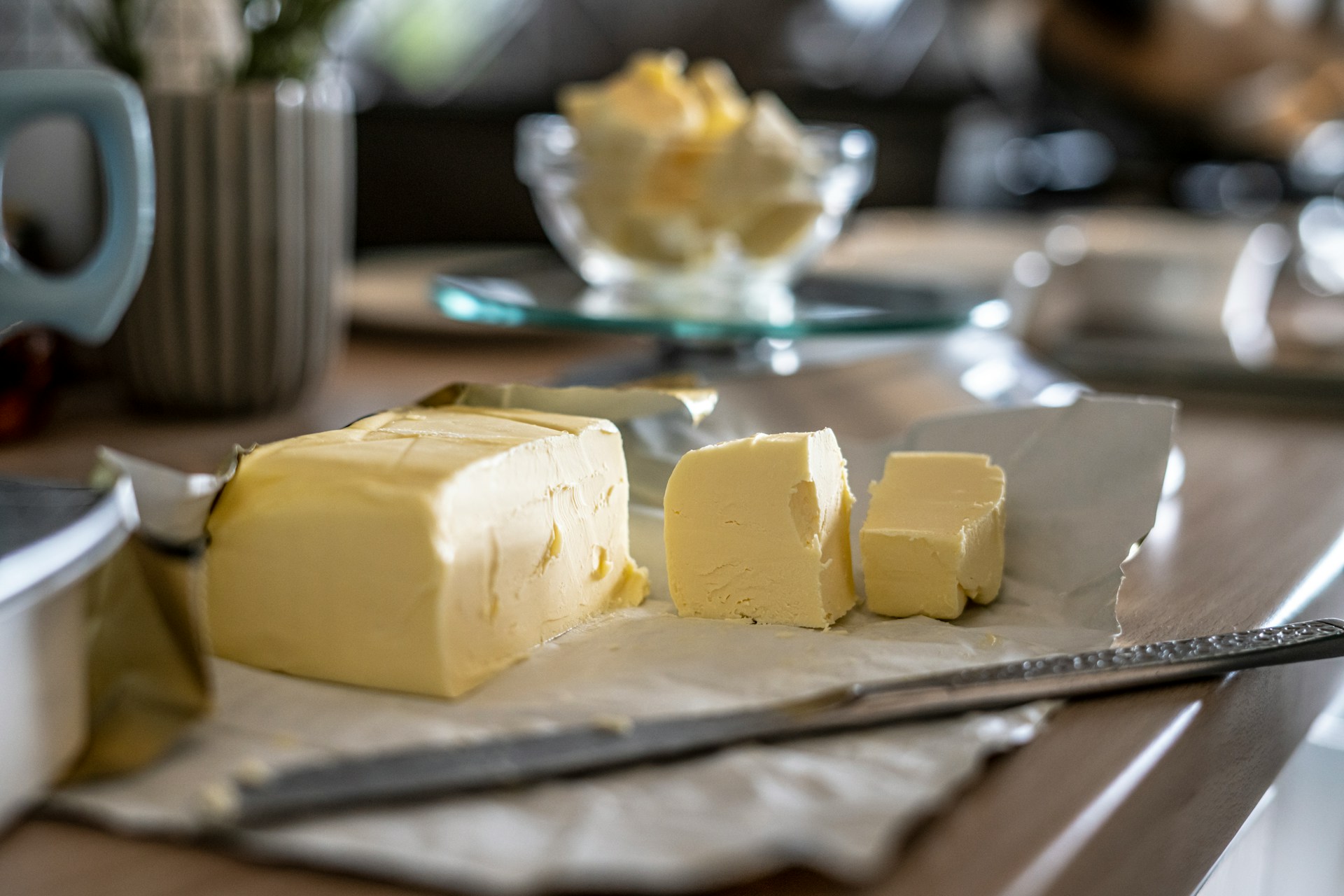
Friends and family in parts of Atlantic Canada sneak up on the birthday person and smear butter on their nose. The idea is that the grease makes you too slippery for bad luck to catch you.
This custom shows up mostly in Newfoundland, Nova Scotia, and Prince Edward Island. The tradition might have Scottish or Irish roots, since many families who practice it trace their heritage back to those places.
Some families add extra butter as you get older, which sounds messier with each passing year. The smell of butter apparently lingers all day, making it a birthday you won’t forget.
Denmark’s cinnamon attack for singles
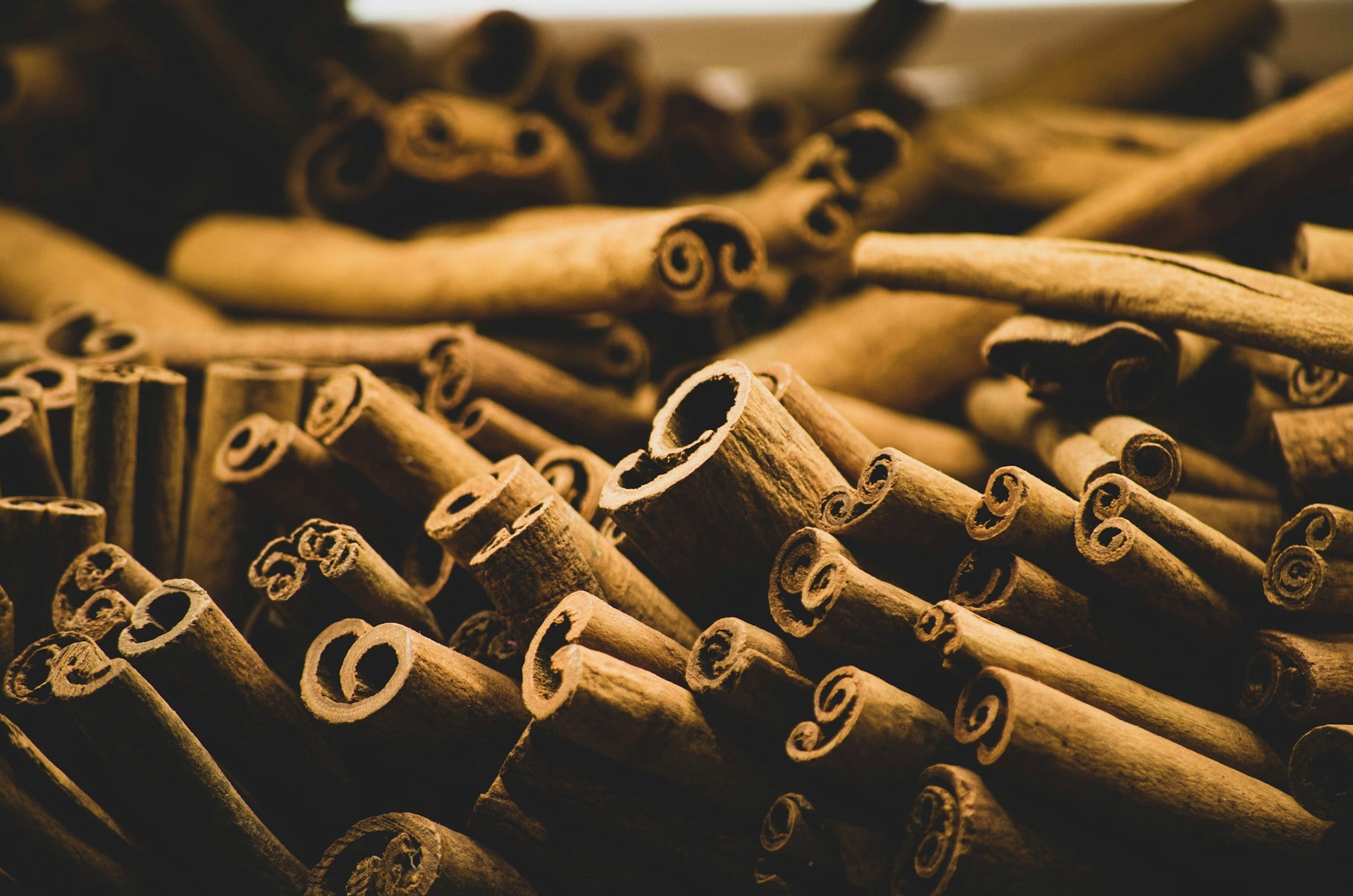
In Denmark, unmarried 25-year-olds get tied to a lamppost and covered head to toe in cinnamon by their friends. The tradition happens in public, so random people walking by can witness the whole thing.
Some Danes add eggs or water to help the cinnamon stick better to the birthday person. The custom dates back to when traveling spice merchants stayed single because they never stayed in one place long enough to settle down.
These unmarried men were called Pebersvends, which means pepper companions. At 30, if you’re still unmarried, the punishment gets worse because they switch from cinnamon to pepper.
Brazil’s cake and flour celebration
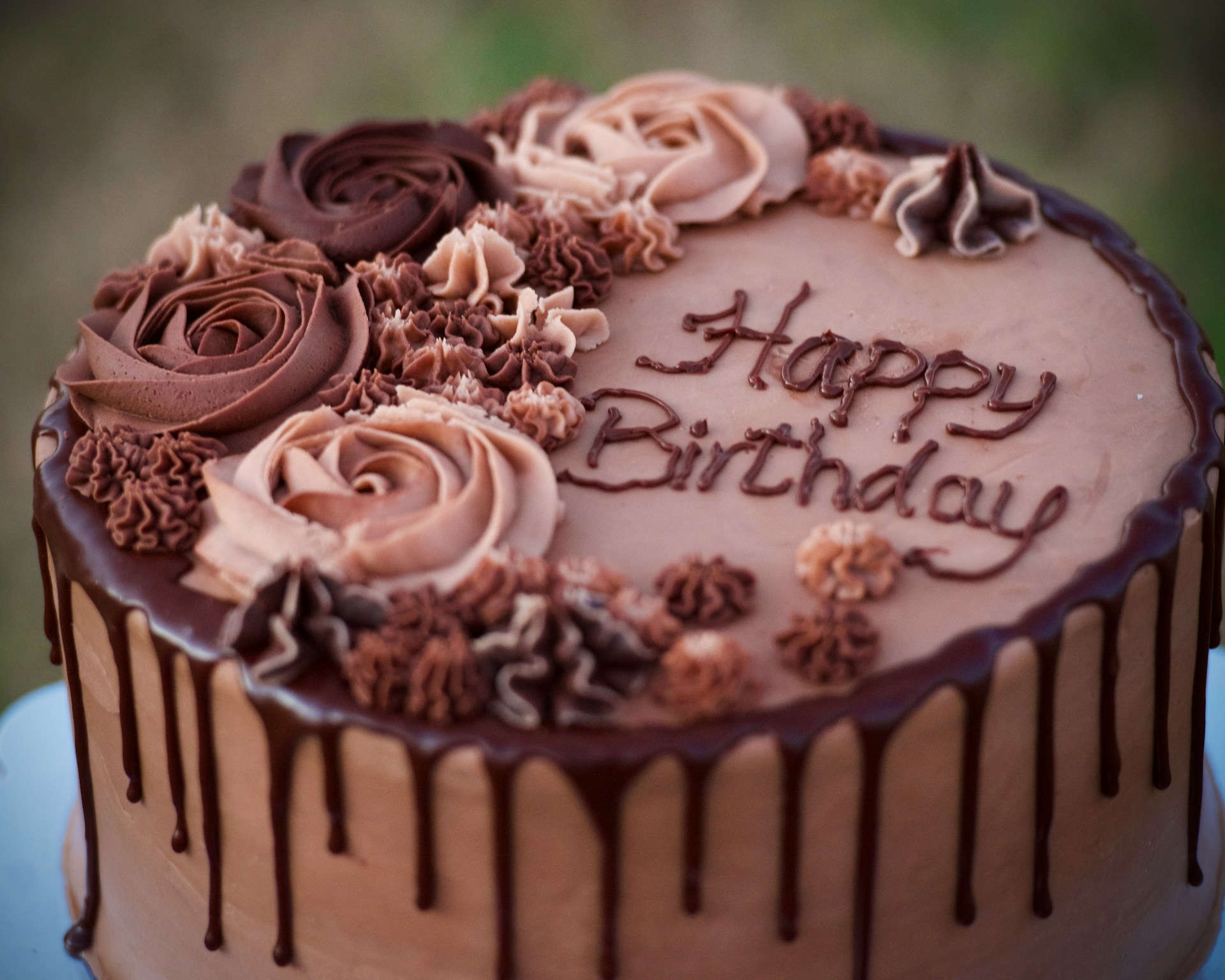
Brazilian birthday parties include a tradition where the birthday person gets the first slice of cake, but there’s a catch. After blowing out the candles, friends often try to shove the birthday person’s face into the cake.
If that wasn’t enough, people also throw eggs and flour at the celebrant during the party. The flour throwing is called ‘antiquing’ because it makes people look old and dusty.
Despite the mess, it’s all done with love and laughter. Many Brazilians also believe that the first slice of cake should go to someone you love most.
Jamaica’s flour ambush
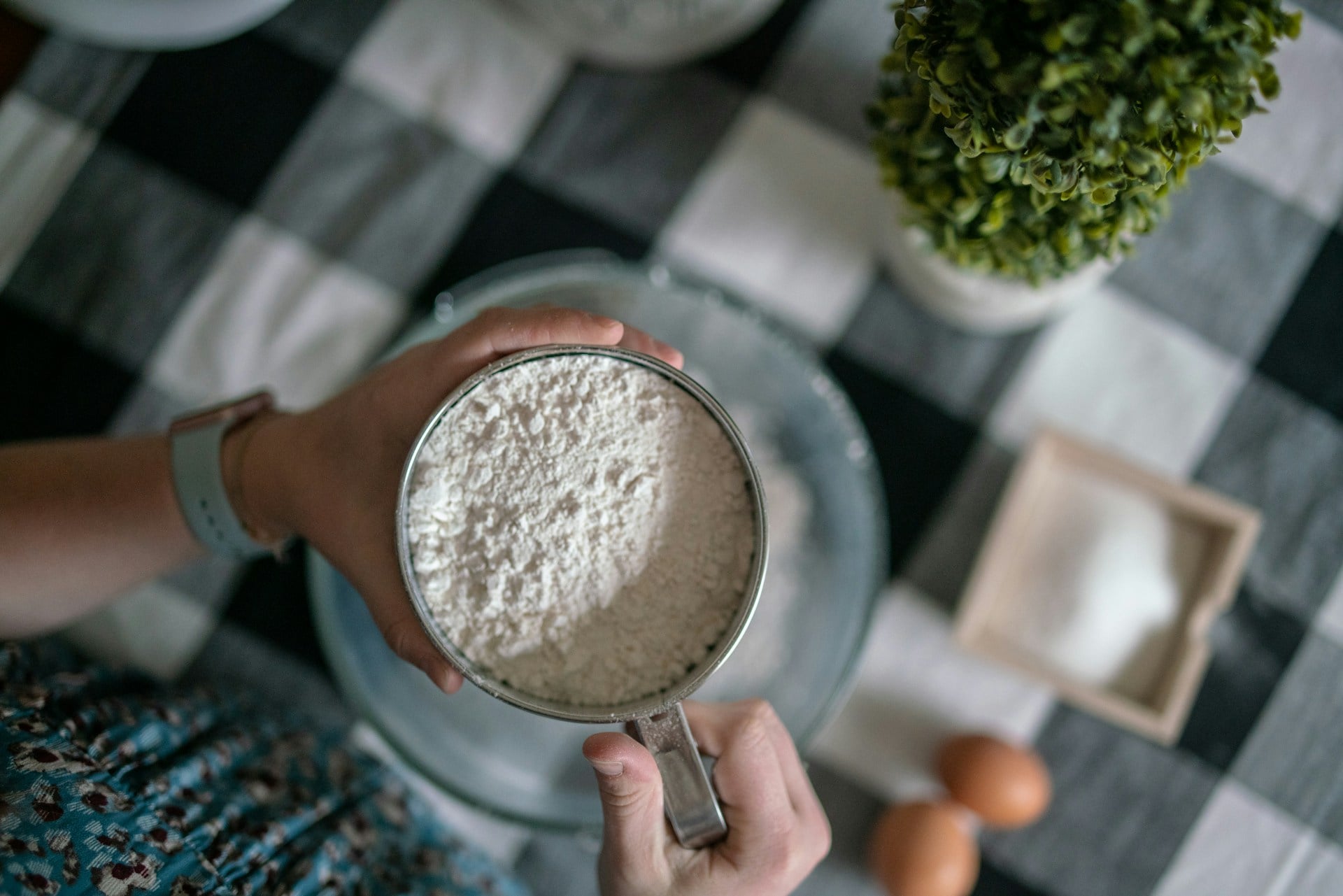
Jamaica has its own version of the flour tradition. Friends gather flour, sometimes mixed with water or other substances, and ambush the birthday person.
The goal is to cover them completely in white powder before they realize what’s happening. This tradition often happens early in the morning as a surprise.
People have been known to chase the birthday person down the street just to make sure they get properly covered. It’s considered all in good fun, though the birthday person might not always agree.
Ireland’s birthday bumps
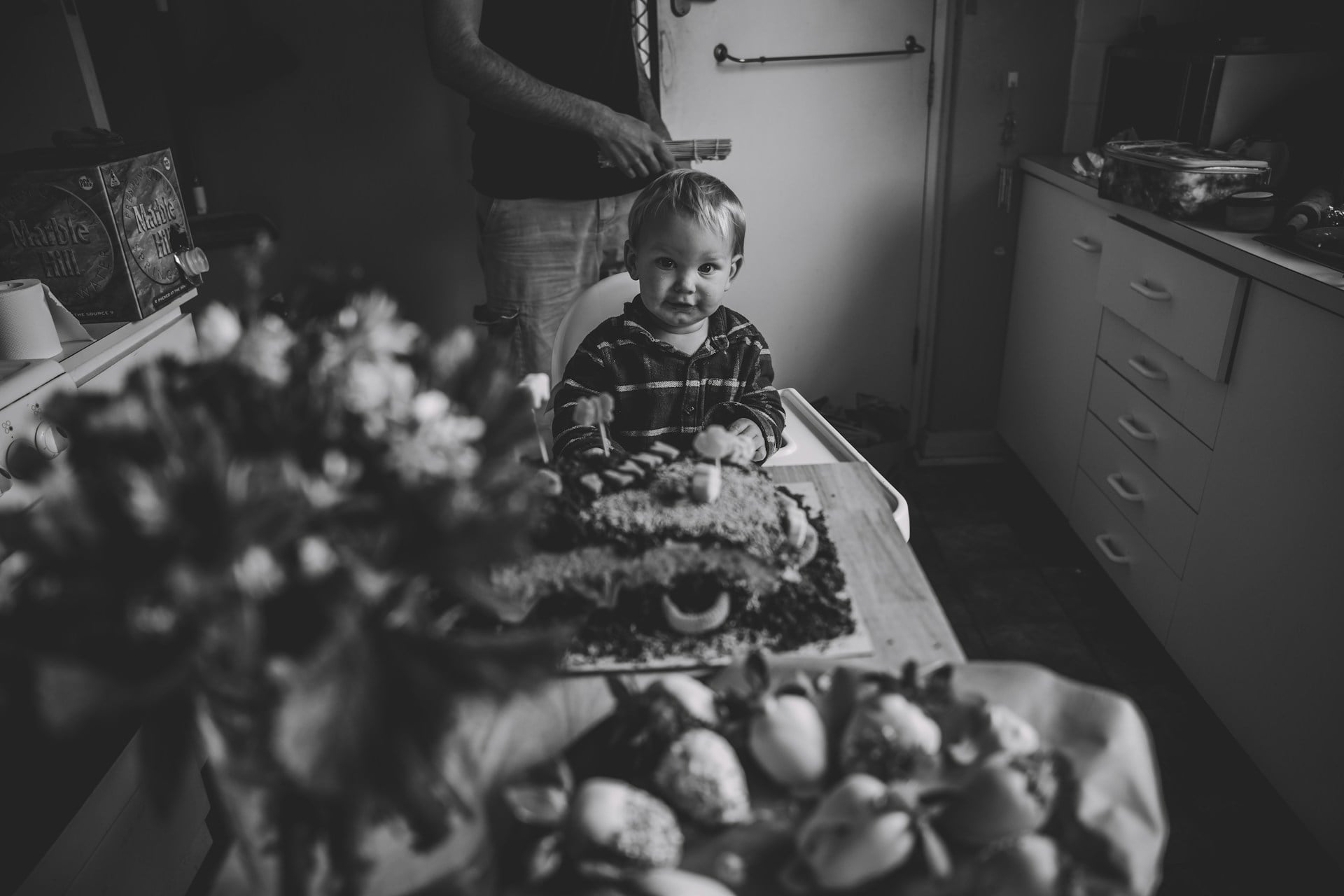
Irish children used to get turned upside down on their birthdays and bumped against the floor once for each year of their age, plus one extra for good luck. Parents or older siblings would grab the child by their ankles and arms to lift them.
The bumping had to be gentle enough not to hurt but firm enough to count as a proper birthday bump. This tradition has faded in many families because it’s easy to accidentally hurt someone.
Still, some Irish families keep it alive with a softer version.
Germany’s strict timing rules
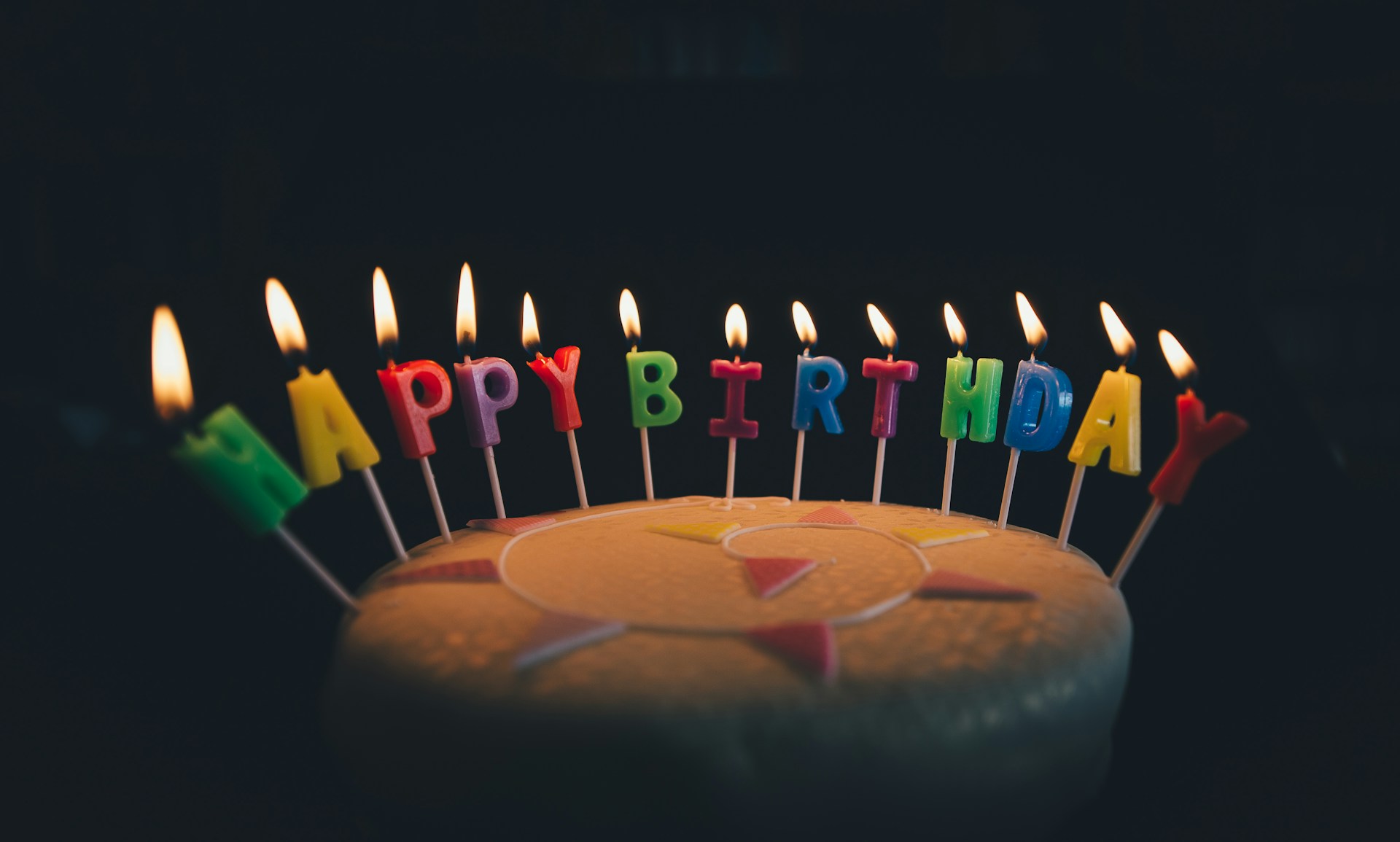
Germans take birthday timing very seriously. Wishing someone a happy birthday before their actual birthday is considered extremely rude and bad luck.
If your birthday is on a Saturday, nobody will say anything until midnight on Friday. Germans also expect the birthday person to bring cake to work or school rather than receiving it.
Single women who turn 30 have to clean their friends’ doorknobs with toothbrushes, while single men must sweep stairs. You can escape this chore by kissing someone of the opposite gender, which adds a fun challenge to the day.
South Korea’s seaweed soup breakfast
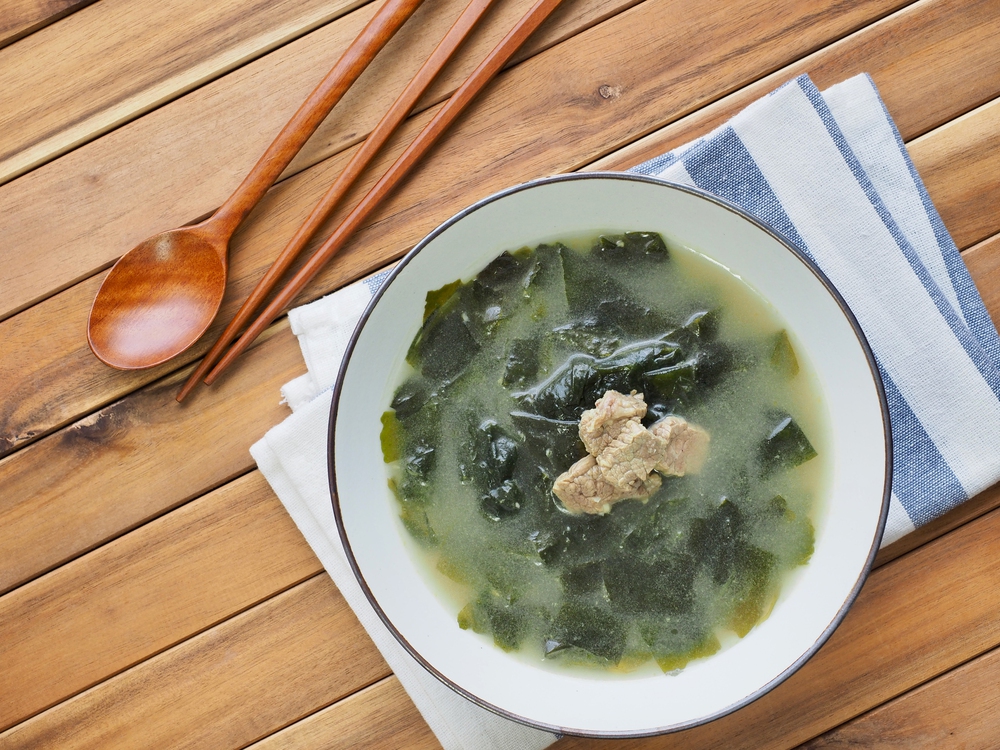
Koreans eat miyeok-guk, or seaweed soup, on their birthday morning. The tradition honors mothers because Korean women eat this soup after giving birth to recover their strength.
By eating it on your birthday, you’re remembering your mother’s sacrifice and thanking her for bringing you into the world. The soup is made with beef or seafood and has a distinct ocean flavor.
Even Koreans living overseas often make or order this soup for their birthdays. It’s one of the few birthday traditions that’s more about gratitude than celebration.
Australia’s fairy bread
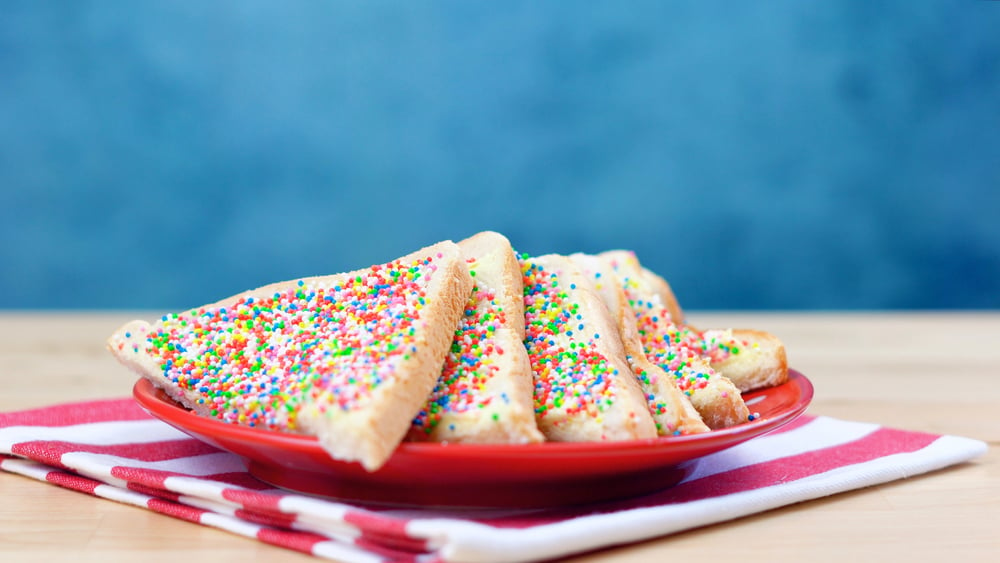
Australian kids grow up expecting fairy bread at birthday parties instead of regular cake. The recipe couldn’t be simpler: white bread, butter, and colorful sprinkles.
You butter a slice of white bread, cover it with hundreds and thousands, then cut it into triangles. The tradition started in the early 1900s and never went away.
Adults sometimes feel nostalgic for fairy bread even though it’s really just dressed-up toast. New Zealand also adopted this tradition and serves it at children’s parties.
Russia’s personalized birthday pies
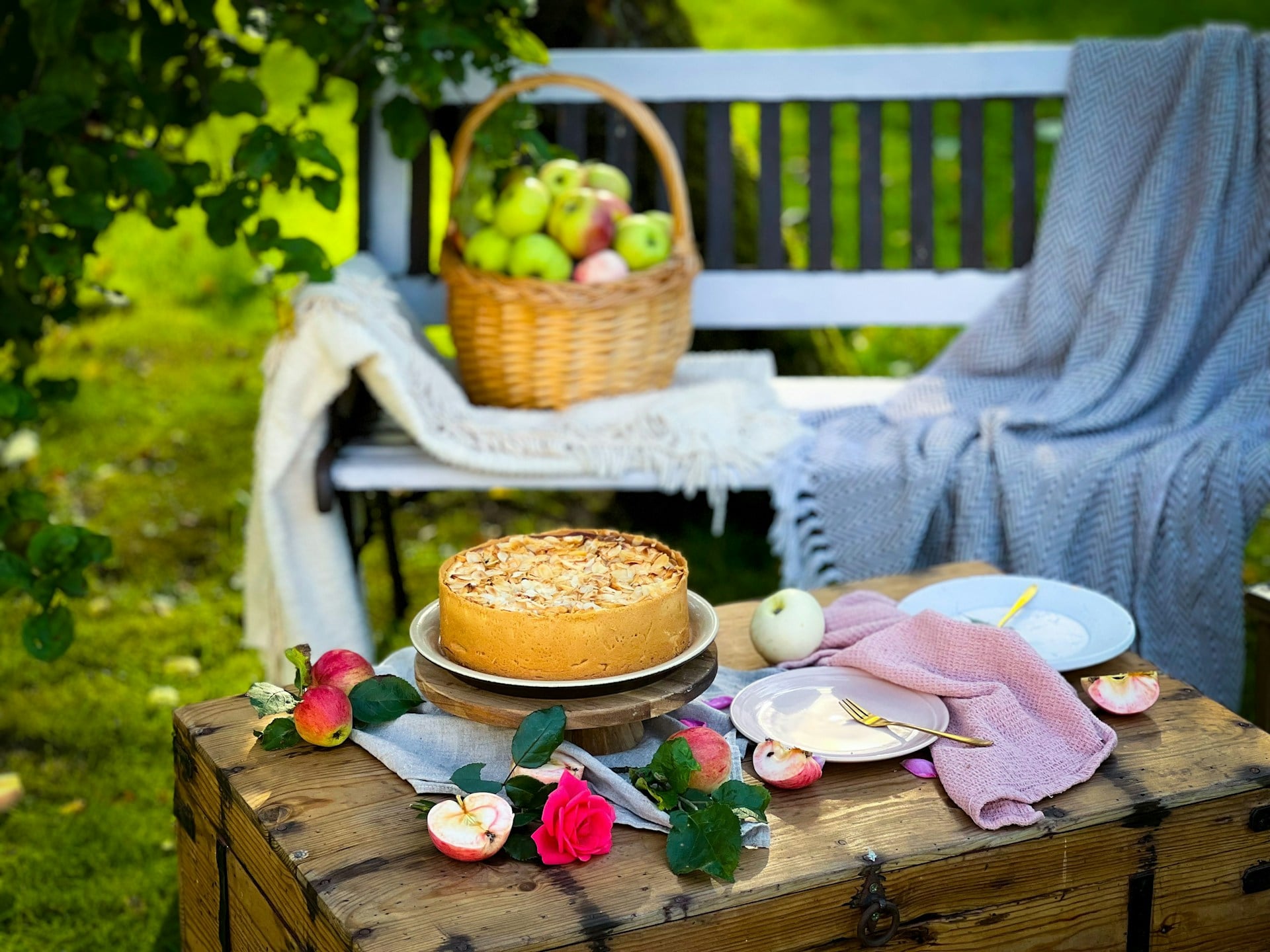
Russians bake pies with the birthday person’s name or a greeting spelled out on top instead of making cakes. These pies can be sweet or savory depending on the celebrant’s preference.
The tradition means that each birthday dessert is unique and personal. Families spend time carefully arranging dough letters to spell out messages.
Birthday pies are often shared with everyone at a gathering, not just saved for the birthday person. This custom makes the dessert feel more special than something bought from a store.
Argentina’s ear pulling tradition
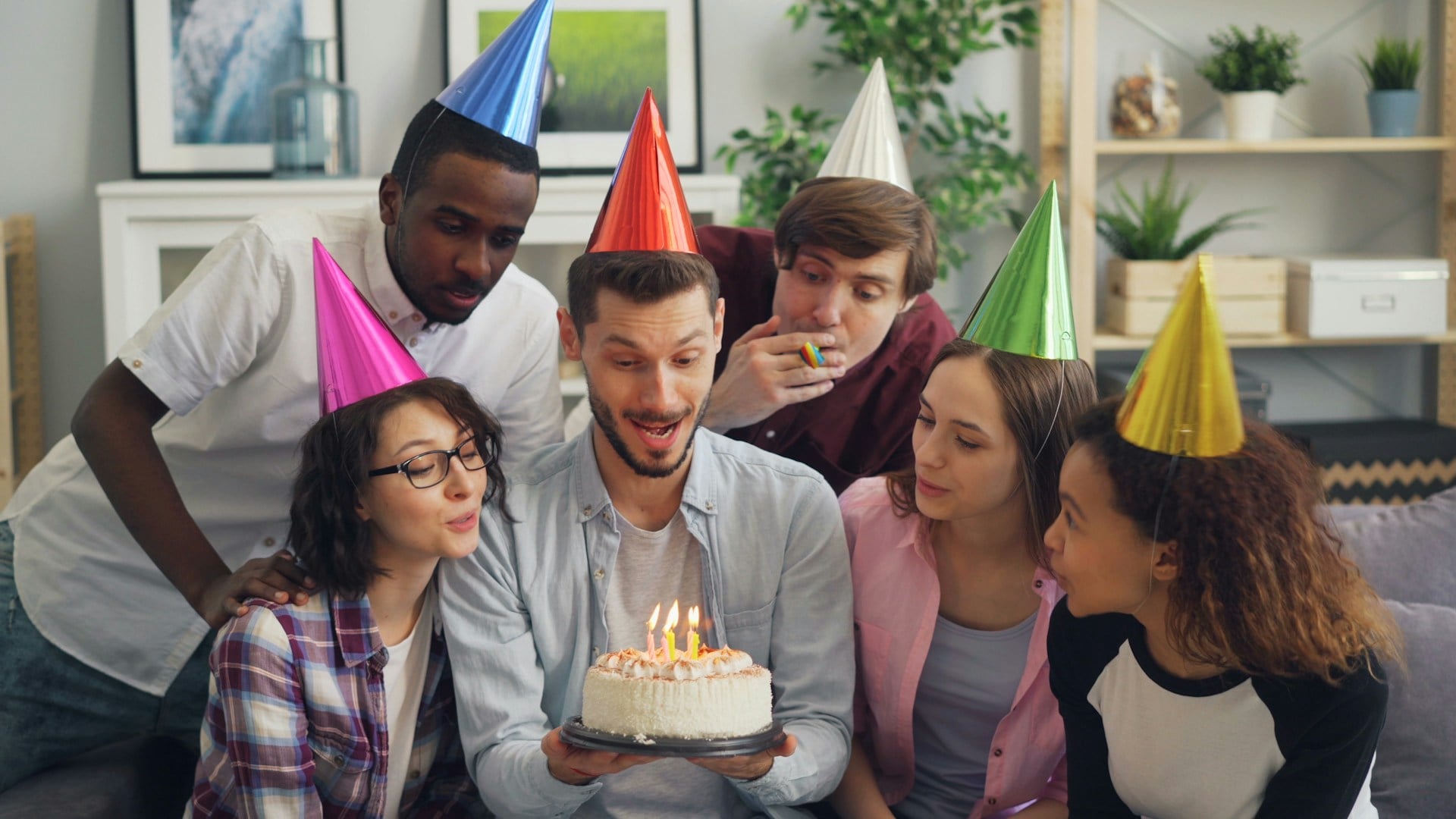
In Argentina, the birthday person gets their ear tugged once for every year they’ve been alive. The practice comes from ancient Roman beliefs that ears were the doors to the soul, so pulling them brought good luck.
Some families pull gently while others really yank, depending on their sense of humor. By the time you’re 40 or 50, your ears probably feel like they’ve been stretched.
The tradition also exists in Spain and parts of Latin America with similar roots. Despite sounding painful, most people laugh through the whole experience.
Vietnam’s collective birthday celebration
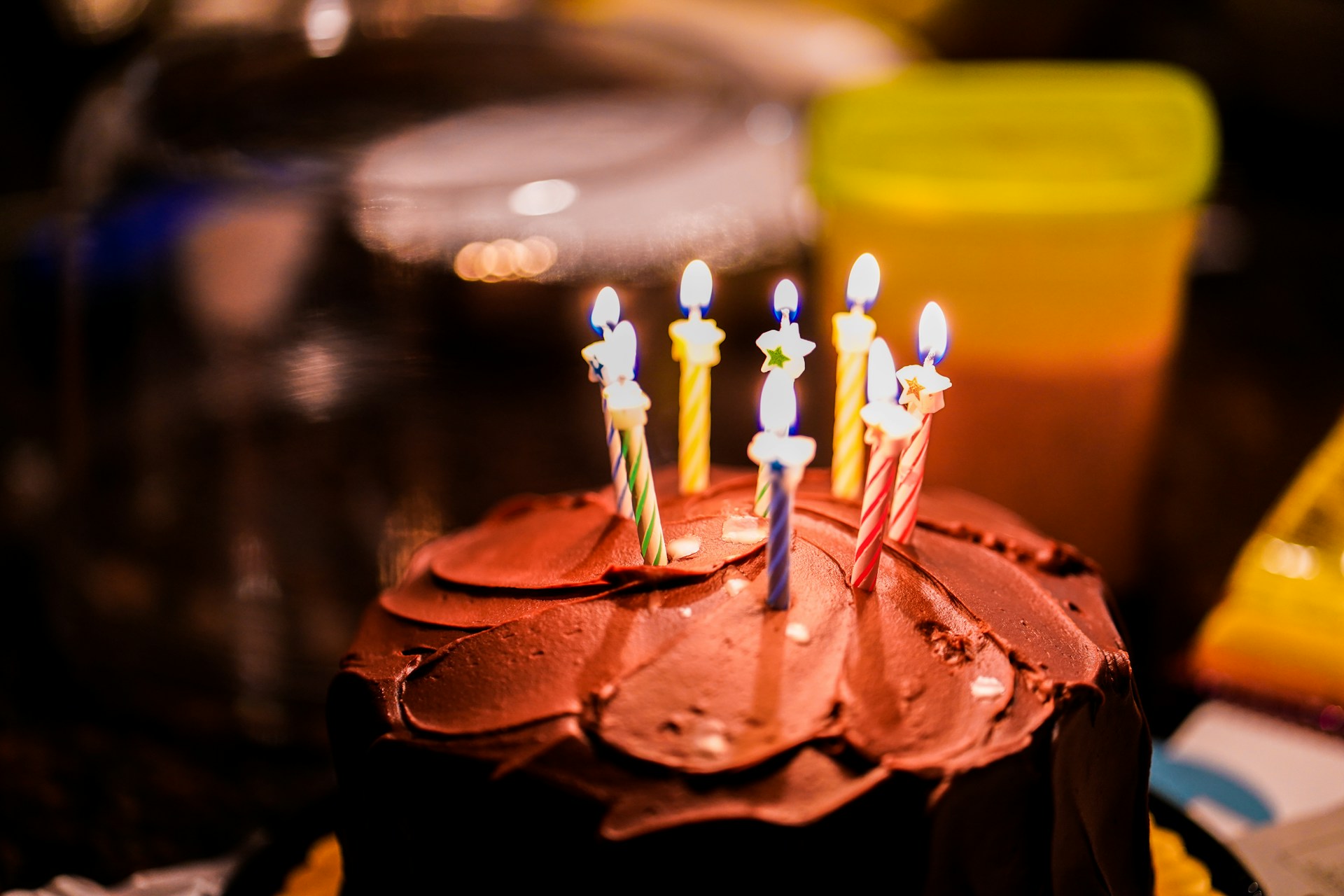
Traditionally in Vietnam, everyone celebrates their birthday on the same day during Tet, the Vietnamese New Year. This means that a Vietnamese person born in July would still consider themselves a year older only after Tet arrives.
The custom comes from a time when people didn’t keep precise track of individual birth dates. Modern younger Vietnamese often celebrate on their actual birthdays, but older generations stick to the traditional way.
This makes Tet even more important because it’s not just a new year but everyone’s birthday too. The tradition emphasizes community over individuality.
China’s age calculation system
Chinese babies are considered one year old the day they’re born instead of zero. Everyone in China then adds another year to their age during Chinese New Year, not on their actual birthday.
This means a baby born one day before New Year would be considered two years old the next day. The system reflects a different way of counting time and life.
Modern Chinese people often keep track of both their Chinese age and their international age. Birthday noodles are also important in China because long noodles represent long life, and you’re not supposed to cut them or your life gets shortened.
Nepal’s colorful forehead blessing
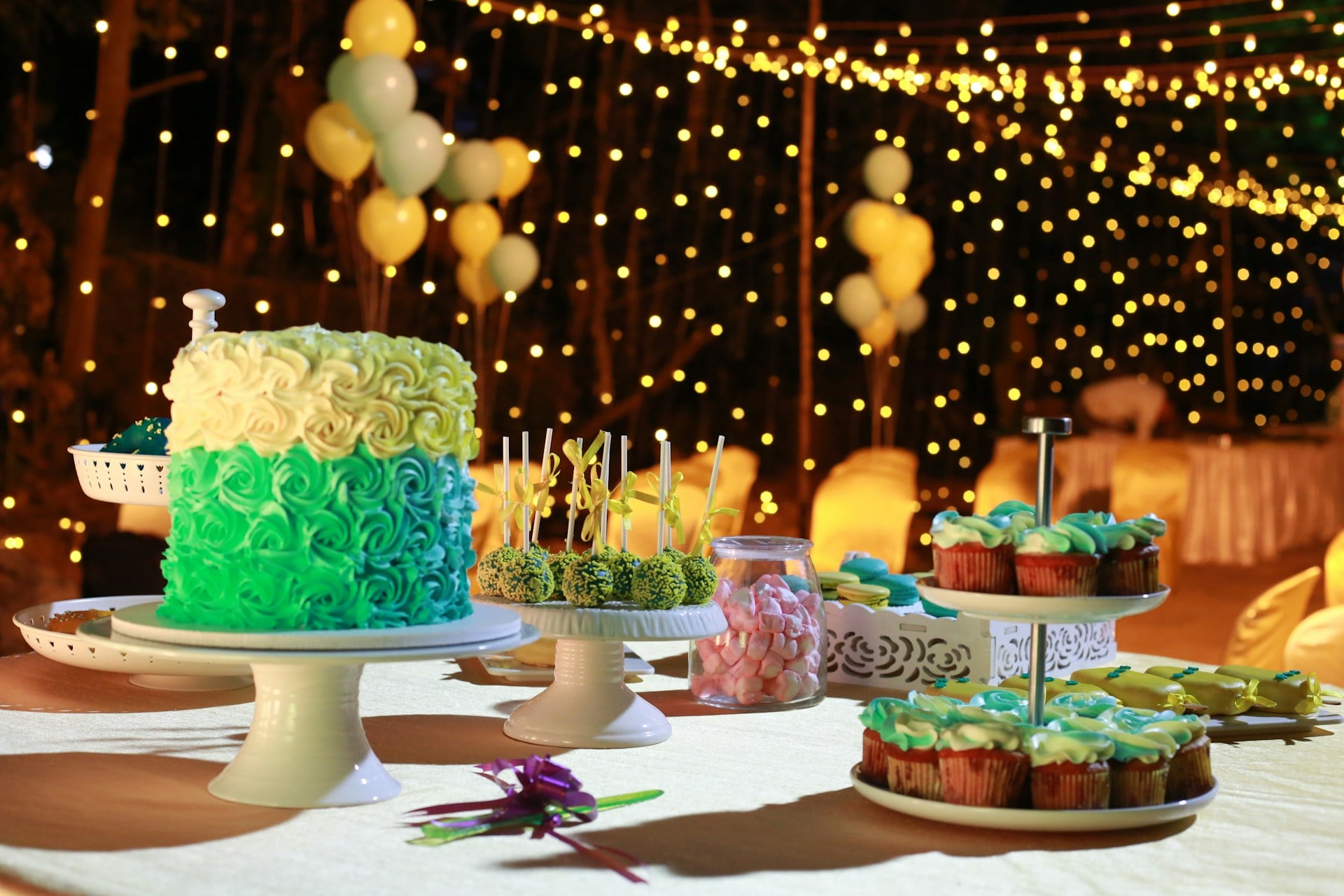
Nepali families place a mixture of colored rice and yogurt called tika on the birthday person’s forehead. The tika is usually red and sits right between the eyebrows in the spot considered spiritually significant.
Family members also place uncooked rice grains in the tika for added blessing. This tradition connects birthdays to spiritual practices rather than just parties.
The colorful mark stays visible for hours, announcing to everyone that it’s your special day. Many South Asian cultures have similar forehead blessing traditions for various celebrations.
Netherlands’ family congratulations
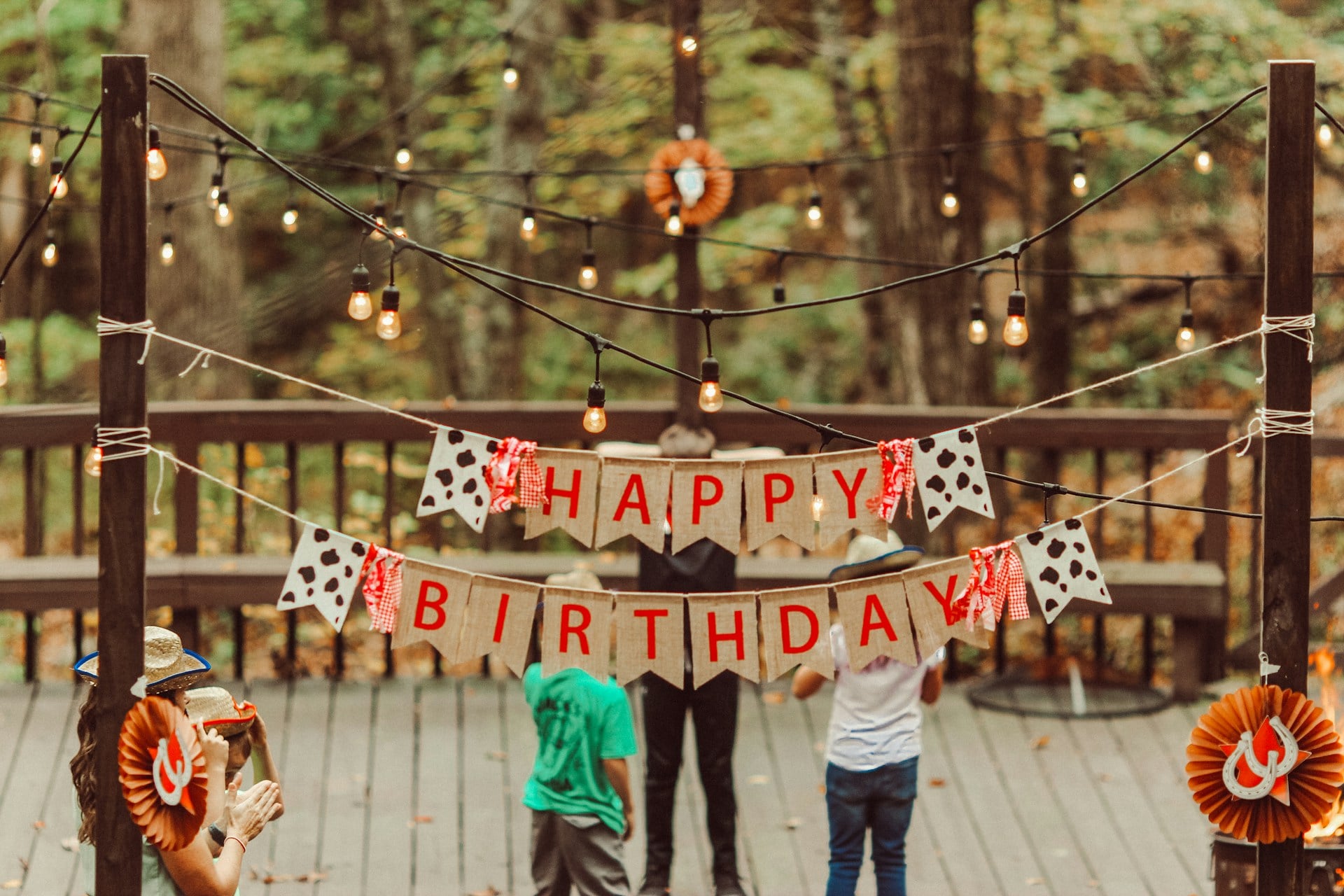
In the Netherlands, birthdays aren’t just about the individual – family gets included too. When guests arrive, they greet each member personally, often with a handshake and kind words.
Instead of only focusing on the one who turns older, folks spread good wishes around. At these parties, you’ll likely find a local treat: vlaai, a fruity citrus from certain areas.
People believe having someone special worth celebrating reflects well on those close to them. This turns Dutch birthdays into something closer to a get-together for relatives instead of just honoring one person.
When there are lots of family members around, going through the round of greetings might last quite some time.
Mexico’s celebration gets messy when someone dives into a cake
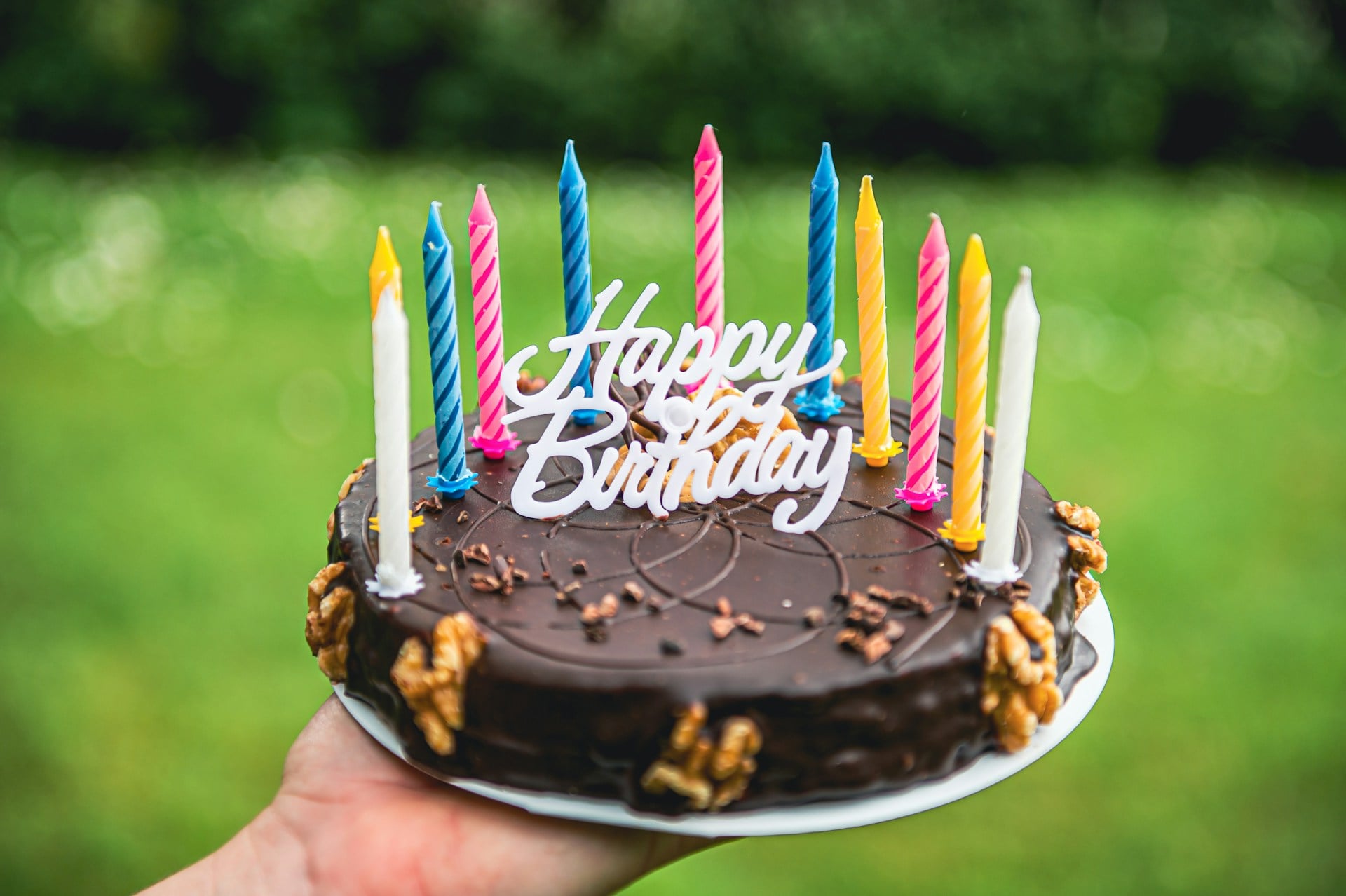
Once ‘Las Mañanitas’ finishes, a guest sneaks up to shove the celebrant’s face into the cake. Right after blowing out the candles – when they’re caught off guard – that’s when it goes down.
Folks around yell “Mordida! Mordida!” urging them to chomp into the dessert. Smearing frosting across cheeks, eyebrows, even earlobes is part of the fun.
It’s messy, loud, yet totally expected. Even with the chaos, folks take it as love.
Others spot it early, duck out – then everyone cracks up more.
Norway and Denmark’s flag display
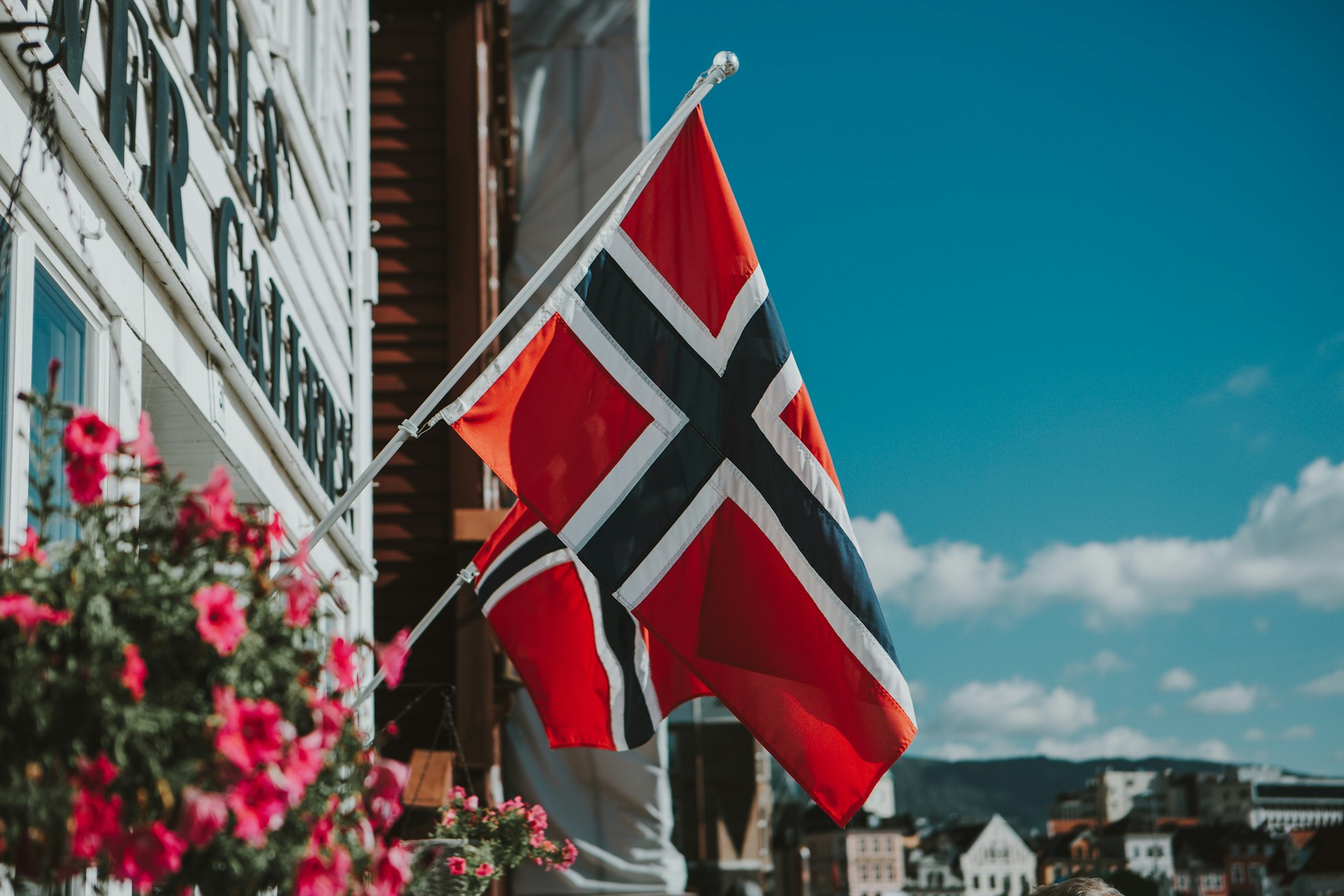
Danes or Norwegians hoist their country’s banner outside houses when it’s someone’s birthday – let everyone know it’s a big day. It gets raised at sunrise, and remains flying till nightfall.
Their Danish flag, known as Dannebrog, pops up from 1219, among the world’s oldest still around. People passing by catch sight and realize right away there’s a celebration inside.
The custom blends national spirit with individual joy. Some Danish households use tiny flags on the morning table – greeting the celebrant at daybreak.
Poland’s birthday cake tugs
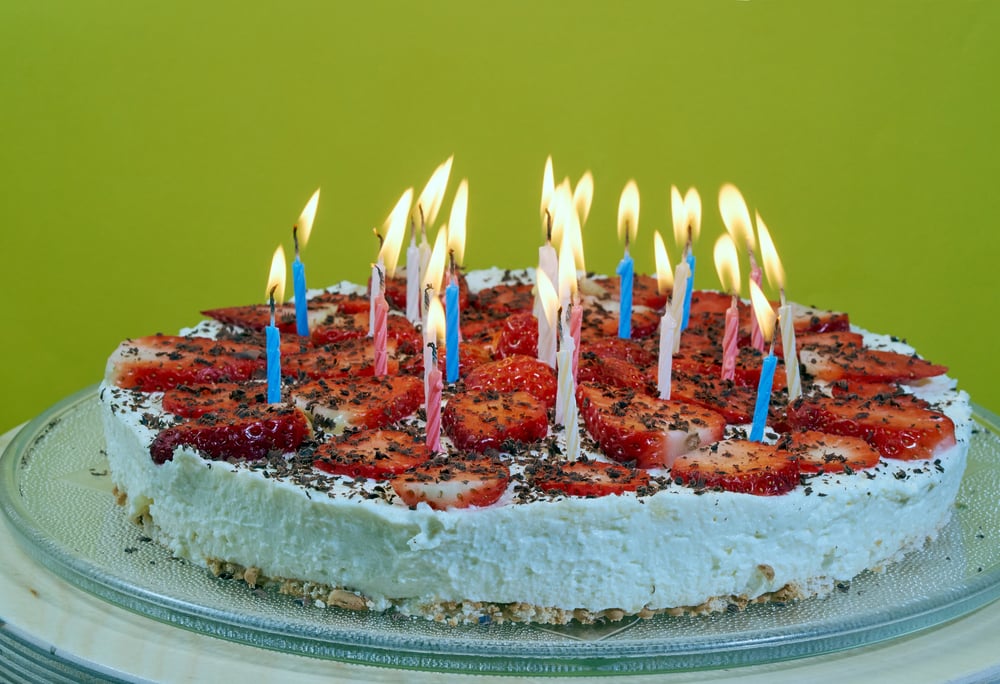
Polish birthdays come with a round cake – ribbons tucked inside, hanging out the sides. One by one, little trinkets are tied to those strings, peeking past the frosting.
People take turns tugging them, curious which token they’ll land on. Every tiny object hints at something ahead – maybe love, maybe luck.
A ring means romance might be near; a coin? Could mean money’s coming your way. An anchor pops up now and then – someone may soon hit the road.
This game kicks off before any slices get served, so it’s part fun, part sweet treat. This custom brings a guessing-game vibe to the birthday party.
People check each other’s trinkets, chatting about possible meanings.
Why these customs link our lives together
Birthday habits feeling odd to strangers feel totally normal to those raised with them. Since grandmas once did what kids do today, links across ages stay strong.
Chaos, shocks, or awkward times turn into tales shared again and again later on. Such routines show folks worldwide aim to celebrate aging in ways they won’t forget.
From avoiding cake fights in Jamaica to sharing kelp broth in Korea, celebrations feel unique since folks treat them like big deals. Odd details? That’s why these customs stay fresh in your mind – and spread from one generation to the next.
More from Go2Tutors!

- The Romanov Crown Jewels and Their Tragic Fate
- 13 Historical Mysteries That Science Still Can’t Solve
- Famous Hoaxes That Fooled the World for Years
- 15 Child Stars with Tragic Adult Lives
- 16 Famous Jewelry Pieces in History
Like Go2Tutors’s content? Follow us on MSN.



