Things About the Anechoic Chamber
Picture a room where sounds disappear. The anechoic chamber stands as one of the strangest spaces humans have ever built, designed to swallow every echo and reflection until only pure silence remains. These rooms look like something from a science fiction movie, with pyramid-shaped foam covering every surface from floor to ceiling.
But behind their odd appearance lies serious science and some truly mind-bending experiences. Ready to step inside the quietest places on Earth? These facts will change how you think about sound and silence forever.
The word anechoic literally means without echo

There is a very specific reason why scientists chose this name. “Echoic” describes echoes or sound reflections, whereas “an” means without.
Sound waves bounce around in every typical room, producing the faint echoes that aid in determining a space’s dimensions. This process is entirely stopped by an anechoic chamber.
These foam pyramids allow sound waves to enter but never exit.
They can measure sounds quieter than human breathing
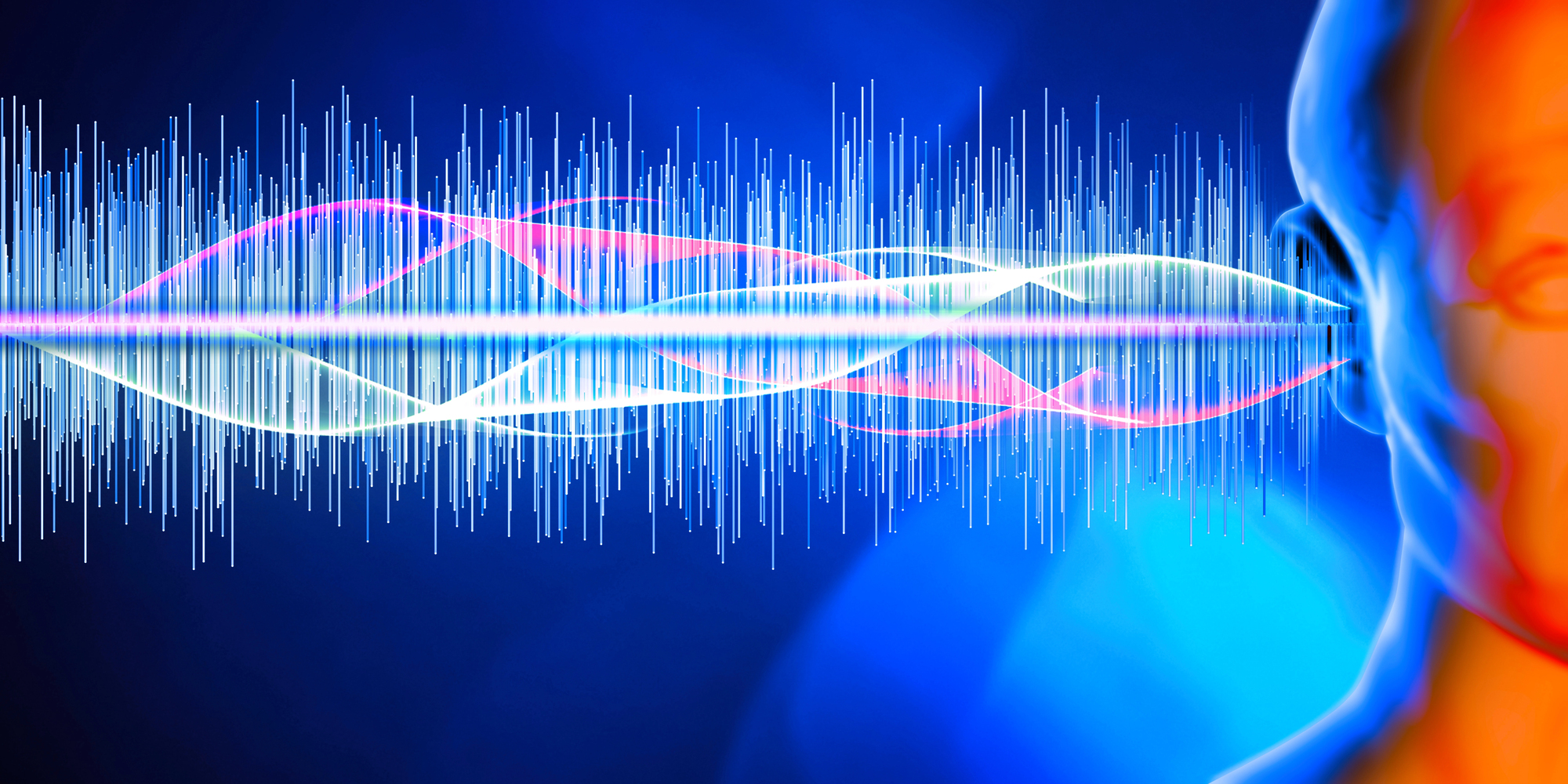
The quietest anechoic chambers register sound levels around negative 20 decibels. To put this in perspective, a whisper measures about 30 decibels, while normal breathing sits around 10 decibels.
These rooms detect sounds so faint that they exist below the threshold of human hearing. Scientists use this extreme sensitivity to test everything from hearing aids to spacecraft equipment.
Like Go2Tutors’s content? Follow us on MSN.
The foam pyramids serve a very specific purpose

Those pyramid shapes aren’t just for looks. Each foam wedge works like a sound trap, gradually absorbing sound waves as they travel deeper into the material.
The pointed tips break up sound reflections while the dense foam base soaks up the remaining energy. Different sized pyramids handle different sound frequencies, with larger ones catching lower pitches and smaller ones grabbing higher tones.
Microsoft owns the quietest room on the planet

Located in Redmond, Washington, Microsoft’s anechoic chamber holds the official world record for quietest place. This room measures negative 20.35 decibels, making it quieter than the threshold of human hearing.
Microsoft built this chamber to test their products, from computer fans to Xbox controllers, ensuring they meet strict noise standards.
The floors are designed like trampolines
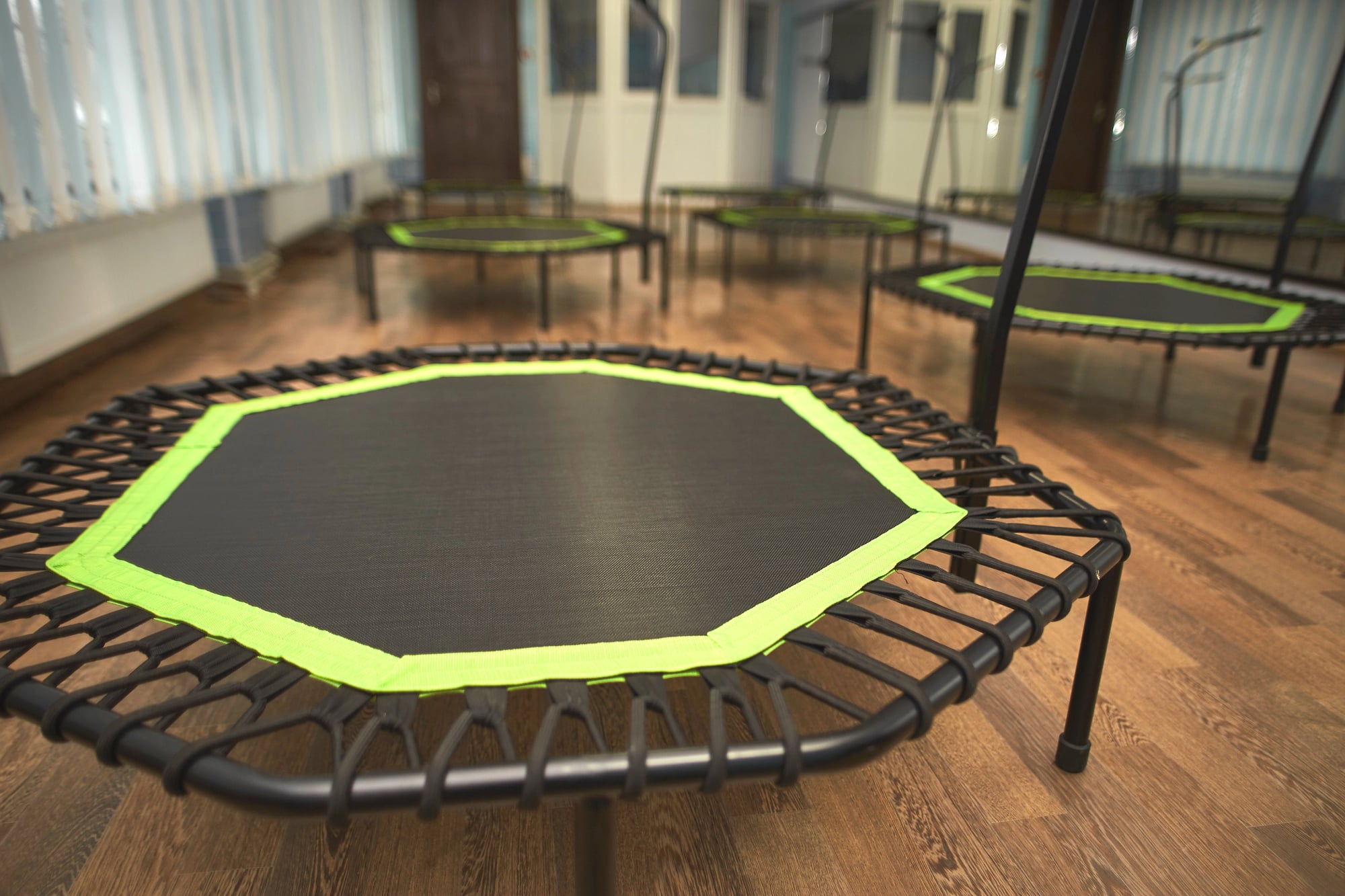
Walking on a solid floor would create footstep sounds that bounce around the room. Instead, anechoic chambers use suspended mesh floors or tensioned cables that visitors can walk on.
These flexible surfaces absorb the impact of footsteps rather than reflecting sound waves back into the chamber. The walking experience feels bouncy and strange, like moving across a large trampoline.
Like Go2Tutors’s content? Follow us on MSN.
They cost hundreds of thousands of dollars to build

Anechoic chamber construction calls for costly materials and precise engineering. In addition to the specialized construction and isolation systems, the foam wedges themselves can cost tens of thousands of dollars.
The average cost of a professional-grade chamber is between $200,000 and $500,000. Even more expensive are the most sophisticated chambers with extremely quiet floors.
Car companies use them to design quieter vehicles

Automotive engineers test everything from engine sounds to door closing noises in anechoic chambers. These rooms help designers identify unwanted rattles, squeaks, and vibrations that would annoy drivers.
Companies can compare different materials and designs to create the perfect acoustic environment inside their cars. Some luxury car makers even test how their turn signals and warning chimes sound in these controlled environments.
The walls are often several feet thick

Creating true silence requires massive construction. Anechoic chamber walls typically measure between 3 and 6 feet thick, filled with dense insulation materials.
These thick barriers prevent outside sounds from entering the chamber while containing any sounds generated inside. The entire room often sits on special isolation mounts that prevent vibrations from the building structure from interfering with measurements.
Like Go2Tutors’s content? Follow us on MSN.
They help design better hearing aids
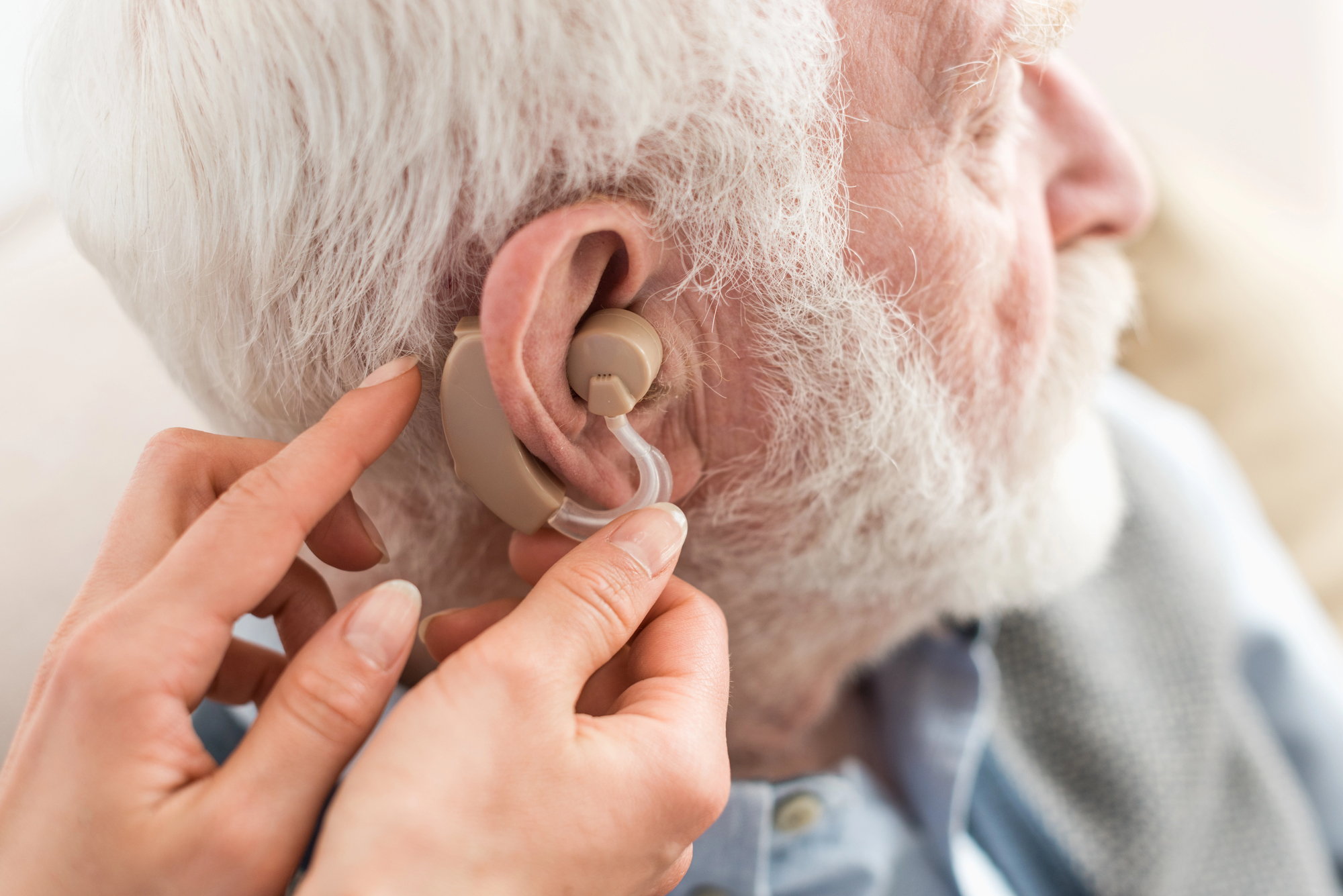
Audiologists and hearing aid manufacturers rely on anechoic chambers to test their devices precisely. These quiet rooms let engineers measure exactly how hearing aids amplify and process different sounds without interference from room reflections.
The controlled environment helps create more natural-sounding amplification that works better in real-world situations.
Some chambers can simulate outdoor conditions

While most anechoic chambers create artificial quiet environments, some advanced versions can mimic the acoustic properties of outdoor spaces. These chambers use special techniques to replicate how sound behaves in open air, where reflections travel much farther before bouncing back.
This capability helps test products that will be used outside, like outdoor speakers or vehicle warning systems.
Musical instruments sound completely different inside

Playing a guitar or piano in an anechoic chamber creates an unsettling experience for musicians. The instruments sound thin and lifeless without room reflections to give them body and warmth.
Every tiny finger movement and breathing sound becomes clearly audible. Some musicians report that playing in these rooms helps them hear technique flaws they never noticed before.
Like Go2Tutors’s content? Follow us on MSN.
They’re used to test space equipment

NASA and other space agencies test spacecraft components in anechoic chambers to ensure they won’t create unwanted noise during missions. The vacuum of space provides natural silence, but spacecraft interiors can amplify and reflect sounds in ways that might interfere with sensitive equipment or disturb astronauts.
These tests help engineers design quieter life support systems and scientific instruments.
The silence can cause hallucinations

Extended exposure to extreme quiet can trigger auditory hallucinations in some people. The brain, desperate for sound input, sometimes creates phantom noises to fill the void.
People report hearing ringing, buzzing, or even music that isn’t really there. These effects usually stop once visitors leave the chamber and return to normal acoustic environments.
Temperature control is crucial for accurate testing
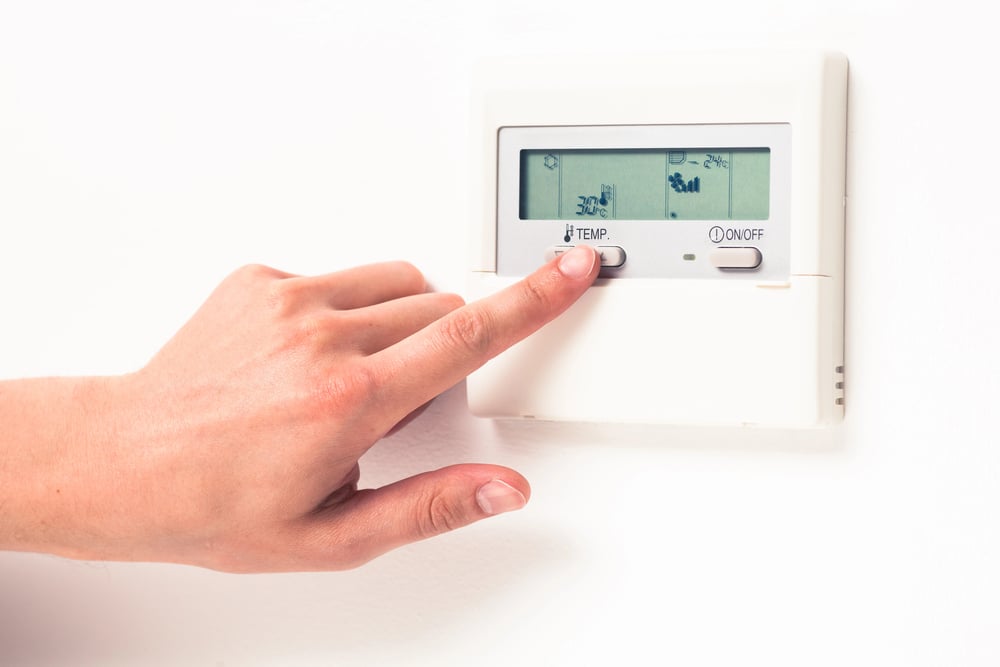
Sound travels differently through air at various temperatures and humidity levels. Anechoic chambers maintain precise climate control to ensure consistent test results.
Even small temperature changes can affect how sound waves behave, potentially throwing off sensitive measurements. The air handling systems in these rooms operate as quietly as possible to avoid adding unwanted noise.
Like Go2Tutors’s content? Follow us on MSN.
They help improve smartphone call quality

Phone manufacturers test their devices in anechoic chambers to optimize microphone placement and noise cancellation features. These tests help engineers understand exactly how phones pick up voices versus background noise.
The controlled environment lets them fine-tune algorithms that filter out unwanted sounds during calls, resulting in clearer conversations for users.
From scientific tool to human experience
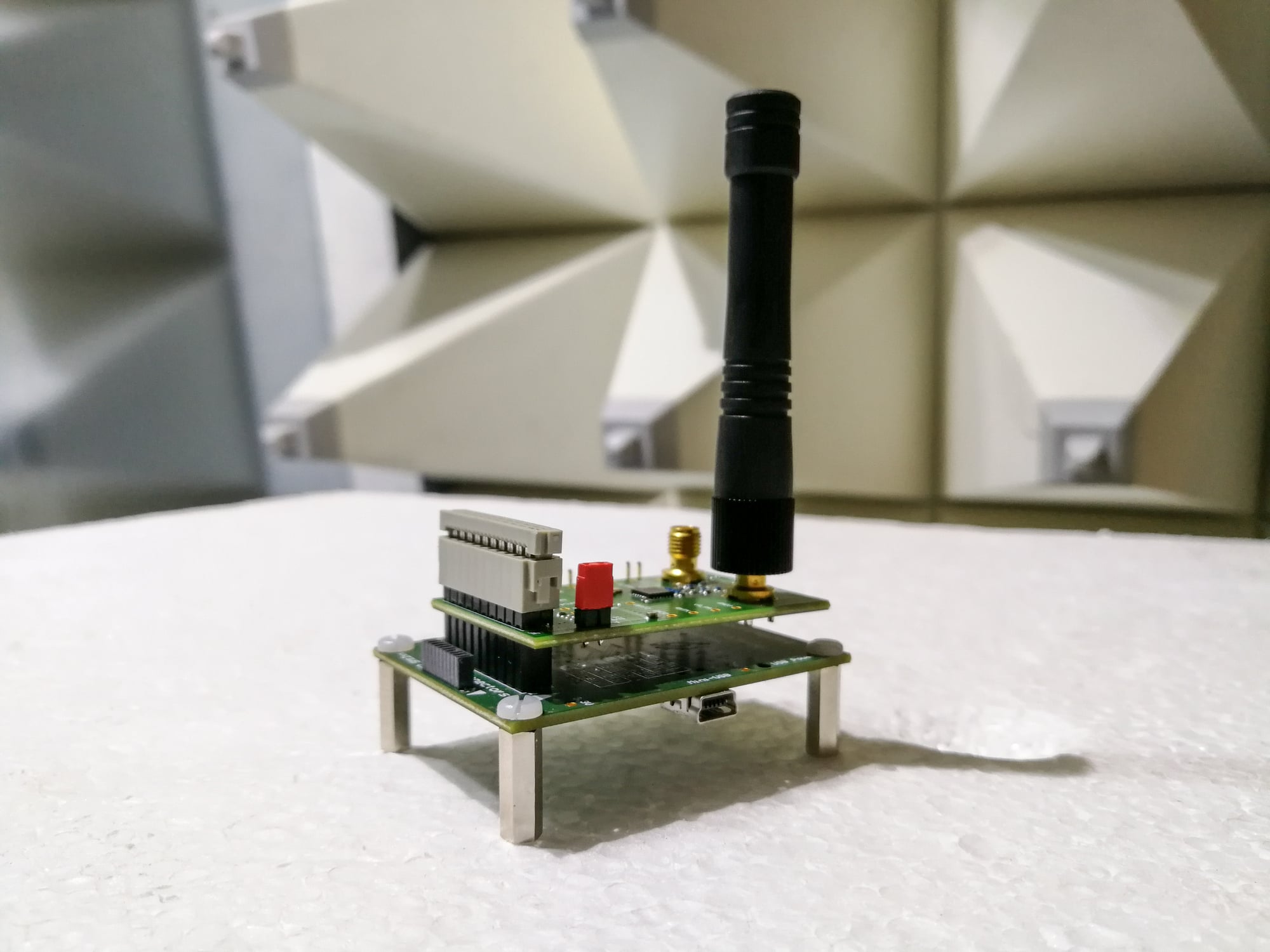
What started as a purely scientific instrument has become something that fascinates people far beyond the research community. These chambers reveal how much we depend on sound reflections to understand our environment and maintain our sense of place in the world.
The strange sensations people experience in anechoic chambers remind us that silence isn’t just the absence of noise – it’s a powerful force that can challenge our perception of reality itself. Today’s world grows noisier each year, making these pockets of engineered quiet more valuable than ever for both scientific progress and human understanding.
More from Go2Tutors!

- 16 Historical Figures Who Were Nothing Like You Think
- 12 Things Sold in the 80s That Are Now Illegal
- 15 VHS Tapes That Could Be Worth Thousands
- 17 Historical “What Ifs” That Would Have Changed Everything
- 18 TV Shows That Vanished Without a Finale
Like Go2Tutors’s content? Follow us on MSN.