Things Americans Saved Before Digital Receipts
Somewhere in a kitchen drawer, a hall closet, or a car’s glove box, there was a pile of paper that nobody wanted but nobody dared to throw away. It grew quietly, held together by rubber bands and optimism, until tax season or a broken dishwasher gave it a purpose.
Before apps and email confirmations, proof of almost everything lived on slips, stubs, cards, and carbon copies. Here is what Americans kept, and the rules, laws, and habits that made hoarding it feel responsible.
Canceled Checks Returned With the Bank Statement

For decades, a bank statement arrived with a rubber-banded stack of the actual checks the account holder had written, stamped and canceled. That changed after the Check Clearing for the 21st Century Act, signed in October 2003 and in effect by October 2004, which let banks process images and issue substitute checks that carry the same legal weight as the originals.
Many banks stopped sending the paper back, and people who had used a canceled check as proof of a paid rent or a settled debt had to learn to request copies. A check paid to the landlord, with the landlord’s own endorsement on the back, was about as good as a signed receipt.
Checkbook Registers With Hand-Written Balances

The small booklet tucked into the checkbook had a line for every check number, date, payee, amount, and running balance, all calculated with a pencil or a pocket calculator. Banks supplied the register when a customer ordered new checks, and the monthly statement was the day of reckoning, when each entry was ticked off against what the bank had recorded.
A mismatch of a few cents could eat an evening. Anyone who forgot to log a check, especially one written at a gas station, learned about it when the next one bounced.
ATM Receipts Folded Into Wallets

America’s first ATM went into service at a Chemical Bank branch in Rockville Centre, New York, on September 2, 1969. Within a couple of decades, the little slip that printed after every withdrawal or balance check became a standard wallet resident, holding the date, the machine location, and the remaining balance.
People kept them as a backup to the register, since a withdrawal made on a weekend might not show on the statement for days. The crumpled stack at the bottom of a purse was also an accidental record of every cash-hungry Friday night.
Warranty Registration Cards Filled In With a Pen

New toasters, stereos, and power drills came with a postage-paid card asking for a name, address, model number, and purchase date, along with a surprisingly personal survey about income and hobbies. Many shoppers believed that skipping the card voided the coverage.
Under the federal Magnuson-Moss Warranty Act of 1975 and the FTC rules that followed, a company offering a full warranty cannot make coverage depend on returning the card, and the sales receipt is generally enough to prove the purchase date. The card mostly fed marketing lists, but plenty of people mailed it anyway, just in case.
Appliance Manuals With Their Warranty Pages

The booklet that came in the box with a washer, microwave, or furnace was kept in a drawer, often beside the receipt, because it held the model number, the troubleshooting chart, and the warranty text. An FTC rule on pre-sale availability of warranty terms, found in 16 CFR Part 702, requires sellers to make a product’s written warranty available for review before purchase, which is why those fine-print pages were spelled out so carefully.
A repair technician often asked for the model and serial number, and the manual was where the nameplate numbers had been copied down in ink. Replacing a lost one meant a phone call and a wait.
Gas Receipts Clipped Into Mileage Logs
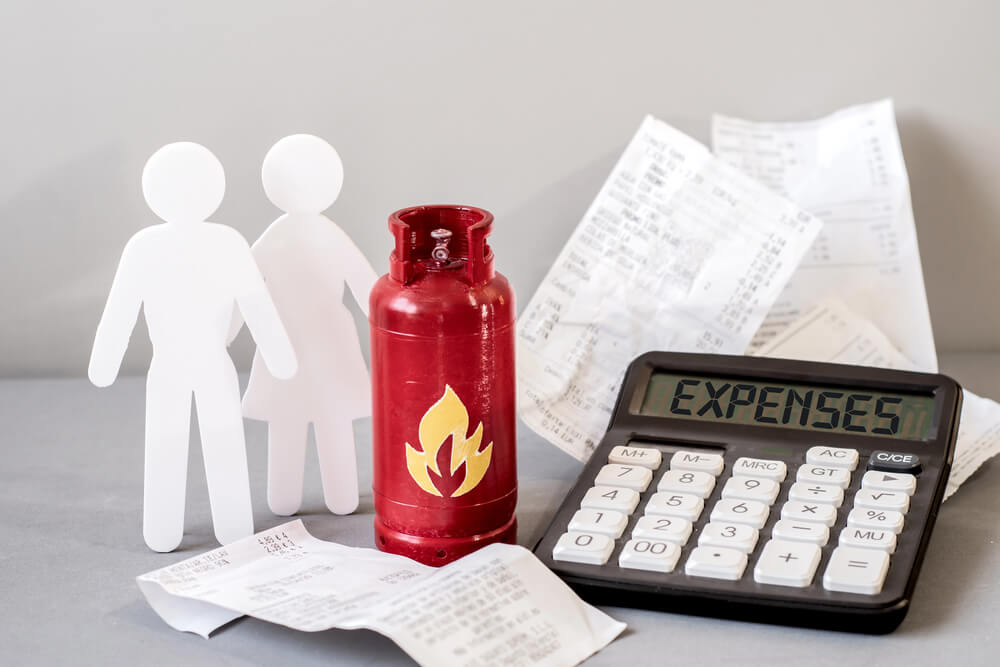
Anyone who used a personal car for work learned that the IRS wants a record of the date, destination, business purpose, and miles for each trip, usually kept in a small notebook on the dashboard. Drivers who deducted actual vehicle expenses rather than the standard mileage rate also had to hold on to receipts for fuel, oil, and repairs.
The gas station slip, with its date and gallons, became a handy backup for the entries in the notebook. At the end of the year the entire pile got totaled on a kitchen table.
Layaway Slips From Department Store Counters

Layaway let a shopper reserve a coat, bicycle, or holiday gift by making a down payment and then paying in installments while the store held the item in the back. The customer left with a slip, and each later payment was stamped or written onto it, so that the paper was the only proof of what had been paid.
The arrangement appealed to families who wanted to avoid credit cards and spread out holiday spending over several weeks. Lose the slip and the clerk had to search the stockroom bins by name.
Pharmacy Receipts Stapled to Prescription Bags

The pharmacy slip, with its prescription number, drug name, and copay, was often stapled to the white paper bag and then dropped into an envelope for the year. Taxpayers who itemize can deduct unreimbursed medical costs only to the extent they exceed 7.5 percent of adjusted gross income, so the envelope mattered only for families with very high medical bills.
Still, the habit persisted, and many people kept every slip just in case the threshold was crossed. Pharmacies later offered year-end printouts, which made the envelope less necessary but not less comforting.
Mail-In Rebate Forms and Their Cut-Out Barcodes
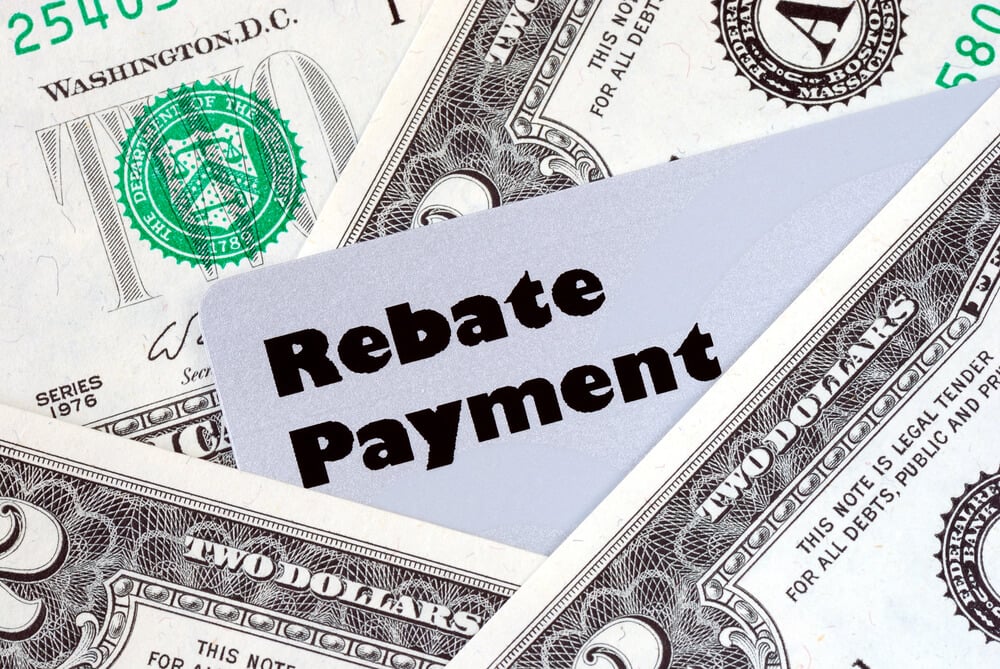
A rebate on a printer or hard drive could shave real money off the price, but only if the buyer cut the UPC barcode from the box, circled the product on the store receipt, filled in the form, and mailed everything in an envelope before the deadline. The process often demanded the original barcode rather than a photocopy, which meant the empty box could not be recycled until the check arrived.
Offers typically warned that processing could take weeks, so a photocopy of the complete packet went into a folder as insurance. A missed deadline by a single day meant the rebate was gone.
W-2 Forms in a Folder for Tax Season

Employers must furnish Form W-2 to workers by January 31, and the paper version came in a stack of copies for different uses. Copy B went to the federal return, Copy C stayed with the employee, and Copy 2 went to the state tax office.
The form lists wages, withheld income tax, and Social Security and Medicare amounts, so it was the first thing pulled from the mail for a tax preparer. People kept the spare copies because lenders and landlords sometimes asked for proof of income.
Old Tax Returns and the Three-Year Rule
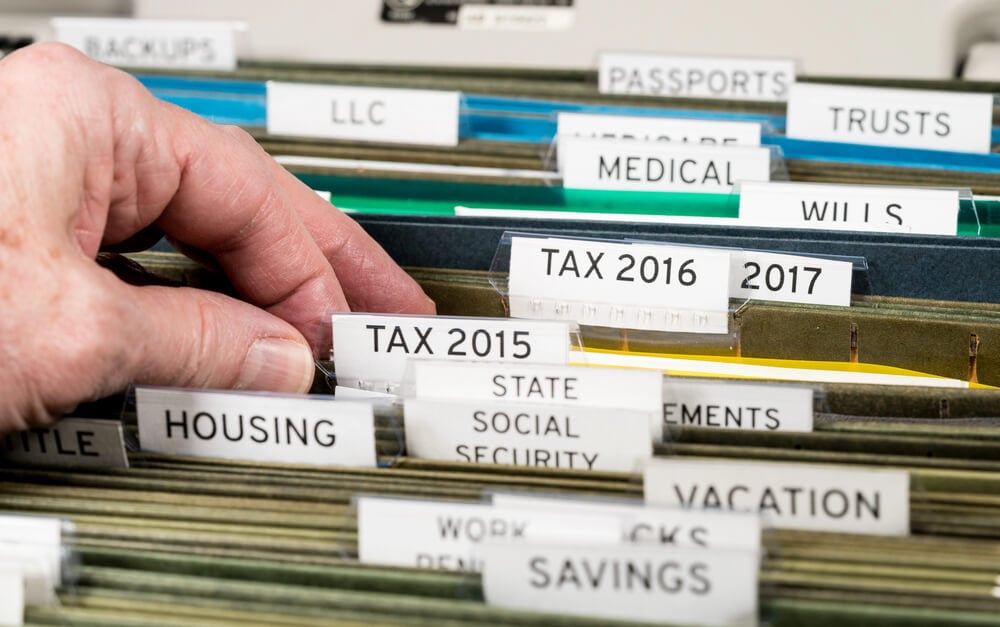
The IRS generally advises keeping records that support a tax return for three years from the date it was filed. The period stretches to six years if a filer left out more than 25 percent of gross income, and to seven years for claims involving worthless securities or bad debt, and it never ends if no return was filed.
Because few people memorized the exceptions, many folded the three-year rule into a seven-year habit and stuffed returns into banker’s boxes in the basement. Those boxes quietly outlasted the filing cabinets they were meant to replace.
Carbon Credit Card Slips From the Imprinter
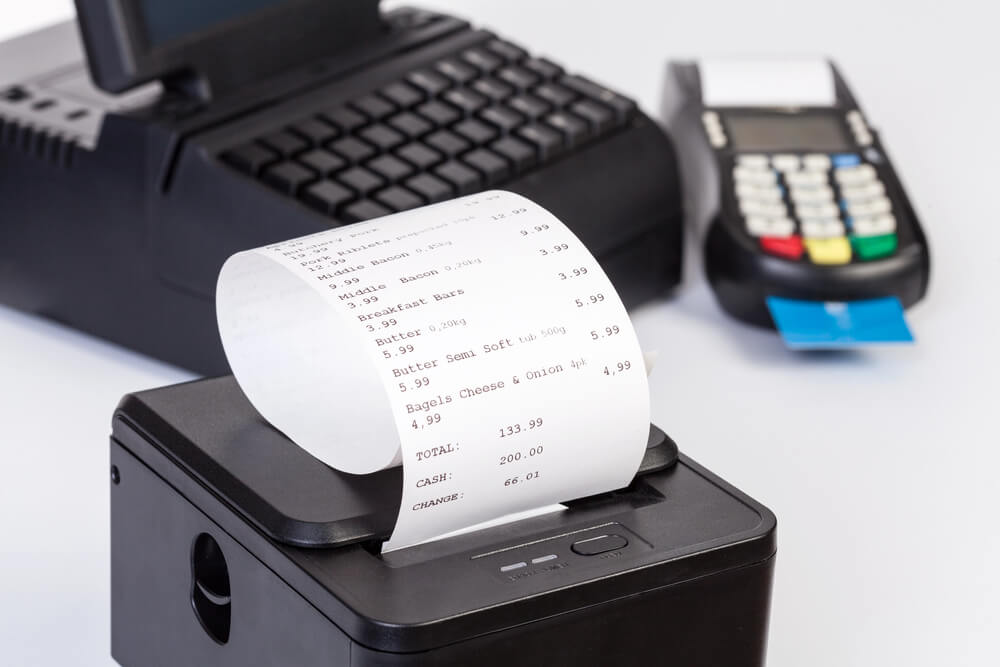
Diners Club launched its charge card in 1950, and the manual imprinter, nicknamed the knuckle buster, pressed a raised card number through a carbon-backed slip. The customer signed, took the pink or yellow copy, and the merchant kept the rest.
Those carbon copies exposed a full account number, which is why people tore them up before tossing them. Federal law later required electronically printed receipts to show no more than the last five digits of a card number, which finally put a limit on what a trash can could reveal.
Traveler’s Check Purchase Agreements

American Express introduced its traveler’s cheque in 1891, and for more than a century a vacation abroad meant carrying a stack of preprinted checks signed twice, once at purchase and once in front of the merchant. The buyer was told to keep the list of serial numbers separate from the checks, because that record was the only way to get a refund if the checks were lost or stolen.
Travelers often copied the numbers onto a hotel notepad and left it in a suitcase. Crossing off each check as it was spent turned the paper into a running ledger of the trip.
Paper Savings Bonds in the Safe Deposit Box

Paper savings bonds, once sold across bank counters, gradually gave way to the online TreasuryDirect system. Anyone who had received a bond as a birthday or graduation gift usually put it in a safe deposit box or an envelope in a dresser, and paper bonds already issued remain valid.
Because a bond shows an issue date and a face value but not today’s worth, owners often had to consult a Treasury calculator to learn what they held. Plenty of them found out decades later that a bond had stopped earning interest long before.
Social Security Statements in the Mail

The Social Security Administration used to mail workers a statement showing earnings year by year and an estimate of future benefits. Careful people compared it against their old W-2 forms, because an error in the earnings record could shrink a retirement check.
The agency stopped mailing the statements in 2011 and later resumed sending them to some workers. Anyone with a decades-old W-2 in a folder had a quiet advantage when the numbers did not match.
S&H Green Stamps Pasted Into Saver Books

Sperry and Hutchinson, the company behind S&H Green Stamps, began in 1896, and stores handed out stamps at checkout according to the size of the purchase. Shoppers licked them, pasted them into paper saver books, and eventually traded filled books for lamps, toasters, and other household goods from a catalog.
The books lived in a kitchen drawer beside the receipts, and a half-filled one could sit for years waiting for a final grocery run. Children were frequently drafted for the licking, which was the least glamorous step of the entire system.
Thermal Paper Receipts That Faded to Blank

Cash registers began printing on thermal paper, which forms its image when a heated print head darkens a special coating. The result is that receipts left on a sunny dashboard, in a hot car, or in contact with plastic could lose their print within months.
A return that was supposed to be simple turned into an argument over a blank white slip. Savvy shoppers photocopied the important ones, long before smartphones made that unnecessary.
Car Repair Invoices Filed by Date

Mechanic invoices were stored in a folder or the glove box, listing the date, mileage, parts, and labor for each oil change and brake job. The FTC says that under the Magnuson-Moss Warranty Act, owners are not generally required to use the dealer for routine service to keep a warranty in force.
The catch is that if a dispute comes up, the owner has to show that the maintenance was done, and the invoice is the proof. The same folder also helped a seller prove to a used-car buyer that the timing belt had in fact been replaced.
The HUD-1 Settlement Statement From a Home Purchase

Until the Closing Disclosure replaced it in October 2015, most home buyers received a HUD-1 settlement statement, a dense form that itemized every fee paid and every credit received at closing. It went into the permanent file along with the deed and mortgage note, since it documented the purchase price and closing costs used to figure the home’s cost basis.
Decades later, a seller calculating gain would want that sheet in hand. It was the rare piece of paper that mattered more at the second end of a house’s life than at the first.
Brokerage Trade Confirmations on Cream Paper

Every stock purchase or sale generated a mailed confirmation showing the date, price, shares, and commission, and investors filed them by company. Before 2011, brokers were not required to report cost basis to the IRS on Form 1099-B; the Emergency Economic Stabilization Act of 2008 phased that requirement in for stock acquired on or after January 1, 2011.
Until then, the investor’s own pile of confirmations was the only reliable proof of what a share had cost. Inherited or gifted shares made the stack even more valuable, since the cost depended on paperwork from someone else.
Home Improvement Receipts for the Cost Basis

A new roof, a finished basement, or an added bathroom raised a home’s cost basis, which reduced the taxable gain when it was eventually sold. Homeowners could generally exclude up to $250,000 of gain, or $500,000 for married couples filing jointly, but a hot market could push a profit past those numbers.
The IRS advises keeping records of improvements until the statute of limitations runs out for the year of the sale. So the lumberyard receipt for the deck, once forgotten in a coffee can, turned out to be worth hanging onto.
Charitable Donation Slips From Drop-Off Centers
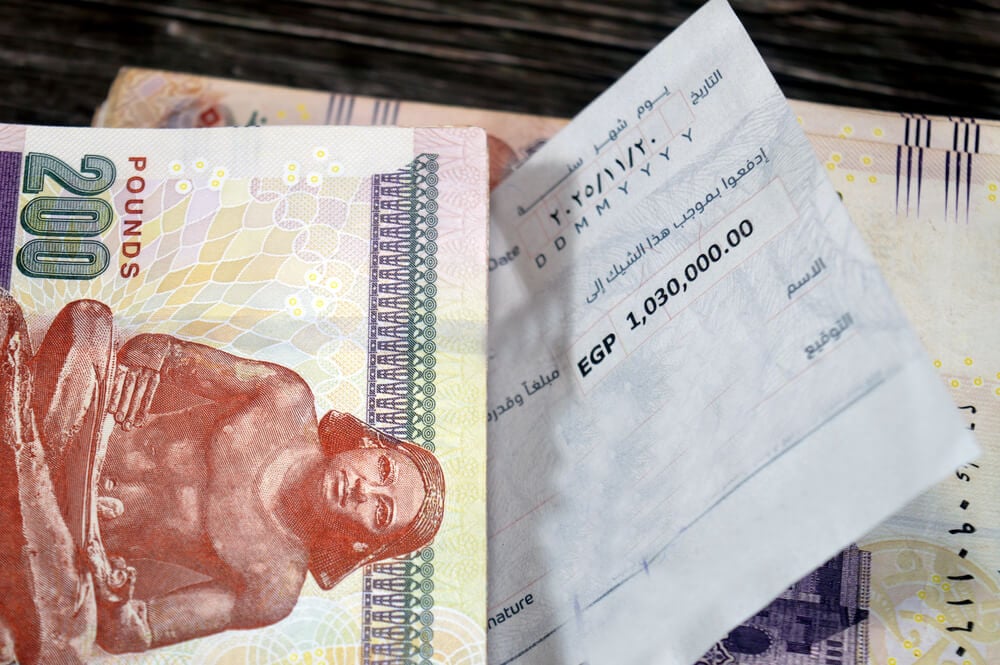
The IRS requires a written acknowledgment from the charity for any single contribution of $250 or more, and a bank record or receipt for smaller cash gifts. Noncash donations, such as a truckload of clothes and furniture, called for an itemized list, and the donation slip from the thrift store became the anchor for the list.
Many people filled in a blank receipt at the drop-off dock and wrote their own values on the lines. A box of those slips was stashed with the tax papers.
Business Travel Receipts Stapled to Expense Reports
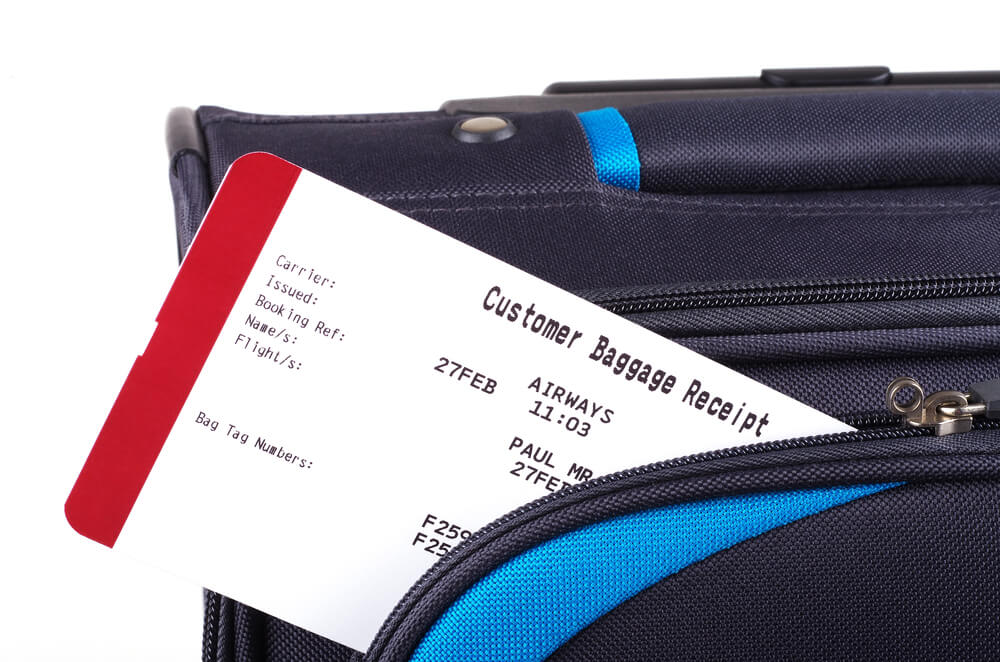
For business travel and meals, the IRS has long required documentary evidence, usually a receipt, for any lodging expense and for any other expense of $75 or more. Travelers kept cab slips, hotel folios, and restaurant checks in an envelope, then taped them onto a sheet of paper at the end of the trip.
The restaurant check with the itemized total, rather than the credit card slip with only the amount, was the one that counted. Accountants spent a good part of every spring sorting those envelopes.
The Quiet Work of Being Your Own Archivist
Each item on this list shares a hidden assumption: the burden of proof rested with the person holding the paper. A canceled check, a W-2, a layaway slip, and a repair invoice all said the same thing, that a claim without a document was just a story.
Americans built elaborate systems, from accordion files to labeled shoeboxes, because the institutions behind the transactions rarely kept records in a way customers could easily reach. Digital receipts have moved that burden to servers, search bars, and login screens.
The drawer is gone, but the old rules did not change: the IRS still wants its three years, warranties still need a purchase date, and a lost password is the new lost slip. The stack in the kitchen drawer was clumsy, but it was also a record that belonged to the person who kept it.
More from Go2Tutors!

- 27 Silver Dollars and Half Dollars Worth Keeping
- 28 Restaurant Menu Items Nobody Orders Anymore
- 17 Places Built in Seemingly Impossible Spots
- 27 Vintage Rings Worth More Than They Look
- 25 Restricted Sites Tourists Can’t Enter
Like Go2Tutors’s content? Follow us on MSN.