Photos of the Highest Skyscrapers Built in the 2000s
The 2000s marked a turning point in skyscraper construction, where ambition met engineering capability in ways previous decades could only dream about. Cities around the world began reaching toward heights that redefined their skylines permanently.
These weren’t just tall buildings anymore — they were statements, declarations of what was possible when human ingenuity decided the sky wasn’t high enough.
Burj Khalifa
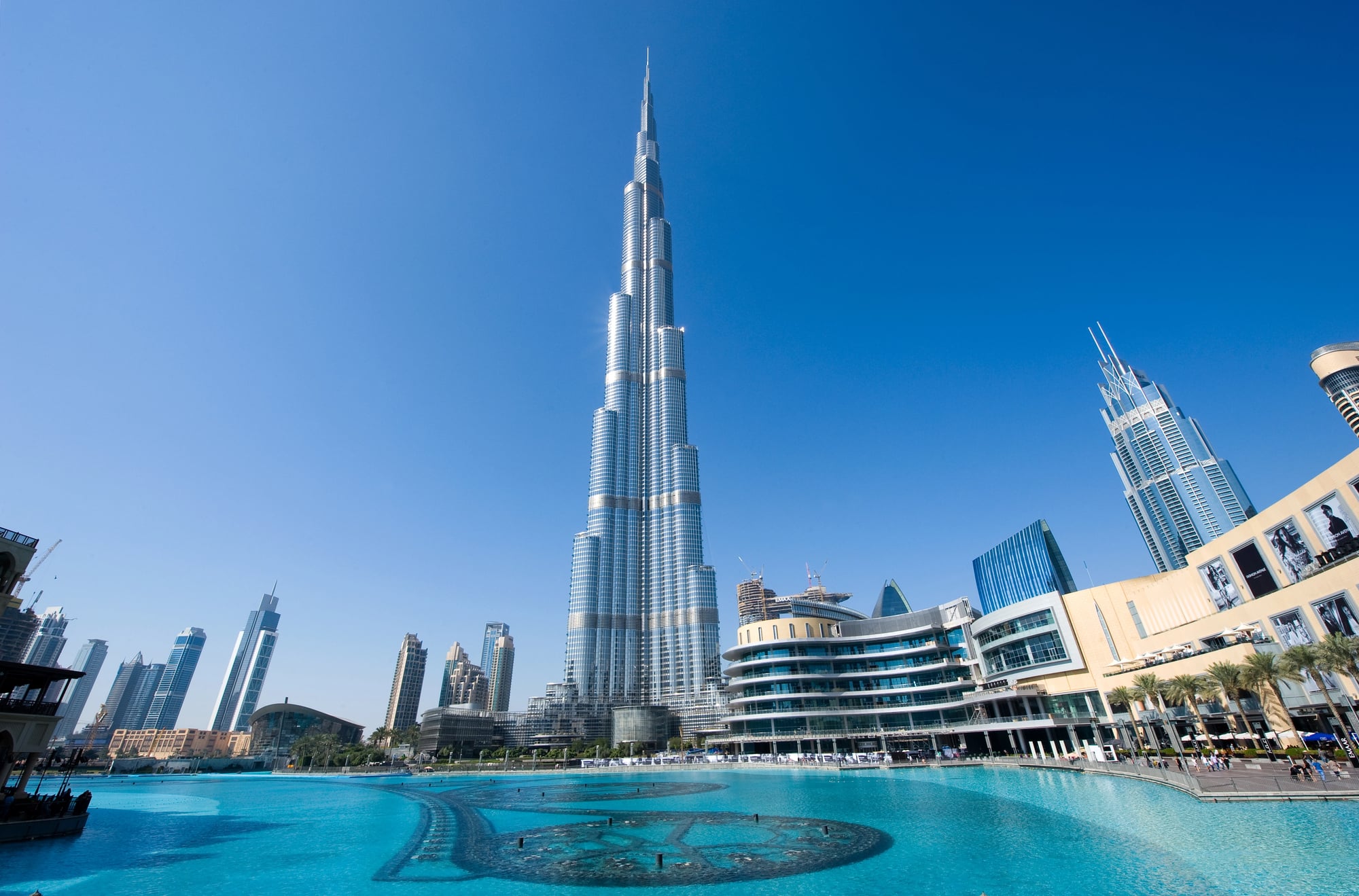
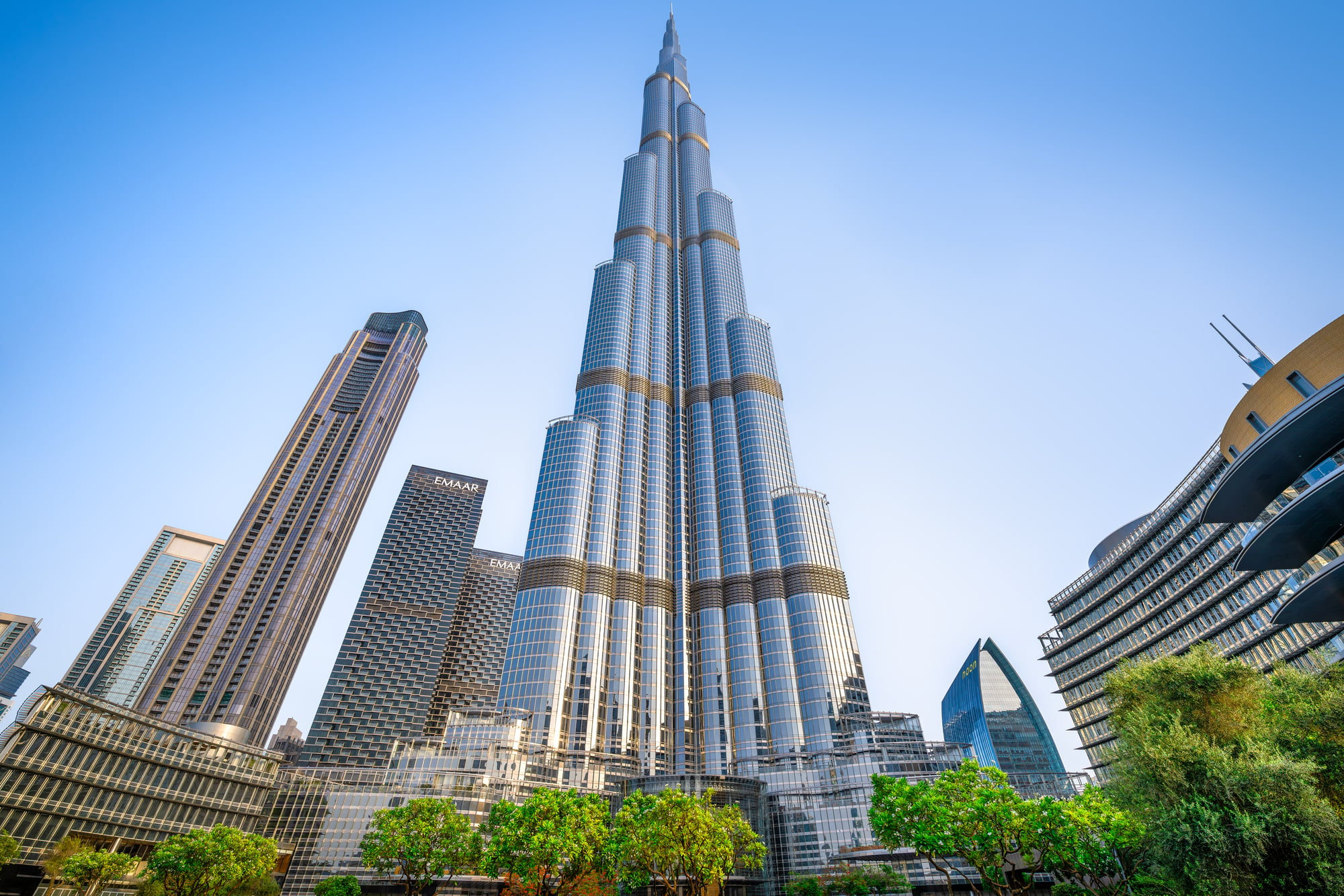
The Burj Khalifa doesn’t compete with other buildings. At 2,717 feet, it exists in its own category.
Completed in 2010, this Dubai giant made every other skyscraper look modest by comparison.
The building has 163 floors above ground. Its elevators move at 40 miles per hour.
Standing at its base feels like staring up at a mirrored mountain that someone planted in the desert.
Taipei 101
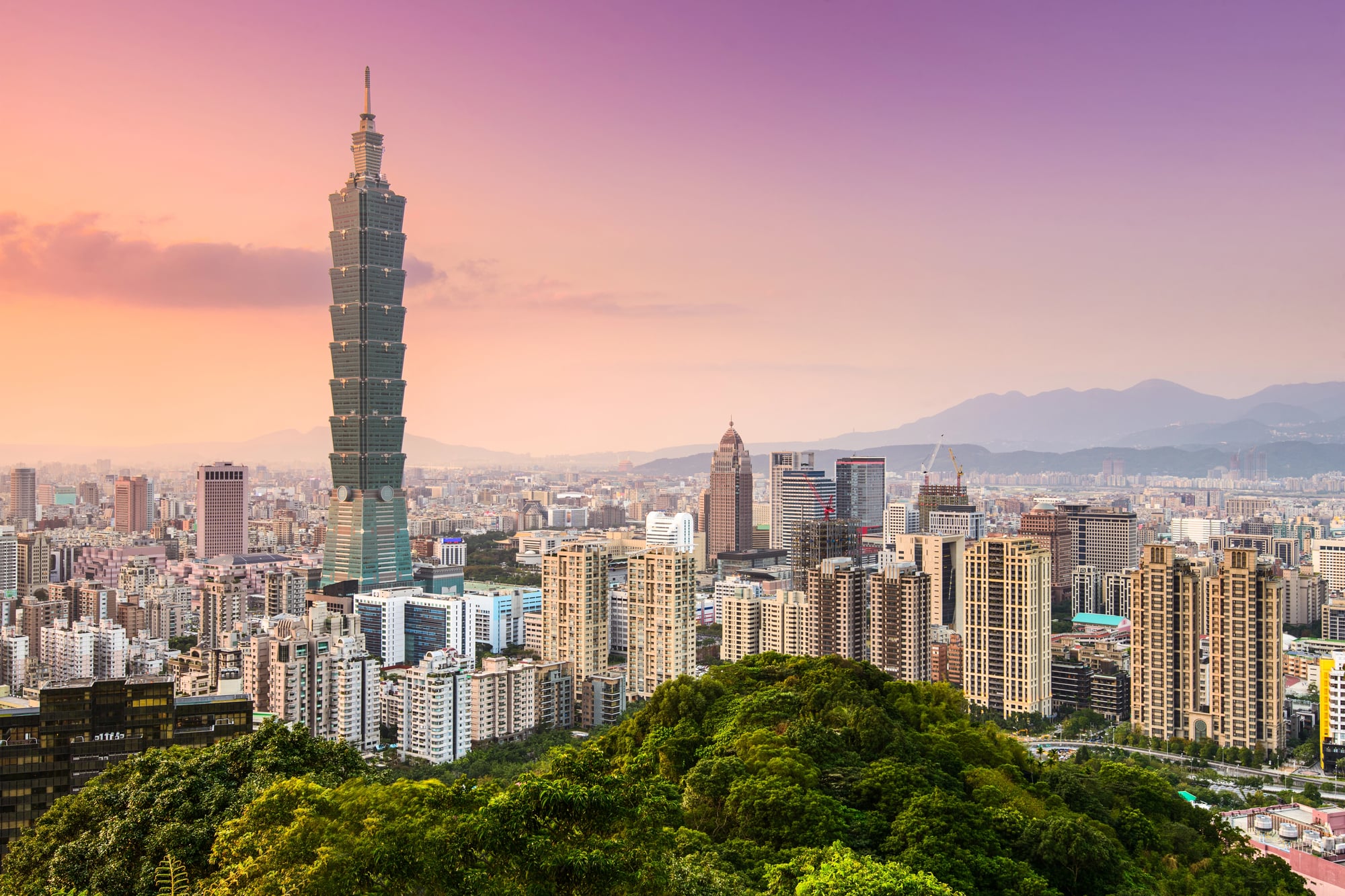
Before Dubai claimed the crown, Taipei held it with quiet confidence, and the engineering behind Taipei 101 tells you why the building dominated the decade’s first half (it was completed in 2004, standing at 1,671 feet) — but the real story lives in how it handles typhoons and earthquakes, which is to say it bends instead of breaking, swaying with a 660-ton steel pendulum that acts like a metronome for the entire structure. So when the earth shakes or winds howl, the building dances rather than fights.
Physics made elegant.
The bamboo-inspired design wasn’t just aesthetic choice — it was cultural translation rendered in steel and glass, taking something organic and making it permanent against the sky.
Shanghai World Financial Center
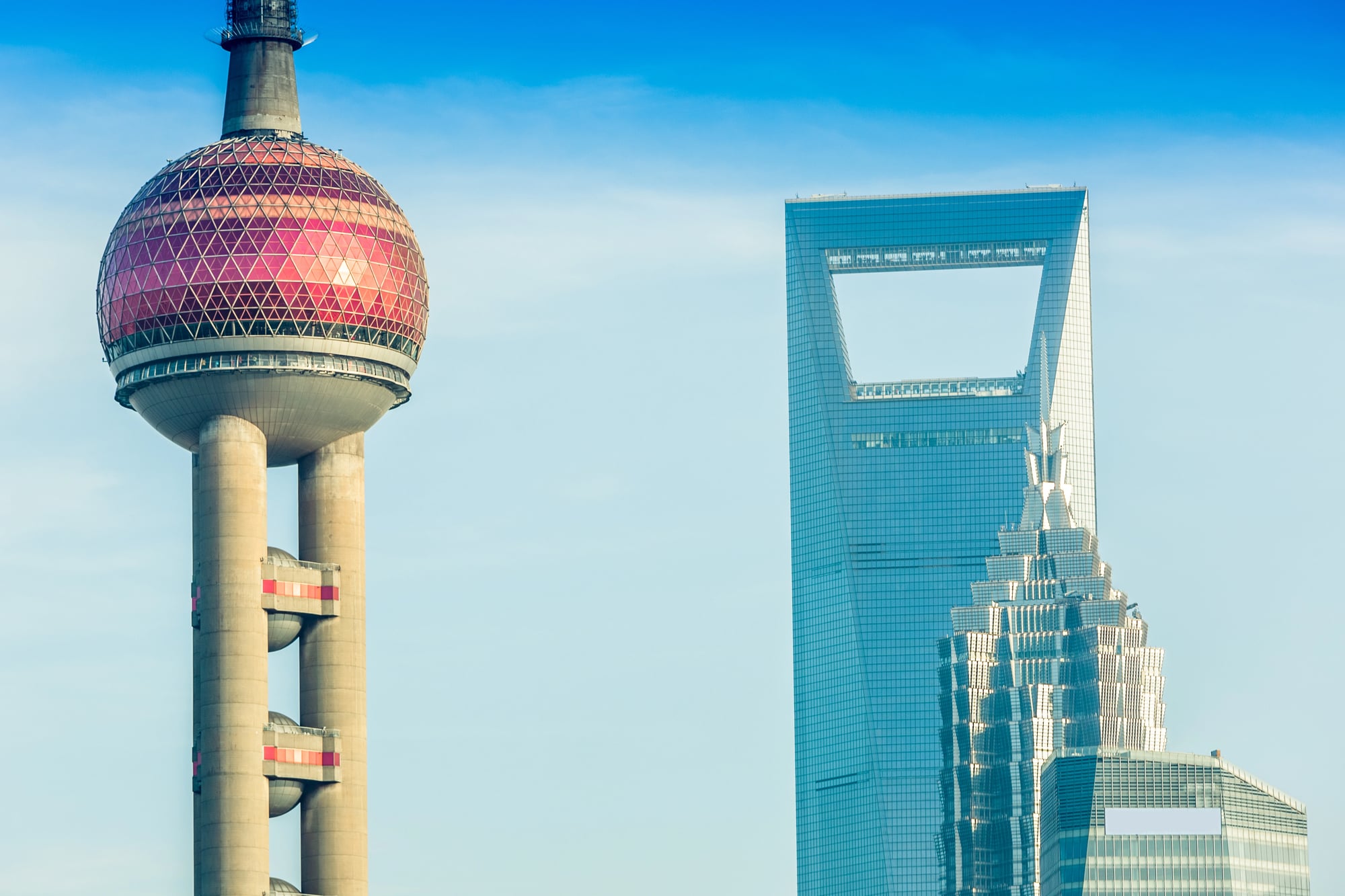
Think of a skyscraper as a conversation between ambition and restraint. The Shanghai World Financial Center, completed in 2008 at 1,614 feet, is what happens when that conversation reaches perfect balance.
Its rectangular aperture near the top — originally planned as circular but changed to avoid resembling the Japanese flag — cuts through the building like a window opened against the sky itself.
The design feels less like construction and more like sculpture. Something carved rather than built.
The way it catches light changes throughout the day, shifting from mirror to beacon to shadow, depending on where the sun decides to rest.
International Commerce Centre
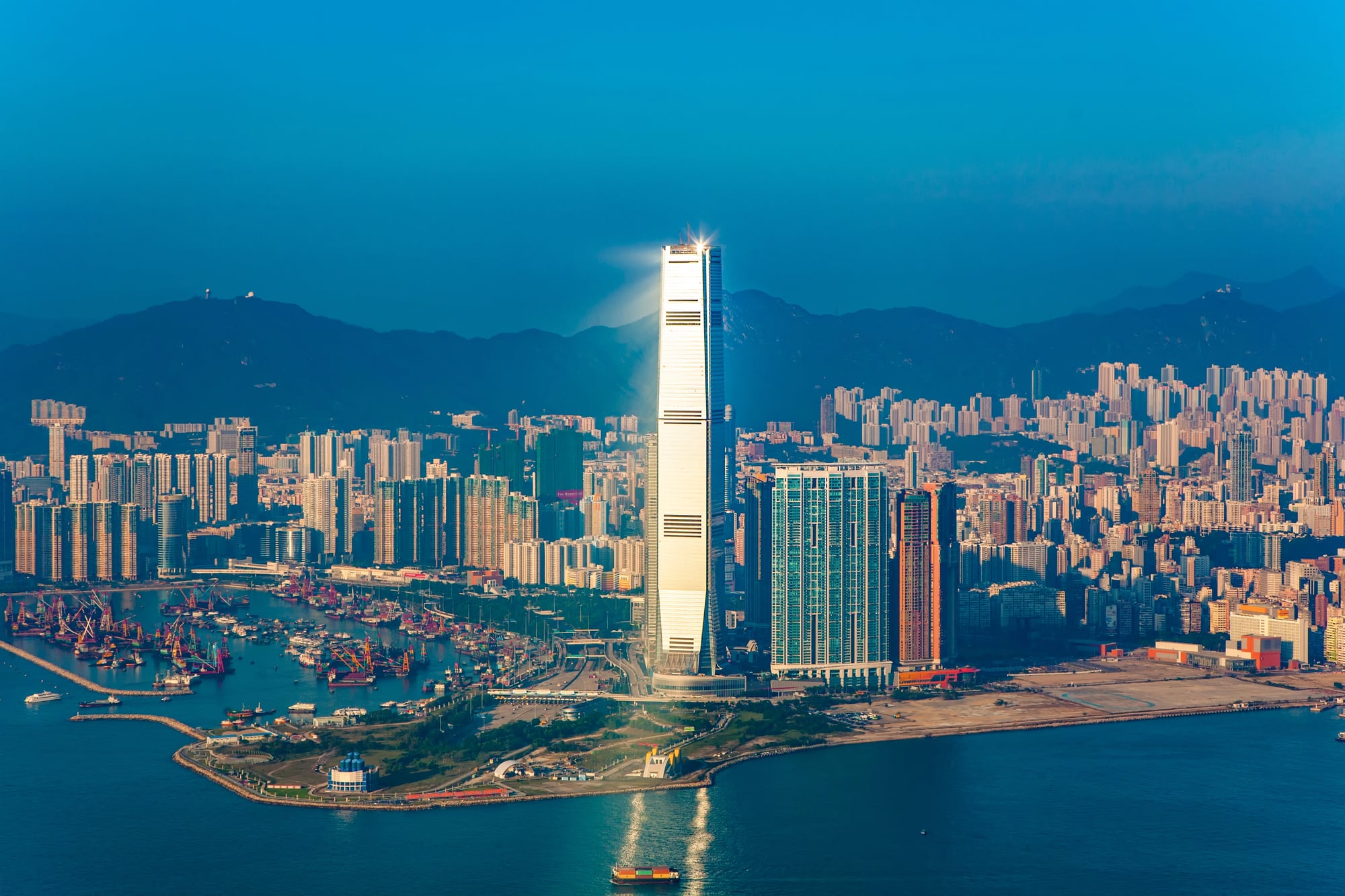
Hong Kong’s International Commerce Centre proves that 1,588 feet is plenty when you know what to do with them. Finished in 2010, the building doesn’t try to be the tallest — it settles for being perfectly proportioned instead.
The tower rises in clean lines without ornament or flourish. No architectural tricks or attention-grabbing features.
Just 118 floors of glass and steel that somehow manage to look inevitable, as if the building grew there naturally rather than being constructed.
Petronas Twin Towers
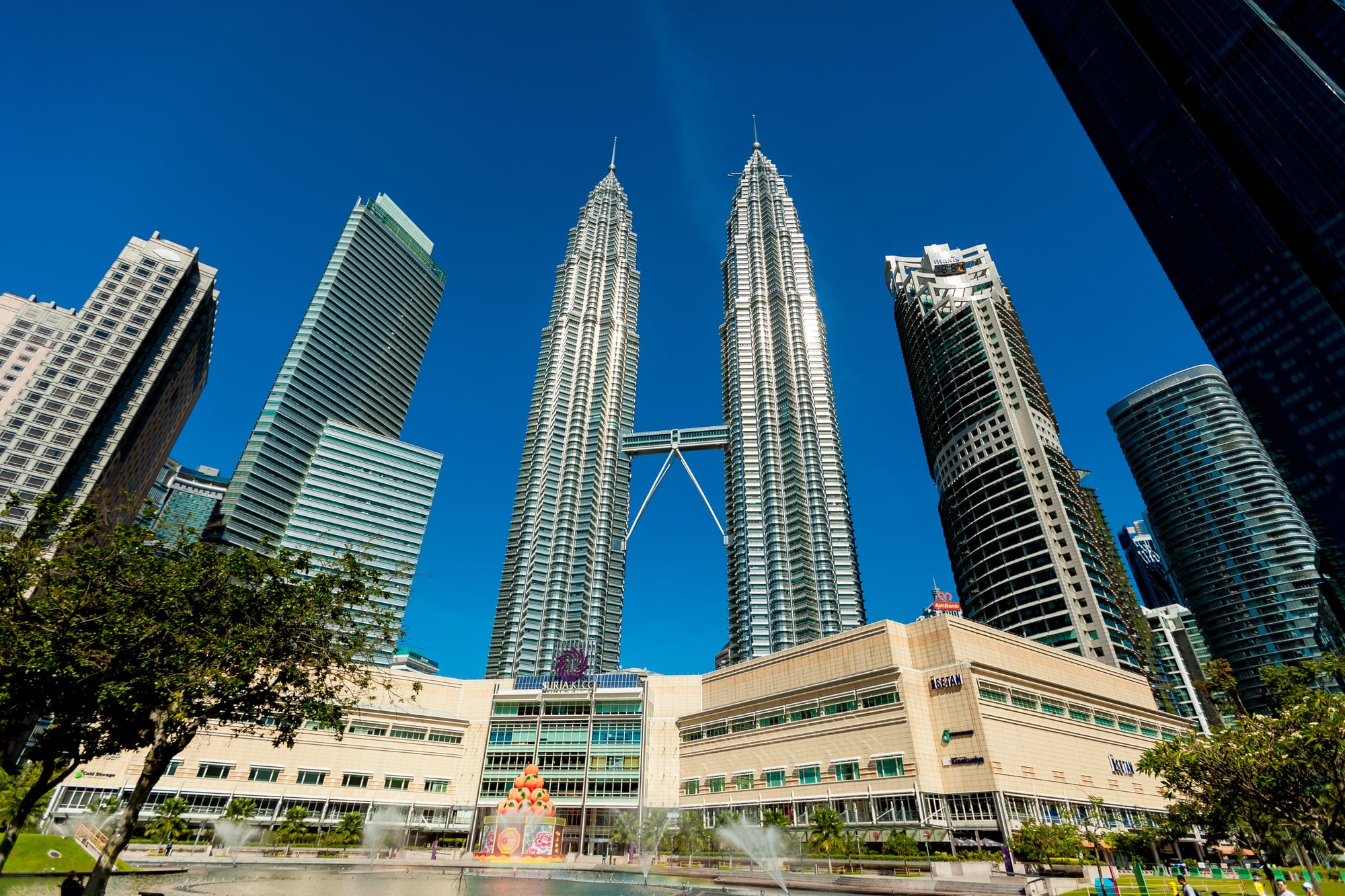
The Petronas Towers in Kuala Lumpur hit 1,483 feet when they were completed in 1998, but their influence stretched deep into the 2000s, setting the template for how skyscrapers could embody cultural identity without sacrificing modern function — and that bridge connecting them at floors 41 and 42 wasn’t just engineering necessity, it was architectural poetry, creating negative space that somehow made both towers feel more substantial rather than less. But here’s the thing about twins in architecture: they correct each other’s proportions just by existing.
Neither tower would look right alone.
The Islamic geometric patterns worked into the design don’t announce themselves loudly. They’re there if you look, woven into the structure like a quiet signature.
Willis Tower (Sears Tower)
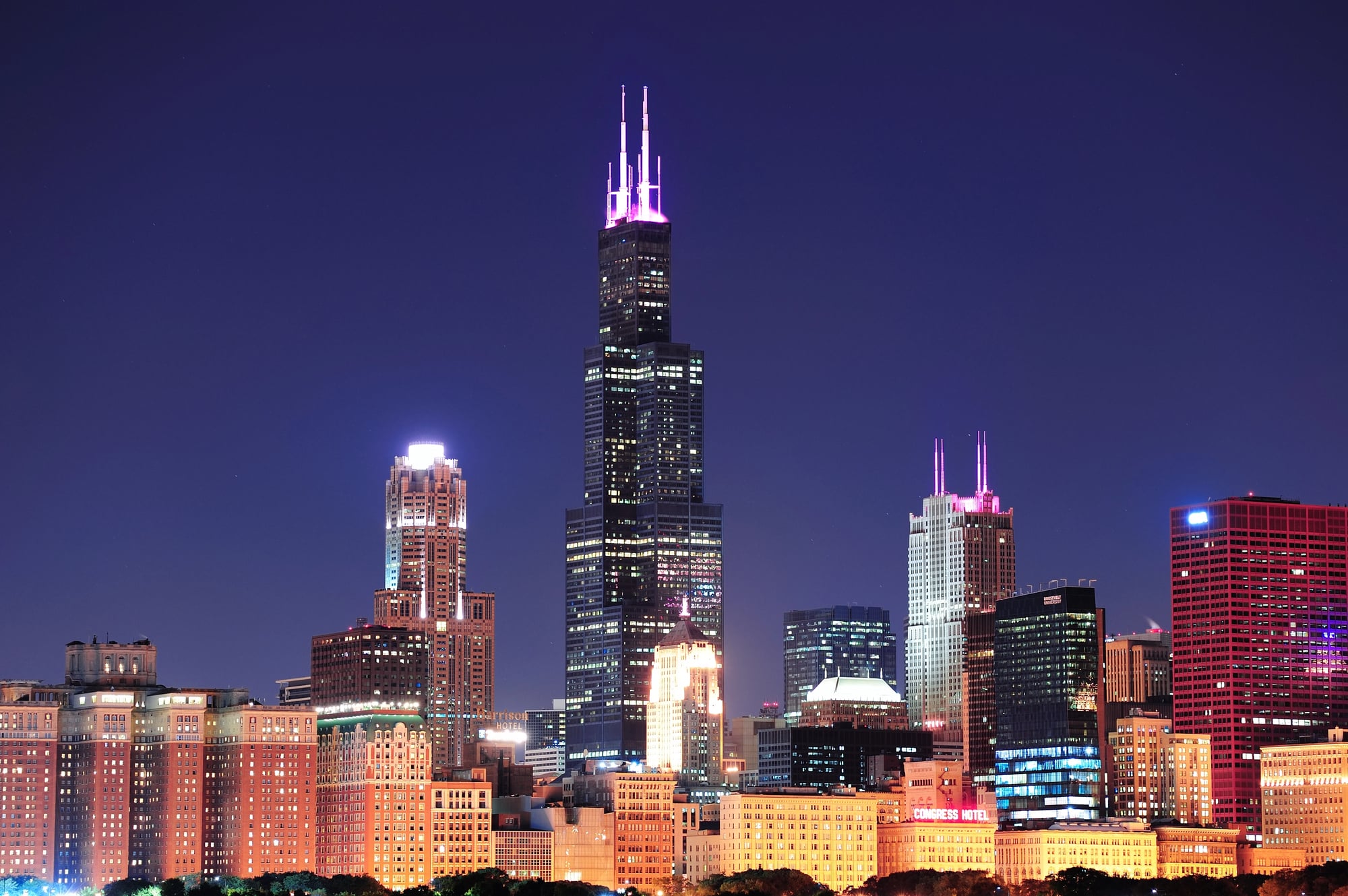
The building everyone still calls the Sears Tower stands like a monument to a different kind of confidence. At 1,451 feet, completed originally in 1973 but receiving significant renovations and the famous glass ledges in 2009, it represents architecture that doesn’t need to explain itself.
The bundled tube design looks almost accidental — as if nine separate buildings decided to grow together and share the load.
Chicago’s skyline makes sense around this building. Everything else arranges itself in relation to its presence, the way furniture organizes around a fireplace in a well-designed room.
432 Park Avenue
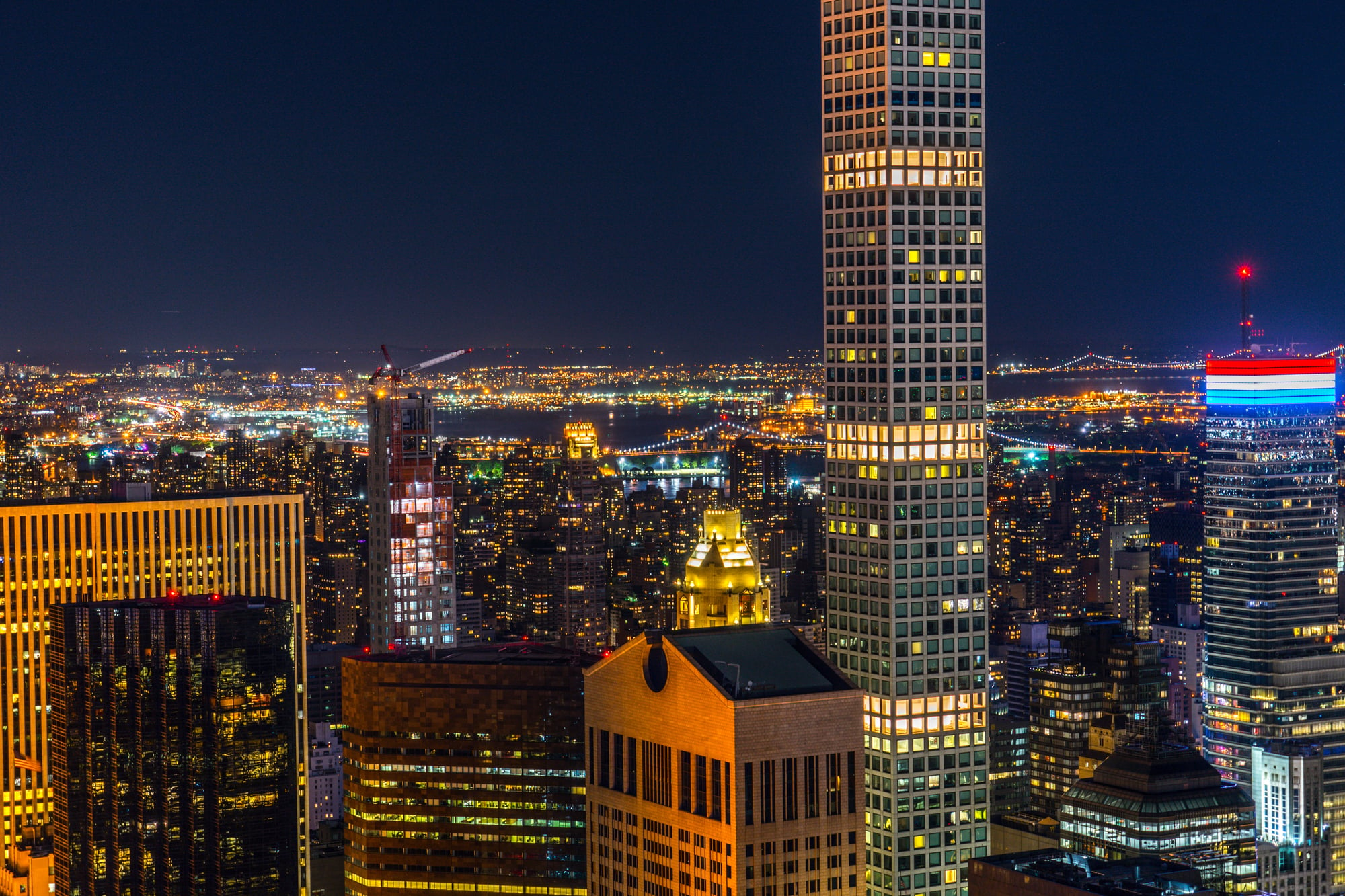
New York’s 432 Park Avenue finished construction in 2015 at 1,396 feet, but the design philosophy that drove its creation took root firmly in the 2000s — the grid pattern of windows creates a rhythm that’s hypnotic from street level, each opening perfectly spaced like notes on some massive architectural staff, and the way the building narrows as it rises makes it feel less imposing than its actual height suggests (though ‘less imposing’ is relative when discussing something that pierces clouds on a regular basis). So you end up with a building that’s simultaneously minimalist and monumental.
Geometry made vertical.
The apartments inside command views that stretch to three states on clear days, though the building itself has become as much a landmark as anything its residents can see from their windows.
One World Trade Center (Freedom Tower)
One World Trade Center carries weight that has nothing to do with its 1,776-foot height. Completed in 2014, the building stands as both memorial and declaration — that lower Manhattan’s skyline would be whole again, different but complete.
The symbolic height wasn’t subtle. The chamfered corners that create eight isosceles triangles weren’t accidental.
Every design choice carried meaning beyond aesthetics. Architecture as statement, building as promise kept.
Lotte World Tower
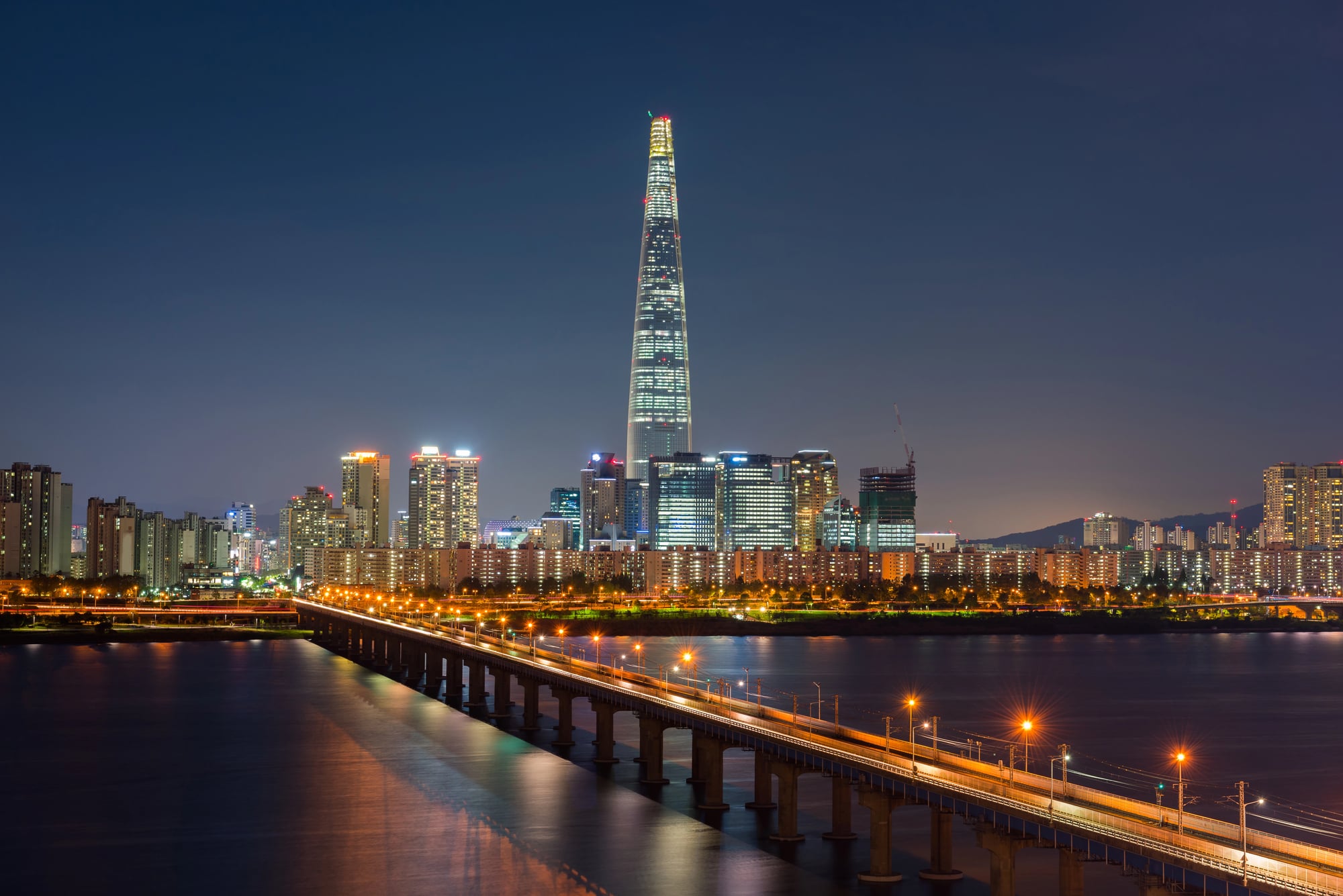
Seoul’s Lotte World Tower reaches 1,819 feet into the Korean sky, a height achieved in 2017 that represents the culmination of design thinking that began in the previous decade. The building tapers as it rises, creating a silhouette that feels more grown than built.
Traditional Korean ceramics inspired the exterior pattern — cultural memory expressed in contemporary materials.
The observation deck on the 117th floor offers views that stretch to North Korea on exceptionally clear days. Geography and politics visible from the same vantage point.
Ping An Finance Center
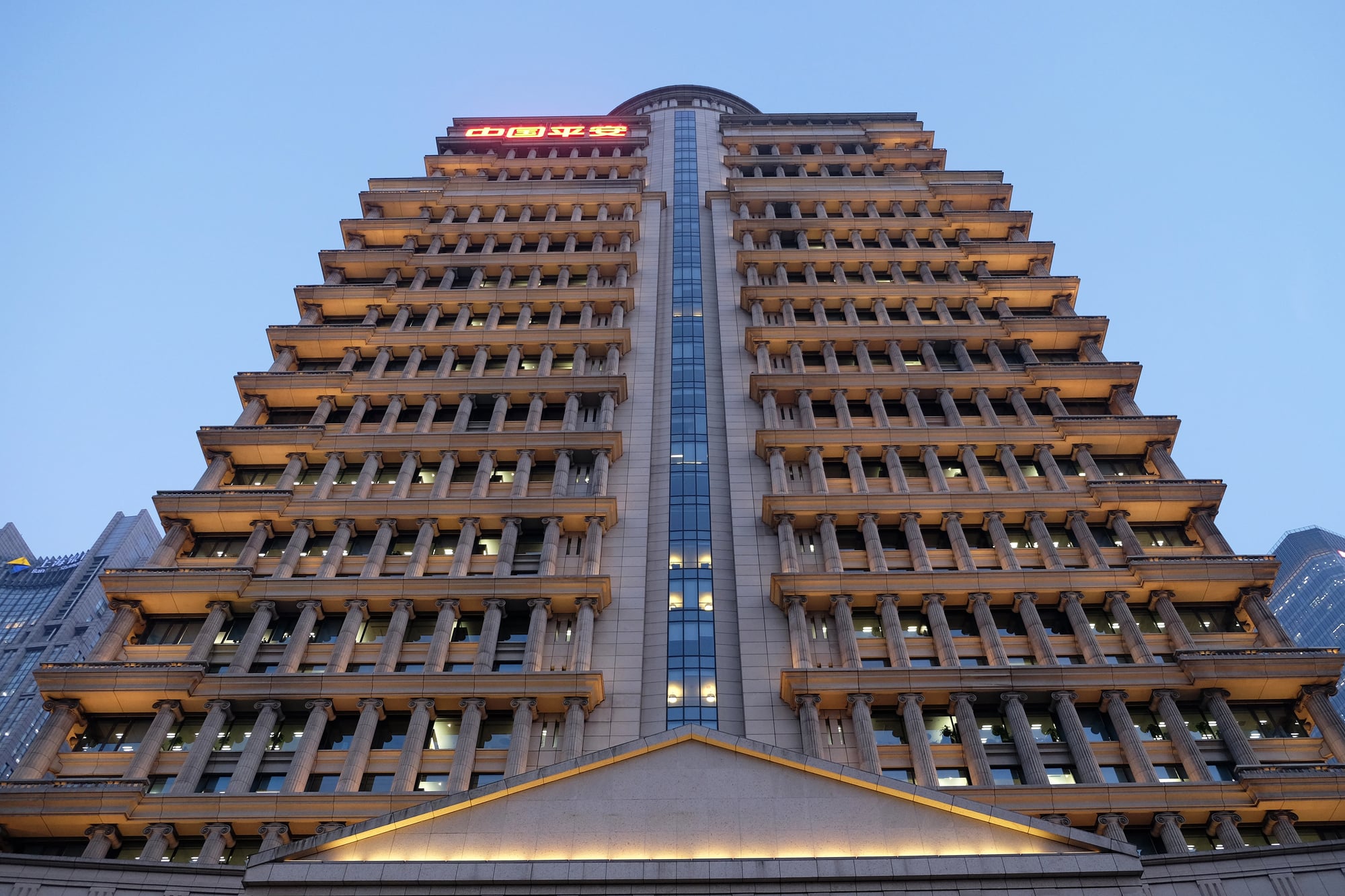
Shenzhen’s Ping An Finance Center tops out at 1,965 feet, making it the fourth-tallest building completed during this era of construction. Finished in 2017, the tower demonstrates what happens when engineering constraints actually improve design rather than limiting it.
The original plan called for a spire that would have pushed the height beyond 2,000 feet, but aviation restrictions forced a revision that resulted in a cleaner, more resolved silhouette.
The building’s LED crown creates a beacon visible for miles. At night, the tower becomes a lighthouse for a city that barely existed fifty years ago.
Makkah Royal Clock Tower
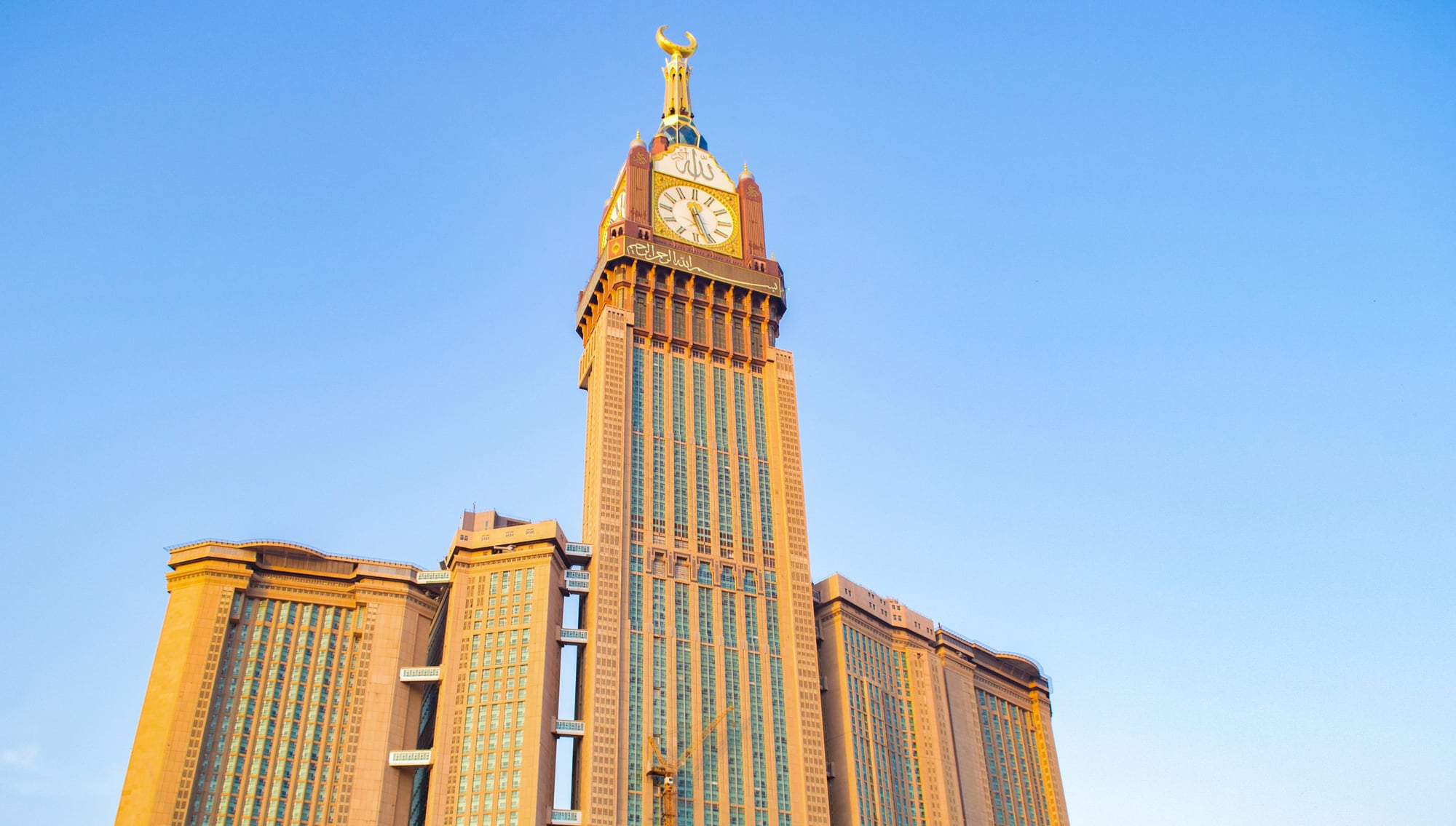
At 1,971 feet, the Makkah Royal Clock Tower commands attention through sheer presence and cultural significance. Completed in 2012, the building houses one of the world’s largest clock faces — a timepiece visible from 17 miles away.
The Islamic architectural elements aren’t decorative additions; they’re integral to the structure’s identity.
The tower overlooks Islam’s holiest site. Its height serves a practical purpose — providing accommodation for millions of pilgrims while maintaining visual prominence that helps with navigation during Hajj.
Shanghai Tower
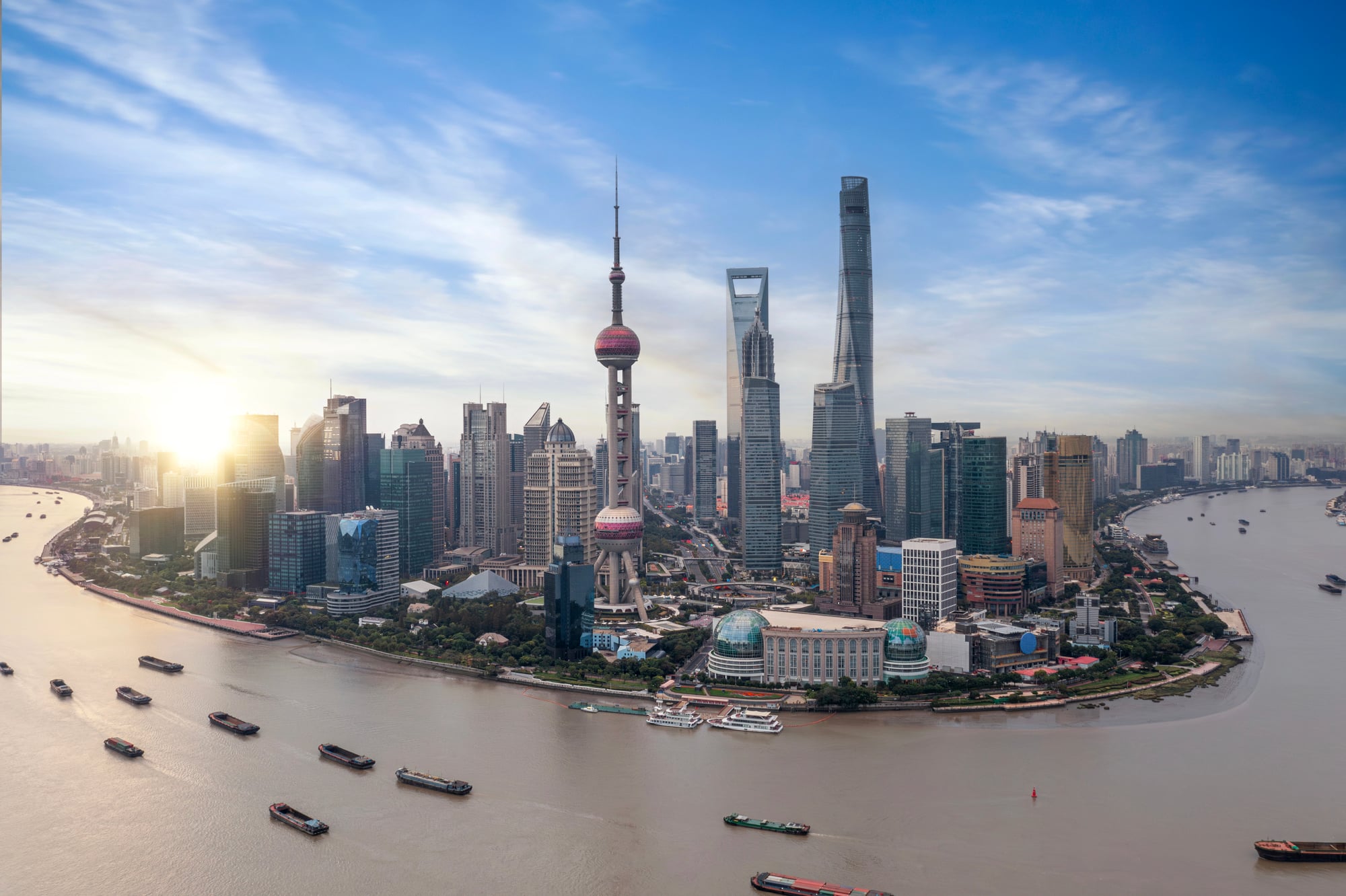
Shanghai Tower spirals to 2,073 feet through a design that treats wind as a partner rather than an opponent. Completed in 2015, the building’s twisted form reduces wind load by 24% compared to a conventional rectangular tower.
The double-skin facade creates a thermal buffer that significantly reduces energy consumption.
Nine vertical neighborhoods stack within the tower, each with its own sky garden. The building functions less like a single structure and more like a vertical city — complete with parks scattered throughout its height.
CTF Finance Centre
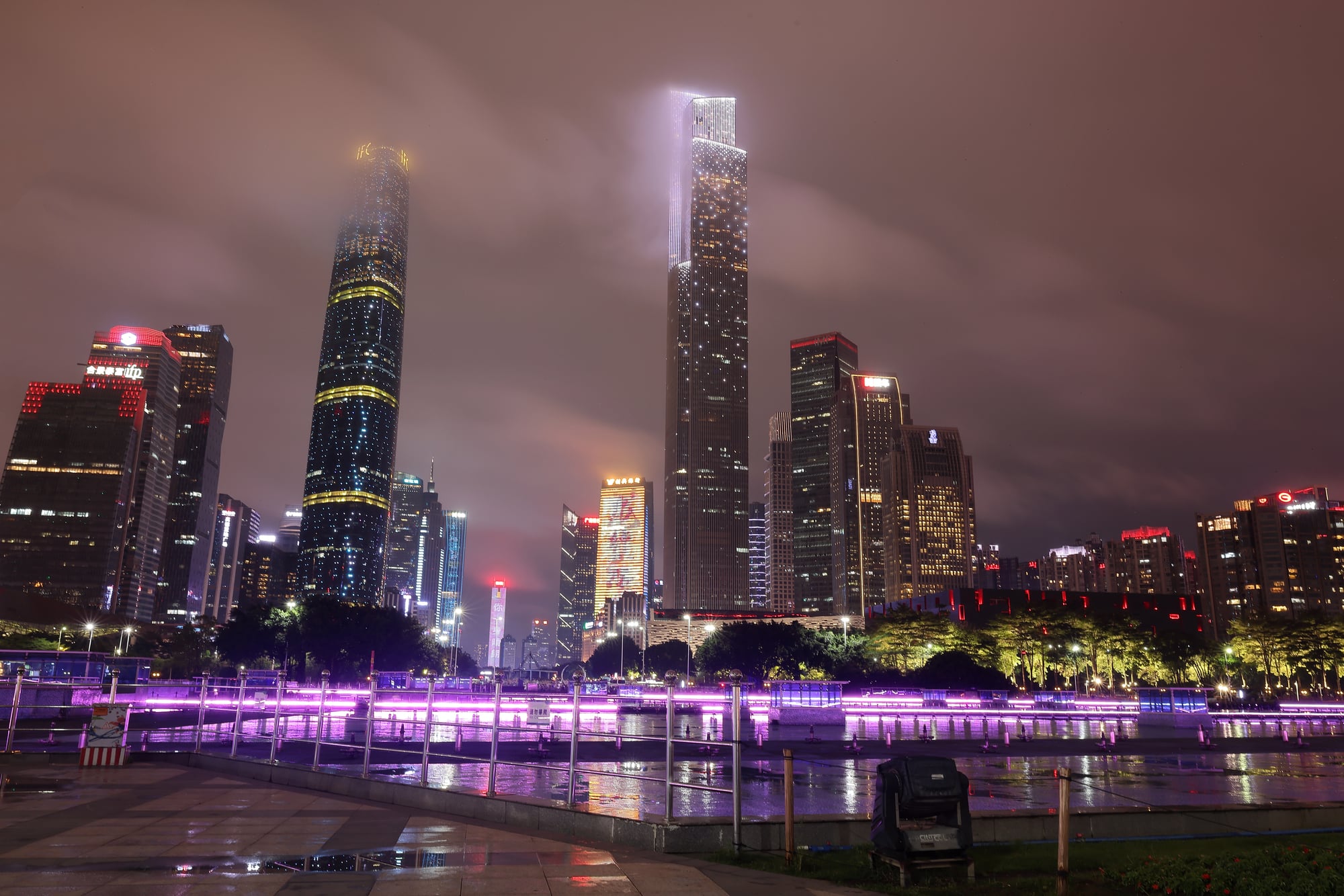
Both Tianjin and Guangzhou house versions of the CTF Finance Centre, each rising to 1,739 feet and 1,739 feet respectively. These twin projects, completed in 2018 and 2016, demonstrate how similar heights can serve different urban contexts.
The Tianjin tower stands isolated, defining its own district. The Guangzhou version fits into an established skyline, adding to rather than dominating the cityscape.
The buildings’ LED lighting systems transform them into communication devices after dark. Color and pattern combinations create a visual language readable across vast distances.
Looking Back at the Sky
The skyscrapers built during the 2000s didn’t just change skylines — they redefined what cities could become. Each building pushed engineering further while solving problems unique to its location and culture.
These weren’t just exercises in height; they were experiments in how humans could live and work at previously impossible elevations.
The photographs capture structures that transformed ambition into reality, leaving permanent marks against the sky that continue to inspire new reaches toward even greater heights.
More from Go2Tutors!

- The Romanov Crown Jewels and Their Tragic Fate
- 13 Historical Mysteries That Science Still Can’t Solve
- Famous Hoaxes That Fooled the World for Years
- 15 Child Stars with Tragic Adult Lives
- 16 Famous Jewelry Pieces in History
Like Go2Tutors’s content? Follow us on MSN.