U.S. Cities With Strange Architectural Quirks
America’s cities are full of surprises when you look closer at their buildings and skylines. Some communities embraced oddball designs that nobody else would dare try, while others had unusual circumstances that shaped their architecture in weird and wonderful ways.
These aren’t your typical downtown areas with boring glass towers. Instead, they’re places where architects, history, and sheer creativity collided to create something genuinely different.
Here’s a look at 15 cities that dared to be architecturally different.
Chicago’s corncob towers
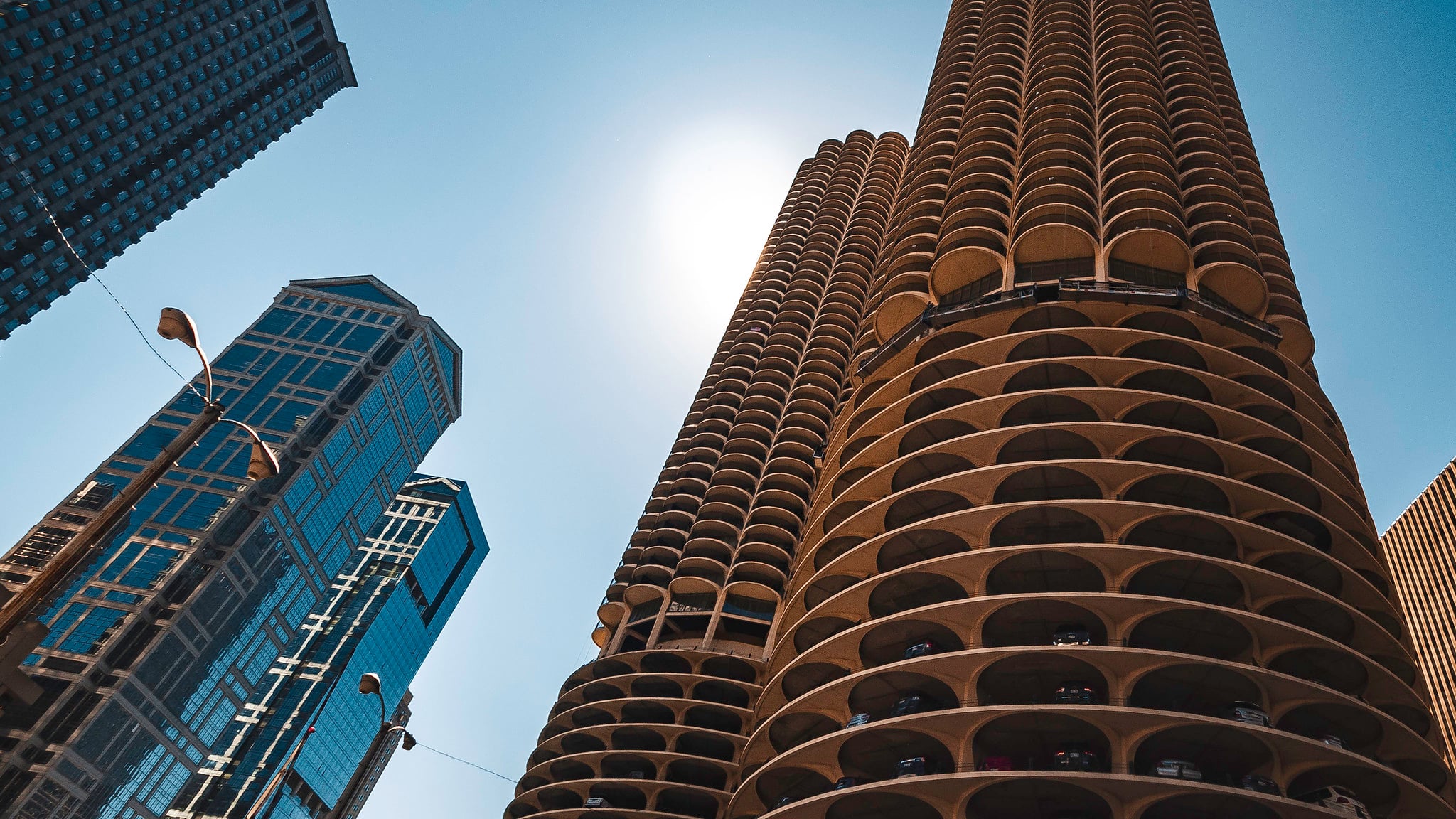
Marina City’s twin towers in Chicago look like giant ears of corn rising from the Chicago River, which is exactly why people started calling them that. Architect Bertrand Goldberg believed that since no right angles exist in nature, none should exist in architecture, so he created two 65-story cylindrical towers completed in 1964.
Every apartment has a balcony thanks to his pie-shaped design, where all living spaces radiate outward like petals of a sunflower. The towers were the tallest residential buildings and tallest reinforced concrete structures in the world when they finished.
They also featured the first spiral parking garage in a building, a wild innovation that helped define modern urban living.
Washington D.C.’s height ceiling
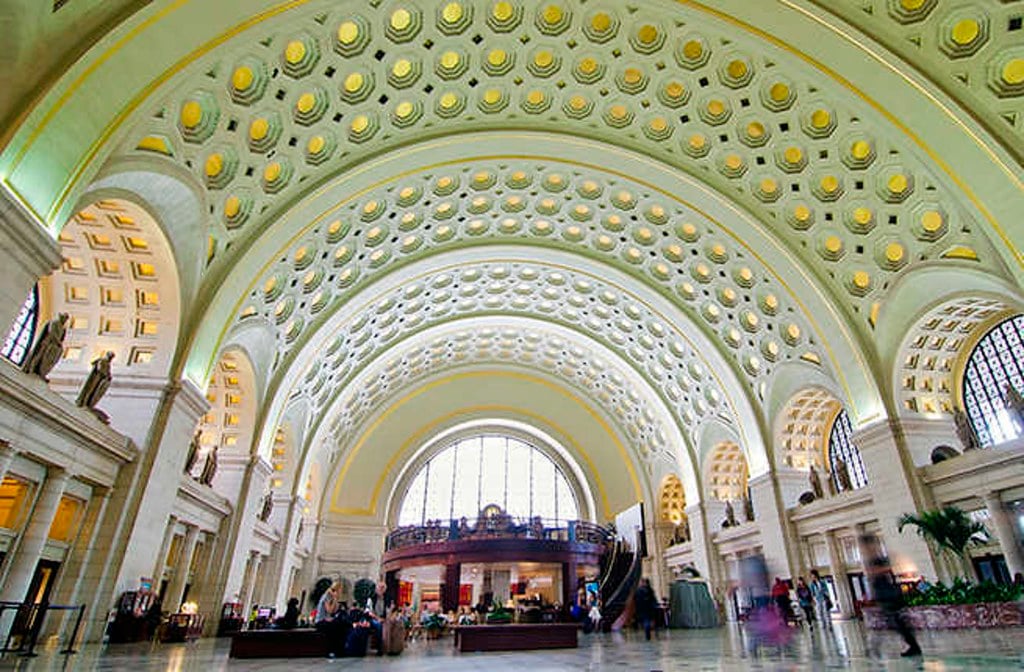
Washington D.C. has a peculiar rule that stops buildings from growing too tall. The Height of Buildings Act of 1910 limits most structures to 130 feet on commercial streets, which comes out to roughly 12 stories.
The law actually started because firefighting equipment back in 1899 couldn’t reach higher than 85 feet, so Congress decided to cap building heights for safety. People often think the restriction exists to keep buildings shorter than the Capitol or Washington Monument, but that’s actually a myth.
The real result is a unique, flat skyline that few other American cities share. You can see monuments and important views from far away because nothing blocks the sightlines.
San Jose’s nightmare mansion
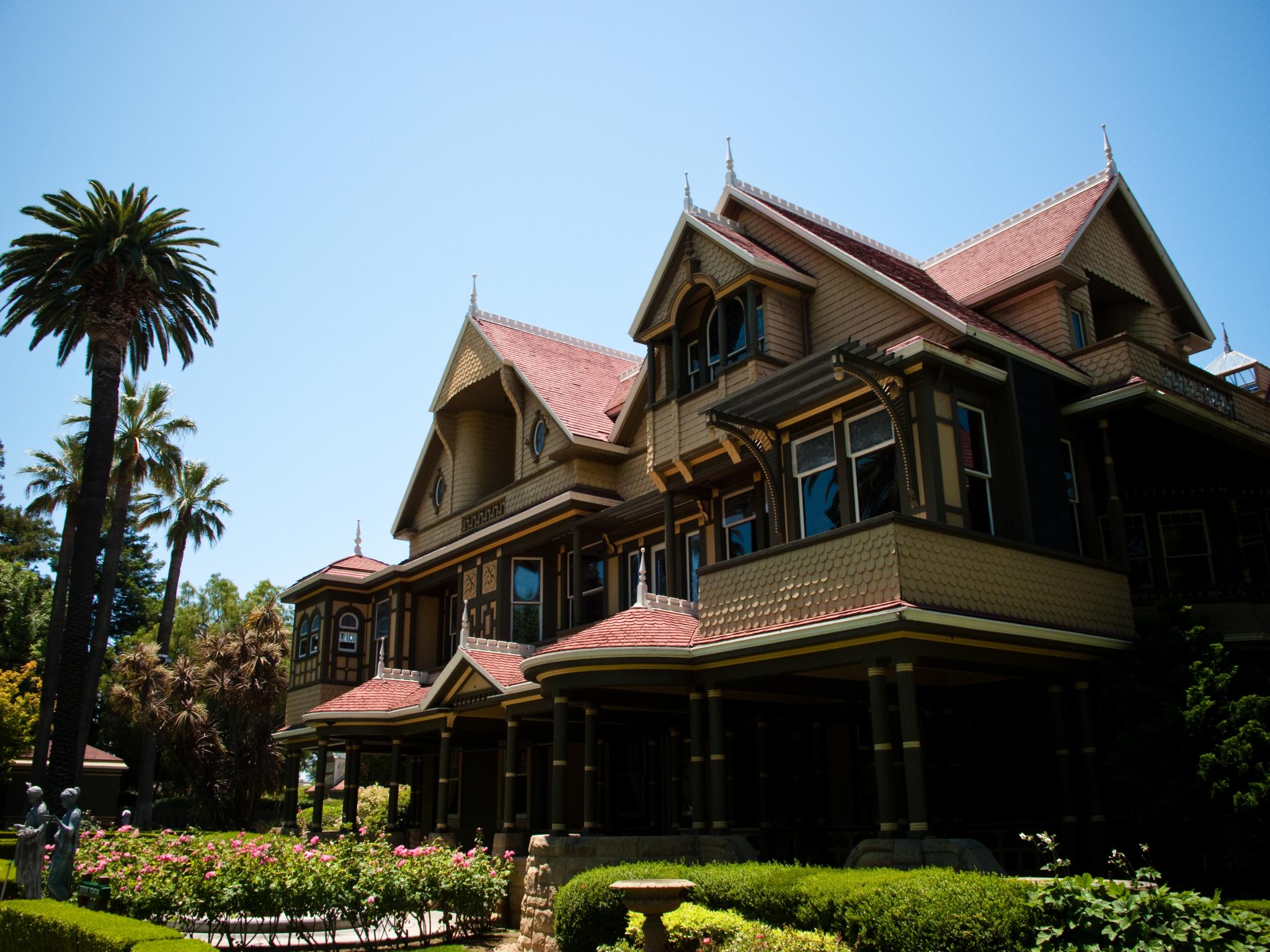
The Winchester Mystery House in San Jose sprawls across 24,000 square feet with 160 rooms, 2,000 doors, and 10,000 windows. Sarah Winchester, widow of the Winchester rifle fortune, spent 38 years building this Victorian mansion starting in 1886.
What makes it strange isn’t just the size, but the features inside. Doors open to walls.
Staircases end at ceilings. Some windows appear in unexpected places like floors or walls.
After an earthquake damaged the house in 1906, entire wings collapsed, leaving doors that now open to nothing. Winchester never explained her reasoning, though legend says she built it to confuse spirits.
The house opened as a tourist attraction just nine months after her death in 1922.
Palm Springs mid-century modern scene

Palm Springs became an architectural playground for designers in the mid-20th century. The city features an incredible concentration of modernist homes built between the 1940s and 1970s, with clean lines, flat roofs, and walls that blur the line between inside and outside.
Architects like Richard Neutra and Albert Frey created homes that seem to melt into the desert landscape. The city decided to preserve these buildings instead of tearing them down for development, which is why Palm Springs looks like it froze time in 1955.
Walking through neighborhoods feels like stepping onto a movie set from a period that valued simplicity and natural materials over flashy ornamentation.
Santa Fe’s adobe requirement
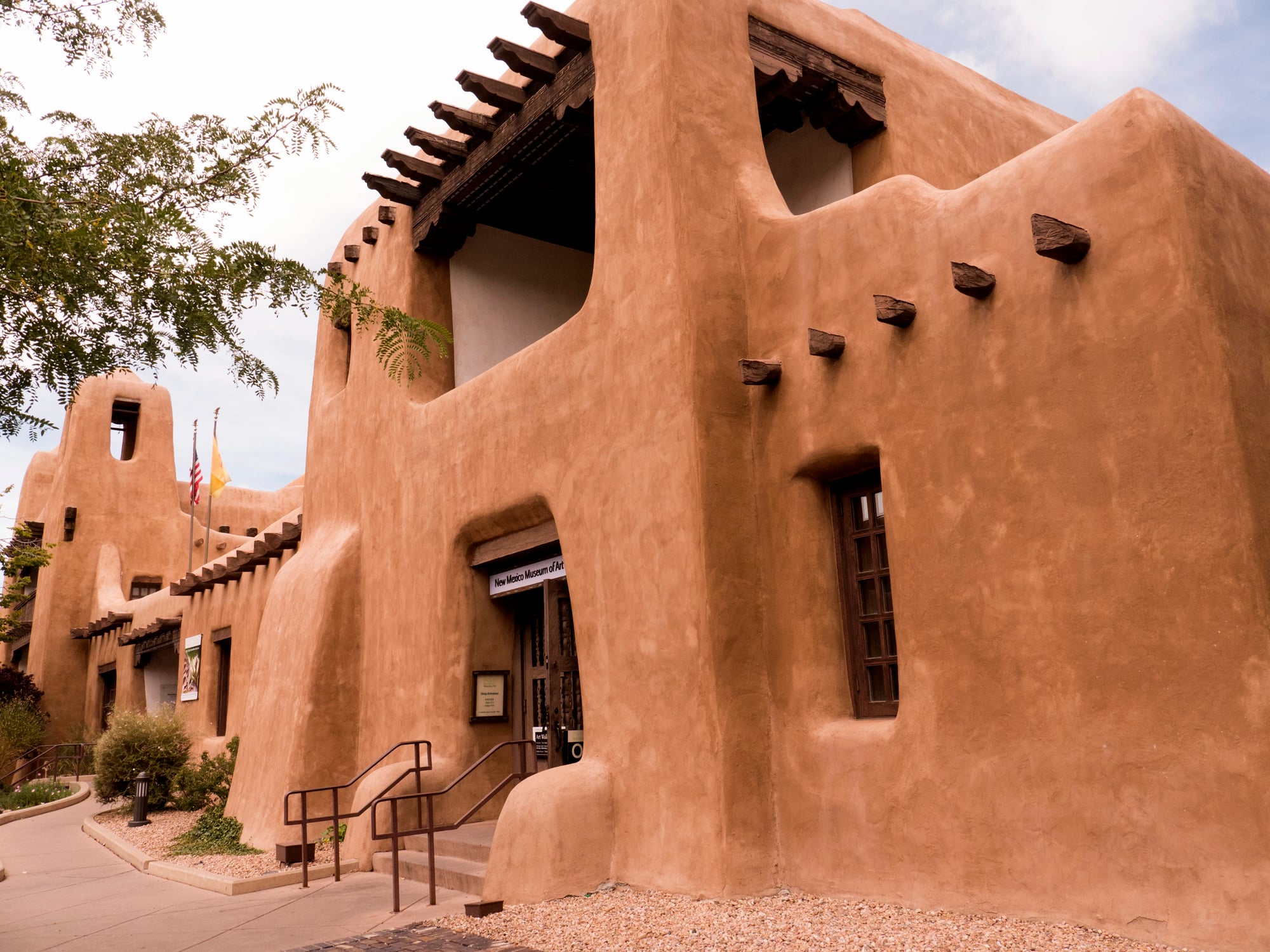
Santa Fe, New Mexico, might be the strictest city in America about its architecture. Local building codes require all structures to use the pueblo style with adobe walls, flat roofs, and earth tones.
The Governor’s Palace, built in 1610, set the tone that everything else would follow. Driving through Santa Fe means you’ll never see a glass skyscraper or a contemporary steel building breaking the historical aesthetic.
This isn’t accidental. The city intentionally chose to preserve its architectural heritage by making it a legal requirement.
Every new restaurant, home, or office has to fit the design rules, creating a place that looks remarkably similar to how it appeared centuries ago.
New Orleans’ wrought-iron balconies
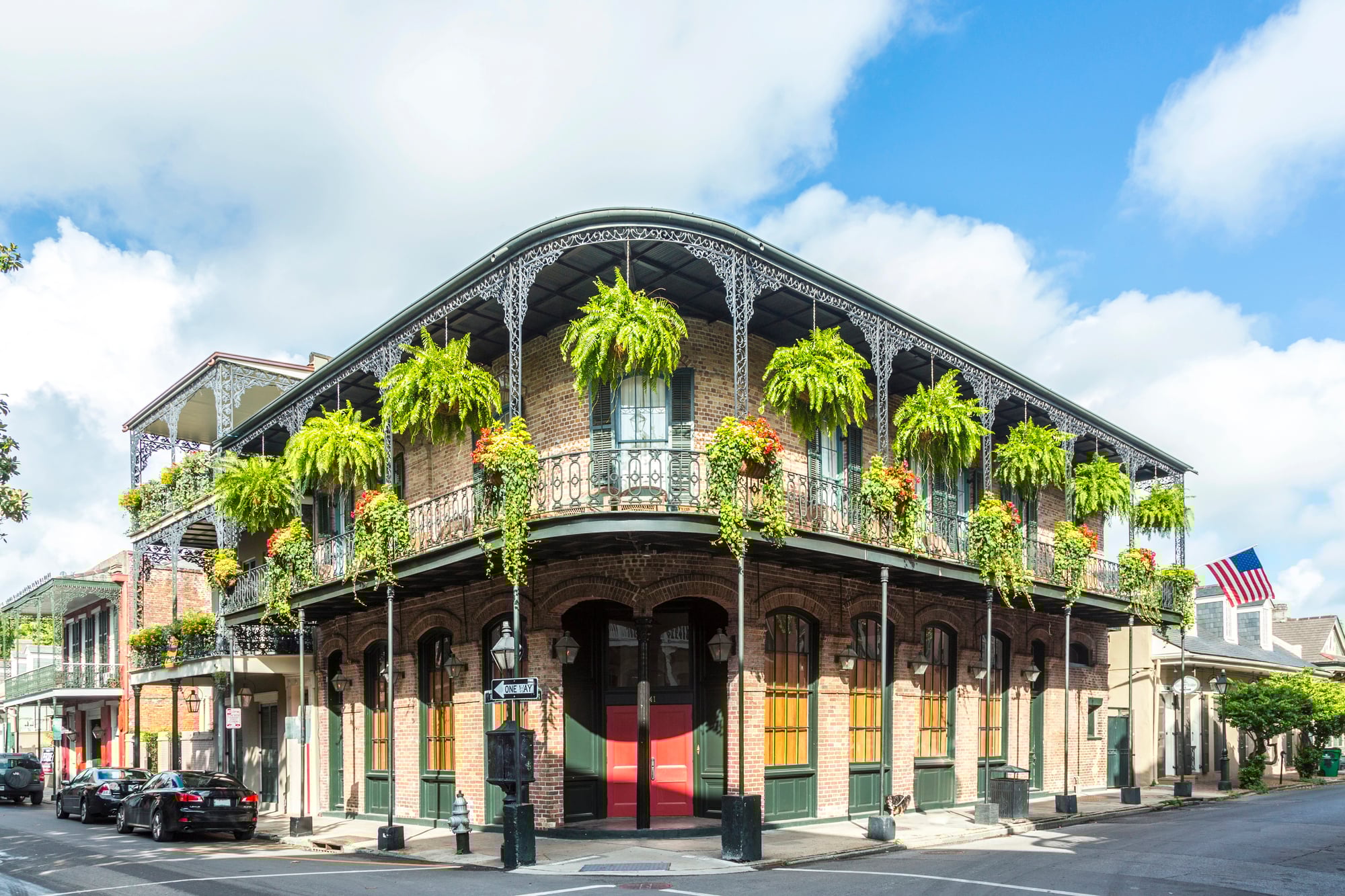
New Orleans’ architecture tells a story written in cast iron and plaster. The French Quarter showcases Creole architecture that mixes French, Spanish, African, and Caribbean influences.
Wrought-iron balconies hanging from buildings create a romantic, lacy appearance that photographers can’t resist. These balconies weren’t just decorative.
In a city where heat and humidity dominate, they provided shade and allowed air to flow through homes. The narrow streets and shared courtyards behind buildings came from Caribbean and European traditions.
Even today, walking through these neighborhoods feels like stepping back 200 years, though modern shops and restaurants now occupy the ground floors.
Kansas City’s library book facade
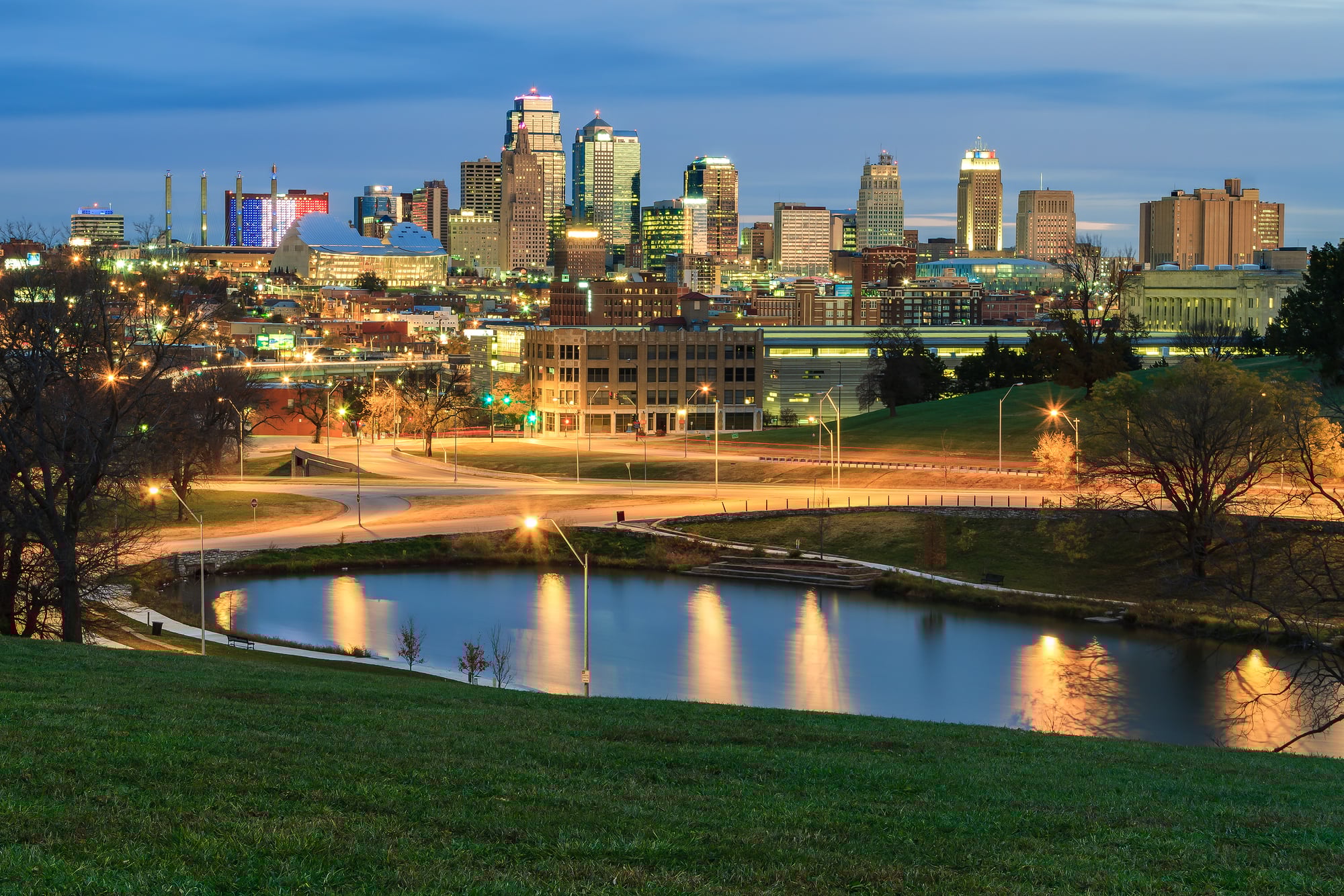
Kansas City’s Central Library has a front that looks like books standing on a shelf. The 14-story building opened in 1996 and features a unique sculptural design where the roof is shaped like 34-foot-tall book spines standing upright.
Architect Moshe Safdie designed it this way to make a statement about knowledge and imagination. The building sits among regular offices and shops, so seeing this massive architectural metaphor suddenly appear is startling.
Visitors appreciate the cleverness, while architecture critics either love it for its boldness or dismiss it as too cute and obvious.
Boston’s brutalism
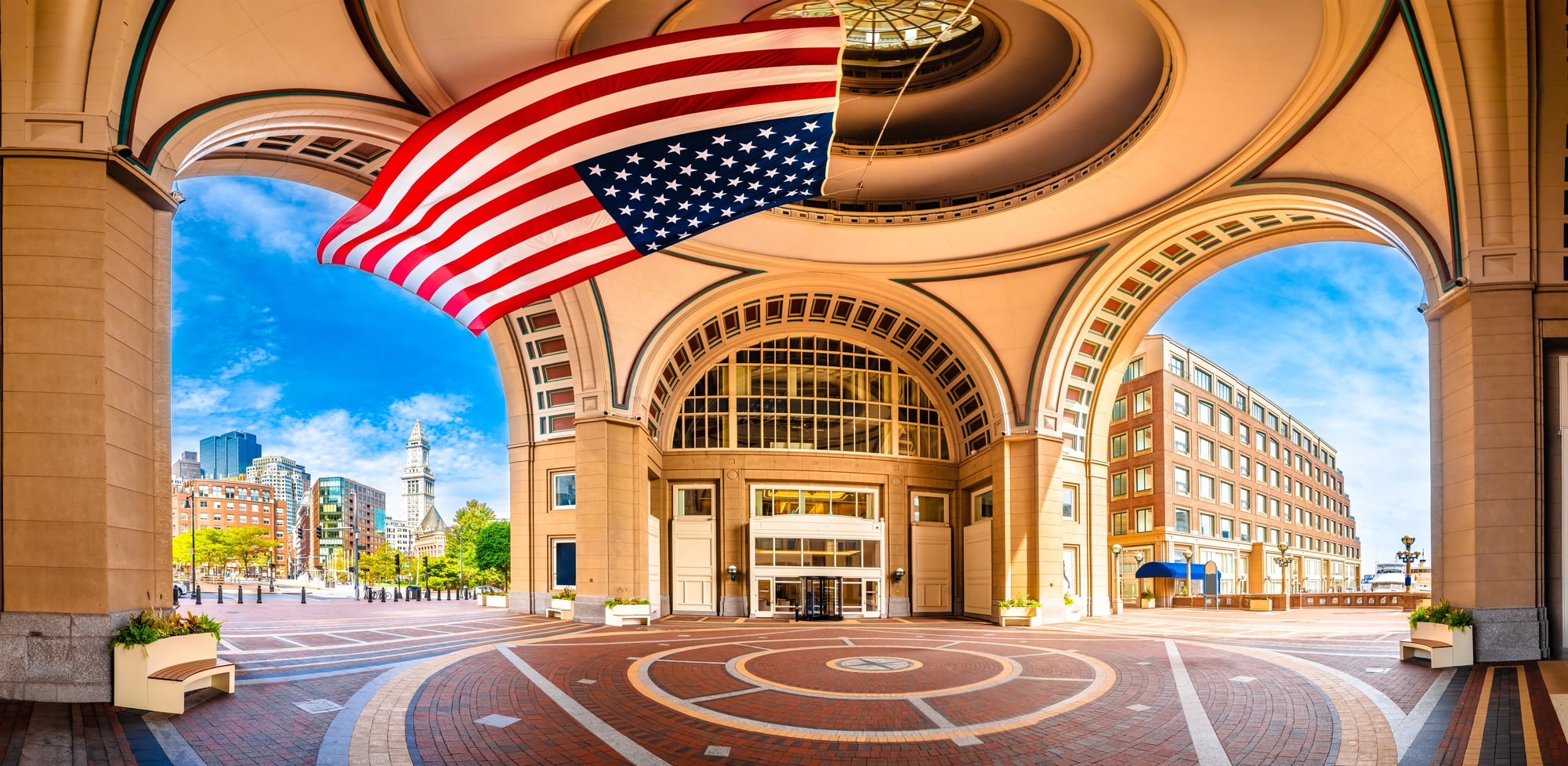
Boston embraced brutalism harder than most cities. Government Center features massive concrete structures with fortress-like appearances that block out sunlight on street level but look imposing from across the city.
City Hall and the plaza around it represent an era when architects believed that raw concrete and geometric shapes could reshape how people interacted with cities. The movement didn’t age well for everyone.
Many people find these buildings ugly and imposing, while others appreciate them as honest expressions of what concrete can become. Either way, Boston’s brutalist buildings can’t be ignored.
New York City’s quirky towers
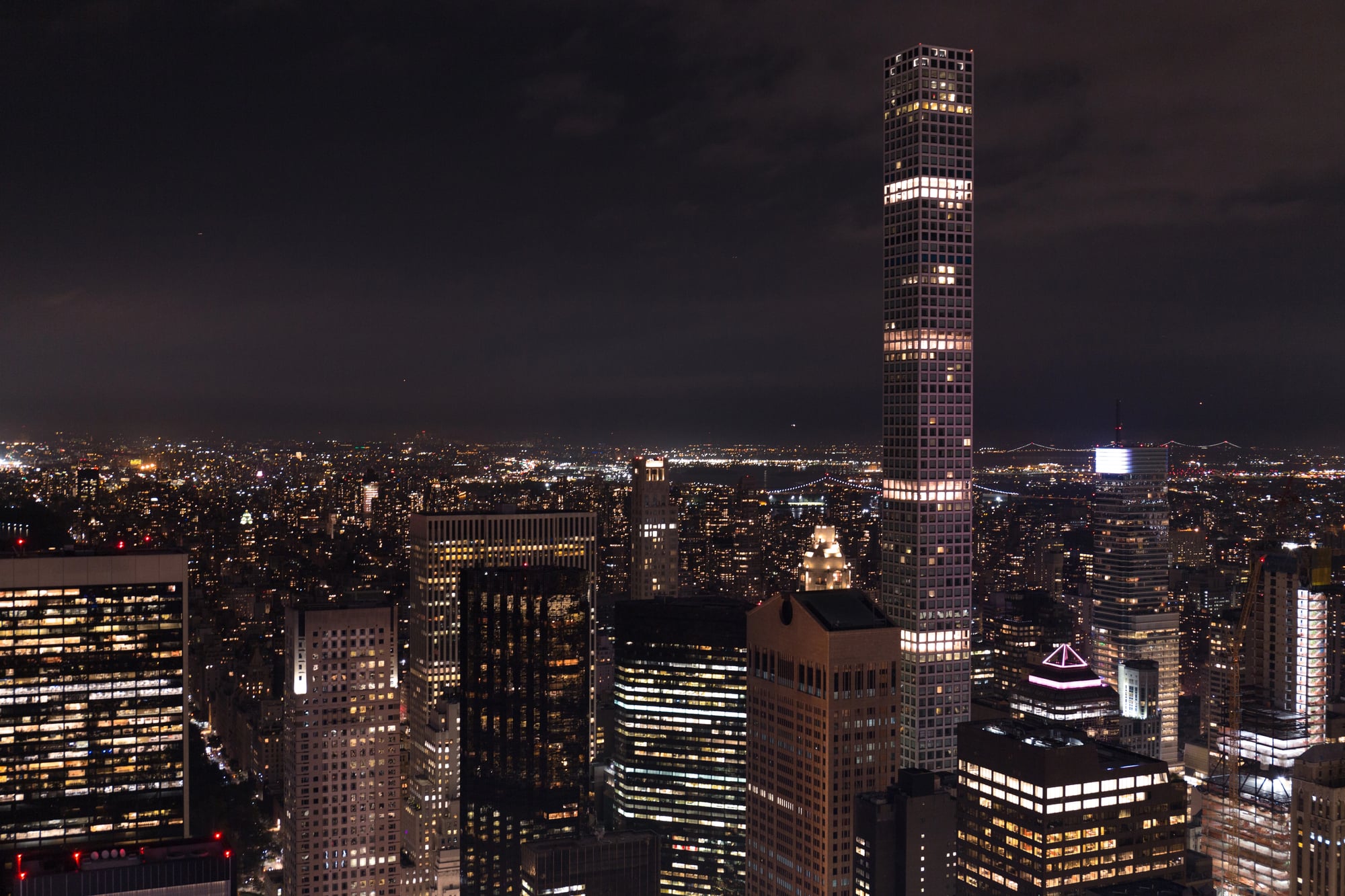
New York has some of the strangest residential buildings anywhere. The Ansonia on the Upper West Side looks like it belongs in Vienna instead of Manhattan, with its ornate exterior and mansard roof.
The Hearst Tower uses an innovative steel framework that looks like a diagram come to life, with triangular grid patterns covering the facade. The Empire State Building changed how tall buildings could reach, becoming an instant icon in 1931.
These buildings sparked trends, influenced design worldwide, and created the dense, varied skyline New Yorkers know today. No two neighborhoods look the same because architects constantly experimented with new ideas.
Philadelphia’s row house tradition
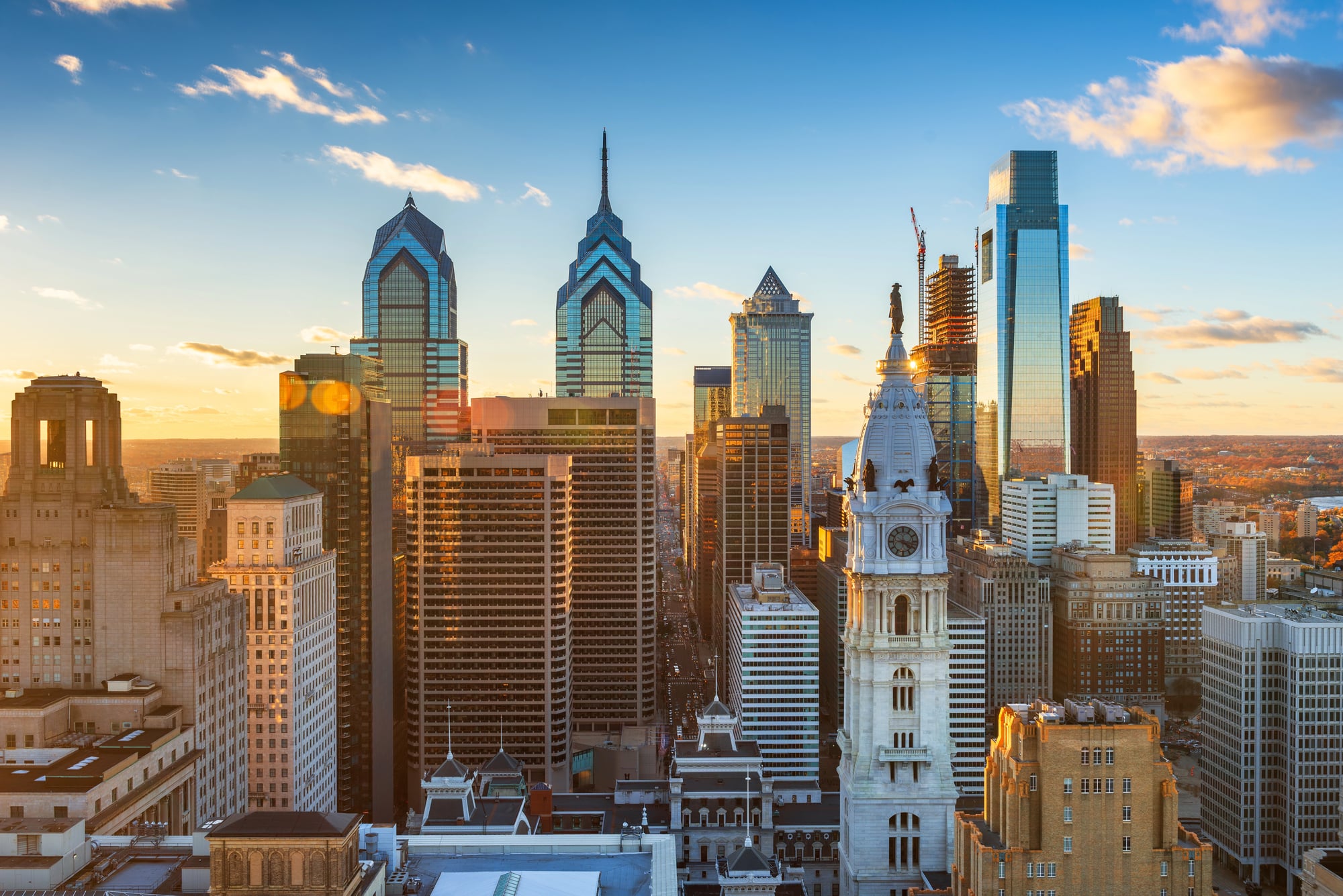
Philadelphia’s thousands of narrow red-brick row houses create a uniform texture across entire neighborhoods. These homes were built to maximize density in a growing city during the 1700s and 1800s, each one identical to its neighbors except for small details.
The tradition continued so strongly that Philadelphia still looks largely the same as it did 150 years ago. Walk down streets where all the buildings are four or five stories, connected wall-to-wall, with small front stoops for sitting outside.
This architectural consistency creates a charm that newer cities with mixed styles sometimes lack.
Detroit’s Hudson’s building giant
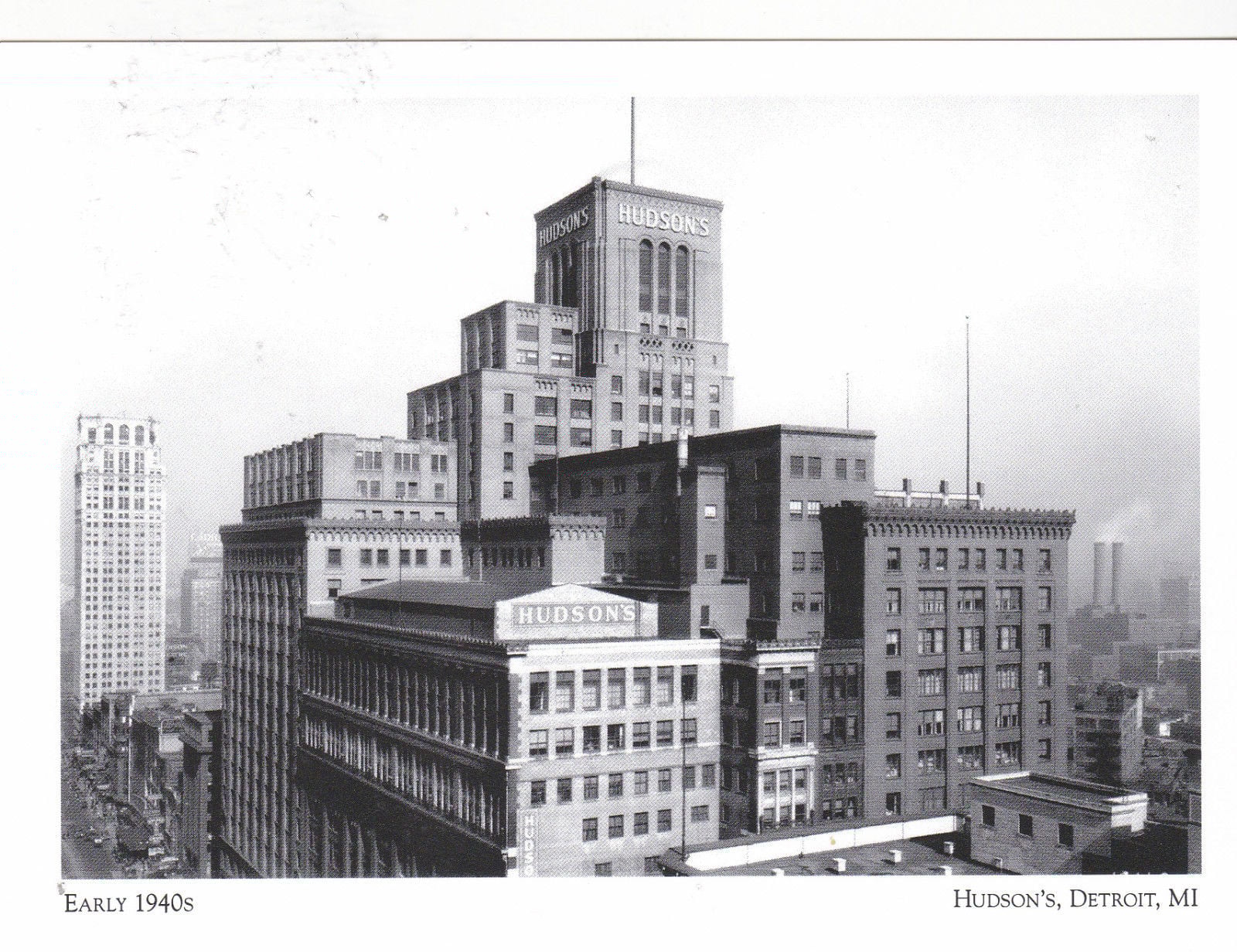
Hudson’s downtown department store is a 25-story vertical warehouse of retail space that became Detroit’s tallest building in 1911. The building is so massive that early shoppers could spend entire days inside without leaving, buying everything from clothing to furniture in different departments stacked vertically.
Detroit’s architectural legacy includes numerous historic skyscrapers from the early 20th century that defined American commerce. Though many have been abandoned or repurposed, they remain imposing reminders of when Detroit was an architectural and industrial powerhouse.
Whittier, Alaska’s single building town
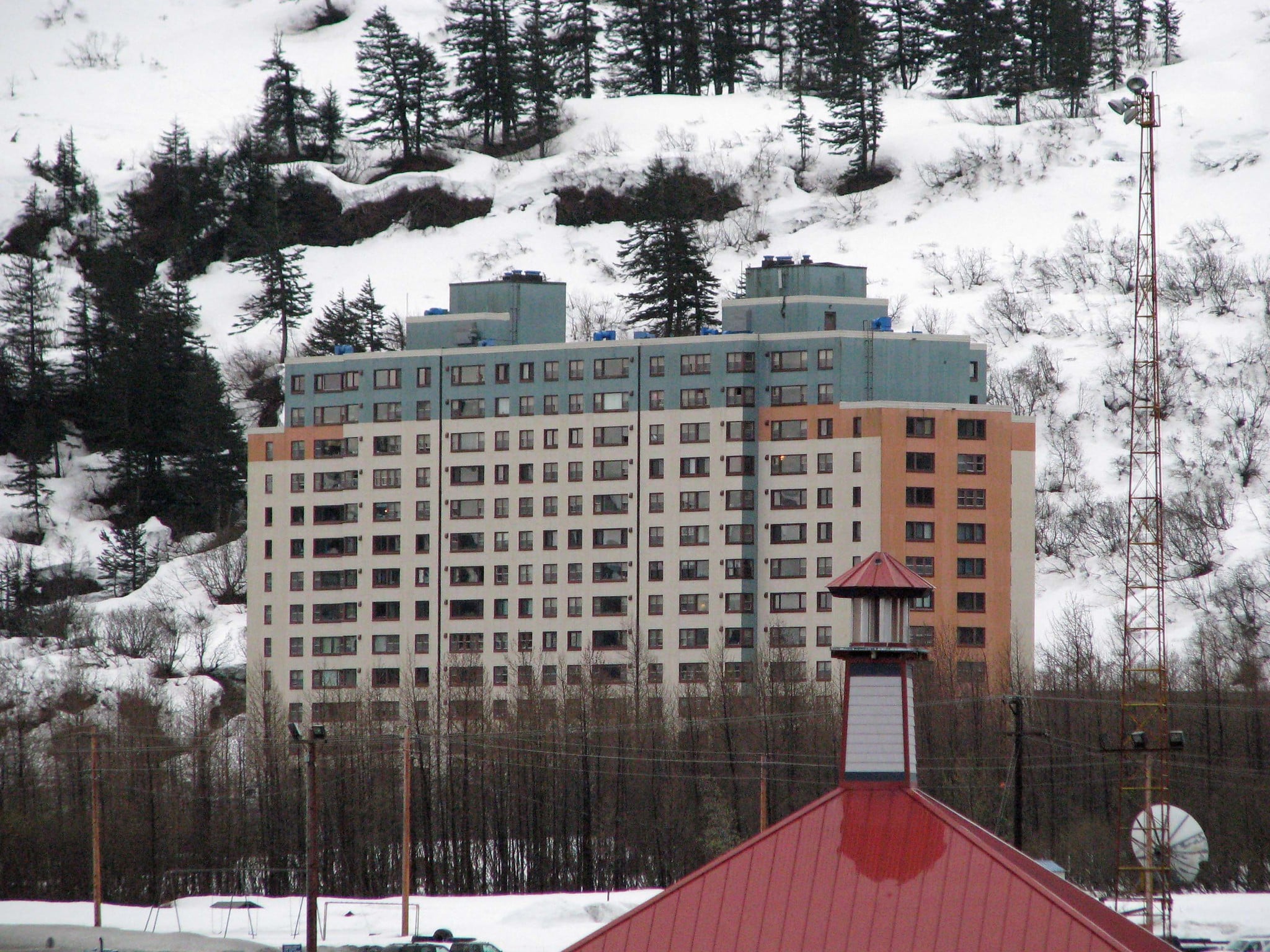
Whittier, Alaska, is the only place in America where an entire town lives under one roof. The Begich Towers, a 14-story building, houses nearly all 220 residents of this remote community.
Originally built by the Army during World War II as a Cold War outpost, it features apartments, a church, post office, police station, grocery store, and laundromat. Nobody has to go outside if they don’t want to.
The building was designed this way because Whittier receives 197 inches of precipitation annually and brutal winter storms. The only way to reach Whittier is through a tunnel that operates on a strict schedule, making the building even more essential for daily life.
Charleston’s historic preservation
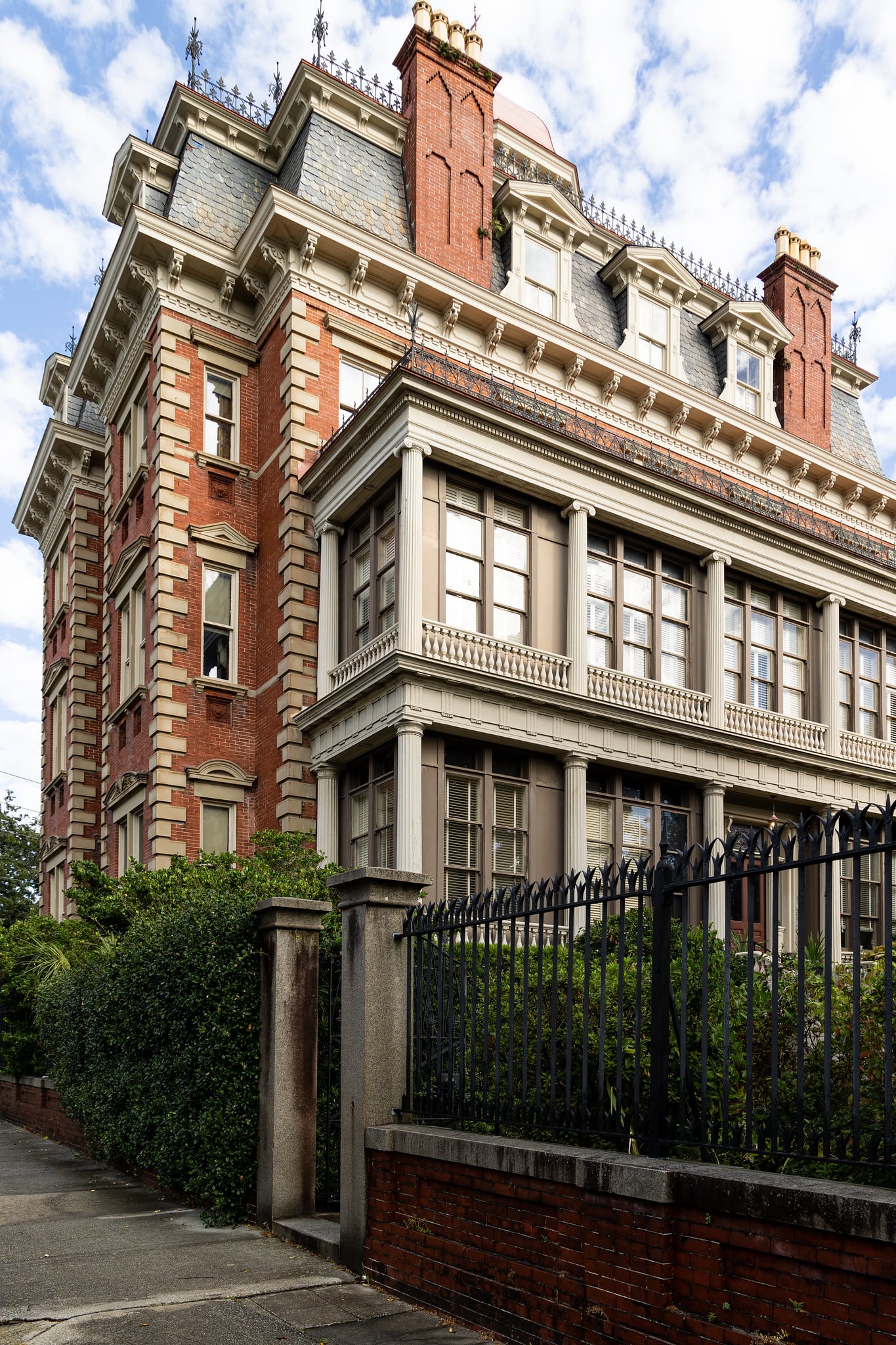
Charleston, South Carolina, protects its antebellum architecture with strict preservation laws. Walking through downtown feels like stepping through different centuries because buildings date back to the 1700s and 1800s.
Rainbow Row features candy-colored historic homes that have become Instagram-famous despite being ordinary examples of local architecture. The Historic District prevents modern buildings from disrupting the historical aesthetic.
Architects designing new structures must respect the scale and character of surrounding buildings, creating a cohesive neighborhood where history feels present.
Portland, Maine’s lighthouses
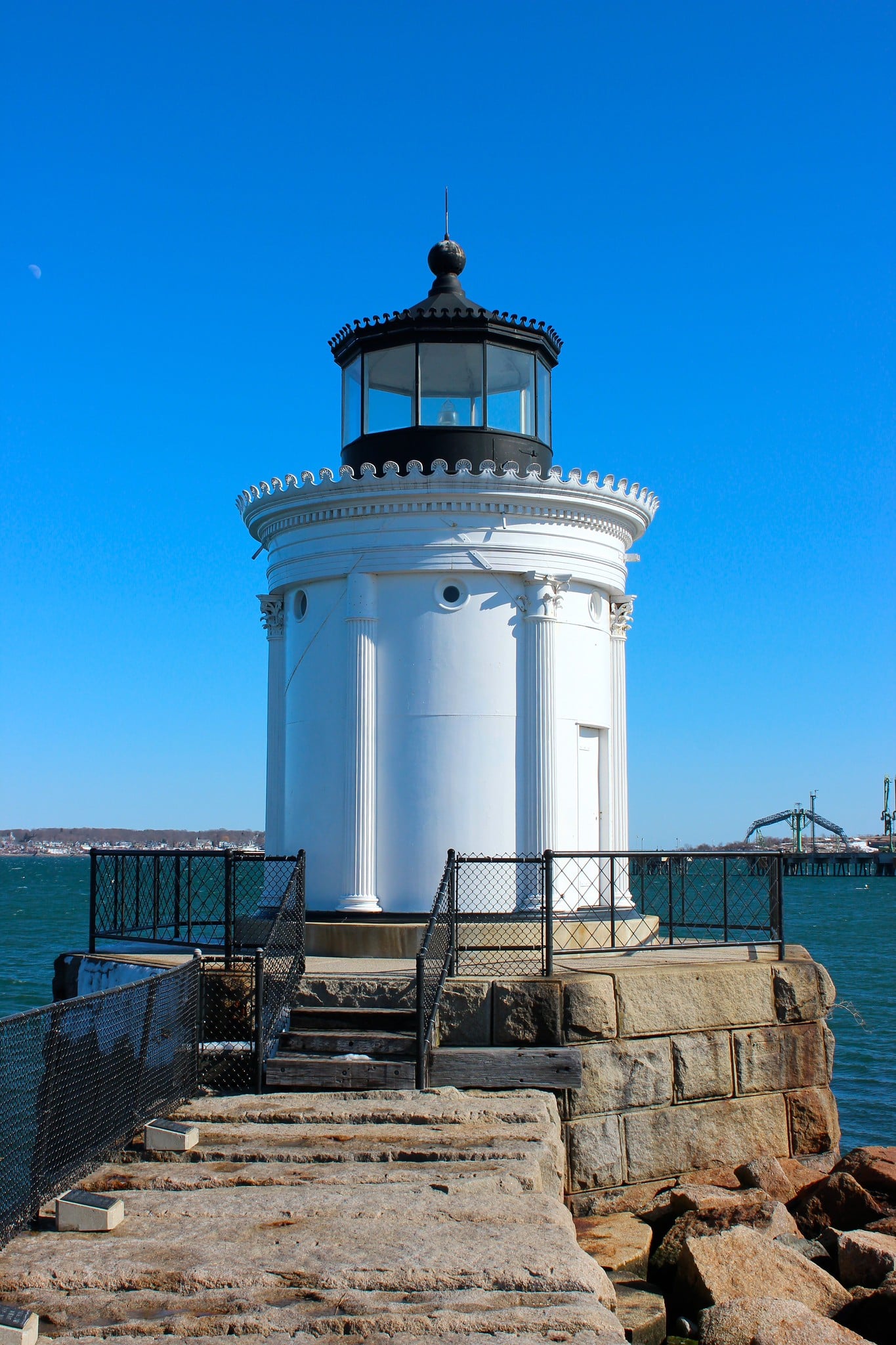
Portland, Maine, showcases distinctive architectural styles, but the Portland Head Light becomes a symbol of New England maritime heritage. Lighthouses dot the Maine coast with their white and red striped towers, becoming icons that define regional identity.
Historic homes in Portland feature Cape Cod and Victorian styles reflecting the region’s shipbuilding past. Though modern development surrounds these historic structures, the city has preserved enough of them to maintain character while moving forward.
Lexington’s pharmacy building
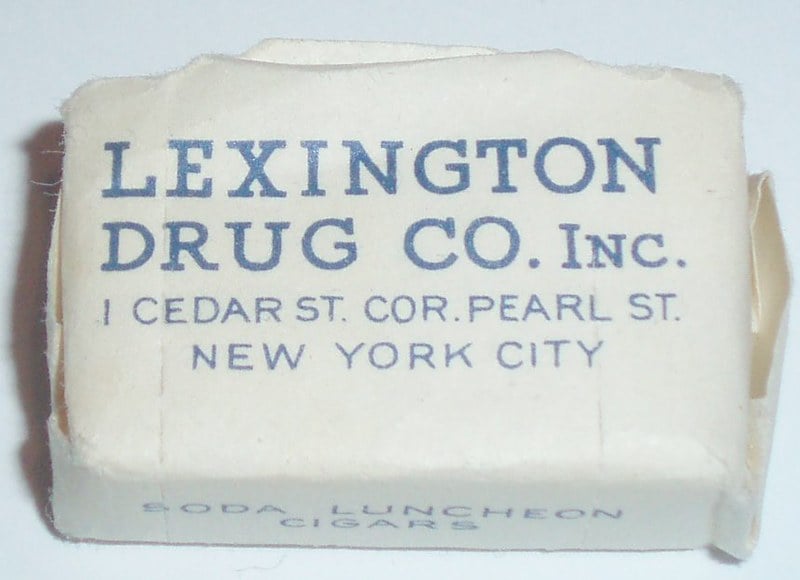
Lexington, Kentucky, features an unusual building shaped like a mortar and pestle, the symbol of pharmacy work. Bondurant’s Pharmacy created this distinctive structure where the building itself becomes a three-dimensional advertisement.
It’s a subtle example of roadside architecture where form follows function in unexpected ways. These kinds of buildings defined American highways decades ago before chain pharmacies became standard.
Building a distinct identity

American cities didn’t all decide to look the same. Some communities embraced architectural boldness while others protected historical styles fiercely.
Whether through practical necessity like Whittier’s single building, or through deliberate design choices like Washington D.C.’s height restrictions, these cities shaped their identities through unusual buildings. They prove that architecture goes beyond function.
It creates community character, sparks conversations, and gives cities personality that vanilla development never could. These strange quirks make American cities worth visiting, worth studying, and worth preserving.
More from Go2Tutors!

- The Romanov Crown Jewels and Their Tragic Fate
- 13 Historical Mysteries That Science Still Can’t Solve
- Famous Hoaxes That Fooled the World for Years
- 15 Child Stars with Tragic Adult Lives
- 16 Famous Jewelry Pieces in History
Like Go2Tutors’s content? Follow us on MSN.