15 Times Animals Were Used in Combat
War makes people do crazy things. Throughout history, desperate commanders have turned to some pretty wild ideas when conventional tactics weren’t cutting it.
Animals have been dragged into human conflicts since ancient times—not just horses and dogs, but everything from bomb-carrying bats to fire-breathing pigs. Yeah, that’s a real thing.
Military minds have always looked for any edge they could find, no matter how bizarre it seemed. Here is a list of 15 times animals were actually used in combat, and some of these stories are wilder than fiction.
Hannibal’s War Elephants Cross the Alps
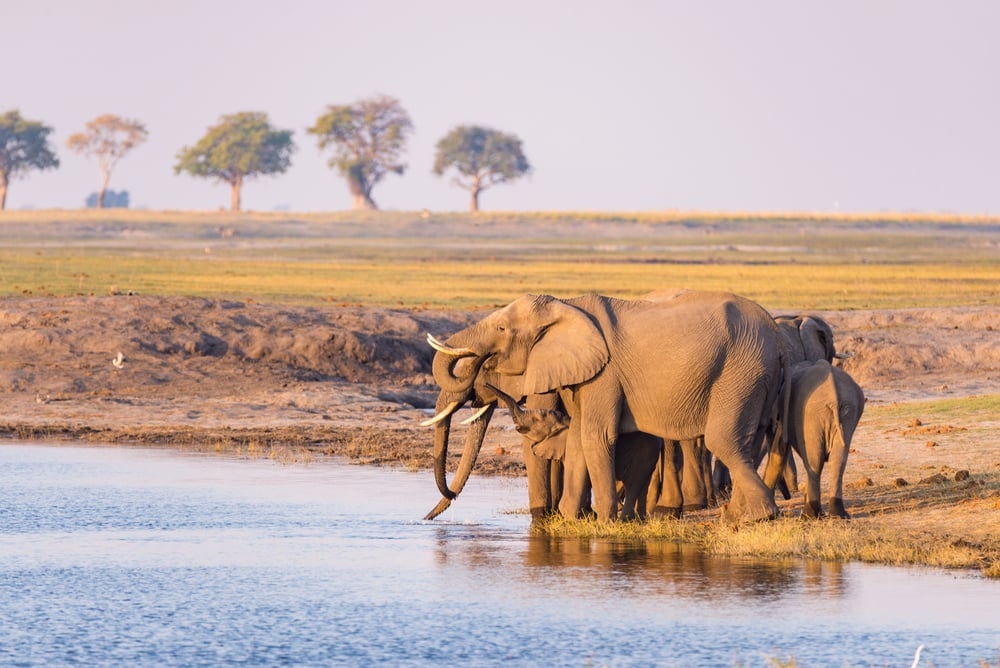
Back in 218 BCE, Hannibal pulled off one of the most daring moves in military history by marching war elephants over the Alps to attack Rome. These massive animals acted like living tanks—devastating infantry and terrifying soldiers who had never seen an elephant before.
Most of the elephants died during the brutal mountain crossing, but the few that survived helped Hannibal gain early victories against Roman forces. Their sheer presence on the battlefield boosted morale for Hannibal’s troops and caused chaos among the enemy ranks.
World War II Incendiary Bats
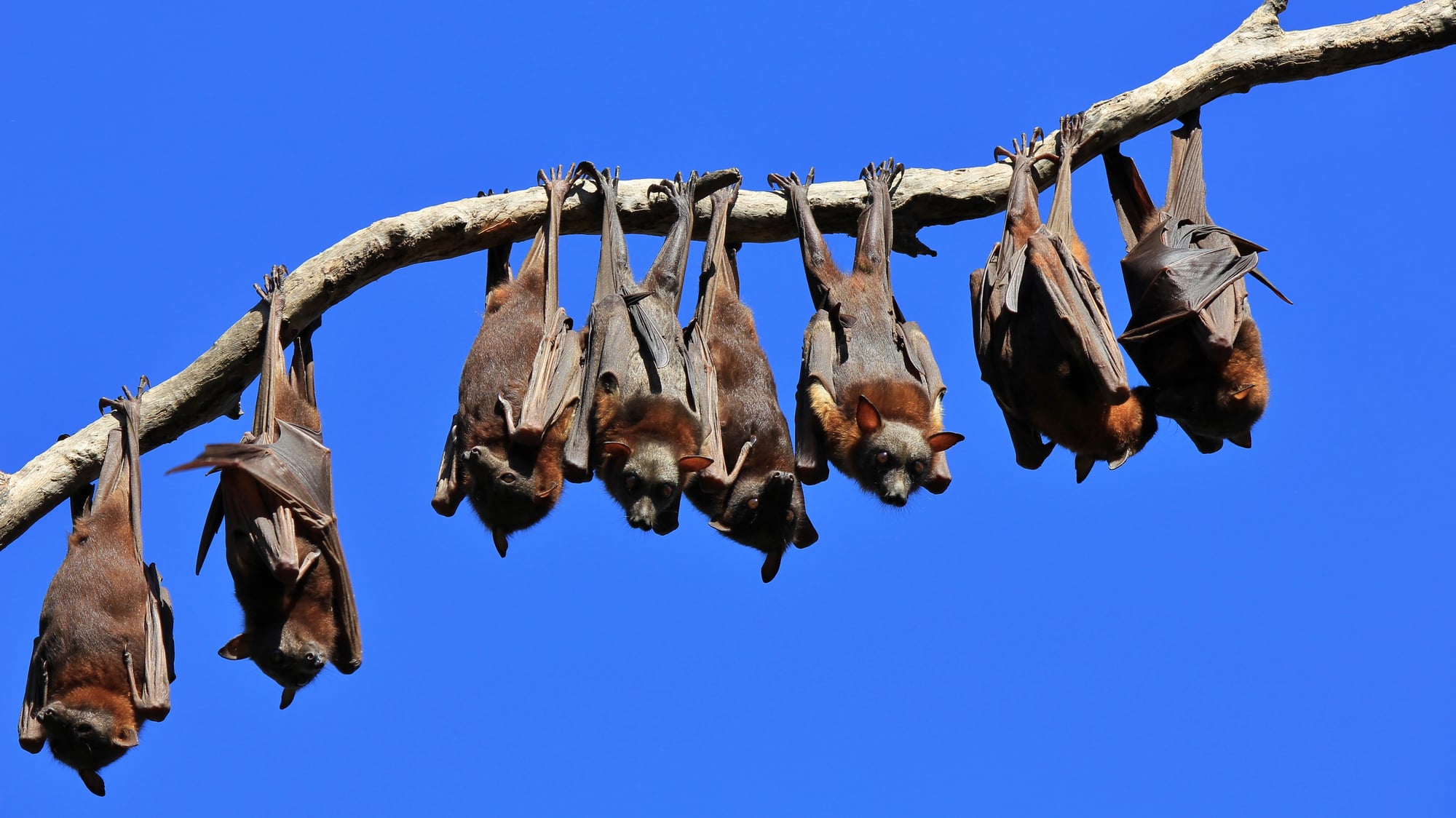
During World War II, American scientists actually tried turning bats into flying firebombs. Tiny incendiary devices were strapped to bats, which would then be released over Japanese cities where they’d roost in wooden structures and start fires.
Called Project X-Ray, the plan actually worked in controlled tests. It was ultimately abandoned when more powerful bombs made the strange idea unnecessary.
Soviet Anti-Tank Dogs
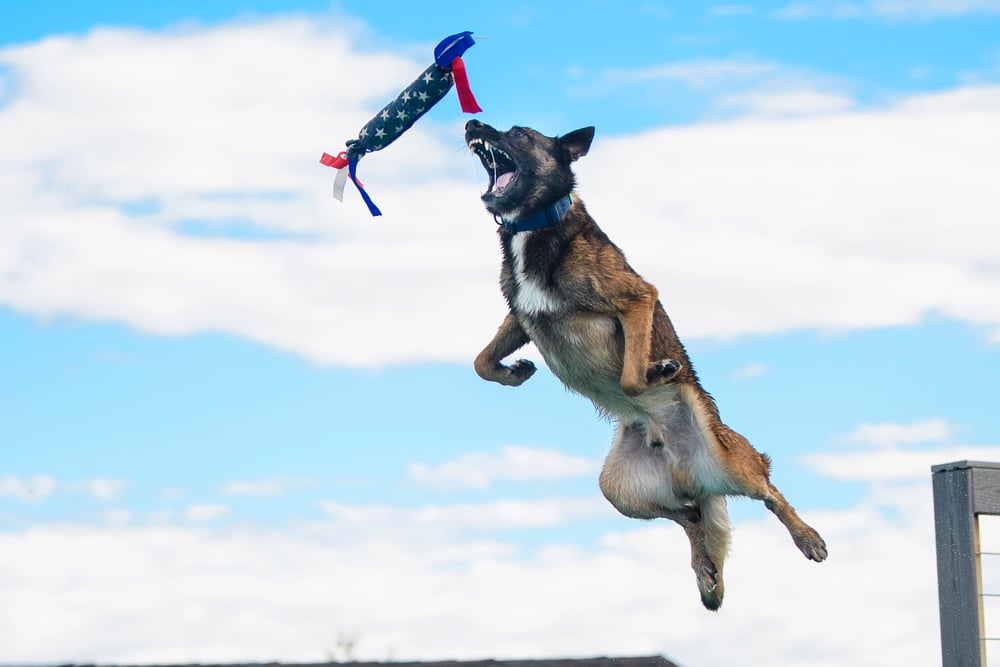
Soviet forces in World War II trained dogs to run under German tanks with explosives strapped to their bodies. They taught the dogs to find food under tanks so the animals would naturally run toward armored vehicles in battle.
Unfortunately, the dogs couldn’t tell friendly tanks from enemy ones and often ran back toward Soviet lines. The chaos made the tactic less effective than hoped and tragically cost many canine lives.
Ancient Greek Fire Pigs
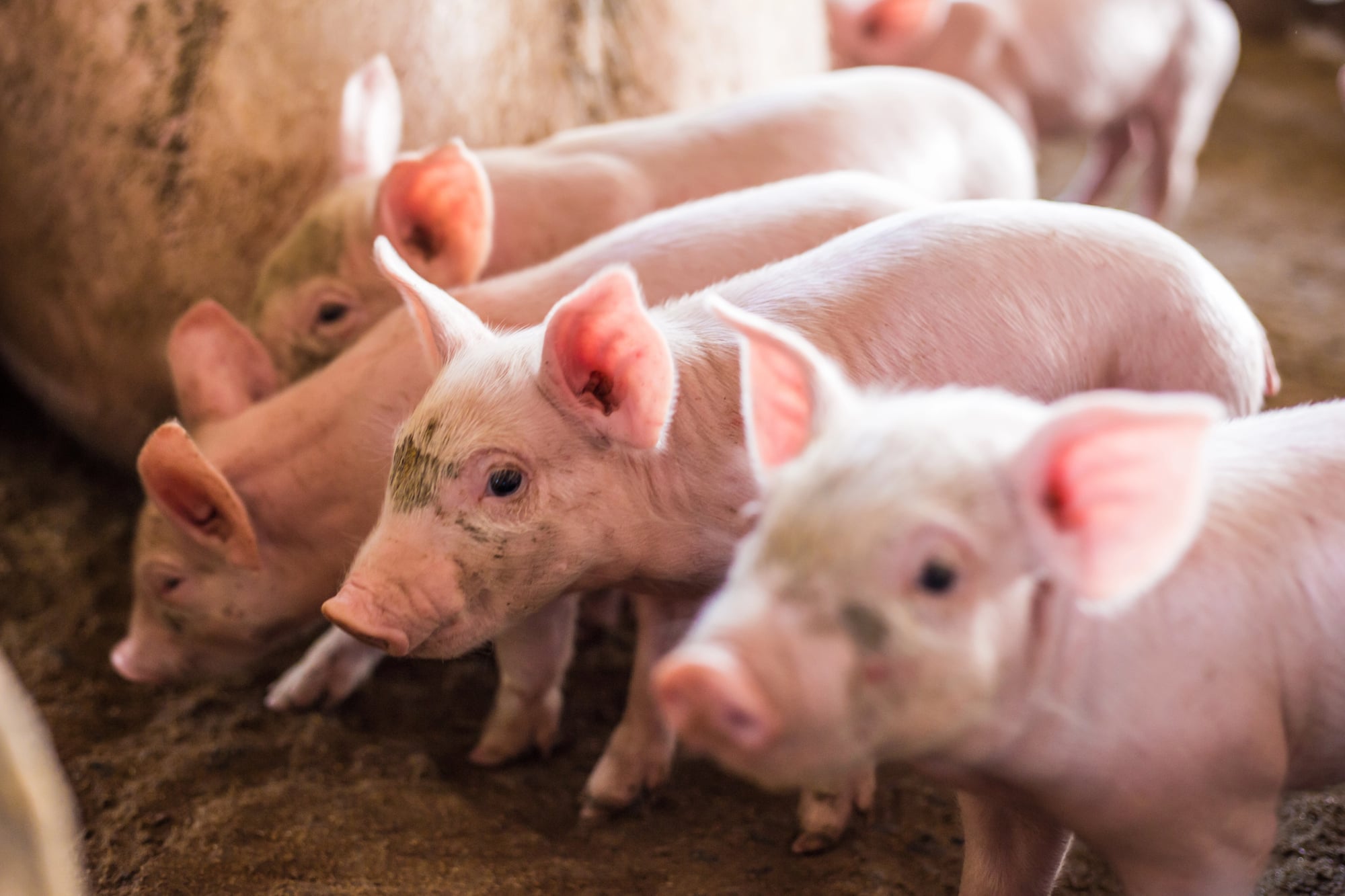
Ancient Greeks discovered that war elephants were terrified of squealing pigs. They took advantage of this by covering pigs in flammable oil, setting them on fire, and sending them toward enemy elephant units.
The sight and sound of burning, screaming pigs would send the elephants into panic—causing them to rampage through their own troops. It was a brutal but effective psychological weapon.
Navy Dolphins for Harbor Defense
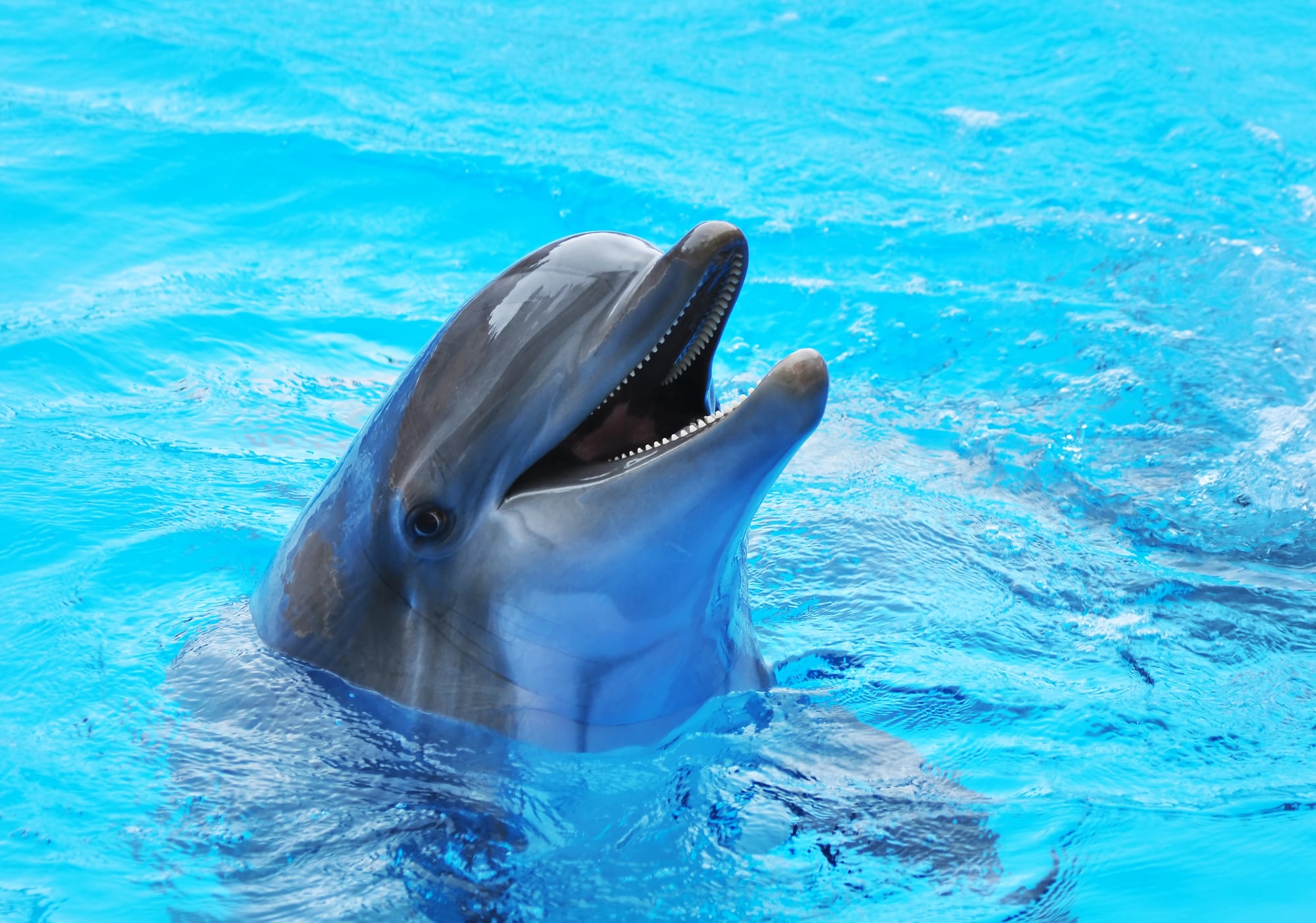
The U.S. Navy began using dolphins in the 1960s to detect underwater mines and enemy divers. Dolphins have natural sonar abilities that outperform most human technology in underwater detection.
They’ve served in conflicts like Vietnam and the Persian Gulf, protecting harbors and ships from underwater threats. Even today, their skills remain valuable in modern naval operations.
Messenger Pigeons in World War I
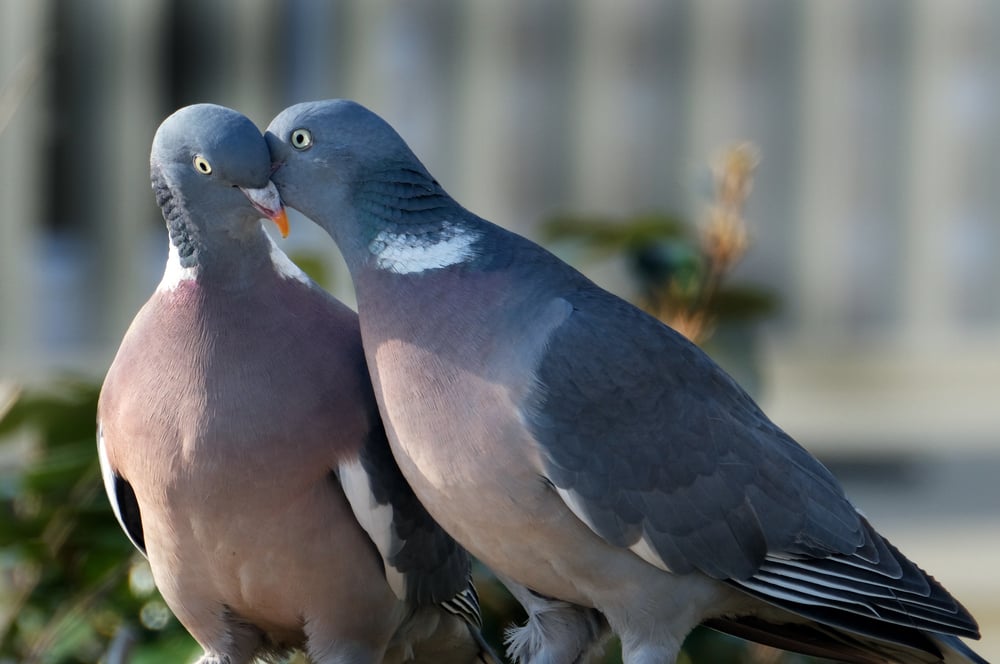
Over 100,000 pigeons were used during World War I to carry messages across battlefields. When radio lines were cut or unreliable, these birds delivered crucial information through artillery fire and poison gas.
One famous pigeon named Cher Ami saved an entire battalion by delivering a message despite being shot and losing a leg. Pigeons became unsung heroes of military communication.
Camel Cavalry of Lawrence of Arabia
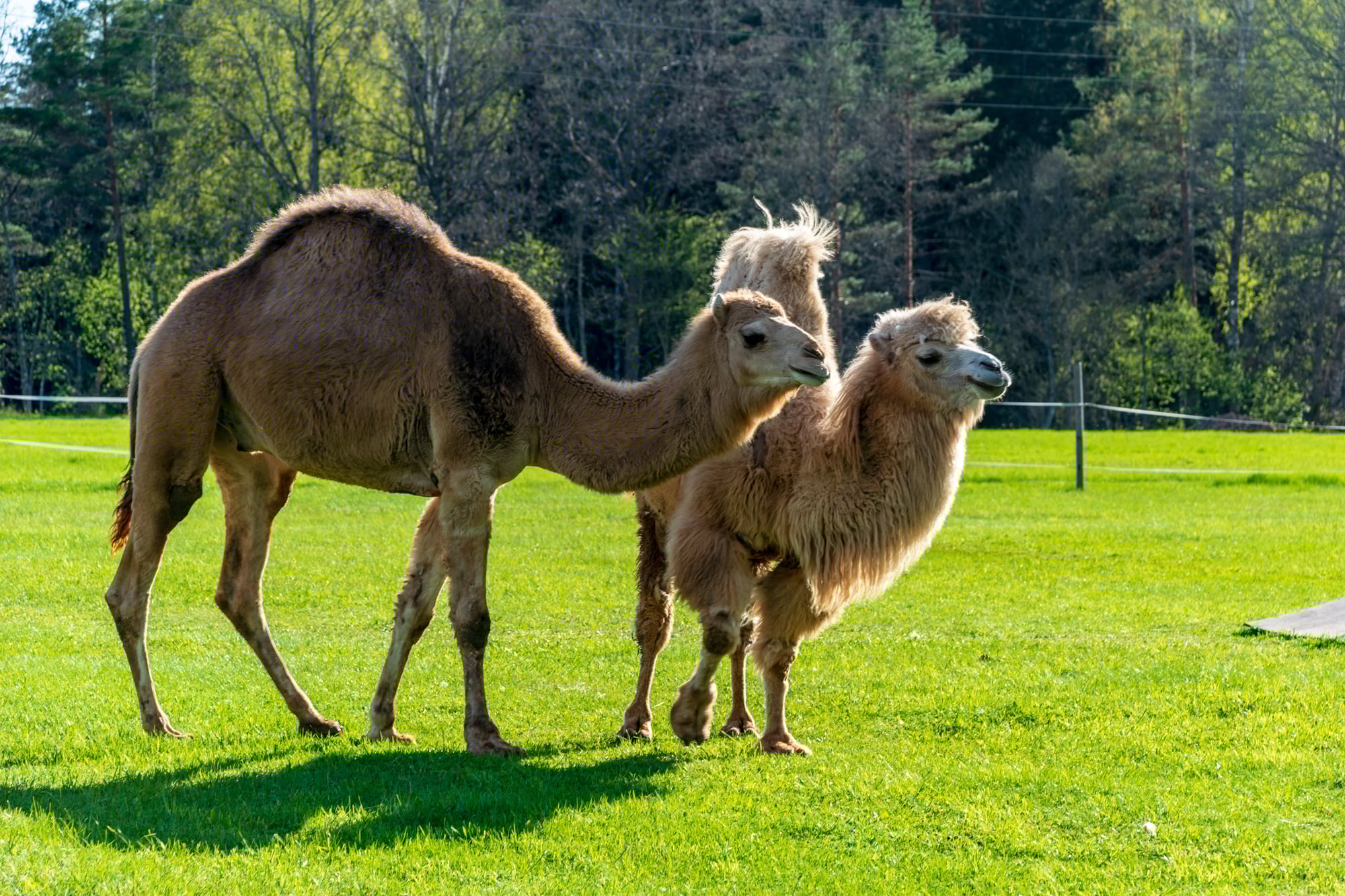
T.E. Lawrence and his Arab allies used camels during World War I for raids against Turkish forces. Camels could travel long distances across the desert without water and move quietly over sand.
Their ability to carry fighters across harsh terrain allowed for surprise attacks and quick escapes. These camel raids crippled enemy supply lines and showcased the tactical advantage of desert-adapted animals.
Roman War Dogs
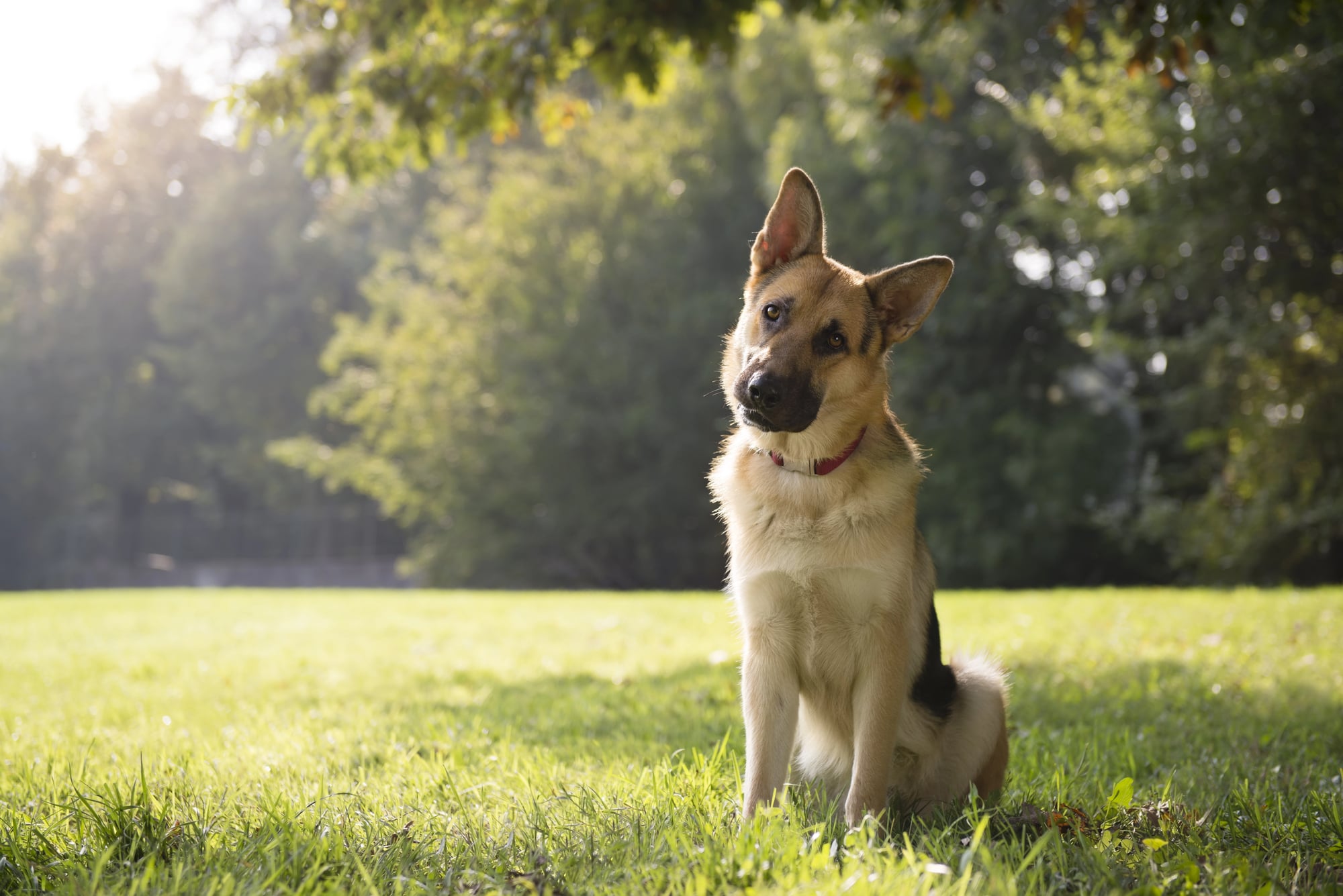
The Roman legions trained large, aggressive dogs to fight beside their soldiers. These war dogs wore spiked collars and were released in packs to disrupt enemy formations before the main Roman attack.
They were especially effective against lightly armored troops who panicked easily. Roman war dogs served as both weapons and psychological tools on the battlefield.
Chinese Monkey Bombers
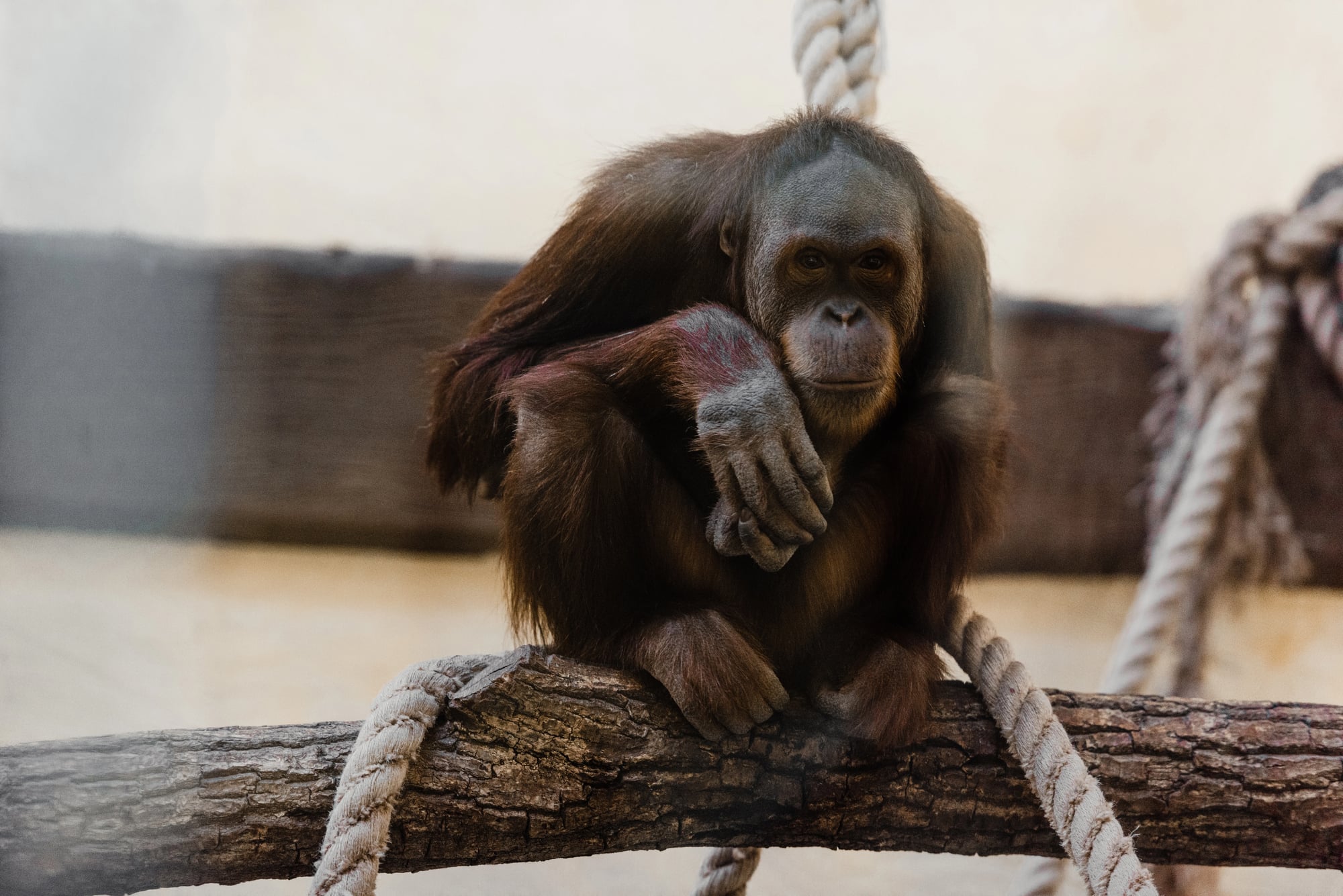
During the Song Dynasty, Chinese commanders reportedly strapped flammable materials to monkeys and released them into enemy camps. The panicked animals would dart around, spreading fire everywhere.
Though it sounds unbelievable, historical records suggest this fiery tactic may have actually been used. The chaos caused by burning monkeys created confusion before attacks.
WWII Mine-Detecting Rats
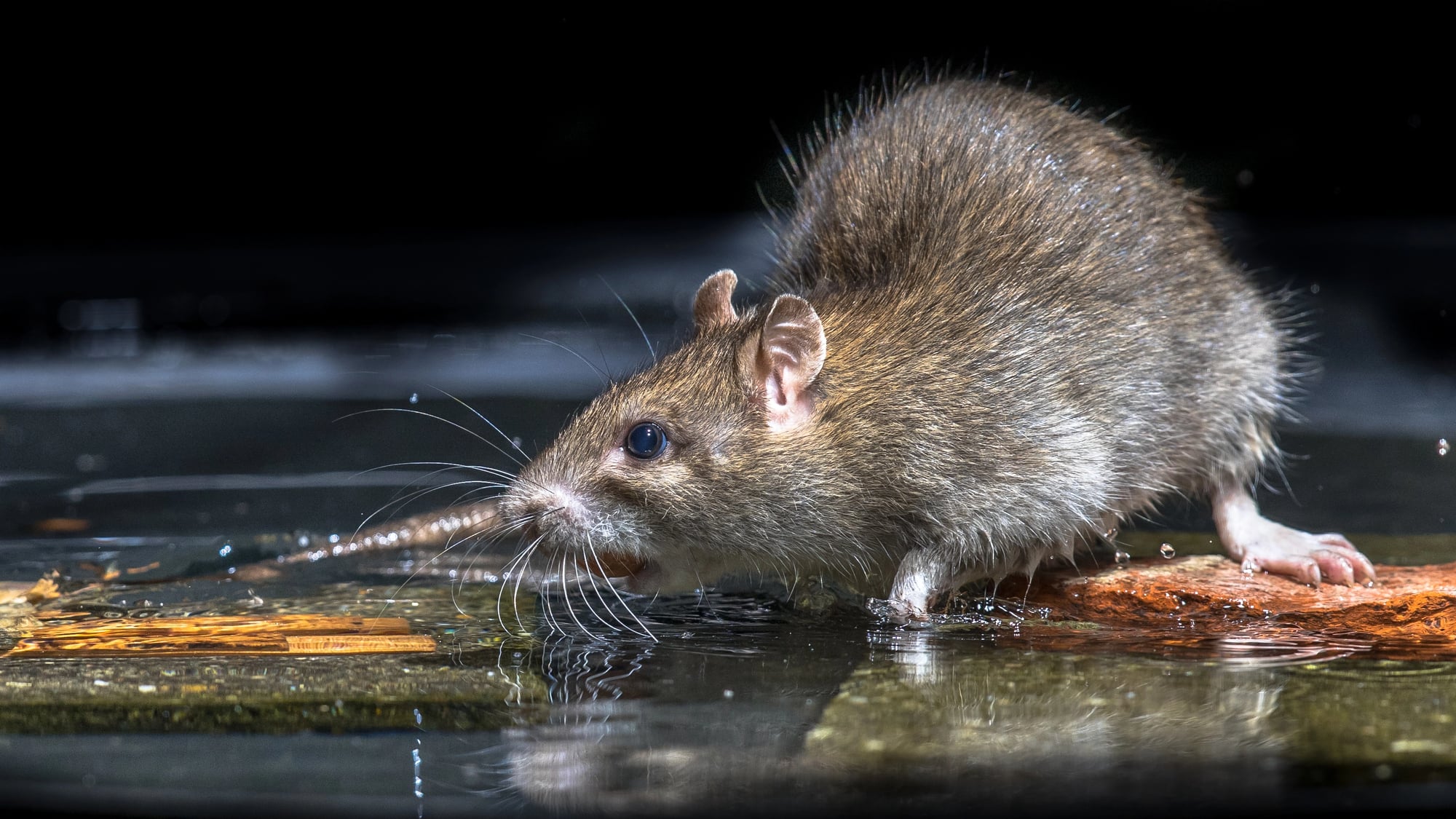
British forces attempted to train rats to sniff out landmines, hoping their light weight would prevent explosions. Rats have a strong sense of smell and were seen as useful for finding hidden explosives.
In practice, controlling the rats on chaotic battlefields proved difficult. While the idea was clever, it never became reliable enough for widespread use.
Mongolian Horse Archers
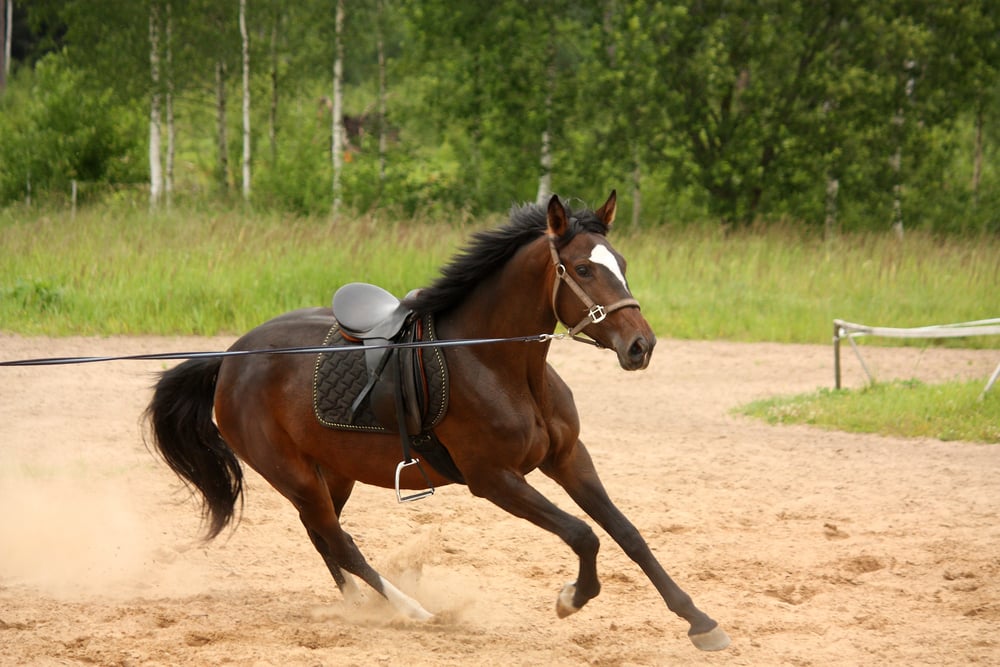
Mongol warriors are legendary for their ability to shoot arrows accurately while riding at full gallop. Their horses were trained to stay steady even at high speeds so the riders could fire without stopping.
Each warrior had several horses, allowing them to fight and move faster than any rival army. Their mobility and precision made them nearly unbeatable
Vietnam War Tracker Dogs
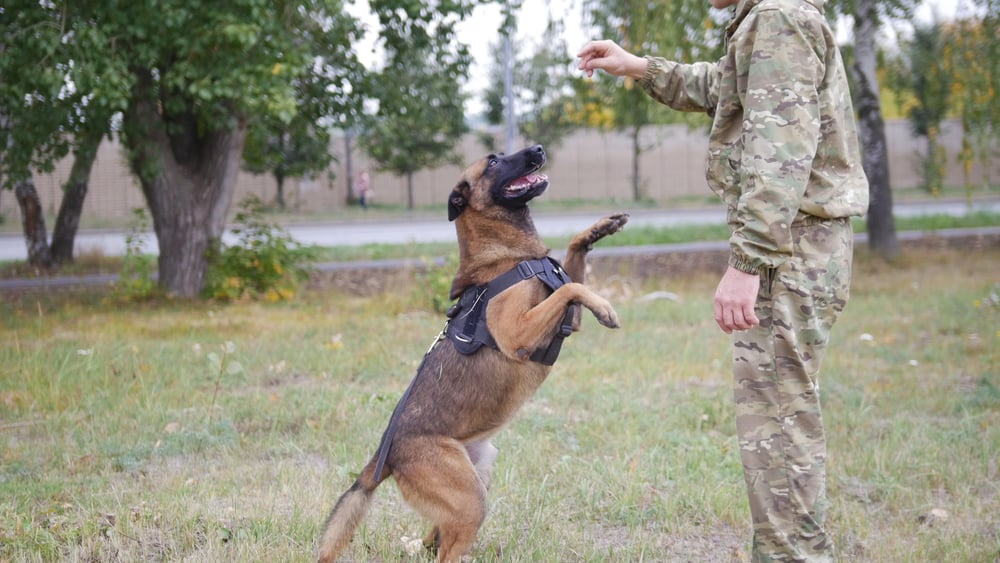
U.S. troops in Vietnam relied on dogs to detect hidden traps, weapons, and enemy soldiers. German Shepherds and similar breeds used their sense of smell to find dangers invisible to humans.
These dogs saved countless lives by alerting soldiers to ambushes and booby traps. They became trusted partners in jungle warfare.
Ancient Persian Scythed Chariots
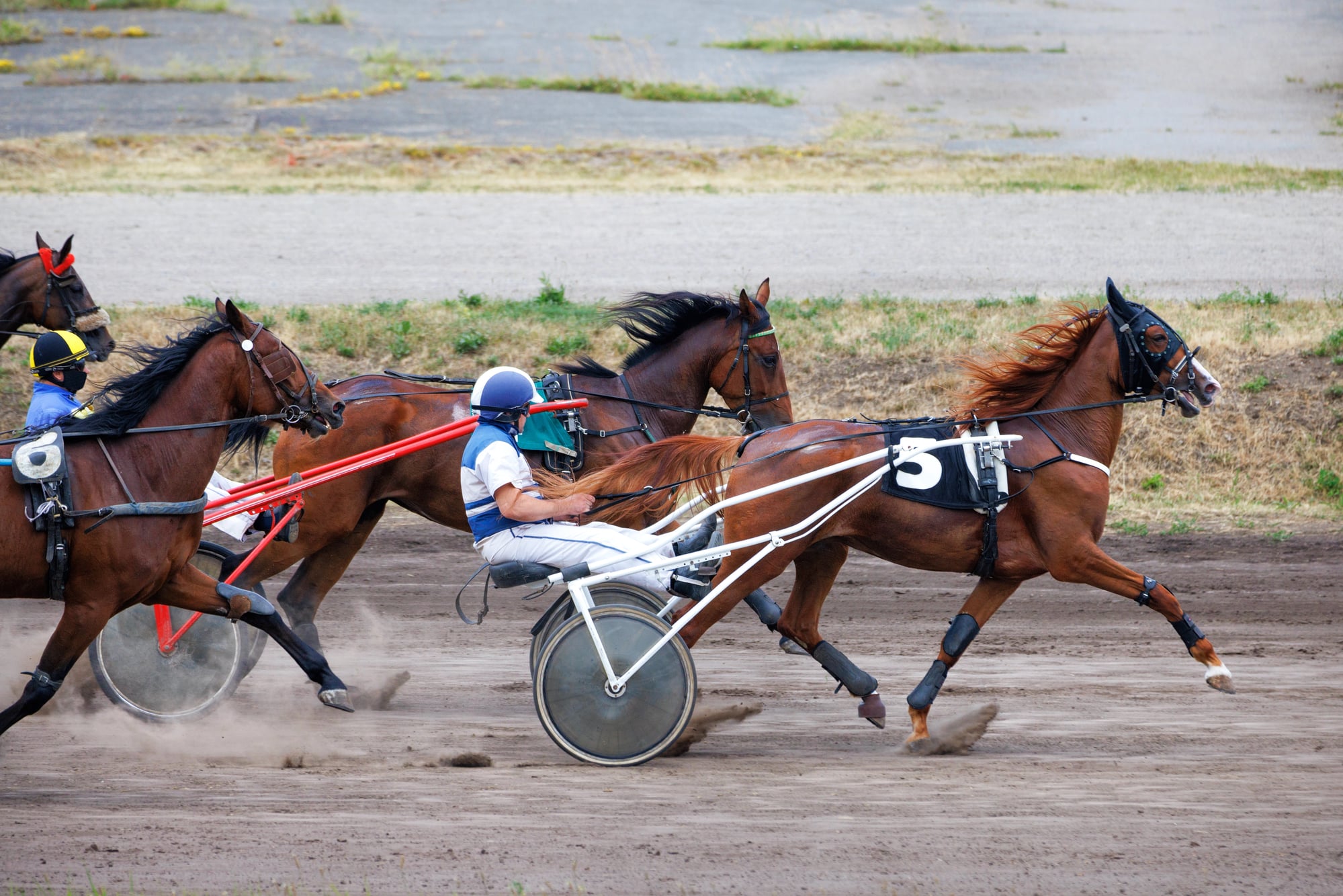
Persian armies attached spinning blades to the wheels of chariots to slice through enemy infantry lines. The idea was to create mobile machines of destruction that could break through defenses.
However, trained soldiers simply stepped aside to let the chariots pass harmlessly. The tactic looked terrifying but wasn’t very effective against disciplined armies.
World War I Carrier Pigeons with Cameras
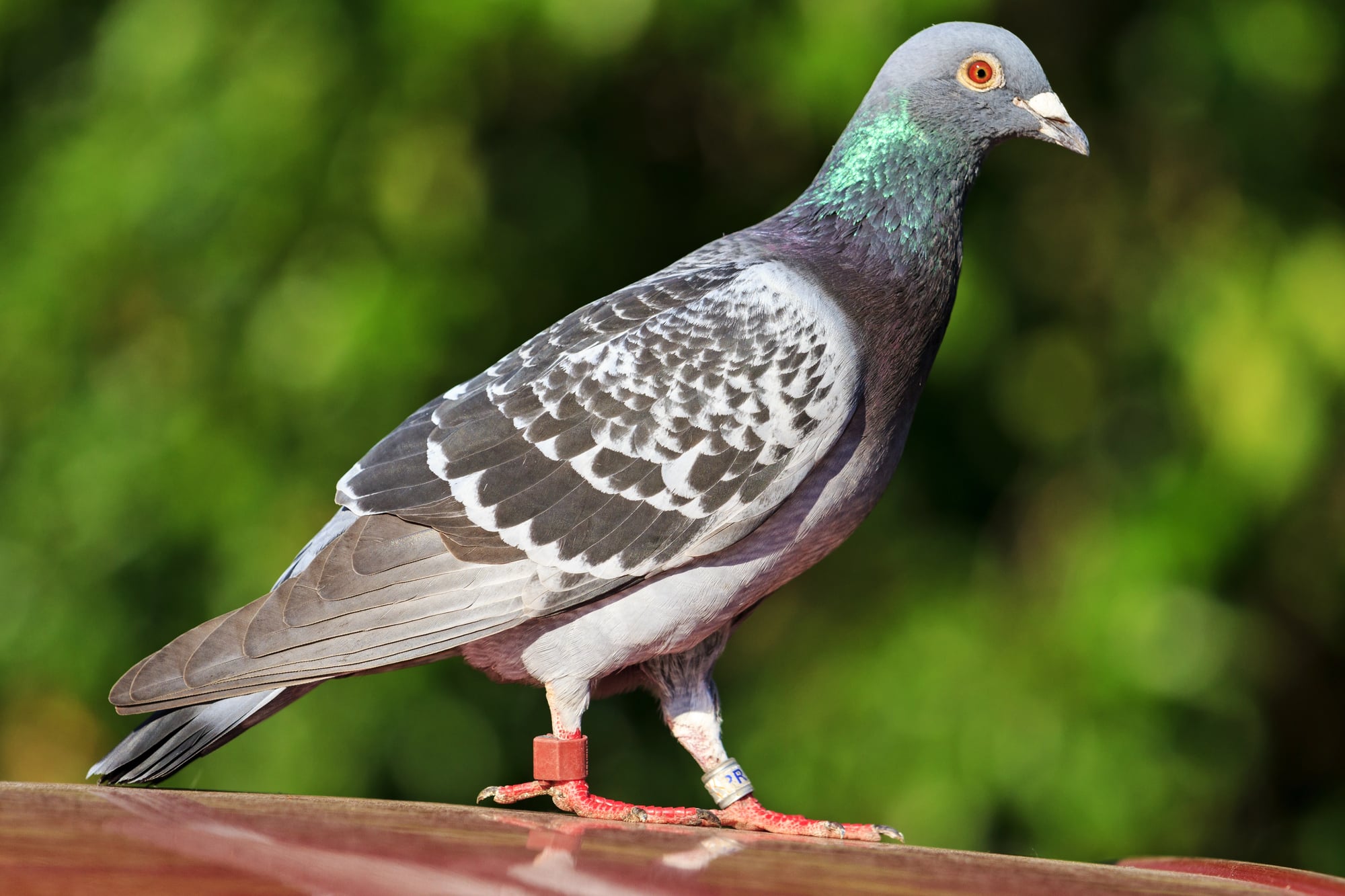
During World War I, German and French forces attached tiny cameras to pigeons for aerial reconnaissance. These pigeons took photos over enemy lines that were later developed and used for planning attacks.
It was an early form of drone photography—capturing valuable intelligence from angles humans couldn’t reach. The pigeon photos played a role in strategic decision-making.
Modern Military Working Dogs
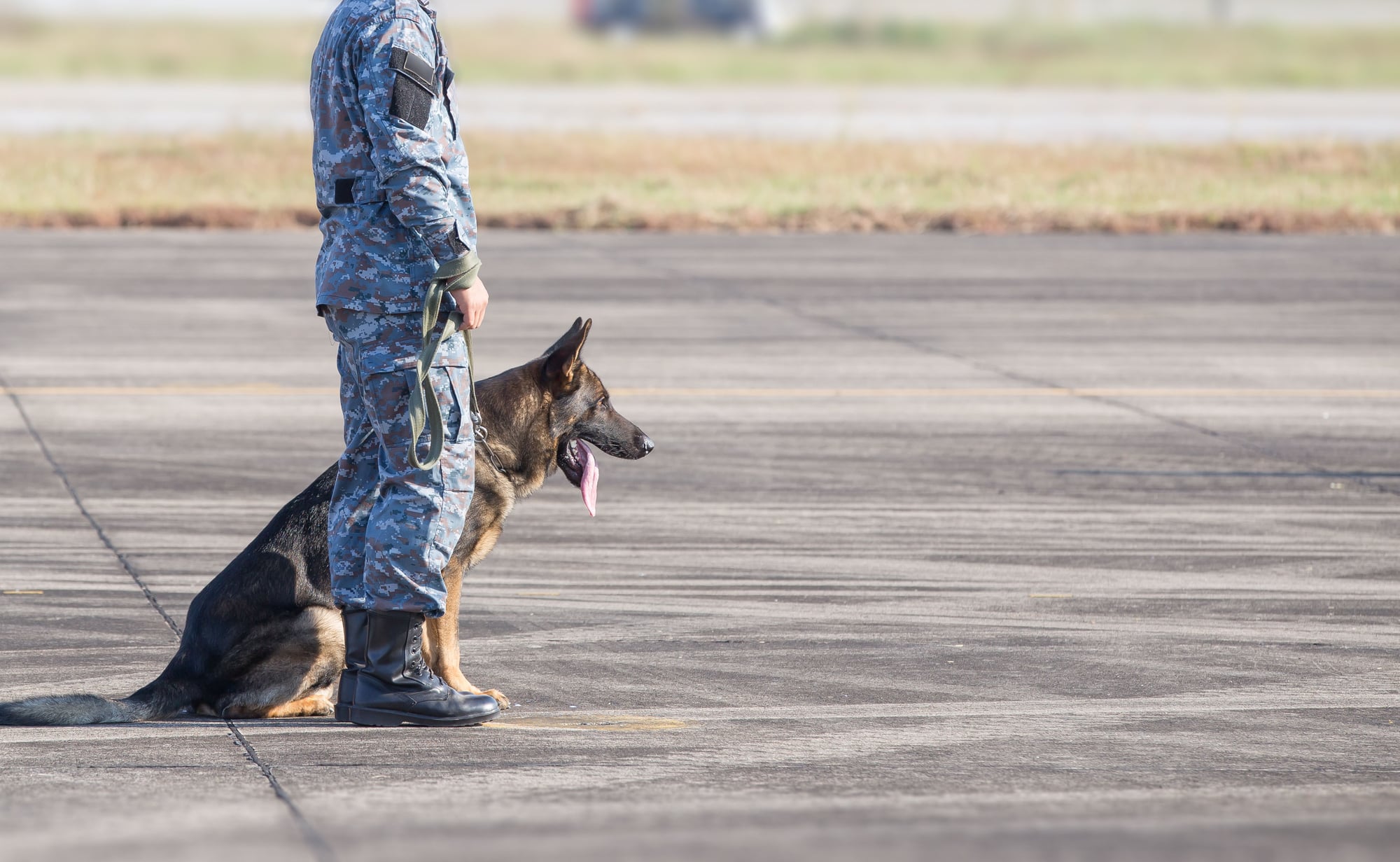
Today’s military dogs are highly trained specialists in detecting bombs, weapons, and even stress in soldiers. They often have official ranks, wear protective gear, and receive medals for their service.
Their abilities still surpass many machines, and they also provide emotional support for troops in combat zones. Some even have higher security clearance than human personnel.
When Desperation Breeds Innovation
These extraordinary examples show how far humans will go when survival is on the line. Even though many animal-based tactics have been replaced by modern technology, dogs and dolphins continue to serve effectively.
The bond between soldiers and their animal companions often went beyond mere utility, becoming something deeply emotional. History proves that in extreme circumstances, humans will use any resource available—even flaming pigs or bomber bats—to gain an edge in war.
More from Go2Tutors!

- The Romanov Crown Jewels and Their Tragic Fate
- 13 Historical Mysteries That Science Still Can’t Solve
- Famous Hoaxes That Fooled the World for Years
- 15 Child Stars with Tragic Adult Lives
- 16 Famous Jewelry Pieces in History
Like Go2Tutors’s content? Follow us on MSN.



