Unexpected Facts About Ordinary Office Supplies
Every desk tells a story. The paper clips, pens, and sticky notes scattered across your workspace seem unremarkable — just tools you grab without thinking.
But a lot of what you use every day has a stranger history than you’d expect. Some were accidents. Some started arguments. Some nearly didn’t exist at all.
The Paper Clip Almost Had a Different Shape
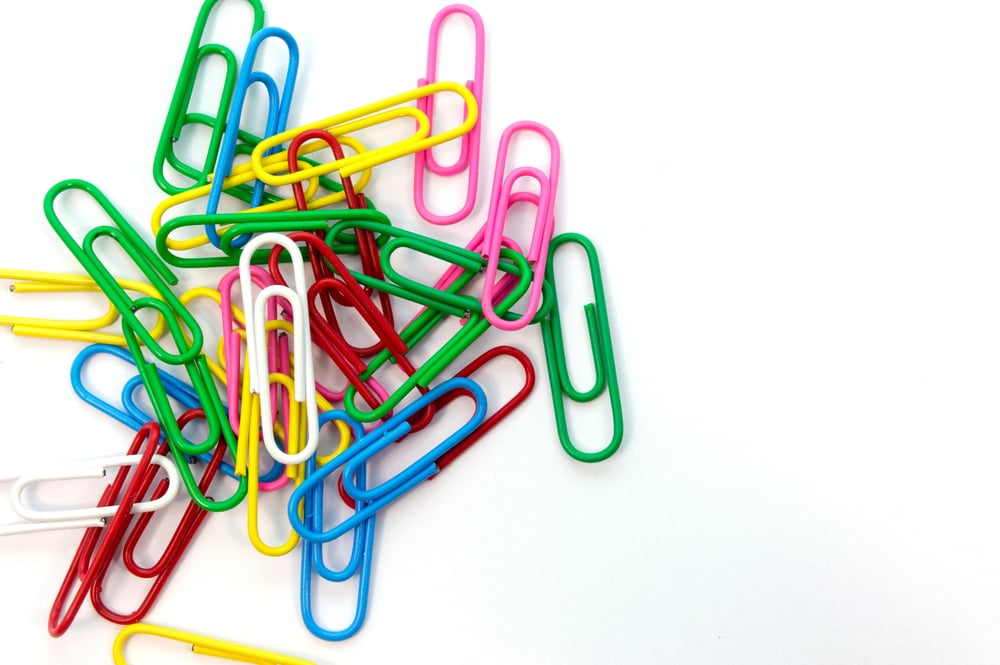
The paper clip you know — that smooth, looped wire — wasn’t the first design. Early versions looked nothing like it.
A Norwegian inventor named Johan Vaaler patented a clip in 1899, but his design had no inner loop and didn’t work nearly as well. The now-standard Gem clip, named after the British company that popularized it, quietly took over without much fanfare. Vaaler’s version faded into obscurity.
During World War II, Norwegians wore paper clips on their lapels as a symbol of resistance against Nazi occupation. The item became a political statement.
Not bad for a bent wire.
Post-it Notes Were a Failed Adhesive
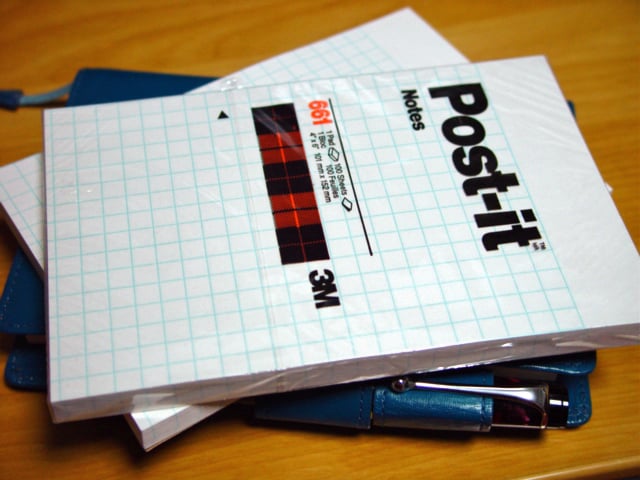
Spencer Silver, a chemist at 3M, spent years trying to create an incredibly strong adhesive. What he got instead was the opposite — a glue so weak it could be peeled off and reused without leaving residue.
He thought it was useless. For years, nobody at 3M knew what to do with it.
Then a colleague named Art Fry got frustrated with his bookmark falling out of his hymn book during choir practice. He remembered Silver’s adhesive, coated some paper with it, and the Post-it Note was born.
A product that lived in a drawer for nearly a decade became one of the most recognizable office items in the world.
Correction Fluid Came From a Home Kitchen

Bette Nesmith Graham, a secretary in Dallas during the 1950s, was tired of making typing mistakes. So she brought a small bottle of white tempera paint to work and used a fine brush to cover her errors.
Her coworkers noticed and asked for their own bottles. She kept mixing batches in her kitchen, named it “Mistake Out,” and eventually rebranded it as Liquid Paper.
She built a company from scratch, sold it to Gillette in 1979 for nearly $48 million, and passed away just a few months later. Her son, by the way, was Michael Nesmith — one of the members of The Monkees.
Pencils Don’t Contain Lead

They never did. The core of a pencil is graphite mixed with clay, not lead.
The confusion dates back to 1565 when a large deposit of graphite was discovered in England. People at the time thought it was a form of lead and called it “black lead.”
The name stuck even after scientists figured out it was something completely different. So every time someone says “don’t put that pencil in your mouth, it has lead,” they’re repeating a 500-year-old misunderstanding.
The Stapler Has a Royal Connection

The first stapler was reportedly made for King Louis XV of France in the 18th century. Each staple was engraved with the royal seal.
It was a bespoke, one-of-a-kind item built for a monarch who apparently needed to fasten papers together with more style than most. Mass production of staplers didn’t happen until the late 1800s, and the modern desktop stapler became standard office equipment in the early 20th century.
From royal courts to cubicles — quite a journey.
Rubber Bands Are Older Than Most Office Furniture

Stephen Perry, a British inventor, patented the rubber band in 1845. That was before typewriters, before ballpoint pens, and long before anyone used the phrase “office supplies” as a category.
The rubber came from vulcanized rubber, a process Charles Goodyear had perfected only a few years earlier. Perry’s patent was simple: a ring of rubber useful for holding papers and other items together.
Over 175 years later, the design hasn’t changed at all.
The Ballpoint Pen Was a Wartime Invention
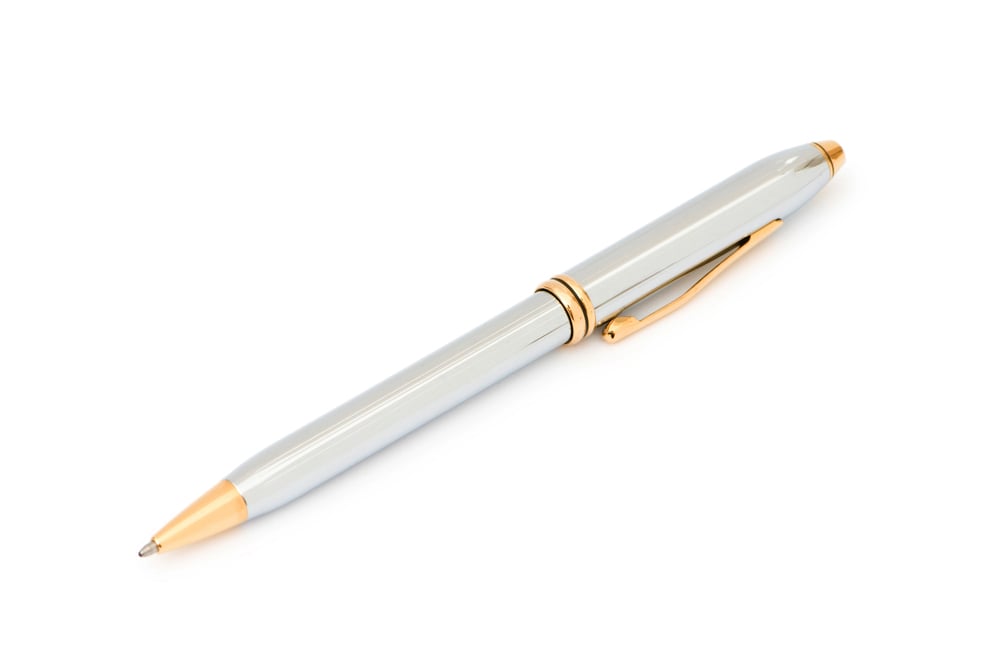
László Bíró, a Hungarian journalist, got frustrated with fountain pens smearing his notes. He noticed that the ink used in newspapers dried quickly and didn’t smear, so he and his brother — a chemist — worked on adapting that ink into a pen with a small rotating orb at the tip.
They filed a patent in 1938 and eventually sold the rights to a British firm during World War II. The Royal Air Force needed pens that wouldn’t leak at high altitudes.
The ballpoint pen became standard issue for British airmen. After the war, it spread everywhere.
Binder Clips Were Invented by a Patent Attorney

Louis Baltzley created the binder clip in 1915. He was a patent attorney trying to help his father, a writer, keep manuscript pages together without damaging them.
The design — two flat metal pieces joined by wire handles — clamps paper firmly and releases cleanly. It hasn’t changed significantly in over a century.
You’d think a patent attorney would have tried to protect the design more aggressively, but binder clips became so generic so quickly that the design is now public domain and manufactured by hundreds of companies.
Scissors Are Thousands of Years Old

Most people assume scissors are a relatively modern invention. They’re not.
Cross-blade scissors — the kind where two blades pivot at a central point — appeared in ancient Egypt around 1500 BC. Earlier versions were spring scissors, a single piece of metal bent into a U-shape with blades at each end.
Leonardo da Vinci is sometimes credited with inventing scissors, but that’s a myth. He may have refined a design, but the basic tool predates him by thousands of years.
The scissors on your desk have older roots than most of civilization’s institutions.
Scotch Tape Was Almost Sent Back as a Defect

When 3M introduced masking tape in the 1920s, the first batches only had adhesive on the edges of the tape, not the full surface — reportedly to save material costs. Auto painters complained it didn’t stick well enough.
A salesman reportedly told the engineers to take it back to their “Scotch bosses” and put adhesive on the whole strip. The name “Scotch” stuck as a nickname for the product, referencing the perceived stinginess.
Years later, when transparent cellophane tape launched, it carried the Scotch brand too. The name born from a complaint became one of the most recognizable brand identities in office supplies.
The Highlighter Was Developed for Students

Yellow marker magic began in sixty three when a scientist named Francis Dailey tinkered at Carter’s Ink. That first glowy tool carried the name HI-LITER, built just for learners flipping through textbook lines.
Its bright shade acted like invisible ink on copy machines – showed up clean, stayed readable. Light reflected off the dye in a way that mimicked blank paper under camera eyes.
Yellow took hold first, simply down to how useful it was up close. Over time others joined in – yet people still reach for yellow most, since routine runs deep just like the mark left on paper.
Envelopes Existed Before Postage Stamps
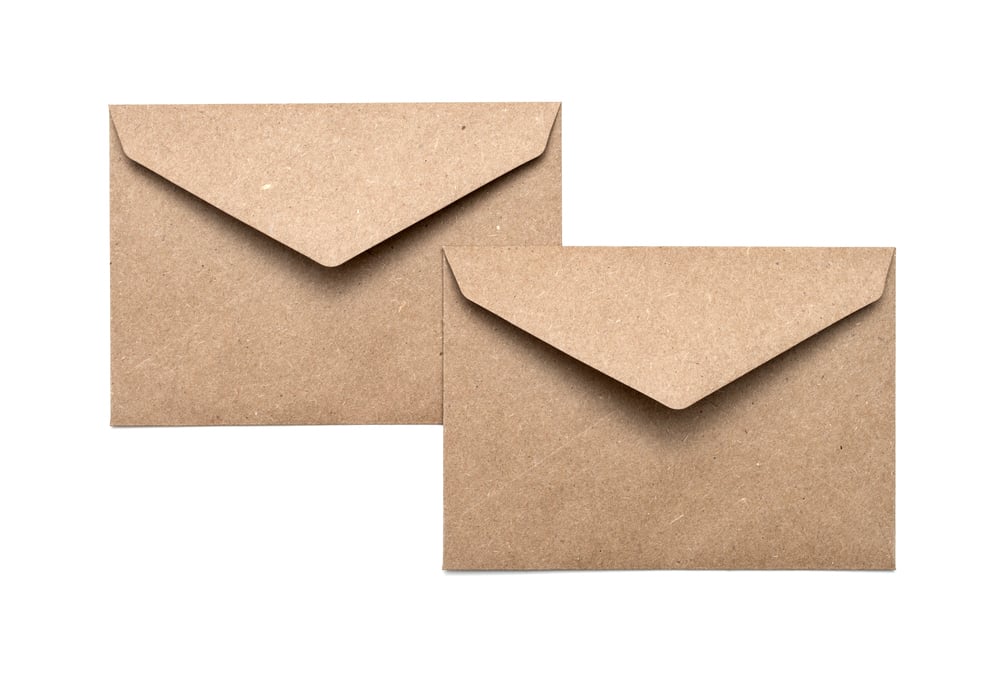
Long before sticky stamps showed up, folks tucked notes inside paper wraps fastened with hot wax. A version of today’s moist-to-seal envelope appeared when Edwin Hill and Warren De La Rue got their British patent in 1844.
Once available, post offices began using these glued pockets without delay. Earlier, messages traveled inside neatly creased sheets locked shut by melted sealant.
The idea of an outside wrapper for mail grew slowly, piece by piece, never arriving all at once.
Whiteboards Replaced Chalkboards

Few people miss the dusty smudge of chalk on hands and sleeves. Offices began swapping dark boards for brighter panels once marker ink stopped fading so fast.
A sneeze here, an itchy throat there – many welcomed fewer airborne specks. Shiny blank slates gave rooms a quieter visual weight.
By the nineties, the change felt less like choice, more like catching up. Still seeing chalkboards around, mostly in schools.
Whiteboards took over offices, though. Writing on chalk has a different kind of touch.
That feeling? Hard to match.
The Everyday Things That See Your Job

A quiet kind of comfort lives here. Inside your desk drawer, paperclips rest beside scribbled reminders, worn pens grouped close.
Each object holds stories deeper than expected. A person wrestled with confusion once. Mistakes were left behind in ink smudges.
An odd thought lingered too long – ignored by everyone for years. One day, those things just appeared on your desk, quiet and unremarkable like any everyday item.
When you grab a paper clip again, keep in mind – it carried weight once, across an entire nation.
More from Go2Tutors!

- The Romanov Crown Jewels and Their Tragic Fate
- 13 Historical Mysteries That Science Still Can’t Solve
- Famous Hoaxes That Fooled the World for Years
- 15 Child Stars with Tragic Adult Lives
- 16 Famous Jewelry Pieces in History
Like Go2Tutors’s content? Follow us on MSN.