Unusual Records from Nature’s Extremes
Nature doesn’t care about what seems reasonable or possible. It pushes life into places where nothing should survive, creates weather that defies belief, and produces phenomena that challenge everything scientists think they understand.
The natural world holds records that make human achievements look modest by comparison. These aren’t carefully controlled experiments in laboratories.
They’re the result of millions of years of adaptation, random chance, and the relentless testing ground of survival. Each record reveals something about the limits of what life and physics can accomplish on this planet.
The Hottest Temperature on Earth’s Surface
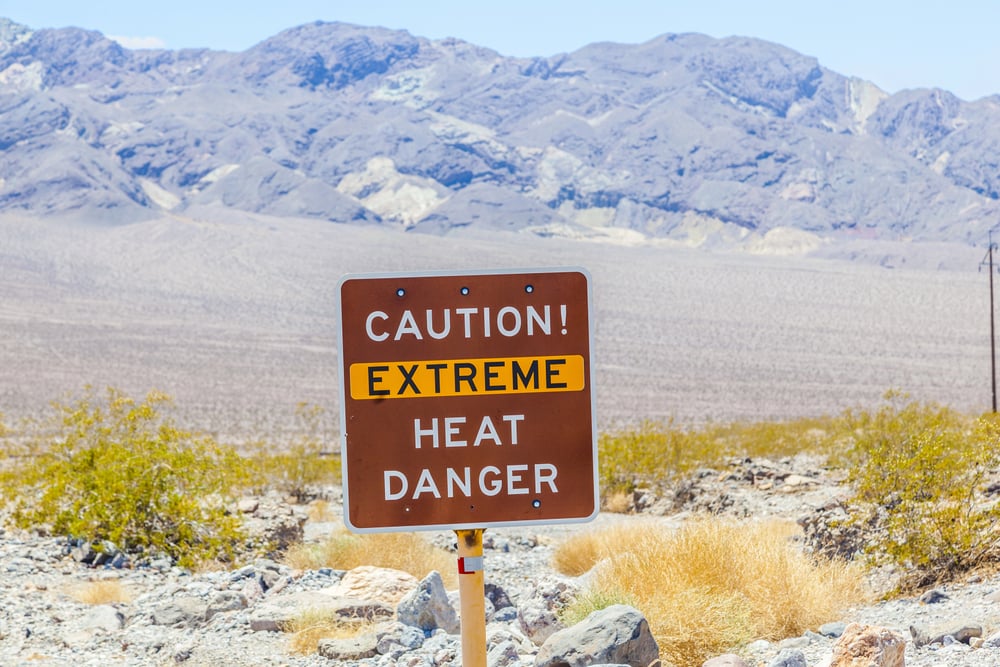
Death Valley holds the official record for the highest temperature ever reliably recorded on Earth—134 degrees Fahrenheit on July 10, 1913. That measurement has stood for over a century, though some scientists debate whether the reading was accurate given the equipment available at the time.
The valley floor sits 282 feet below sea level, trapped between mountain ranges that block cooling winds. Heat radiates off the rocks and sand, creating conditions where the ground temperature can reach 201 degrees Fahrenheit.
Animals that live there burrow underground during the day and only emerge at night when temperatures drop to merely unbearable levels. Even bacteria struggle at Death Valley’s extremes.
The few microorganisms that survive there have developed specialized proteins that prevent their cells from cooking. Plants grow only in scattered locations where underground water reaches the surface.
The Coldest Place Without Leaving the Planet
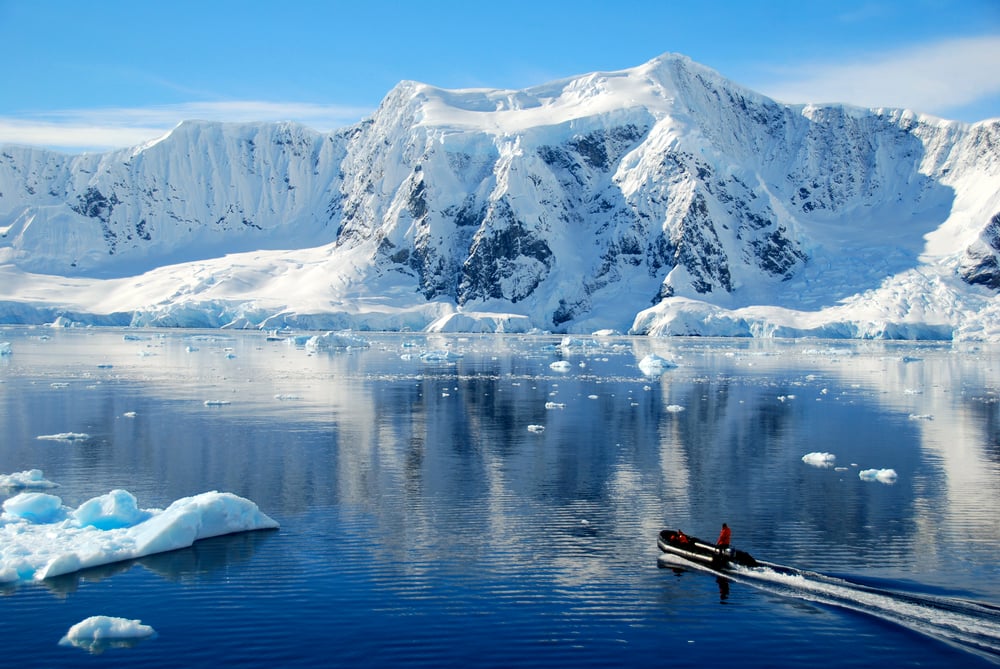
Antarctica recorded -128.6 degrees Fahrenheit on July 21, 1983, at the Soviet Vostok Station. At those temperatures, exposed skin freezes in seconds.
Breath crystallizes instantly. Metal becomes brittle enough to shatter.
The research station sits on an ice sheet more than two miles thick, at an elevation of 11,444 feet. The combination of altitude, isolation from ocean currents, and months of darkness during winter creates the coldest conditions found on Earth’s surface.
Scientists working at Vostok wear multiple layers of specialized clothing and limit outdoor exposure to minutes. Equipment fails regularly.
Fuel thickens and refuses to flow. The cold penetrates everything despite the precautions.
The Wettest Place Receives Unimaginable Rainfall

Mawsynram, India, receives an average of 467 inches of rain per year. That’s nearly 39 feet of water falling from the sky annually.
The village sits on the southern edge of the Khasi Hills, where monsoon winds from the Bay of Bengal collide with the mountains and dump their moisture. During peak monsoon season, rain falls almost continuously.
Residents have developed specialized living strategies—houses are built on stilts, and people wear full-body woven shields made from reeds that look like mobile huts. The constant moisture makes farming difficult, and the soil washes away faster than it can form.
The nearby town of Cherrapunji once held the rainfall record and still claims the single-year record of 1,042 inches that fell between August 1860 and July 1861. Despite all this rain, both locations face water shortages during the dry season because the rainfall runs off too quickly to replenish underground reserves.
The Driest Desert Has Barely Seen Rain

Parts of Chile’s Atacama Desert haven’t received measurable rainfall in recorded history. Some weather stations there have never registered precipitation during decades of monitoring.
The average rainfall for the region is 0.6 inches per year, but many areas receive essentially nothing. The desert sits between two mountain ranges that block moisture from both the Pacific Ocean and the Amazon Basin.
Cold ocean currents along the coast create stable air that prevents cloud formation. The combination produces one of the most hostile environments on Earth.
Soil samples from the Atacama contain almost no organic material. NASA uses the desert to test equipment designed for Mars because the conditions are so similar.
Yet even here, specialized bacteria survive in the soil, living off atmospheric moisture and chemical reactions in the rocks.
The Longest Lightning Flash Stretched Across Three States

A single lightning flash on April 29, 2020, stretched 477 miles across Texas, Louisiana, and Mississippi. The bolt lasted 17.1 seconds, breaking both distance and duration records.
Most lightning flashes measure a few miles and last less than a second. The megaflash occurred inside a massive storm system where electrical charges accumulated over a vast area.
The lightning traveled horizontally through the clouds rather than striking the ground, allowing it to persist and spread across exceptional distances. Scientists only recently developed satellites capable of detecting and measuring these enormous flashes.
The records keep getting broken as monitoring improves, suggesting that nature regularly produces lightning on scales that previously went unnoticed and unrecorded.
The Deepest Living Fish Survives Crushing Pressure

The Mariana snailfish lives at depths reaching 26,200 feet below the ocean surface in the Mariana Trench. At that depth, the pressure exceeds 16,000 pounds per square inch—equivalent to having 50 jumbo jets stacked on top of you.
The fish has translucent skin, no scales, and a body made mostly of water. Its bones are soft and flexible.
The structure prevents it from being crushed by the pressure, but it also means the fish would literally fall apart if brought to the surface too quickly. Scientists discovered these fish by dropping cameras into the trench.
The snailfish feed on tiny crustaceans and appear to be the deepest-living vertebrates on Earth. Below their range, pressure makes it physically impossible for fish as we know them to maintain cellular structure.
The Largest Living Organism Hides Underground
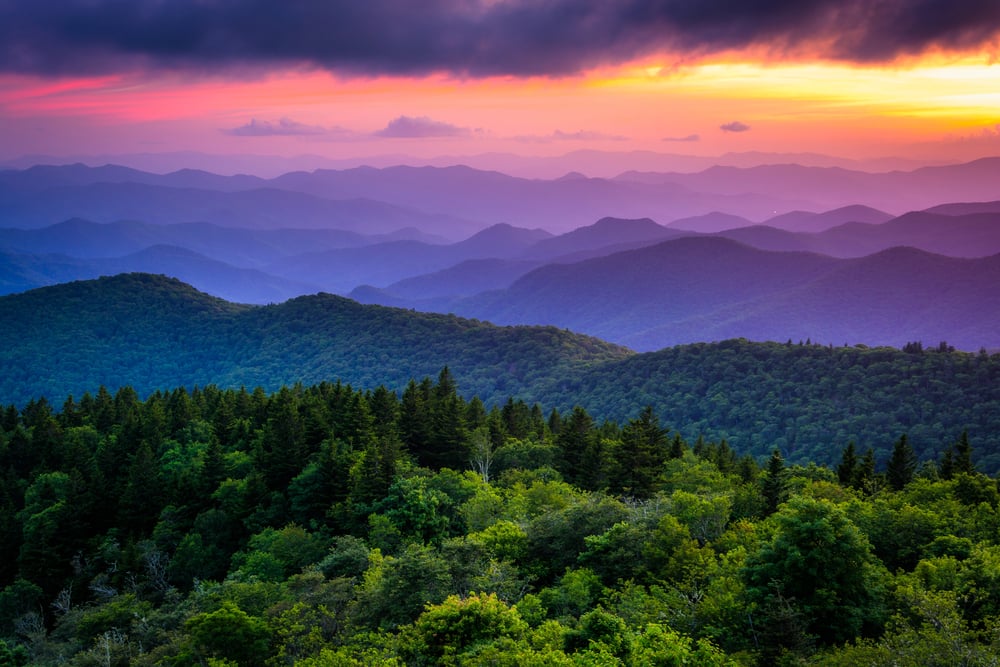
A fungus in Oregon’s Blue Mountains covers 2,385 acres and weighs an estimated 35,000 tons. The organism, called Armillaria ostoyae, spreads through underground networks of threadlike structures called mycelia.
Above ground, you see only mushrooms that occasionally pop up—the fungus itself lies hidden beneath the soil. Scientists determined it was a single organism by matching DNA samples from mushrooms spread across miles of forest.
The fungus is estimated to be between 2,400 and 8,650 years old, making it one of the oldest living things as well as the largest. The organism slowly kills trees by attacking their root systems.
It moves through the forest at a rate of about three feet per year, leaving dead trees in its wake. Forest managers consider it a serious problem, but there’s no practical way to remove something this large that exists mostly underground.
The Tallest Tree Reaches the Sky

A coastal redwood named Hyperion stands 380.3 feet tall in Northern California. That’s taller than the Statue of Liberty from ground to torch.
The tree was discovered in 2006 by naturalists using laser measurements to map the forest canopy. Scientists don’t publish Hyperion’s exact location to prevent damage from visitors.
Coast redwoods can live for 2,000 years and grow in the foggy coastal regions where moisture from the Pacific provides year-round humidity. The trees need that constant moisture to pump water from roots to crown—moving water 380 feet upward pushes the physical limits of what tree biology can achieve.
The tallest branches receive less water than lower sections because the trees struggle to overcome gravity at extreme heights. This creates a natural height limit for trees.
Hyperion may represent the practical maximum, though scientists keep searching for taller specimens.
The Fastest Winds Ever Measured

An F5 tornado near Moore, Oklahoma, on May 3, 1999, produced wind speeds of 302 miles per hour—the fastest winds ever measured near Earth’s surface. Mobile Doppler radar recorded the measurement about 100 feet above ground.
The actual winds may have been even stronger at ground level, but no equipment survived to record them. At those speeds, wind transforms into a weapon.
Debris becomes projectiles moving at the speed of race cars. Structures don’t just collapse—they disintegrate.
The pressure differences created by the tornado can cause buildings to explode outward. The 1999 tornado killed 36 people and injured 583 others despite advance warning.
It carved a path of total destruction through suburban neighborhoods, wiping some areas completely clean of any structures. Wind speeds in tornadoes remain difficult to measure because they destroy most instruments they encounter.
The Oldest Living Tree Has Seen Millennia
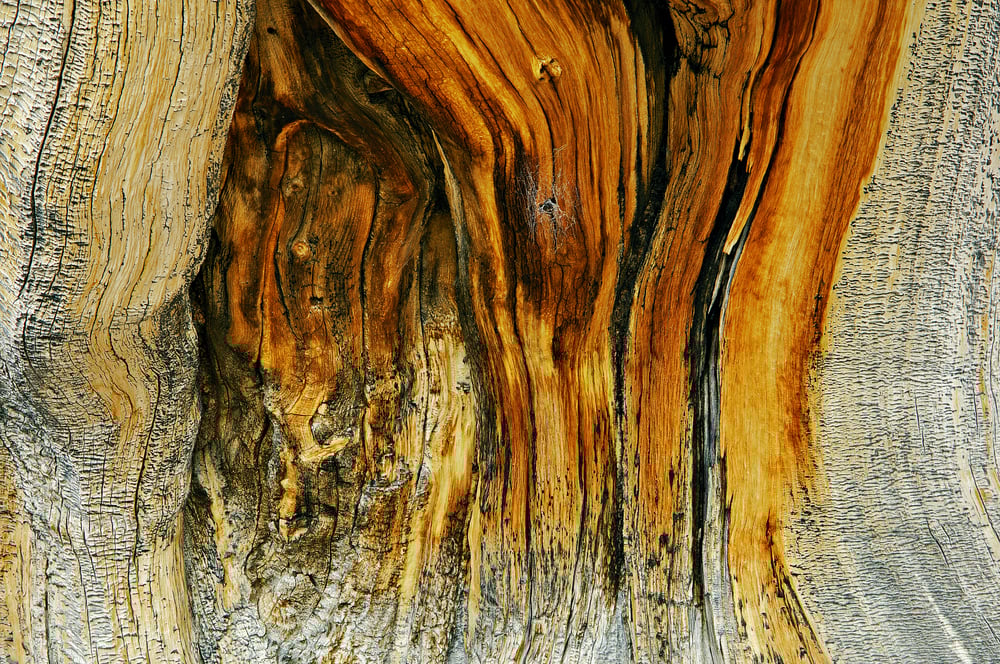
A bristlecone pine named Methuselah has lived for 4,853 years in California’s White Mountains. The tree germinated around 2833 BCE, before the pyramids were built, and has survived through the entire span of recorded human history.
Bristlecone pines grow at high elevations in harsh conditions where few other plants survive. The difficult environment actually helps them live longer—growth is so slow that the wood becomes incredibly dense and resistant to decay.
Dead sections of the tree can stand for thousands of years, while living tissue continues to function in small strips of bark. Scientists discovered an even older bristlecone pine in the same grove, estimated at 5,067 years old when it was cut down in 1964.
The exact location of Methuselah remains secret to protect it from vandalism and excessive visitation that could damage its root system.
The Heaviest Living Animal Weighs as Much as 2,000 People

Blue whales can weigh up to 200 tons—roughly equivalent to 33 elephants or 2,000 adult humans. Their hearts weigh 400 pounds and pump 60 gallons of blood with each beat.
The main blood vessels are wide enough that a human child could crawl through them. A blue whale’s tongue alone weighs as much as an elephant.
They consume up to 4 tons of krill daily during feeding season, using baleen plates to filter the tiny crustaceans from enormous mouthfuls of seawater. The whales can eat 40 million krill in a single day.
These massive animals nearly went extinct. Commercial whaling reduced the population from perhaps 350,000 to just a few thousand by the 1960s.
Legal protection has allowed numbers to recover to approximately 25,000, but they remain endangered. The blue whale represents the absolute limit of how large an animal can grow while still finding enough food to survive.
The Strongest Material in Nature

Spider silk can be stronger than steel of the same thickness. The dragline silk produced by golden orb weavers has a tensile strength of 1.3 gigapascals, while steel typically measures around 0.4 gigapascals.
The silk also stretches up to 30% before breaking, giving it remarkable toughness. Spiders produce different types of silk for different purposes—sticky silk for catching prey, strong dragline silk for the web’s framework, and soft silk for wrapping eggs.
Each type has unique properties optimized for its function. Scientists have tried for decades to manufacture artificial spider silk without success.
The proteins involved have complex structures that current technology can’t reliably reproduce. Spiders create this extraordinary material at room temperature using water-based chemistry, while industrial processes require heat, pressure, and harsh chemicals.
Nature’s engineering still surpasses human capabilities in this particular challenge.
The Largest Wave Ever Recorded
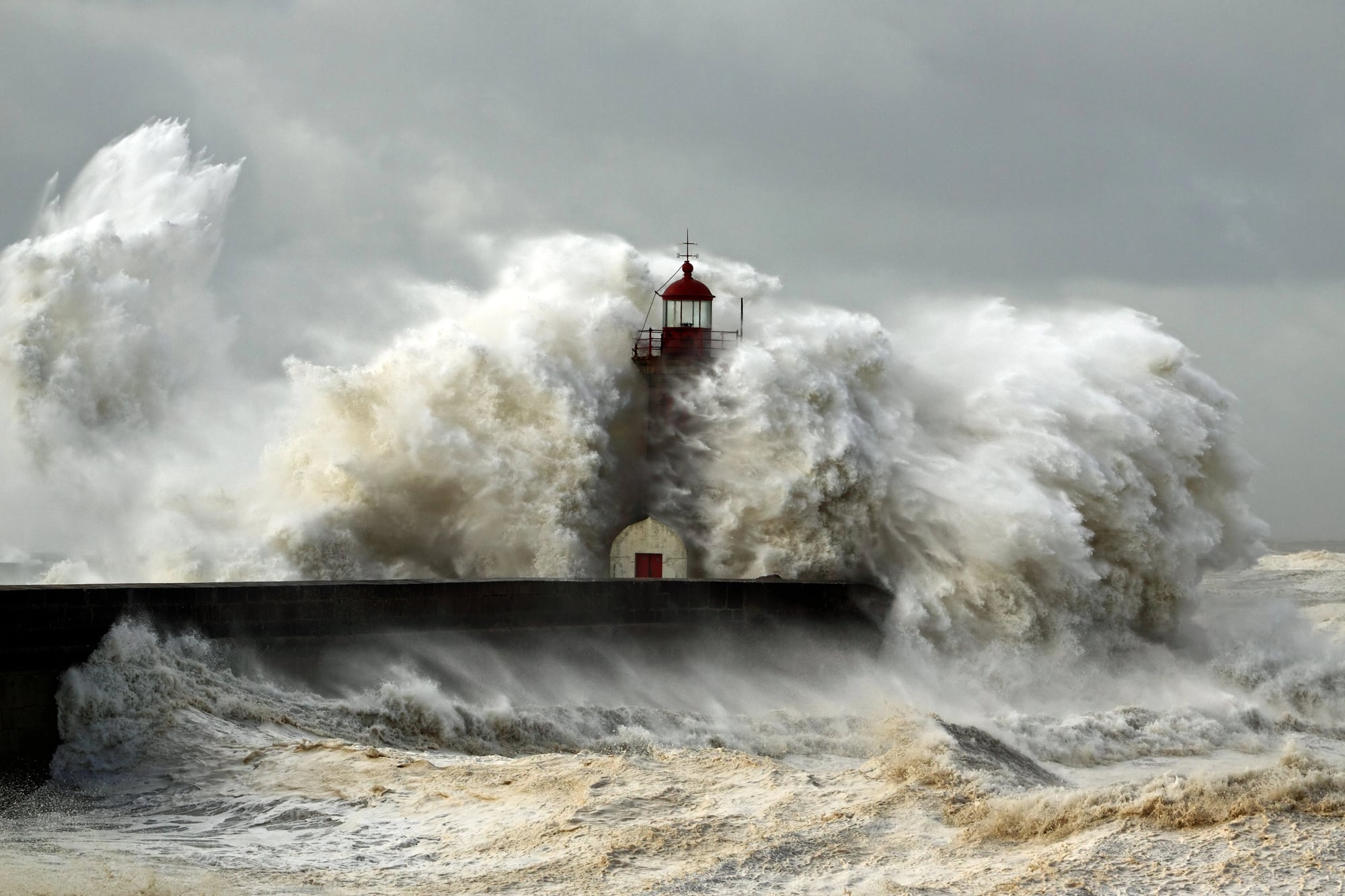
A wave measuring 1,720 feet high struck Lituya Bay, Alaska, on July 9, 1958. The wave wasn’t created by weather—a massive landslide dumped 40 million cubic yards of rock into the narrow bay, displacing an enormous volume of water that surged up the opposite slope and stripped trees from the hillside to a height higher than the Empire State Building is tall.
Three fishing boats were in the bay when it happened. One boat rode over the wave and survived.
A second boat sank with both crew members killed. The third boat’s anchor chain snapped, but the crew managed to navigate through the wave and escape.
The evidence of the wave remains visible today. The trimline where trees were stripped from the mountainside shows exactly how high the water reached.
Nothing grows in the impact zone even now, more than 60 years later. The event demonstrated how geological processes can create waves far larger than anything produced by storms or earthquakes alone.
The Loudest Sound Ever Recorded

The eruption of Krakatoa volcano on August 27, 1883, produced the loudest sound in recorded history. The explosion was heard clearly 3,000 miles away in Perth, Australia, and Rodrigues Island near Mauritius.
Sailors reported their eardrums ruptured at distances of 40 miles from the volcano. The sound wave circled the Earth four times, detected by barometers on every continent.
The pressure wave was so powerful it caused measurable fluctuations in air pressure for days afterward. The explosion shattered windows hundreds of miles away and created tsunamis up to 120 feet high.
Two-thirds of the island was destroyed. An estimated 36,000 people died, mostly from the tsunamis rather than the explosion itself.
The ash cloud reached 50 miles high and affected global weather patterns for years. Sunsets appeared abnormally red worldwide for months due to ash particles suspended in the upper atmosphere.
The eruption released energy equivalent to 200 megatons of TNT—about 13,000 times the power of the atomic bomb dropped on Hiroshima.
Where the Records Lead

Out near the edges, things get as far as Earth lets them go. Pushing up against walls built by molecules, forces, life itself – none plan it.
Records happen when circumstances line up just right, nothing more. Not every setup reaches that point, only a few cross into what’s barely real.
Some spots you might actually see. While certain ones stay far too dangerous or distant for a quick look.
Each one shows how normal limits work just fine – until things get unusual. Leave behind the usual spaces where most folks live, suddenly Earth does things that make every invention seem small.
Numbers break again since someone always searches – and somewhere out there, nature hides another surprise ready to show itself.
More from Go2Tutors!

- The Romanov Crown Jewels and Their Tragic Fate
- 13 Historical Mysteries That Science Still Can’t Solve
- Famous Hoaxes That Fooled the World for Years
- 15 Child Stars with Tragic Adult Lives
- 16 Famous Jewelry Pieces in History
Like Go2Tutors’s content? Follow us on MSN.