15 Toys That Became Pop Culture Icons
Certain toys go beyond their intended use to become cultural icons that shape whole generations. These are more than just objects that are displayed on store shelves; they are icons that, decades after their initial release, are featured in motion pictures, serve as the basis for innumerable memes, and start discussions. Some toys, whether they are high-tech devices or basic building blocks, have captured a unique aspect of the human experience and won’t let go.
The toys listed below did more than just amuse children; they revolutionized society. These 15 toys went from being basic playthings to becoming true pop culture icons.
LEGO
Since 1958, those vibrant Danish interlocking bricks have permeated every aspect of popular culture. When adults began building enormous sculptures, LEGO transcended childhood, and Hollywood transformed the brand into successful motion pictures.
Its limitless potential is what makes the company so brilliant; you can construct a basic home or recreate the Death Star with equal satisfaction. These days, walking barefoot on a LEGO brick has become so commonplace that it’s almost considered a rite of passage, inspiring innumerable memes and jokes on social media.
Barbie
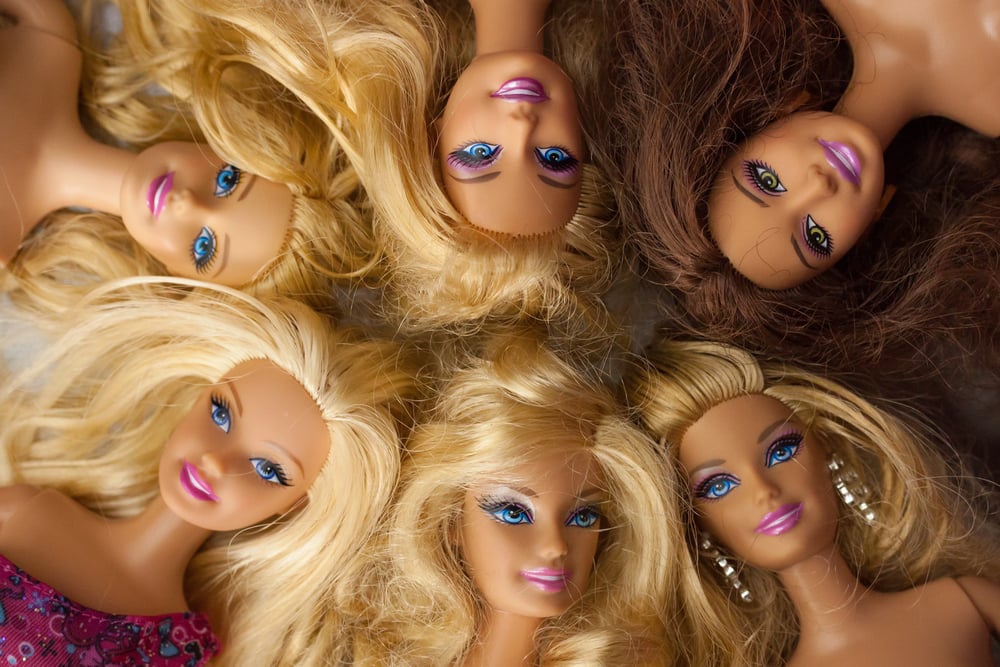
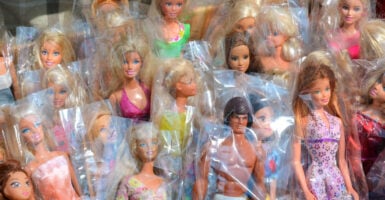
Mattel’s fashion doll didn’t just give kids something to play with — she gave them someone to aspire to be. Since 1959, Barbie has been everything from an astronaut to a president, showing generations of children they could be anything too.
She’s survived countless controversies about body image and beauty standards, yet she adapts to changing times while maintaining her status as a cultural touchstone. The phrase ‘Barbie girl’ became so iconic that it inspired hit songs, and her recent movie proved she still has the power to dominate conversations and box offices alike.
Rubik’s Cube
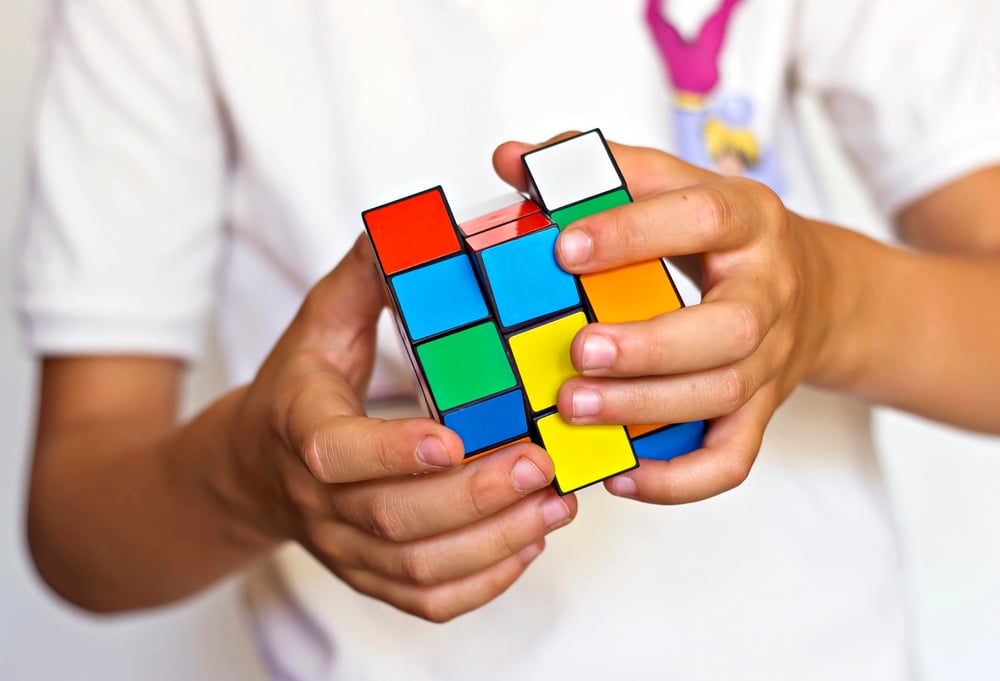
This deceptively simple puzzle from 1974 became the ultimate symbol of intellectual challenge and frustration rolled into one colorful package. The Rubik’s Cube spawned an entire subculture of speedcubers who can solve it in under 10 seconds — while the rest of us are still trying to get one side right.
It appears in movies as shorthand for genius, sits on desks as a conversation starter, and has sold over 450 million units worldwide. The cube proved that sometimes the most enduring toys are those that make us feel both incredibly smart and completely stumped.
Hot Wheels
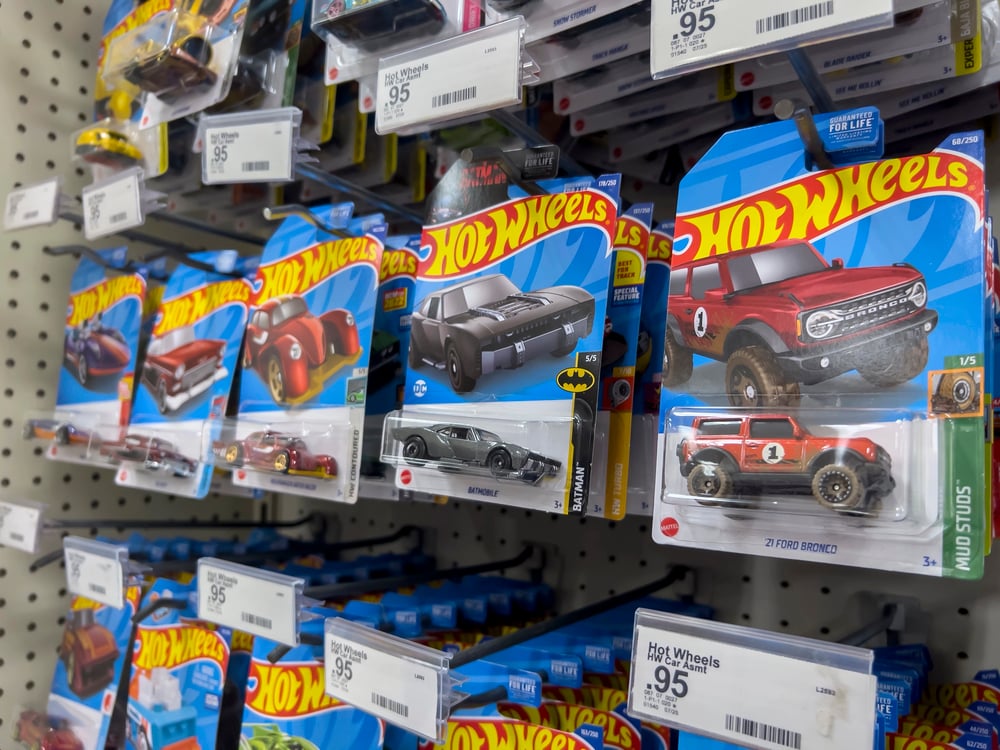
These tiny die-cast cars have been racing through imaginations since 1968. Their cultural impact extends far beyond childhood playrooms though.
Hot Wheels became serious collectibles — rare models selling for thousands of dollars while grown adults hunt through store displays like treasure seekers. The brand’s partnership with real automakers means these miniature vehicles often preview actual car designs, making them cultural artifacts of automotive history.
Transformers
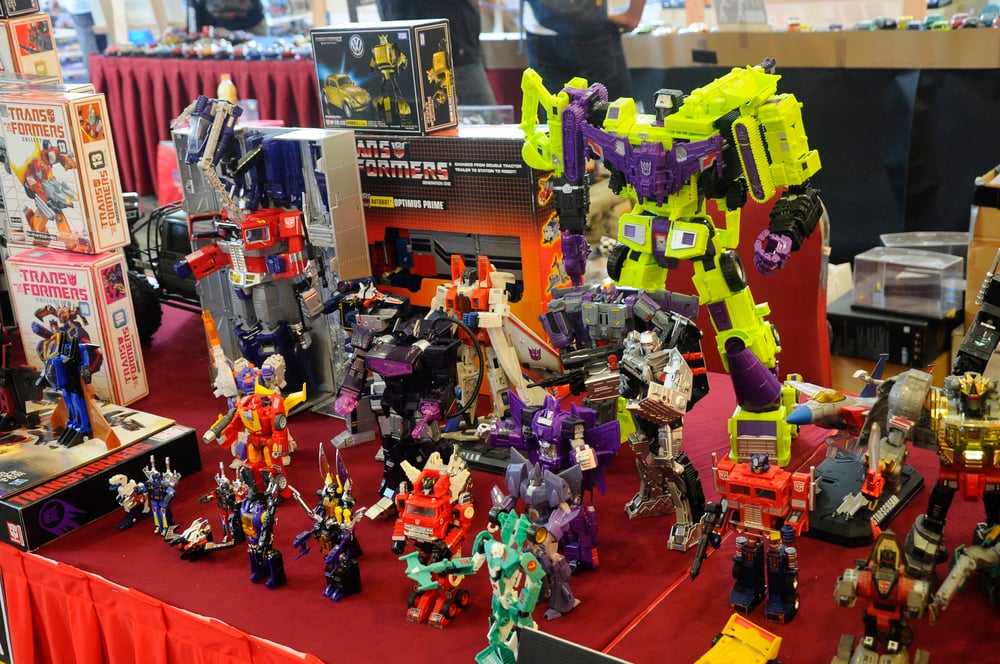
What started as Japanese robot toys became an American cultural phenomenon when Hasbro brought them stateside in 1984. The genius concept of ‘robots in disguise’ captured imaginations because it represented the ultimate dual identity — ordinary vehicles that could become powerful warriors.
The accompanying cartoon series and comic books created rich mythology. Multiple movie franchises proved that audiences never tire of watching cars turn into giant robots, though.
G.I. Joe
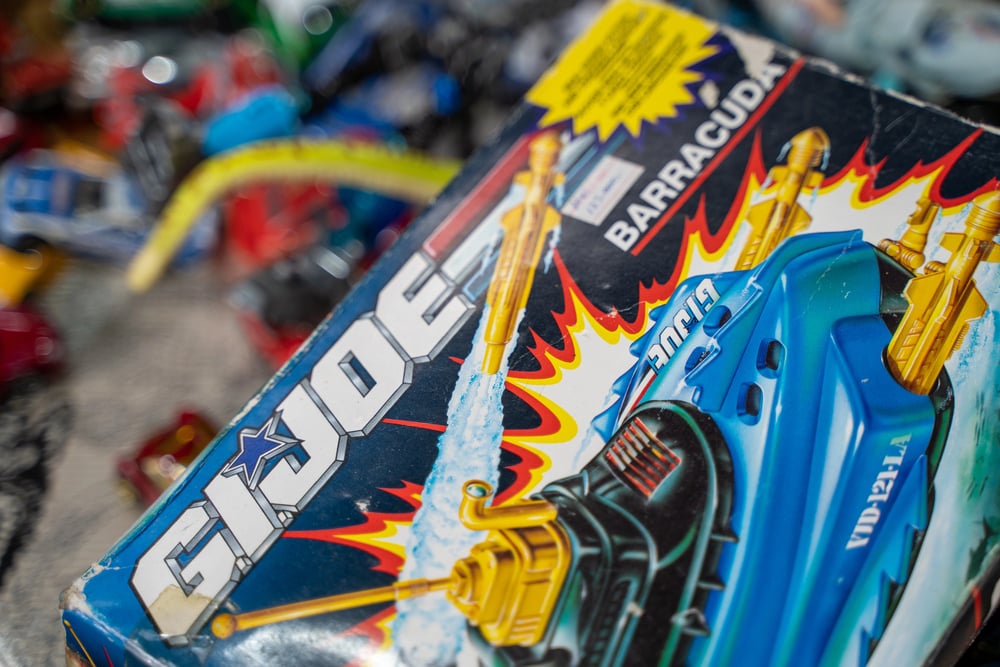
This ‘action figure’ (never call it a doll) revolutionized boys’ toys when it debuted in 1964 as the first poseable figure marketed specifically to boys. G.I. Joe’s realistic military gear and life-like features set the standard for countless action figures that followed.
The brand’s cultural staying power comes from its ability to evolve with the times — shifting from Vietnam-era soldier to anti-terrorist operative to cartoon superhero. The phrase ‘knowing is half the battle’ became embedded in American vernacular, proving that even toy commercials could deliver life lessons.
Slinky
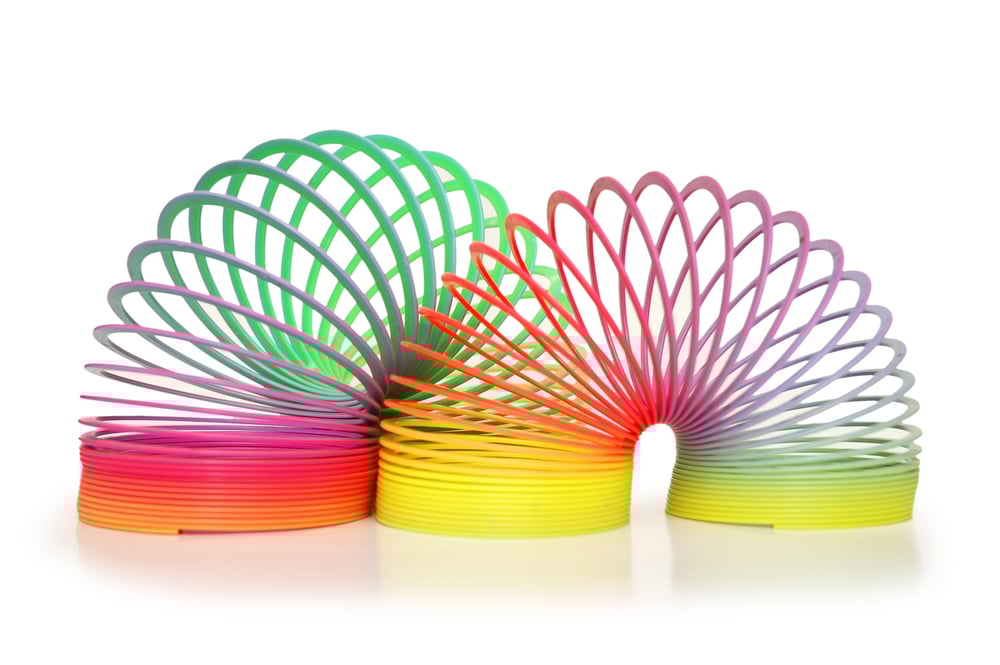
Sometimes the simplest concepts create the biggest cultural waves. This metal spring perfectly embodies that principle.
Since 1943, the Slinky has been walking down stairs, creating mesmerizing waves, and teaching basic physics to anyone willing to watch. Its appearance in movies often signals childhood nostalgia or scientific wonder — while its distinctive commercial jingle became one of the most recognizable advertising songs in history.
Yo-Yo
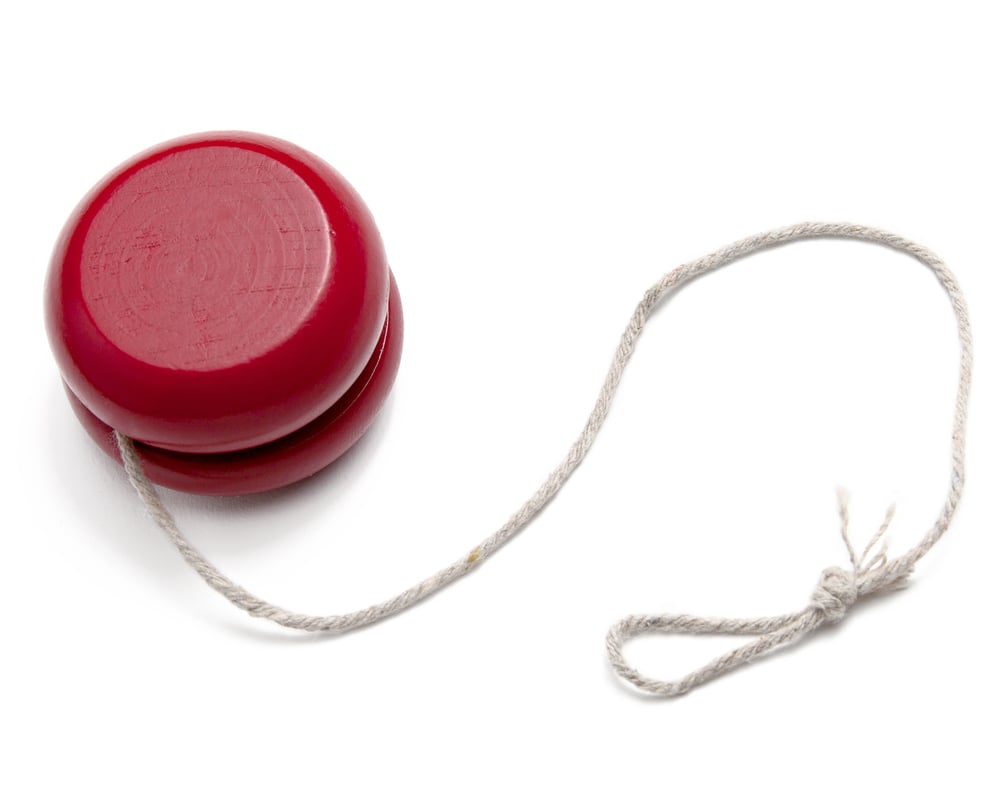
This ancient toy experienced multiple cultural revivals, yet its 20th-century American incarnation turned it into a symbol of skill, patience, and cool factor. Professional yo-yo demonstrations became entertainment events.
Masters performed tricks that seemed to defy gravity and logic. The yo-yo’s cultural significance lies in its representation of persistence — everyone remembers the satisfaction of finally mastering ‘walk the dog’ or ‘around the world.’
Teddy Bear

Named after President Theodore Roosevelt, this cuddly companion became the ultimate symbol of childhood comfort and security. Teddy bears transcended their toy status to become cultural ambassadors of innocence and protection — appearing in literature, movies, and art as representations of safety and love.
They’re often the first gift given to newborns and the last toy abandoned when growing up, marking important transitions in human development. The teddy bear’s enduring appeal proves that sometimes the most powerful cultural icons are those that offer nothing more than a soft hug.
Monopoly
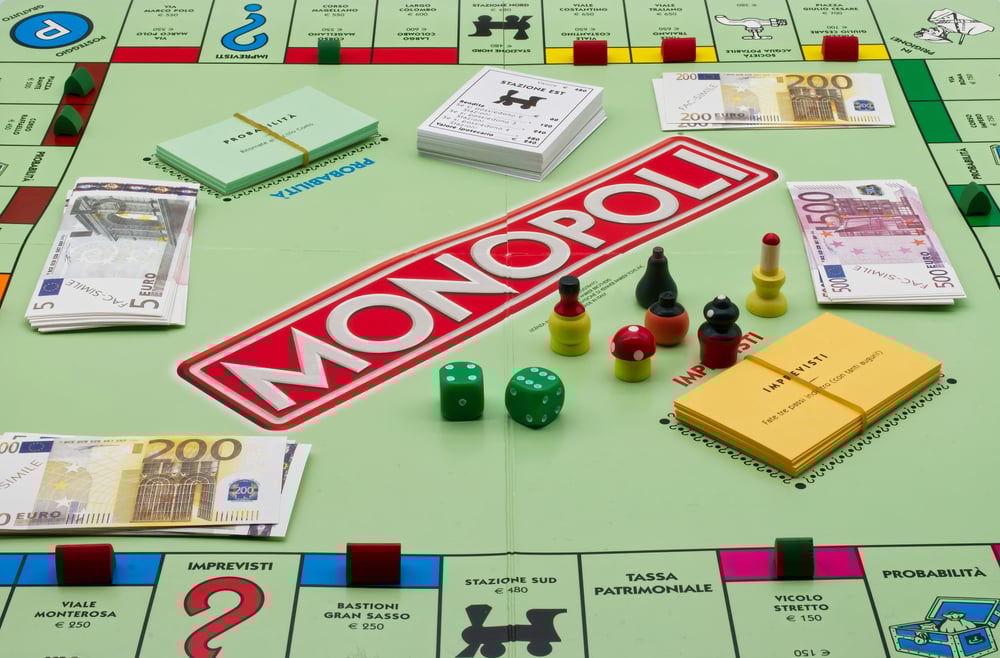
This real estate trading game became more than entertainment — it became a family tradition that tests relationships and teaches economic principles through property ownership and rent collection. Since 1935, Monopoly has been starting arguments and ending friendships around dining room tables worldwide — creating shared experiences of triumph and bankruptcy.
The game’s cultural impact extends to language, with phrases like ‘passing Go’ and ‘getting out of jail free’ becoming common expressions. Monopoly proved that board games could capture the American dream and nightmare simultaneously, wrapped in colorful money and tiny metal tokens.
Play-Doh
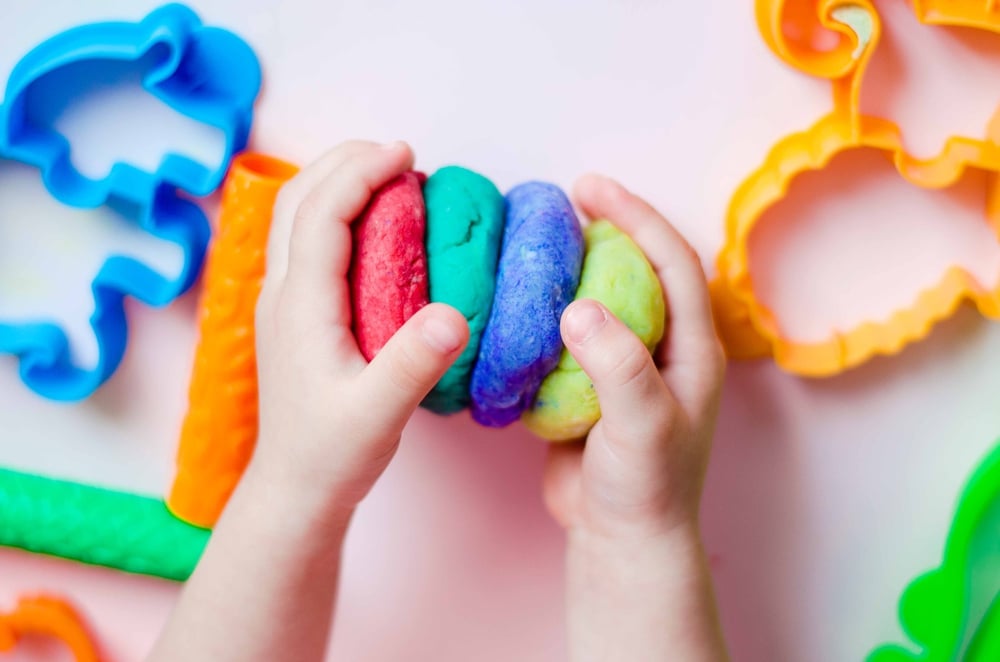
What began as wallpaper cleaner in the 1930s became the ultimate creative medium for young artists and frustrated adults alike. Play-Doh’s transformation from industrial product to beloved toy represents the best kind of accidental innovation.
Sometimes the greatest discoveries happen by chance, after all. Its distinctive smell became so iconic that the company actually trademarked the scent, understanding that certain sensory experiences transport us instantly back to childhood.
Mr. Potato Head
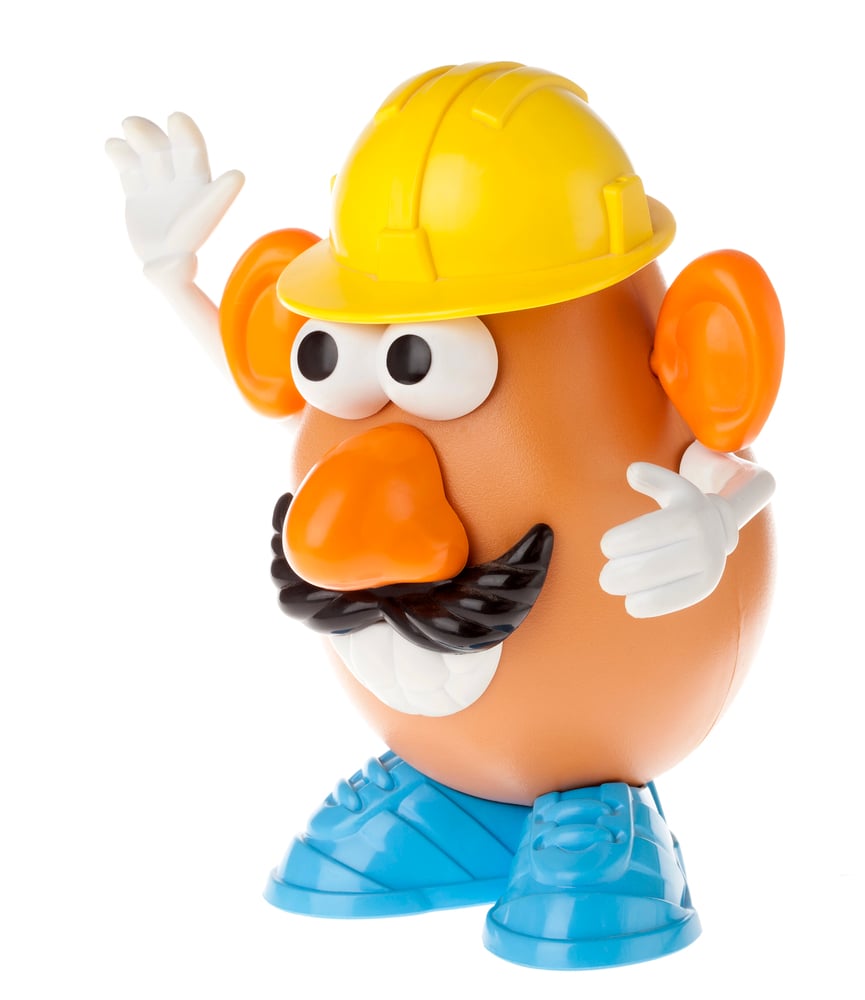
This mix-and-match character became the first toy advertised on television, changing how companies reached young consumers forever. Mr. Potato Head’s cultural significance grew when Pixar’s Toy Story films made him a wise-cracking sidekick, introducing him to new generations who’d never played with the original version.
The toy’s concept of interchangeable parts reflected American values of customization and individual expression, letting kids create their own unique characters. His evolution from using real potatoes to plastic bodies shows how even beloved toys must adapt to survive changing times and safety standards.
Etch A Sketch
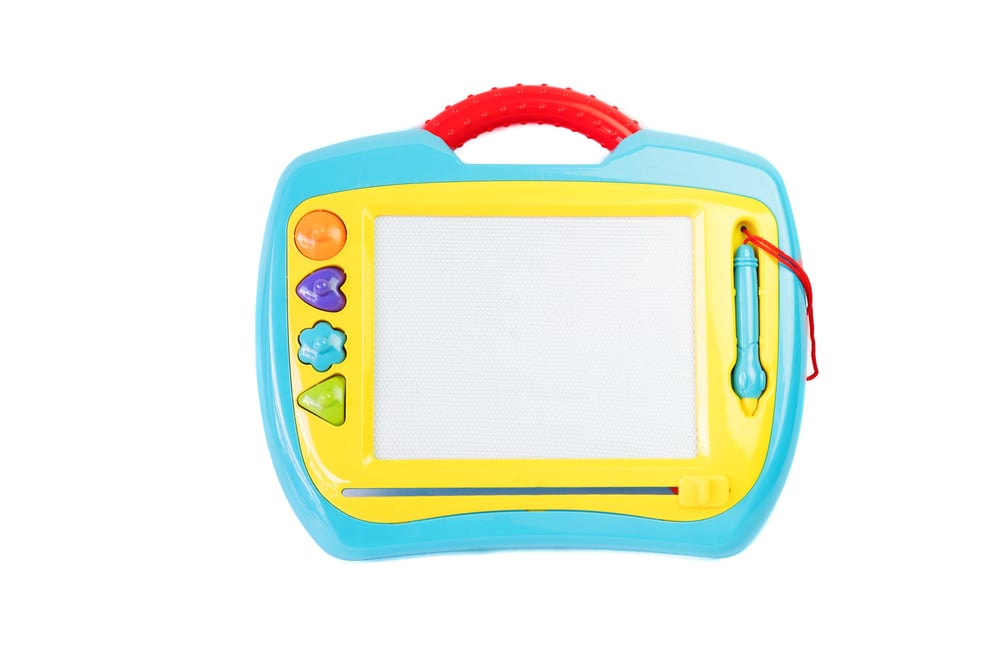
This aluminum powder drawing device became the ultimate symbol of temporary art and childhood frustration, teaching patience while rewarding creativity. The Etch A Sketch’s cultural staying power comes from its unique combination of limitation and possibility—you can create amazing artwork, though one shake erases everything.
Politicians often invoke ‘Etch A Sketch moments’ to describe changing positions, while artists have elevated the toy to fine art status with incredibly detailed masterpieces. It represents the beautiful impermanence of childhood creativity, where starting over is always just a shake away.
Frisbee
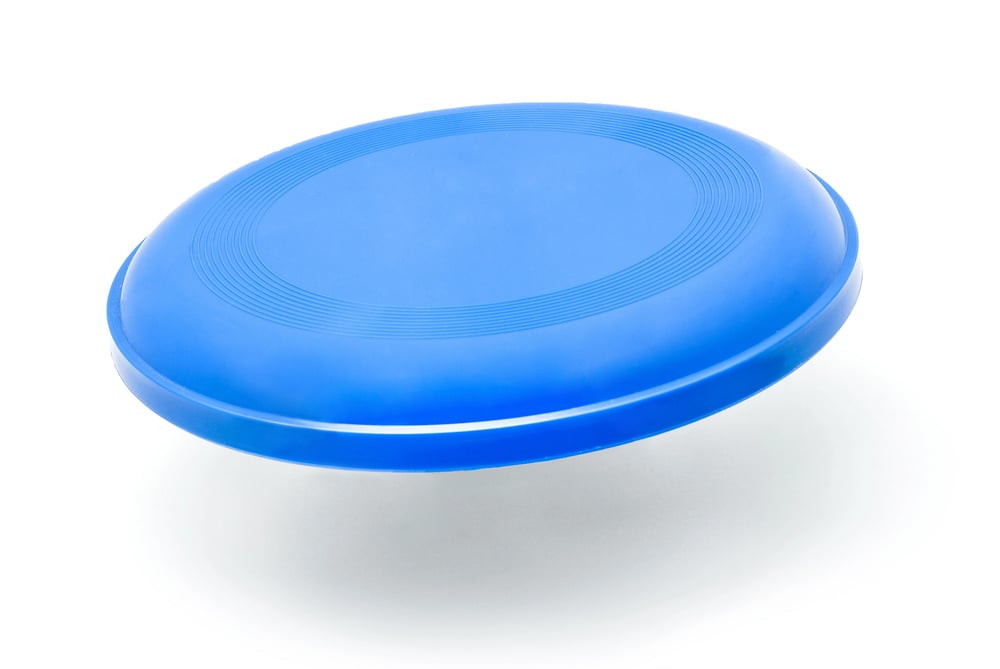
Originally pie tins from the Frisbie Pie Company, these flying discs became symbols of counterculture, outdoor recreation, and carefree summer days. The Frisbee’s transformation from bakery waste to cultural icon represents the power of repurposing and imagination, showing how everyday objects can become extraordinary with the right perspective.
Ultimate Frisbee evolved into a legitimate sport, while disc golf created an entirely new recreational activity, proving that simple toys can spawn complex cultural movements. The Frisbee embodies freedom, flight, and the simple pleasure of playing catch elevated to an art form.
Gameboy
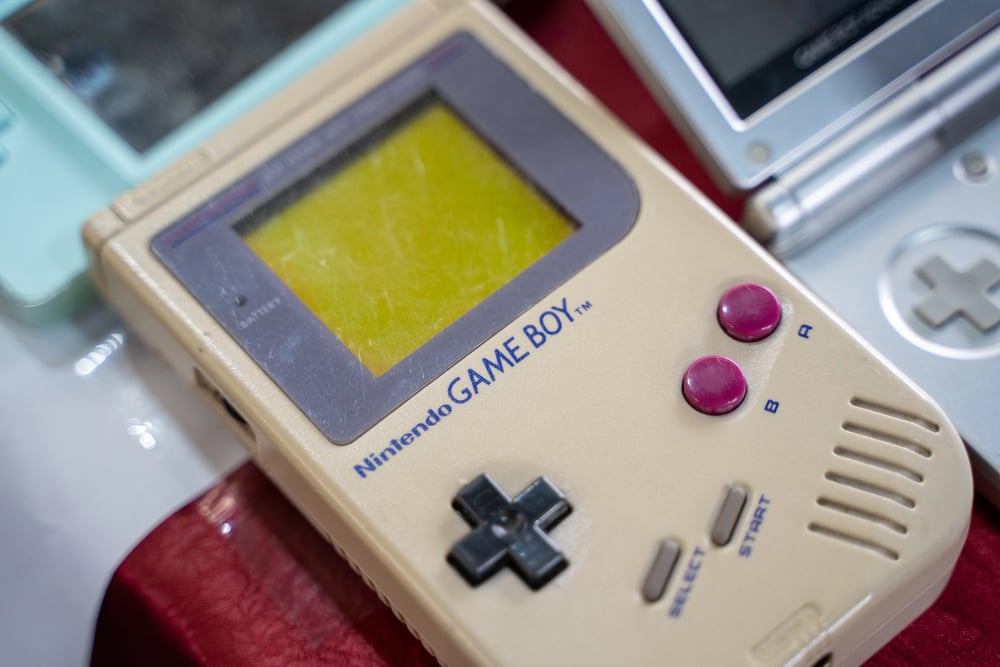
Nintendo’s portable gaming system didn’t just change how we played—it changed where we played, making entertainment truly mobile for the first time. The Gameboy’s cultural impact extends beyond gaming into music, with artists using its sound chip to create entire albums, and fashion, with its retro aesthetic inspiring modern designs.
It created the first generation of kids who could disappear into digital worlds anywhere, establishing patterns of mobile entertainment that smartphones would later perfect. The distinctive green screen and chunky design became so iconic that modern products still reference its aesthetic, proving that good design never truly goes out of style.
A Legacy Built Through Play
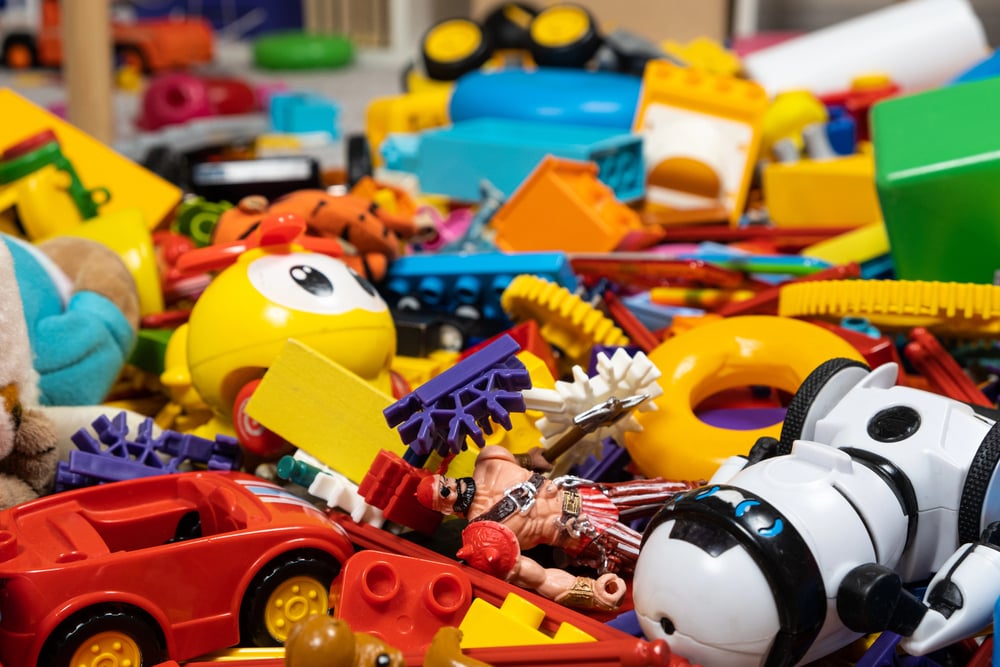
These toys were successful because, in addition to offering temporary entertainment, they offered resources for learning, creativity, and connection that lasted long after childhood ended. Each represents a different aspect of human nature, from our desire to build and create to our need for comfort and challenge.
Rather than being planned by marketing departments, their transformation into cultural icons occurred organically as generations of people used play to find identity, joy, and meaning. In a time when digital entertainment dominates childhood experiences, these physical toys remind us that even the most basic human interactions with well-designed objects can have the most profound cultural effects.
More from Go2Tutors!

- The Romanov Crown Jewels and Their Tragic Fate
- 13 Historical Mysteries That Science Still Can’t Solve
- Famous Hoaxes That Fooled the World for Years
- 15 Child Stars with Tragic Adult Lives
- 16 Famous Jewelry Pieces in History
Like Go2Tutors’s content? Follow us on MSN.