Unusual Wedding Traditions Around the World
Weddings are universal celebrations of love and commitment, but the way different cultures mark these occasions varies wildly across the globe. While white dresses and tiered cakes dominate Western ceremonies, other parts of the world incorporate customs that might seem downright bizarre to outsiders.
These traditions often carry deep cultural meanings and have been passed down through countless generations. Here are some of the most interesting and unusual wedding practices that couples around the world still follow today.
Blackening the Bride in Scotland

Scottish communities in some regions cover brides and grooms in disgusting substances before their wedding day. Friends and family throw everything from spoiled milk and rotten eggs to mud, flour, and even fish guts at the couple.
The messier and smellier, the better. This humiliating ordeal supposedly prepares the couple for any difficulties they might face in marriage.
If they can handle being pelted with garbage in front of everyone they know, married life should be easy by comparison.
Crying for a Month in China

Tujia brides in China’s Sichuan Province must cry for one hour every day during the month leading up to their wedding. Ten days into this ritual, the bride’s mother joins the crying sessions.
Ten days after that, her grandmother starts crying too. By the end of the month, every female relative participates in these coordinated weeping sessions.
The practice symbolizes joy and celebrates the bride’s transition to married life, even though it looks like the opposite.
Spitting on the Bride in Kenya

Maasai fathers in Kenya spit on their daughter’s head and chest before she leaves with her new husband. This gesture might sound insulting, but it actually serves as a blessing meant to bring good fortune.
The Maasai people consider spitting a form of respect and well-wishing in various contexts beyond weddings. Brides accept this wet blessing as a sign of their father’s love and hopes for their future.
The practice remains common in traditional Maasai communities despite its shocking appearance to outsiders.
Breaking Dishes in Germany

Germans practice Polterabend, where guests smash porcelain dishes, flowerpots, and tiles the night before the wedding. The louder the crash, the better the luck supposedly flowing to the couple.
Only porcelain gets broken because smashing glass or mirrors would bring bad luck instead. The engaged couple must clean up all the broken pieces together, symbolizing their teamwork in facing future challenges.
This noisy tradition takes place outside the bride’s home and can draw complaints from neighbors who aren’t invited.
Kidnapping the Bride in Romania

Romanian wedding guests sometimes kidnap the bride during the reception and demand a ransom from the groom. The ransom typically involves the groom performing embarrassing tasks, singing songs, or buying drinks for everyone.
This playful tradition adds excitement to the celebration and tests the groom’s devotion and creativity. The bride stays hidden until the groom satisfies whatever ridiculous demands the kidnappers make.
Modern Romanian couples often plan these kidnappings in advance to avoid actual panic.
Beating the Groom’s Feet in South Korea

Korean grooms endure a foot-beating ritual called falaka before their first night as a married man. Friends and family remove the groom’s shoes and socks, tie his ankles together, and beat the soles of his feet with dried fish or a wooden stick.
Participants quiz the groom with trivia questions during this ordeal, hitting harder when he answers incorrectly. The beating supposedly tests his strength and knowledge before married life begins.
Despite sounding cruel, the practice remains lighthearted and rarely causes serious pain.
Shooting the Bride with Arrows in China

Yugur grooms in China shoot their bride with a bow and arrow three times during the wedding ceremony. The groom removes the arrowheads first, so the arrows can’t actually hurt anyone.
After shooting his bride, the groom breaks each arrow to symbolize their everlasting love. This dramatic ritual represents overcoming obstacles together and the groom’s commitment to protecting his wife.
The practice connects to ancient hunting traditions and warrior culture in Yugur history.
Sawing Logs Together in Germany

Some German couples saw through a log together immediately after their ceremony while guests watched. Both partners hold opposite ends of a two-person saw and work together to cut completely through a thick piece of wood.
The task requires coordination, communication, and equal effort from both sides. Successfully sawing the log demonstrates the couple’s ability to work as a team on difficult tasks.
This tradition has spread to other countries looking for meaningful unity rituals beyond candle lighting.
Attending Your Own Funeral in China

Tujia people in China’s Hunan Province sometimes stage mock funerals for brides before weddings. The bride dresses in funeral clothes and grieves the loss of her childhood and family home.
This unusual practice helps brides process the emotional transition from daughter to wife. Family members participate in the ceremony, acknowledging the significant change in family dynamics.
The ritual allows everyone to express sadness about separation before moving forward with celebration.
Wearing Toilet Paper Wedding Dresses

Some Western bridal showers feature games where guests create wedding dresses entirely from toilet paper. Teams compete to design the best gown within a time limit, then model their creations.
The bride judges the entries and picks a winner. This relatively modern tradition adds humor to pre-wedding celebrations and creates funny photos.
The practice has become so popular that specialized toilet paper designed for these games now exists.
Hiding the Groom’s Shoes in India
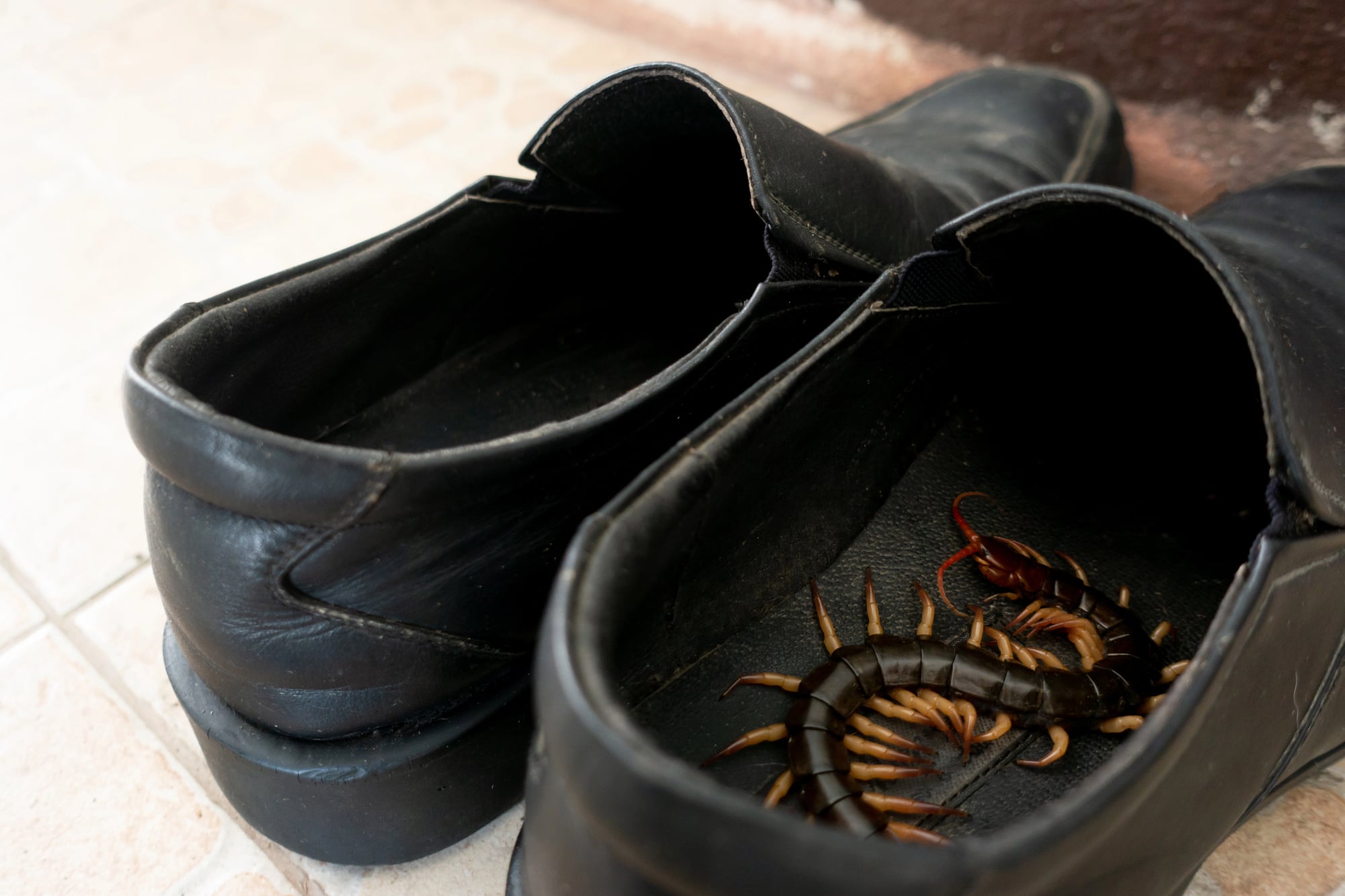
Indian weddings feature a playful tradition where the bride’s sisters and female cousins steal the groom’s shoes during the ceremony. Hindu wedding rituals require removing shoes before stepping on sacred ground, creating the perfect opportunity for theft.
The thieves demand money or gifts in exchange for returning the footwear. This lighthearted ransom situation can involve serious negotiation between the families.
The groom can’t leave the venue barefoot, giving the bride’s side significant bargaining power.
Drinking from a Toilet in France

French newlyweds sometimes face a disgusting challenge where friends fill a toilet bowl with champagne, chocolate, and other liquids. The couple must drink this mixture from the bowl together as guests cheer them on.
This practice, called ‘le pot de chambre,’ tests the couple’s ability to handle embarrassment as a team. Not all French couples participate in this particular tradition, especially in modern urban areas.
The custom remains more common in rural regions where outrageous wedding pranks are expected.
Throwing Money at the Couple in Nigeria

Nigerian wedding guests spray cash on the bride and groom while they dance at the reception. People either toss bills in the air or stick them directly onto the couple’s foreheads with sweat.
This practice, called ‘money spray,’ helps the newlyweds start their married life with financial support. Professional money sprayers sometimes attend weddings specifically to make dramatic displays with large bills.
The couple collects all the money at the end of the celebration.
Jumping Over a Broom in African American Ceremonies

African American couples often incorporate broom jumping into their wedding ceremonies to honor ancestors who couldn’t legally marry during slavery. Enslaved people created this ritual to mark their unions when official marriages were forbidden.
The couple holds hands and jumps over a decorated broom together at the end of their ceremony. This powerful tradition connects modern couples to their heritage and the resilience of past generations.
The practice has experienced a revival as couples seek meaningful ways to acknowledge history.
Avoiding Bathrooms for Three Days in Borneo

After saying vows, Tidong pairs in Borneo go without toilets for seventy-two hours straight. Locked inside their home, they receive only small portions of meals and water, watched closely by relatives the entire time.
Luck, strong offspring, lasting union – these are said to come from enduring the wait. Anyone skipping the tradition might face trouble down the road: cheating partners, sudden loss, or kids who struggle.
Time crawls when you can’t answer nature’s call.
Kicking Over Roof Tiles in India

A small clay container filled with grains waits just outside the doorway. Using only her right foot, the woman knocks it sideways without stepping back.
Grains scatter across the floor in all directions. A full spill hints at abundance soon following.
Each fallen grain marks a quiet promise of shared fortune ahead. Those nearby will gather what’s spread, hands meeting as they reach.
Love Takes Many Forms Across Cultures

Strange habits show up when people marry. In Norway some smash dishes on your head so you stay lucky.
A ritual in India involves circling a fire seven times while promises slip into smoke. One person’s ordinary life feels bizarre somewhere else entirely.
Tears flow during a Filipino farewell song before the bride walks away from her home. Different paths rise from old roots.
Some Nepali brides receive garlic and coins instead of rings. Celebrations twist through history like rivers changing course.
Japan has sake-sharing moments where sipping means trust grows slowly. Normal shifts depending on which map point you check.
Kenya hides the groom until laughter breaks silence near sunset. Every act carries weight only locals fully feel.
Cambodia drapes strings soaked in blessings across wrists at dawn. Uniform rules do not exist here.
Mongolia offers fermented mare’s milk to honor new bonds. Moments repeat across time without needing words.
Greenland rubs noses gently under northern lights as vows hang softly in cold air.
More from Go2Tutors!

- The Romanov Crown Jewels and Their Tragic Fate
- 13 Historical Mysteries That Science Still Can’t Solve
- Famous Hoaxes That Fooled the World for Years
- 15 Child Stars with Tragic Adult Lives
- 16 Famous Jewelry Pieces in History
Like Go2Tutors’s content? Follow us on MSN.



