15 Natural Phenomena You Can Only Witness One Day Each Year
From daily sunrises to annual seasons, nature is governed by innumerable cycles. While most natural phenomena have predictable patterns, certain uncommon events are so well-timed that they only happen once a year.
Photographers, scientists, and adventurers from all over the world are drawn to these fleeting moments and base entire trips on getting a glimpse of something amazing. These 15 amazing natural occurrences, which only happen once a year, serve as a reminder of how well-timed events can turn common locations into a staging for spectacular performances.
Horsetail Fall Firefall
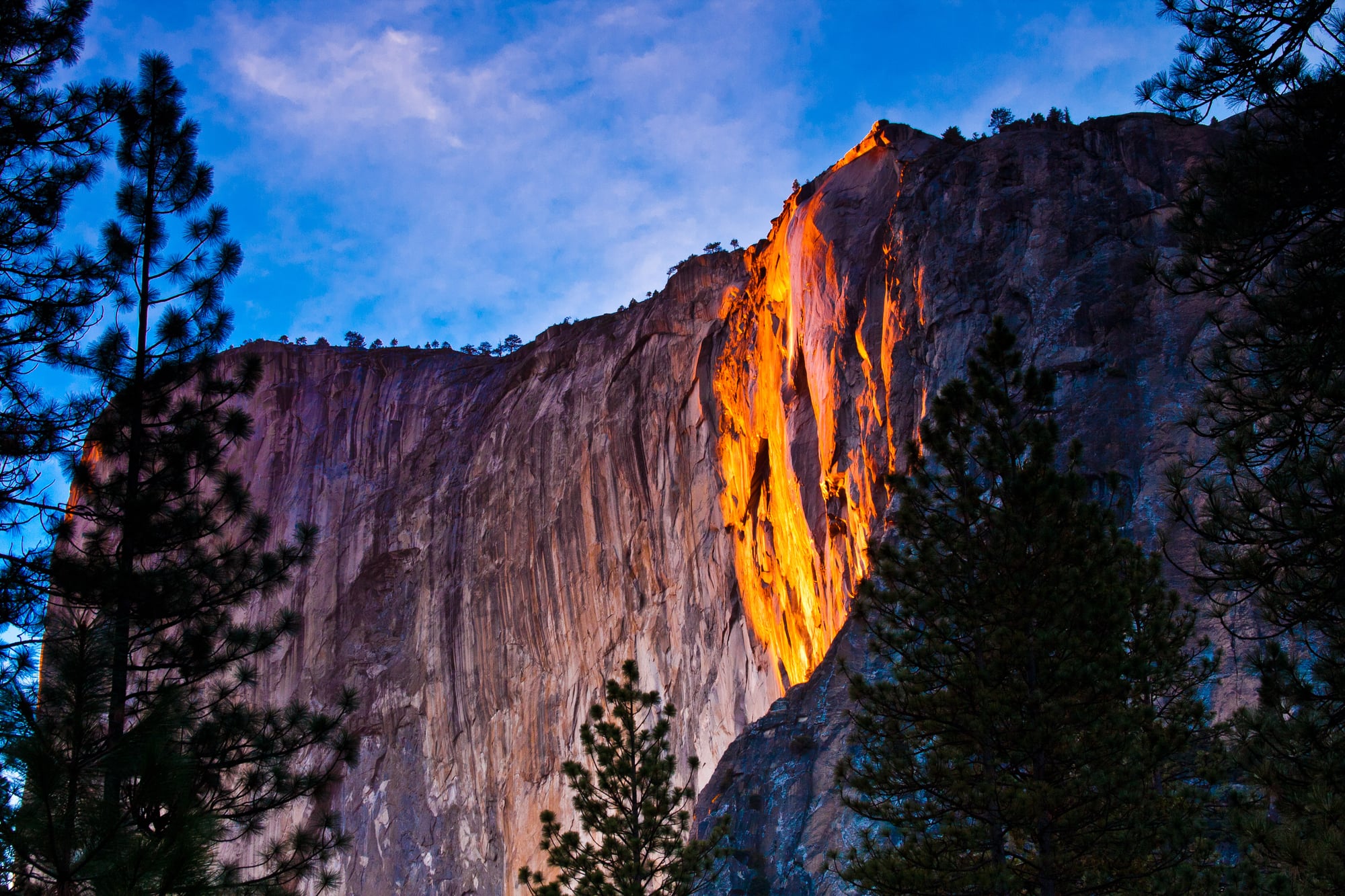
For a fleeting moment each February (usually peaking on a single day), Yosemite National Park hosts a breathtaking light show unlike any other. The setting sun hits Horsetail Fall at precisely the right angle, transforming the cascade into what looks like molten lava flowing down El Capitan’s granite face.
This spectacle depends on perfect conditions: clear skies, adequate snowmelt, and specific solar positioning that happens only around February 22nd.
Mayana Solavandan
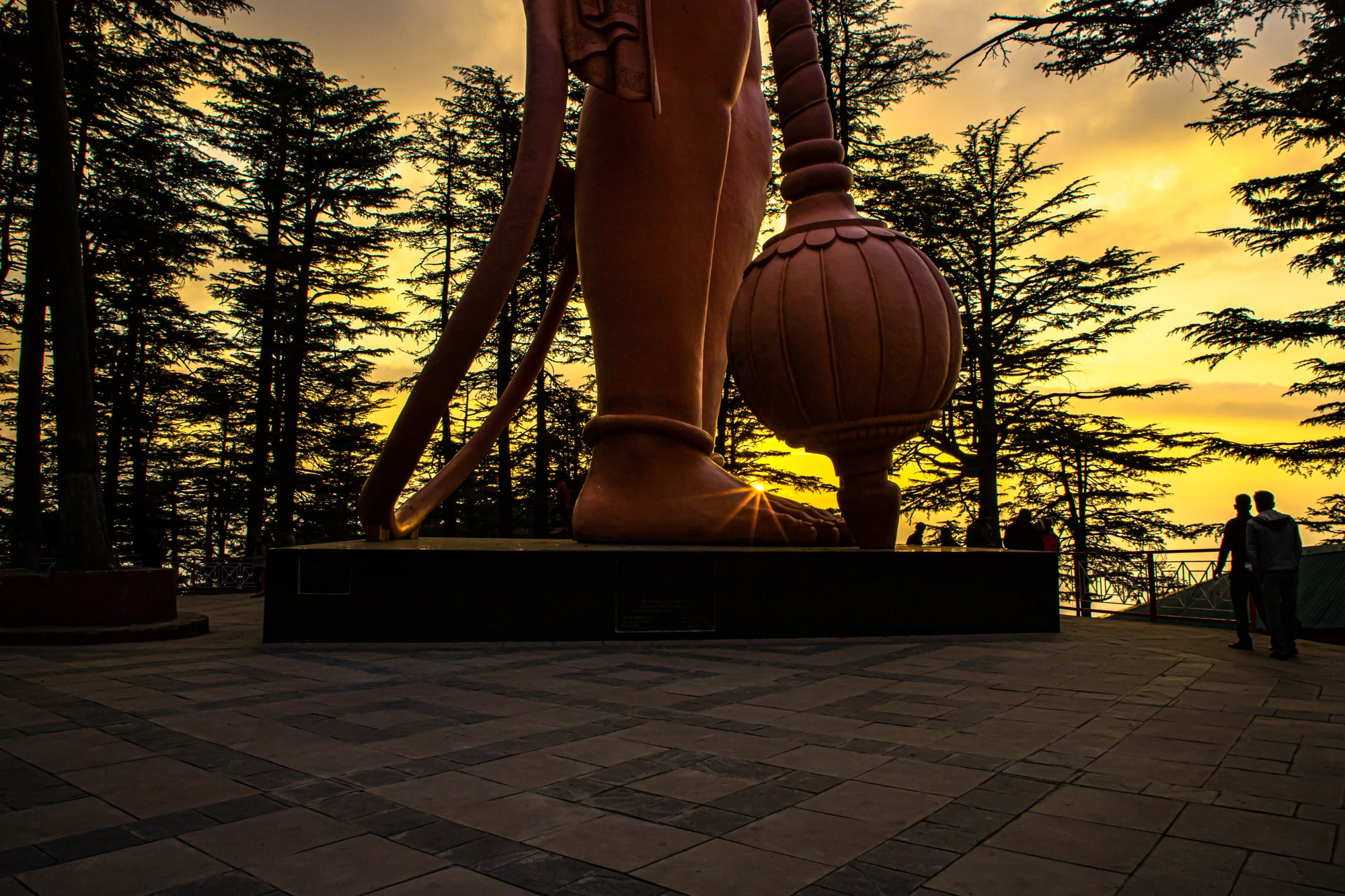
In Tamil Nadu’s ancient Hanuman temple, the sun only shines on the deity statue for five minutes on a single day each year. The temple’s brilliant design uses astronomical calculations to ensure that light travels through a narrow pathway to reach the inner sanctuary during the spring equinox.
The mathematical precision of the builders who created this solar alignment centuries ago continues to amaze modern engineers.
Manhattanhenge
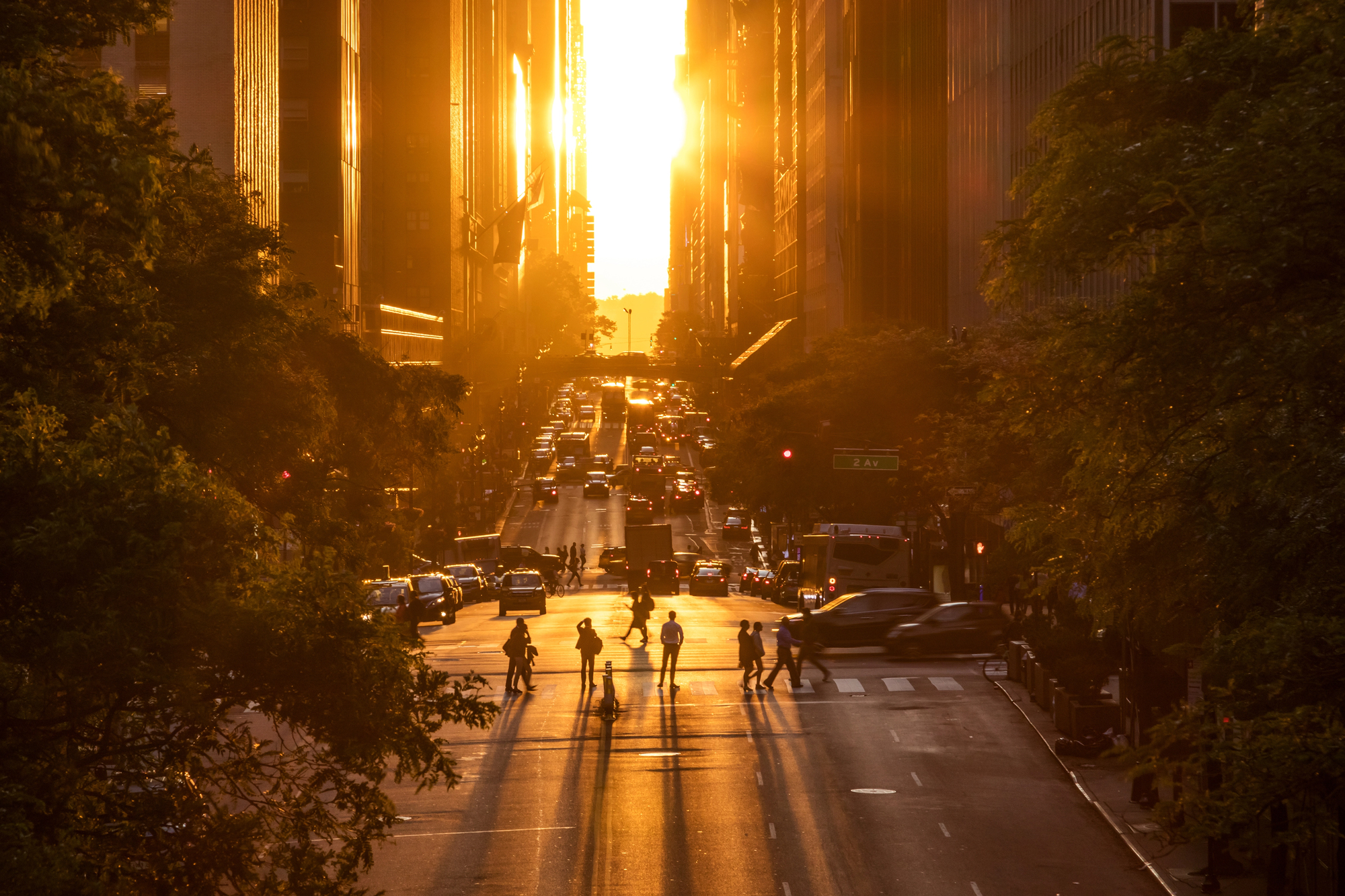
Manhattan’s street grid aligns perfectly with the setting sun twice yearly – though each specific alignment occurs on only one day per year. The May 28th full-sun alignment creates golden corridors through the city’s concrete canyons.
Afternoon rush hour briefly pauses as the urban landscape connects with cosmic movements, bathing skyscrapers in amber light.
Fata Morgana of Mount Fuji
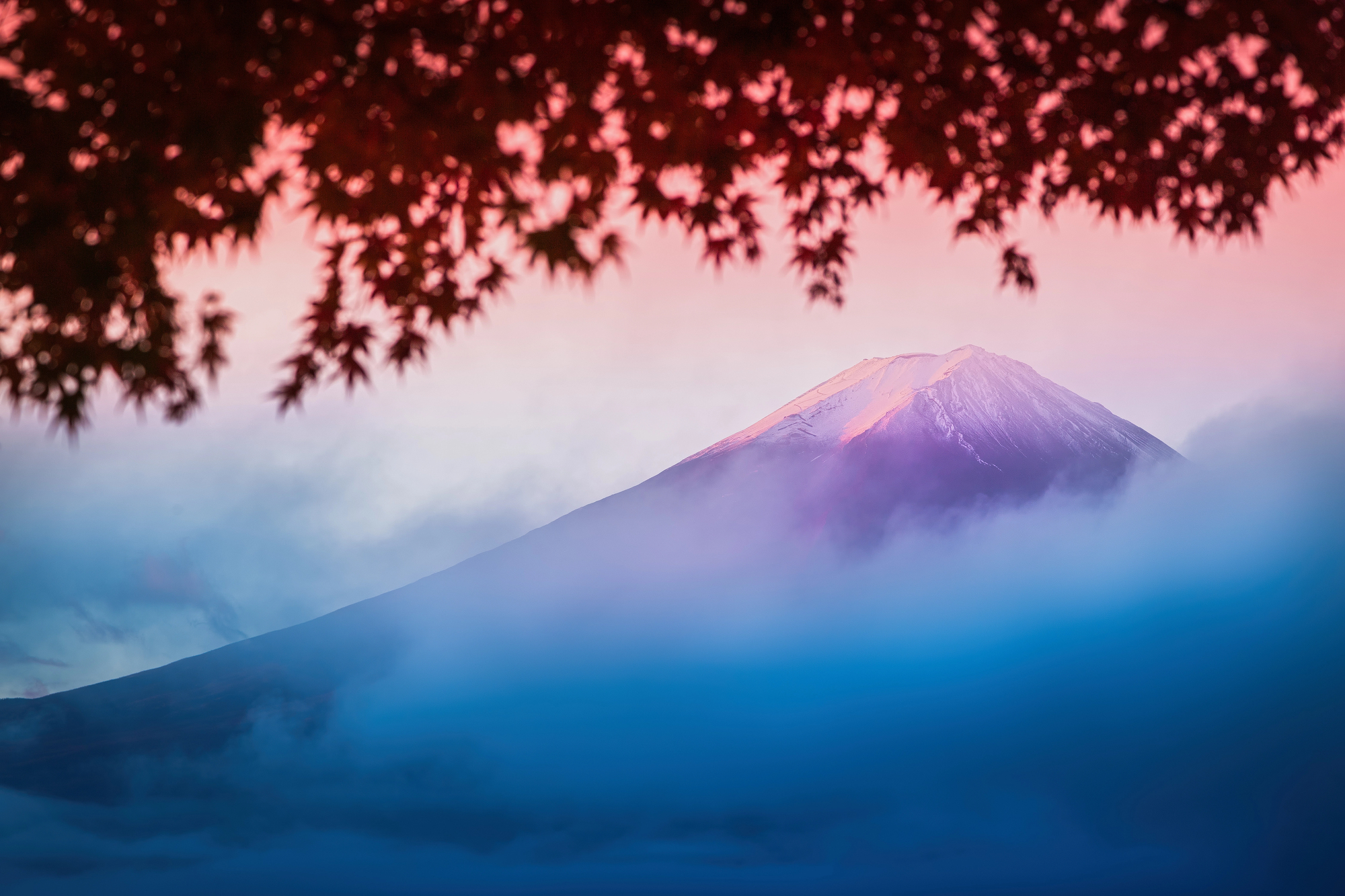
On a particularly clear winter morning—typically the coldest January day— lucky observers in certain Tokyo locations might witness Mount Fuji seemingly floating above the horizon. This superior mirage happens when atmospheric conditions create a precise temperature inversion layer between viewers and the mountain.
Weather specialists track this phenomenon as it requires extremely stable atmospheric conditions that rarely align so perfectly.
Staircase to the Moon

At Western Australia’s Roebuck Bay—during specific full moons— an optical illusion creates what appears to be a golden staircase stretching from shore to sky. While visible across several nights during certain months, each specific alignment happens just once annually.
The stunning effect forms when moonlight reflects off exposed mudflats during extremely low tides — creating luminous “steps” that seem to lead directly to the glowing orb above.
Keyhole Arch Light Beam
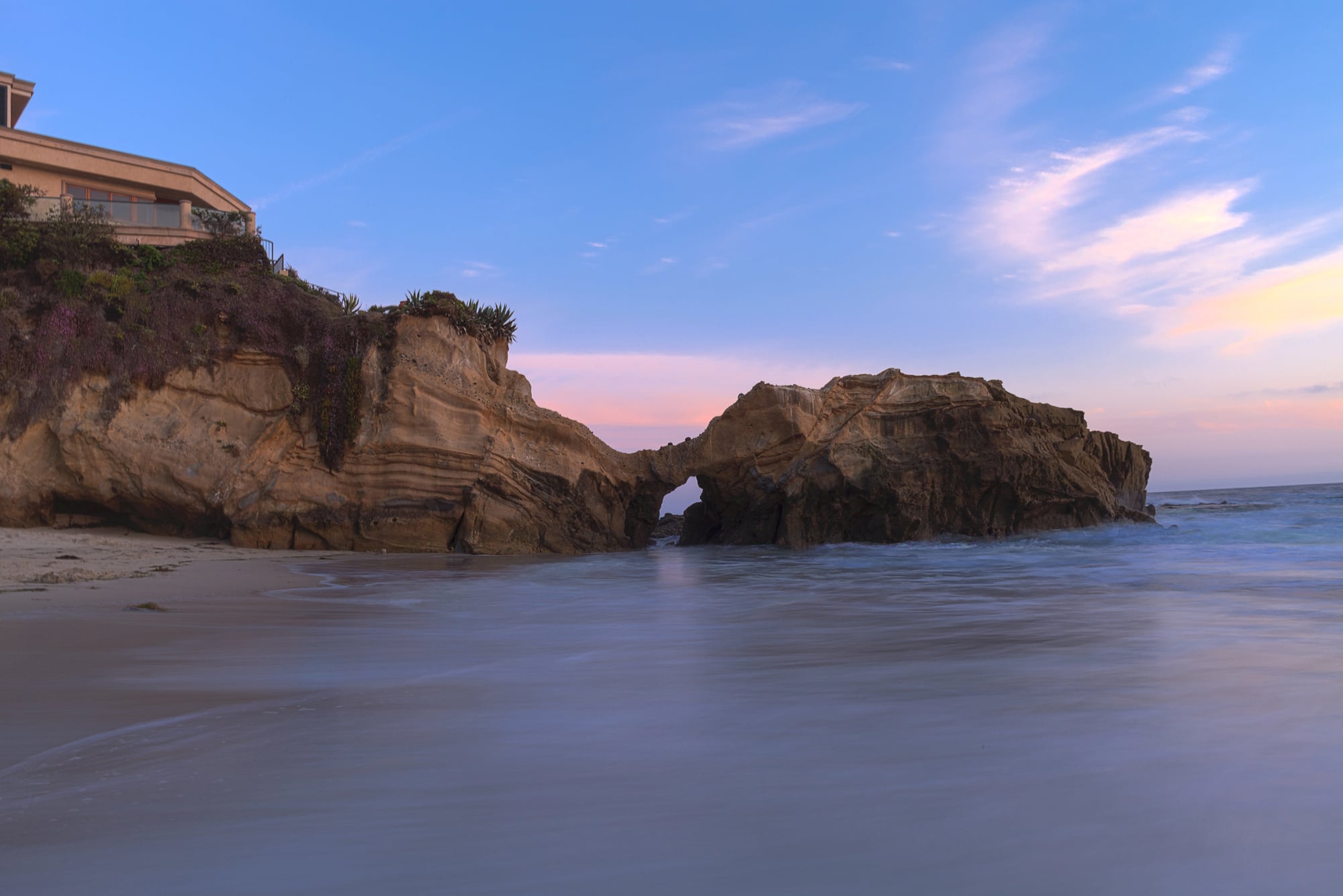
Sunlight passes through a keyhole-shaped rock formation at California’s Pfeiffer Beach, creating a spectacular beam for mere minutes on winter solstice. This narrow window exists because the sun must reach an exact position to shine through the arch onto the sand below.
Photography enthusiasts often arrive hours early to secure prime viewing spots for this alignment—it lasts less than ten minutes from start to finish.
Norway’s Triple Blue Twilight
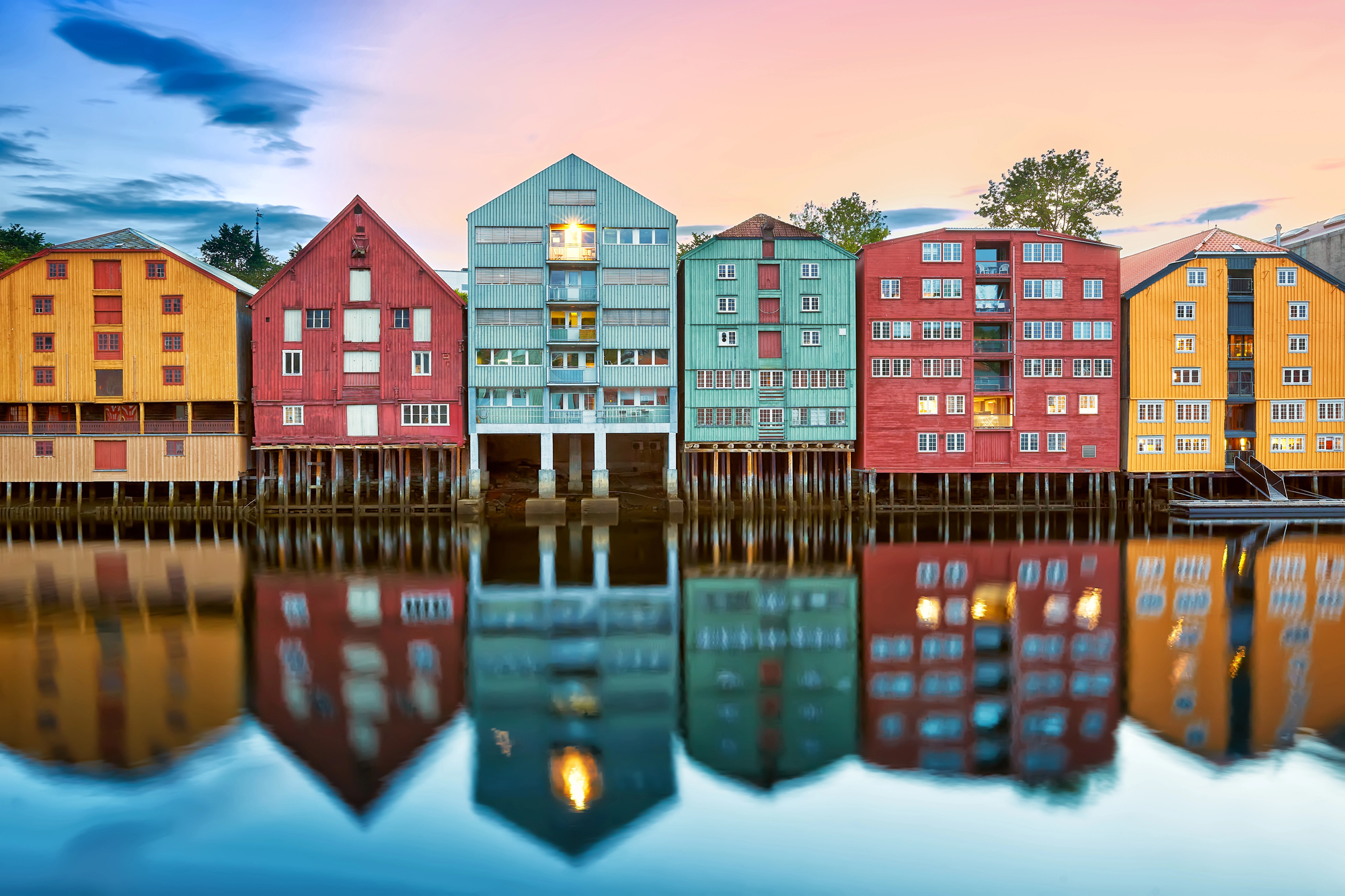
In Tromsø, Norway—just after the polar night season ends— a rare atmospheric condition creates three distinct blue bands across the sky for roughly 40 minutes. This visual feast combines the blue hour (when the sun sits just below the horizon), Earth’s shadow, and atmospheric refraction — producing a unique tricolor horizon.
Local communities celebrate the return of daylight with festivals that coincide with this heavenly display.
Buddha’s Light on Mount Emei
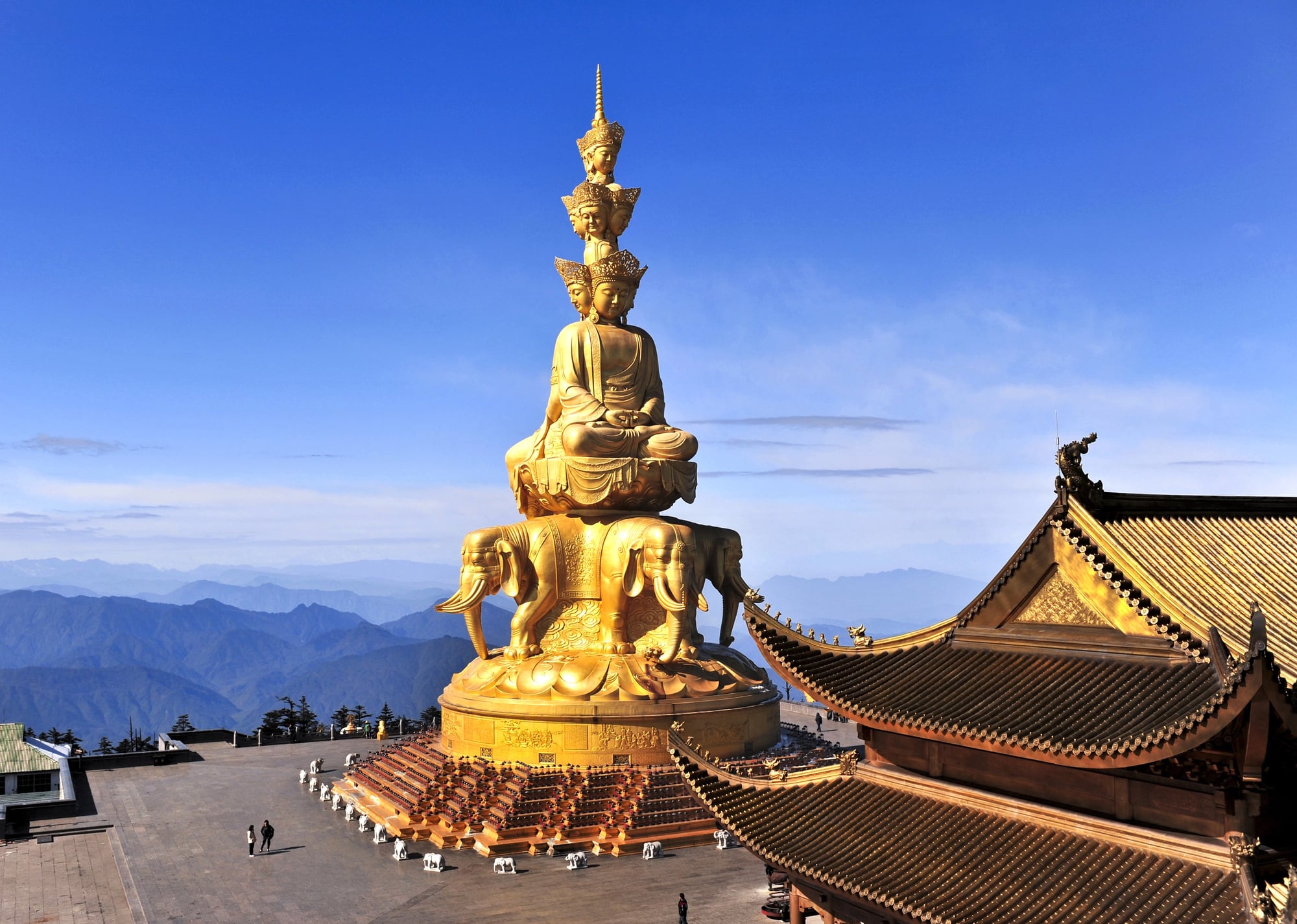
Pilgrims gather at Golden Summit on China’s Mount Emei to witness their shadows projected onto clouds, surrounded by rainbow halos on a specific autumn day. This optical phenomenon results from the perfect alignment of the sun angle, viewer position, and cloud conditions.
Though occasionally visible at other times, it appears most reliably on October 17th, drawing spiritual seekers who consider it a meaningful omen.
Frozen Methane Bubbles Release
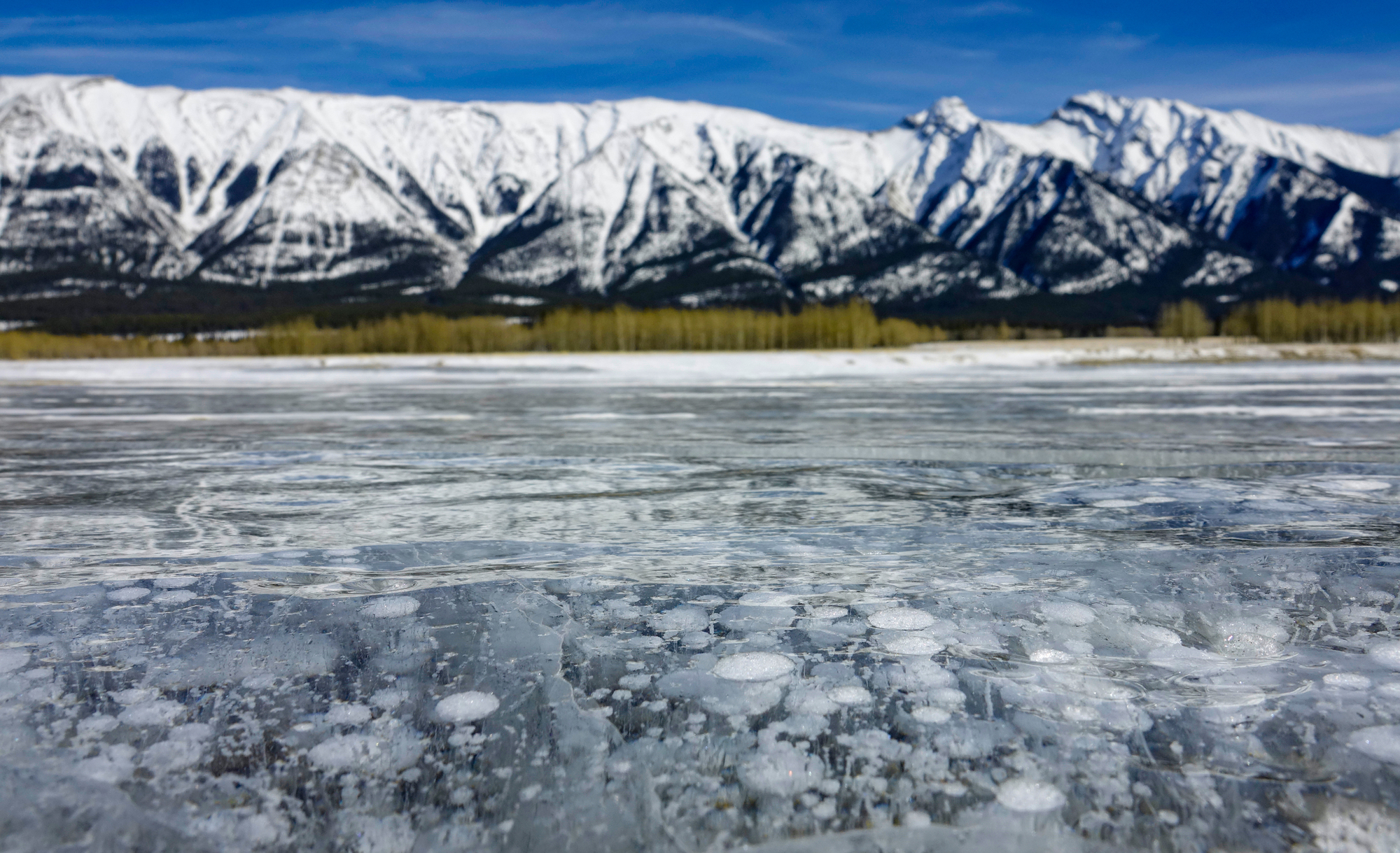
Lake Abraham in Alberta showcases methane bubbles trapped in winter ice, which begin their dramatic annual release on the exact spring day when ice reaches critical thinness. These bubbles—formed by decomposing organic matter below them— rise as chains of white spheres through the melting surface.
Climate scientists monitor this event carefully since it represents a significant natural greenhouse gas release from a single location.
Southern Right Whale Daybreak Breach
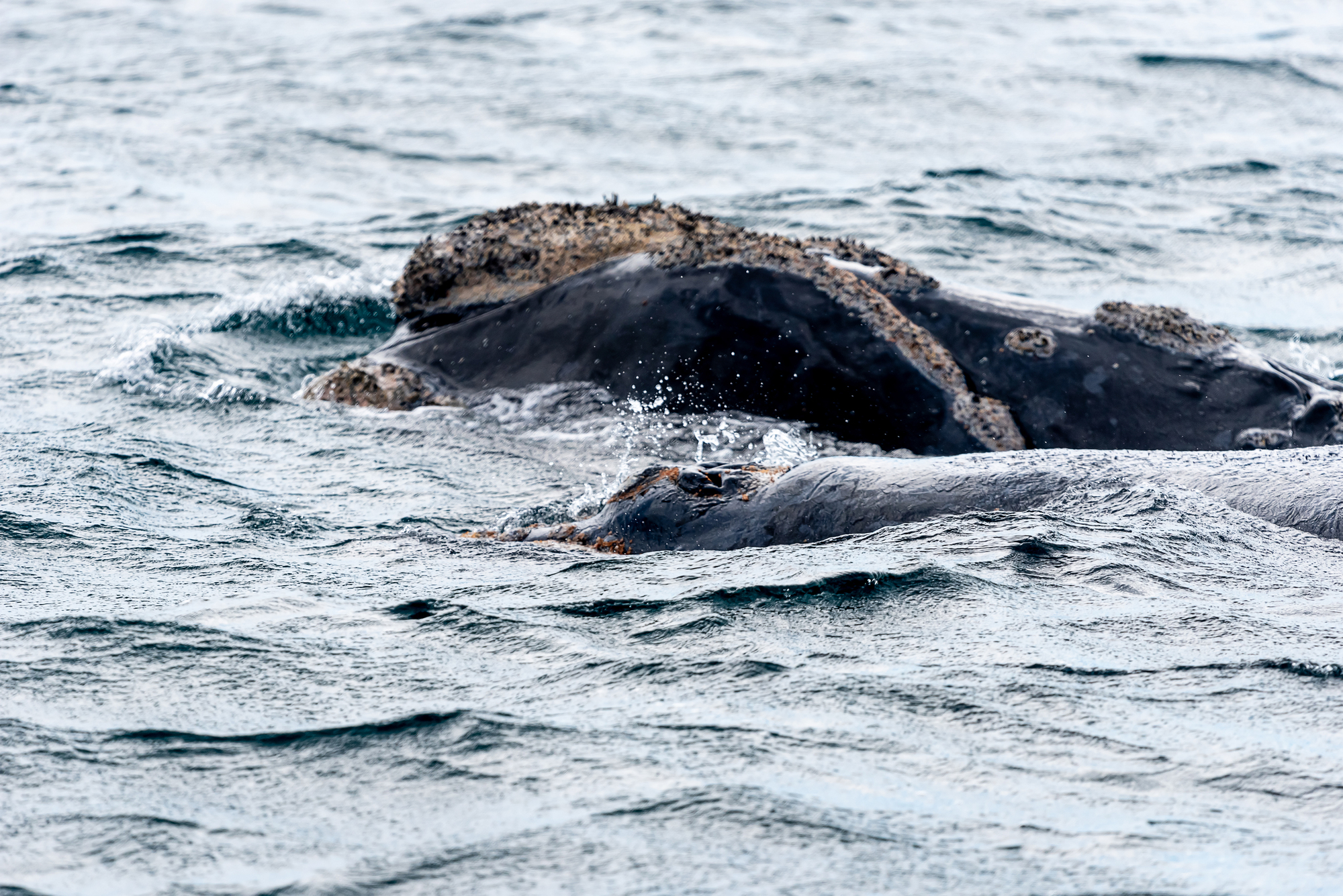
Off South Africa’s coast near Hermanus, Southern Right Whales perform synchronized breaches at sunrise on a specific day in early October. Marine biologists believe this coordinated spectacle relates to migration timing and social bonding within whale populations.
The event has become so reliable that the coastal town now schedules its annual whale festival on the weekend closest to the anticipated display.
Monarch Butterfly Snow
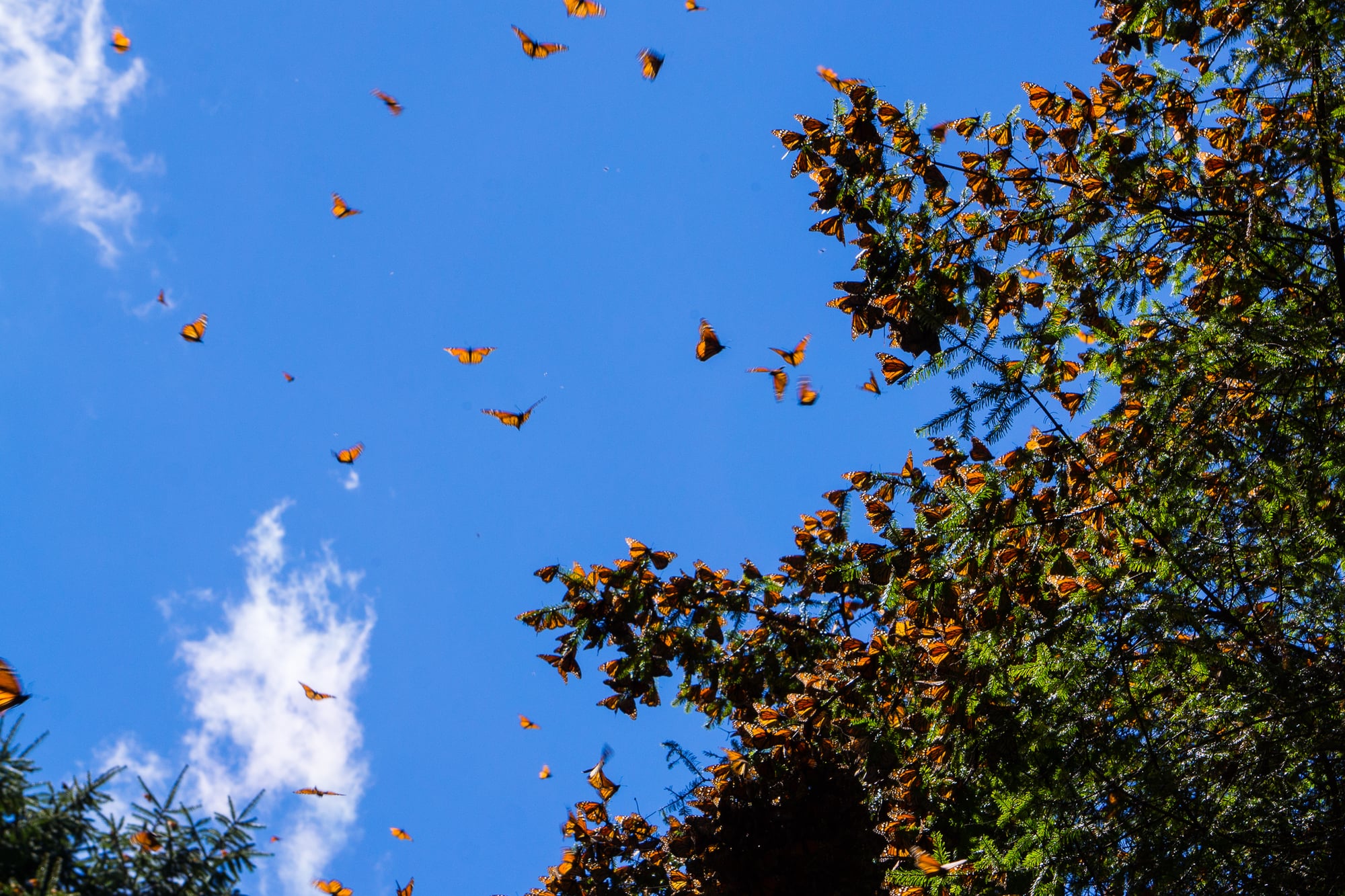
The first significant winter cold front in Mexico’s monarch sanctuaries sets off millions of butterflies flying at once, producing what seems like orange snow blowing across the woods. Usually in early December, when temperatures fall below a vital threshold, this mass movement occurs on one day.
Resting monarchs cover the forest floor in a stunning show that conservation organizations meticulously record every year.
Angel’s Billows
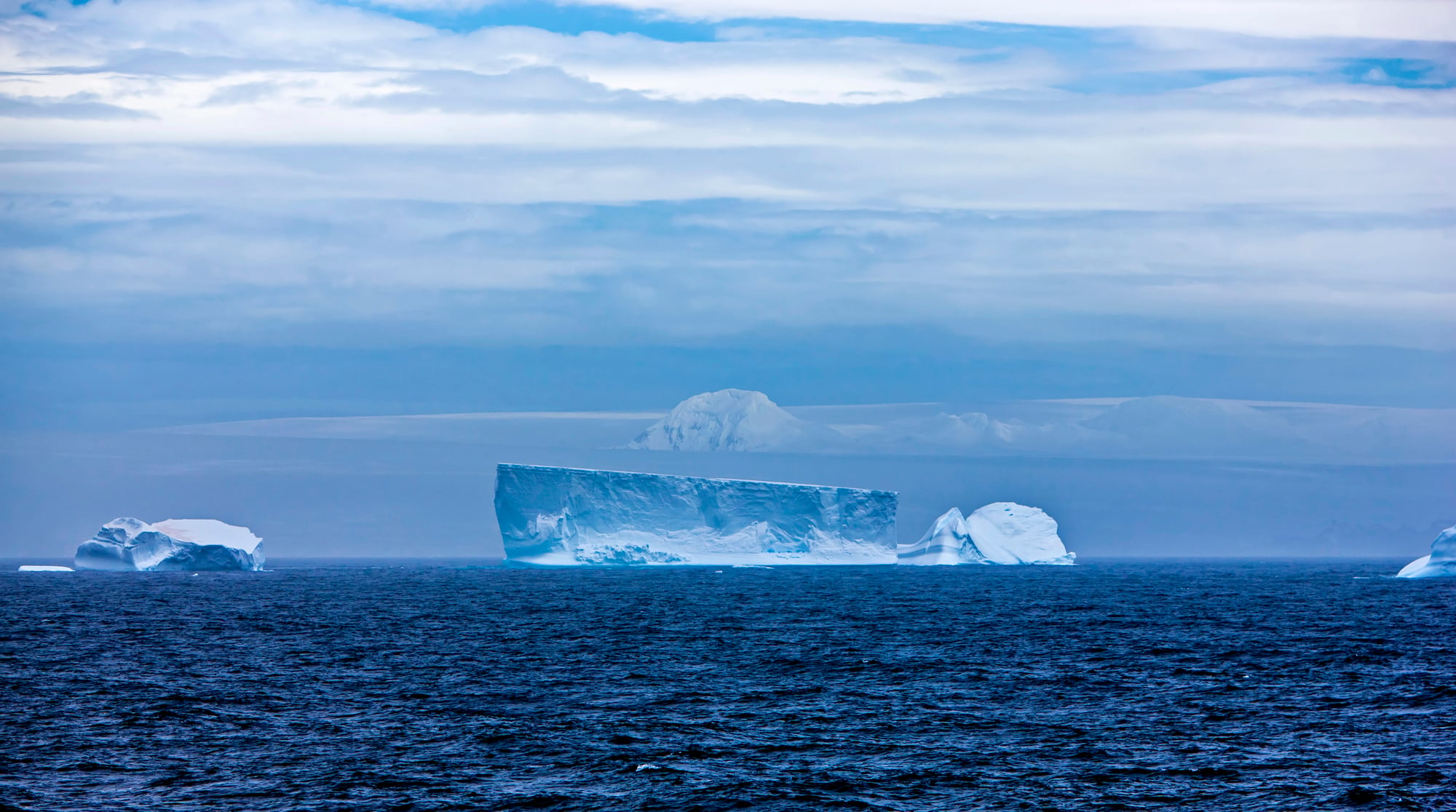
Antarctica’s Ross Sea experiences a phenomenon where ice crystals suspended in air create the illusion of massive angelic wings spreading across the horizon. This atmospheric effect requires specific wind conditions and occurs reliably on the first day temperatures rise above freezing in Antarctic spring.
Scientific expeditions in the region document this optical phenomenon as part of ongoing climate monitoring protocols.
Shadow of the Bear
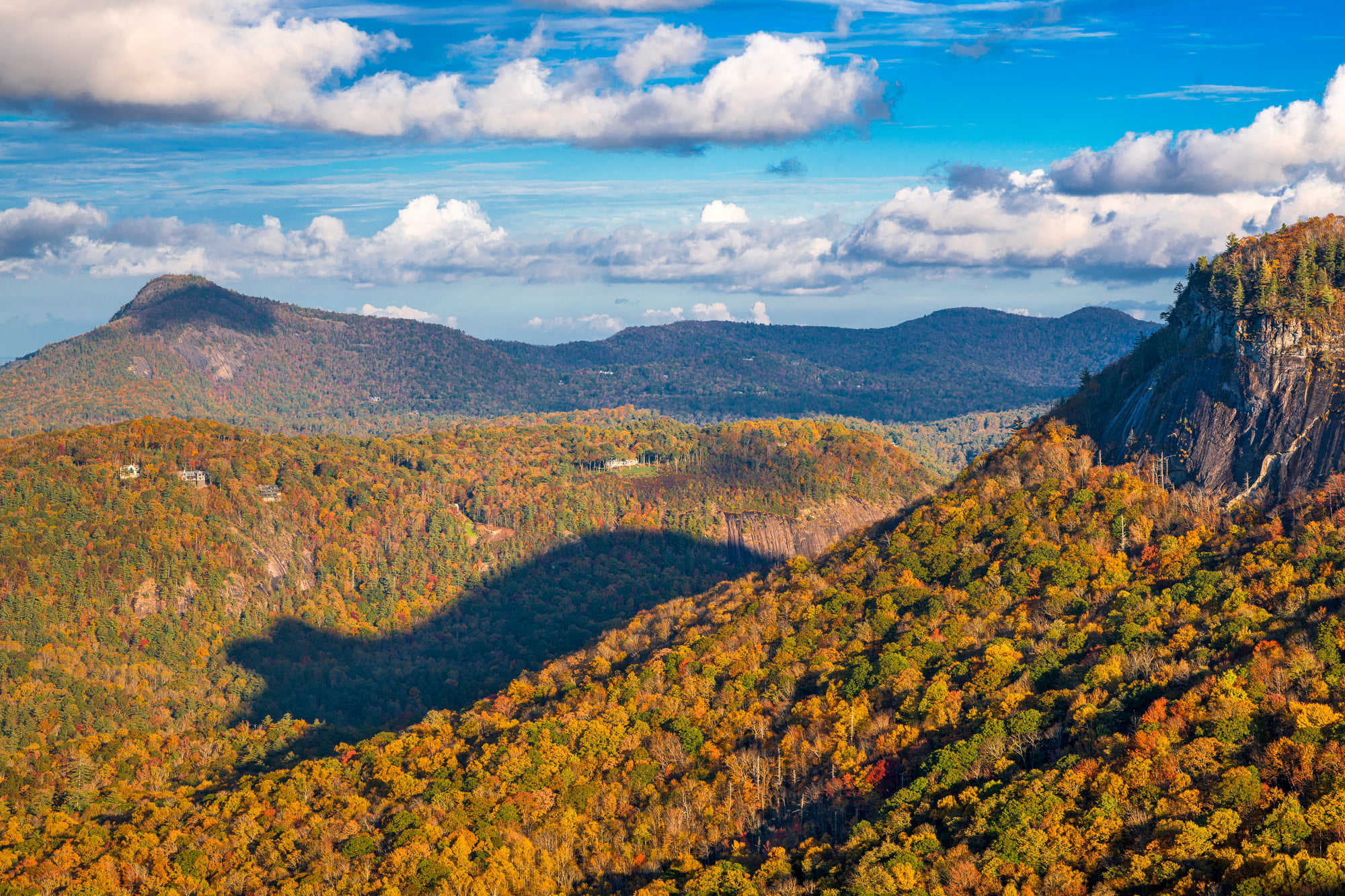
North Carolina’s Highlands region hosts a remarkable shadow formation where a perfect bear silhouette appears on the valley wall for just 30 minutes on the autumn equinox. This shadow emerges when the sun sets at a precise angle behind Rhodes Mountain, projecting an ursine shape onto the colorful fall foliage below.
Hundreds of visitors line Highway 64 annually to witness this brief apparition that local tourism hasn’t overhyped.
Bioluminescent Synchronicity

Along Malaysia’s Berau River, billions of tiny mangrove-dwelling plankton synchronize their blue light pulses to create flowing waves of illumination through the water. This mass coordination happens on a single night following the first significant rainfall after the dry season ends.
Evolutionary biologists theorize that this coordinated display helps organisms attract mates more efficiently during their brief reproductive window.
Sailing Stones’ Annual Movement
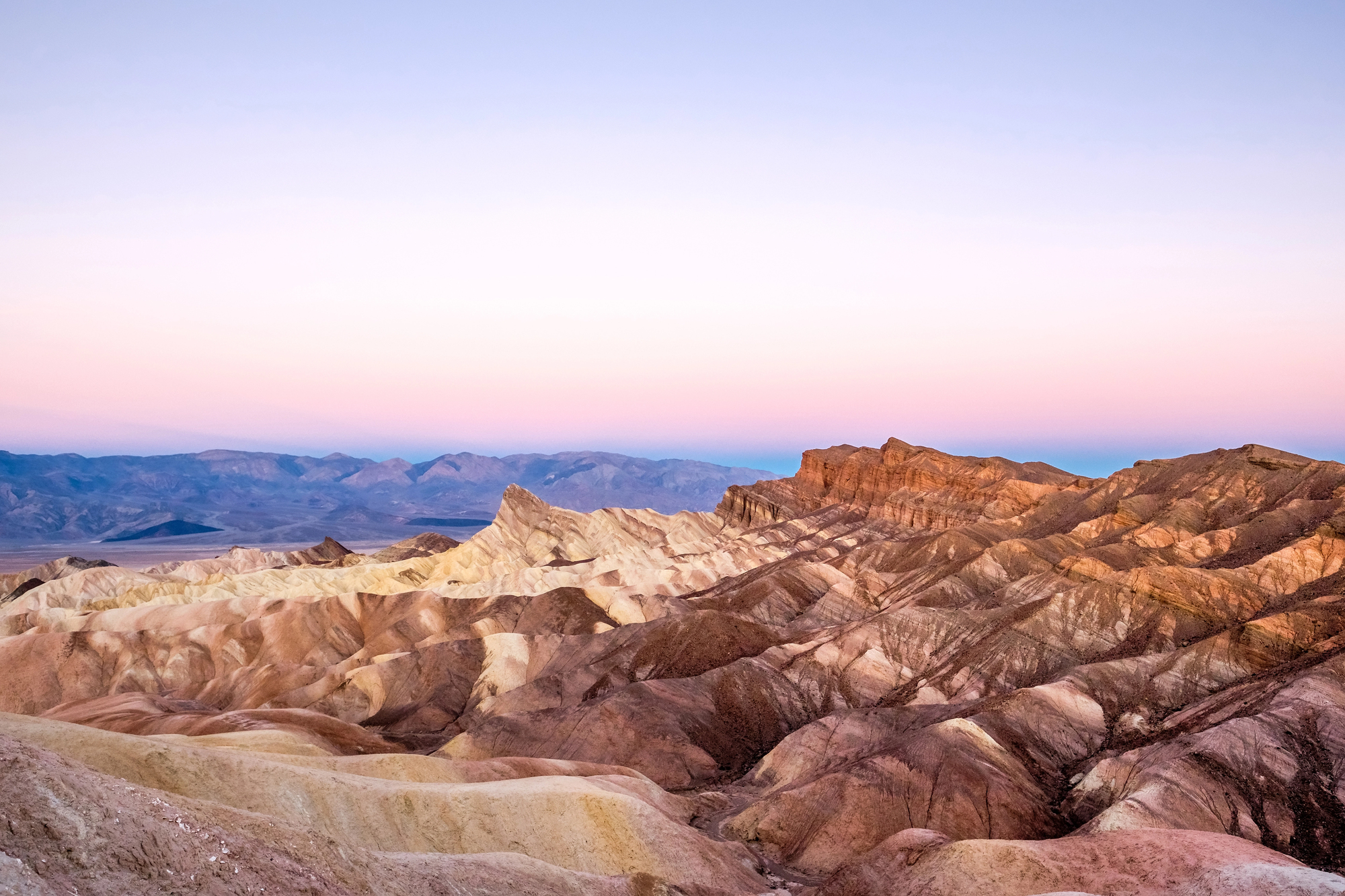
Heavy stones at Racetrack Playa in Death Valley slide eerily over the desert floor, leaving quite lengthy tracks. Researchers found that this movement happens on a particular winter day when rain forms a thin covering of ice that permits even light winds to push the boulders when it fractures in the sun.
The stones are only moved a few inches during each of these exact conditions, which only occur once a year.
Fleeting Wonders Worth Chasing

These ephemeral displays remind us that some of Earth’s most extraordinary spectacles can’t be summoned on demand—they require aligning our schedules with ancient rhythms and cosmic patterns. In today’s world of instant gratification, these once-a-year phenomena stand as humbling reminders that certain experiences still demand patience, planning, and fortunate timing.
The pursuit of these rare moments connects modern observers with age-old traditions of watching, waiting, and witnessing nature’s most perfectly timed performances—proving that sometimes the most memorable experiences are the ones we can’t replay tomorrow.
More from Go2Tutors!

- The Romanov Crown Jewels and Their Tragic Fate
- 13 Historical Mysteries That Science Still Can’t Solve
- Famous Hoaxes That Fooled the World for Years
- 15 Child Stars with Tragic Adult Lives
- 16 Famous Jewelry Pieces in History
Like Go2Tutors’s content? Follow us on MSN.



