Video Game Cheats We All Memorized
Before achievements and online leaderboards, video games had a secret language. Kids scribbled codes on notebook paper, passed them around at school, and typed them into computer keyboards when their parents weren’t looking.
These weren’t just shortcuts or easy ways out. They were keys to hidden worlds, extra lives, and god mode glory.
Some codes were so good, so useful, or so fun that they burned themselves into players’ memories forever. Even today, people who haven’t touched a controller in years can still rattle off certain button combinations without thinking.
The best cheats became part of gaming history. They’re still talked about decades later.
Up up down down left right left right B A

The Konami Code stands above all others as the most famous cheat in gaming history. Kazuhisa Hashimoto created it in 1986 while working on the NES port of Gradius because he found the game too difficult to test.
He later explained in a 2003 interview that he made it easy to remember because he was the one who would be using it. The code was supposed to be removed before release but got left in by mistake.
In Contra, it gave players 30 lives instead of the usual 3, which is why it’s sometimes called the 30 Lives Code. That simple sequence of directions and buttons appeared in dozens of Konami games over the years, and it even shows up as Easter eggs on websites and in movies today.
IDDQD for Doom
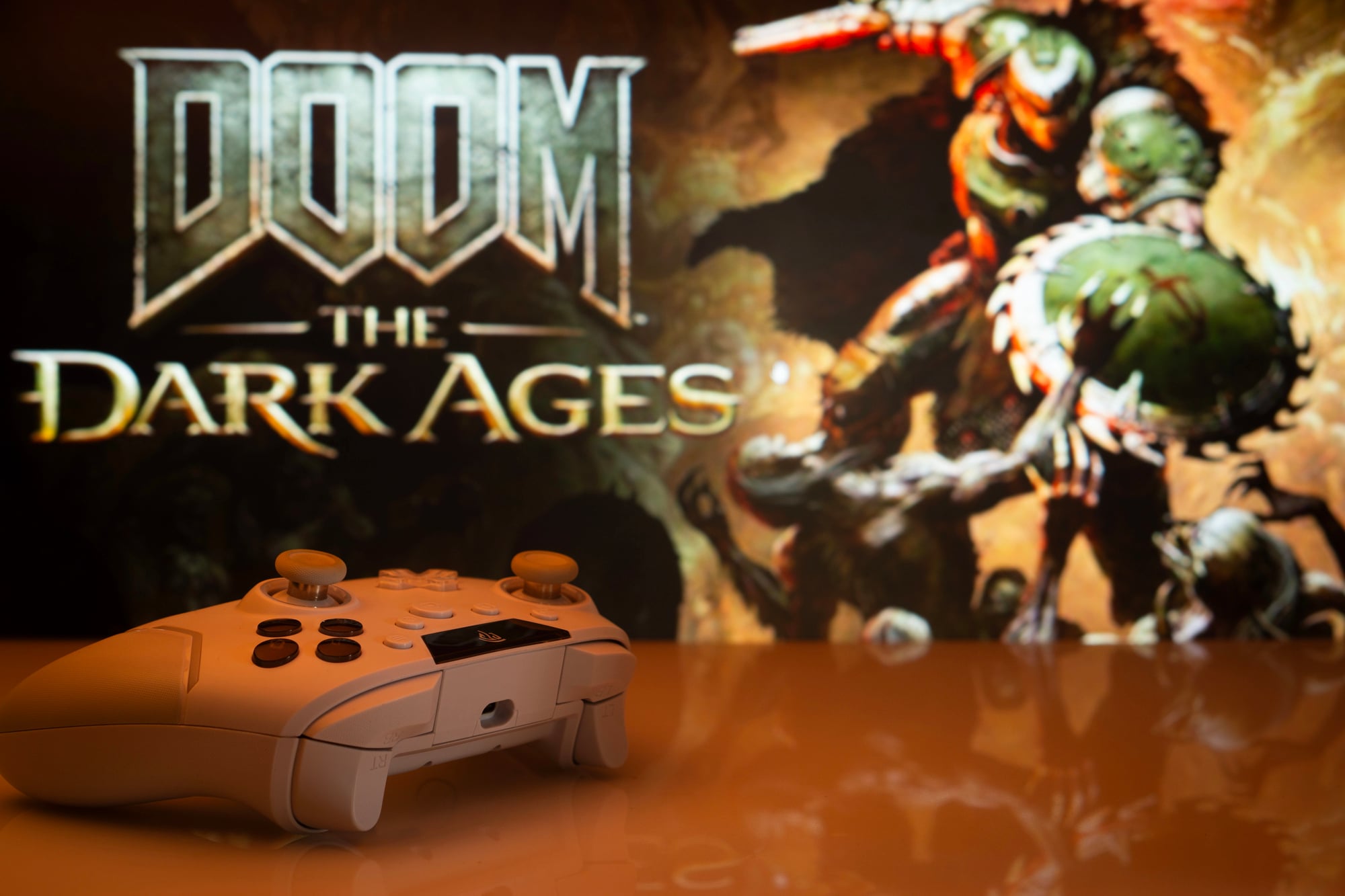
Five letters that meant invincibility in one of the most important games ever made. IDDQD enabled god mode in the 1993 original Doom, setting health to full and making players immune to all damage.
Typing this code meant demons and monsters couldn’t touch you no matter what. The game was terrifying enough for kids back then, with all its hellish imagery and jump scares.
Having god mode meant players could explore every dark corner without fear, turning a horror experience into a power trip. Doom had tons of other cheat codes, but IDDQD was the king because it made you literally unstoppable.
HESOYAM in Grand Theft Auto San Andreas
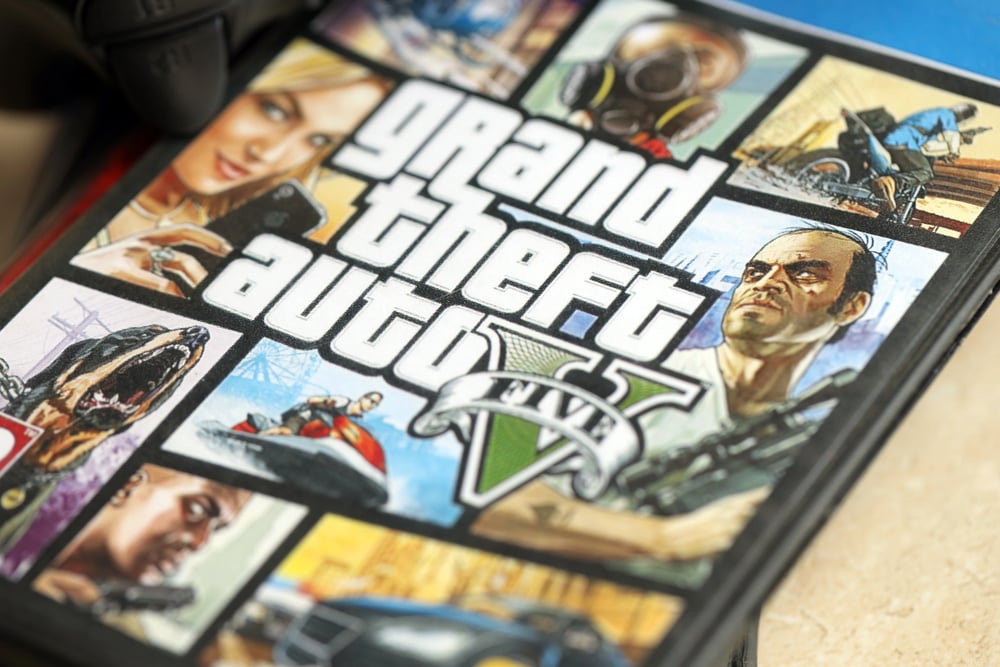
This code gave CJ full health, full armor, and $250,000 every single time someone typed it. Players could spam it over and over, building up millions of dollars in seconds.
Even people who never played San Andreas knew about HESOYAM because friends would share it on the school bus or write it down for each other. It also fixed your burning car, which meant you didn’t have to bail out of that sweet ride; you just crashed into a hundred trees.
The code worked so well that it became more of a ritual than a cheat, with players typing it between cutscenes or before starting difficult missions just to be safe.
R1 R2 L1 X left down right up for GTA

On the original PlayStation 2 version of Grand Theft Auto San Andreas, this button combination gave players $250,000 plus full health and armor. Console players who didn’t have keyboards memorized this sequence of shoulder buttons and directions instead of typing HESOYAM.
The combination felt natural after doing it a few times, like a secret handshake with the game. Players would hammer it in repeatedly before taking on tough missions or just when they wanted to cause chaos around Los Santos without worrying about consequences.
Every GTA game had cheats, but this particular combination became muscle memory for PlayStation owners.
007 373 5963 in Mike Tyson’s Punch-Out

This password code let players skip directly to fighting Mike Tyson, bypassing all the other boxers in the game. The game came out in 1987 on the NES, and reaching Tyson required memorizing patterns and perfectly timed punches through a whole roster of opponents.
When players finally reached Tyson, a single hit on Little Mac ended the fight, making all that effort feel wasted. This code saved hours of frustration by letting players practice against the hardest opponent without having to earn their way there every single time.
Kids wrote this number sequence on everything from their hands to the margins of their school notebooks.
ABACABB for Mortal Kombat

This was the Blood Code for Mortal Kombat on Sega Genesis, restoring the game to its original violent glory after developers tried to clean it up for home consoles. The arcade version featured brutal fatalities with spine rips and head tears, but publishers worried about putting that level of violence on home systems.
Sega’s version included this code that brought back all the gore, while Nintendo’s Super Nintendo version stayed censored without any blood code option. The code became famous enough that it featured in congressional hearings about video game violence just months after release.
Entering ABACABB on the opening screen turned a watered-down fighting game back into the shocking experience arcades offered.
IDKFA for all weapons in Doom

While IDDQD made players invincible, IDKFA gave them every weapon and all the ammo in Doom. The two codes worked perfectly together, creating an unstoppable demon-killing machine.
Nobody remembers what the letters stood for, if they ever stood for anything at all. Doom’s developers packed the game with weird code combinations, and players shared them through early internet forums and gaming magazines.
Having every weapon meant switching between the chainsaw, shotgun, rocket launcher, and BFG depending on the situation. The code transformed careful survival horror gameplay into an all-out firefight where players had unlimited firepower.
Big head mode in NBA Jam

NBA Jam became famous for not taking basketball seriously, and the Big Head cheat was part of that silly appeal. Different games in the series had different codes to unlock this feature, but the result was always the same: players with heads blown up to ridiculous proportions running around the court.
The game also lets players unlock secret characters by entering special codes at certain screens. Hidden characters throughout the franchise included Bill Clinton, Will Smith, and even Mortal Kombat’s Reptile.
These codes made NBA Jam parties unforgettable, with friends laughing at oversized heads and impossible dunks.
Black white black white black for The Sims

Before expansions and downloadable content, The Sims had built-in cheats that players accessed through a special console. The code for bringing up that console on PC was Control-Shift-C, but the real magic happened after typing ‘motherlode’ for $50,000 or ‘rosebud’ for $1,000.
Some versions required typing ‘klapaucius’ instead. Players would type these money cheats dozens of times in a row, building up enough cash to construct enormous mansions and fill them with the best furniture.
The game was supposed to be about managing daily life and climbing social ladders, but cheats turned it into an architecture and interior design simulator where money was never an obstacle.
DK mode in GoldenEye 007

GoldenEye 007 on Nintendo 64 packed in a bunch of cheat modes that players unlocked by completing missions under certain time limits. DK Mode made everyone look like Donkey Kong, with oversized heads and long arms that looked absolutely ridiculous during serious spy missions.
Playing split-screen multiplayer with DK Mode turned tense firefights into comedy shows. The game also featured Paintball Mode, which replaced bullet impacts with colorful paint splatters, and All Bonds mode where every character looked like different versions of James Bond.
NTHGTHDGDCRTDTRK for Turok

Turok: Dinosaur Hunter on Nintendo 64 had one of the longest, most complicated cheat codes in gaming. This impossible string of letters unlocked all weapons, including the famous Cerebral Bore that drilled into enemy heads.
The code was so long that players had to write it down because memorizing it seemed nearly impossible. Once entered though, it transformed the game into a dinosaur-hunting rampage with an arsenal that included explosive arrows, a minigun, and futuristic weapons.
The code became legendary not for being useful but for being absurdly difficult to type correctly without making mistakes.
Justin Bailey in Metroid

This code for the original Metroid on NES became famous for letting players start the game with most upgrades already collected. Even stranger, it made Samus appear without her full armor suit, revealing that the mysterious bounty hunter was actually a woman.
This was huge news in 1986 when almost all video game protagonists were male. The code ‘JUSTIN BAILEY’ looked like a person’s name, which led to wild theories about who Justin Bailey was and why this code existed.
In reality, it was just a random combination that happened to work, but the mystery and the reveal made it unforgettable.
Tony Hawk’s moon physics

In Tony Hawk’s Pro Skater, pressing X, Square, Left, Up, Down, Up, Square, Triangle unlocked moon physics mode. Every trick sent skaters flying into the sky like gravity stopped existing.
With moon physics active, levels became giant playgrounds where rules didn’t matter and physics went out the window. Players would launch off ramps and spin endlessly through the air before eventually crashing back down.
The code wasn’t about getting better scores or completing objectives. It was pure fun, watching skaters defy physics and soar around maps like superheroes on boards.
How do you turn this on for Age of Empires

Age of Empires II had dozens of cheat codes, but ‘how do you turn this on’ was the most entertaining. Typing this phrase spawned a Cobra Car, which was basically a sports car with a machine gun mounted on top that appeared in a medieval strategy game.
Other memorable codes included ‘woof woof’ for a flying dog and ‘furious the monkey boy’ for a ridiculously fast villager who attacked everything. These absurd cheats broke the historical setting completely, turning serious strategic gameplay into chaotic nonsense.
Players would spawn dozens of Cobra Cars and watch them mow down castles and cavalry alike.
Lara exploding in Tomb Raider II

Tomb Raider II included a cheat code that made Lara Croft explode, which served no useful purpose at all. On PC, the code was actually the same as the ‘All Weapons’ cheat from the first game, so players expecting free weapons got a nasty surprise when Lara blew up instead.
The developers at Core Design put this in as a joke, and it worked brilliantly because nobody expected a self-destruct code in an action-adventure game. Players would show this to friends just to see their confused reactions when the main character suddenly exploded for no reason.
Begin at start to pick a stage in Sonic

Pressing Up, Down, Left, Right – then keeping A held while tapping Start on the title screen unlocked a level select trick in the first Sonic the Hedgehog. That small shortcut meant avoiding repeated trips through earlier zones just to reach tougher ones.
As sequels arrived, debug tools grew deeper, offering more than mere stage jumps. Hidden functions became part of the series’ DNA, sparking curiosity with each launch.
Skipping ahead let players linger where fun lived, not where progress demanded.
NoClip Mode in PC Games

Floating without limits, NoClip lets people move like shadows through walls and obstacles. Found across countless PC titles, particularly shooters using systems such as Quake’s engine.
Exploring off-limits spots became possible – hidden corners, spaces behind surfaces, places creators didn’t plan for eyes to land. Instead of finishing levels, folks wandered just to learn what lay beneath the design.
Breaking boundaries happened quietly, revealing how digital worlds fit together piece by piece.
When pixels remember better than paper

Back when cheat codes ruled, gaming felt different. These days, wins are measured by trophies, leaderboards, scores – precision matters more than playfulness.
Balance is key now, especially online, so developers shy away from anything that might tilt the field. Hidden mechanics take priority over wild shortcuts.
Still, plenty of players never forgot how to summon infinite ammo or unlock hidden levels. Muscle memory holds tight to those old rituals.
Even now, some punch in Konami code without thinking, long after consoles faded into drawers. Secrets hidden in numbers and letters once brought gamers together, long before forums or chats showed up.
These days titles run smoother, look sharper – yet something slips through: the thrill of uncovering a scrap with just the right sequence, passed hand to hand like treasure.
More from Go2Tutors!

- The Romanov Crown Jewels and Their Tragic Fate
- 13 Historical Mysteries That Science Still Can’t Solve
- Famous Hoaxes That Fooled the World for Years
- 15 Child Stars with Tragic Adult Lives
- 16 Famous Jewelry Pieces in History
Like Go2Tutors’s content? Follow us on MSN.