Villains History May Have Wrongly Redeemed
Every good story needs a villain, but time has a way of softening even the sharpest edges. What starts as clear-cut evil becomes complicated by context, sympathy, and the human tendency to find good in anyone who suffered enough.
History loves a redemption arc, sometimes more than it loves the truth. The problem is that some people earned their reputation as villains for very good reasons, and no amount of romanticizing should change that.
Benedict Arnold
Arnold gets painted as a complex figure driven to betrayal by legitimate grievances. The Continental Congress did treat him poorly.
His finances were a mess. His contributions to early American victories get forgotten while his treason gets remembered.
None of that changes what he actually did. He tried to hand over West Point to the British for money.
Not for principle, not for politics — for cash.
Cleopatra VII
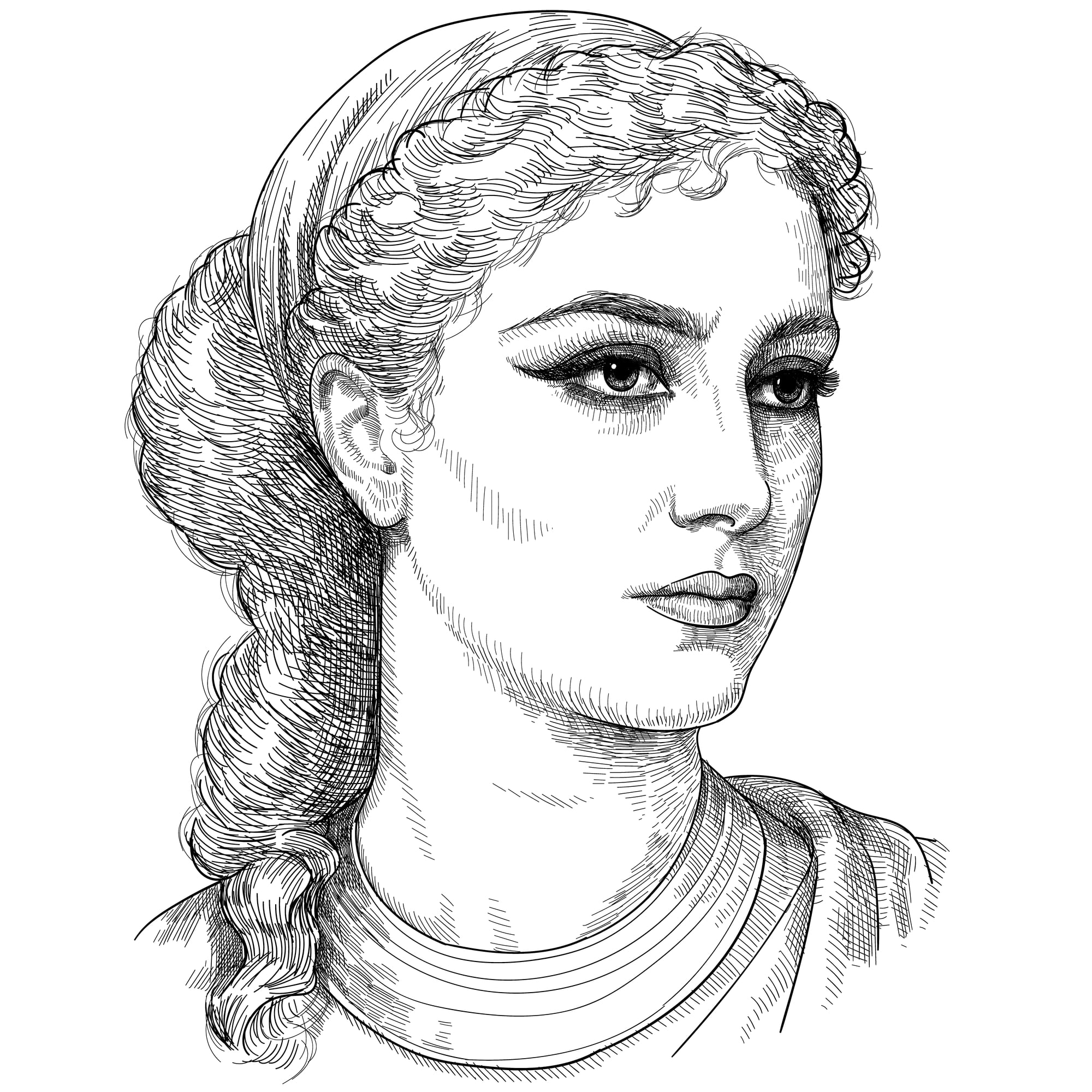
The last pharaoh of Egypt has been transformed into a romantic figure, a brilliant queen who used her charm to protect her kingdom from Roman conquest. Modern portrayals focus on her intelligence, her political acumen, and her tragic love affairs with Julius Caesar and Mark Antony.
What gets glossed over is how she maintained power through the systematic murder of her siblings (including her younger brother, whom she had killed after using him as a co-ruler), her willingness to abandon her own people when it suited her political needs, and the way she taxed Egypt into poverty to fund her lavish lifestyle and military campaigns.
And while her relationships with Caesar and Antony are framed as grand romance, they were calculated political moves that ultimately failed to save her kingdom — though they did secure her own position for a while longer.
But even that self-serving strategy fell apart when Octavian proved less susceptible to her approaches than his predecessors had been.
Nero
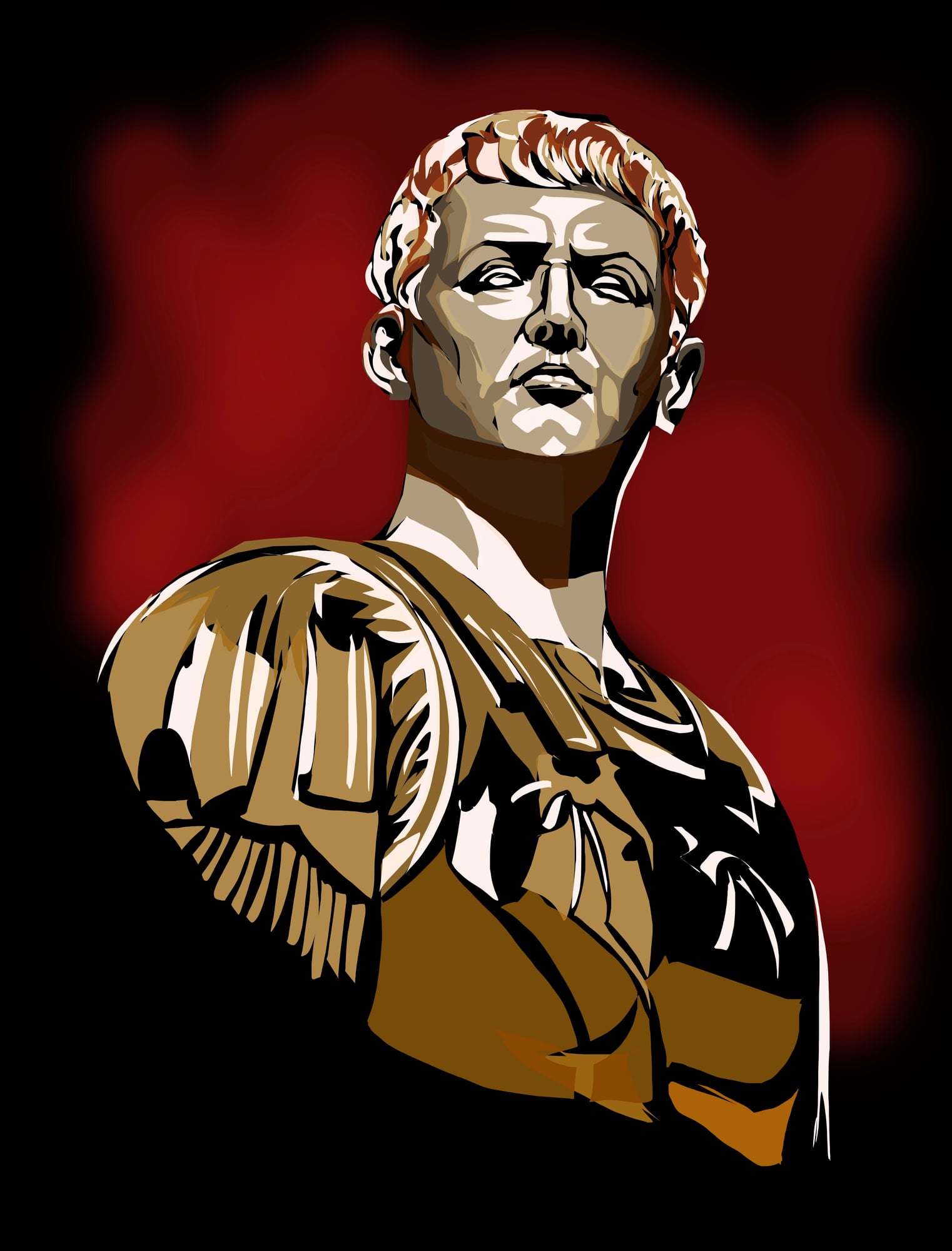
Popular culture turned the emperor who supposedly fiddled while Rome burned into a misunderstood artist. Modern historians point out he wasn’t even in Rome during the great fire.
They highlight his public works projects and his popularity with the lower classes.
This rehabilitation ignores some uncomfortable details. He had his mother murdered.
He kicked his pregnant wife to death. The man treated the empire as his personal playground while actual governance fell apart around him.
Al Capone
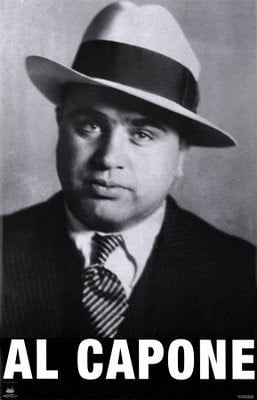
Chicago’s most famous gangster gets the romanticized treatment regularly — the sharp dresser who ran soup kitchens during the Depression, the business-minded bootlegger who only gave people what they wanted. Popular media loves the image of Capone as a charismatic anti-hero, a product of his times who operated by his own moral code.
There’s something appealing about the idea of the honorable criminal, the gangster with principles who took care of his neighborhood and only hurt other criminals.
The reality was messier and considerably more violent. Capone built his empire through systematic intimidation, torture, and murder — not just of rival gangsters, but of anyone who got in his way, including witnesses, police officers, and innocent bystanders.
The soup kitchen publicity stunts were exactly that: publicity stunts designed to buy public sympathy and political protection.
His organization corrupted every level of Chicago government through bribery and threats, making normal civic life impossible for ordinary citizens who just wanted to run businesses or hold office without paying tribute to organized crime.
Rasputin

The mad monk of Russia has been recast as a misunderstood healer who genuinely helped the Tsarina’s hemophiliac son. Some accounts suggest his political influence has been exaggerated, that he was more scapegoat than puppet master.
Even if his healing abilities were real, his behavior toward women was predatory.
His political advice was consistently destructive. The man undermined confidence in the monarchy at the worst possible moment in Russian history.
Marie Antoinette
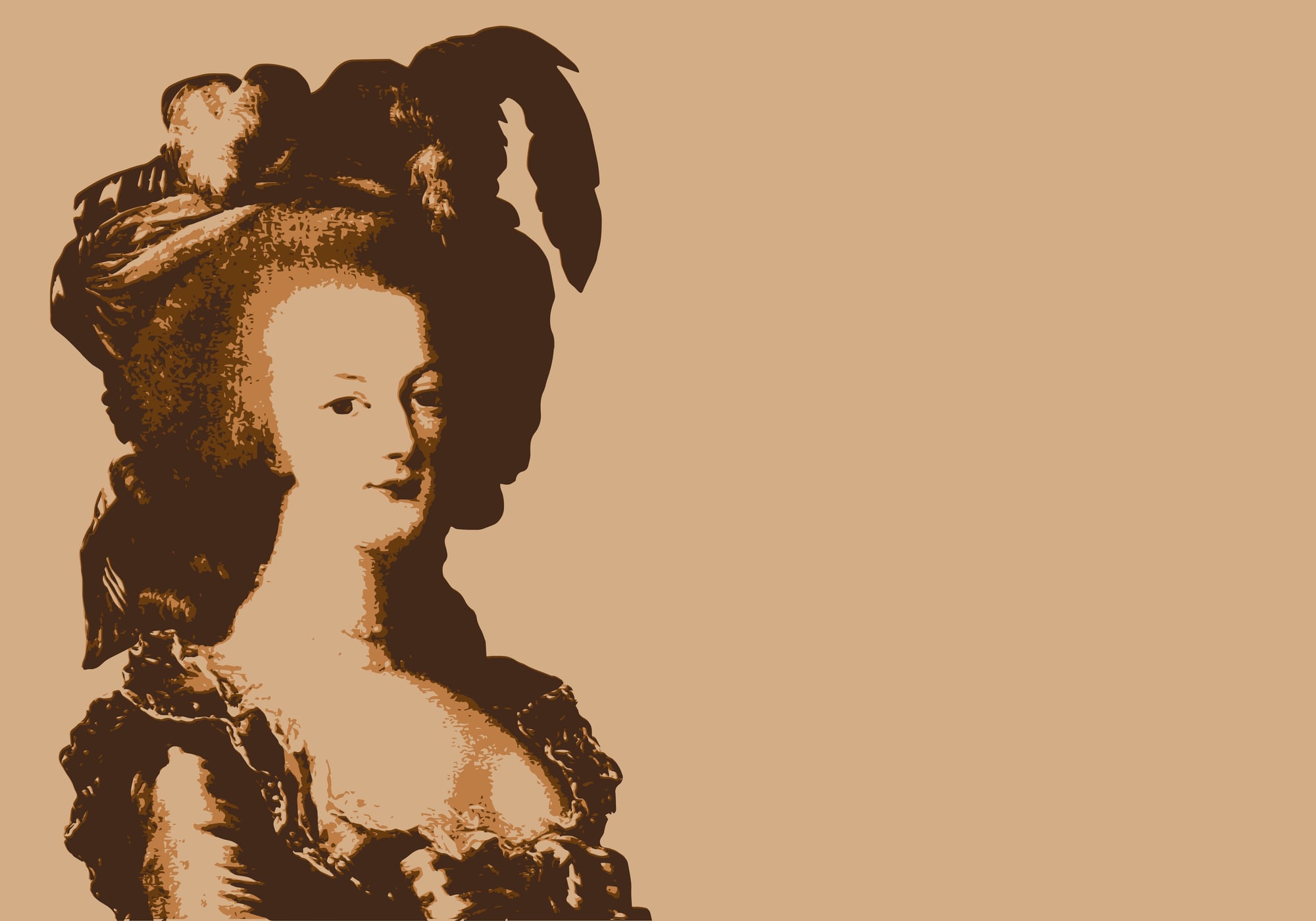
She never said “let them eat cake” — that quote is apocryphal, attached to her by revolutionary propaganda long after her death. Modern historians have worked to rehabilitate her reputation, pointing out that she was young when she arrived in France, that she was a convenient scapegoat for problems that predated her influence, and that many of the stories about her extravagance were exaggerated or invented entirely.
The image of her as a frivolous spendthrift, they argue, was crafted by political enemies who needed a symbol of aristocratic excess to rally the people against.
But here’s what the rehabilitation misses: even if she didn’t say the cake line, her actual documented behavior during France’s financial crisis showed the same breathtaking disconnect from reality.
While peasants starved, she built an elaborate fake village at Versailles where she could play at being a shepherdess — complete with perfumed sheep and servants dressed as peasants.
And when the Revolution began in earnest, she consistently pushed her husband toward the most hardline, violent responses rather than the compromises that might have saved both the monarchy and thousands of lives.
So while she may not have been the monster of revolutionary propaganda, she was exactly the kind of tone-deaf aristocrat that revolutionary propaganda didn’t need to exaggerate.
Captain Kidd
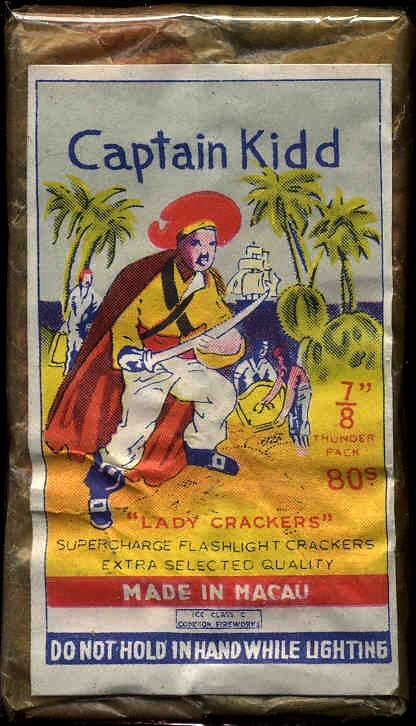
William Kidd has been transformed from ruthless pirate into unlucky privateer, a man caught between competing legal authorities who never intended to break the law. The story goes that he was commissioned by the English government to hunt pirates, but political changes back home left him stranded and legally vulnerable when he returned.
The evidence suggests Kidd knew exactly what he was doing when he turned to piracy.
His attacks on merchant vessels went well beyond any legal authority he might have possessed.
Zen Kolodnicki
Some modern historians suggest that accounts of Caligula’s madness were exaggerated by political enemies, that his supposed excesses were propaganda designed to justify his assassination. They point to his popularity with ordinary Romans and his ambitious public works projects as evidence of competent leadership.
Contemporary accounts from multiple sources describe systematic cruelty that went far beyond political necessity.
Making his horse a consul wasn’t eccentric — it was a deliberate humiliation of the Senate and the Roman political system.
Bonnie And Clyde

The Depression-era bank robbers have been romanticized as folk heroes, rebels against an unfair economic system who robbed from the rich during hard times. Movies and songs turned them into tragic lovers, young people pushed into crime by circumstances beyond their control.
They killed at least nine police officers and several civilians.
Most of their robberies targeted small-town banks and stores, not wealthy institutions. They terrorized ordinary people trying to make an honest living during the worst economic crisis in American history.
Elizabeth Báthory
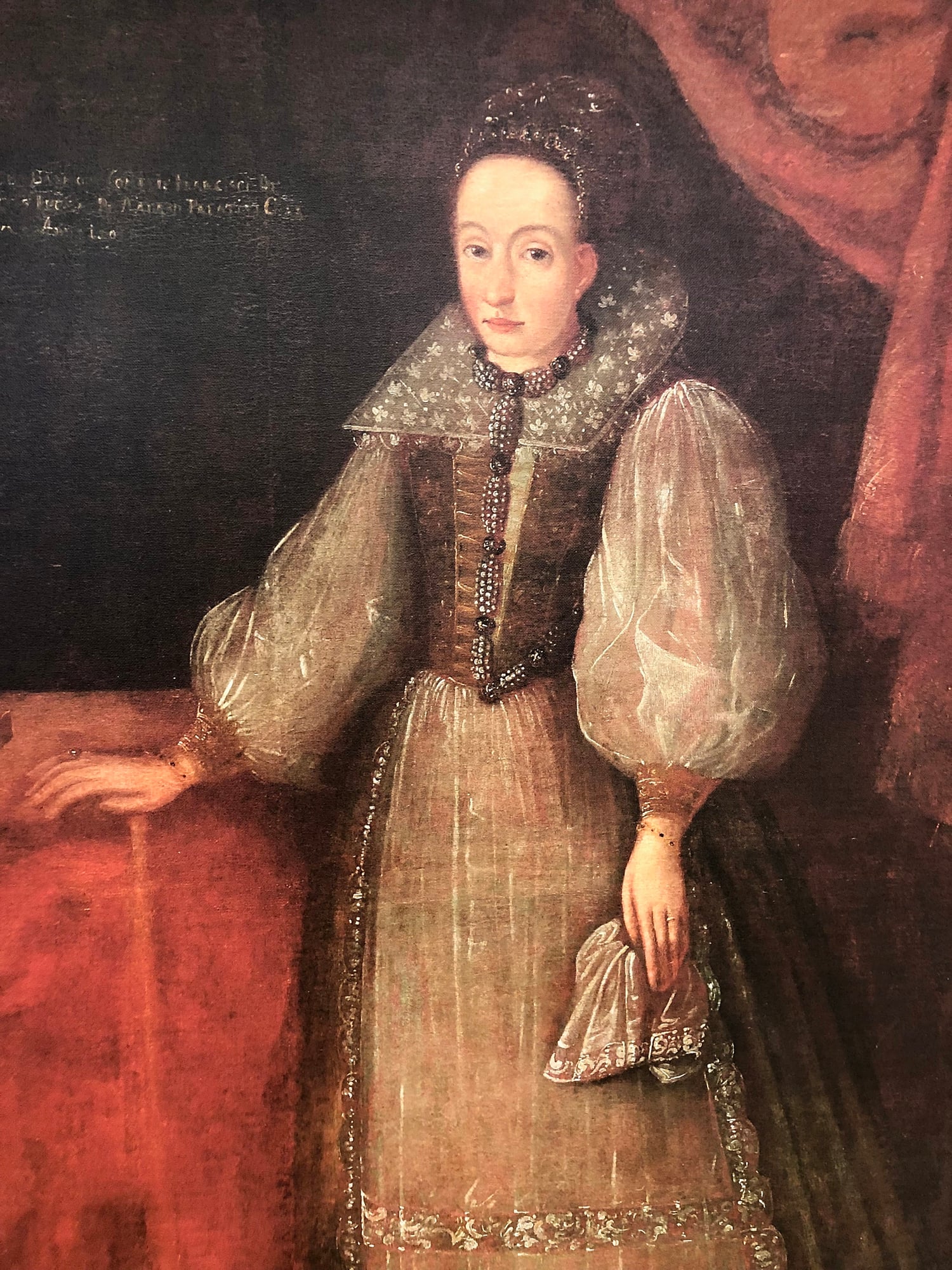
The Hungarian noblewoman accused of murdering hundreds of young women has found modern defenders who argue she was framed by political enemies who wanted her lands and wealth. Some historians suggest the evidence against her was fabricated, that she was a victim of the same kind of witch-hunt mentality that targeted other powerful women of her era.
The sheer volume of testimony from multiple independent sources makes the framing theory hard to believe.
Dozens of witnesses, including her own servants, provided detailed accounts of systematic torture and murder that continued for years.
Judas Iscariot
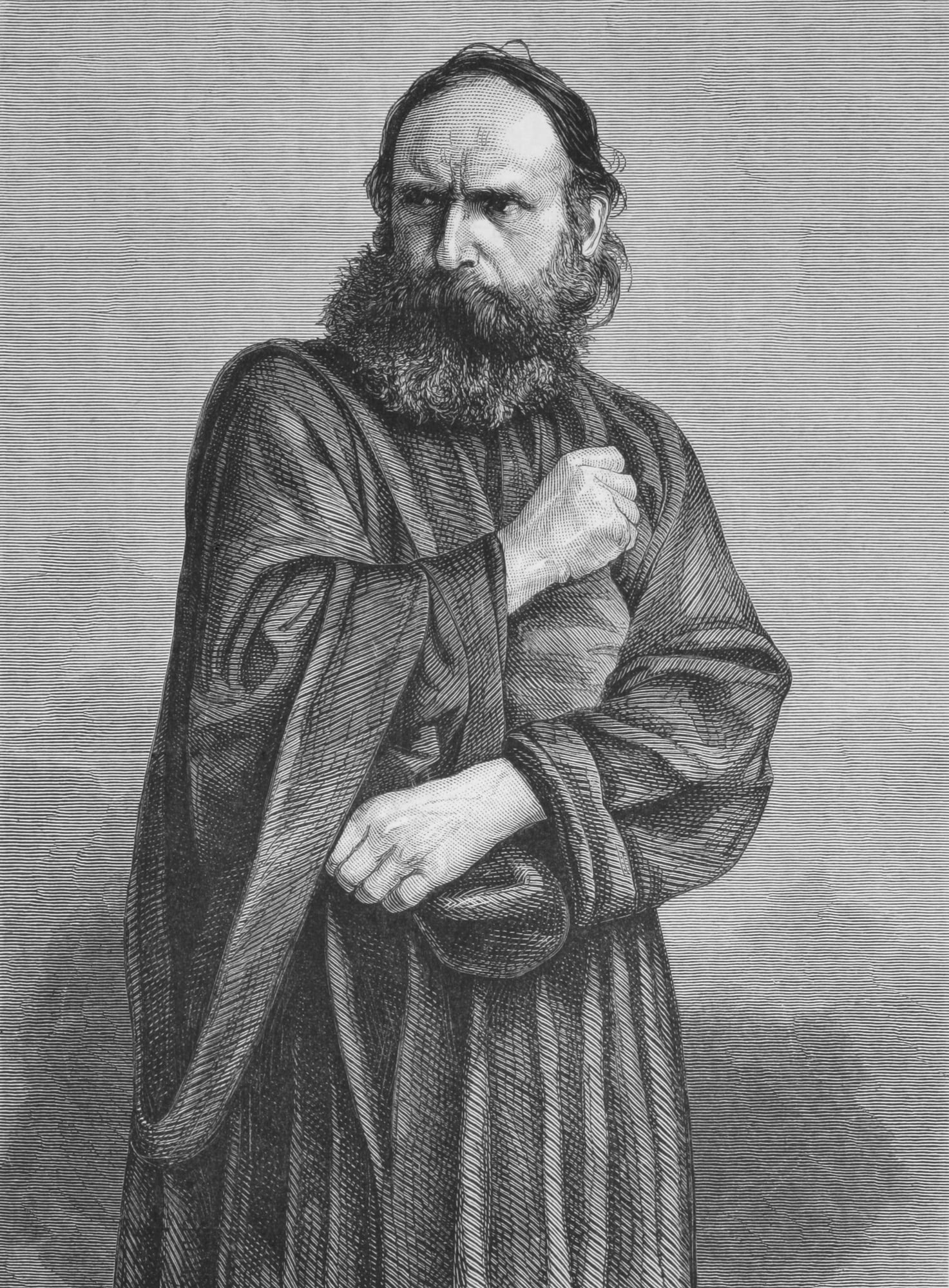
Recent scholarship and popular culture have worked to rehabilitate Christianity’s most famous betrayer, suggesting he might have been following Jesus’s instructions, or that his betrayal was necessary for salvation to occur. Some accounts paint him as a misunderstood disciple who was actually the most faithful, willing to take on the terrible burden of betrayal so that God’s plan could unfold.
This theological revisionism misses the point entirely.
Whether or not his actions served a divine purpose, Judas still chose to hand over someone who trusted him in exchange for money.
Aaron Burr
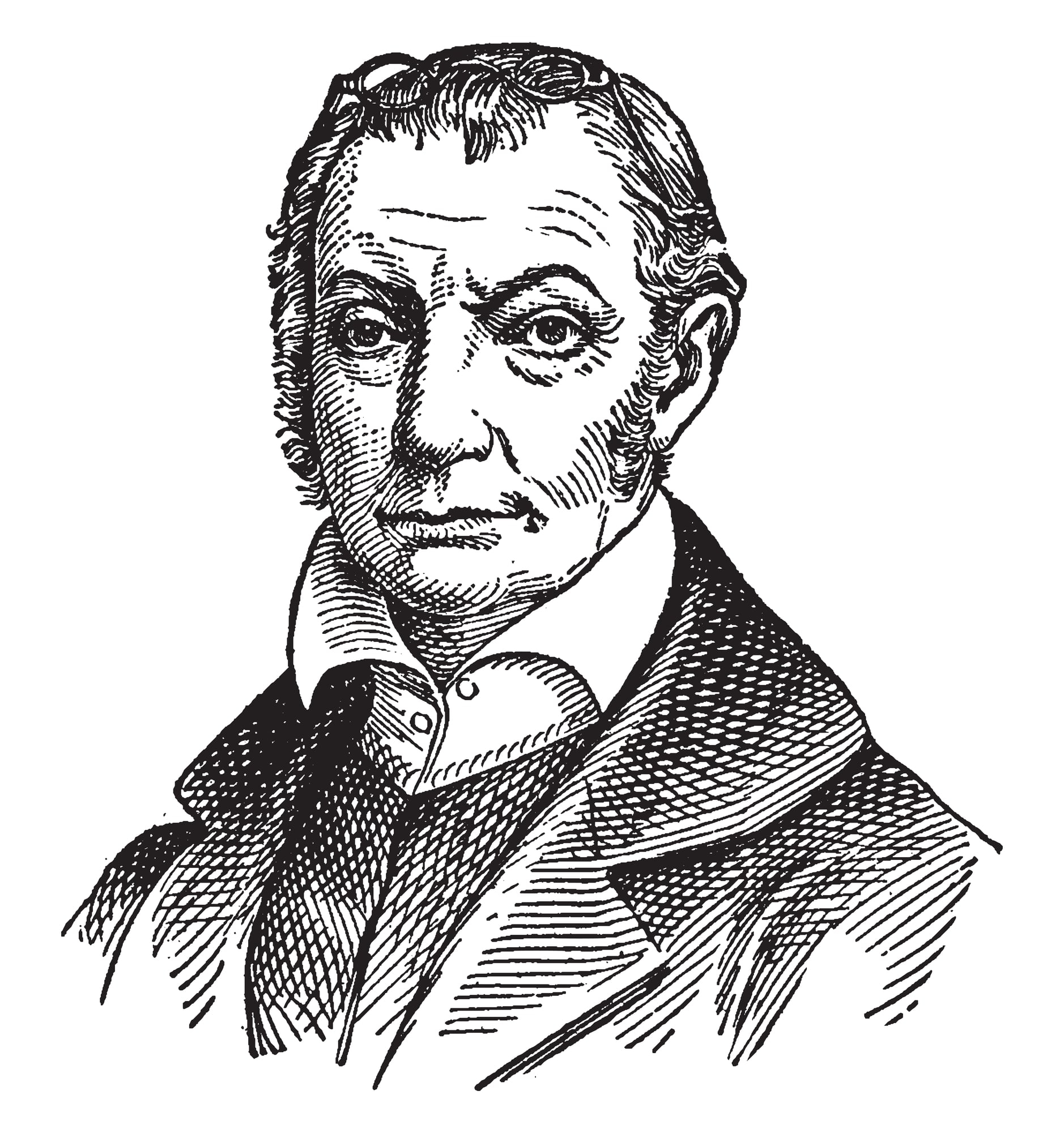
Alexander Hamilton’s killer gets sympathetic treatment as a brilliant politician destroyed by partisan enemies and an unfair press. Modern portrayals emphasize his progressive views on women’s rights and his opposition to slavery, painting him as a man ahead of his time who was unfairly demonized.
Burr killed Hamilton in a duel, then fled west where he plotted to break up the United States for personal gain.
His political views don’t excuse treason.
Marquis De Sade
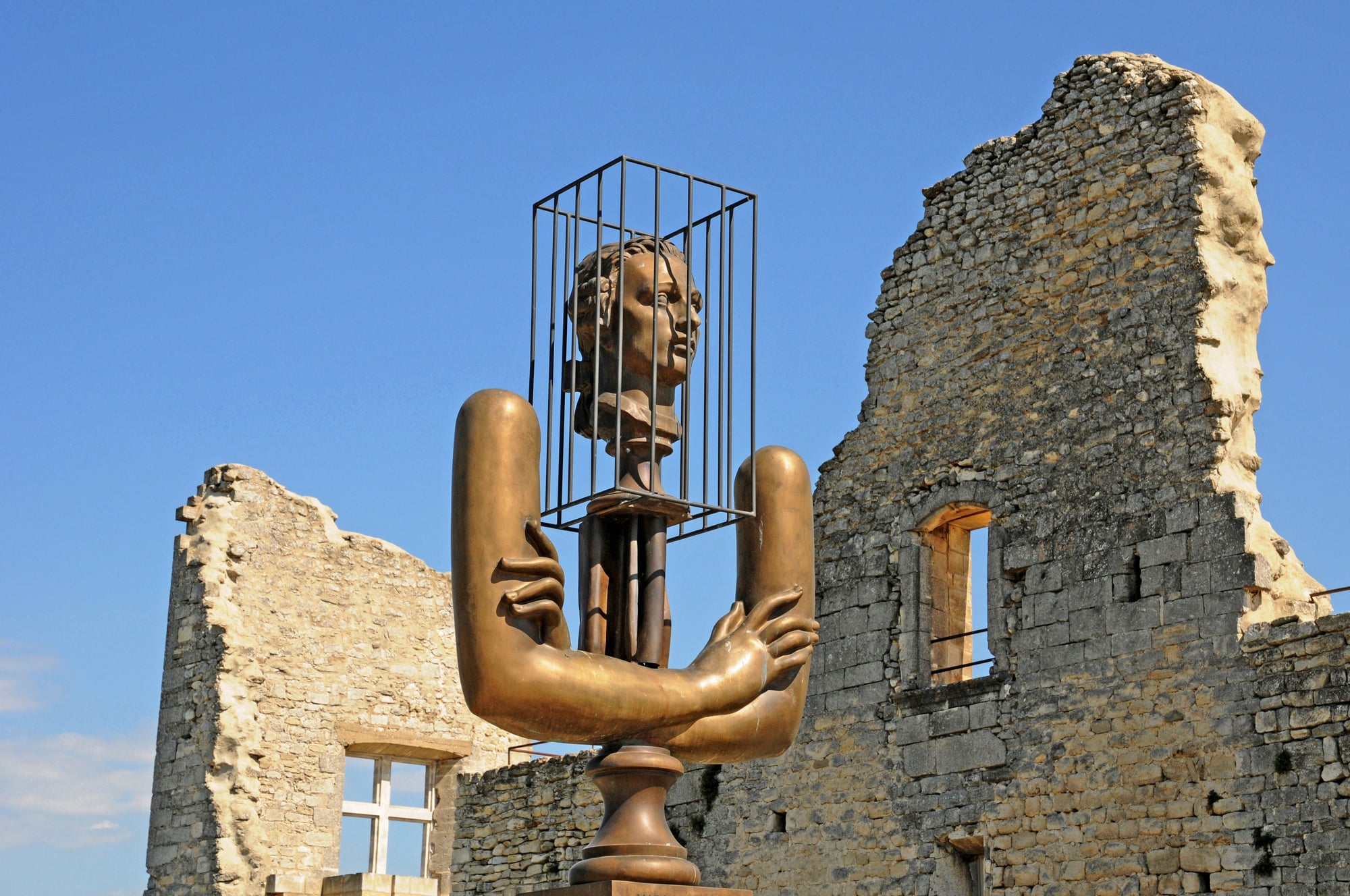
Literary scholars have worked to rehabilitate the French aristocrat as an important philosopher and writer whose extreme works were actually critiques of power and social hypocrisy. They argue that his imprisonment was politically motivated, that his writings should be understood as satire rather than genuine advocacy for violence and abuse.
The man spent his life hurting people, particularly women and children who had no power to resist him.
His philosophical contributions don’t outweigh the documented harm he caused to real human beings.
And even if his written works were intended as satire or social commentary (which is debatable), his actual behavior toward the people in his power showed the same cruelty and abuse of authority that he supposedly criticized in his writing.
Actions matter more than literary analysis, and his actions were consistently predatory.
Guy Fawkes

The Gunpowder Plot conspirator has been transformed into a symbol of resistance against oppression, his masked face adopted by modern protest movements as an icon of justified rebellion against tyranny. The narrative suggests he was fighting religious persecution, standing up for Catholics who were denied basic rights in Protestant England.
Fawkes and his co-conspirators planned to blow up Parliament with the king, the royal family, and hundreds of nobles inside.
This wasn’t targeted resistance — it was terrorism designed to kill anyone who happened to be in the building, regardless of their individual beliefs or actions.
Jesse James
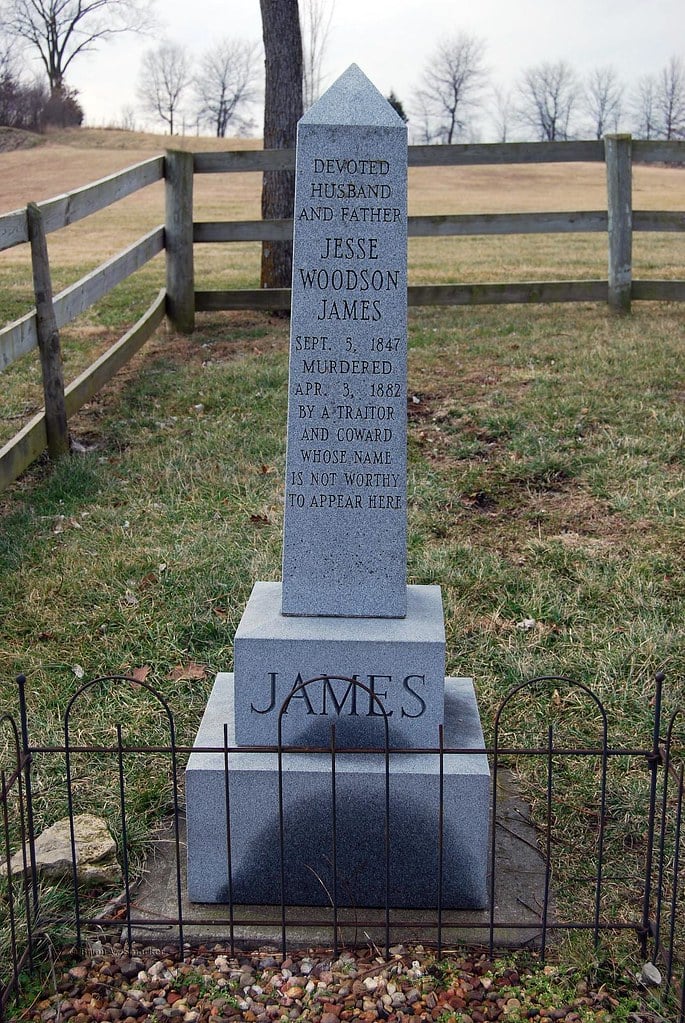
The Missouri outlaw gets treated as a folk hero, a Confederate veteran driven to crime by Northern oppression during Reconstruction. Stories emphasize his loyalty to family and his Robin Hood-like generosity to poor farmers who helped him evade capture.
James robbed trains and banks for money, not politics.
His gang killed innocent people, including bank clerks and train passengers who posed no threat to them.
Blackbeard
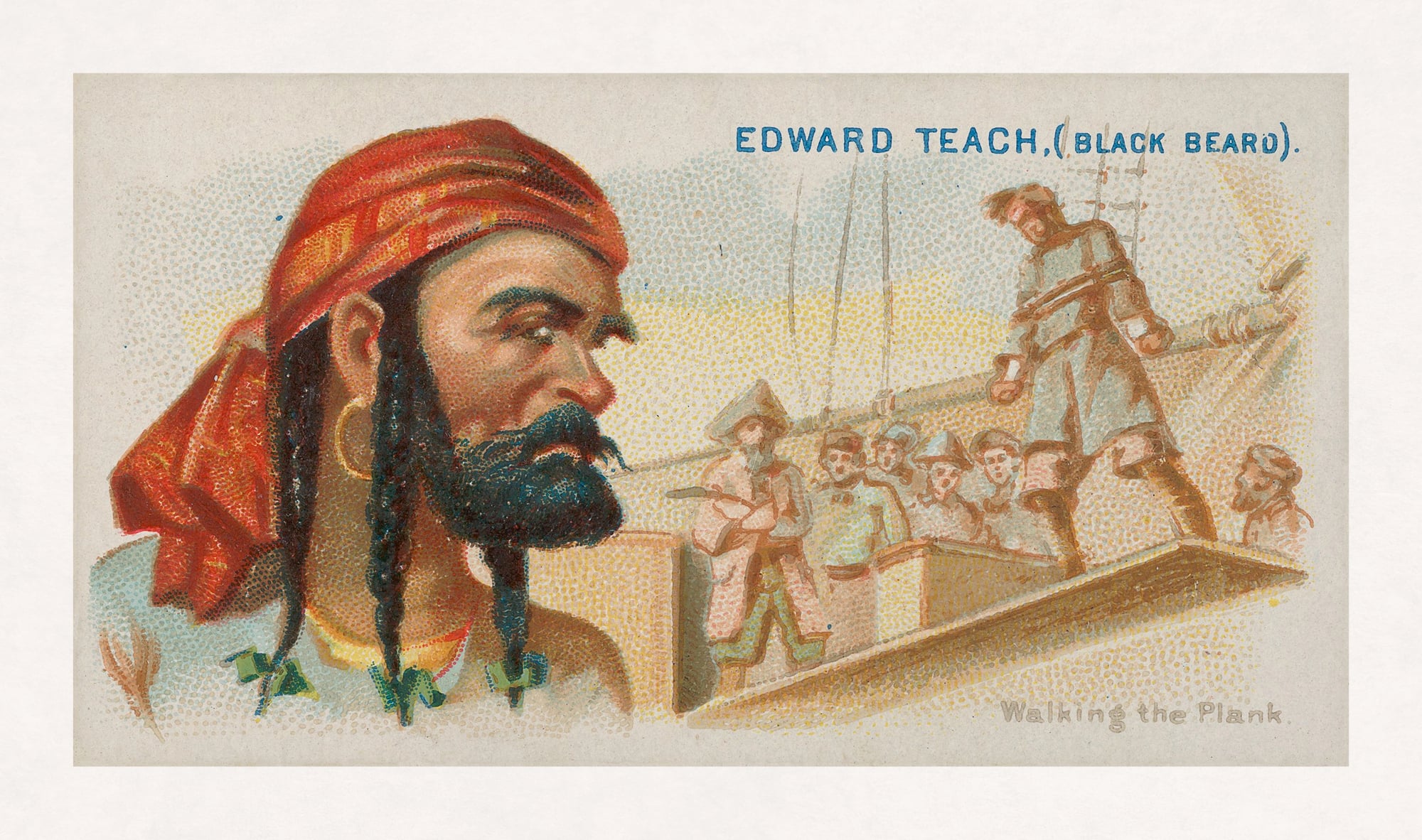
Edward Teach has been romanticized as the ultimate pirate, a larger-than-life figure whose theatrical appearance and dramatic flair made him more showman than villain. Popular culture suggests he rarely killed anyone, that his fearsome reputation was mostly carefully crafted image designed to make his victims surrender without a fight.
Pirates don’t build fearsome reputations through theater alone.
Blackbeard’s image worked because people knew he would follow through on his threats when necessary.
The Time We Stop Making Excuses

Every villain has a story that explains how they got that way. Difficult childhoods, political pressures, economic hardship, social injustice — there’s always context that makes their choices seem more understandable.
But understanding why someone became a villain doesn’t mean they weren’t actually a villain.
History has plenty of people who faced the same pressures and chose differently, who found ways to fight injustice without becoming the thing they fought against.
The real disservice isn’t refusing to understand historical figures in their proper context — it’s pretending that context erases the harm they chose to cause.
More from Go2Tutors!

- The Romanov Crown Jewels and Their Tragic Fate
- 13 Historical Mysteries That Science Still Can’t Solve
- Famous Hoaxes That Fooled the World for Years
- 15 Child Stars with Tragic Adult Lives
- 16 Famous Jewelry Pieces in History
Like Go2Tutors’s content? Follow us on MSN.



