Weirdest Flavors of Chips Around the World
Walk down the snack aisle in another country and you’ll quickly realize that what counts as a normal chip flavor varies wildly depending on where you are. While Americans munch on sour cream and onion, people elsewhere are eating chips that taste like roasted lamb or pickled fish.
Some of these flavors make sense in their local context. Others are just plain bizarre no matter where you’re from.
Lay’s Cappuccino (United States)
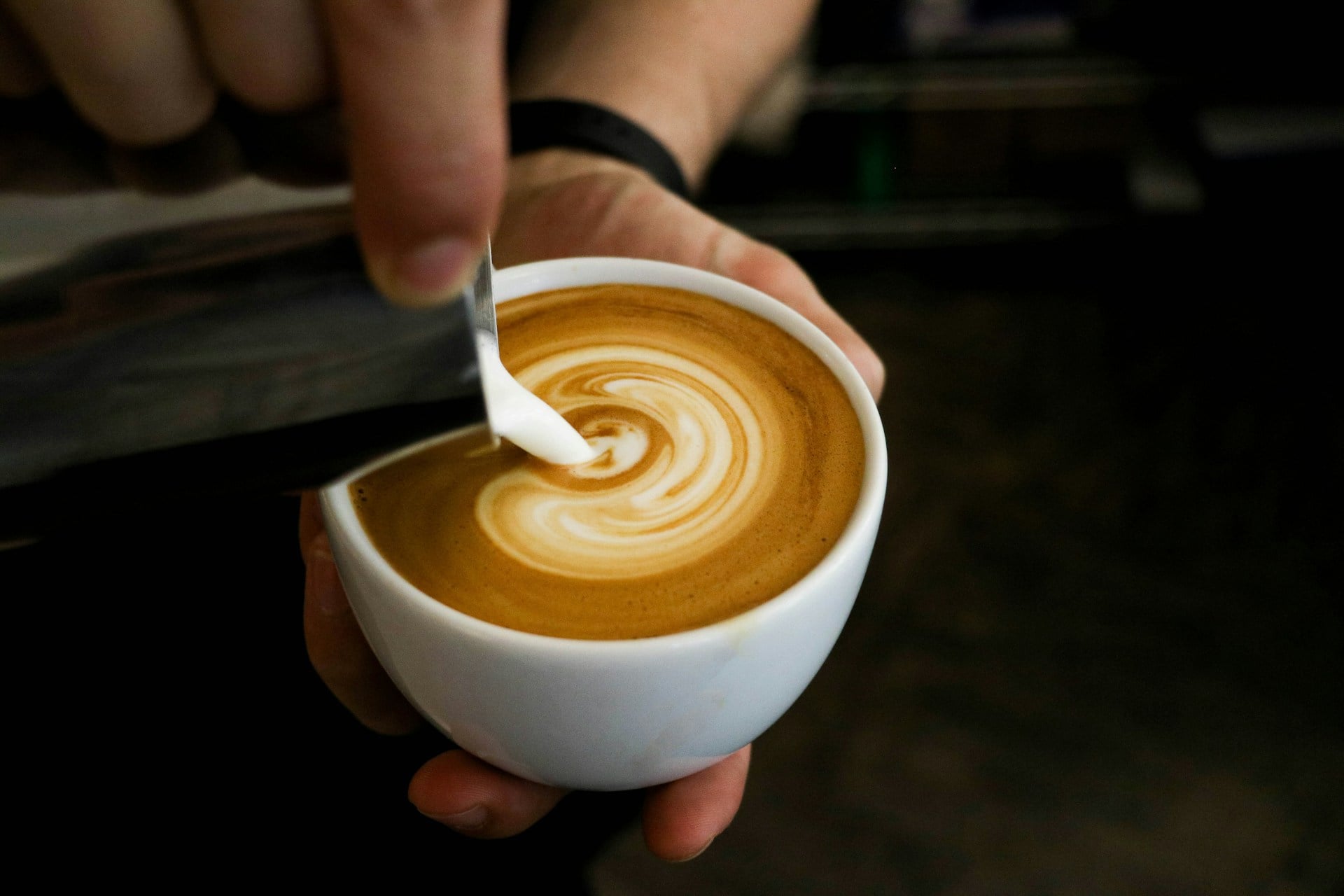
Coffee-flavored chips sound like something dreamed up as a joke. But in 2014, Lay’s actually produced cappuccino-flavored chips as part of their “Do Us A Flavor” contest in the United States.
The flavor combined the taste of coffee with cream and a hint of cinnamon, all on a potato chip. Reviews were mixed.
Some people found it interesting in a novelty sort of way. Others couldn’t get past the cognitive dissonance of eating something that tasted like coffee but had the texture of a chip.
The flavor was a limited-time finalist and didn’t win, but it remains one of the stranger experiments in the chip world.
Walker’s Brussels Sprout (United Kingdom)
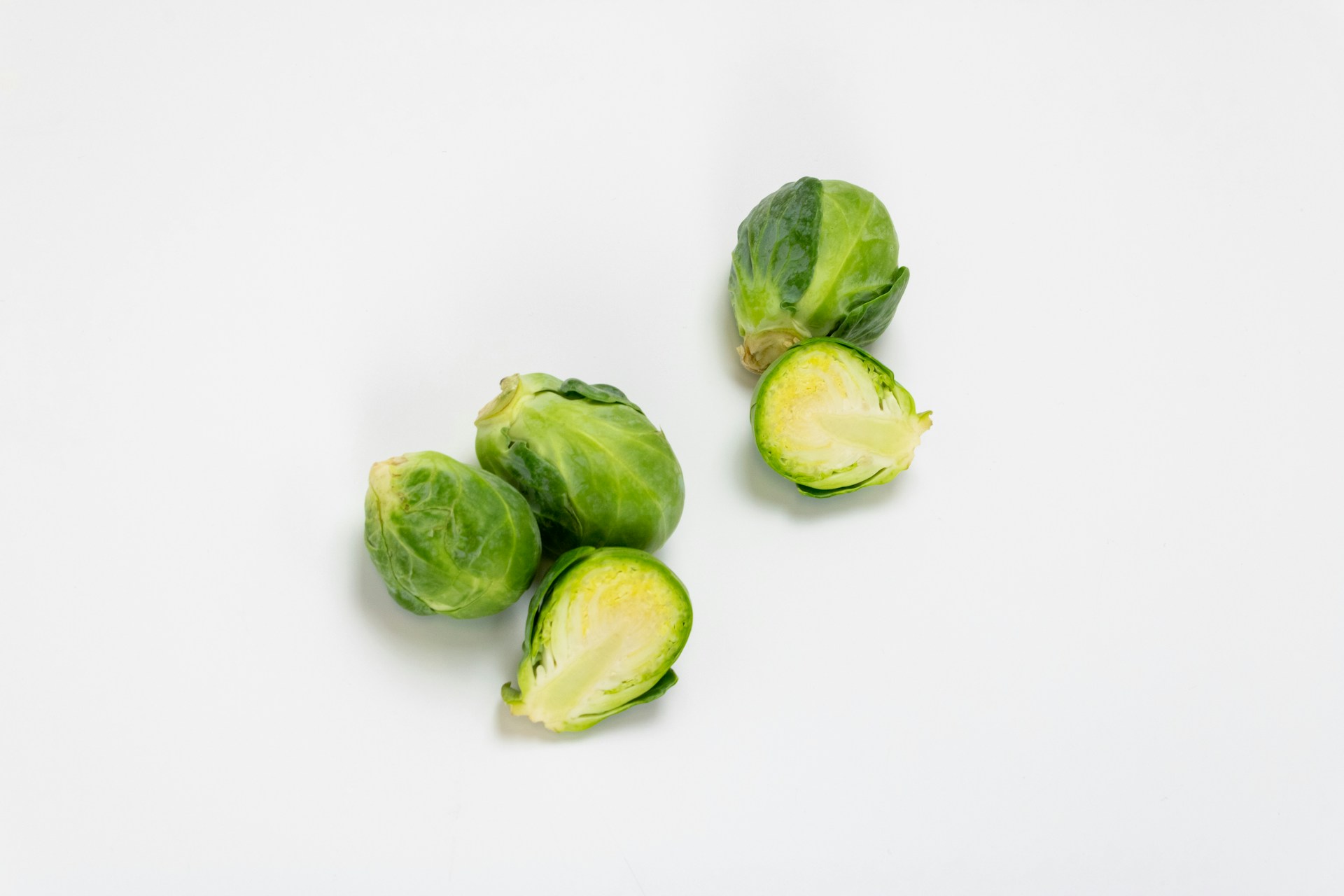
Walker’s released Brussels sprout-flavored chips in the UK as part of a Christmas promotion. Brussels sprouts are a traditional holiday vegetable in Britain, so the timing made sense.
The execution, however, was questionable. The chips tasted like boiled Brussels sprouts, complete with that slightly bitter, cabbage-like flavor.
Some people loved them for the novelty. Most people did not.
The flavor was limited edition, which was probably for the best. It’s hard enough getting people to eat Brussels sprouts as a vegetable.
Convincing them to eat them as chips is an even harder sell.
Lay’s Cucumber (Multiple Countries)
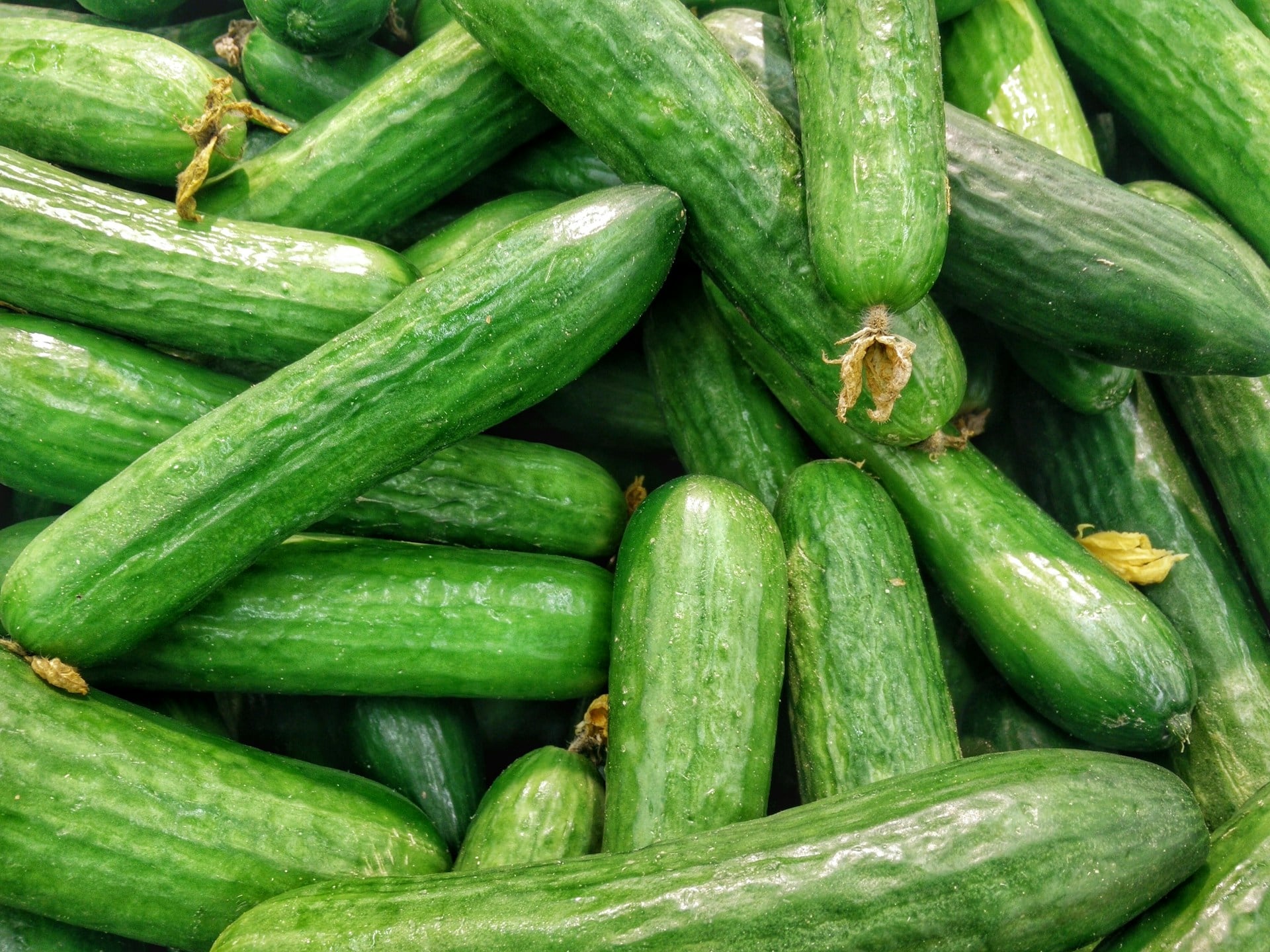
Cucumber might seem like a mild choice compared to some of these other flavors, but cucumber-flavored chips are surprisingly polarizing. Lay’s has sold them in various countries including Russia and parts of Europe.
The flavor tastes exactly like fresh cucumber with a hint of dill. If you like cucumbers, you’ll probably find them refreshing.
If you don’t, they taste like eating a salad in chip form. The texture throws people off.
Cucumbers are crisp and watery. Chips are crisp and dry.
The combination creates a weird disconnect.
Pringles Soft-Shell Crab (Japan)
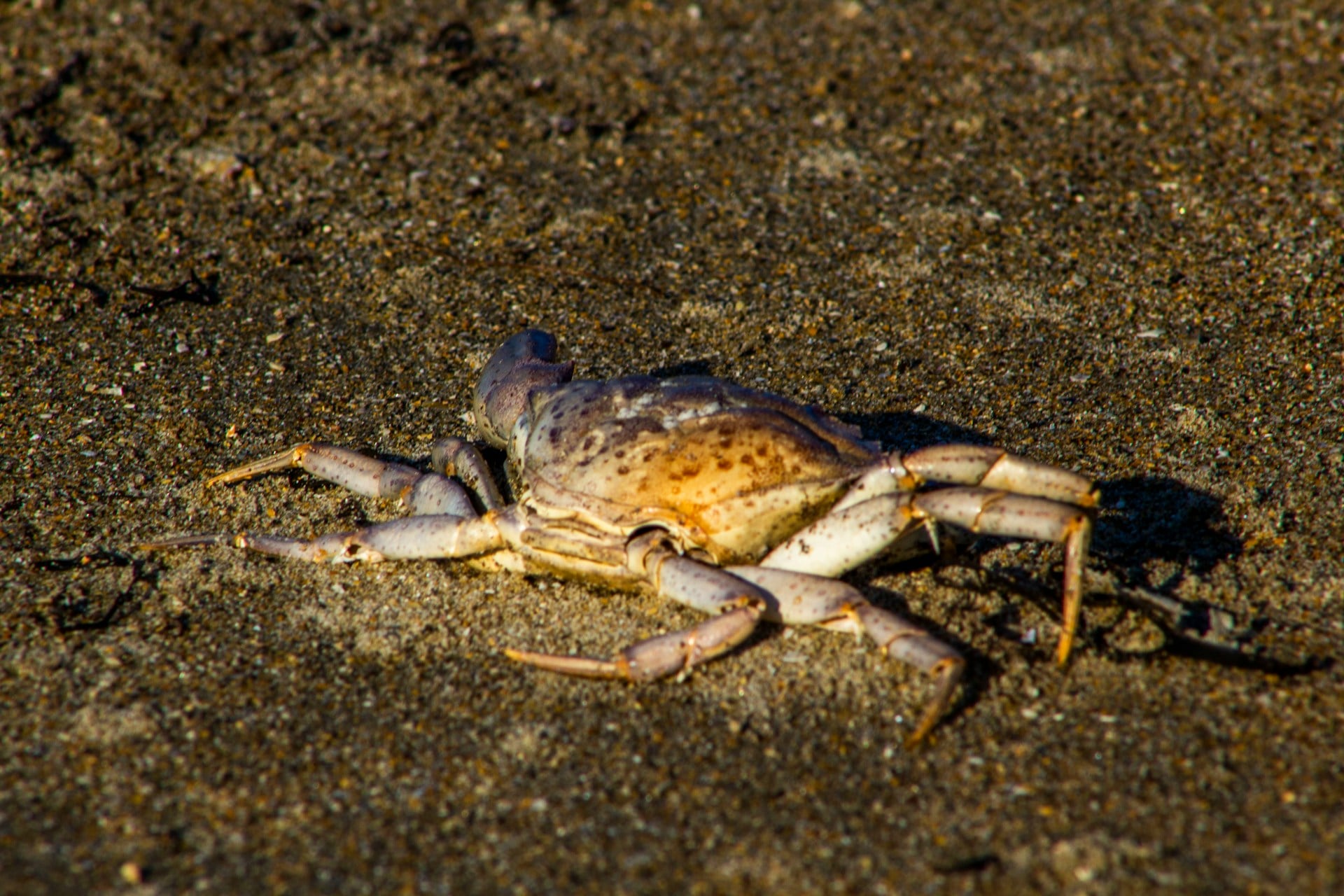
Japan takes chip flavors seriously, and Pringles responded with soft-shell crab. The flavor aims to replicate the taste of battered and fried crab, which is popular in Japanese cuisine.
The chips have a distinctly fishy, seafood taste with hints of batter and seasoning. For people familiar with soft-shell crab, the flavor makes sense.
For everyone else, it’s jarring. Seafood-flavored chips occupy a weird space.
The ocean taste doesn’t quite work when you’re eating something made from potatoes.
Lay’s Mango Salsa (Australia)
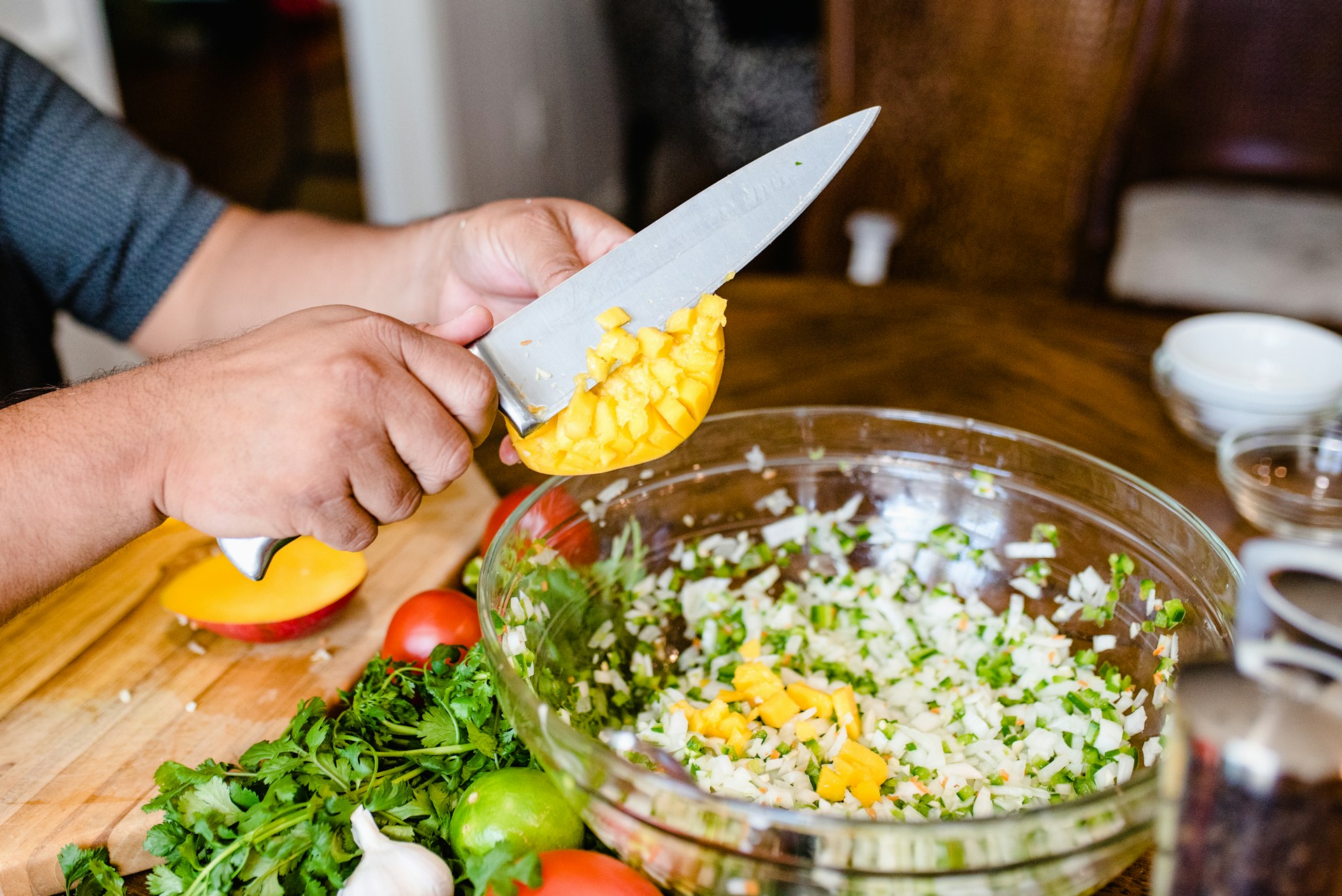
Mango shows up in savory dishes throughout Asia and Latin America, so combining it with salsa isn’t completely outrageous. But on a chip, the sweetness of mango clashes with the expectations of what salsa should taste like.
Lay’s released these in Australia, where tropical fruits are common. The flavor combines sweet mango with tomato, onion, and a bit of heat.
Some people found the sweet-savory-spicy combination interesting. Others thought it tasted confused, like the chip couldn’t decide what it wanted to be.
Walkers Cajun Squirrel (United Kingdom)
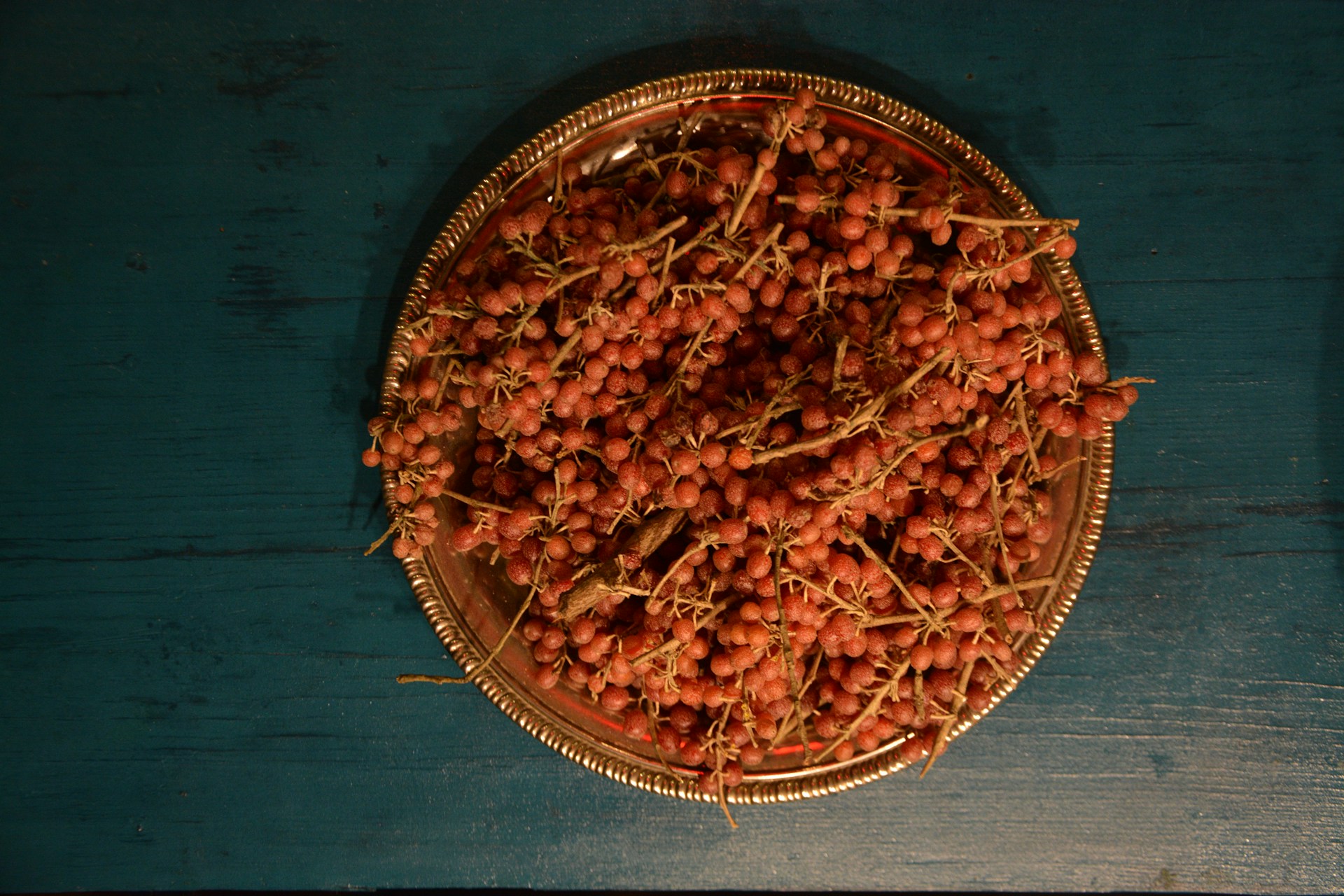
This flavor won a contest in the UK where people voted on new chip flavors. Cajun squirrel beat out other finalists including fish and chips.
The flavor doesn’t actually contain squirrel. It’s meant to evoke the taste of Cajun-spiced game meat with herbs and spices common in Louisiana cooking.
The result tastes more like generic “wild meat” seasoning than anything specific. The name generated buzz, which was probably the point.
But the flavor itself was too weird for most British consumers. Walker discontinued it after the promotional period ended.
Lay’s Pickled Cucumber (Russia and Eastern Europe)
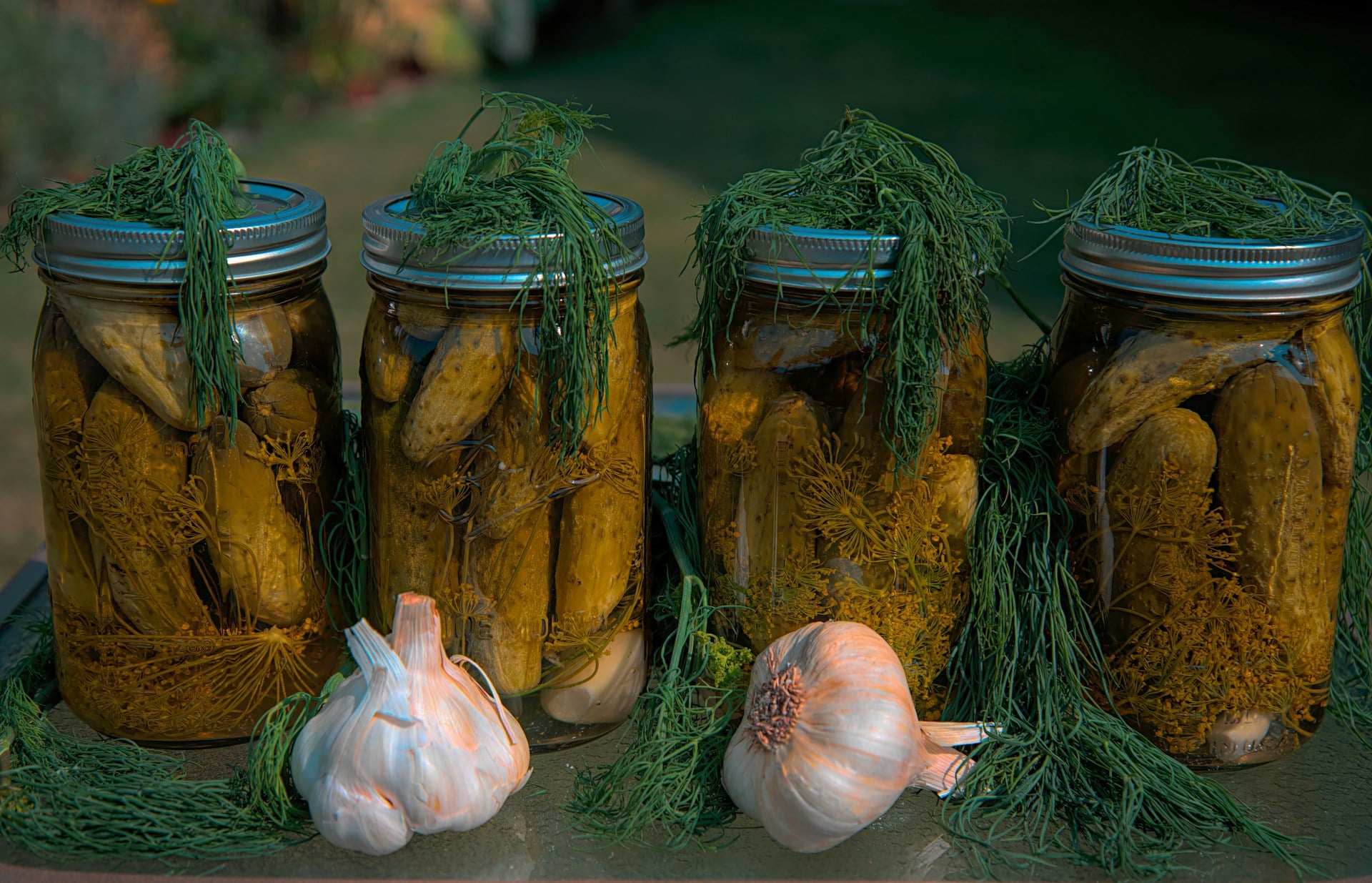
Pickled cucumbers, or pickles, are a major part of Eastern European cuisine. So naturally, they became a chip flavor.
These chips taste strongly of vinegar and dill with that distinctive fermented flavor that pickles have. If you grew up eating pickled vegetables with every meal, these chips make perfect sense.
If you don’t, they taste aggressively sour and strange. The flavor has a devoted following in Russia and neighboring countries, but it never caught on elsewhere.
Lay’s Grilled Pork and Seaweed (Thailand)
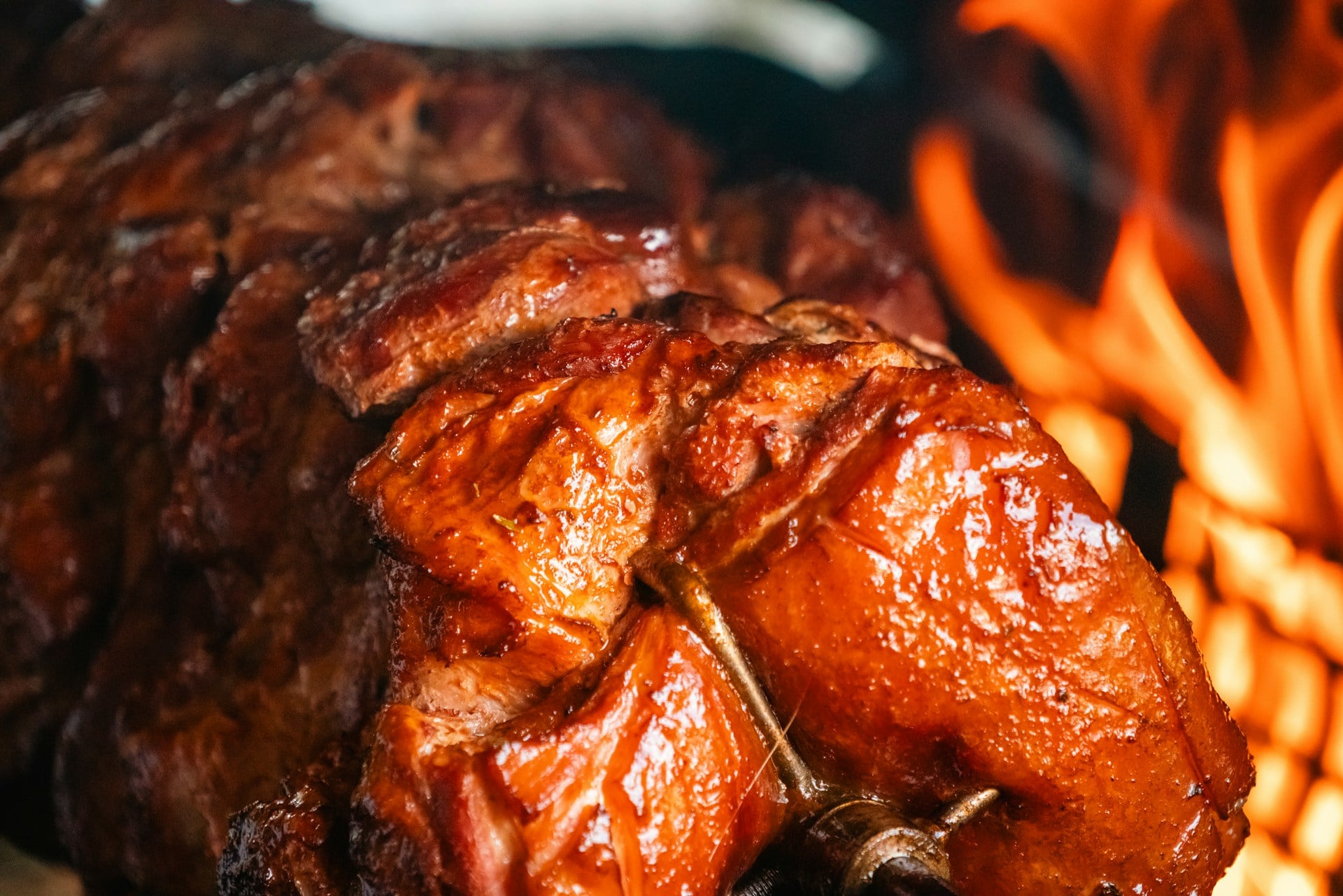
Thailand’s chip market features flavors that reflect local cuisine. Grilled pork and seaweed combine two popular ingredients into one chip.
The pork flavor is sweet and slightly smoky, while the seaweed adds a salty, oceanic taste. Together, they create something that tastes vaguely like Thai street food.
The combination works better than you’d expect, but only if you’re familiar with those flavor profiles. For people outside Thailand, it tastes like a very confused chip trying to be too many things at once.
Calbee Vegetable Salad (Japan)
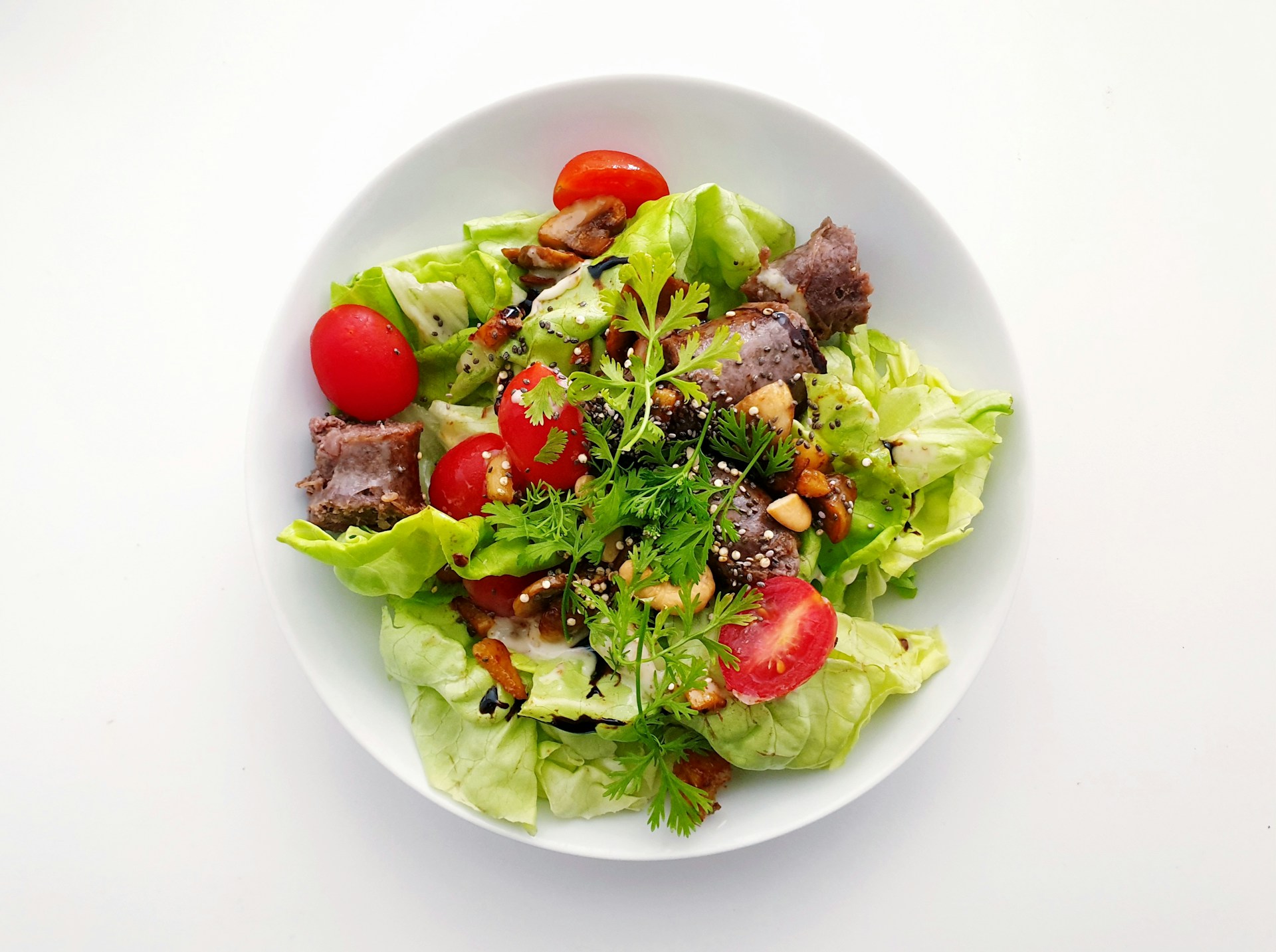
Vegetable salad chips sound healthy. They’re not.
These chips taste like a mixture of tomato, cucumber, lettuce, and salad dressing all compressed into one flavor. The result is tangy, slightly sweet, and oddly fresh-tasting for something that’s been deep-fried.
Japanese consumers apparently enjoyed the novelty of eating something that tasted like salad but delivered the satisfaction of chips. The flavor remains available in Japan, though it never made it to other markets.
Lay’s Numb and Spicy Hot Pot (China)
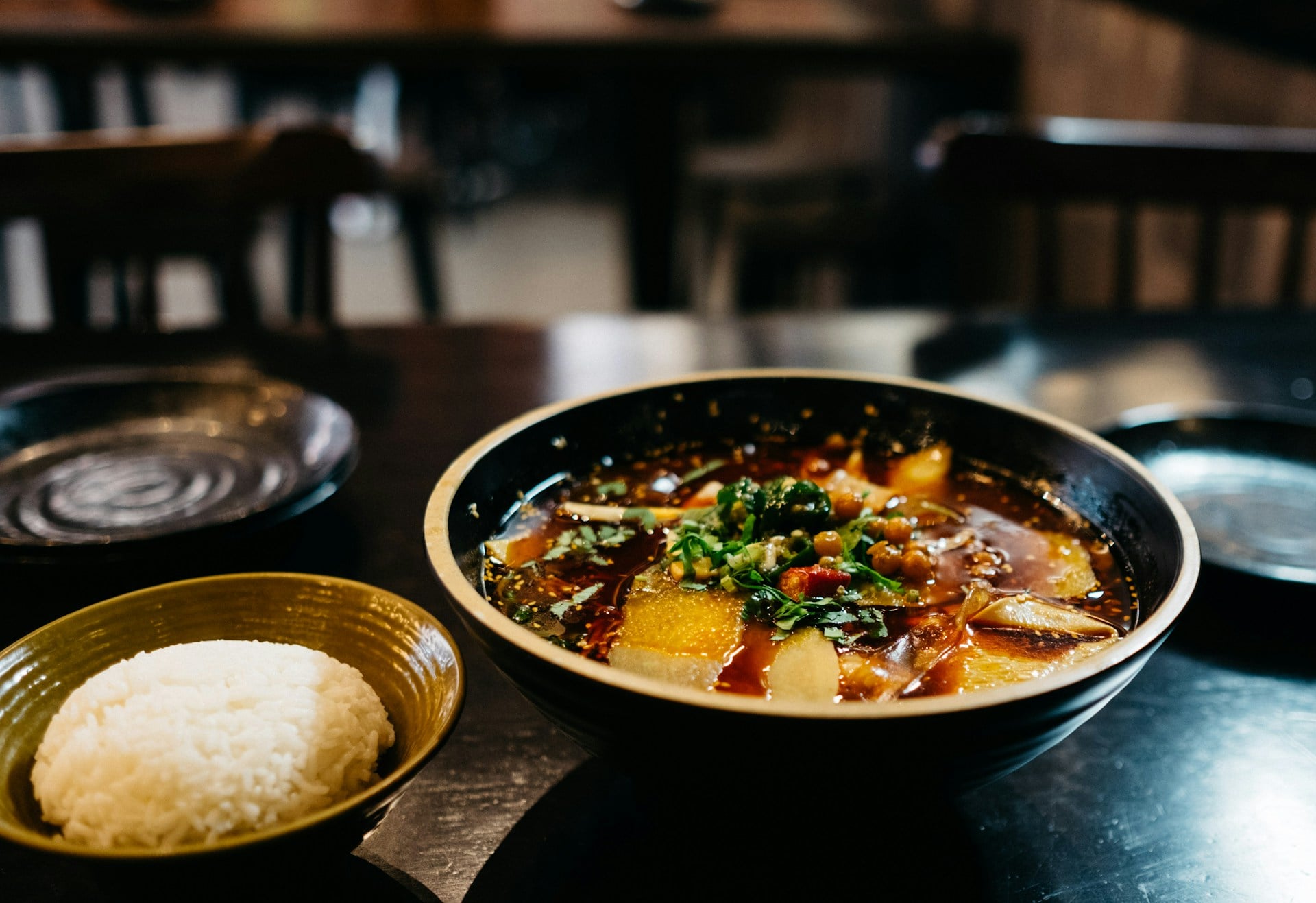
This flavor replicates Sichuan hot pot, which is known for its intense numbing spice from Sichuan peppercorns. The chips deliver both heat and that distinctive tingling, numbing sensation on your tongue.
If you’ve eaten Sichuan food before, the flavor is instantly recognizable. If you haven’t, it feels like your mouth is going numb while also being on fire.
The chips became popular in China but remain too intense for most Western palates. The numbing sensation is particularly off-putting if you’re not expecting it.
Walker’s Builder’s Breakfast (United Kingdom)
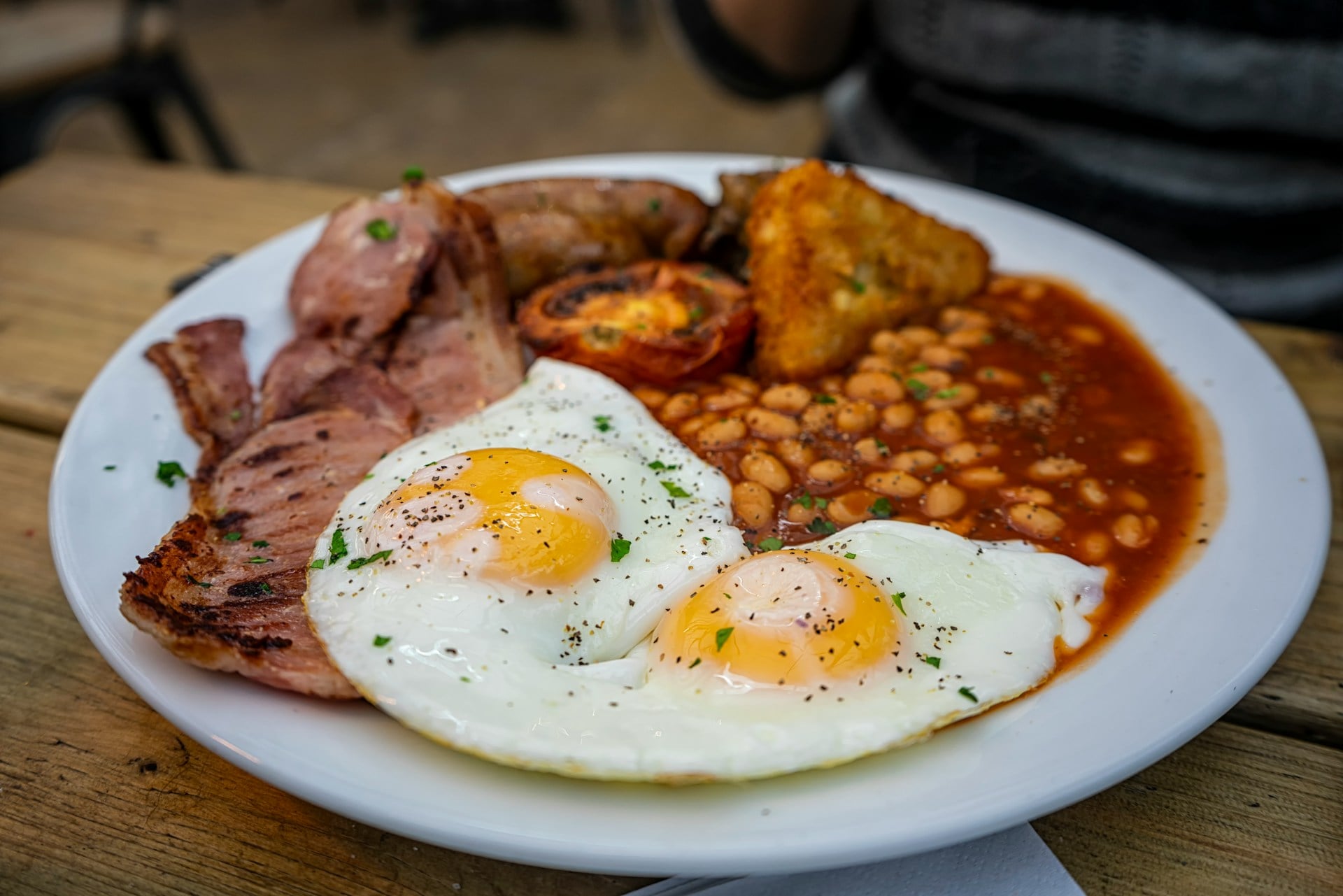
A full English breakfast traditionally includes eggs, bacon, sausages, beans, mushrooms, tomatoes, and toast. Walker’s tried to capture all of that in one chip.
The result tastes like generic “breakfast meat” with a hint of beans and tomato. It’s savory, slightly greasy, and vaguely reminiscent of morning food.
The problem is that breakfast flavors don’t translate well to chips. You want breakfast food to be hot and substantial.
Chips are cold and light. The flavor was limited edition and didn’t return.
Lay’s Pepsi-Flavored (China)
Pepsi and Lay’s are both owned by PepsiCo, so this collaboration made corporate sense even if it didn’t make culinary sense. The chips taste like cola sweet, fizzy, and with that distinctive Pepsi flavor.
They’re bizarre. Your brain expects chips to be savory.
Getting a mouthful of sweet cola flavor is deeply disorienting. The chips were limited edition in China and generated plenty of social media attention, which was likely the goal.
But they never caught on as an actual snack people wanted to eat regularly.
Herr’s Birthday Cake (United States)

Birthday cake chips exist, and they taste exactly like frosted vanilla cake. They’re sweet, creamy, and have notes of butter and sugar.
Some people find them fun in a novelty way. Most people find them gross.
The sweetness overwhelms everything else. After a few chips, the flavor becomes cloying.
And there’s the fundamental issue that chips are supposed to be a savory snack. Making them taste like dessert violates some basic rule of what chips should be.
Herr’s still makes them, but they’re definitely a love-it-or-hate-it flavor.
Lay’s Roasted Pork Knuckle (Germany)
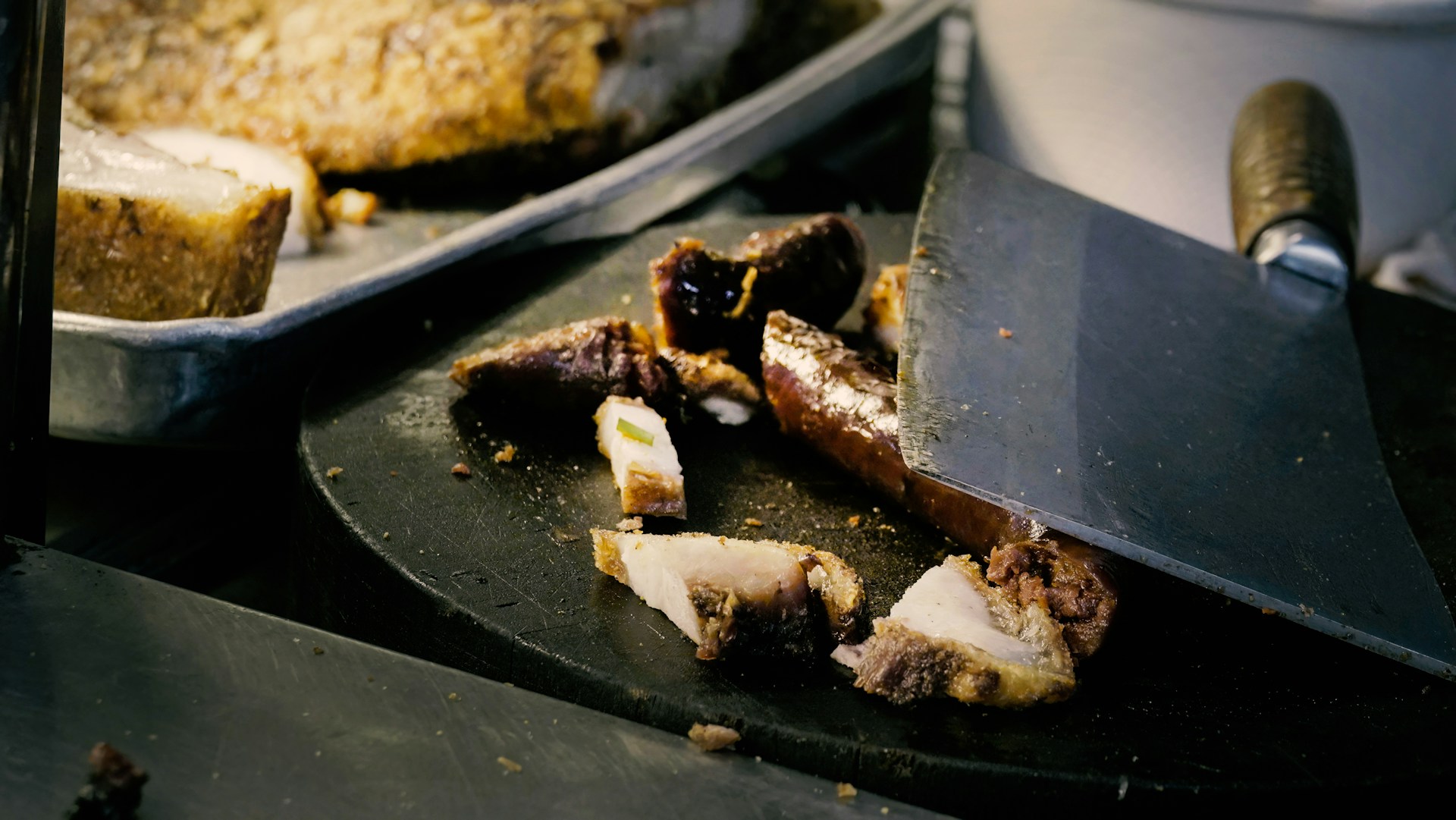
Pork knuckle is a traditional German dish, especially in Bavaria. Lay’s captured the flavor surprisingly well the chips taste like roasted pork with herbs and a hint of that crispy, fatty skin.
For Germans familiar with the dish, the chips make sense. For everyone else, they taste weirdly meaty and intense.
The problem is that pork knuckle is a rich, heavy meal. Eating that flavor in chip form is overwhelming.
A little goes a long way, and most people can’t finish a whole bag.
Pringles Blueberry and Hazelnut (Japan)
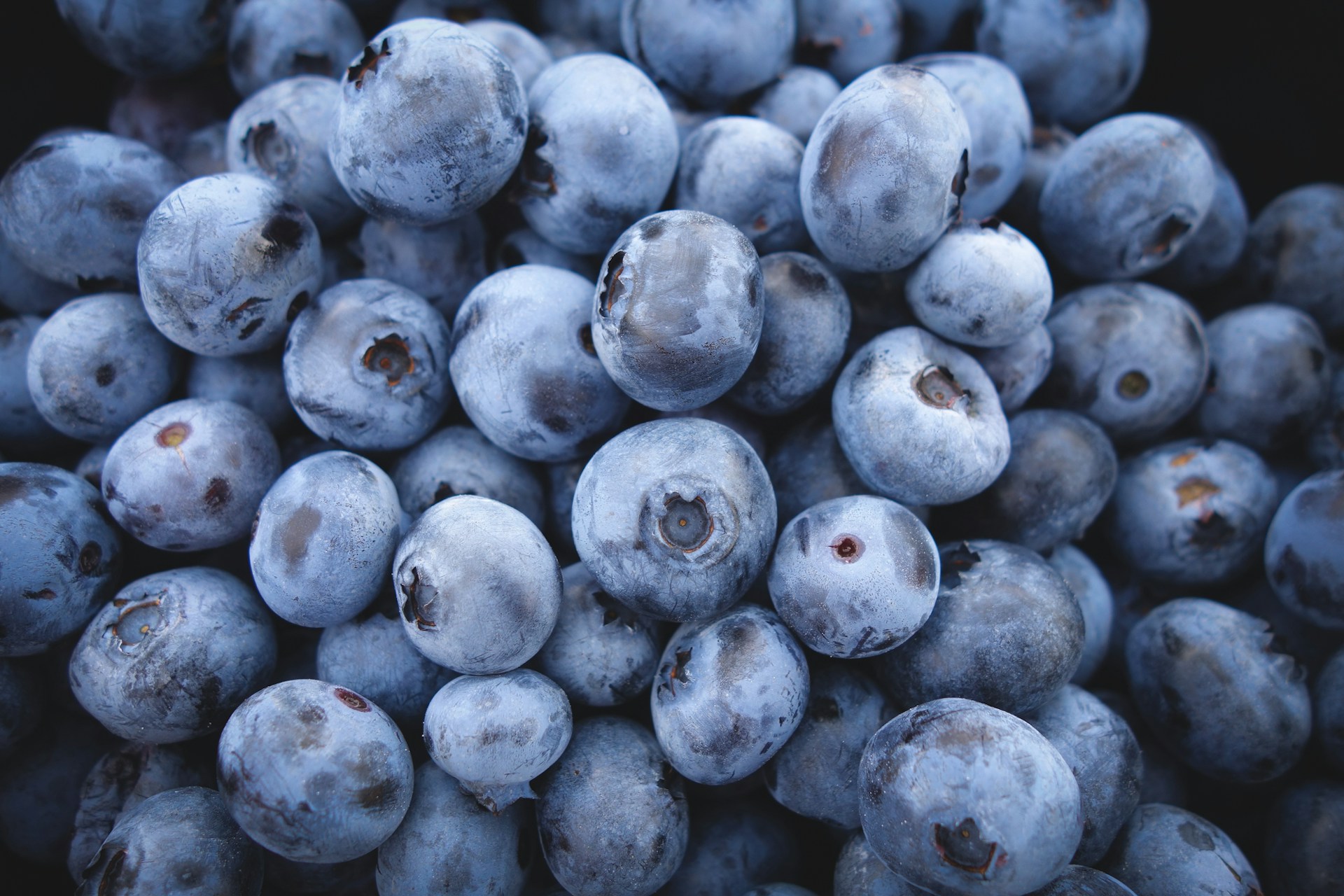
This flavor pushes chips firmly into dessert territory. The blueberry provides sweetness and tartness, while the hazelnut adds a nutty, almost chocolate-like depth.
Together, they taste like a pastry or a fancy dessert. But they’re chips.
The savory potato base clashes with the sweet, fruity topping. Your mouth doesn’t know how to process it.
Japan’s chip market is known for experimental flavors, and this one definitely qualifies. It was a limited edition, which suggests even Japanese consumers found it too strange for regular consumption.
When Snacks Get Too Creative
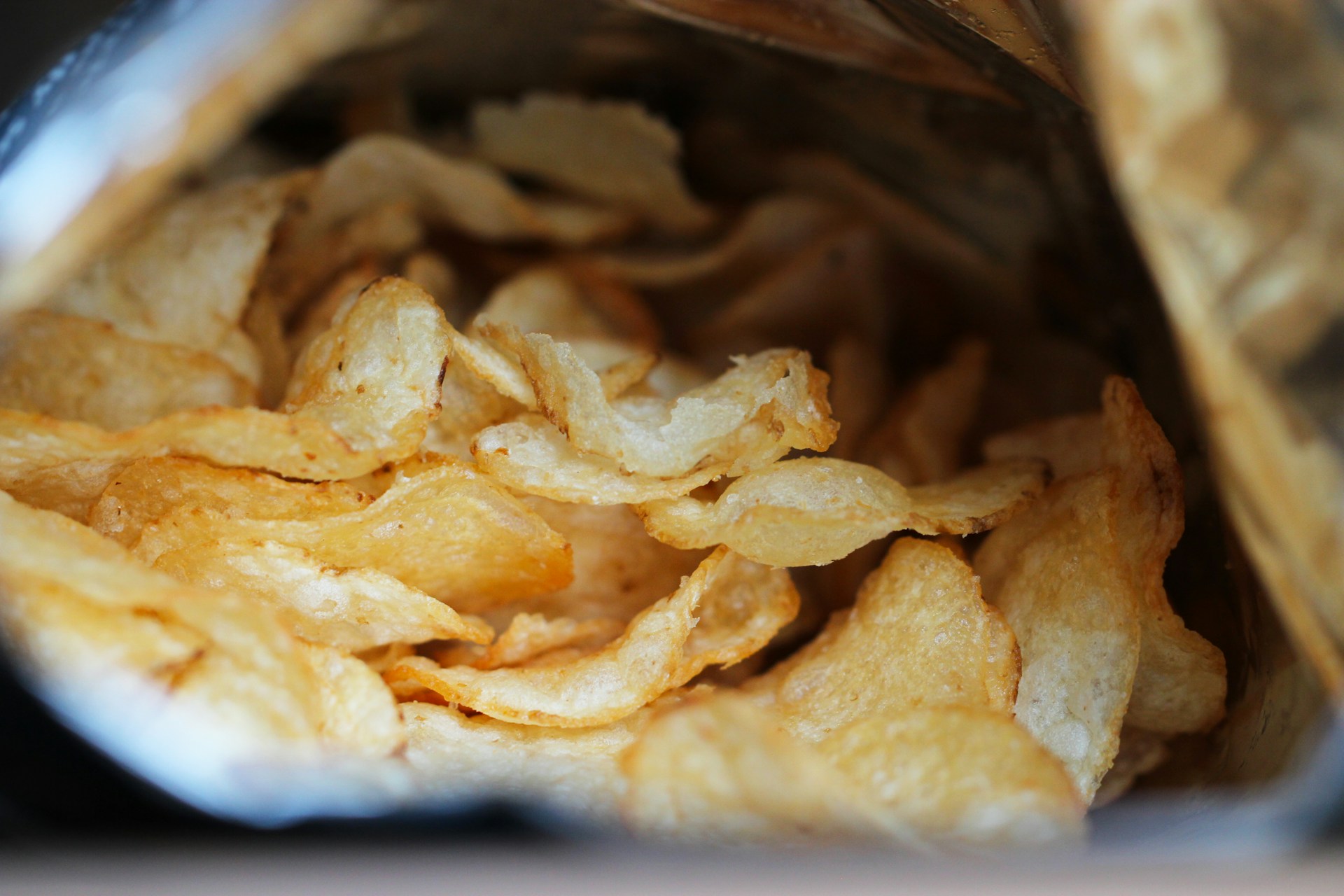
Chip companies will keep experimenting with flavors because novelty sells. People buy weird chips to try them, post about them on social media, and talk about how bizarre they are.
Sometimes these experiments reveal interesting things about cultural differences in food. Other times they just confirm that some flavors should stay far away from potato chips.
But the weirdest part might be that somewhere in the world, someone genuinely loves every single one of these flavors. One person’s bizarre snack is another person’s favorite comfort food.
More from Go2Tutors!

- The Romanov Crown Jewels and Their Tragic Fate
- 13 Historical Mysteries That Science Still Can’t Solve
- Famous Hoaxes That Fooled the World for Years
- 15 Child Stars with Tragic Adult Lives
- 16 Famous Jewelry Pieces in History
Like Go2Tutors’s content? Follow us on MSN.