Why Kids Who Had Fewer Toys Growing Up Ended Up More Creative
There’s a particular kind of afternoon that a lot of adults remember — the kind where the toy chest was empty by 9 a.m. and the day still stretched out endlessly in front of them. No new gadgets arriving, no screen to retreat to, just a backyard or a bedroom and the slow, slightly uncomfortable pressure of having to figure out what to do next.
It didn’t feel like a gift at the time. It turns out it was one of the most formative experiences a childhood could offer.
The research on creativity, play, and cognitive development keeps pointing back to the same unexpected truth: having less pushed kids to become more.
Boredom As A Creative Pressure Cooker

Boredom is not the enemy. It’s the starting gun.
Kids who sat with nothing to do had to manufacture something out of that discomfort — and the act of manufacturing something, anything, is exactly where creative thinking begins.
The Problem With Too Many Options
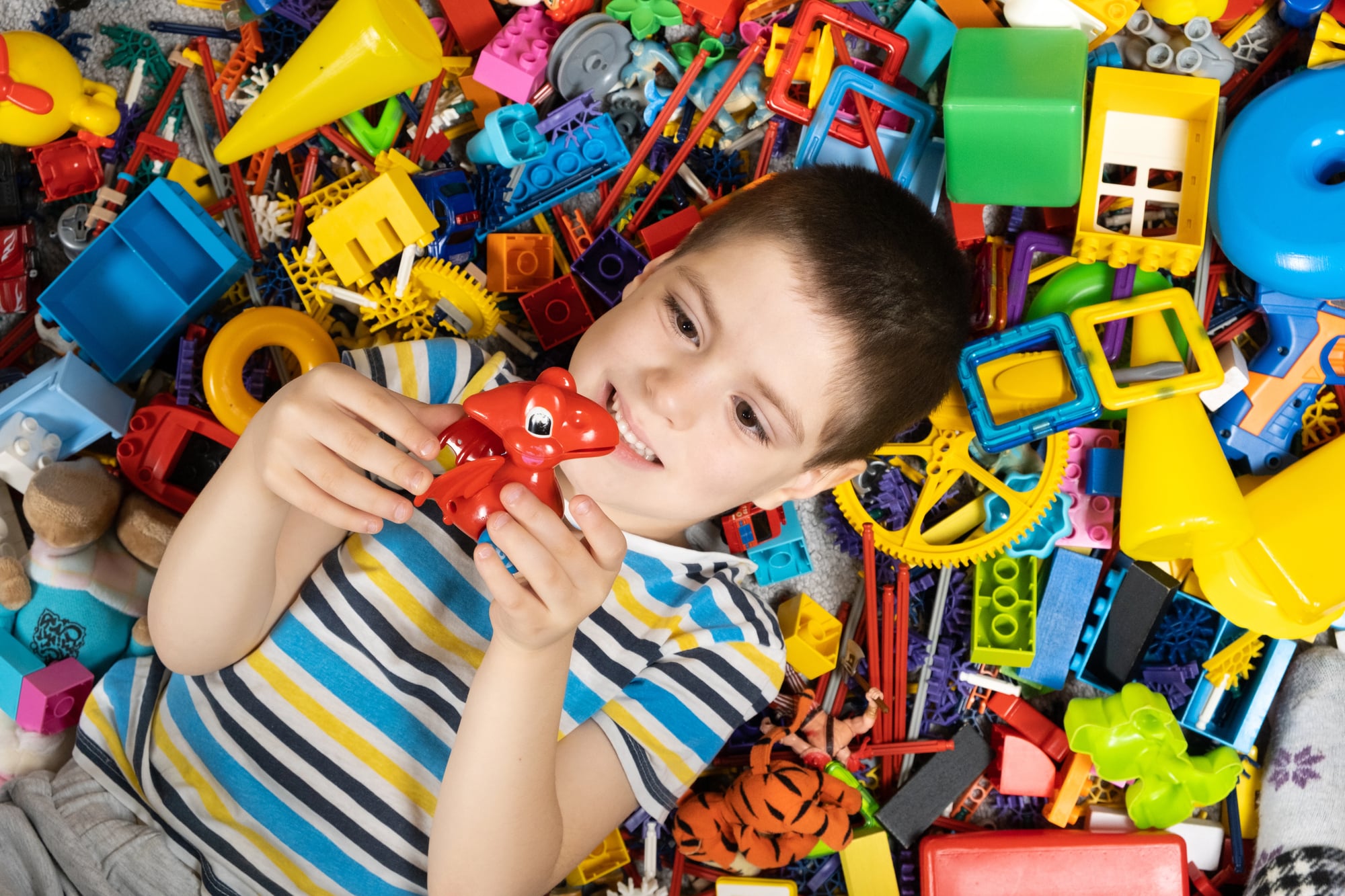
When a child has forty-seven toys scattered across the floor, the decision fatigue alone is enough to kill imagination before it starts — and this isn’t a metaphor, it’s a documented pattern that researchers studying child development have called “toy overload,” where abundance paradoxically produces passivity rather than engagement.
So the kid with three options invents a fourth. And the kid with forty-seven just stares.
Sticks, Rocks, And The Original Multi-Tool
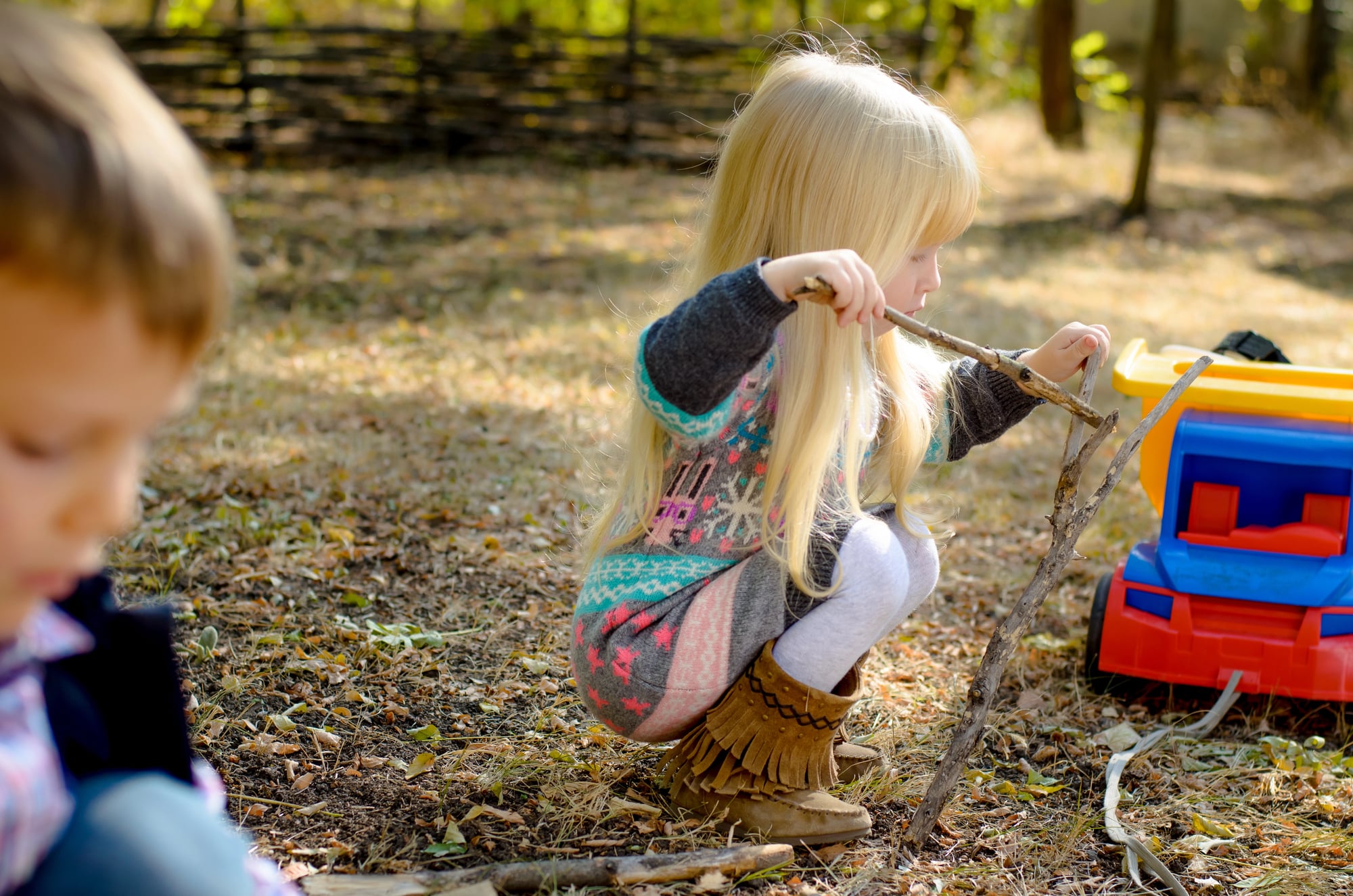
A stick is not a stick. In the hands of a child who needed it to be something else, it became a sword, a fishing rod, a measuring stick, a wand, a horse — sometimes all five within the same hour.
That kind of object repurposing is the foundation of what psychologists call “divergent thinking,” which is the precise cognitive skill that drives creative problem-solving in adult life.
Open-Ended Play Built Flexible Minds
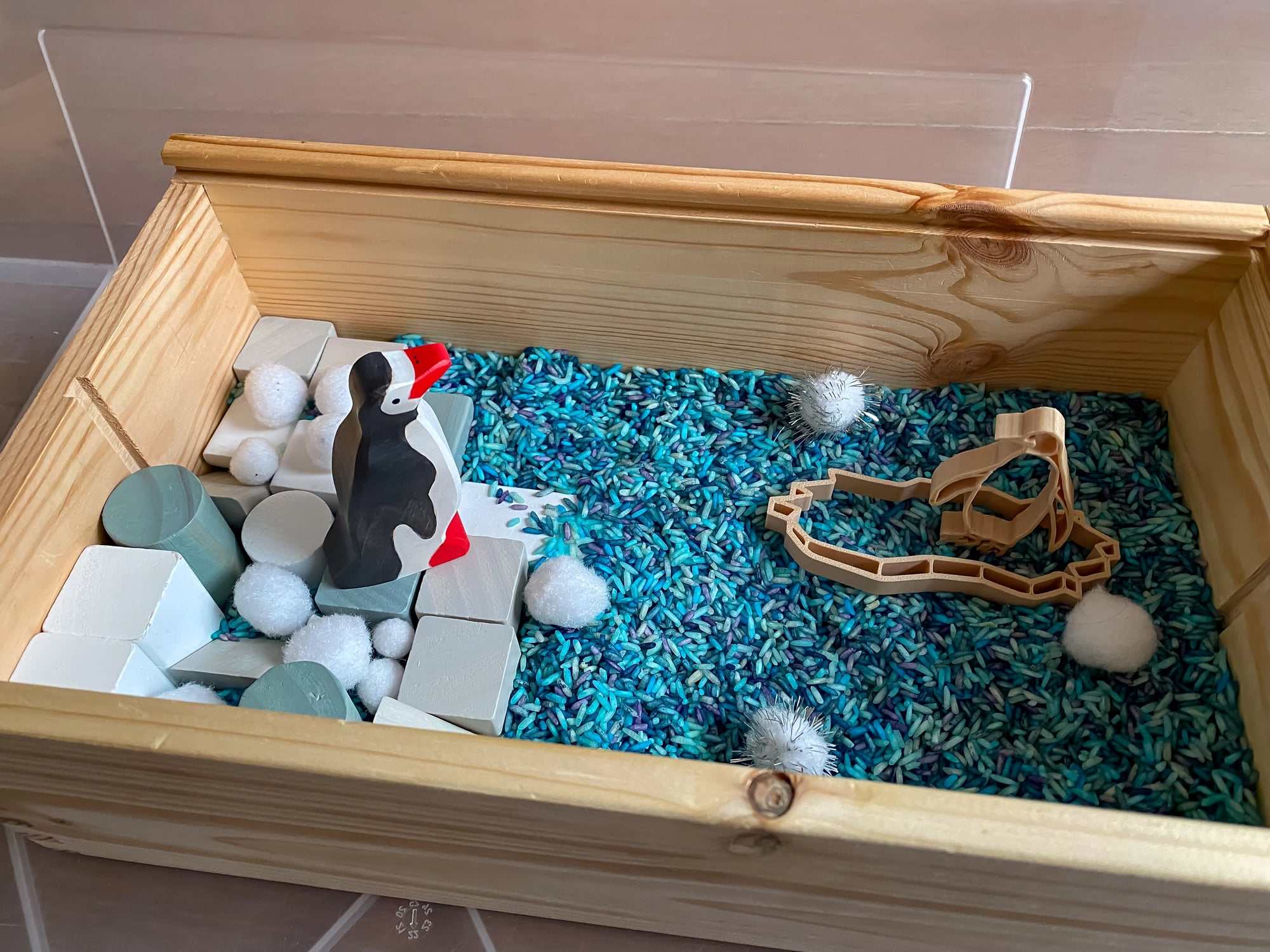
Open-ended play — the kind that happens without instructions, rules, or a defined endpoint — produces children who are genuinely better at tolerating ambiguity as adults.
A cardboard box beats a plastic spaceship, not because it’s cheaper, but because the box asks more of the child. The spaceship already knows what it is.
Imagination Filled The Gaps That Toys Left Behind
There’s a reason that the most vividly imagined fictional worlds — the ones kids described in astonishing detail to indifferent parents — were built in bedrooms with almost nothing in them.
Imagination works like water: it finds the empty space and fills it. The fuller the room, the less room imagination has to move.
Fewer Toys Meant Deeper Engagement With Each One
Kids with limited toys didn’t cycle through them impatiently looking for novelty — they stayed with what they had long enough to actually understand it.
That kind of sustained engagement is basically a practice run for concentration, patience, and the ability to work a problem from multiple angles before giving up. Depth over breadth turns out to matter quite a lot.
The Role Of Frustration In Building Resilience
A toy that doesn’t do what you want it to do is a frustrating thing.
A child who doesn’t have a better toy to switch to has to sit with that frustration, and sitting with frustration — without escaping it — is how tolerance for difficulty gets built. Creativity and resilience are not separate skills; they grow from the same discomfort.
Social Play Became Richer When Resources Were Scarce
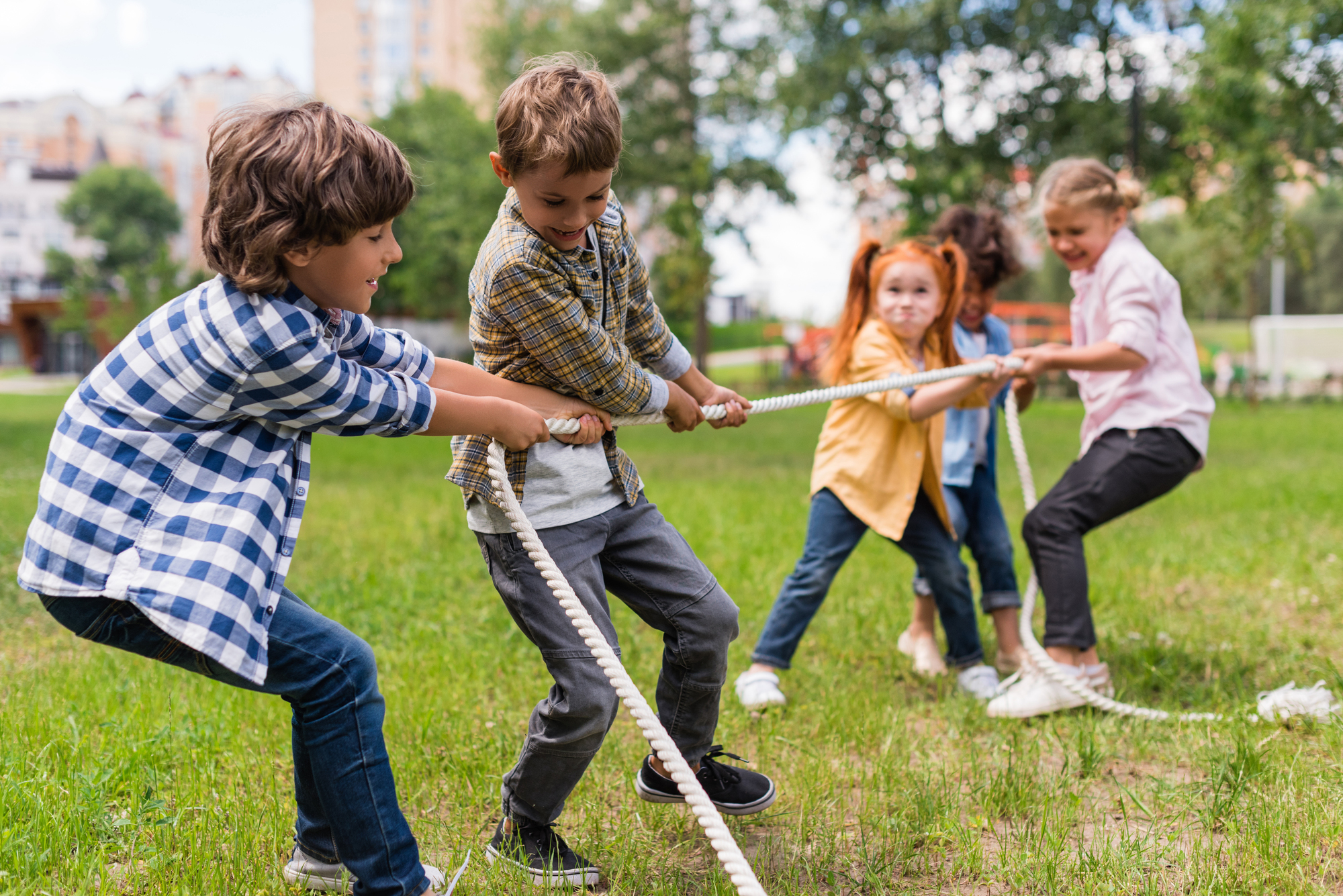
When a group of kids had one orb between them, they invented complicated games with elaborate rules, negotiated endlessly over fairness, and kept revising the system when something didn’t work.
That process — collaborative problem-solving under constraint — is more or less exactly what the most in-demand workplaces now spend considerable money trying to teach adults. Kids with fewer toys got there first, by accident.
Constraints Forced Originality
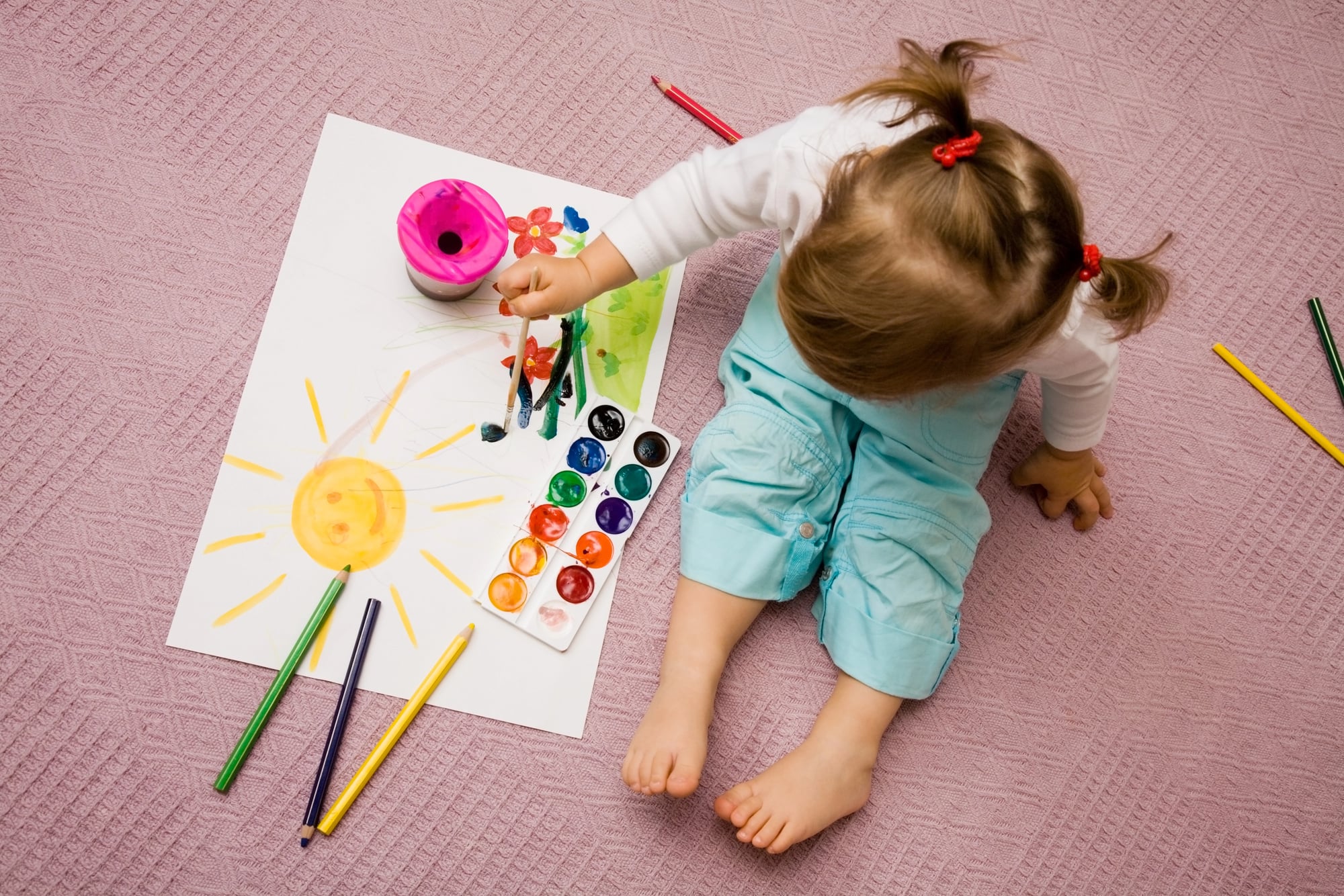
Creativity rarely arrives out of pure freedom; it arrives out of limits.
Give a child a blank canvas and infinite paint colors and they often freeze. Give them three crayons and a paper bag, and something specific and surprising gets made.
Constraints are, stubbornly, one of the most reliable engines of original thinking.
The Brain Rewarded Novelty-Seeking

Kids who had to search for stimulation rather than receive it on a schedule developed a stronger instinct for novelty-seeking — the neurological tendency to actively pursue new experiences and find unexpected connections between things.
That tendency, reinforced throughout childhood by necessity, becomes a default mode of thinking. Which is saying something, given that novelty-seeking is one of the clearest markers researchers associate with creative adults.
Pretend Play Was A Cognitive Workout

Pretend play is one of the most cognitively demanding things a child can do — it requires holding multiple realities in mind simultaneously, maintaining narrative consistency, and adjusting a fictional world in real time as other players change the rules.
Kids who spent hours in imaginative play, partly because they had no alternative, were running mental circuits that structured play simply does not require. The cardboard castle was doing more work than it looked like.
Less Passive Consumption, More Active Construction
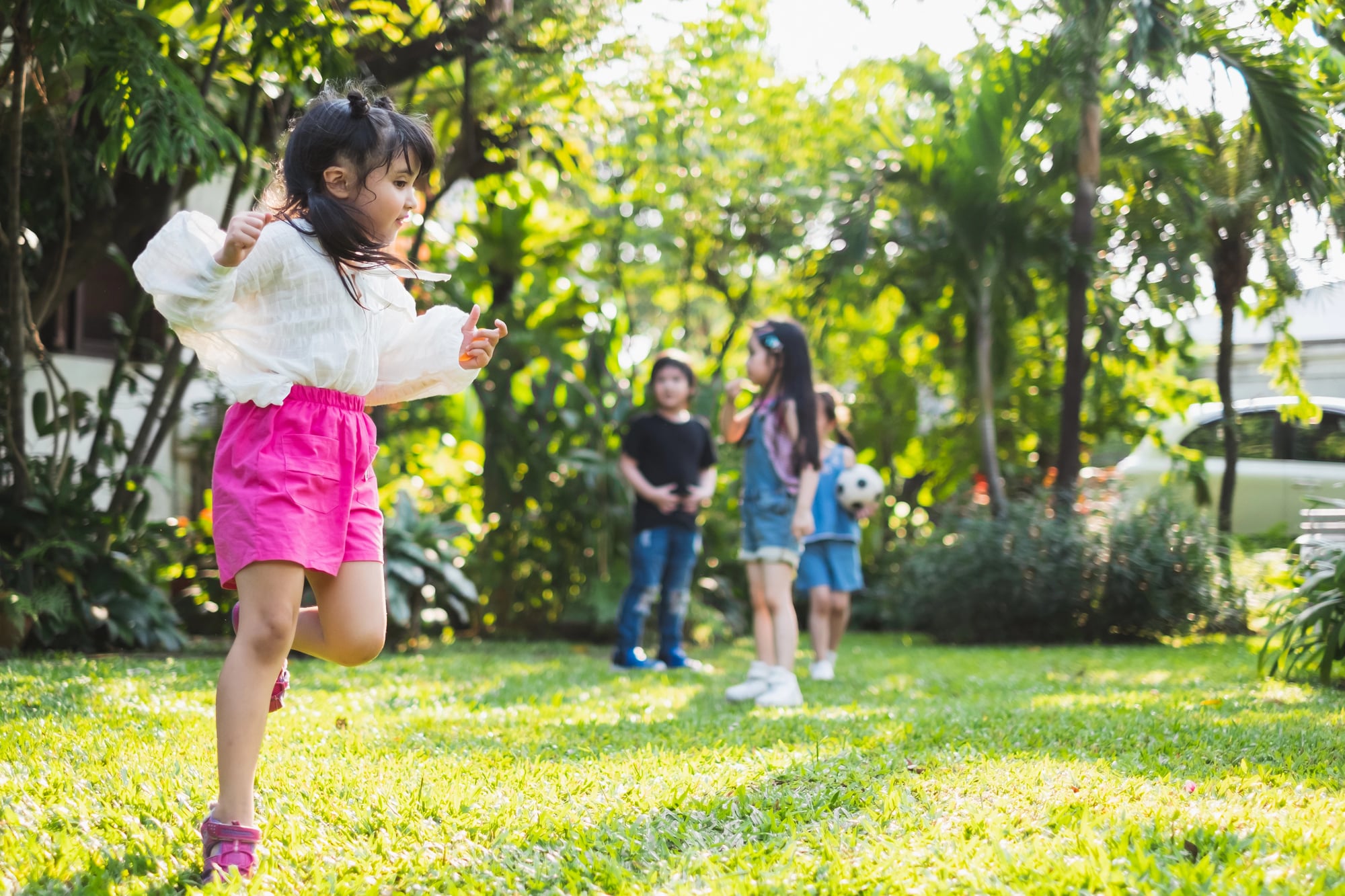
A toy that does things to the child — lights up, makes sounds, moves on its own — asks almost nothing of them in return.
A rock asks everything. The child who grew up reaching for the rock rather than the blinking gadget spent years practicing the act of constructing meaning rather than receiving it, and that habit of active construction is difficult to replicate later in life through any deliberate curriculum.
The Connection Between Scarcity And Intrinsic Motivation
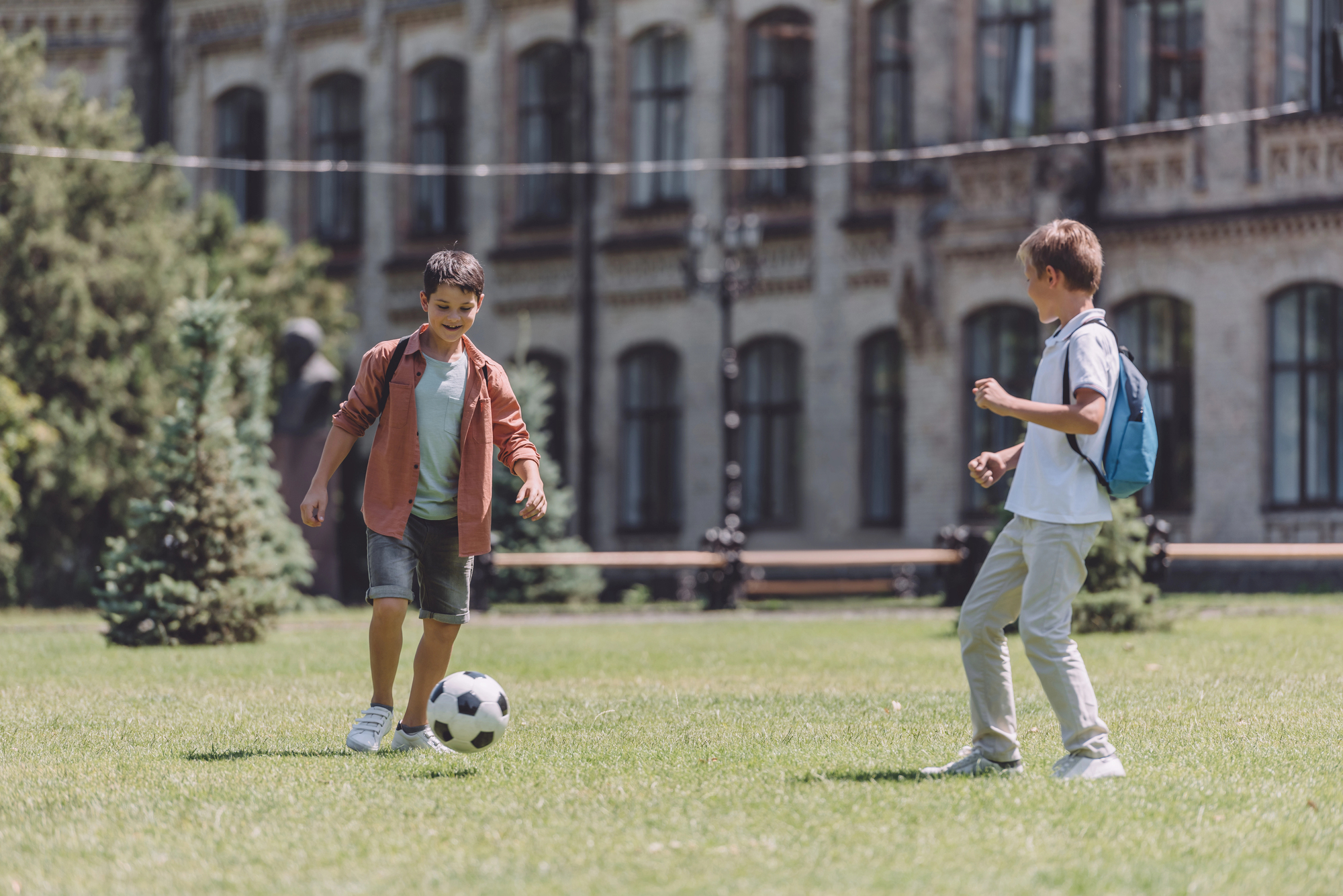
Intrinsic motivation — the drive that comes from inside rather than from external reward — is something researchers consistently find in people who grew up making their own entertainment.
Kids who relied on external novelty to stay engaged never quite built the internal engine. Kids who had to generate their own interest developed it early, and it stayed.
What Minimal Toys Did To Problem-Solving Instincts
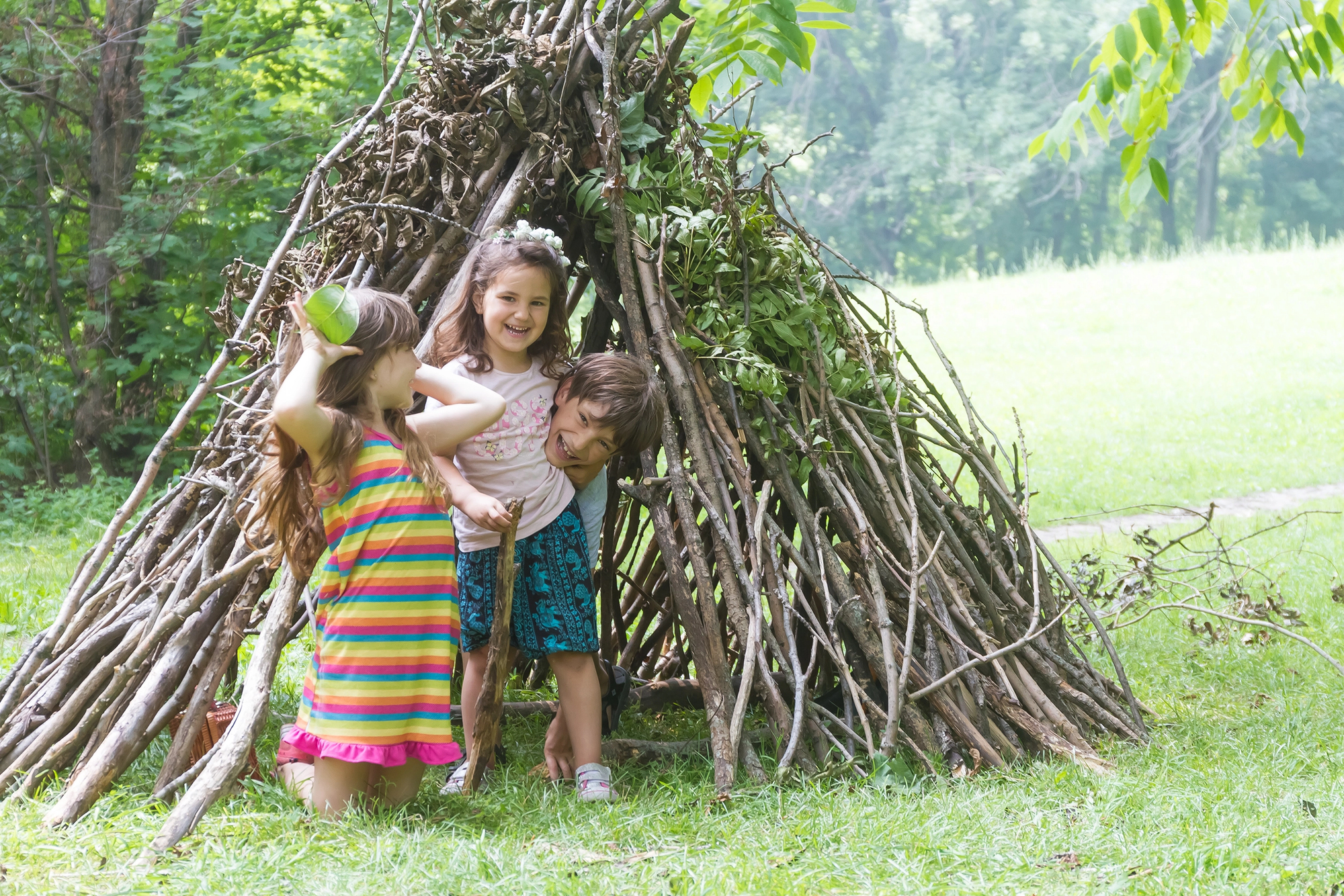
The kids who grew up with very little didn’t just become creative — they became stubborn problem-solvers, the kind who scan a room for what’s available rather than waiting for the right tool.
That instinct, formed in childhood by sheer necessity, produces adults who are genuinely harder to stump. To be fair, necessity has always been a more reliable teacher than abundance.
What Got Lost When Toy Culture Exploded
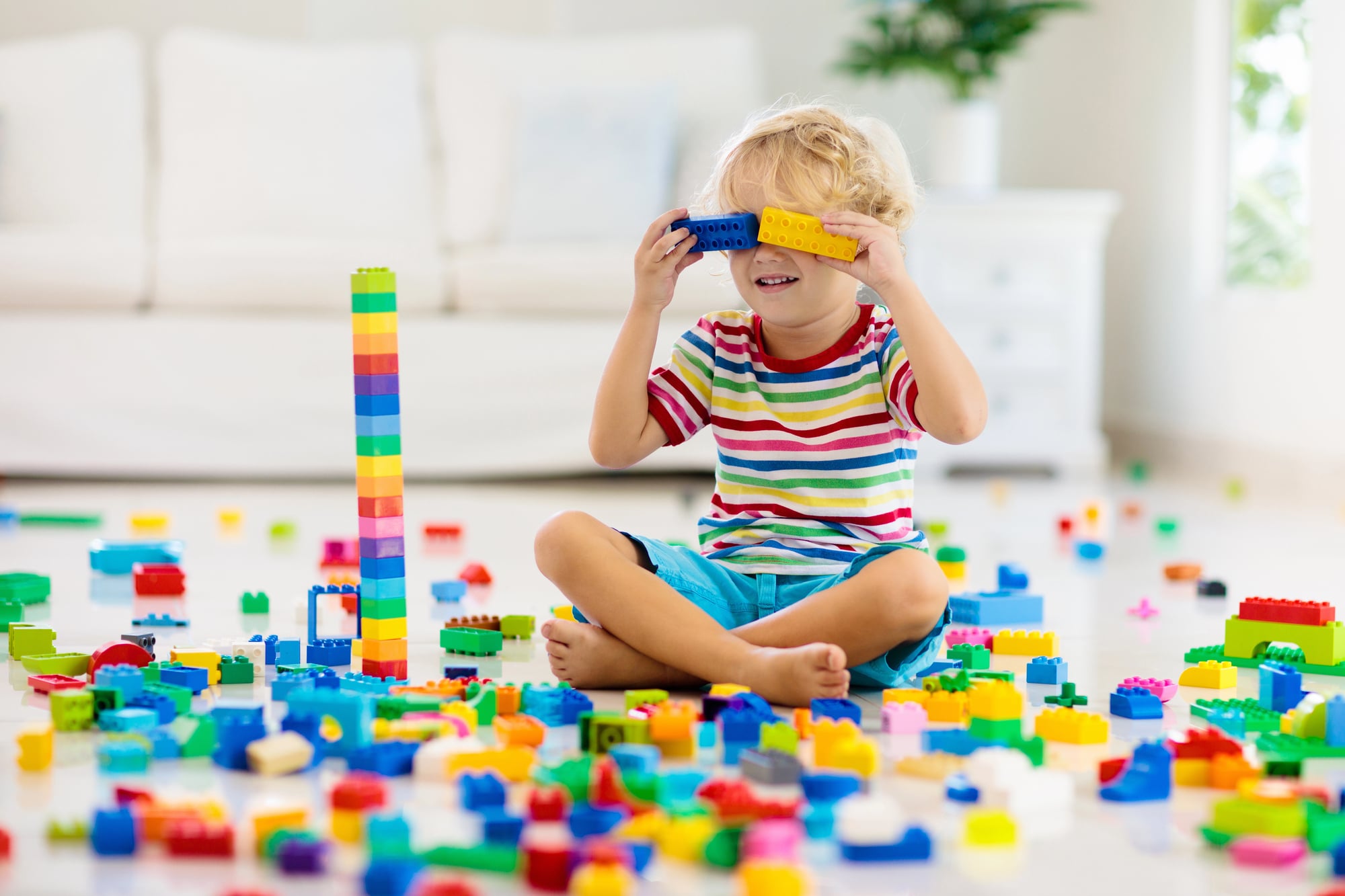
The postwar explosion in mass-produced toys — and the marketing machinery that came with it — didn’t just fill playrooms. It quietly displaced something.
The unstructured, resource-poor afternoons that had been producing imaginative, self-directed children for generations got replaced by scheduled play, curated toy collections, and the strange idea that a child left without stimulation was somehow being neglected. Go figure.
The Surprising Gift Of Having Nothing To Do
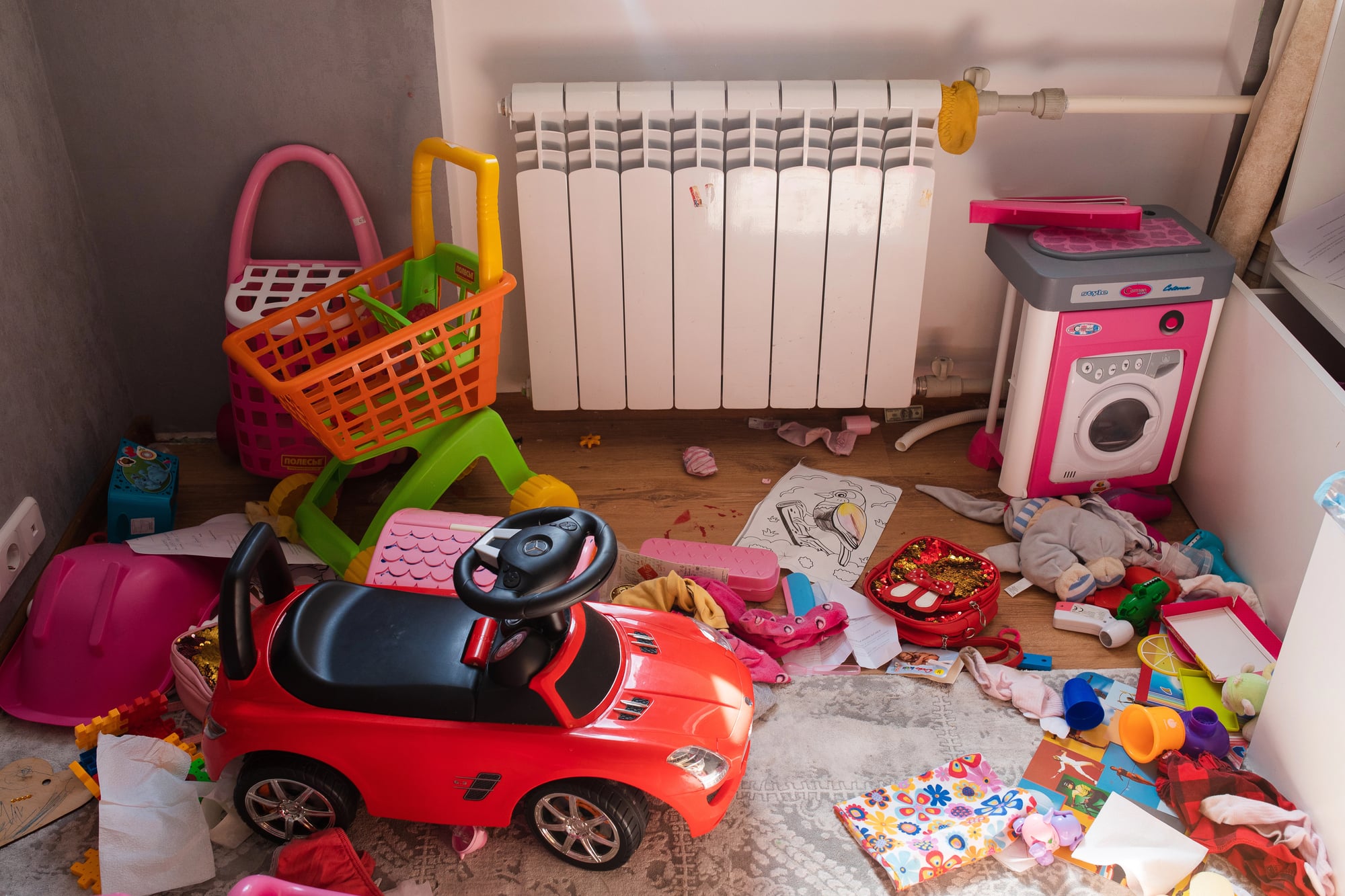
Having nothing to do is not the same as being bored — or rather, boredom properly endured becomes something else entirely, something closer to restlessness with a direction.
Children who sat in that restlessness long enough didn’t just wait it out; they metabolized it into action, into invention, into stories and games and small private worlds that nobody assigned them. That process, repeated across years, is what creativity actually looks like from the inside.
What The Research On Unstructured Time Keeps Finding
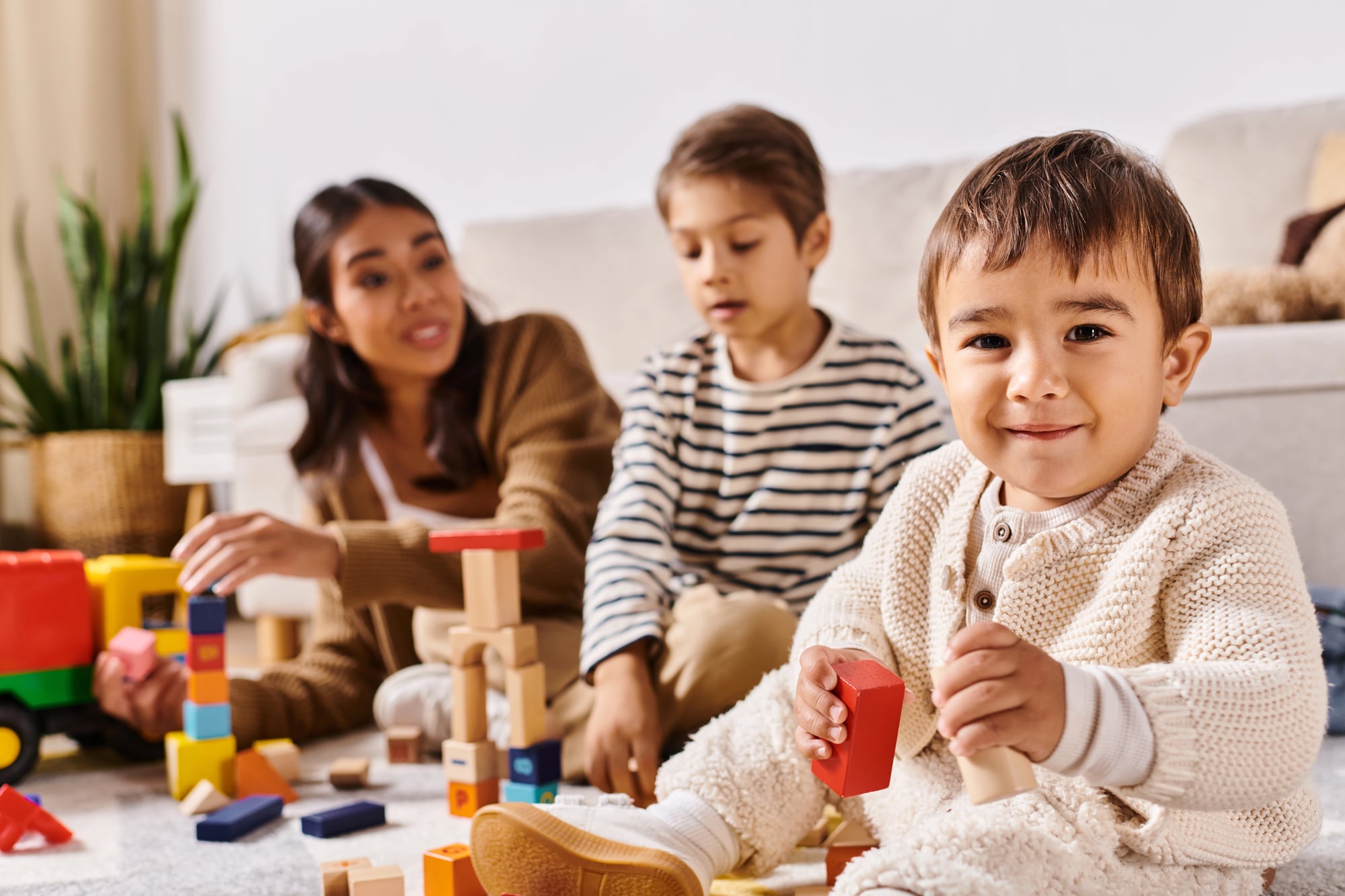
Study after study on childhood development returns to the same stubborn finding: unstructured time, free of toys and screens and adult-directed activity, is one of the strongest predictors of creative capacity in later life.
The research isn’t subtle about it. Kids who had stretches of genuinely empty time came out more imaginatively flexible, more comfortable with ambiguity, and more capable of generating original solutions to problems they’d never encountered before.
The Difference Between Playing And Being Entertained

Playing and being entertained are not the same thing, and a culture that conflates them has done children a quiet disservice.
Entertainment happens to you. Play happens because of you. Kids who grew up with fewer toys — who were left to their own devices in the most literal sense — were players rather than audiences, and that distinction follows people much further into life than anyone warned them it would.
What This Looks Like In Adult Creative Work
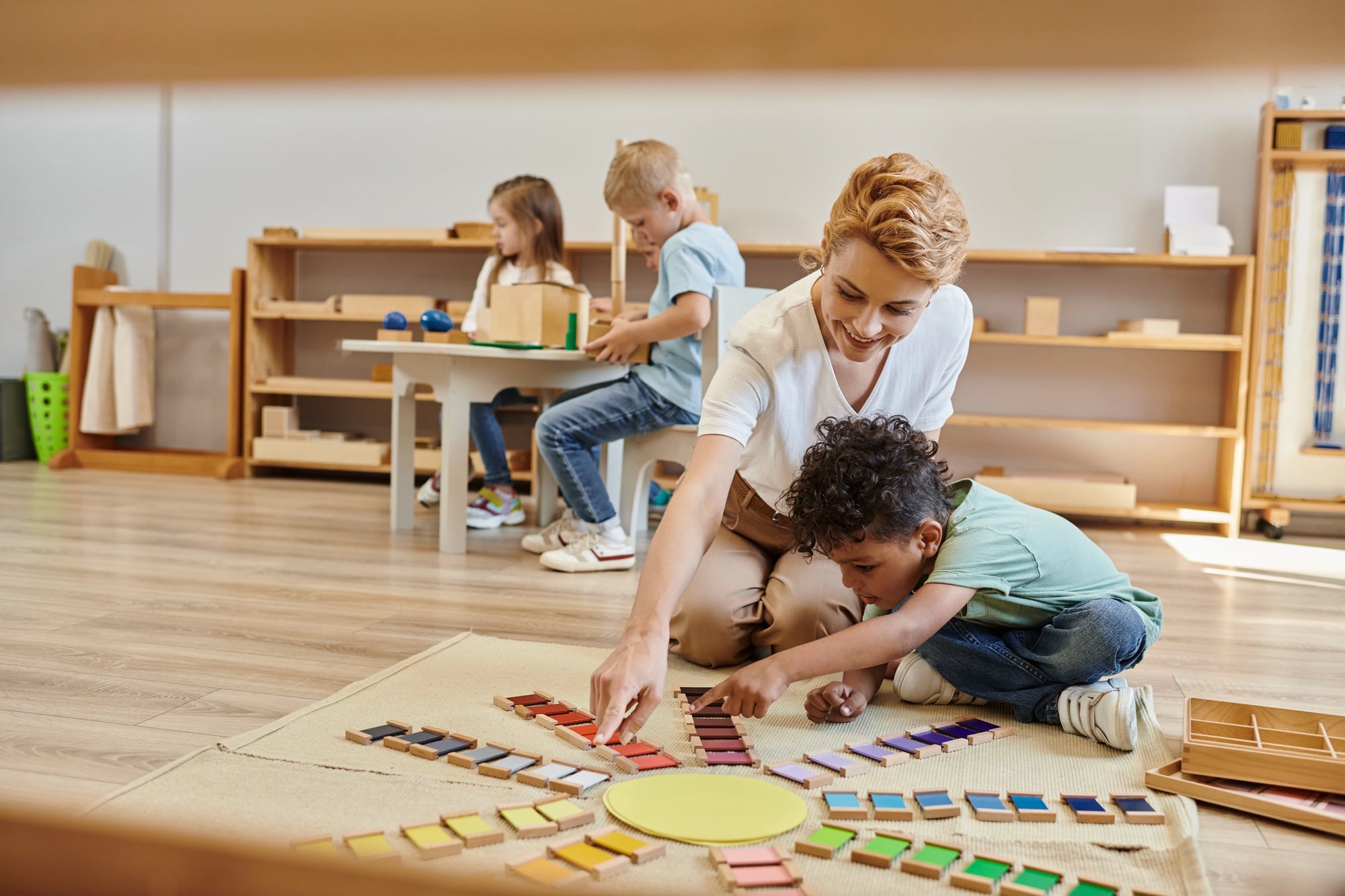
The adults who grew up with the emptiest toy chests tend to be the ones in creative professions who work best under constraint, who are most comfortable generating something from almost nothing, who find the blank page less threatening than their peers do.
That’s not a coincidence or a charming biographical detail — it’s the direct result of a childhood spent training exactly that muscle, over and over, in living rooms and backyards and long summer afternoons with nothing particular to do.
The Thing Nobody Tells Parents Now
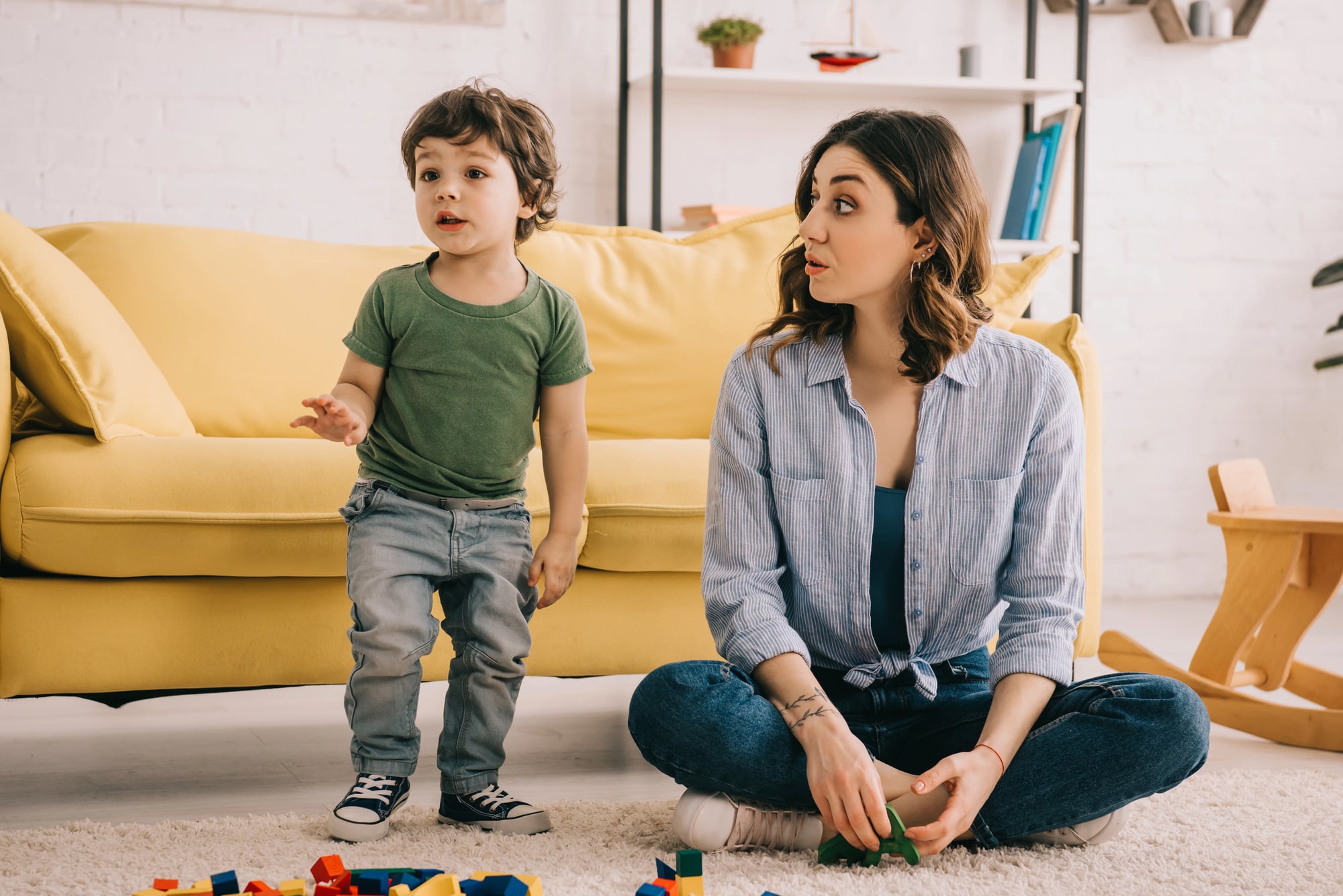
Here’s the thing nobody mentions in the parenting books stacked next to the toy catalogs: the gift isn’t in giving children more.
The gift is in trusting them with less, and then stepping back far enough to let them figure out what to do with it. The kids who grew up that way didn’t feel deprived. Most of them, looking back, feel like they were given something.
More from Go2Tutors!

- The Romanov Crown Jewels and Their Tragic Fate
- 13 Historical Mysteries That Science Still Can’t Solve
- Famous Hoaxes That Fooled the World for Years
- 15 Child Stars with Tragic Adult Lives
- 16 Famous Jewelry Pieces in History
Like Go2Tutors’s content? Follow us on MSN.