Why Some of the Oldest Video Games Are the Best
Since their modest origins, video games have advanced significantly. Contemporary games have intricate storylines, expansive open worlds, and photorealistic visuals that rival Hollywood blockbusters.
But decades later, players continue to return because of something unique about the classics.
These innovative games did more than just provide entertainment; they created whole genres and demonstrated that excellent gameplay always wins out over ostentatious visuals.
Early gaming was characterized by inventiveness that arose from constraints.
Because they were unable to rely on expensive or state-of-the-art technology, developers concentrated on creating games that were enjoyable to play.
These 15 vintage video games demonstrate that getting older does not equate to being out of date.
Pong
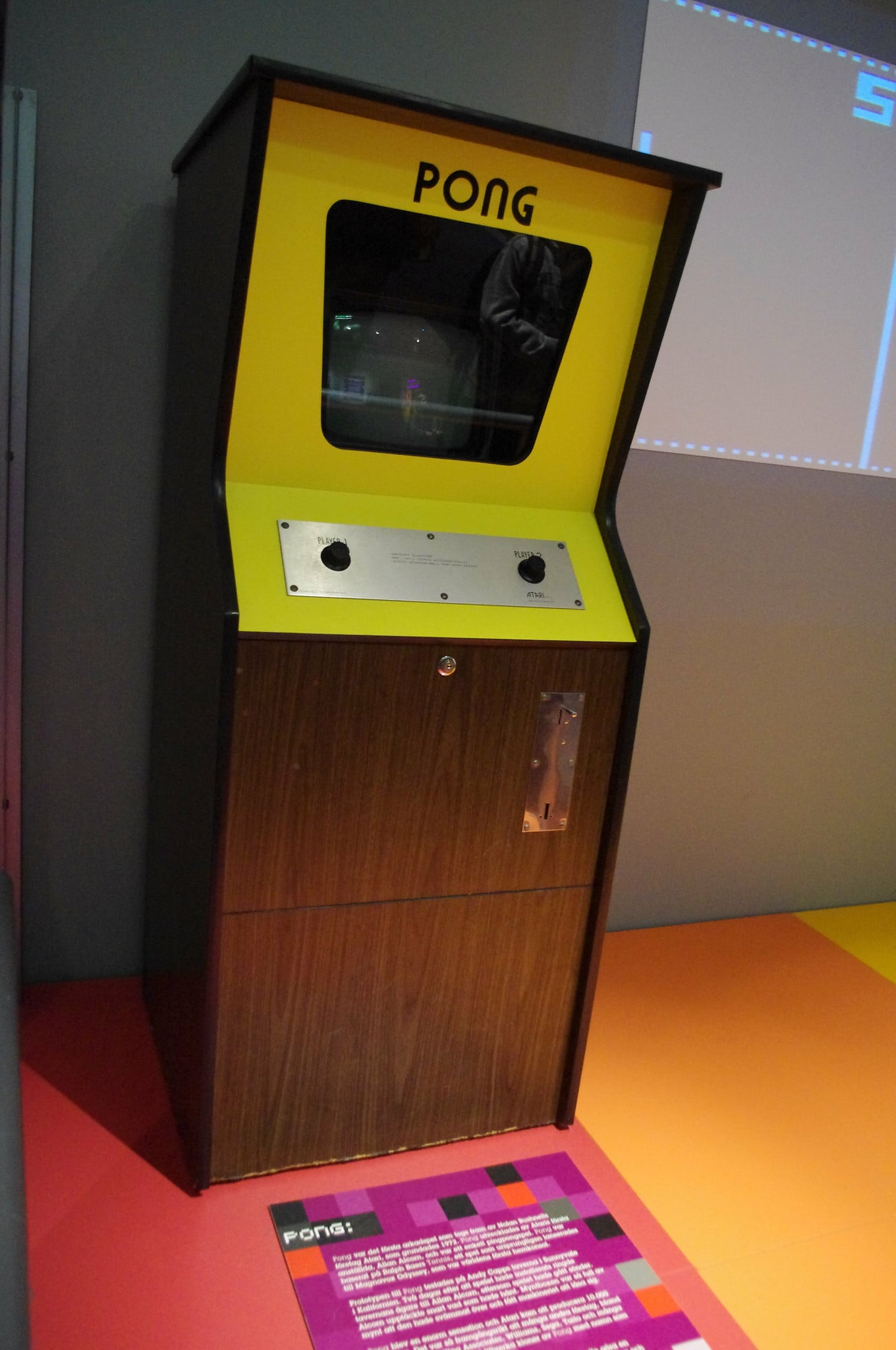
Released in 1972 by Atari, Pong became the first commercially successful video game and sparked an entire industry.
While it was based on Tennis for Two from 1958 and inspired by the Magnavox Odyssey’s table tennis game, Pong’s arcade version became the breakthrough hit that proved electronic entertainment could appeal to everyday people.
The game simulated table tennis with two paddles and a bouncing orb, featuring such simple controls that anyone could pick it up within seconds.
Space Invaders

Tomohiro Nishikado created Space Invaders in 1978, and it became a global phenomenon that defined arcade culture.
Players defended Earth from descending alien formations, and the game introduced a concept that’s still used today: escalating difficulty as enemies move faster when their numbers dwindle.
The tension it created was pure adrenaline, and it sparked such demand for coins in Japan that the government reportedly had to mint more currency.
Its massive success launched Japan’s arcade boom and directly inspired other classics like Asteroids and Defender.
Like Go2Tutors’s content? Follow us on MSN.
Pac-Man

Namco’s 1980 release changed everything by proving games didn’t need violence to succeed.
Players guided the yellow chomper through mazes while avoiding colorful ghosts, each with distinct movement patterns that required strategy to outsmart.
Pac-Man became a cultural icon that transcended gaming, spawning merchandise, cartoons, and even the hit song Pac-Man Fever, which reached number nine on the Billboard Hot 100 in 1982.
Donkey Kong

Nintendo’s 1981 arcade game introduced the world to both Donkey Kong and a character called Jumpman, who Nintendo would officially rename Mario in the 1982 sequel Donkey Kong Jr.
The game pioneered the platforming genre with multiple levels that required precise jumping and timing to navigate.
Each stage presented unique challenges, from climbing ladders while dodging barrels to removing rivets from girders, making it far more complex than anything that came before.
Tetris

Alexey Pajitnov created Tetris in 1984, and it remains one of the most addictive puzzle games ever made.
Falling blocks must be rotated and arranged to form complete lines, creating a gameplay loop that’s ridiculously easy to understand but genuinely difficult to master.
While the original was impressive, the 1989 Game Boy release turned Tetris into a global phenomenon and proved that handheld gaming could be just as compelling as arcade machines.
Like Go2Tutors’s content? Follow us on MSN.
Super Mario Bros.

When Nintendo released this platformer in 1985, it single-handedly revived the video game industry after the 1983 market crash.
Directed by Shigeru Miyamoto and Takashi Tezuka, the game featured precise controls that gave players complete confidence in their movements, something that sounds basic now but was groundbreaking then.
It sold over 40 million copies and became one of the best-selling games of all time, with level design that gradually introduced new mechanics and taught players through gameplay rather than tutorials.
The Legend of Zelda
Nintendo’s 1986 adventure game dropped players into a massive world with minimal instruction and let them figure things out.
This open-ended exploration was revolutionary, allowing gamers to tackle dungeons in different orders and discover secrets at their own pace.
The game was also the first console title with battery-backed saving, letting players preserve their progress—a hugely innovative feature that seems obvious now but changed everything back then.
Mega Man 2

Capcom’s 1988 sequel perfected the ‘defeat bosses in any order’ formula and remains many fans’ favorite in the series.
Each of the eight robot masters had distinct attack patterns and weaknesses, encouraging players to experiment with different strategies.
Remarkably, the team developed it largely in their spare time after Capcom initially canceled the project, turning their passion project into one of the most beloved games on the Nintendo Entertainment System.
Like Go2Tutors’s content? Follow us on MSN.
Castlevania III
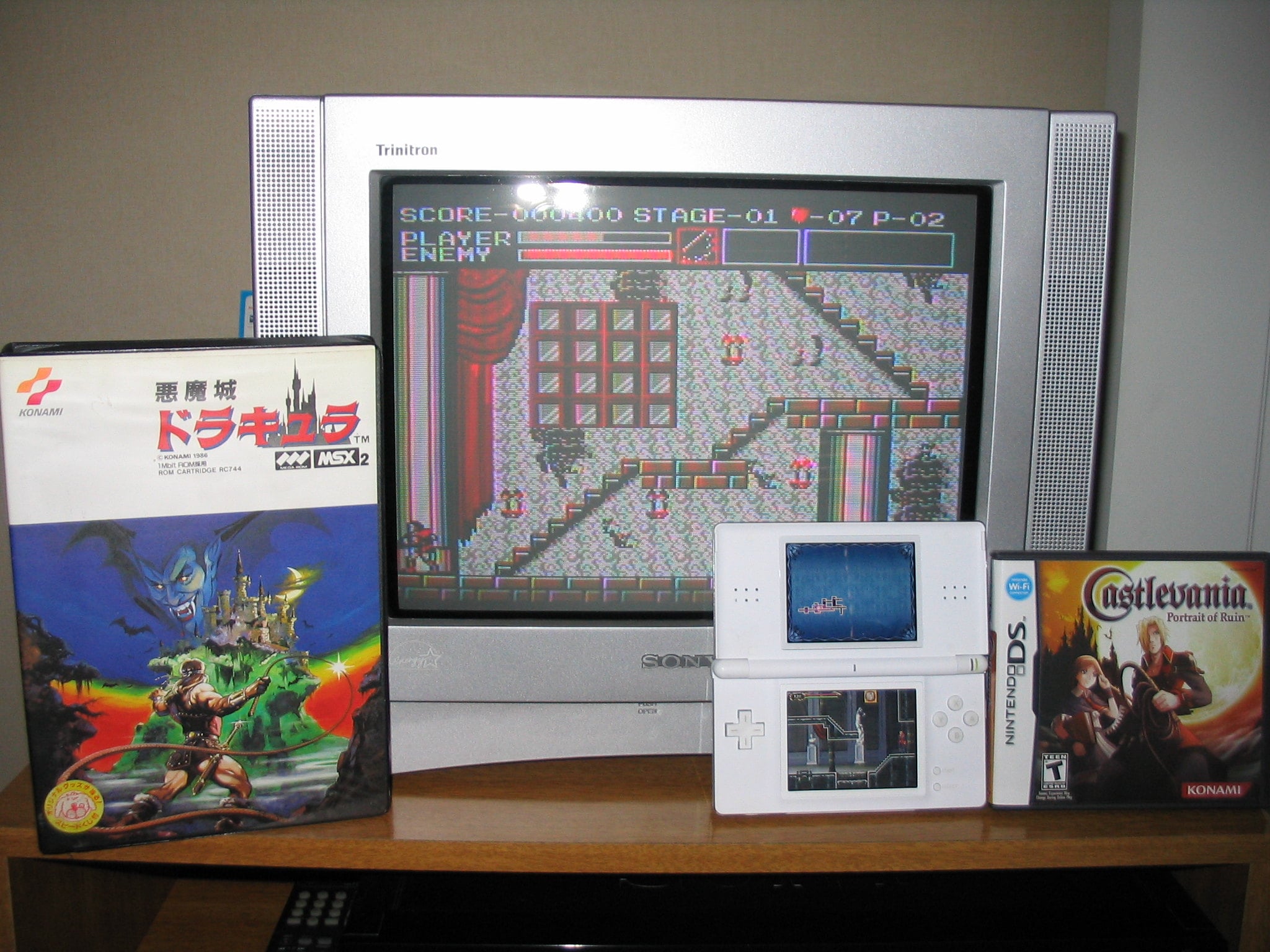
Released in 1989, this prequel to the original Castlevania took everything great about the 1986 game and expanded it with branching paths and multiple playable characters.
The gothic atmosphere was thick enough to cut with a knife, and the whip-cracking gameplay demanded pattern recognition and quick reflexes.
It introduced character-swapping gameplay years before it became common, and alternate routes meant your playthrough could be completely different from your friend’s.
Street Fighter II
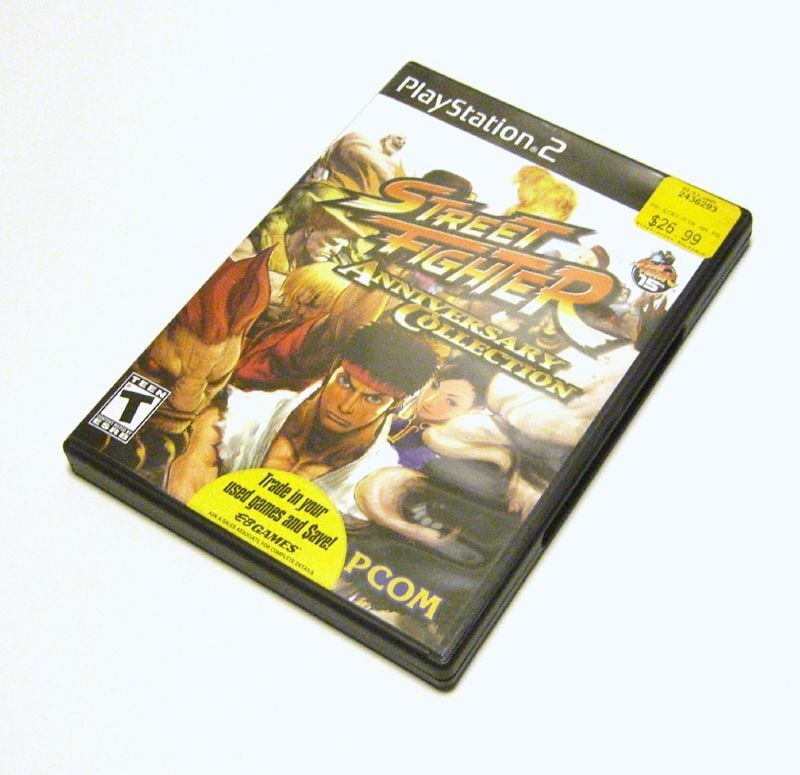
Capcom’s 1991 fighting game created the competitive fighting game scene that still thrives today. Eight unique characters with distinct fighting styles meant matches played out differently depending on who you chose.
Interestingly, combos were discovered by accident—a design quirk that players found and developers later embraced—but the game required genuine skill to master, with precise timing for special moves that rewarded dedicated practice.
Sonic the Hedgehog 2

Sega’s 1992 sequel refined the high-speed platforming formula and introduced Tails as a playable character.
Developed jointly by Sega’s U.S. and Japanese teams, it became the best-selling Genesis game with over 6 million copies sold.
The game’s loop-de-loops and momentum-based gameplay created a thrilling sense of speed that felt fresh compared to Mario’s more methodical approach, and levels were designed for multiple playthroughs with different paths revealing themselves as you mastered maintaining velocity.
Like Go2Tutors’s content? Follow us on MSN.
Doom
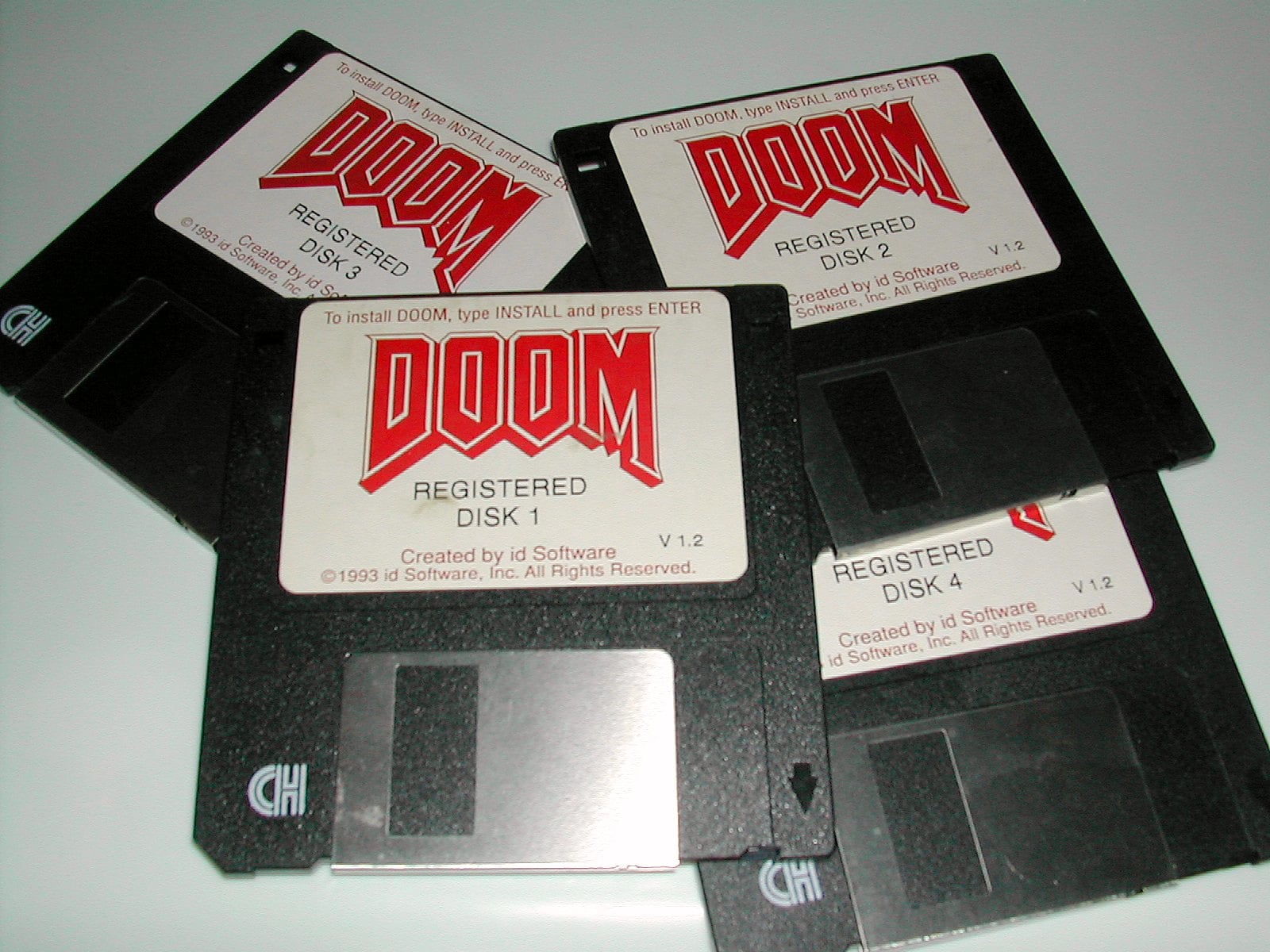
id Software’s 1993 shooter revolutionized first-person gaming and showed what personal computers could really do.
Building on Wolfenstein 3D, it popularized the first-person shooter genre with fast-paced demon-slaying action that was visceral and satisfying.
The game also pioneered online multiplayer death matches and came with modding tools that let fans create their own levels, establishing PC gaming culture and fostering a community that’s still active three decades later.
Super Metroid

Nintendo’s 1994 masterpiece perfected the exploration-based gameplay that would later help define the Metroidvania genre alongside Castlevania: Symphony of the Night in 1997.
The interconnected world opened up gradually as you gained new abilities, creating those wonderful ‘aha’ moments when you realized you could now reach previously inaccessible areas.
The atmosphere was lonely and haunting, with minimal dialogue letting the environment tell the story through visual design alone, and it remains a benchmark for game design to this day.
Chrono Trigger

Square’s 1995 role-playing game brought together a Dream Team of talent including Hironobu Sakaguchi, Yuji Horii, and Akira Toriyama to create something special.
The time-traveling story featured multiple endings based on player choices, and it introduced New Game Plus to mainstream RPGs, letting you replay with your powered-up characters.
The combat system eliminated random encounters in favor of visible enemies that kept the pacing tight, and character combinations allowed for team attacks that made every party member feel important.
Like Go2Tutors’s content? Follow us on MSN.
GoldenEye 007

Rare’s 1997 adaptation proved licensed games could be excellent and created the template for console shooters.
Built by a small, mostly inexperienced team, the campaign featured varied objectives that changed based on difficulty level, giving players reasons to replay missions beyond just seeing the ending.
The legendary split-screen multiplayer mode was actually added last-minute during development, yet it turned living rooms into arenas where friendships were tested and established couch co-op as essential gaming.
The Legacy Lives On

Because their creators knew what makes gaming essentially fun, these games not only survived but flourished.
These classics prioritized precise controls, ingenious level design, and gameplay that respected the player’s time and intelligence, in contrast to contemporary games that strive for realism and cinematic presentation.
Every AAA blockbuster and independent darling released today is influenced by them, demonstrating how strong the foundations laid in the early decades of gaming are.
More from Go2Tutors!

- 16 Historical Figures Who Were Nothing Like You Think
- 12 Things Sold in the 80s That Are Now Illegal
- 15 VHS Tapes That Could Be Worth Thousands
- 17 Historical “What Ifs” That Would Have Changed Everything
- 18 TV Shows That Vanished Without a Finale
Like Go2Tutors’s content? Follow us on MSN.