World Voice Day: Facts About Speech And Sound
Your voice shapes every day in ways that slip past conscious thought. A morning greeting, a laugh shared across a crowded room, the precise way you say someone’s name — these moments string together into something larger than their individual parts.
World Voice Day, observed annually on April 16th, reminds us to pause and appreciate this remarkable instrument we carry with us everywhere. The human voice connects, heals, entertains, and expresses in ways that continue to surprise researchers who study it.
The Vocal Cords Aren’t Actually Cords
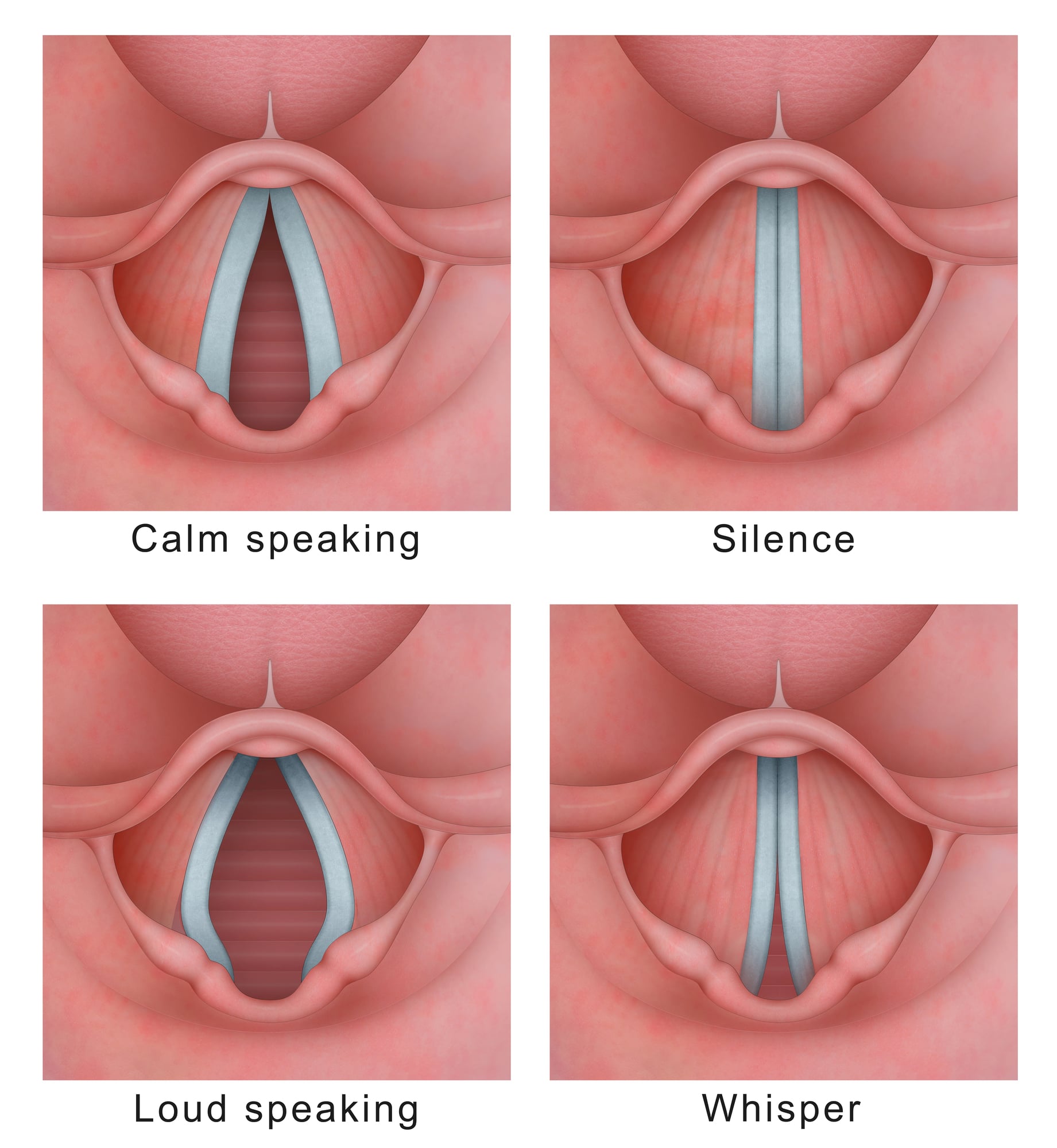
They’re folds of tissue. Vocal folds, to be precise.
Two bands of muscle and membrane that vibrate when air passes through them from your lungs. The name stuck anyway, probably because “vocal cords” sounds more like something you could picture — guitar strings stretched inside your throat, ready to make music.
Babies Recognize Their Mother’s Voice Before Birth

The womb isn’t the silent sanctuary people once imagined it to be, but rather a place where sound travels in muffled, persistent waves (much like trying to have a conversation while swimming underwater, except the conversation never stops and you’re the one being discussed).
By the third trimester, a developing baby’s auditory system has sharpened enough to distinguish the rhythm and pitch patterns of their mother’s speech from the voices of strangers — and here’s where it gets interesting — they seem to prefer it, showing measurable changes in heart rate and movement when they hear that familiar voice.
So the first conversation between parent and child isn’t the one that happens in the delivery room; it’s the one that’s been quietly taking place for months, with the baby listening from the inside.
Your Voice Changes Throughout The Day

Think of your voice as a musical instrument that requires tuning — except it retunes itself constantly based on factors you barely notice. Morning brings a deeper, rougher sound because your vocal folds have been resting horizontally for hours, slightly swollen from the overnight position.
As you move through the day, hydration shifts, stress hormones fluctuate, and even the air temperature affects how your vocal cords vibrate. Singers know this instinctively.
They warm up not just to hit the right notes, but to coax their voice back to its most flexible state.
Whispering Isn’t Easier On Your Voice Than Speaking Normally

People whisper when their throat hurts, thinking they’re giving their voice a break. They’re not.
Whispering forces your vocal cords to work harder, not easier. Normal speech allows the vocal folds to vibrate naturally, but whispering requires them to stay partially closed while air passes through — which creates more tension, not less.
The better choice when your voice needs rest is simply staying quiet. Complete vocal rest beats whispering every time.
Accents Develop Before Age Five

Children absorb the speech patterns around them like water soaking into fabric — completely, unconsciously, and with a permanence that surprises anyone who’s tried to change their accent as an adult.
The critical window closes earlier than most people realize, around five years old, when the brain’s language centers solidify their preferences for certain sounds and rhythms. After this point, learning new accents becomes an exercise in conscious mimicry rather than natural absorption.
This explains why families who move countries often find their young children speaking with perfect local accents within months, while the parents retain traces of their original speech patterns decades later.
The child’s brain treats the new sounds as simply another part of language acquisition, but the adult brain categorizes them as foreign patterns to be learned rather than absorbed.
Men And Women Use Different Vocal Strategies When Lying

Research suggests that when people lie, predictable changes occur in their vocal patterns — but these changes manifest differently based on gender.
Men tend to speak in a higher pitch when being deceptive, as stress tightens the vocal cords. Women often do the opposite, lowering their pitch as if unconsciously trying to sound more authoritative.
Voice stress analysis has become sophisticated enough that some law enforcement agencies use it as an investigative tool, though it’s not admissible in court.
You Have A Unique Voiceprint

Your voice carries identifying markers as distinct as fingerprints, created by the precise shape of your vocal tract, the size of your larynx, and the way your tongue, teeth, and lips modify sound.
Voice recognition technology exploits these differences, but humans have been doing the same thing instinctively for thousands of years — recognizing family members, friends, and strangers based on vocal characteristics alone.
Even identical twins, who share nearly identical DNA, develop different voiceprints due to slight variations in their vocal anatomy and learned speech patterns.
Singing Uses The Same Mechanisms As Speech But Requires More Precision

When someone claims they “can’t sing,” they’re usually wrong about their physical capability but right about their current skill level.
Singing demands the same vocal equipment as speaking — lungs, larynx, vocal cords, and articulators — but requires far more precise control of pitch, timing, and breath support. It’s like the difference between walking and dancing; the basic mechanics are familiar, but the execution demands practice and awareness.
Most people can learn to sing adequately with training, though few will reach professional levels without natural talent combined with years of dedicated practice. The voice, like any instrument, responds to consistent, informed practice.
Vocal Nodules Are Essentially Calluses On Your Vocal Cords

Singers, teachers, and anyone whose job requires extensive voice use can develop small, hardened growths on their vocal folds from overuse or misuse (the vocal equivalent of a guitarist’s fingertip calluses, except these interfere with performance rather than enabling it).
These nodules form when the delicate tissue of the vocal cords experiences repeated trauma from forceful contact — imagine clapping your hands together thousands of times a day and you’ll understand why the tissue eventually rebels.
Treatment usually involves voice rest and working with a speech therapist to unlearn harmful vocal habits, though severe cases sometimes require surgical removal. And here’s the frustrating part for people whose careers depend on their voice: the recovery process demands weeks or months of limited speaking, which can feel like asking a runner to heal a stress fracture without walking.
Children’s Voices Don’t Just Get Deeper During Puberty

The entire vocal tract undergoes reconstruction during adolescence, particularly for boys, whose larynx can double in size over the span of a few months.
This rapid growth creates the infamous “voice cracking” phase — a period when the vocal cords are literally trying to figure out how to work with their new dimensions. Girls experience changes too, though less dramatically.
Their voices typically drop about three or four semitones, while boys’ voices can drop an entire octave or more.
Professional Voice Users Warm Up Like Athletes

Opera singers, radio hosts, and voice actors treat their vocal cords like professional runners treat their legs — with careful preparation, consistent maintenance, and deep respect for the potential for injury.
The warm-up routines involve specific exercises designed to gently stretch and prepare the vocal folds for extended use: lip trills, humming scales, and controlled breathing exercises that gradually increase in intensity.
Many also follow strict vocal hygiene practices: avoiding dairy before performances (which can increase mucus), staying hydrated, and getting adequate sleep to prevent vocal cord swelling.
Your Emotional State Directly Affects Your Voice

Fear tightens the throat muscles, sadness adds breathiness, anger increases volume and harshness — but the connection between emotion and voice runs deeper than these obvious changes.
Subtle shifts in vocal quality can reveal emotional states that the speaker isn’t even consciously aware of, which explains why close friends and family members can often detect mood changes over the phone before you’ve said anything about how you’re feeling.
This involuntary vocal expression of emotion has evolutionary roots: early humans needed to communicate emotional states quickly and accurately for survival, and vocal cues provided information that facial expressions couldn’t convey across distances or in low light.
The Human Voice Can Produce Sounds In Multiple Ways Simultaneously

Throat singers from Mongolia and Tibet have mastered techniques that allow them to produce two or more distinct pitches at the same time, creating harmonies within a single voice.
This isn’t a trick or an illusion — they’re actually generating multiple fundamental frequencies by manipulating different parts of their vocal tract independently.
The technique requires years of practice and extraordinary control over muscles that most people never consciously engage. Western musicians have begun incorporating these methods, expanding the possibilities of what human voices can achieve.
The Sound Of Your Own Voice Surprises You For Good Reason

Recording yourself speaking can feel jarring because you’re accustomed to hearing your voice through bone conduction — the vibrations traveling through your skull directly to your inner ear.
This internal pathway emphasizes lower frequencies, making your voice sound richer and deeper to yourself than it does to others.
When you hear a recording, you’re experiencing your voice the way everyone else does: through air conduction only. The difference can be dramatic enough that some people initially refuse to believe the recording is accurate.
Echoes Of Ancient Conversations

Your voice carries forward something remarkably old — not just the words and ideas, but the very mechanics of how humans learned to shape breath into meaning.
The same muscles that power your morning conversations powered the first stories told around fires thousands of years ago. Technology changes the reach and permanence of voices, but the fundamental act remains unchanged: one person using controlled breath and precise muscle movements to place thoughts directly into another person’s mind.
That’s worth celebrating, at least once a year.
More from Go2Tutors!

- The Romanov Crown Jewels and Their Tragic Fate
- 13 Historical Mysteries That Science Still Can’t Solve
- Famous Hoaxes That Fooled the World for Years
- 15 Child Stars with Tragic Adult Lives
- 16 Famous Jewelry Pieces in History
Like Go2Tutors’s content? Follow us on MSN.