World’s Most Incredible Aquariums
There’s something almost hypnotic about watching fish glide through water. Maybe it’s the silence, or the way light bends through glass and creates those rippling patterns.
Whatever it is, aquariums have this weird ability to make you forget you’re standing in a building surrounded by concrete and tourists with selfie sticks. Some aquariums are just okay—a few tanks, some clownfish, maybe a bored-looking turtle.
But the truly incredible ones? They transport you somewhere else entirely. Here’s a quick list of aquariums that actually deliver on that promise.
Georgia Aquarium, Atlanta, USA

This place holds more than 10 million gallons of water, which is an absurd amount when you think about it (like, where does it even all go?). The Georgia Aquarium is famous for its whale sharks—those massive, gentle filter feeders that look like they belong in a different geological era.
You can watch them glide through the Ocean Voyager exhibit, which has a viewing window so big it feels like you’re looking into another dimension. They’ve also got beluga whales, manta rays, and enough variety to keep you wandering for hours.
It’s one of those aquariums that actually justifies the ticket price, even if you have to dodge approximately ten thousand school groups.
Okinawa Churaumi Aquarium, Japan
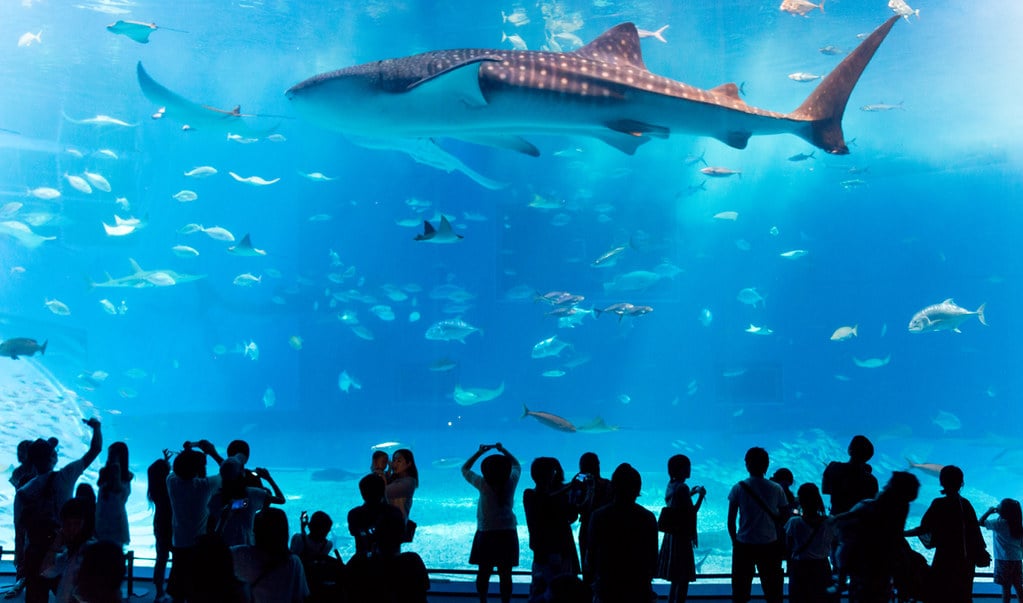
The Kuroshio Sea tank is the star here. It’s one of the largest aquarium tanks in the world, and when you stand in front of it, you genuinely feel small (in a good way, not in an existential crisis way).
Whale sharks and manta rays dominate the space, moving with this almost choreographed grace. The aquarium sits on the edge of Okinawa, so after you’re done inside, you can step out and see the actual ocean right there.
Which is kind of meta when you think about it.
Monterey Bay Aquarium, California
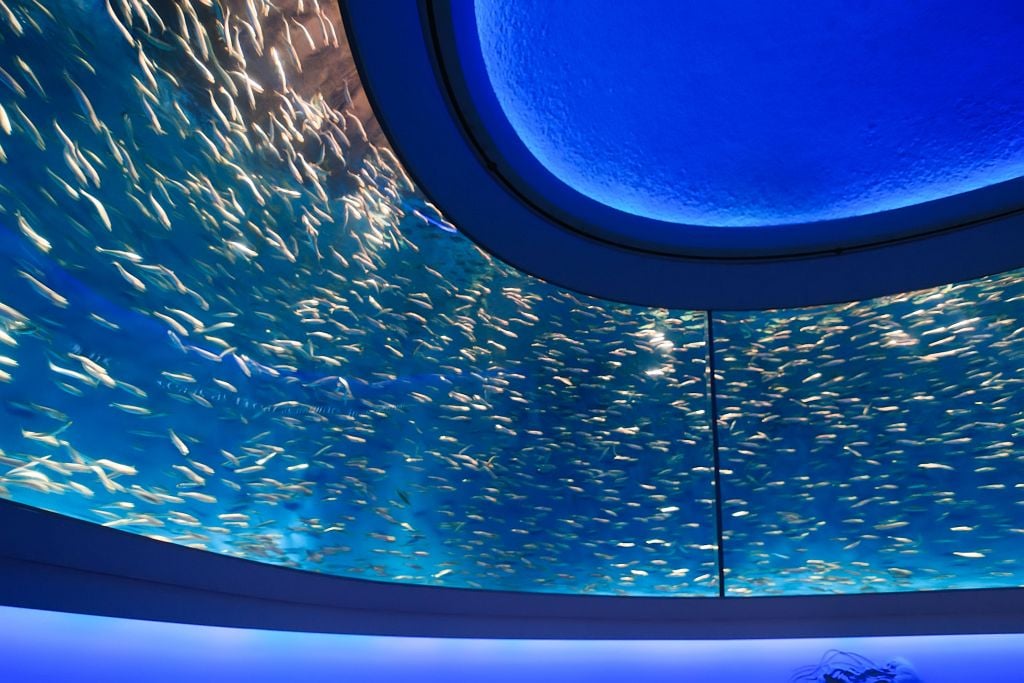
Built on the site of an old sardine cannery, this aquarium has history baked into its foundation. The kelp forest exhibit is mesmerizing—tall strands of kelp swaying in artificial currents, with leopard sharks and rockfish weaving through.
They’re serious about conservation here (maybe more serious than any other aquarium on this list), and it shows in how they present everything. The sea otters are ridiculously popular, and honestly, the hype is justified.
They float around on their backs cracking open shellfish like they’re at a buffet.
Dubai Aquarium & Underwater Zoo, UAE
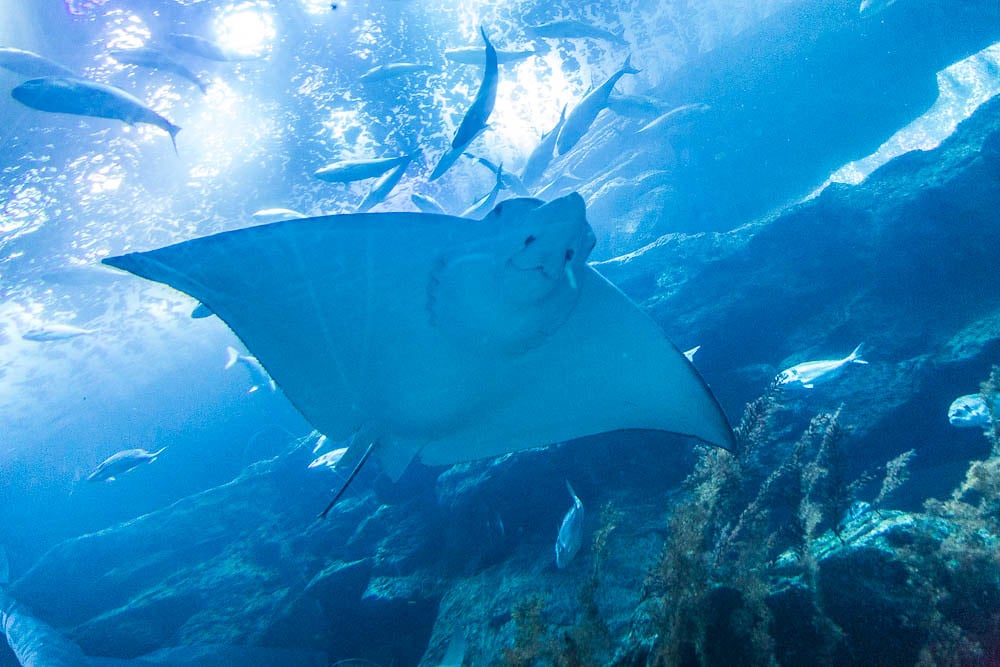
This one’s inside the Dubai Mall, which feels simultaneously tacky and impressive. The main tank holds 10 million liters and runs through three floors of the mall, so you can watch sharks and rays while you’re shopping for designer handbags.
They’ve got sand tiger sharks, which always look vaguely angry, and a massive collection of rays. You can pay extra to walk through a tunnel that goes right through the tank.
It’s touristy as hell but undeniably cool.
S.E.A. Aquarium, Singapore
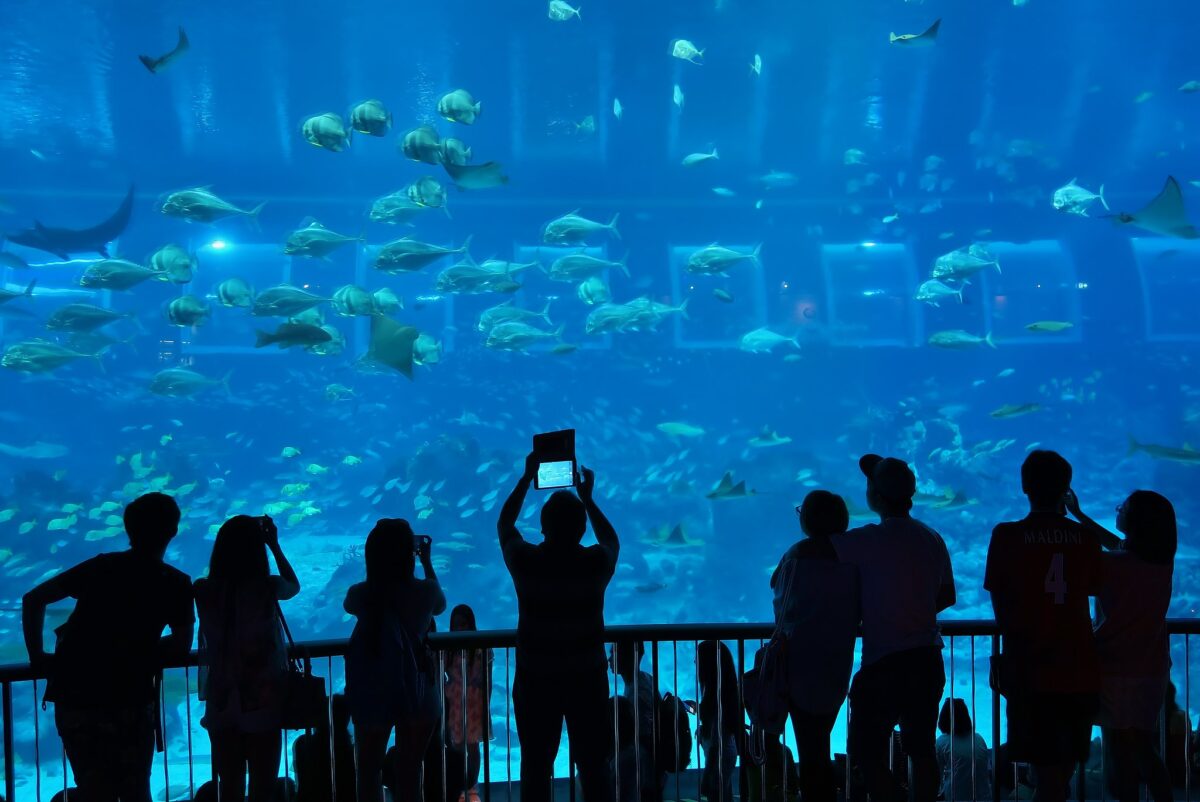
Part of Resorts World Sentosa, this aquarium had the world’s largest viewing panel when it opened. The Open Ocean habitat is stunning—manta rays, groupers, and schools of fish that move like liquid silver.
Singapore does everything with precision, and this aquarium is no exception. Everything feels meticulously designed (because it is).
The lighting, the flow between exhibits, even the way information is presented. Some people might find it a bit sterile.
Others will appreciate that it’s not chaotic.
Lisbon Oceanarium, Portugal
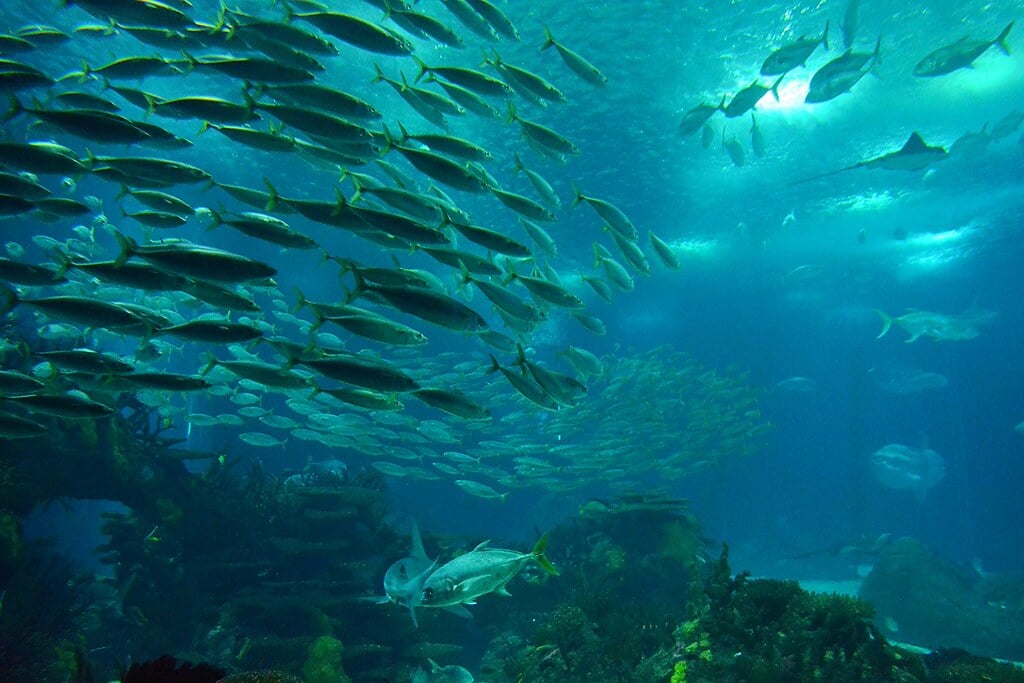
Designed by Peter Chermayeff (who also worked on Osaka’s aquarium), the Lisbon Oceanarium centers around one massive tank that represents the open ocean. Four separate habitats—North Atlantic, Antarctic, Temperate Pacific, and Tropical Indian Ocean—surround it, but they all connect to that central tank in clever ways.
You can see penguins, sea otters, and tropical fish all during the same visit, which is rare. The building itself sits on the waterfront in the Parque das Nações, and the whole area was revitalized for Expo ’98.
If you’re in Lisbon, this is non-negotiable.
Osaka Aquarium Kaiyukan, Japan
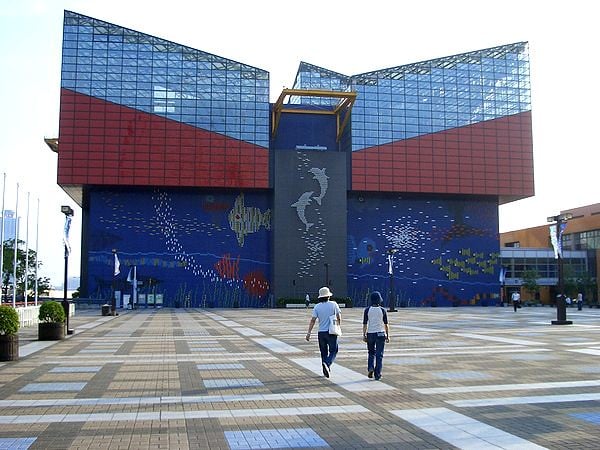
The Pacific Ring of Fire is the theme here, and the design reflects that. You start at the top and spiral down through eight floors, passing through different ecosystems as you descend (it’s supposed to mimic a journey into the ocean’s depths, which is a bit dramatic but works).
The whale sharks are the main draw, but the Japanese spider crabs are genuinely unsettling. Those things look like they crawled out of a nightmare.
And the otters—always the otters—steal the show even when they’re just sleeping in a pile.
L’Oceanogràfic, Valencia, Spain
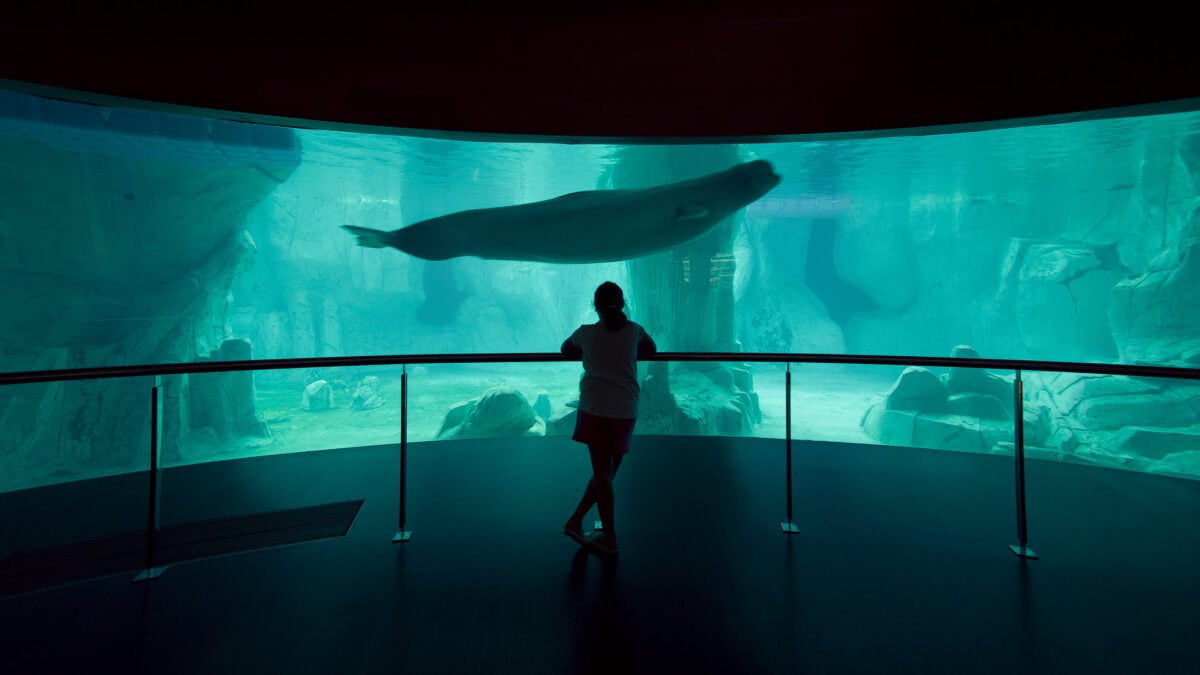
Europe’s largest aquarium. It’s part of the City of Arts and Sciences, which is this futuristic complex designed by Santiago Calatrava that looks like something from a sci-fi movie. The aquarium itself is divided into different marine environments—Mediterranean, polar regions, tropical seas, temperate waters.
The dolphinarium is controversial (as most are), but the underwater tunnel through the shark tank is legitimately impressive. You walk beneath sand tiger sharks and rays, and the glass curves overhead in a way that makes you feel genuinely submerged.
National Aquarium, Baltimore, USA
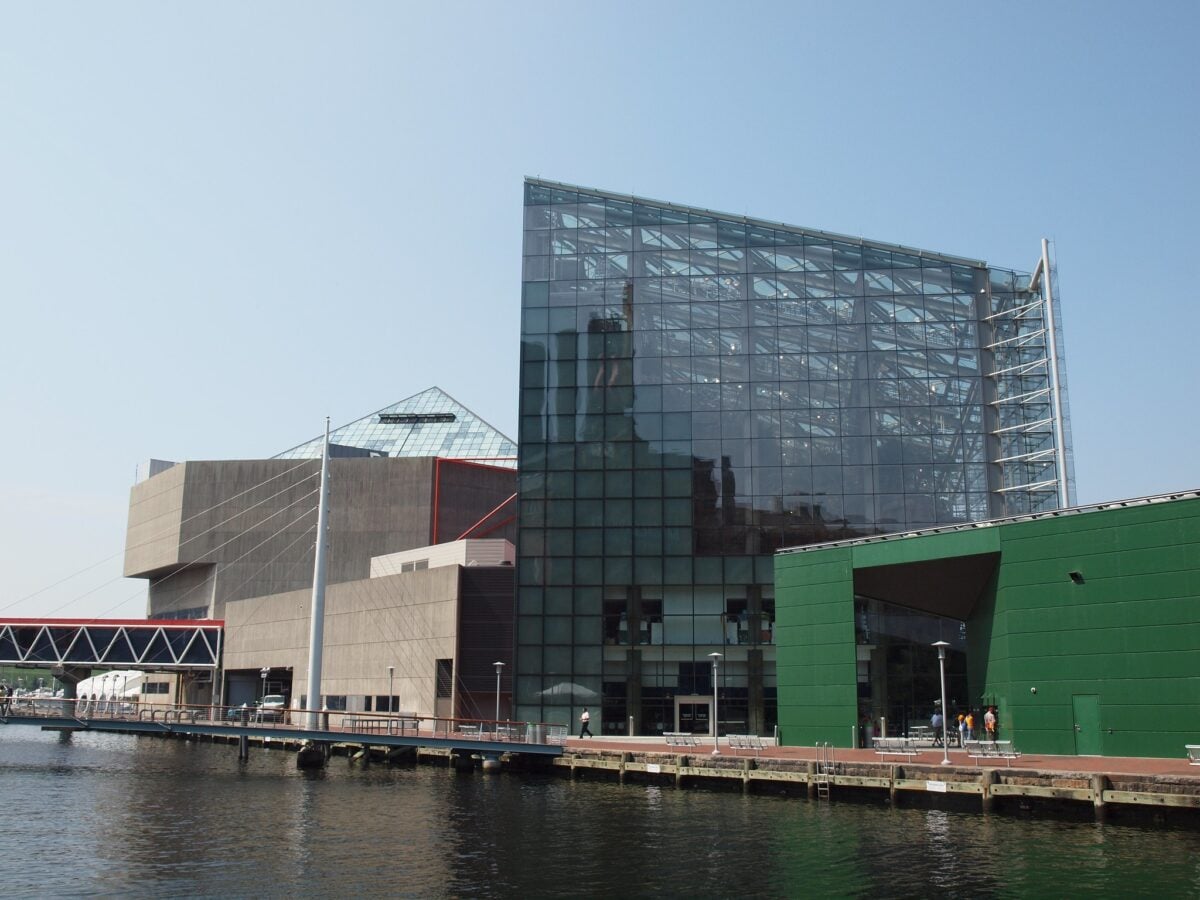
Baltimore’s Inner Harbor used to be pretty rough, but the aquarium helped turn it into a tourist destination (whether that’s good or bad depends on who you ask). The exhibits are solid—a tropical rainforest, an Atlantic coral reef, an Australian river habitat.
They’ve got a blacktip reef where sharks circle endlessly. The building itself is kind of ugly from the outside, all concrete and 1980s architecture, but inside it’s easy to lose track of time.
Vancouver Aquarium, Canada
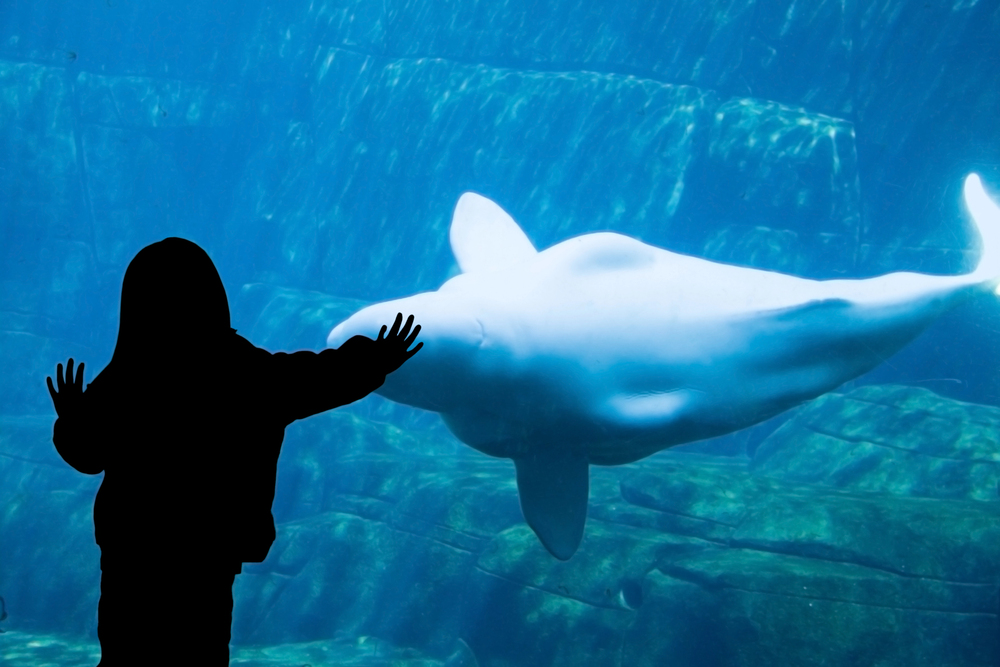
Set in Stanley Park, this aquarium focuses heavily on Pacific Northwest marine life. The jellyfish exhibits are hypnotic (jellyfish always are), and they’ve got sea otters, which are basically the aquarium equivalent of printing money.
But they also do serious research on marine mammal rescue and ocean conservation. It’s one of those places that doesn’t feel like it’s just trying to entertain you—it actually wants you to learn something and maybe give a damn about the ocean.
Shanghai Ocean Aquarium, China
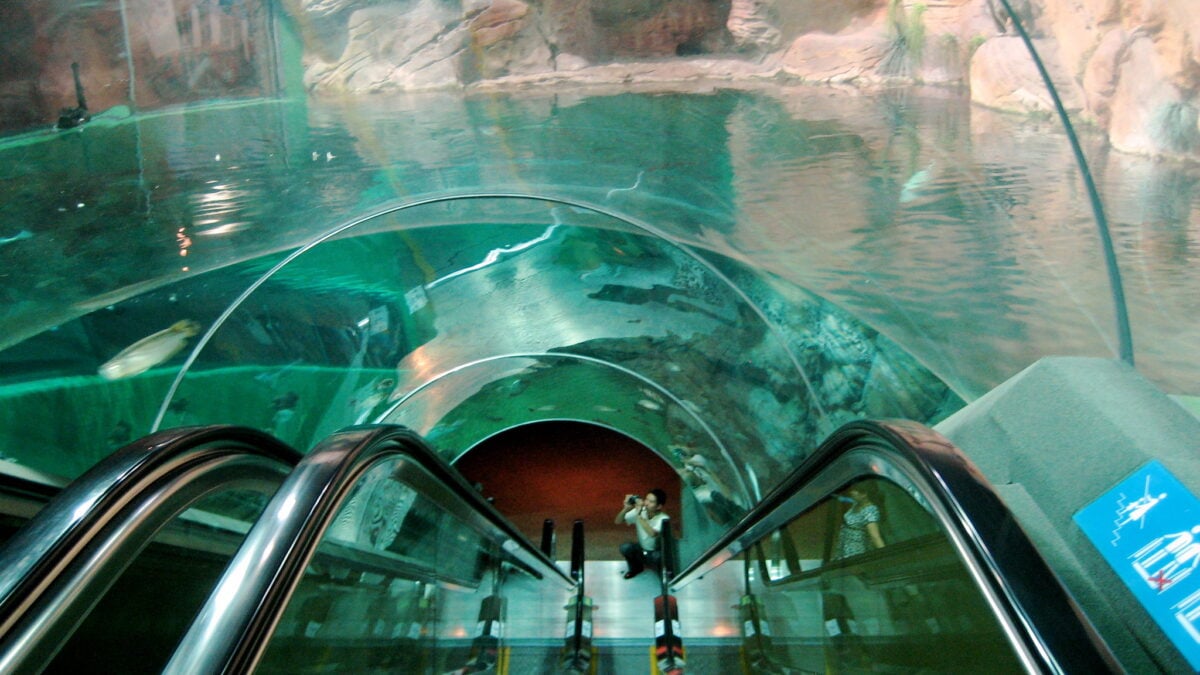
The underwater tunnel here is 155 meters long, which is excessive and exactly what you’d expect from Shanghai. You stand on a moving walkway while sharks, rays, and massive groupers glide overhead.
They’ve got a China Zone that showcases species from the Yangtze River (including Chinese sturgeons and giant salamanders, which are deeply weird-looking). The aquarium sits in Pudong, right near the Oriental Pearl Tower, so you can make a day of feeling like you’re in Blade Runner.
Aquarium of the Pacific, Long Beach, USA

Less flashy than some others, but that’s kind of its charm. It focuses on the Pacific Ocean specifically—Southern California/Baja, the Northern Pacific, and the Tropical Pacific.
The outdoor exhibits with sea lions and seals are always crowded (because sea lions are basically ocean dogs and everyone loves them). They have lorikeets you can feed, which seems random but is actually pretty fun.
The whole place has this educational vibe without being preachy about it.
Sydney Aquarium, Australia
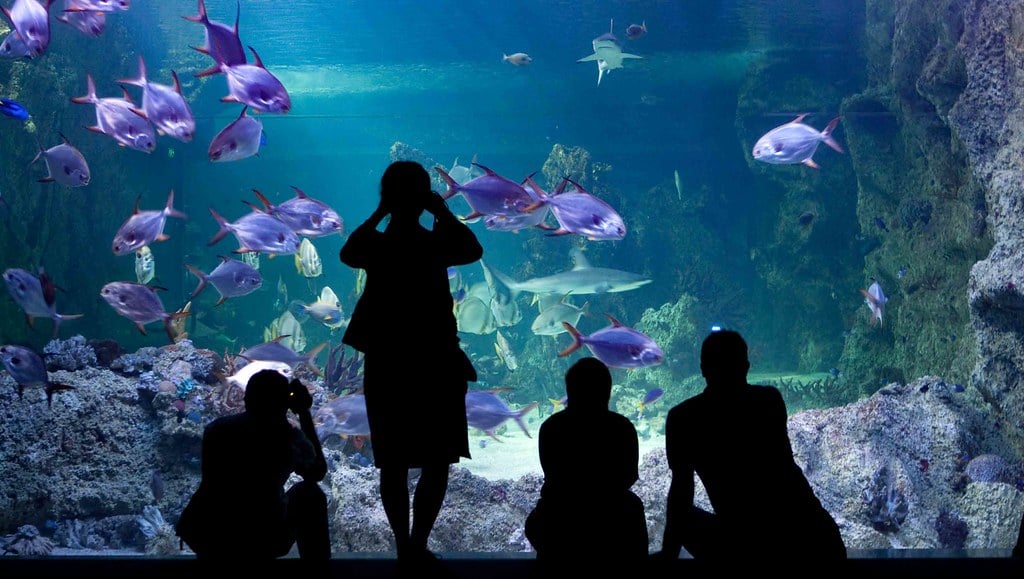
Located at Darling Harbour, this aquarium showcases Australian marine life, which means it’s full of things that could potentially kill you. Sharks, rays, saltwater crocodiles, box jellyfish (behind very secure glass, thankfully).
The underwater walkway through the Great Barrier Reef exhibit is the highlight—tropical fish in colors that don’t seem real, and sharks that look way bigger when you’re beneath them. Australia doesn’t do anything halfway, and that includes its aquariums.
The Deep, Hull, England
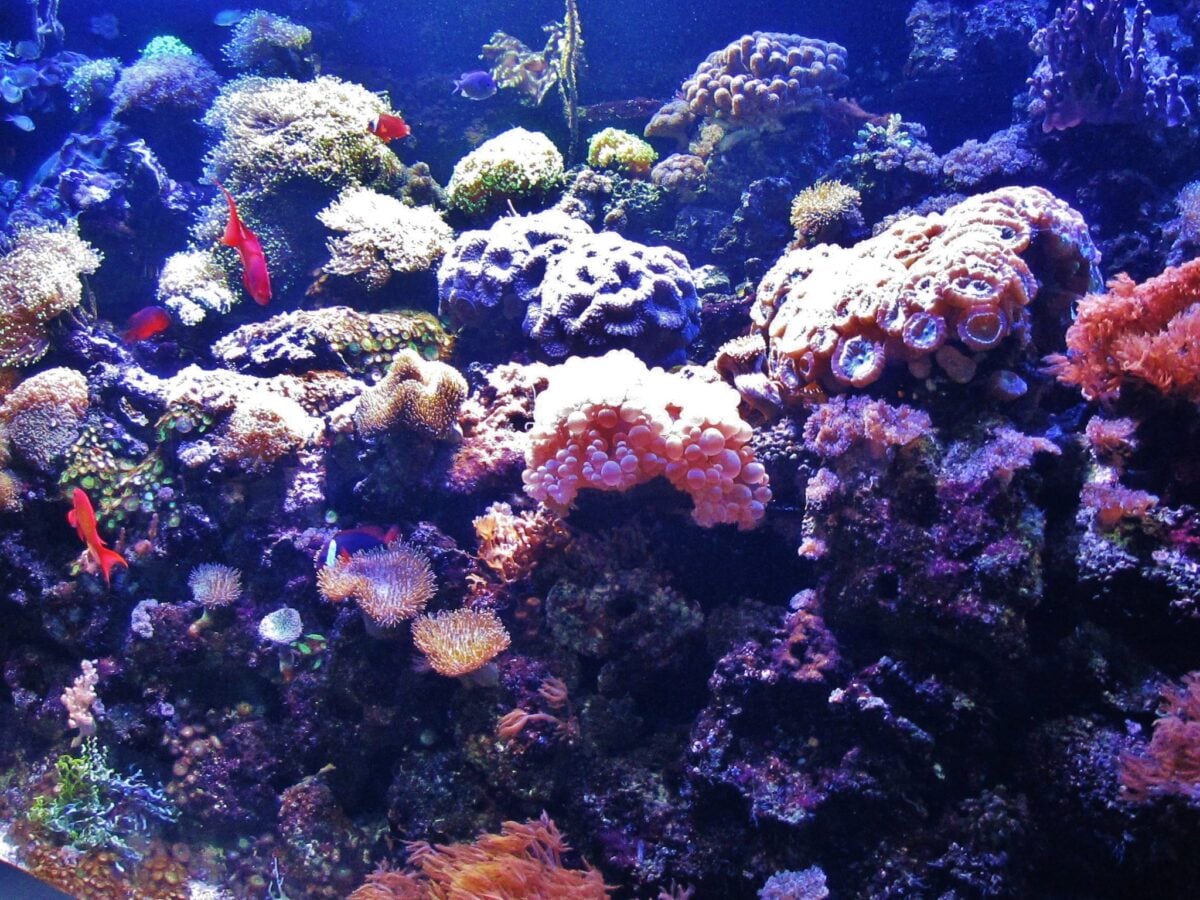
Housed in a building that looks like a shard of glass jutting out of the ground, The Deep sits at the confluence of the River Hull and the Humber Estuary. It’s not the biggest aquarium, but it’s architecturally striking.
The deepest viewing tunnel in Europe runs through it (fitting, given the name), and they’ve got sawfish, which are bizarre prehistoric-looking creatures. Hull isn’t exactly a tourist hotspot, but The Deep gives you a reason to stop there.
Shedd Aquarium, Chicago, USA
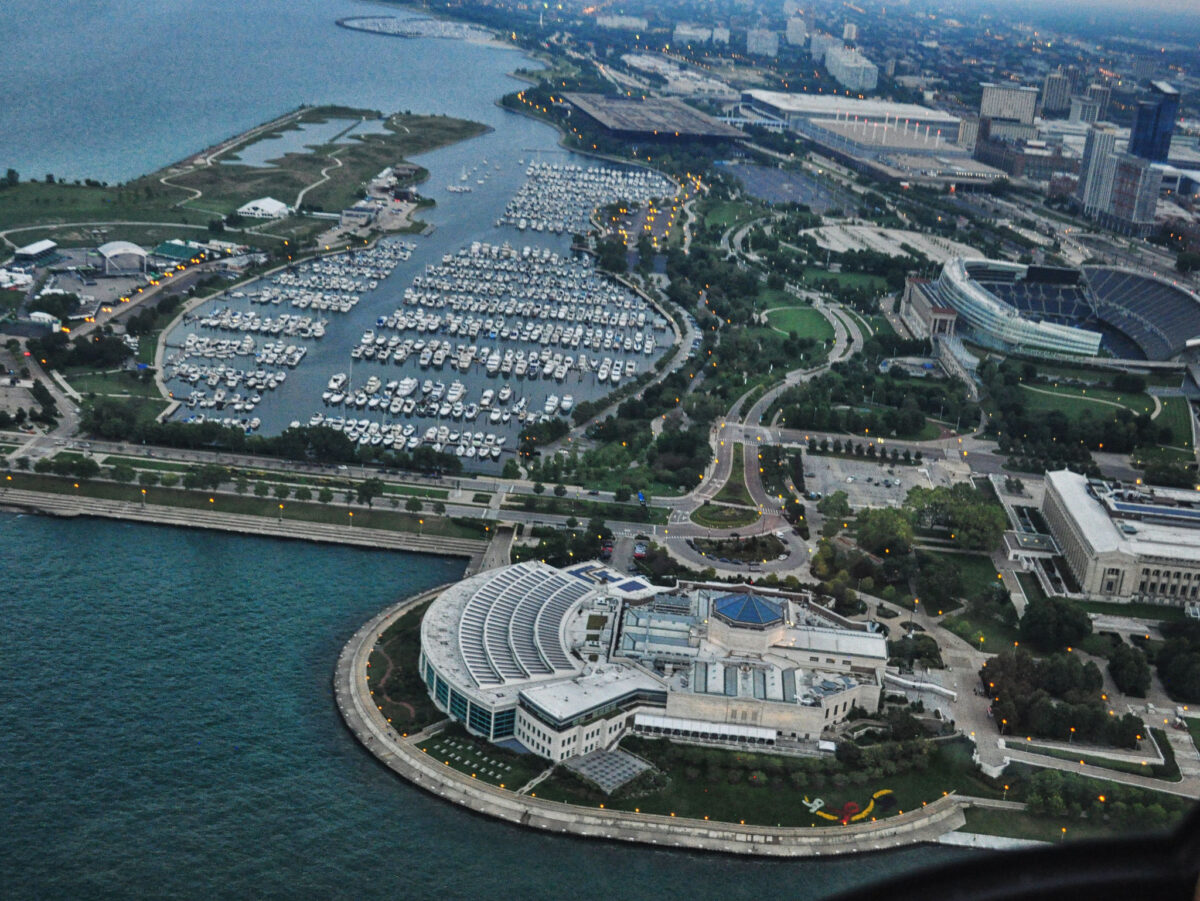
One of the oldest aquariums in the United States, opened in 1930, and it still holds up. The Caribbean Reef exhibit is a 90,000-gallon circular tank where you can watch sea turtles, stingrays, and sharks swim in circles (which is oddly calming).
They’ve got belugas and Pacific white-sided dolphins, though the ethics of keeping marine mammals in captivity is its own complicated conversation. But the building itself is beautiful—classical architecture on the shores of Lake Michigan, with the Chicago skyline behind it.
Beyond the Glass
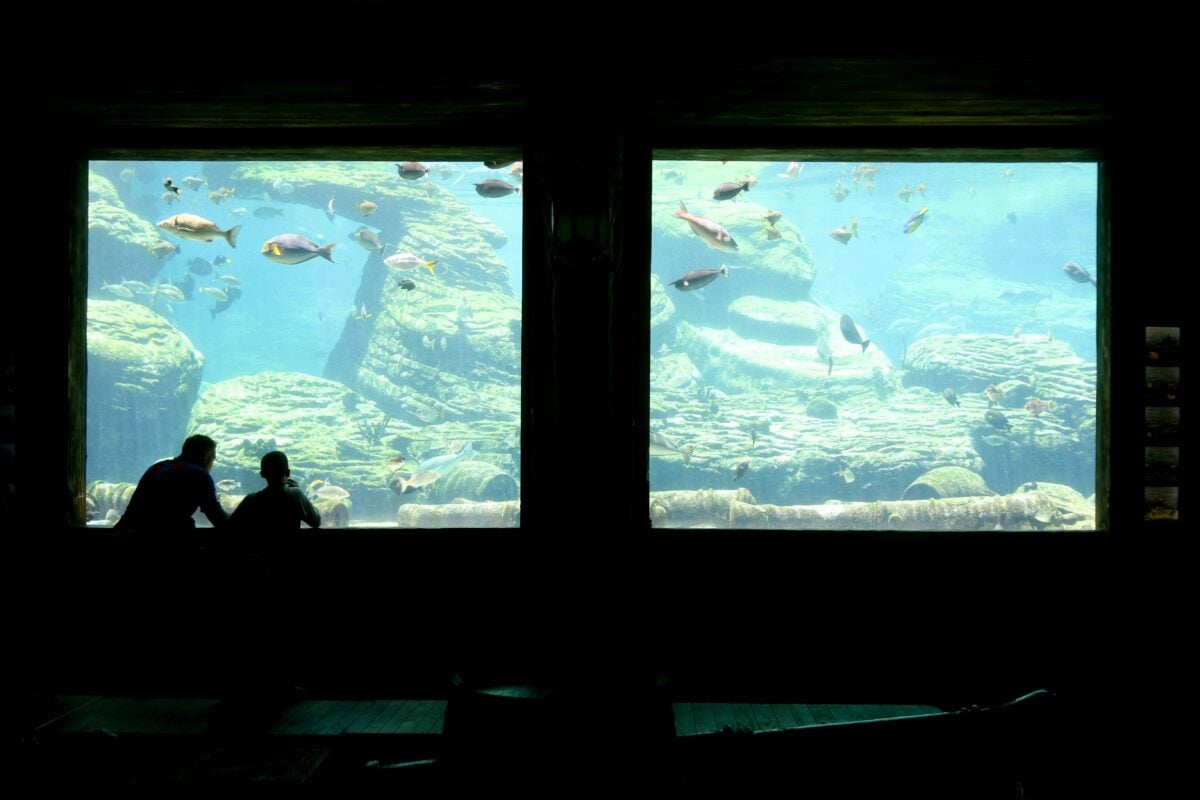
Maybe you’ll check out one of these places, or perhaps not. Still, there’s worth in just being near a huge tank, staring at life from a realm nothing like our own, while recalling the sea makes up most Earth – yet we’ve hardly explored it.
Aquariums try, awkwardly, to pull that distant world nearer, nudging us to care for things usually hidden. A few manage this well.
Others come off as using animals for show. Yet when they work?
You start thinking about whatever’s floating miles down there, unseen, beyond anything we’ve dreamed.
More from Go2Tutors!

- The Romanov Crown Jewels and Their Tragic Fate
- 13 Historical Mysteries That Science Still Can’t Solve
- Famous Hoaxes That Fooled the World for Years
- 15 Child Stars with Tragic Adult Lives
- 16 Famous Jewelry Pieces in History
Like Go2Tutors’s content? Follow us on MSN.



