The Most Unforgettable Movie Twists In History
There is something about a great movie twist that stays with a person long after the credits roll. It is that moment when everything the audience thought they knew gets flipped upside down in seconds.
The best twists do not just surprise you, they completely change how you see every scene that came before. Hollywood has delivered some truly jaw-dropping moments over the decades, and these are the ones that nobody saw coming.
Some of these films changed the way people talk about movies forever. Here are the twists that still have people saying, ‘Wait, what just happened?’
The Sixth Sense (1999)
The entire film follows a child psychologist helping a young boy who claims to see dead people, and the audience spends the whole time focused on the kid. Then the final reveal lands, and suddenly every single scene replays in your head with a completely different meaning.
It turns out the psychologist was dead the entire time. People left the cinema in stunned silence, and many went straight back to watch it again just to catch all the clues they had missed.
Fight Club (1999)

The audience spends nearly two hours watching the narrator and Tyler by side, treating them as two completely separate people. Then the film pulls the rug out and reveals that Tyler Durden is not real.
The narrator had been playing both roles the whole time without knowing it. It is one of those twists that makes the entire film feel brand new on a second viewing.
Psycho (1960)

Alfred Hitchcock did something nobody expected by killing off the main character, Marion, in the first third of the film. Audiences in 1960 had never seen anything like it.
The real story then shifted to Norman Bates, and the twist about his ‘mother’ at the end sealed the film’s place in history. Even today, that shower scene and the final reveal remain two of the most talked-about moments in cinema.
The Usual Suspects (1995)
The whole film is built around a mysterious crime lord named Keyser Söze, and the audience is kept guessing about his identity throughout. When the final scene reveals that the unassuming, limping Verbal Kint was Keyser Söze all along, it hits like a truck.
The way he straightens his leg and walks away is one of the coolest moments ever put on screen. It is a film that rewards every rewatch.
Se7en (1995)
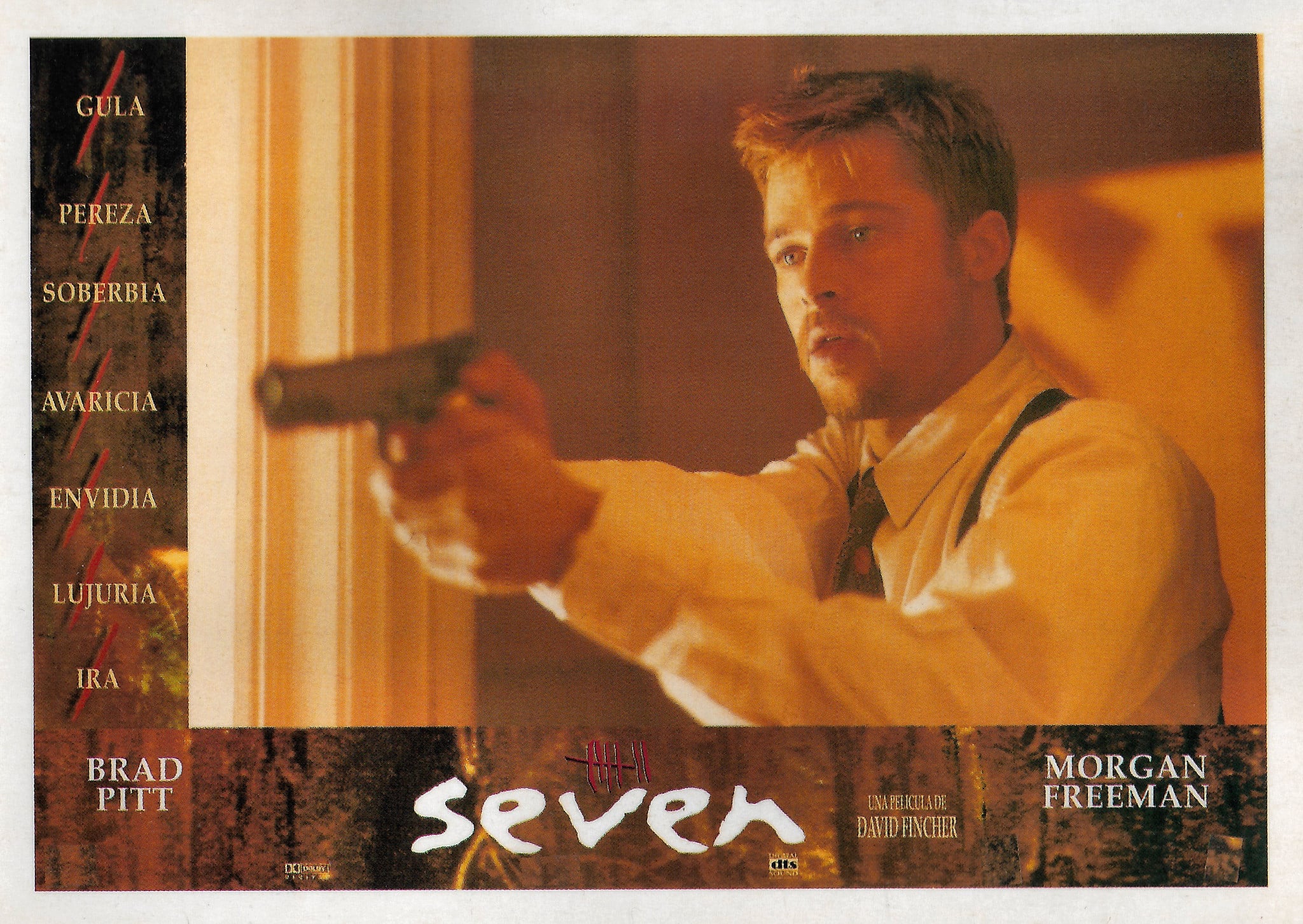
The audience spends most of the film trying to figure out who the serial killer is and why he is committing crimes based on the seven deadly sins. Then the third act arrives, and the killer, John Doe, walks into a police station and surrenders.
What follows in the desert with ‘what’s in the box’ is one of the most disturbing and unforgettable endings ever filmed. It leaves the viewer feeling genuinely shaken in a way that few movies ever manage.
Oldboy (2003)
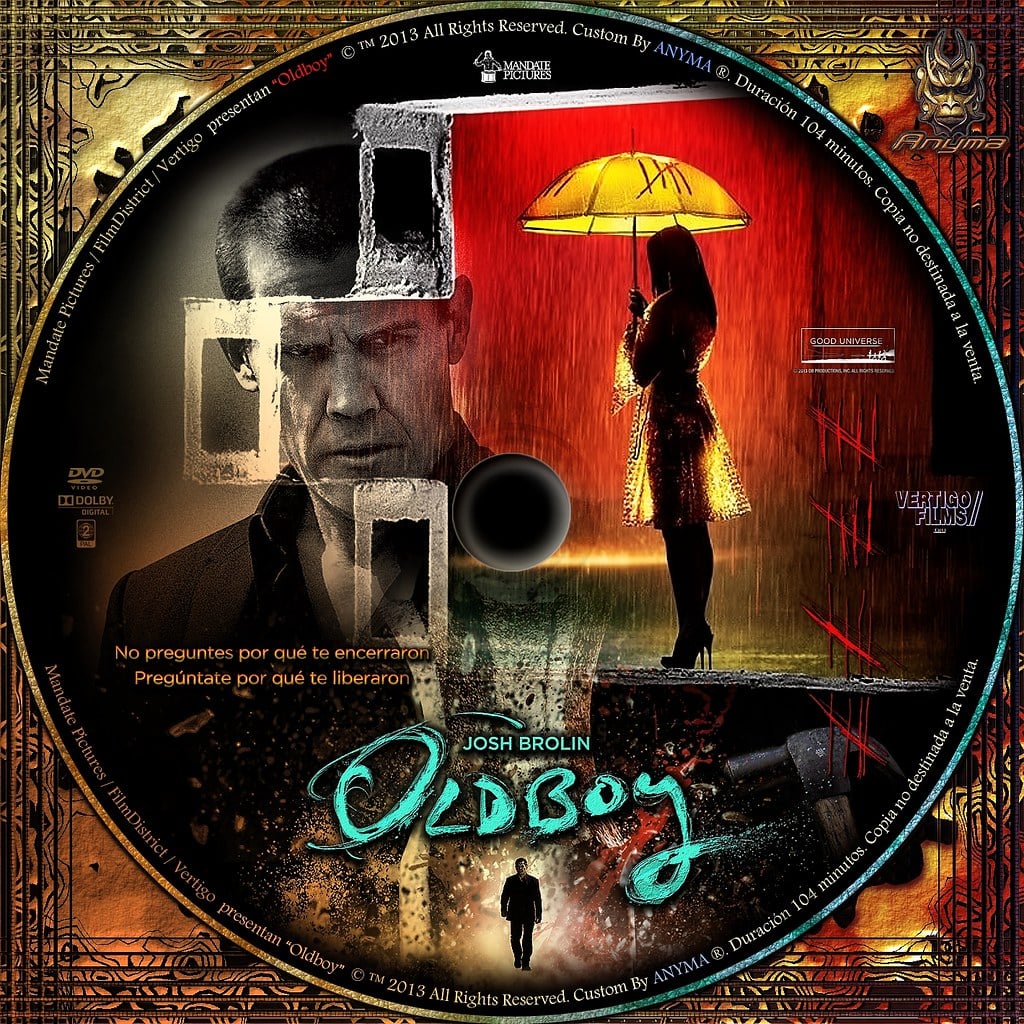
This South Korean film builds a revenge story so gripping that the audience never sees the ending coming. The main character, Oh Dae-su, spends 15 years imprisoned without knowing why, and his search for answers leads to a truth so dark it is almost hard to process.
The revelation about the woman he fell in love with changes everything in the most uncomfortable way possible. It is a film that stays with people for years.
The Empire Strikes Back (1980)
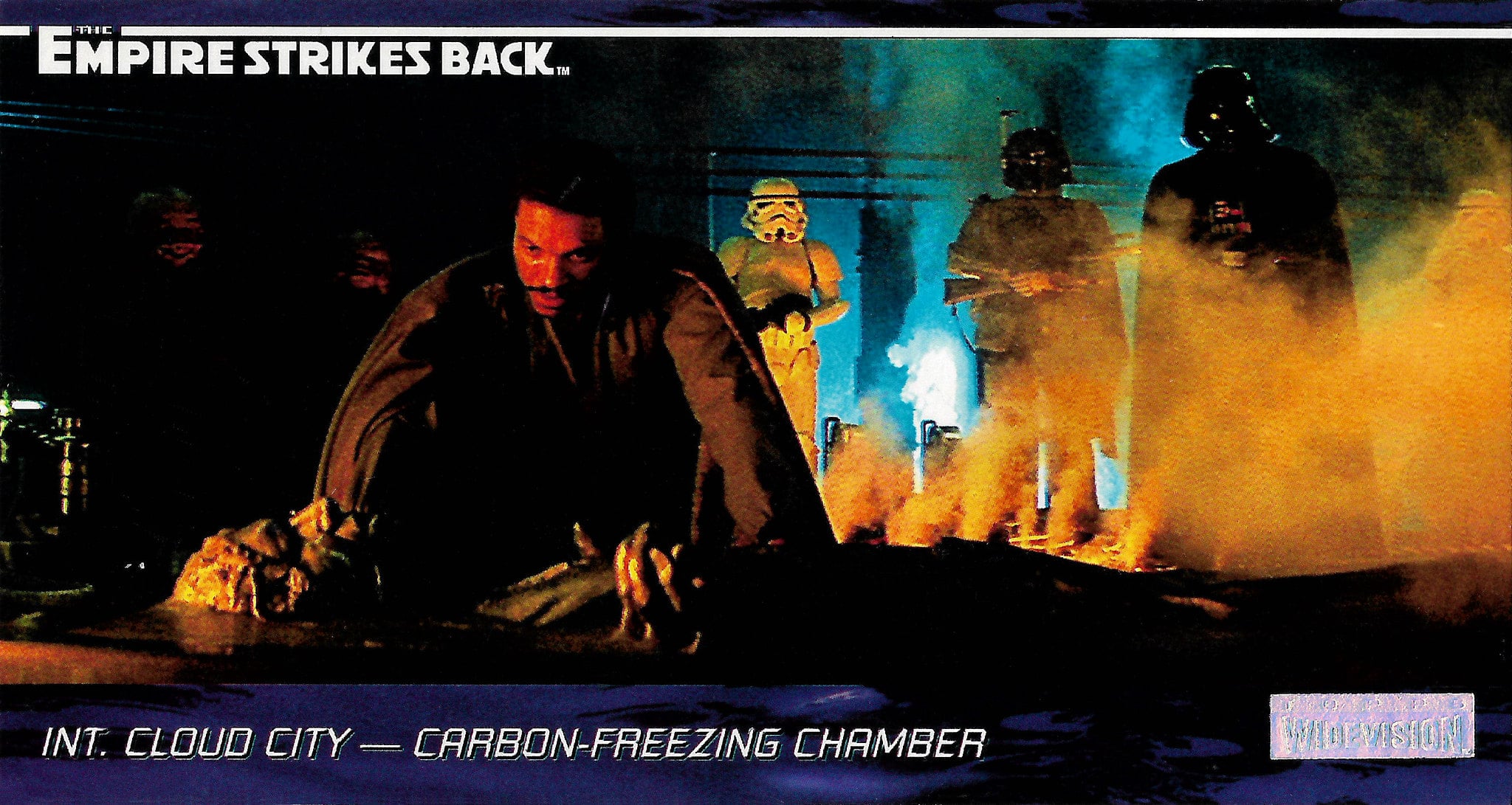
Darth Vader telling Luke Skywalker, ‘I am your father,’ changed movies forever. Before that moment, Vader was simply the villain, cold and terrifying.
That one sentence turned the entire Star Wars story into something much deeper and more personal. Even people who have never seen the film know this twist, which says everything about how powerful it was.
Planet of the Apes (1968)

Charlton Heston’s character lands on what he believes is a distant alien planet ruled by apes and spends the whole film trying to survive and escape. Then the final shot on the beach shows the Statue of Liberty buried in the sand.
It was Earth all along, destroyed by humans. That single image communicates an entire message about war and self-destruction without a single extra word of dialogue.
Gone Girl (2014)

The film begins as a missing person mystery and slowly turns into something much more disturbing. Amy Dunne faked her own disappearance and framed her husband for her supposed murder, and the audience watches her orchestrate everything with total calm.
The twist reframes Amy not as a victim but as the most calculating character in the story. David Fincher made the audience feel genuinely uneasy about who to root for.
Memento (2000)

Backward was how Christopher Nolan chose to unfold the tale – odd by itself. Yet what hits harder emerges late: Leonard, the lead, shapes his broken recall deliberately, steering it toward vengeance.
Not trapped by his mind’s limits. Instead he wields them. That truth lands in the closing stretch, shifting everything that came before. The whole picture tilts.
Parasite (2019)

Bong Joon-ho opens with a biting satire on wealth, laughter stitched tightly into every scene. Suddenly, the hidden man beneath the house drags everything downward.
That moment – the truth spilling out – rewrites what came before it. Laughter stops cold when the past keeper’s spouse emerges from shadows below.
Primal Fear (1996)

A quiet courtroom holds its breath as Edward Norton stands, playing Aaron Stampler – a soft-spoken altar boy charged with killing someone. Though he trembles during testimony, eyes downcast like a child afraid of shadows, his defense attorney fights to show another self lives inside him.
Instead of proving innocence, the lawyer argues that a fierce second identity named Roy took control without warning. Just when it seems belief might shift toward mercy, Aaron lifts his head slowly near the story’s close.
No stutter now, no fear – just a grin sharp enough to cut glass as he admits there was never any Roy at all. One mind all along, hiding behind silence and fake confusion until the moment suited escape.
Saw (2004)

One person stays still on the floor while two others sit bound in place throughout. Viewers think that figure is fake, part of the set.
Much of what happens focuses on breaking free, uncovering who designed the prison. Without warning, the motionless form rises.
That silent shape was never lifeless at all – it’s Jigsaw, awake since the start. He watched everything without moving a muscle.
A quiet twist, yet it hits harder than most loud ones ever do.
The Prestige (2006)
A story unfolds between two clashing illusionists, opening with the claim that each magic act follows three stages. Viewers believe they’re seeing rivalry driven by fixation and ambition.
Yet near the close comes a turn – Alfred Borden isn’t one man but twins living as one person. Their choice to hide this truth shapes their entire existence.
Sacrifice defines their path; love, freedom, peace – all traded away. Because of secrecy, what remained grew thin.
In the end, loss feels like the only real performance.
Shutter Island (2010)
A storm rolls in as a man arrives on an isolated shore, tasked with finding someone who vanished inside a hospital cut off by cliffs. Leonardo DiCaprio walks through rain-slick halls questioning doctors, his coat heavy with salt air.
Just when answers seem close, the walls tilt slightly – nothing fits right anymore. Behind glass windows patients whisper things that might be clues or just madness spilling out.
Clues twist back on themselves like paths erased by tide. He carries papers showing badges and orders, yet faces flicker doubt when he speaks.
Halfway through, a name drops – one he shouldn’t know unless memory betrayed him. Trust dissolves into fragments: voices overlap, dates misalign, photographs blur at the edges.
By dusk of the third day, records show no agent was ever sent. Instead, files list a patient admitted weeks earlier, identity masked beneath duty.
His partner? A figment dressed in borrowed lines. Every footstep echoes less like pursuit, more like return.
In truth, he did not come to investigate – he came home. A quiet man sits through sessions, each moment shaped on purpose so he might face what happened to those closest to him.
The reveal does not shout; it slips in, then weighs heavy.
When Credits Turn Into Clues

What stands out about these films isn’t mere shock value – they reshape the way viewers see everything that came before. One sharp turn can reframe each moment already passed, making the experience linger far beyond the credits.
More than smart tricks, they show how strong narratives force real doubt in assumed truths. While cinema often alters outlooks, it’s these precise instances that do so most deeply – no lecture required.
More from Go2Tutors!

- The Romanov Crown Jewels and Their Tragic Fate
- 13 Historical Mysteries That Science Still Can’t Solve
- Famous Hoaxes That Fooled the World for Years
- 15 Child Stars with Tragic Adult Lives
- 16 Famous Jewelry Pieces in History
Like Go2Tutors’s content? Follow us on MSN.



