11 Animals That Use Electric Fields
Nature’s got some pretty incredible tricks up its sleeve, and one of the most fascinating has to be how certain animals can generate, detect, or manipulate electricity. While we humans need fancy gadgets to work with electrical fields, these creatures have been doing it naturally for millions of years. From hunting prey in murky waters to navigating through complete darkness, these animals have turned electricity into their secret superpower.
The animal kingdom is full of shocking surprises when it comes to bioelectricity. Here is a list of 11 animals that use electric fields in ways that would make any scientist jealous.
Electric Eel
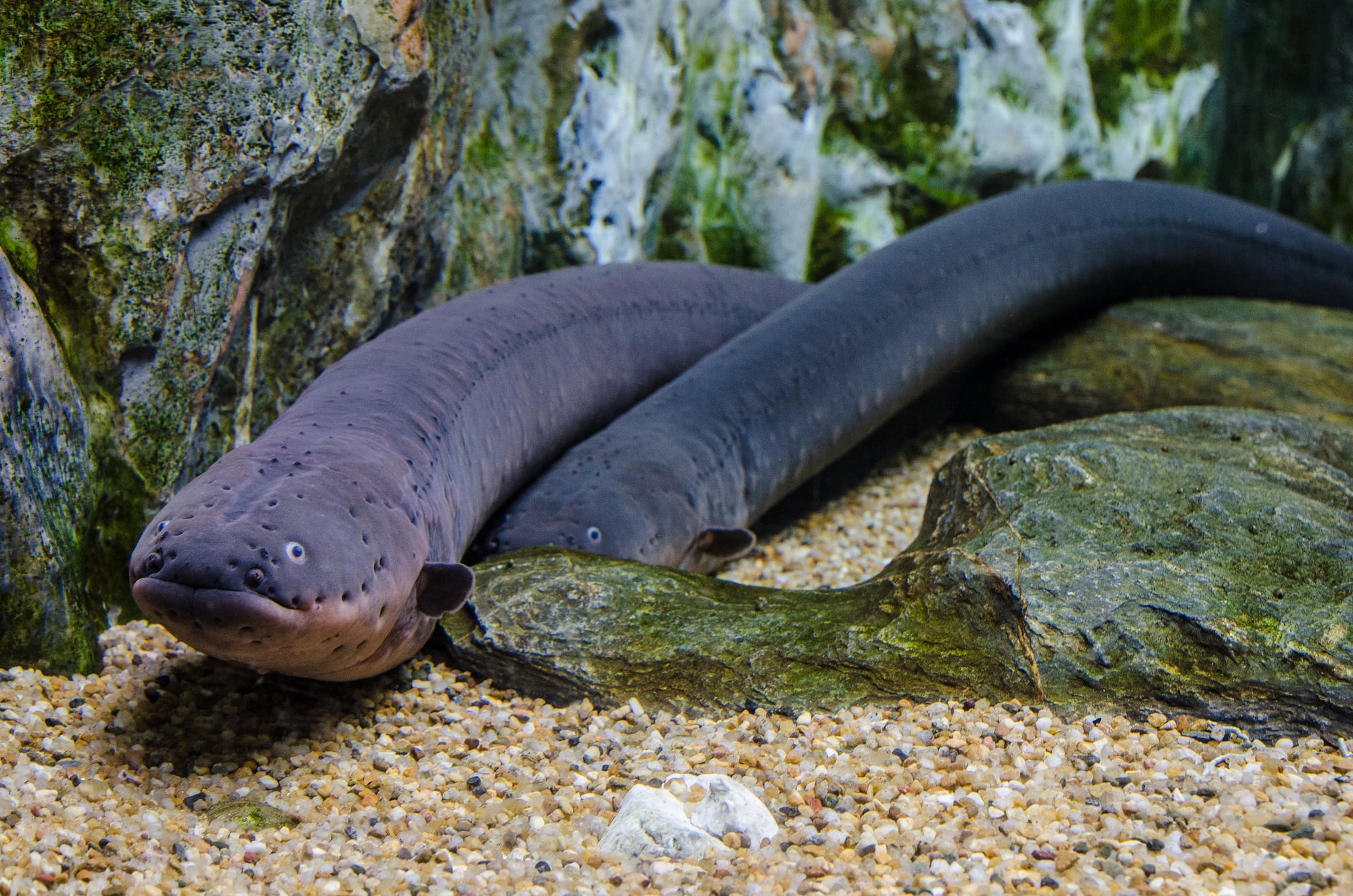
The electric eel isn’t actually an eel at all—it’s more closely related to catfish. This South American powerhouse can generate up to 600 volts of electricity, enough to light up a small Christmas tree or give a horse a serious jolt.
They use three different electric organs to create weak electrical fields for navigation and communication, plus those famous high-voltage zaps for stunning prey and defending themselves.
Black Ghost Knifefish

This sleek, ribbon-like fish from South America moves through the water like a living shadow. It generates a continuous electrical field around its body that acts like an invisible bubble of awareness.
When anything enters this field—whether it’s food, a predator, or just a rock—the fish immediately knows about it.
Electric Ray

Also known as torpedo rays, these flat, pancake-shaped fish pack a serious electrical punch. They can deliver shocks of up to 220 volts, which they use to stun fish and crustaceans for dinner.
Ancient Greeks and Romans actually used these rays for early forms of electrotherapy, though they had no idea what electricity actually was.
Hammerhead Shark

That weird, hammer-shaped head isn’t just for show—it’s loaded with electrical sensors called ampullae of Lorenzini. These sensors can detect the tiny electrical fields generated by all living things, even when prey is buried in sand.
It’s like having X-ray vision, but for electricity.
Electric Catfish
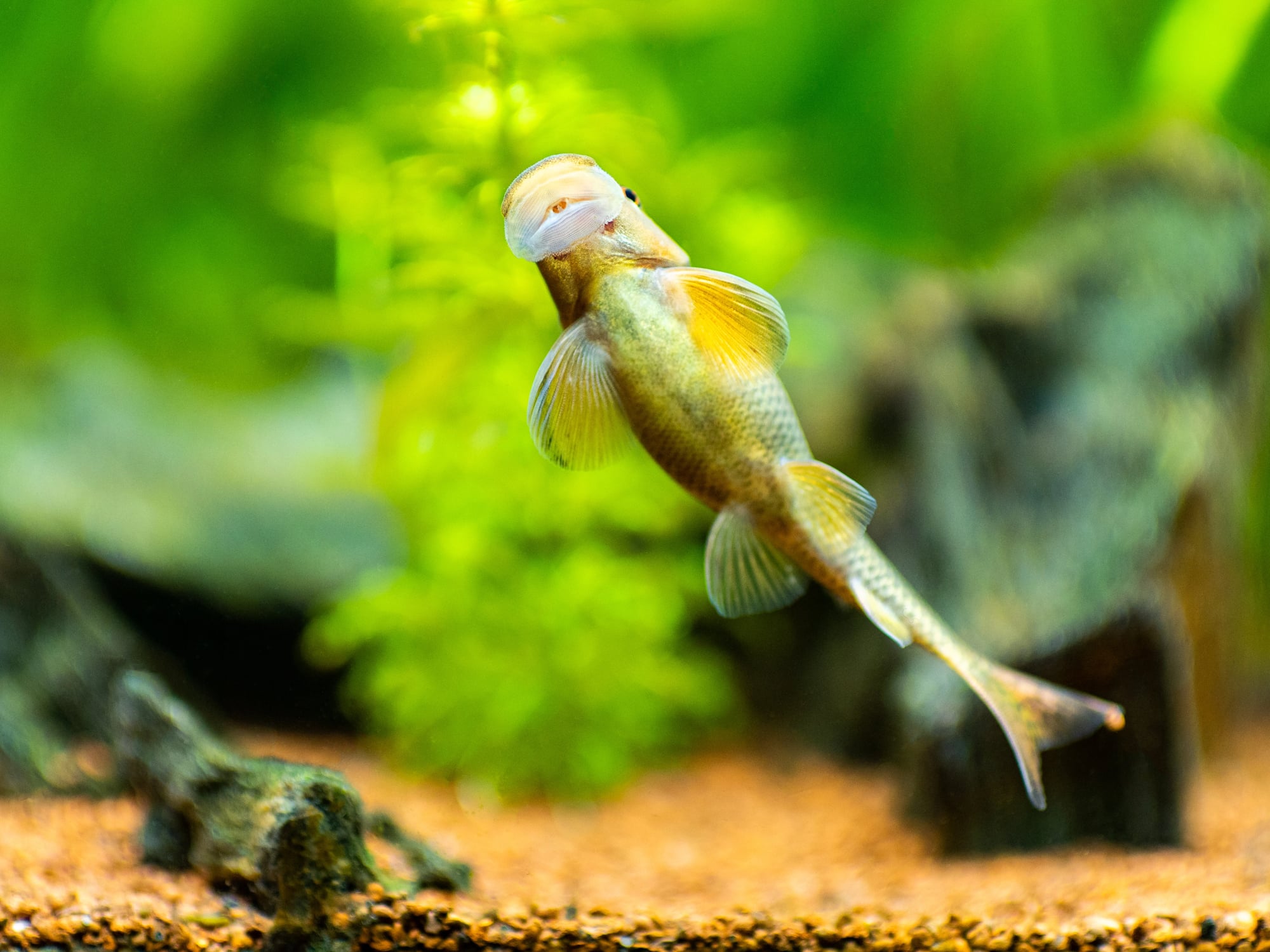
Found in African rivers, these catfish can generate electrical discharges of up to 450 volts. Unlike their South American electric eel cousins, electric catfish have their electrical organ wrapped around their entire body like a biological battery pack.
They use their electric powers both for hunting and for keeping other fish away from their territory.
Platypus

This egg-laying mammal from Australia has about 40,000 electrical sensors in its bill. When it dives underwater and closes its eyes and ears, it relies entirely on these electrical sensors to hunt for shrimp, insect larvae, and other small prey.
The platypus can even tell the difference between living and non-living objects based on their electrical signatures.
Sharks (Various Species)

Most shark species have those same electrical sensors found in hammerheads, though not as many. These ampullae of Lorenzini can detect electrical fields as weak as 5 billionths of a volt per centimeter.
That’s sensitive enough to detect the electrical field of a AA battery from over 1,000 miles away.
Dolphin

While dolphins don’t generate electricity themselves, they’re incredibly sensitive to electrical fields in the water. They can detect the tiny electrical signals produced by fish gills and muscle contractions.
This electrical sense works alongside their famous echolocation, giving them a double advantage when hunting.
Paddlefish

These ancient fish from North American rivers have snouts covered in tens of thousands of electrical sensors. They use these sensors to detect the tiny electrical fields produced by zooplankton, their main food source.
It’s like having a built-in electrical net for catching microscopic prey.
Monotremes (Echidnas)
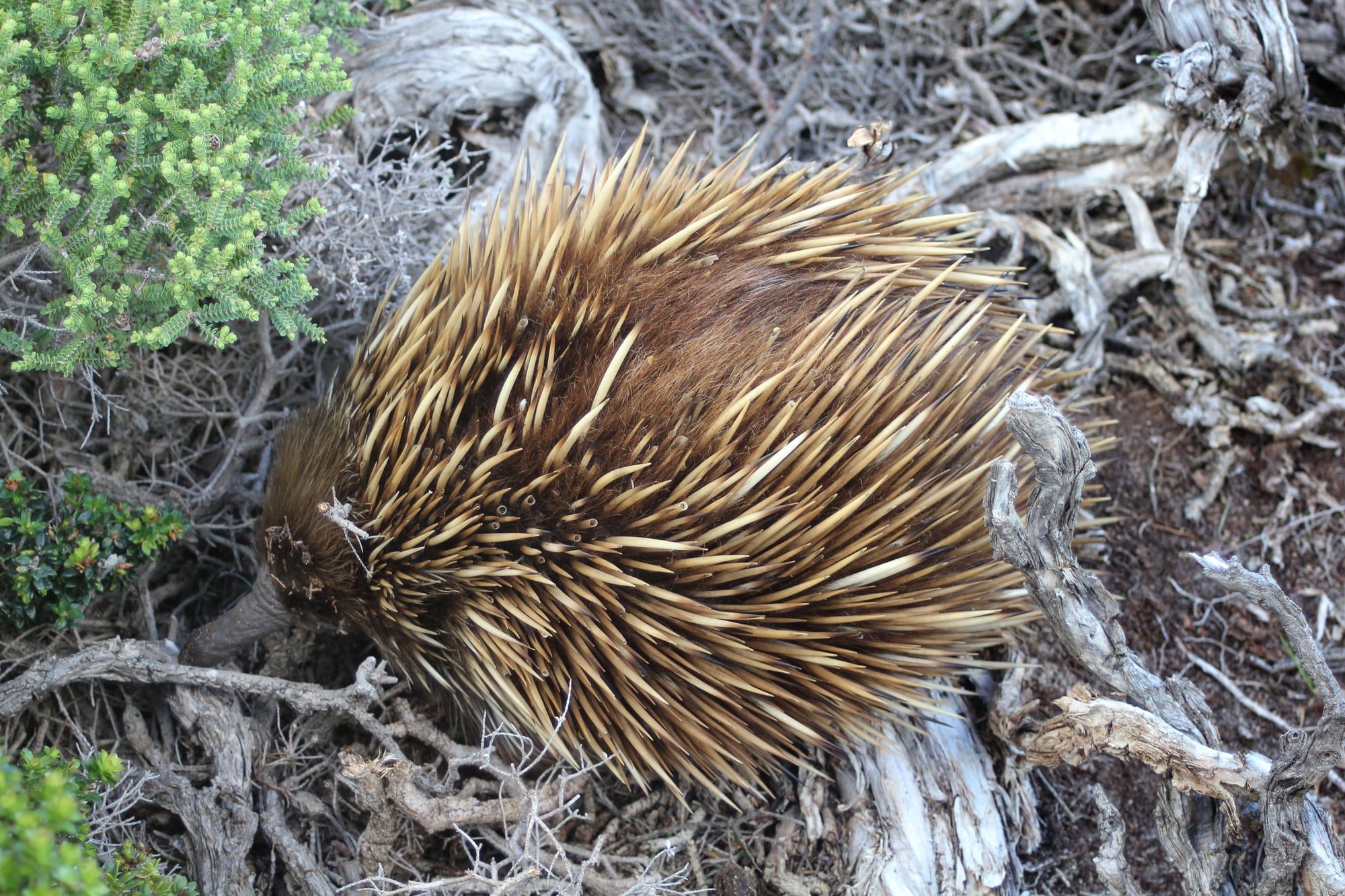
Echidnas, along with their platypus relatives, are the only mammals that can detect electrical fields. They have about 2,000 electrical sensors on their snouts that help them find ants, termites, and other small prey hiding underground.
These spiny creatures basically use electricity to ‘see’ through dirt and leaf litter.
Lampreys

These ancient, jawless fish have electrical sensors along their heads that help them detect prey and navigate. Lampreys are parasites that attach to larger fish, and their electrical sense helps them locate suitable hosts.
They’ve been using this electrical detection system for over 400 million years.
When Biology Meets Technology

These electrical animals have been perfecting their bioelectric abilities for millions of years, long before humans figured out how to harness electricity for our own purposes. Scientists are now studying these creatures to develop better underwater robots, medical devices, and even new ways to generate clean energy.
The electric eel’s ability to generate power has inspired researchers working on biological batteries, while shark electrical sensors have influenced the design of underwater detection systems. Nature, it turns out, had already solved many of our modern electrical challenges before we even knew the problems existed.
More from Go2Tutors!

- The Romanov Crown Jewels and Their Tragic Fate
- 13 Historical Mysteries That Science Still Can’t Solve
- Famous Hoaxes That Fooled the World for Years
- 15 Child Stars with Tragic Adult Lives
- 16 Famous Jewelry Pieces in History
Like Go2Tutors’s content? Follow us on MSN.