Countries that officially start with The
Most countries stand alone with their names—France, Germany, Japan, Brazil. But scattered across the world map, a handful of nations require or commonly use the definite article ‘the’ as part of their identity. This linguistic quirk isn’t random; it stems from geography, history, and political structures that make these countries special cases in English grammar.
The rules governing when to use ‘the’ with country names can seem puzzling at first. Some nations officially mandate it, others have it woven into common usage through centuries of tradition, and still others follow grammatical patterns based on their political structure or geographic nature.
Here is a list of countries that either officially require ‘the’ in their names or commonly use it in English:
The Bahamas
The Bahamas is one of only two countries whose official names start with the article “the”—the other being The Gambia. This Caribbean archipelago of over 700 islands earned its definite article naturally. The usage likely arose because the name also refers to the islands, a geographical feature that would take a definite article. When Spanish explorers first encountered these shallow waters, they called the region ‘baja mar,’ meaning shallow sea, which eventually became ‘Bahamas.’
The Commonwealth of The Bahamas made this grammatical choice official when it gained independence in 1973. Unlike other island nations that might use ‘the’ informally, The Bahamas incorporates it into all official documents, treaties, and diplomatic correspondence. You’ll never see it written as simply ‘Bahamas’ in formal contexts.
The Gambia
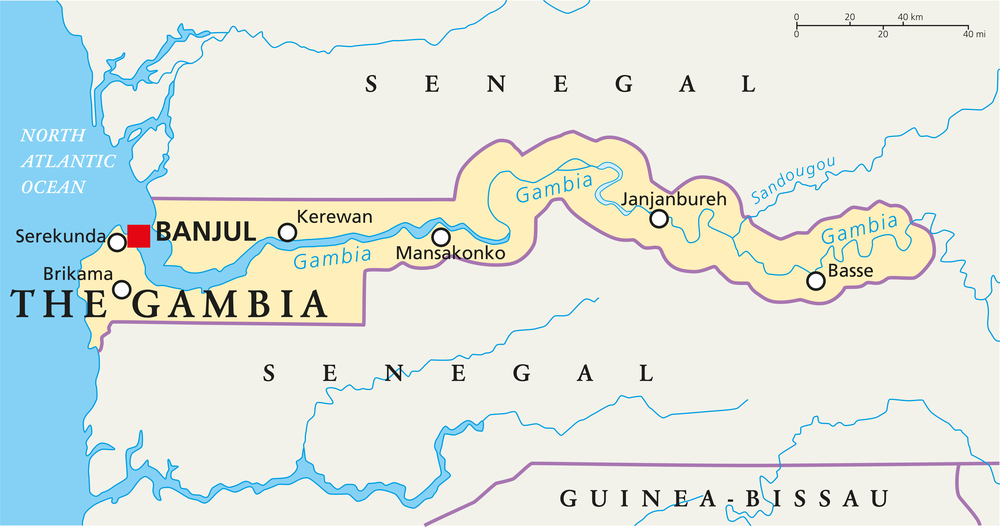
The Gambia didn’t want to be confused with their Southern African brothers, Zambia seeing that only the first alphabets in their names are different. This practical concern led to an official decision that shaped the country’s identity forever. A year to the attainment of independence in 1964, the then Prime Minister officially sought the consent of the Permanent Committee on geographical names based in the UK to keep the official title of ‘The Gambia.’
The narrow West African nation, almost entirely surrounded by Senegal, takes its name from the Gambia River that runs through its heart. Portuguese explorers originally named the region after this waterway, and when British colonizers took control, they maintained the tradition of using ‘the’ before the river’s name. The Permanent Committee on Geographical Names, which advises the British government on the proper writing of geographical names for countries, accepted the Gambian prime minister’s request.
The Netherlands
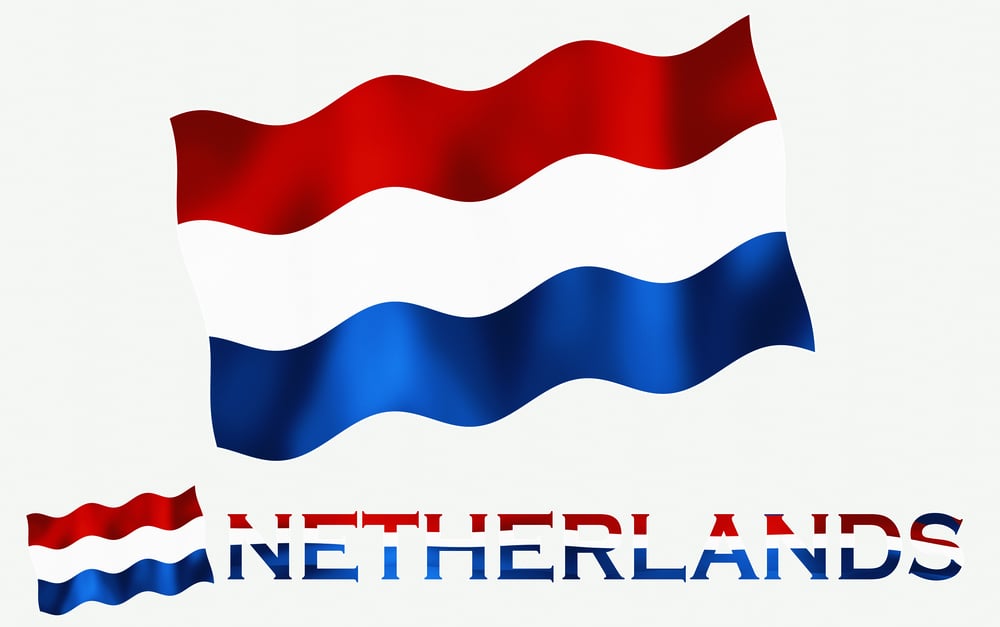
The Netherlands presents a fascinating case of unofficial but universal usage. The country’s name in English conventionally includes the article. English speakers think of the name of the country as including the “the”. This European nation’s name literally means ‘low countries’ or ‘lowlands,’ which explains why English speakers naturally attach the definite article.
The reason for this is historical, but its survival into modern English probably has to do with the strong geographic element in the ending “-lands”. While not officially mandated like The Bahamas and The Gambia, virtually all English writing uses ‘the Netherlands’ rather than simply ‘Netherlands.’ Even the Dutch themselves don’t fuss about this English convention, calling their own country simply ‘Nederland’ in Dutch.
The United States

The United States follows a clear grammatical rule that applies to countries with political descriptors in their names. We do, however, use the definite article when referring to countries with names that incorporate words like kingdom, state, or republic. The word ‘States’ makes this a compound noun describing a union of multiple political entities rather than a simple proper noun.
This pattern emerged because ‘United States’ could theoretically describe any collection of united states, so ‘the’ specifies which particular union we mean. The same logic applies to other politically descriptive names—it’s always ‘the United States of America’ in formal contexts, never just ‘United States of America.’
The United Kingdom
Like its former colony across the Atlantic, the United Kingdom uses ‘the’ because it describes a political arrangement rather than simply naming a place. The definite article clarifies that we’re referring to the specific kingdom formed by uniting England, Scotland, Wales, and Northern Ireland, not just any united kingdom that might exist.
Similarly “United Kingdom” could be any kingdom which was formed by uniting two or more kingdoms. So “the United Kingdom” would specifically refer to the United Kingdom of Great Britain and Northern Ireland. This grammatical necessity has been consistent throughout the country’s various political incarnations, from the Kingdom of Great Britain to the current arrangement.
The Philippines
“the” is also used with countries whose names are plural nouns, and The Philippines fits this pattern perfectly. This Southeast Asian archipelago of over 7,000 islands naturally takes the definite article because ‘Philippines’ is inherently plural—referring to the Philippine Islands collectively.
The country’s name honors King Philip II of Spain, but the plural form reflects the geographic reality of thousands of separate islands forming one nation. Philippines: 88.3% usage with the definite article shows this is nearly universal in English writing, making it one of the most consistently ‘the’ countries despite not having official status like The Bahamas and The Gambia.
The Czech Republic
The Czech Republic represents another example of the political descriptor rule. After the peaceful Velvet Divorce that split Czechoslovakia in 1993, this Central European nation chose an official name that includes ‘Republic,’ automatically triggering the definite article rule in English.
Interestingly, the country has been promoting the shorter name ‘Czechia’ in recent years to avoid the cumbersome ‘the Czech Republic’ in informal contexts. However, official documents and formal references still use the full name with the definite article, following the same pattern as other republics.
The Maldives
This Indian Ocean paradise of 1,200 coral islands follows the plural rule that governs The Philippines. Maldives: 79.8% of usage includes the definite article, reflecting how English speakers naturally treat this country name as plural.
The Maldives gets its name from the Sanskrit word ‘maladvipa,’ meaning ‘garland of islands.’ The plural nature of both the geographic reality and the linguistic origin makes ‘the’ feel natural and necessary when referring to this scattered nation of atolls.
The Marshall Islands
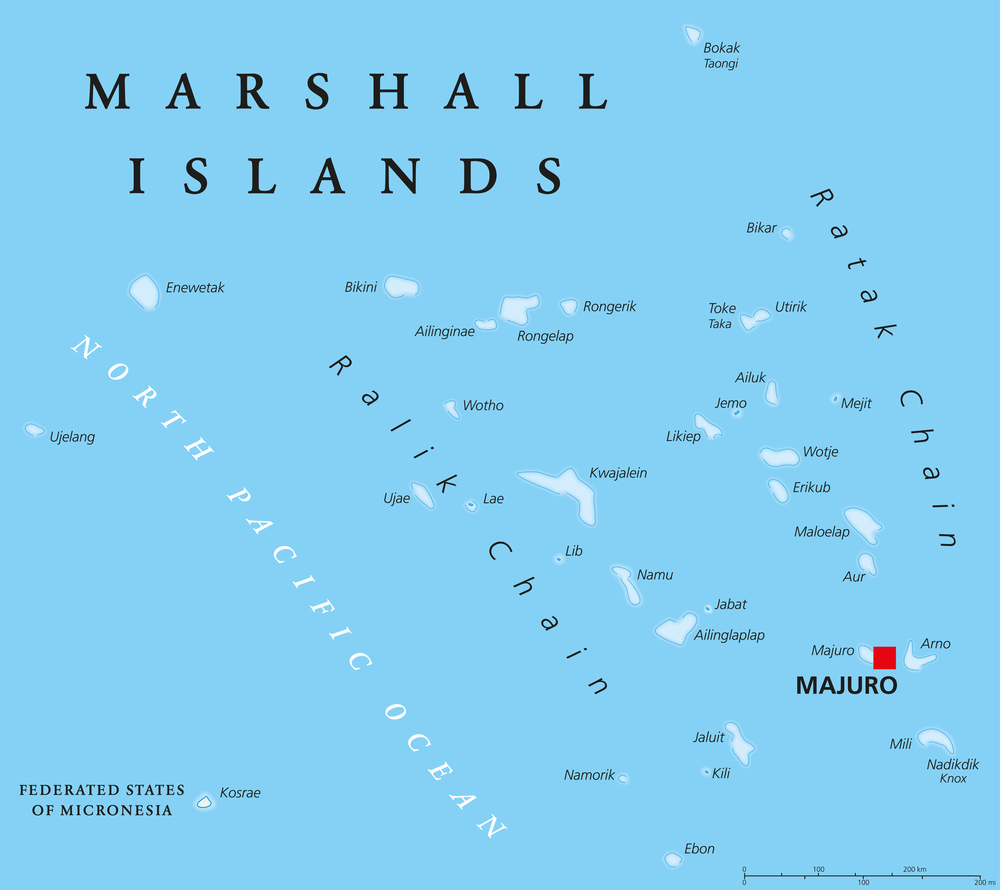
These Pacific islands follow the same plural pattern as The Philippines and The Maldives. Named after British explorer John Marshall, the country’s official name ‘Republic of the Marshall Islands’ would require ‘the’ anyway due to the republic designation, but even the shortened version maintains the article because of the plural ‘Islands.’
The Marshall Islands consist of 29 atolls and 5 islands, making the plural designation geographically accurate. This dual justification—both plural geography and political structure—makes the definite article particularly strong in this case.
The Seychelles
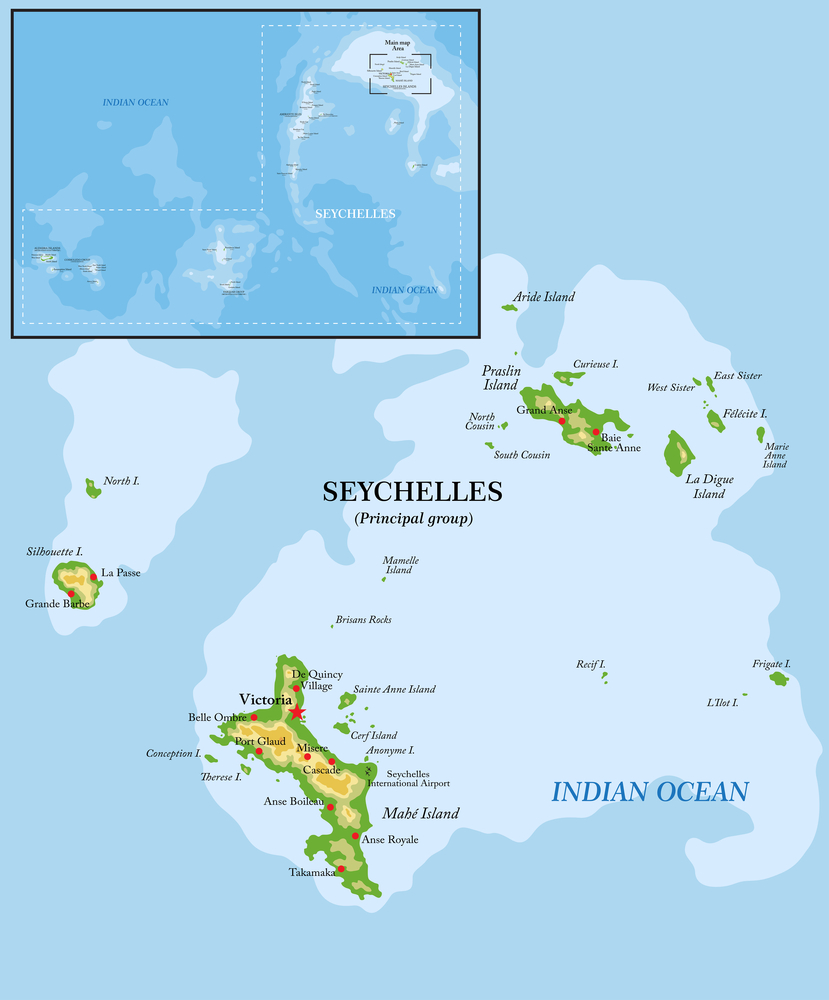
The Seychelles rounds out the major island nations that consistently use the definite article. Seychelles: 66.2% usage with ‘the’ reflects how this Indian Ocean archipelago of 115 islands naturally takes the plural form in English.
Named after Jean Moreau de Séchelles, a French finance minister, the country’s name became pluralized to reflect the multiple islands. The definite article helps English speakers understand they’re referring to the collection of islands as a unified nation rather than individual separate islands.
The Central African Republic
This landlocked nation exemplifies the political descriptor rule perfectly. ‘The Central African Republic’ uses the definite article because ‘Republic’ is a common noun describing the type of government, not part of a proper name like ‘France’ or ‘Germany.’
The country’s name literally describes its geographic position and political structure, making the definite article grammatically necessary. You’d never say ‘I visited Central African Republic’ any more than you’d say ‘I visited United States’—the political descriptor demands the article.
The United Arab Emirates
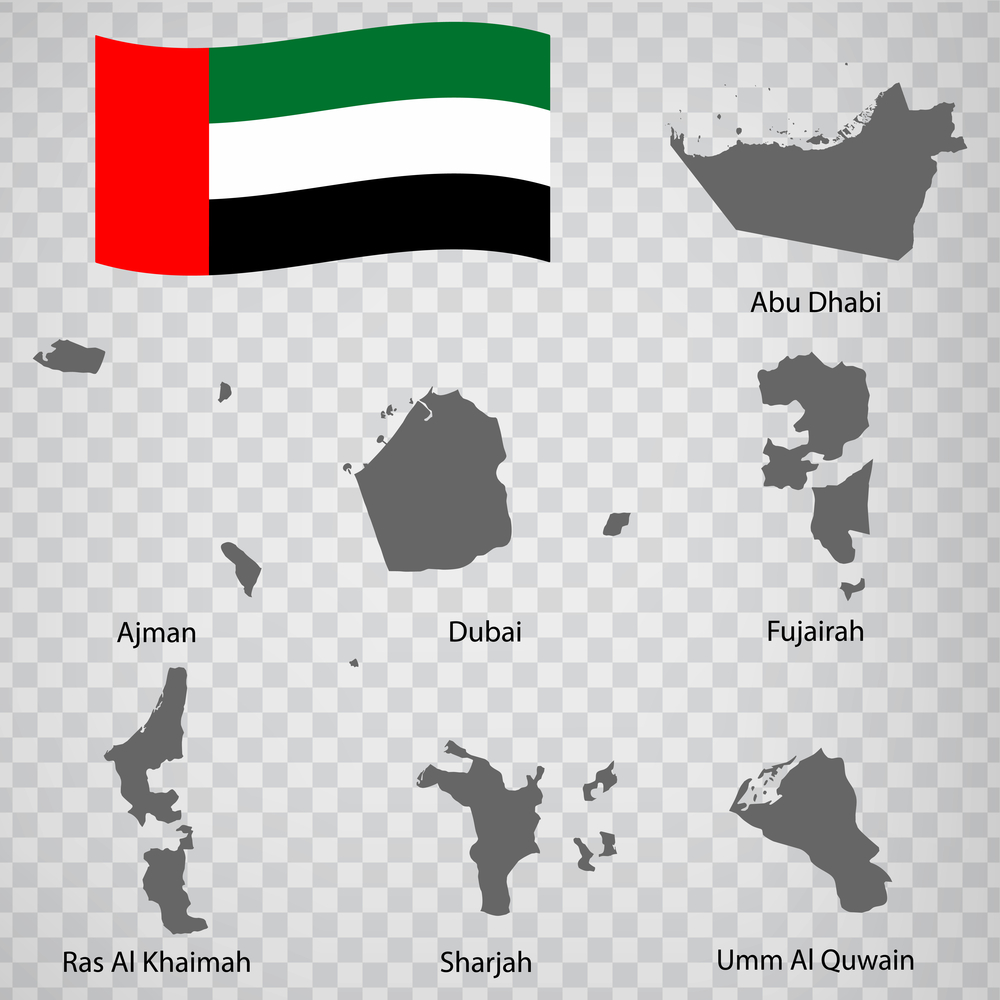
The UAE follows multiple rules simultaneously—it’s both politically descriptive (‘Emirates’) and represents a union of multiple entities. The definite article clarifies that we’re referring to the specific federation of seven emirates that united in 1971, not just any collection of united arab emirates.
Each of the seven emirates (Abu Dhabi, Dubai, Sharjah, and others) could theoretically be called an ‘arab emirate,’ so ‘the United Arab Emirates’ specifies this particular union. The abbreviation ‘the UAE’ maintains the article even in shortened form.
The Dominican Republic
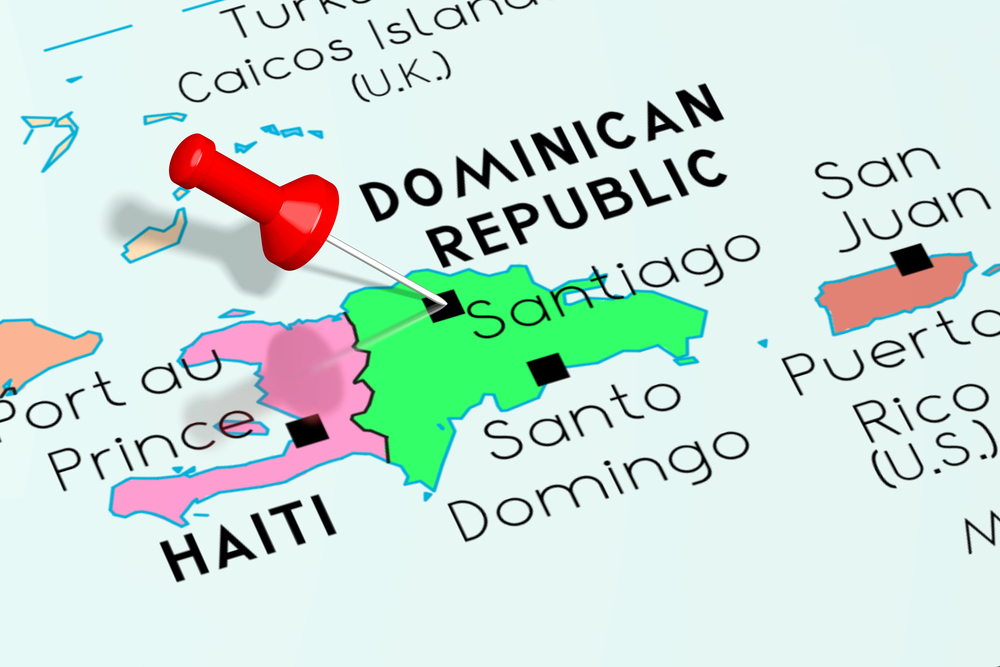
Another clear example of republic rule, The Dominican Republic requires the definite article because ‘Republic’ serves as a political descriptor. The country shares the island of Hispaniola with Haiti, and the definite article helps distinguish between the geographic region (‘Dominican territory’) and the political entity (‘the Dominican Republic’).
Without the article, ‘Dominican Republic’ would sound incomplete in English, like saying ‘German Federal Republic’ instead of ‘the German Federal Republic.’ The grammatical pattern holds strong across different languages and cultures.
The Solomon Islands
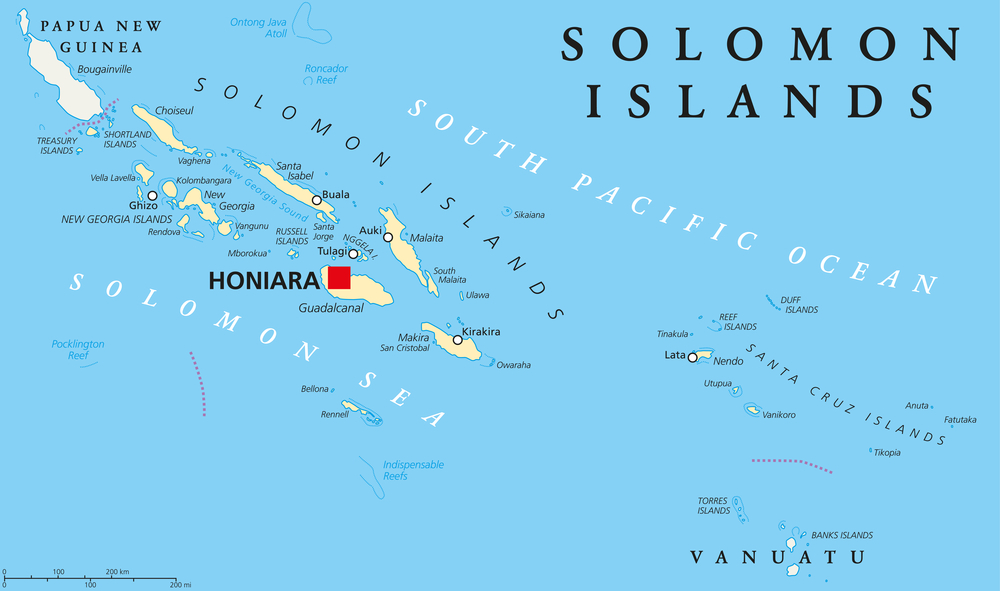
The Solomon Islands follow the plural island pattern established by The Philippines and The Marshall Islands. This Pacific nation of nearly 1,000 islands naturally takes the definite article because the name refers to multiple islands functioning as a single country.
Named after the biblical King Solomon by Spanish explorers who hoped to find gold there, the country’s plural nature in both geography and grammar makes the definite article feel essential. No one would naturally say ‘I’m traveling to Solomon Islands’ without the ‘the.’
The Comoros
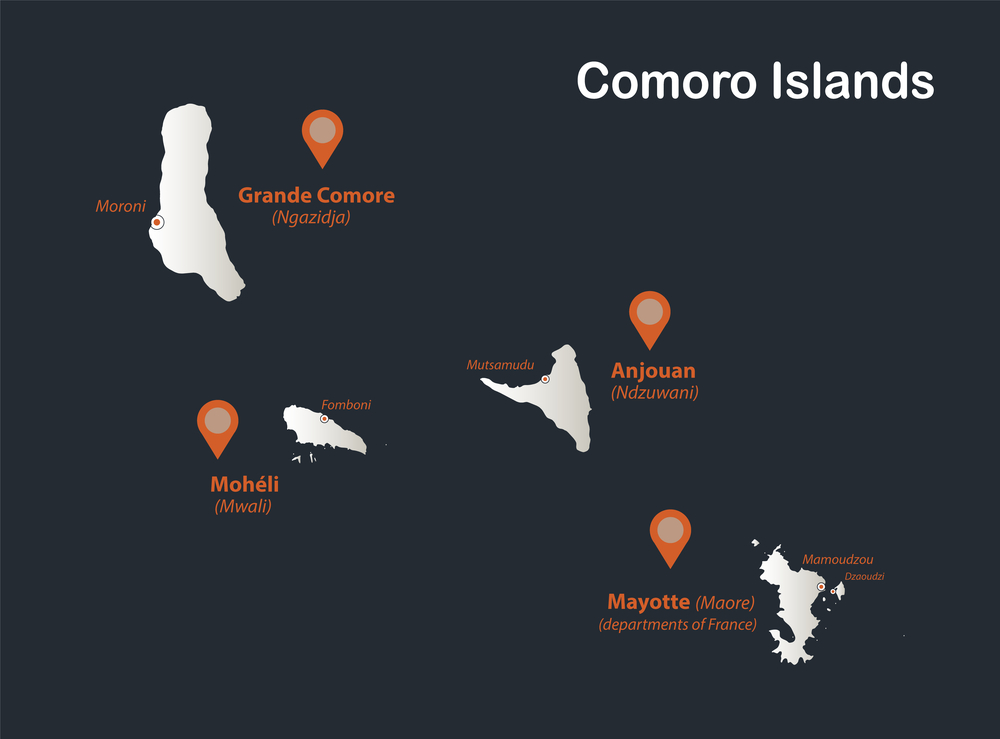
The Comoros represents an interesting case where usage isn’t quite as universal as other island nations, but the definite article appears frequently due to the plural nature of this Indian Ocean archipelago. The country consists of three main islands plus several smaller ones, making the plural reference logical.
The name derives from Arabic ‘qamar,’ meaning moon, and the plural ‘Comoros’ refers to the ‘Moon Islands.’ While not as consistent as The Philippines or The Maldives in requiring the article, many English speakers include it naturally.
The Democratic Republic of the Congo
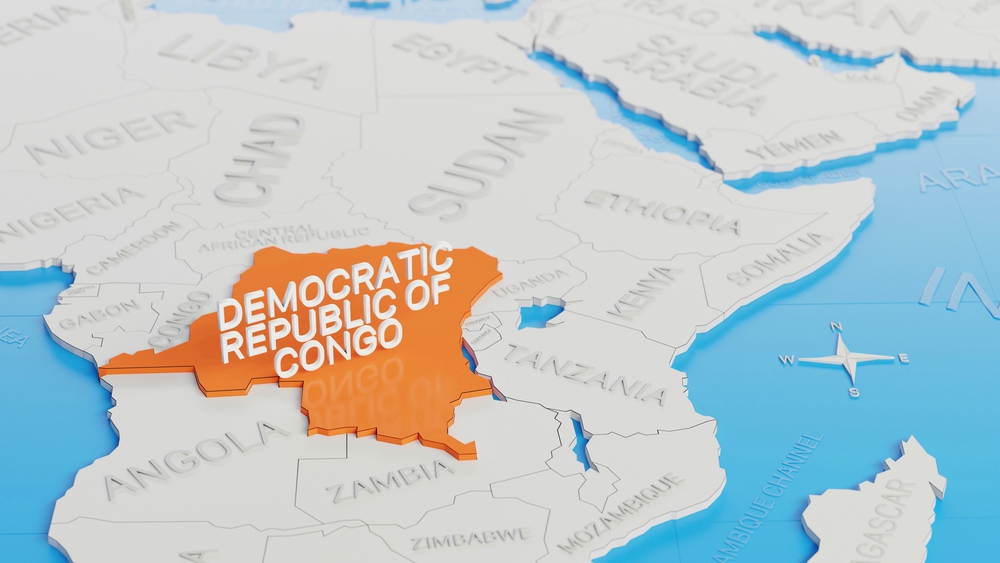
This massive Central African nation requires the definite article for two reasons: the political descriptor ‘Republic’ and the geographic reference to the Congo River region. The full official name makes the article essential, and even shortened versions like ‘the DRC’ maintain it.
The country’s complex history of name changes—from Belgian Congo to Zaire to its current form—shows how political evolution can affect grammatical usage. The definite article helps distinguish it from the neighboring Republic of the Congo, another ‘the’ country.
The Ivory Coast

The Ivory Coast presents a unique situation where English speakers often use the definite article, but the country itself officially prefers ‘Côte d’Ivoire’ without any article. This creates tension between natural English grammar patterns and official preference.
The definite article appears because ‘Ivory Coast’ describes a geographic feature (a coast known for ivory trade) rather than functioning as a pure proper noun. However, diplomatic courtesy increasingly favors the French name without translation or article.
The Vatican
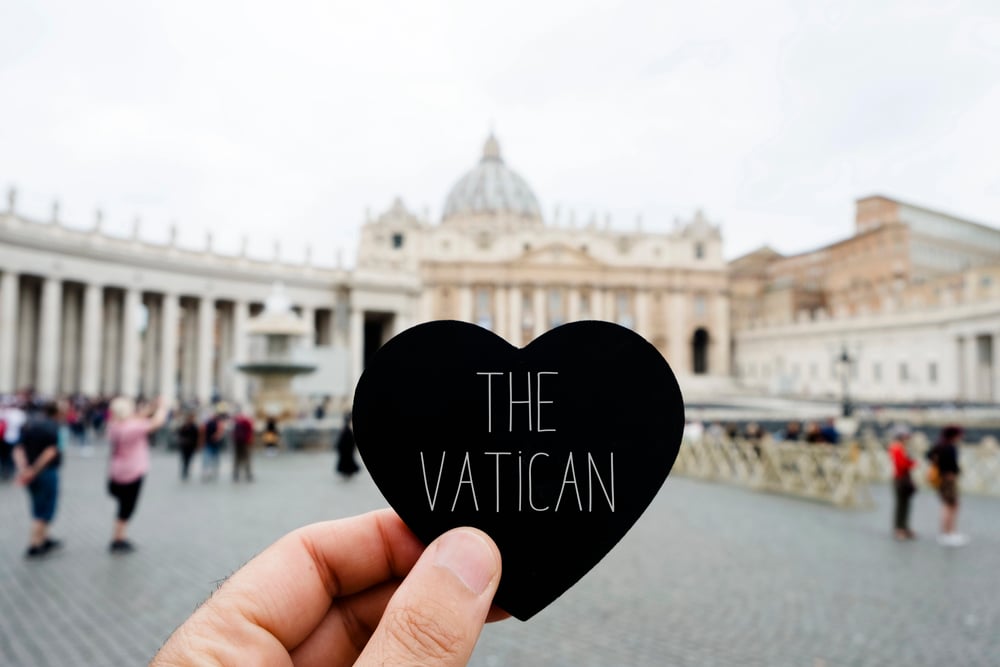
The Vatican, officially Vatican City State, uses the definite article because it’s simultaneously a city, a state, and a religious institution. The article helps clarify whether you’re referring to the geographic area, the political entity, or the religious authority.
As the world’s smallest sovereign nation, The Vatican’s unique status as both a country and a religious headquarters makes the definite article particularly useful for disambiguation in English.
Countries That Dropped ‘The’
Several countries once commonly used ‘the’ but have since moved away from it. Ukraine strongly discourages ‘the Ukraine,’ preferring simply ‘Ukraine’ to emphasize its independence rather than its historical position as a borderland region. It is no longer appropriate to say the Ukraine, for example, as the government of that country deprecates it, and some may even be insulted by it. Similarly, Sudan prefers its name without the article in modern usage.
These changes reflect how countries can reshape their international identity through language preferences. The grammatical evolution mirrors political evolution, showing how nations assert their sovereignty partly through controlling how others refer to them.
A Living Language Pattern
The use of ‘the’ with country names isn’t arbitrary—it follows logical patterns based on political structure, geography, and linguistic history. The routine use of “the” is quite prevalent, and in some cases, grammar dictates that it should be used when referring to certain countries. Countries with political descriptors, plural geographic names, or complex governmental structures naturally attract the definite article in English.
Understanding these patterns helps explain why some nations feel incomplete without ‘the’ while others stand proudly alone. Whether officially mandated or simply embedded in common usage, these definite articles have become part of national identity, showing how grammar and geography intersect in the English language.
More from Go2Tutors!

- 16 Historical Figures Who Were Nothing Like You Think
- 12 Things Sold in the 80s That Are Now Illegal
- 15 VHS Tapes That Could Be Worth Thousands
- 17 Historical “What Ifs” That Would Have Changed Everything
- 18 TV Shows That Vanished Without a Finale
Like Go2Tutors’s content? Follow us on MSN.