14 Things You Didn’t Know About the Launch of the Model T Ford
The Model T Ford revolutionized transportation and manufacturing in America when it debuted in 1908. While many know it as the first affordable automobile that put America on wheels, the story behind its launch contains fascinating details that often go unmentioned in history books.
Henry Ford’s vision to create a car for the common person transformed not just the automotive industry but American society itself. Let’s dive into the untold story.
Here is a list of 14 surprising facts about the launch of the Model T Ford that showcase just how groundbreaking this vehicle truly was.
The Original Price Tag

The Model T initially sold for $825 in 1908—equivalent to about $25,000 today. This was remarkably affordable compared to other automobiles of the era, which typically cost over $2,000.
Ford managed this price point by focusing on simplicity and efficiency rather than luxury features.
Only One Color Option

Despite the popular saying that customers could have ‘any color as long as it’s black,’ the earliest Model Ts weren’t actually black. The first production models came in gray, green, red, and blue.
Black became standard in 1914 because the black paint dried faster than other colors, speeding up production times.
Factory Workers’ Unprecedented Wages

When Ford announced his $5 per day wage in 1914, it wasn’t just generous—it was revolutionary. This wage (double the industry standard) allowed his workers to afford the very cars they built.
Ford understood that creating customers was as important as creating cars.
Minimal Advertising Budget

Unlike modern vehicle launches with massive marketing campaigns, Ford spent almost nothing on advertising the Model T. The car essentially sold itself through word of mouth and newspaper coverage.
Ford relied on the product’s quality and affordability to generate buzz.
Assembly Line Innovation Timeline

Contrary to popular belief, the Model T didn’t launch with the famous moving assembly line. This innovation came five years after the initial release, in 1913. Before that, cars were built in stationary positions with workers moving between them, taking 12+ hours per vehicle.
Initial Production Capacity

When the Model T debuted, Ford’s factory could produce just 11 cars per day. By 1914, after implementing the moving assembly line, that number skyrocketed to one car every 93 minutes. This efficiency allowed Ford to continue dropping prices throughout production.
The First Global Car
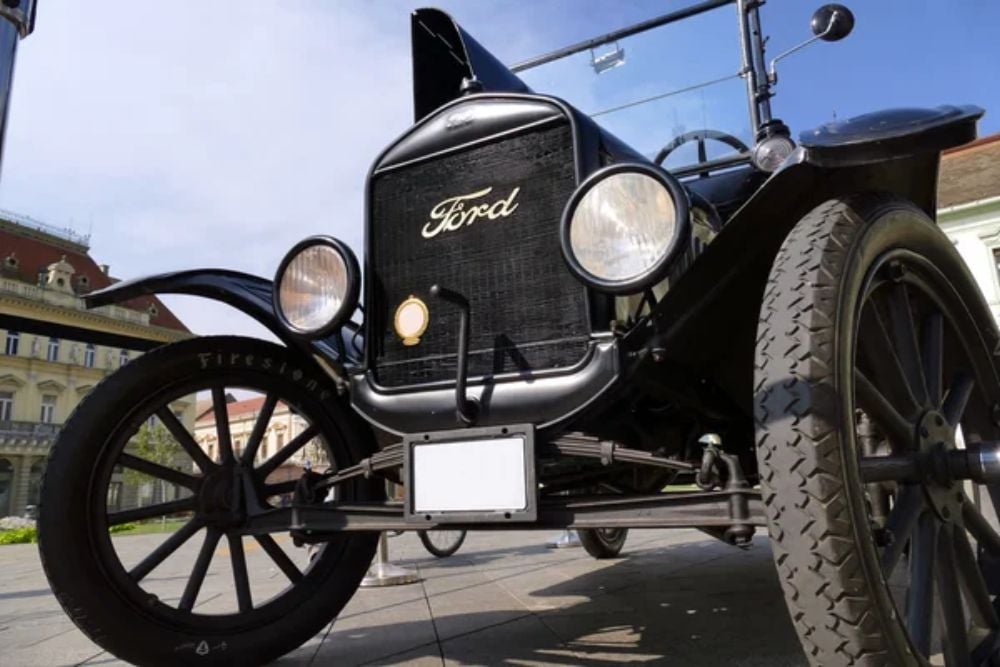
Most people don’t realize the Model T was designed as the world’s first global car. Ford built factories across six continents, and the Model T was manufactured in 20 countries.
Its simple design meant it could be serviced and repaired almost anywhere.
Unusual Starting Procedure

Starting a Model T wasn’t as simple as turning a key. Drivers had to set multiple levers, adjust the throttle, then physically crank the engine by hand.
This crank could kick back dangerously, sometimes breaking wrists or thumbs of unprepared operators.
The Surprising Material Innovation
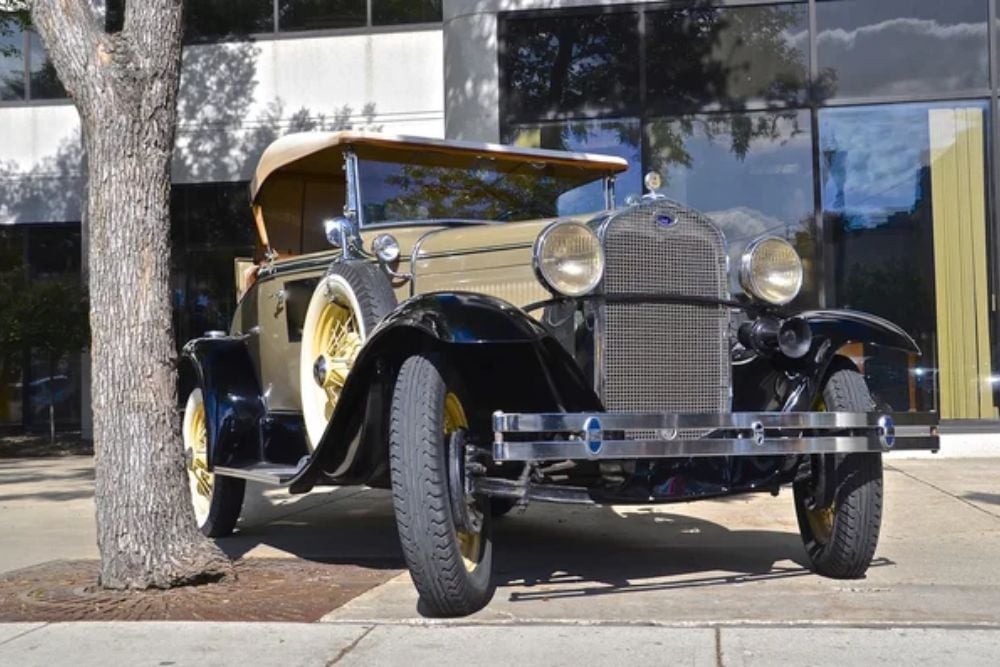
The Model T featured a unique material solution: its magneto (part of the ignition system) was built into the flywheel using materials that hadn’t been used in automobiles before. This innovation eliminated the need for batteries in early models, a significant engineering achievement.
Rural America Transformation
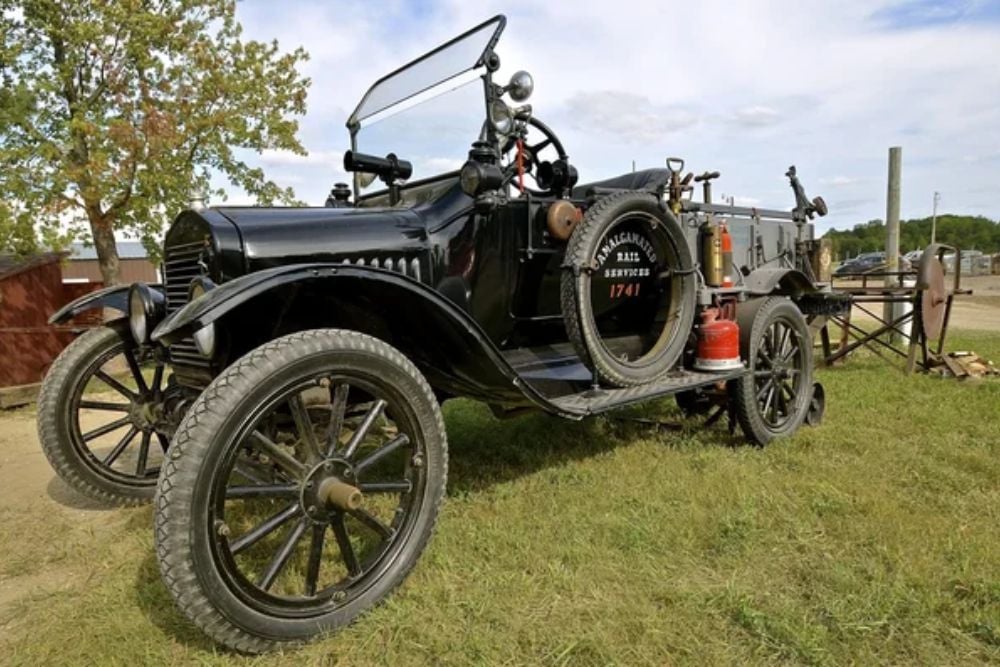
Ford specifically designed the Model T with high ground clearance and a flexible suspension to handle America’s mostly unpaved rural roads. In many communities, the Model T arrived before proper roads did, actually driving demand for better infrastructure nationwide.
Versatile Power Source
Many farmers used their Model Ts as stationary power sources. By jacking up the rear wheels and attaching a belt to the axle, the Model T could power farm equipment like saws, pumps, and threshers—effectively serving as a mobile generator.
The Name’s Origin

The ‘T’ designation seems obvious now, but few know it represented Ford’s 20th design attempt. His previous models ran through much of the alphabet, with several failed prototypes before the successful Model T.
The earliest prototypes from 1903 were simply named with letters in sequence.
Production Numbers Milestone
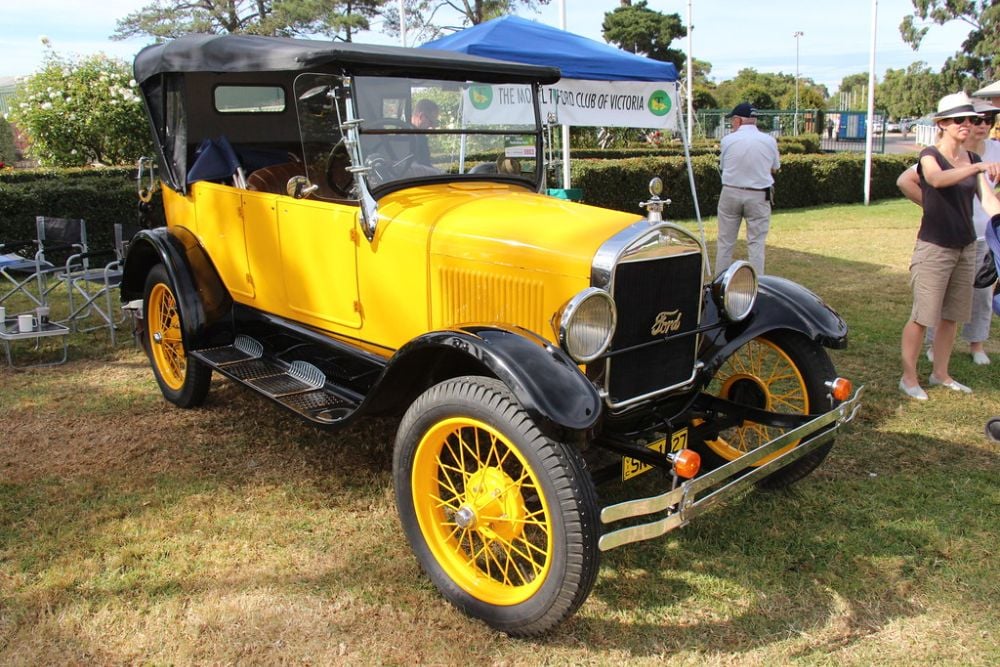
When production ended in 1927, Ford had manufactured an astounding 15 million Model Ts. This record stood until 1972 when the Volkswagen Beetle finally surpassed it.
No other single model dominated the market so completely for so long.
Unexpected Export Markets
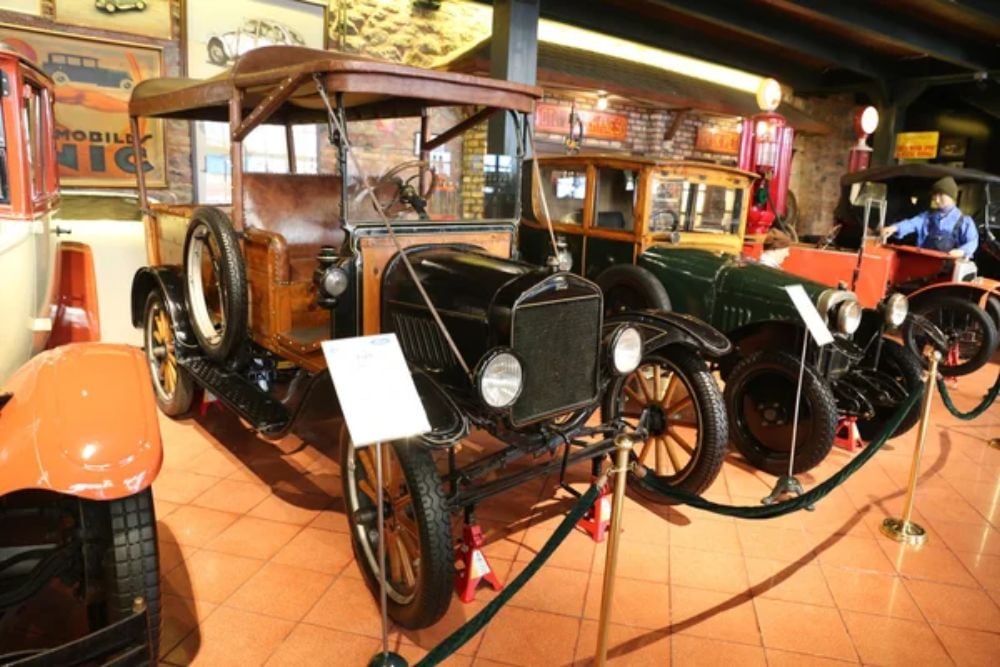
The Model T found success in surprising places. Despite minimal marketing, it became wildly popular in places like Australia, India, and Argentina.
Its durability in extreme conditions made it ideal for developing regions with limited infrastructure.
Driving the American Century

The Model T didn’t just change transportation—it transformed American culture. The affordable automobile democratized mobility, reshaped cities, created suburbs, and gave Americans unprecedented freedom to travel.
The ripple effects extended far beyond transportation into housing patterns, shopping habits, and even dating customs. The humble Model T quite literally put the nation in motion, accelerating America into its role as an industrial superpower.
More from Go2Tutors!

- The Romanov Crown Jewels and Their Tragic Fate
- 13 Historical Mysteries That Science Still Can’t Solve
- Famous Hoaxes That Fooled the World for Years
- 15 Child Stars with Tragic Adult Lives
- 16 Famous Jewelry Pieces in History
Like Go2Tutors’s content? Follow us on MSN.