11 Children’s Characters With Surprisingly Dark Origins
Many beloved children’s characters have origins that would make most parents think twice about bedtime stories. What we see as innocent entertainment today often started as cautionary tales filled with violence, tragedy, and adult themes. These stories were sanitized over time, transforming from dark folklore into family-friendly entertainment.
Here is a list of 11 children’s characters whose original stories contained surprisingly disturbing elements that would shock modern audiences.
Cinderella

The Disney version of Cinderella ends with a happily-ever-after wedding, but the Brothers Grimm original was far more brutal. In the original tale, Cinderella’s stepsisters actually cut off parts of their feet to fit into the glass slipper, leaving bloody footprints as evidence of their deception.
The story concludes with birds pecking out the stepsisters’ eyes as punishment for their cruelty.
The Little Mermaid
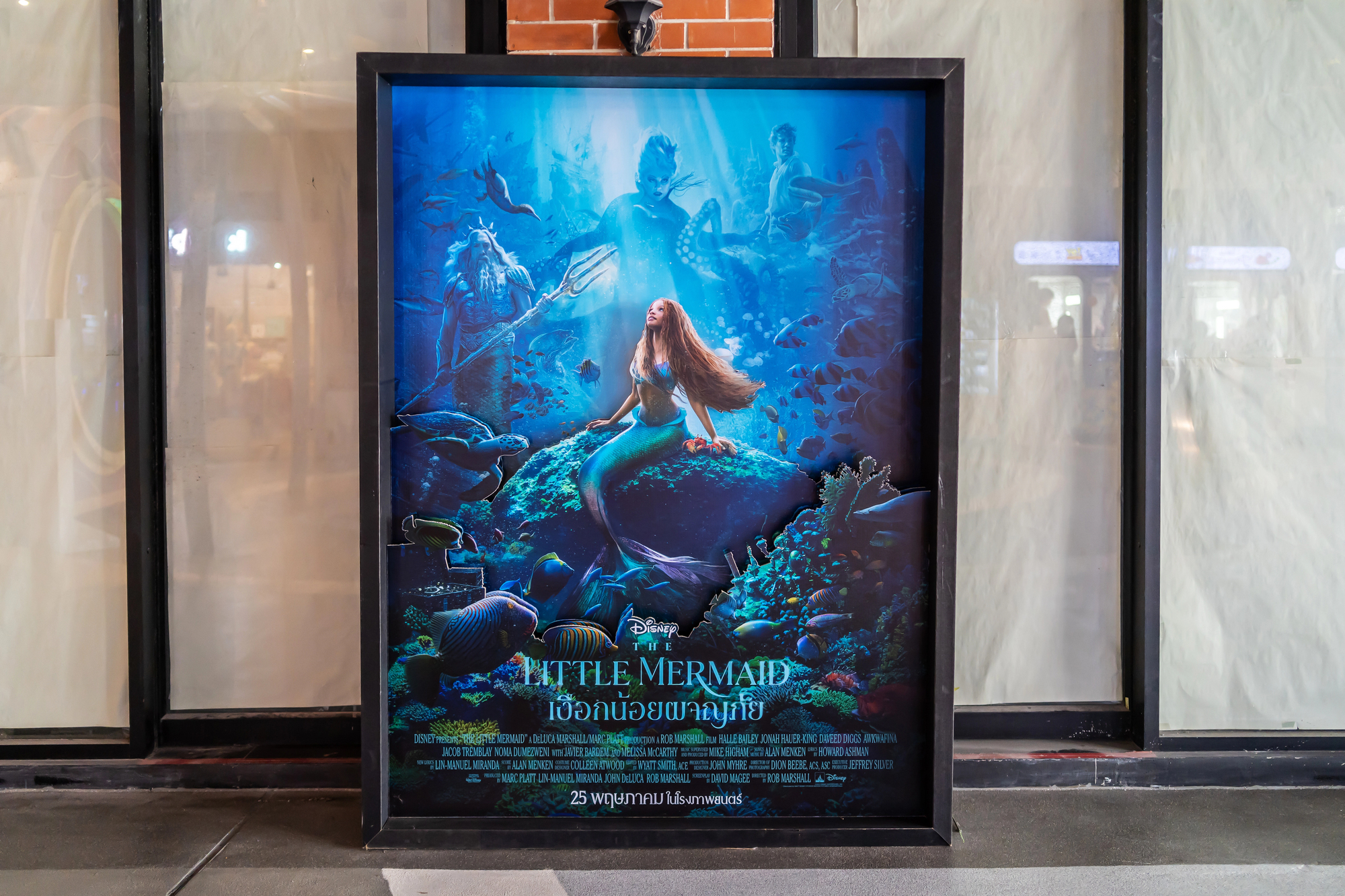
Hans Christian Andersen’s original Little Mermaid doesn’t get her prince and live happily ever after like in Disney’s version. Instead, Ariel’s equivalent must choose between taking the prince’s life or dissolving into sea foam forever.
The story also describes her every step on land feeling like walking on knives, making her transformation far more painful than Disney’s magical makeover.
Like Go2Tutors’s content? Follow us on MSN.
Hansel and Gretel
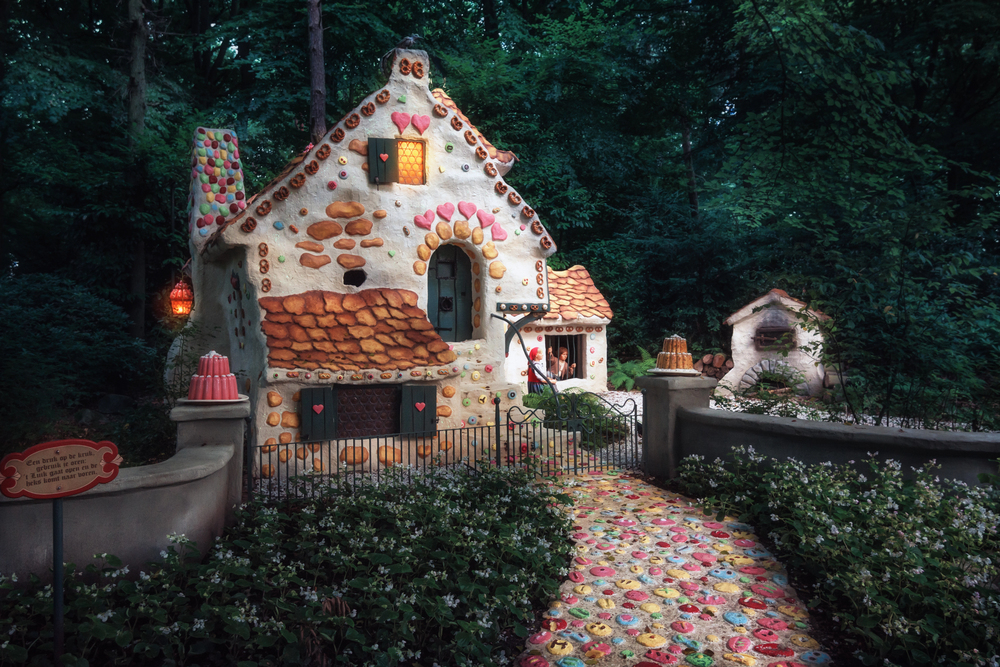
While the candy house seems whimsical enough, the original Hansel and Gretel story contains much darker themes about abandonment and survival. The children’s parents deliberately leave them in the forest to starve because they can’t afford to feed them during a famine.
After defeating the witch, the children return home to find their mother has died, leaving them essentially orphaned.
Snow White
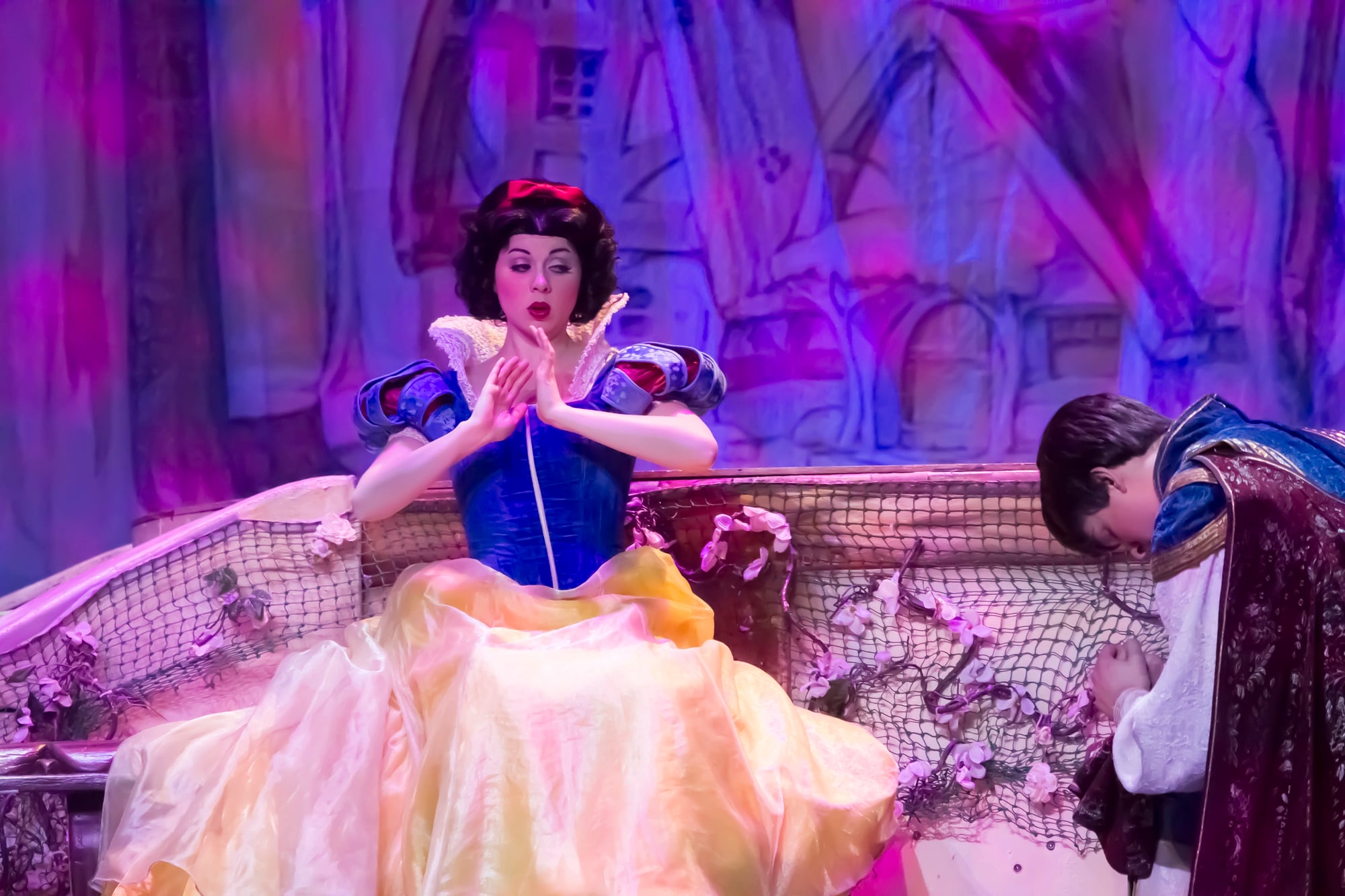
The Brothers Grimm version of Snow White features a much more vindictive ending than Disney’s family-friendly adaptation. The evil queen is forced to wear red-hot iron shoes and dance until she dies at Snow White’s wedding.
The dwarfs also originally planned to display Snow White’s apparently deceased body in a glass coffin for all eternity.
Pinocchio

Carlo Collodi’s original Pinocchio was a violent, selfish character who commits several acts that would horrify modern readers. The wooden puppet crushes Jiminy Cricket with a hammer early in the story, and later hangs himself from an oak tree.
The original tale was meant to teach children harsh lessons about obedience and consequences through extreme punishment.
Like Go2Tutors’s content? Follow us on MSN.
The Pied Piper
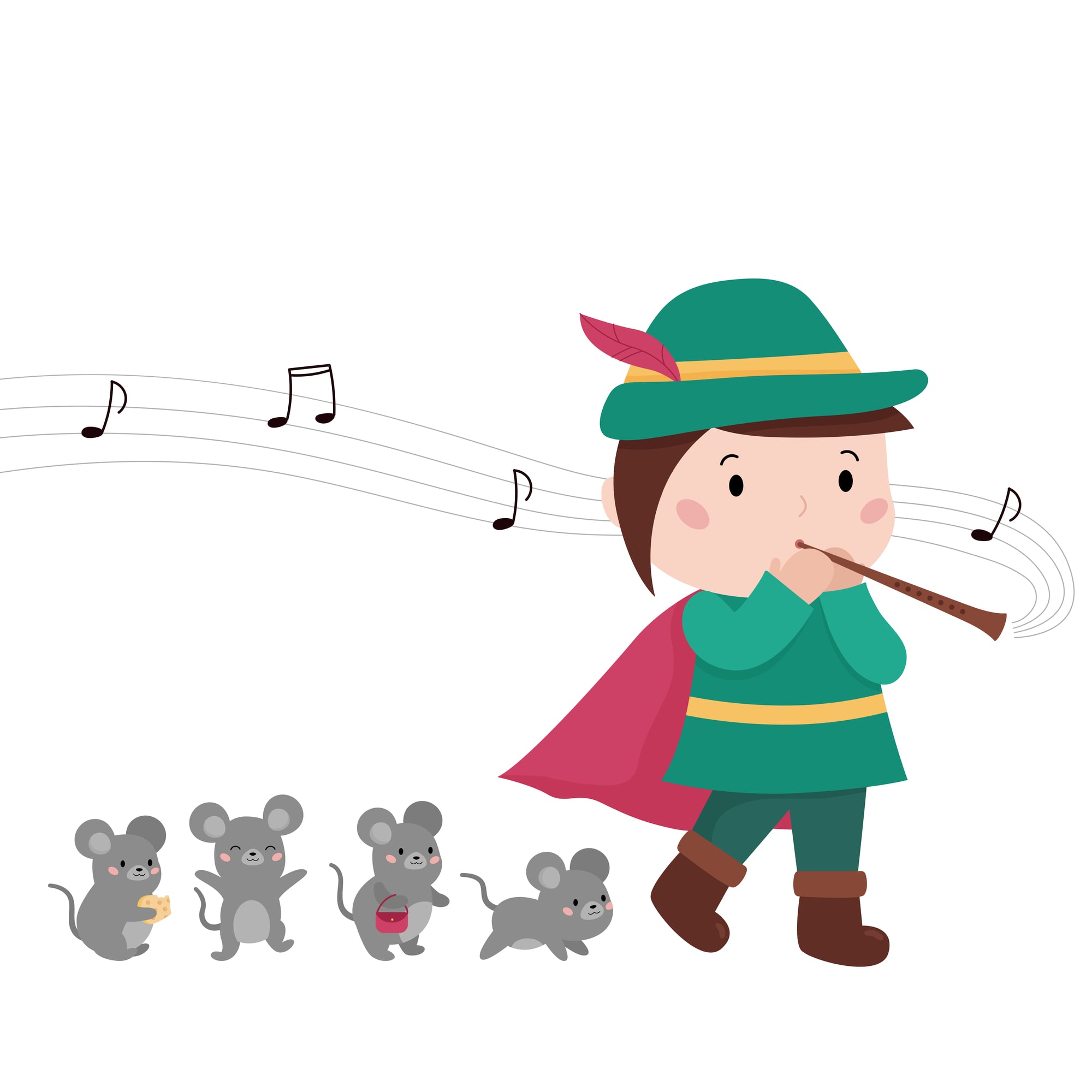
The cheerful musician who leads rats away from town has much darker origins in medieval German folklore. When the townspeople refuse to pay the Piper for his services, he leads all the town’s children into a mountain cave where they disappear forever.
Some versions suggest the story was based on actual historical events involving mass child disappearances.
Peter Pan
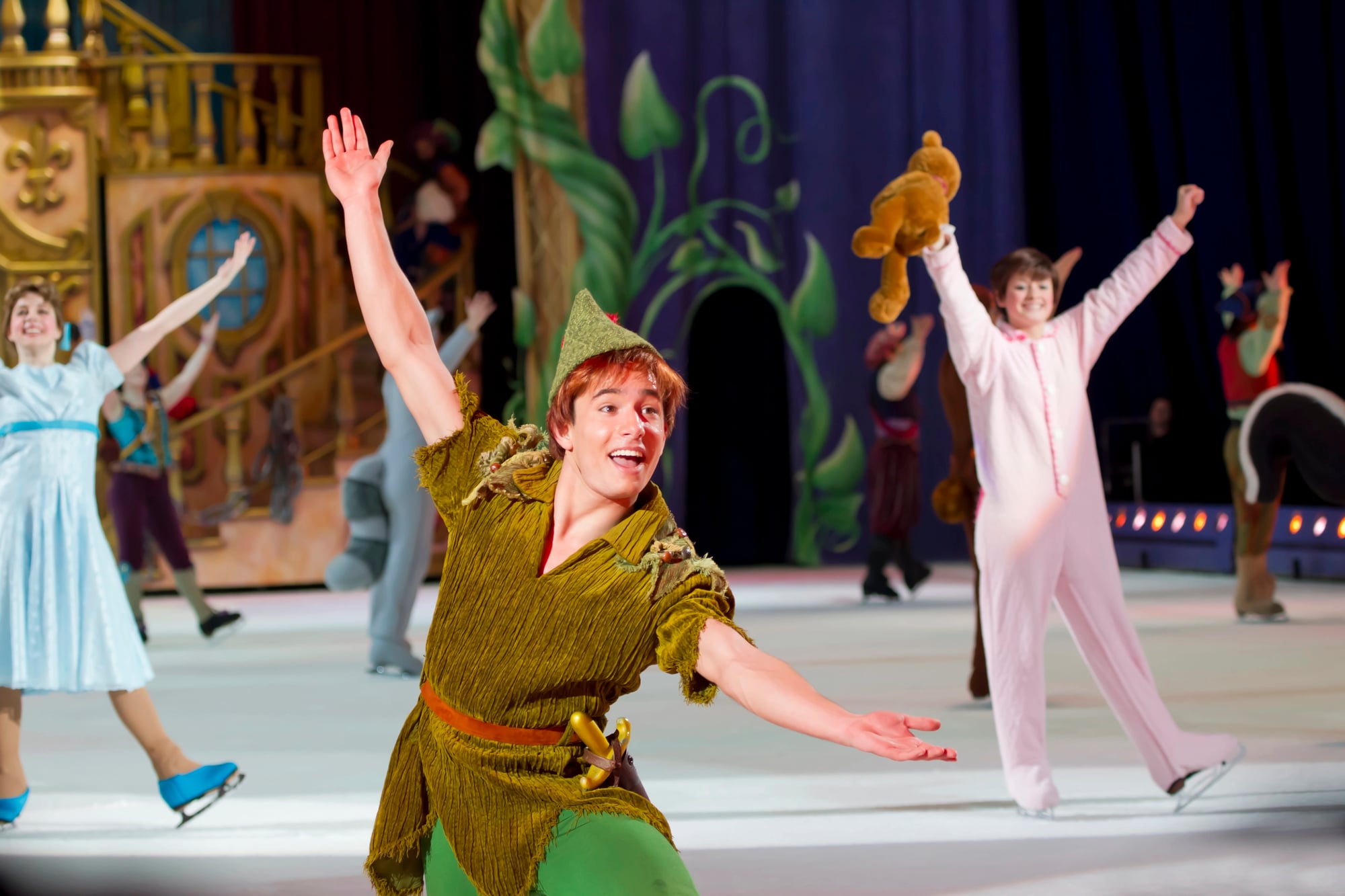
J.M. Barrie’s original Peter Pan contains several disturbing elements that Disney softened considerably for modern audiences. Peter regularly ‘thins out’ the Lost Boys when they get too old, and the story heavily implies he eliminates them permanently.
The character was also partly inspired by Barrie’s complicated relationship with the real-life boys who inspired the story, several of whom died young.
Little Red Riding Hood
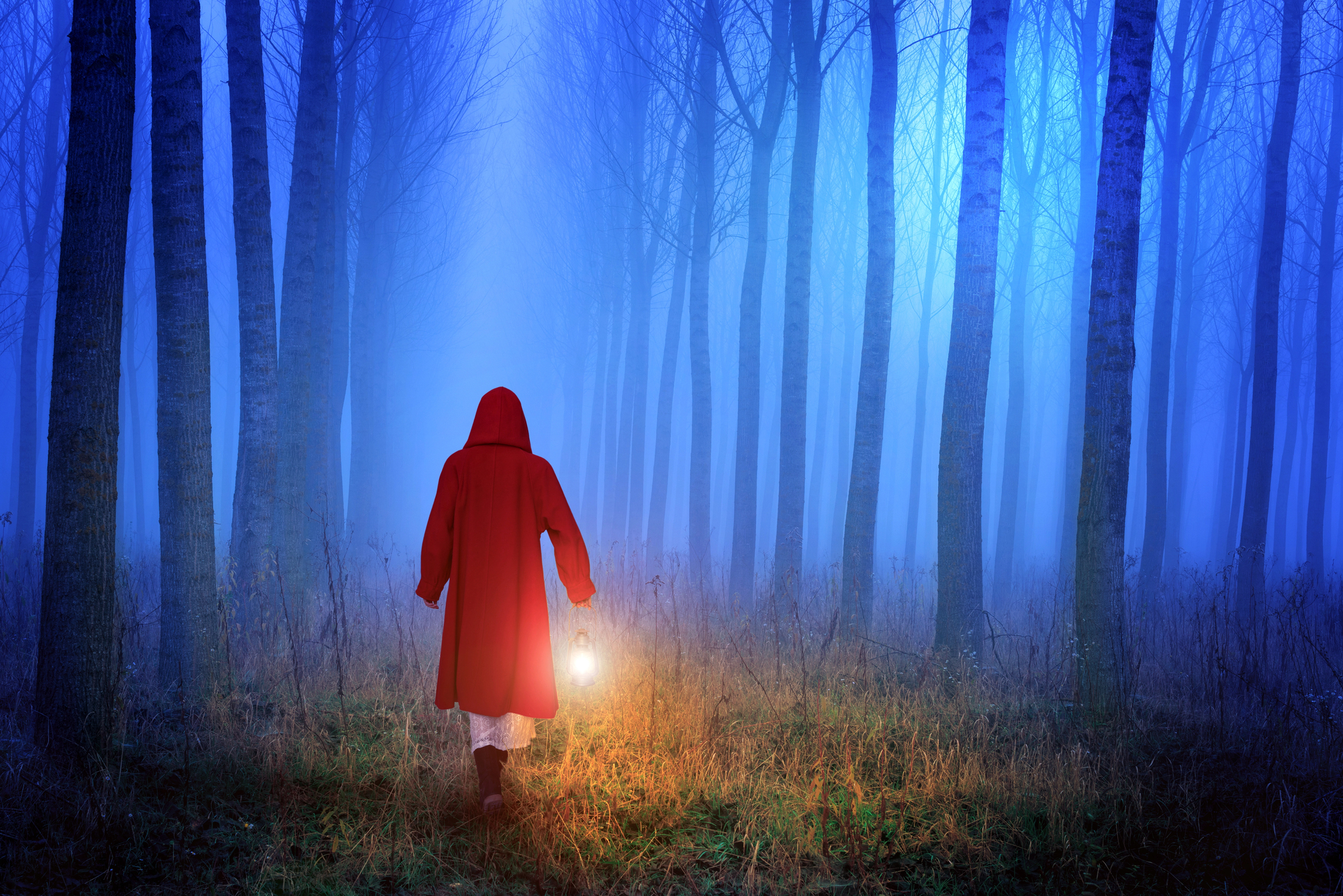
The original French version of Little Red Riding Hood by Charles Perrault ends with the wolf successfully eating both the grandmother and the little girl. There’s no woodsman to save the day, and the story serves as a stark warning about the dangers of talking to strangers.
Some versions also contain overtly adult themes about predatory behavior that were later removed.
Like Go2Tutors’s content? Follow us on MSN.
Rumpelstiltskin
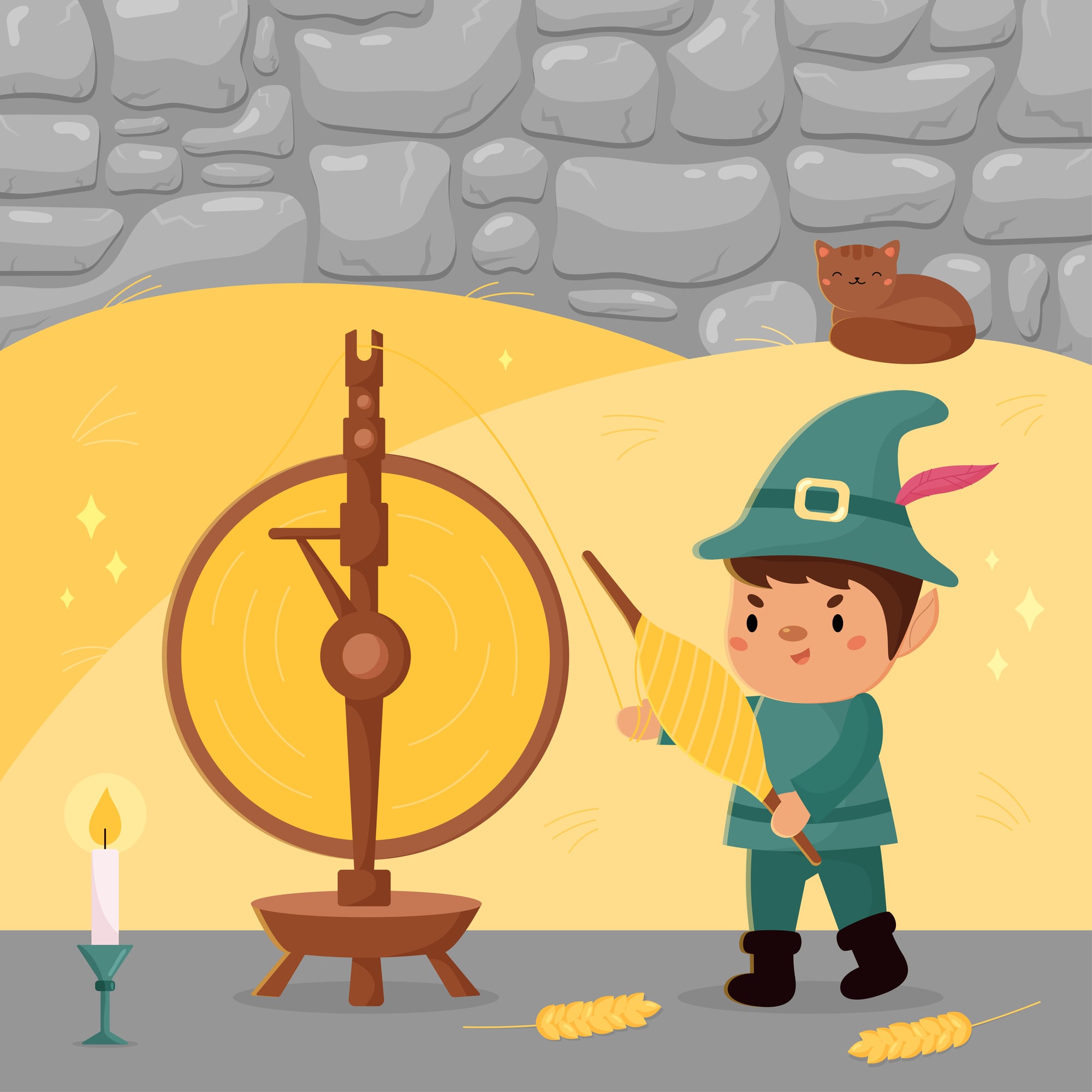
The Brothers Grimm version of Rumpelstiltskin features a much more violent ending than most people remember. When the queen correctly guesses his name, Rumpelstiltskin becomes so enraged that he stamps his foot so hard it goes through the floor.
He then grabs his other leg and literally tears himself in half, dying in the process.
Alice in Wonderland
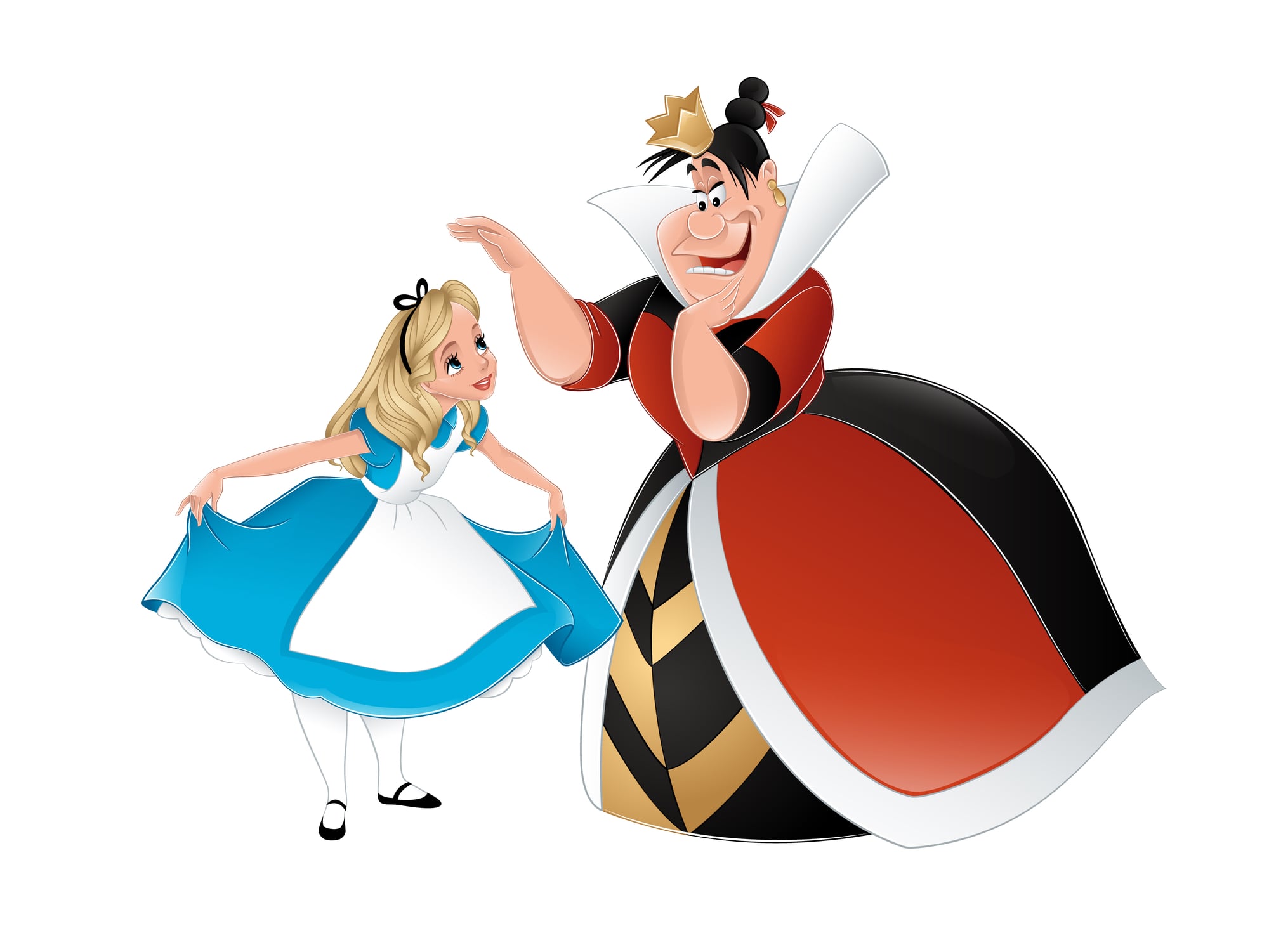
While Lewis Carroll’s Alice appears whimsical on the surface, the original story contains numerous references to death, violence, and psychological instability. The Queen of Hearts constantly threatens to behead people, and many characters discuss their own mortality in disturbing ways.
Some scholars suggest the entire story represents a child’s descent into madness or a drug-induced hallucination.
Goldilocks and the Three Bears
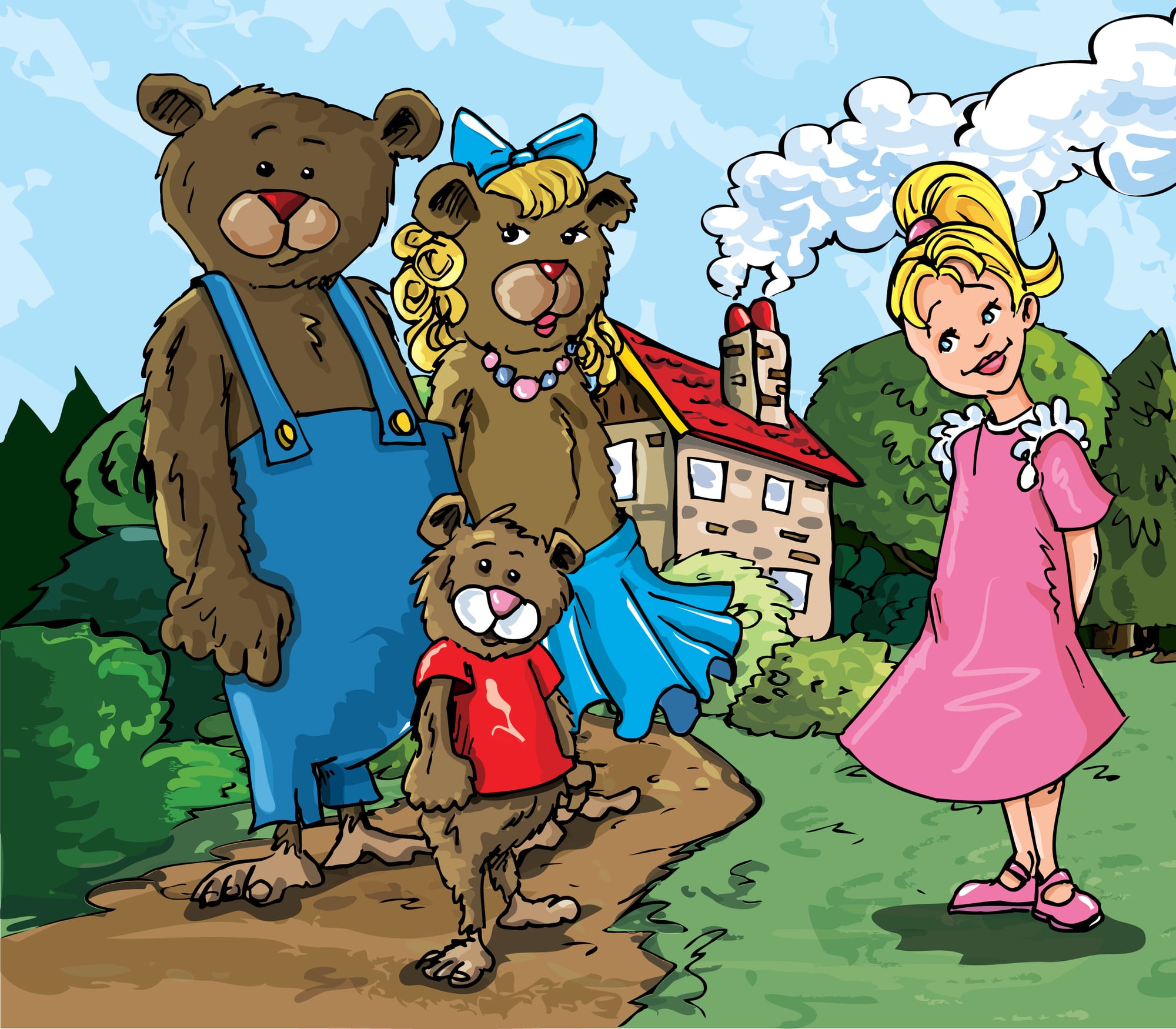
The earliest versions of this story didn’t feature a cute little girl but rather an ugly old woman who was far more malicious in her intentions. In some versions, the intruder is actually a fox or other animal, and the bears’ response to the break-in is much more violent.
The original stories often ended with the bears catching and punishing the intruder severely.
Like Go2Tutors’s content? Follow us on MSN.
When Darkness Becomes Light
These transformations from dark folklore to cheerful entertainment reflect our changing understanding of childhood and what stories are appropriate for young minds. The original tales served as harsh warnings about real dangers, while modern versions focus on hope, resilience, and positive outcomes.
What’s fascinating is how these stories retained their core appeal while completely changing their moral lessons, proving that good storytelling transcends the darkness of its origins.
More from Go2Tutors!

- 16 Historical Figures Who Were Nothing Like You Think
- 12 Things Sold in the 80s That Are Now Illegal
- 15 VHS Tapes That Could Be Worth Thousands
- 17 Historical “What Ifs” That Would Have Changed Everything
- 18 TV Shows That Vanished Without a Finale
Like Go2Tutors’s content? Follow us on MSN.